

Bhagavad Gītā · Chapter 4 · Jñāna Karma Sannyāsa Yoga
जन्म कर्म च मे दिव्यमेवं यो वेत्ति तत्त्वतः
त्यक्त्वा देहं पुनर्जन्म नैति मामेति सोऽर्जुन
janma karma ca me divyamevaṃ yo vetti tattvataḥ|
tyaktvā dehaṃ punarjanma naiti māmeti so'rjuna||
Word meanings
अर्जुन = O Arjuna
मे = my
जन्म = birth
च = and
कर्म = action
दिव्यम् = divine
एवम् = thus
यः = he who
तत्त्वतः = in truth
वेत्ति = knows
सः = that
देहम् = the body
त्यक्त्वा = having given up/risking
पुनः, जन्म = rebirth
न, एति = does not attain
माम् = me
एति = attains
Translation
Arjuna, My birth and activities are divine. he who knows this in reality is not reborn on leaving his body, but comes to Me.
Commentary
The commentators seated around this verse

Rāmānuja · Viśiṣṭādvaita
English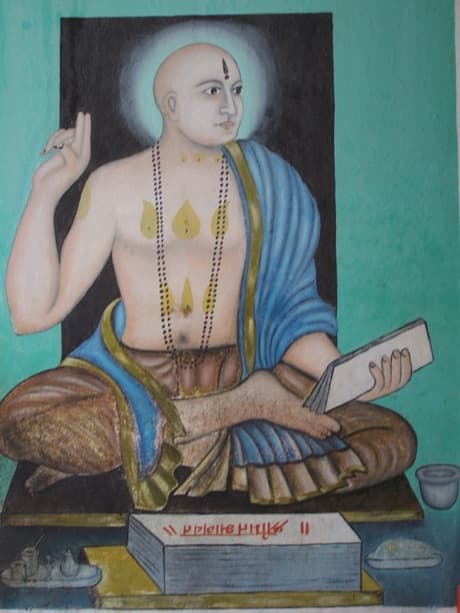
Madhvācārya · Dvaita
Madhva BhāṣyaSanskritEnglishOn verses 4.8–4.10
“न जन्मैव परित्राणादि कार्यं इति नियमः । तथाऽपि लीलय स्वभावेन च यथेष्टचारी ॥ तदाह्युक्तम् । देवस्यैष स्वभावोऽयम् , लोकवत् तु लीलाकैवल्यम्, कीडतो बालकस्येव चेष्टामस्य निशामय, अरिभयादिव स्वयं पुराद् व्यवसीद् यदनन्तवीर्यः ॥ पूर्णायमस्यात्र न किञ्चिदाप्यं तथाऽपि सर्वाः कुरुते प्रवृत्तीः । अतो विरुद्धेपुमिमं वदन्ति परावरज्ञा मुनयः प्रशान्ताः ॥ इत्याद्यस्येवदखिलेषु ।” — There is no reason for Sri Hari to take descent for the protection of the noble. But by his own Will and (in some cases) out of sport he descends — “This Will itself is the inclination of the Lord”, “In common parlance it is like bliss of creativity”, “plays like a child, know his exuberance to be his nature”, “He of incomparable prowess left Mathura out of fear of the enemy, as it were” “Sir Hari is complete in Himself. There is nothing to be attained through actions. Even then he performs all types of action. Therefore, the knowers of the supreme wisdom, the equanimous thinkers declare Sri Hari having supra-natural impulse”, thus in Rigveda.
“पृथक् मुक्तयुक्तिः सर्वज्ञाननियमदर्शनार्थम् | न तु तावन्मात्रेण मुक्तिरित्युक्तम् || वेदाद्युक्तं तु सर्वे यो ज्ञात्वोपास्ते सदा हि माम् | तस्यैव दर्शनपथं यामि नान्यस्य कस्यचित् || इति महाकौर्म | अत्रोक्तस्यैतज्ज्ञात्वैव जन्म नैतीति गतिः | इतरवाक्यानां नान्याथ गतिः | नान्यस्य कस्यचित् इति विशेषणात् | तत्त्वतः इति विशेषणाच्च सर्वज्ञानमापतति || तत्रैव भवति तत्र तत्त्वतः || इति विशेषणेन व विरोधः | उक्तं च “एकं च तत्त्वतो ज्ञातुं विना सर्वज्ञातां नरः | न समर्थो महरन्दोऽपि तस्मात् सर्वत्र जिज्ञासेत् || इति स्कान्दे |” - For the sake of showing that complete deliverance is possible only through complete Wisdom of His essence and not by knowing it partially. Whoever, knowing all the principles mentioned in Vedas, adores Me always, for him alone do I show Myself: not for others, thus, in Maha Kurma Puraana. Only if one knows in this manner, there would be no re-birth, thus the words mentioned here should be understood. Due to the use of the words there is no other way, which shows that never for others would the Lord will be seen. The adjective tatvatah shows that entirety of Wisdom is essential and where it is used thus, there it would not be contradictory. A human being will not know by understanding a single principle without first knowing the entirety of the principles. Even the great god, Indra would not be capable; therefore one should endeavour to know all the principles, thus in Skanda Purana.
“सन्ति च तथा मुक्ता इत्याह - वीतरागा इति | मन्यायाः मत्प्रचुरा | सार्वत्र मां विना न किञ्चित् पश्यन्ति इत्यर्थः |” - By renouncing passion etc. they become delivered, says Sri Krishna in this verse. मन्या means having firm abidance in Me. In all directions seeing none other than the Lord, this is the meaning.
Madhvācārya · Dvaita
Gītā Tātparya NirṇayaSanskritEnglishOn verses 4.8–4.10
“येषां गुणानां ज्ञानेन मक्तिरुक्ता पृथक्पृथक् | वेदेषु चेतिहासेषु सा तु तप्तां समुच्चयात् | एवमेव शमादिनां नान्यथा तु कथञ्चन || इति ब्रह्मवैवर्तवचनात् जन्म कर्म च इत्यादिषु न तावन्मात्रेण मोक्षः | मयं प्रधानमद्दिष्टं प्राधान्यं वैहरेर्मतम् || भगवन्मयास्ते विज्ञेयास्ते मुच्यन्ते न चापरे |” - By Wisdom gained and understanding the attributes spoken in Vedas and Itihas (Mahabharata) in different places, the deliverance is possible, similarly by counseling etc. but not from any other way, thus, in Brahma Vaivarta Purana. Not by mere knowledge of birth, performance of actions is deliverance possible. He who knows the Primacy of the Lord becomes aware of (His) integral form. Only those who know the Resplendent Lord thus alone are liberated, not the others. Being integrated with Me means acquiring a form similar to My integral form.

Jñāneśvar · Vārkarī
English9 "Whoso in this way understands the true nature of my Divine birth and (Divine) function, he, relinquishing his (present) body, does not come to birth again: he comes to Me, O Arjuna! (58)
And he alone is truly liberated who is settled in the vision of the eternal truth that I am born incarnate though remaining essentially unborn, and that I am essentially actionless though I appear active. For such a one, even though living in this mortal world, is not really moved by bodily attachment and even though he wears a bodily form, is not enslaved by his body functions, and when in due course his body gets dissolved in the five elements, he merges in the essence of my eternal self.
Swami Ramsukhdas · Modern
English'Janma karma ca me divyam'— The Lord is beyond birth and death, He is birthless and imperishable. His manifestation in human body, is not like the birth of common men. He manifests Himself of His own accord* in order to stage the drama of human life, for the welfare of beings.
The form (body) of the Lord, unlike other beings, is not made of flesh and blood. The bodies of beings are full of virtues and vices. They are transitory, sick, mundane, changing, material and are born of ovum and semen, while the Form of the Lord, is free from virtues and vices. It is eternal, healthy, spiritual, unchanging, divine and is revealed. The bodies of gods, are also divine, but the Form of the Lord, is far superior to those of the gods and even the gods are ever eager to see this Form (Gītā 11/52).
When the Lord descended on the mortal world, as Lord Rāma and Lord Kṛṣṇa, mother Kausalyā and Devakī, did not give birth to Them. First, He revealed to them His four-armed divine Form, with conch, disc, mace and lotus, and then staged the drama of a child, then the mother, requested Him to conceal that divine Form. The description has been, very clearly, given, in the Rāmacaritamānasa 1/192, as well as Śrīmadbhāgavata 10/3/30 and 10/3/46.
* Uddhava tells Lord Kṛṣṇa, "You are the Supreme beyond Nature (Prakṛti) and You are Brahma, the very embodiment of knowledge; even then You have manifested Yourself as a human being of Your own accord" (Śrīmadbhā. 11/11/28).
When Lord Rāma returned to His Abode, He, unlike common men, disappeared from this mortal world along with His body (Form), His body was not left on the earth. It is said in the Rāmāyaṇa by Vālmīki, that having heard the words of Brahmā, the creator the very wise Lord Rāma, having decided, entered the splendour of Lord Viṣṇu, with His three brothers, in His Form. As far as Lord Kṛṣṇa is concerned, the same fact, is mentioned about Him in Śrīmadbhāgavata that He also went to His Abode, in His Form (11/31/6).
The same sort of description is available in Rāmacaritamānasa, when sage Vālmīki says to Lord Rāma, that His Form is divine and unaltered, only a deserving one knows the reality about Him, when He manifests Himself as a human being, for protecting saints and gods, and preach and act as a worldly king.
Once, sages Sanaka etc., were going to the Abode of Lord Viṣṇu. The gatekeeper would not let them go in and they cursed him. Knowing that His gatekeeper had insulted the sages, Lord Viṣṇu Himself came to the entrance. Having a vision of the Lord, and receiving the divine smell of basil leaves and shoots, while bowing to Him, their bodies and hearts were thrilled, and excited, though such wise sages, ever remain established in the imperishable Lord (Śrīmadbhā. 3/15/43). As the smell of the Lord's lotus feet, is divine, His clothes, ornaments and weapons etc., are also divine, sentient and very singular.
Having heard, studied and recollected the pastime of the Lord, people's hearts are purified and they get rid of ignorance—this is the divine nature of His actions. Lord Śaṅkara, Brahmā, the creator, sages, such as Sanaka etc., divine sage, Nārada etc., who are the embodiments of knowledge, having sung and heard of His divine pastime, get absorbed in them. A person who visits the places, where the Lord staged the drama of His human life, with reverence and faith and resides there, attains salvation. It means that the Lord manifests Himself and carries on His pastimes
in order to enable the people to attain salvation. Therefore, people attain their aim by reading, hearing and thinking, of His divine pastimes.
In the fourth verse, Arjuna put the question to the Lord pertaining to His birth, but here, the Lord starts describing his action of his own accord. By doing so, it seems as if the Lord wants to emphasize the fact, that a man's actions can also be divine, though his birth cannot be divine as human life has been bestowed upon him only to perform, such actions. Actions are divine, when these are free from desire, for reward, attachment and a sense of 'mine.' Divine actions, lead to liberation from the bondage, of the present as well as past actions, and these naturally do good to others.
In fact, actions become impure, when a man accepts his affinity for perishable objects; and these lead him to bondage. This affinity, makes not only actions but also objects and mind, impure. As soon as, this affinity is renounced, all the three become pure. It is affinity for the perishable, which is the main obstacle to salvation.
'Evam yo vetti tattvataḥ'—God in spite of, being without, birth imperishable and the Lord of all beings, manifests Himself, of His own accord, and by keeping His nature (prakṛti) under control, for the welfare of all beings. He who knows this fact, realises the divine nature, of the births of the Lord.
Though all actions are performed by Him, yet He is a non-doer i.e., He has no pride of doership (Gītā 4/13), nor does He desire, the fruit of actions (Gītā 4/14). He who knows fact, knows the divine nature of the Lord's actions.
As the Lord manifests Himself, for the welfare of the entire creation and as He remains detached from actions, similarly, those people, who live for the welfare of the world, and remain detached from actions, know the divine nature of His births (manifestations) and actions.
'Tyaktvā dehaṁ punarjanma naiti'—There is nothing in the three worlds, that is to be done by the Lord, nor is there anything unattained, that should be attained by Him (Gītā 3/22), yet He manifests Himself in this mortal world, by His grace to inspire beings to attain salvation. He carries on His wonderful pastime, also for the same purpose. When a person recites, hears, reads or thinks of his pastimes, he is linked with the Lord. When he is connected with the Lord his tie with the world is cut off. When this bond with the world is snapped, he is not reborn i.e., he is liberated, from the bondage of birth and death.
In fact, it is not action but desire, which binds a man and this desire is man-made. In order to satisfy his desire, he performs actions with a selfish motive, being attached to these, they bind him. As desire is enhanced, he is inclined towards sinful actions, which lead him to his birth, in evil bodies and to hell. But, when he performs actions without a selfish motive for the welfare of others, his actions become divine and uncommon, they do not lead him to bondage and he is not reborn.
'Māmeti so'rjuna'—When a man assumes his affinity for perishable actions, the ever-attainable Lord, seems unattained, to him. But, when actions are performed without expecting any reward, for the welfare of others, their direction is towards the world and the ever-attained Lord, is realized.
It is because of the Lord's divine nature, that He descends to this mortal world, in order to shower His grace upon beings. Those who know this fact, become His devotees and then remain absorbed only in His adoration or devotion (Mānasa 5/34/2). This devotion, leads to salvation. Similarly, when a man knows the divine nature of His actions then his actions also become divine viz., pure and then these lead him, as well as others, to God-realization (salvation) as he renounces his affinity for the world. It is the affinity, which is an obstacle to salvation or God-realization.
A Vital Fact
Actions are transitory and perishable, and so is their fruit, while the self (soul) is uniform and eternal. Therefore, in fact the self has no affinity for actions, the affinity is merely assumed. While performing actions, if a man realizes that he has no affinity for them, his actions become divine. This is the reality, about actions and this is Karmayoga.
When a man identifies himself, with active nature (prakṛti), it gives an impetus to action. He can never remain even for a moment, without performing action (Gītā 3/5). He thinks, that as worldly objects are acquired by performing actions, so can the Lord be realized through them. But, it is an error of judgement, because only perishable objects, rather than the imperishable, Lord, can be acquired through perishable actions. The imperishable Lord, can be attained by renouncing affinity for actions. This affinity for action can be renounced more easily, through the Discipline of Action, than through the Discipline of knowledge. It is so because when all action with gross, subtle and causal bodies is performed, for the welfare of the world without any selfish motive, their flow is towards the world, and so affinity for action is renounced.
The Lord, by using the terms 'Māmeti' wants to explain, that He whom, a man wants to attain through the performance of actions is ever attained. What efforts are required to attain Him who is ever attained and ever-existent? Whatever was not otherwise attained is attained, by effort?
Two aspects are noteworthy in this regard—origin and discovery. Originated, is that which has no independent, existence, and which was absent in the beginning and perishes in the end. Discovered, is that which has a separate existence forever. But God seems to get concealed, when importance is attached to mundane actions and objects. When one uses actions and objects
in rendering service to others, his affinity for actions and objects is automatically renounced and ever attainable God is revealed. This is called discovery of the ever attained.
Carelessness and indolence, in the performance of actions and the desire for fruit of actions are the main stumbling blocks to God-realization. If actions are performed without the desire for fruit in rendering service to others, the affinity for actions is renounced and we realize our affinity for God which is naturally eternal.
**Appendix**—If actions are performed for the welfare of others in a disinterested way or they are performed for the Lord’s sake, those actions become divine and lead to salvation. But the actions performed ridden with desire for one’s own self become impure and lead to bondage.
Actions done without the sense of doership are of divine character. When actions are not performed for one’s own self, the sense of doership is wiped out.
The Lord’s most insignificant action as well as the most significant action is His ‘pastime’. In His pastime the Lord while acting like common men remains untainted (Gītā 4/13). The Lord’s drama of life is divine. This divine nature of His drama is singular and is different from the divine nature of gods. The divine nature of gods in comparison with men is relatively divine and is limited while the Lord’s divinity is absolute and infinite. Though the actions of liberated, enlightened and God-loving exalted souls are also divine but they are not like the Lord’s pastimes. Even the common pastime of the Lord is very uncommon (unworldly). As the Lord’s ‘Rāsalīlā’ seems worldly yet by reading it and by listening to it, a striver’s lust (sex) is wiped out (Śrīmadbhā. tenth canto, thirty-third chapter, fortieth verse).
This world is the beginningless incarnation of God—‘ādyo’vatāraḥ puruṣaḥ parasya’ (Śrīmadbhā. 2/6/41). It means that God has manifested Himself in the form of the world.
But the embodied soul, because of his attachment to pleasures without recognising it as the manifestation of God, has sustained it as the world—‘jīvabhūtām mahābāho yayedam dhāryate jagat’ (Gītā 7/5). In order to wipe out this notion, a striver should firmly believe that whatever is perceived (seen) is the manifestation of God and whatever is happening is the pastime of the Lord. By assuming (accepting) this, the world will not remain as the world and ‘there is nothing except God’—this truth will be realized. In other words the world will disappear and only God will remain. The reason is that by thinking (accepting) everything and person as the manifestation of God and every action as the Lord’s pastime, attraction for pleasure and also attachment—aversion will not persist. When attachment to pleasure is wiped out the actions which seemed worldly, will appear divine as the pastime of the Lord and the attachment to pleasure will be transformed into love (devotion) for God.
The Lord carries on this pastime according to the Form in which He manifests Himself.* When He takes the form of an
* Lord Kṛṣṇa says to the sage Uttāṅka—
dharmasamrakṣaṇārthāya dharmasamsthāpanāya ca taistairveṣaiśca rūpaiśca triṣu lokeṣu bhārgava (Mahābhārata, āśva. 54/13-14)
“For the protection and establishment of righteousness I manifest Myself in many species and act according to those Forms and Guises.”
yadā tvaham devayonau vartāmi bhṛgunandana tadāham devavat sarvamācarāmi na saṃśayaḥ yadā gandharvayonau vā vartāmi bhṛgunandana tadā gandharvavat sarvamācarāmi na saṃśayaḥ nāgayonau yadā caiva tadā vartāmi nāgavat yakṣarākṣasayonyostu yathāvad vicarāmyaham (Mahābhārata, āśva. 54/17—19)
‘O Bhṛgunandana! when I manifest Myself as a deity, then I behave and act like deities, there is no doubt about it. When I incarnate as a ‘Gandharva’ (celestial singers & musicians), I behave and act as a Gandharva, there is no doubt about it. When I manifest Myself as a ‘nāga’ then I behave like ‘nāgas. I by manifesting Myself as a gnome or as a devil, I behave and act just like them.’
us, we regard these as of others and for others, and render service to others with these, attachment perishes because in fact, we have no affinity for such objects and actions.
The Lord, without any selfish motive descends to the mortal world, in order to inspire beings to attain salvation, as He is a disinterested friend, of all beings. When a man has a firm belief that He is the disinterested friend of all beings, he is attracted towards God. The attraction for Him wipes out attraction, (attachment) for the world. For example, in childhood children play the game of marbles and have attraction for the same. They ever quarrel for their possessions. But, when they grow old, instead of having attraction for marbles or toys they have attraction for money. But, when they are inclined towards God, they have no attraction for mundane objects and riches etc. Their attachment for them, is renounced. As soon as it is renounced, fear and anger are rooted out, because both of these depend on attachment.
'Manmayā'—When, a man knows the truth about the divine nature of the Lord's birth and actions, He becomes, dear to him. So he takes refuge in Him, and gets absorbed in Him.
Those, who have attraction for mundane pleasures get absorbed in the desire for pleasure (Gītā 2/43), while those, who have attraction for God ever remain absorbed in Him (Nārada-Bhaktisūtra 70). They lose their individuality, because of their exclusive devotion to Him, and identify themselves with Him.*
'Māmupāśritāḥ'—The expression, 'Vitarāgabhayakrodhāḥ' denotes, total severance of connection with the world, while it also indicates that a striver taking refuge in Him, gets absorbed in Him.
* Cowherdesses became just like their loving Lord Kṛṣṇa in gait and manners, laughter and merriment, glance, speech, inclination and facial expression etc. They having forgotten themselves totally became the embodiment of Lord Kṛṣṇa and copying His pastime began to utter, 'I am no one else but Lord Kṛṣṇa (Śrīmadbhā. 10/30/3).
idol, he like a picture carries on the drama (pastime) of being motionless. If He doesn't remain immovable, how will His manifestation as an idol be proved? The Lord descended to this world as Rāma and Kṛṣṇa etc., and also as a fish and a tortoise etc. He carried on His pastime according to His Form. As in 'varāhāvatāra' (incarnation as a boar) he played the drama as a boar and in 'Vāmanāvatāra' (incarnation as a dwarf) he carried on the pastime as a celibate. Therefore a striver should hold that whatever is happening now is only the Lord's pastime.
Link:—The Lord, in the next verse, describes the traits of those devotees, who know the divine nature of His birth and action.
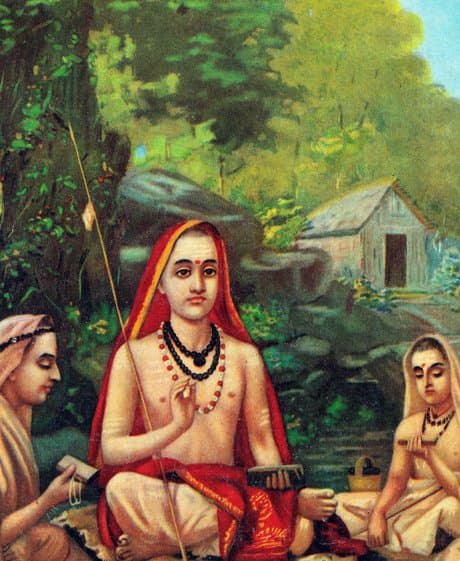
Ādi Śaṅkarācārya · Advaita
Sanskritजन्म मायारूपं कर्म च साधूनां परित्राणादि मे मम दिव्यं अप्राकृतम् ऐश्वरं एवं यथोक्तं यः वेत्ति तत्त्वतः तत्त्वेन यथावत् त्यक्त्वा देहम् इमं पुनर्जन्म पुनरुत्पत्तिं न एति न प्राप्नोति । मां एति आगच्छति सः मुच्यते हे अर्जुन ॥ नैष मोक्षमार्ग इदानीं प्रवृत्तः ; किं तर्हि ? पूर्वमपि --
Ādi Śaṅkarācārya · Advaita
Hindiवह—
मेरा मायामय जन्म और साधुरक्षण आदि कर्म दिव्य हैं, अर्थात् अलौकिक हैं—यानी केवल ईश्वरशक्तिसे ही होनेवाले हैं। इस प्रकार जो तत्त्वसे यथार्थ जानता है।
हे अर्जुन! वह इस शरीरको छोड़कर पुनर्जन्म अर्थात् पुनः उत्पत्तिको प्राप्त नहीं होता, (बल्कि) मेरे पास आ जाता है अर्थात् मुक्त हो जाता है
Jñāneśvar · Vārkarī
Marathiमाझे अजत्वें जन्मणें । अक्रियताचि कर्म करणें । हें अविकार जो जाणे । तो परममुक्त ॥ ५८ ॥
तो चालिला संगे न चळे । देहींचा देहा नाकळे । मग पंचत्वीं तंव मिळे । माझांचि रूपीं ॥ ५९ ॥
Jñāneśvar · Vārkarī
Hindi(4.58) जो निःसंशय यह समझ ले कि मैं जन्मरहित होते हुए जन्म लेता हूँ, क्रिया करनेहारा न रहते हुए कर्म करता हूँ, वही अत्यन्त मुक्त है।
(4.59) जब मनुष्य देहसंग के कारण चले तो भी वास्तव में नहीं चलता, देह में रहता है तो भी देह के वश नहीं होता, और फिर जब पंचत्व में मिलता है, तब मेरे ही स्वरूप में आ मिलता है।

Sri Udiya Baba · Modern
Hindiसंगति— अगले श्लोक में यही बात कही जाती है—
भावार्थ— अर्जुन! मेरे जन्म और कर्म दिव्य (अलौकिक) हैं। ऐसा जो तत्त्व से जानता है वह शरीर को त्यागकर फिर जन्म नहीं लेता, मुझे ही प्राप्त हो जाता है।
व्याख्या— पहले सच्चिदानन्द भाव से ध्यान करने पर जब ऐसा अनुभव होता है कि भगवान् चिन्मय हैं और मैं भी चिन्मय हूँ तब फिर जन्म नहीं होता। भगवान् के जन्म और कर्मों की दिव्यता इससे मालूम होती है कि उन्होंने छः मास की आयु में ही पूतना एवं शकटासुर आदि का संहार किया, गोवर्धन पर्वत उठाया, सहस्रों गोपाङ्गनाओं के साथ पृथक्-पृथक् रूप धारण कर रास-क्रीड़ा की और सोलह हजार एक सौ आठ रानियों के साथ गार्हस्थ्य धर्म का निर्वाह किया।
स्वरूप का अनुभव सत् चित् आनन्द और अद्वैत इन चार दृष्टियों से होता है। मैं शरीर रूप हूँ और परलोक में जाऊँगा—ऐसा सत् रूप से अनुभव तो प्राणिमात्र को होता है। मैं पञ्चकोश से भिन्न हूँ और जैसे भगवान् का शरीर दिव्य और चिन्मय है वैसे ही मेरा स्वरूप भी चिन्मय है—ऐसा अनुभव भगवान् साक्षात्कार होने पर ही होता है। जो भक्त भगवत्साक्षात्कार से पहले ही अपने को चिन्मय मान लेते हैं वह उनकी कल्पना ही होती है। आनन्दरूपता का अनुभव
ध्यान की गाढ़ अवस्था में होता है परन्तु फिर भी अज्ञान का पर्दा रह जाता है, जिसे आवरण कहते हैं। वह तत्त्वज्ञान से ही नष्ट होता है। अर्थात् अद्वैत का अनुभव सबके पीछे होता है। यही तत्त्वज्ञान है। यह प्रेमाभक्ति की प्रक्रिया है, वेदान्ती भले ही इसे स्वीकार न करें। जिज्ञासु तो ऐसा मानते हैं कि भक्ति परिपक्व होने पर भगवान् कृपा करते हैं, तब जिज्ञासा होती है। पीछे श्रवणादि करने पर महावाक्य द्वारा ज्ञान होता है। उपासक वाच्यार्थ और लक्ष्यार्थ को अभिन्न मानते हैं, उनका जो वाच्यार्थ है वही लक्ष्यार्थ है। किन्तु वेदान्ती इन दोनों का भेद मानते हैं।
इस श्लोक में 'तत्त्वतः' शब्द आया है, अतः तत्त्वज्ञान की दृष्टि से इसका अर्थ इस प्रकार होगा— मैं शुद्ध साक्षी हूँ। परमार्थतः तो मेरे जन्म और कर्मों का अत्यन्ताभाव है किन्तु जैसे आभूषण सुवर्ण से पृथक् प्रतीत नहीं होते उसी प्रकार मेरे राम-कृष्णादि स्वरूप भी शुद्ध ब्रह्म से भिन्न नहीं हैं। उनका उसी में भास होता है। ऐसा जिसको अनुभव है वह शरीर त्यागकर फिर जन्म को प्राप्त नहीं होता, अपने शुद्ध स्वरूप को प्राप्त हो जाता है।
Swami Ramsukhdas · Modern
Hindi‘जन्म कर्म च मे दिव्यम्’—भगवान् जन्म-मृत्युसे सर्वथा अतीत—अजन्मा और अविनाशी हैं। उनका मनुष्यरूपमें अवतार साधारण मनुष्योंकी तरह नहीं होता। वे कृपापूर्वक मात्र जीवोंका हित करनेके लिये स्वतन्त्रतापूर्वक मनुष्य आदिके रूपमें जन्म-धारणकी लीला करते हैं। उनका जन्म कर्मोंके परवश नहीं होता। वे अपनी इच्छासे ही शरीर धारण करते हैं।
भगवान्का साकार विग्रह जीवोंके शरीरोंकी तरह हाड-मांसका नहीं होता। जीवोंके शरीर तो पाप-पुण्यमय, अनित्य, रोगग्रस्त, लौकिक, विकारी, पांचभौतिक और रज-वीर्यसे उत्पन्न होनेवाले होते हैं, पर भगवान्के विग्रह
पाप-पुण्यसे रहित, नित्य, अनामय, अलौकिक, विकाररहित, परम दिव्य और प्रकट होनेवाले होते हैं। अन्य जीवोंकी अपेक्षा तो देवताओंके शरीर भी दिव्य होते हैं, पर भगवान्का शरीर उनसे भी अत्यन्त विलक्षण होता है, जिसका देवतालोग भी सदा ही दर्शन चाहते रहते हैं (गीता—ग्यारहवें अध्यायका बावनवाँ श्लोक)।
भगवान् जब श्रीराम तथा श्रीकृष्णके रूपमें इस पृथ्वीपर आये, तब वे माता कौसल्या और देवकीके गर्भसे उत्पन्न नहीं हुए। पहले उन्हें अपने शंख-चक्र-गदा-पद्यधारी स्वरूपका दर्शन देकर फिर वे माताकी प्रार्थनापर बालरूपमें लीला करने लगे। भगवान् श्रीरामके लिये गोस्वामी
* (१) ‘निज इच्छा प्रभु अवतरह’ (मानस ४।२६)
(२) विप्र धेनु सुर संत हित लीन्ह मनुज अवतार।
निज इच्छा निर्मित तनु माया गुन गो पार॥ (मानस १।१९२)
(३) उद्धवजी भगवान्से कहते हैं—
(३) त्वं ब्रह्म परमं व्योम पुरुषः प्रकृतेः परः। अवतीर्णोऽसि भगवन् स्वेच्छोपात्तपृथग्वपुः॥
(श्रीमद्भा० ११।११।२८)
‘आप प्रकृतिसे परे पुरुषोत्तम एवं चिदाकाशस्वरूप ब्रह्म हैं। फिर भी आपने स्वेच्छासे ही यह अलग शरीर धारण करके अवतार लिया है।’
तुलसीदासजी कहते हैं—
भए प्रगट कृपाला दीनदयाला कौसल्या हितकारी। हरषित महतारी मुनि मन हारी अद्भुत रूप बिचारी॥ लोचन अभिरामा तनु घनस्यामा निज आयुध भुज चारी। भूषण बनमाला नयन बिसाला सोभासिंधु खरारी॥ माता पुनि बोली सो मति डोली तजहु तात यह रूपा। कीजै सिसुलीला अति प्रियसीला यह सुख परम अनूपा॥ सुनि बचन सुजाना रोदन ठाना होइ बालक सुरभूपा।
भगवान् श्रीकृष्णके लिये आया है—
उपसंहर विश्वात्मन्दो रूपमलोकिकम्।
शङ्खचक्रगदापद्मिश्रिया जुष्टं चतुर्भुजम्॥
(श्रीमद्भा० १०।३।३०)
माता देवकीने कहा—‘विश्वात्मन्! शंख, चक्र, गदा और पद्मकी शोभासे युक्त इस चार भुजाओंवाले अपने अलौकिक दिव्य रूपको अब छिपा लीजिये!’ तब भगवान्ने माता-पिताके देखते-देखते अपनी मायासे तत्काल एक साधारण शिशुका रूप धारण कर लिया—
पित्रोः सम्पश्यतोः सद्यो बभूव प्राकृतः शिशुः।
(श्रीमद्भा० १०।३।४६)
जब भगवान् श्रीराम अपने धाम पधारने लगे, तब वे अन्तर्धान हुए। जीवोंके शरीरोंकी तरह उनका शरीर यहाँ नहीं रहा, प्रत्युत वे इसी शरीरसे अपने धाम चले गये—
पितामहवचः श्रुत्वा विनिश्चित्य महामतिः।
विवेश वैष्णवं तेजः सशरीरः सहानुजः॥
(वाल्मीकिरामायण, उत्तर० ११०।१२)
‘महामति भगवान् श्रीरामने पितामह ब्रह्माजीके वचन सुनकर और तदनुसार निश्चय करके तीनों भाइयोंसहित अपने उसी शरीरसे वैष्णव तेजमें प्रवेश किया।’
भगवान् श्रीकृष्णके लिये भी ऐसी ही बात आयी है— लोकाभिरामां स्वतनुं धारणाध्यानमङ्गलम्। योगधारणयाऽऽग्नेय्यादग्ध्वा धामाविशत् स्वकम्॥
(श्रीमद्भा० ११।३१।६)
‘धारणा और ध्यानके लिये अति मंगलरूप अपनी लोकाभिरामा मोहिनी मूर्तिको योगधारणाजनित अग्निके द्वारा भस्म किये बिना ही भगवान्ने अपने धाममें सशरीर प्रवेश किया।’
भगवान्के विग्रह—(दिव्य शरीर—) के विषयमें महामुनि
वाल्मीकिजी भगवान् श्रीरामसे कहते हैं—
चिदानंदमय देह तुम्हारी। बिगत बिकार जान अधिकारी॥ नर तनु धरेहु संत सुर काजा। कहहु करहु जस प्राकृत राजा॥
(मानस २।१२७।३)
एक बार सनकादि ऋषि वैकुण्ठधाममें जा रहे थे। वहाँ भगवान्के द्वारपालोंने उन्हें भीतर जानेसे रोका, तब सनकादिने उन्हें शाप दे दिया। अपने अनुचरोंके द्वारा सनकादिका अपमान हुआ जानकर भगवान् स्वयं वहाँ पधारे। उस समय भगवान्का दर्शन करनेसे उनकी बड़ी विलक्षण दशा हुई। उन्होंने भगवान्के चरणोंमें प्रणाम किया—
तस्यारविन्दनयनस्य पदारविन्द-
किञ्जल्कमिश्रतुलसीमकरन्दवायुः।
अन्तर्गतः स्वविवेरेण चकार तेषां
संक्षोभमक्षरजुषामपि चित्ततन्वोः॥
(श्रीमद्भा० ३।१५।४३)
‘प्रणाम करनेपर उन कमलनेत्र भगवान्के चरण-कमलके परागसे मिली हुई तुलसी-मंजरीकी वायुने उनके नासिका-छिद्रोंमें प्रवेश करके उन अक्षर परमात्मामें नित्य स्थित रहनेवाले ज्ञानी महात्माओंके भी चित्त और शरीरको क्षुब्ध कर दिया।’
शब्दादि विषयोंमें गंध कोई इतनी विलक्षण चीज नहीं है, जिसमें मन आकृष्ट हो जाय। पर भगवान्के चरण-कमलोंकी गंधसे नित्य-निरन्तर परमात्म-स्वरूपमें मग्न रहनेवाले सनकादिकोंके चित्तमें भी खलबली पैदा हो गयी। कारण कि वह पृथ्वीकी विकाररूप गंध नहीं थी, प्रत्युत दिव्य गंध थी। ऐसे ही भगवान्के विग्रहकी प्रत्येक वस्तु (वस्त्र, आभूषण, आयुध आदि) दिव्य, चिन्मय और अत्यन्त विलक्षण है।
भगवान्की लीलाओंको सुनने, पढ़ने, याद करने आदिसे लोगोंका अन्तःकरण निर्मल, पवित्र हो जाता है और उनका अज्ञान दूर हो जाता है—यह भगवान्के कर्मोंकी दिव्यता है। ज्ञानस्वरूप भगवान् शंकर, ब्रह्माजी, सनकादिक ऋषि, देवर्षि नारद आदि भी उनकी लीलाओंको गाकर और सुनकर मग्न हो जाते हैं। भगवान्के अवतारके जो लीला-स्थल हैं, उन स्थानोंमें आस्तिकभावसे, श्रद्धा-प्रेमपूर्वक निवास करनेसे एवं उनका दर्शन करनेसे भी मनुष्यका कल्याण हो जाता है। तात्पर्य है कि भगवान् मात्र जीवोंका कल्याण करनेके उद्देश्यसे ही अवतार लेते हैं और लीलाएँ करते हैं; अतः उनकी लीलाओंको पढ़ने-
सुननेसे, उनका मनन-चिन्तन करनेसे स्वाभाविक ही उस उद्देश्यकी सिद्धि हो जाती है।
चौथे श्लोकमें अर्जुनने भगवान्से केवल उनके 'जन्म' के विषयमें पूछा था; परन्तु यहाँ भगवान्ने अर्जुनके पूछे बिना अपनी तरफसे 'कर्म' के विषयमें कहना आरम्भ कर दिया! इसमें भगवान्का यह अभिप्राय प्रतीत होता है कि जैसे मेरे कर्म दिव्य हैं, वैसे तुम्हारे कर्म भी दिव्य होने चाहिये। कारण कि मनुष्यका जन्म तो दिव्य नहीं हो सकता, पर उसके कर्म अवश्य दिव्य हो सकते हैं; क्योंकि उसीके लिये उसका जन्म हुआ है। कर्मोंमें दिव्यता (शुद्धि) योगसे आती है। जो कर्म बाँधनेवाले होते हैं, उनमें दिव्यता आनेसे वे ही कर्म मुक्ति देनेवाले हो जाते हैं। कर्म दिव्य (फलेच्छा, ममता-आसक्तिसे रहित) होनेपर कर्ता एक तो उन कर्मोंसे बँधता नहीं; दूसरे, वह पुराने कर्मोंसे भी नहीं बँधता—मुक्त हो जाता है; और तीसरे, उसके द्वारा होनेवाले कर्मोंसे दूसरोंका भी हित स्वतः होता रहता है।
गम्भीरतापूर्वक विचार करके देखें तो उत्पत्ति-विनाशशील वस्तुओंके साथ अपना सम्बन्ध माननेसे ही कर्मोंमें मलिनता आती है और वे बाँधनेवाले होते हैं। विनाशीसे अपना सम्बन्ध माननेसे अन्तःकरण, कर्म और पदार्थ—तीनों ही मलिन हो जाते हैं और विनाशीसे माना हुआ सम्बन्ध छूट जानेसे ये तीनों स्वतः पवित्र हो जाते हैं। अतः विनाशीसे माना हुआ सम्बन्ध ही मूल बाधा है।
**'एवं यो वेत्ति तत्त्वतः'**—अजन्मा और अविनाशी होते हुए तथा प्राणिमात्रका ईश्वर होते हुए भी भगवान् मात्र जीवोंके हितके लिये अपनी प्रकृतिको अधीन करके स्वतन्त्रतापूर्वक युग-युगमें मनुष्य आदिके रूपमें अवतार लेते हैं—इस तत्त्वको जानना अर्थात् दृढ़तापूर्वक मानना भगवान्के जन्मोंकी दिव्यताको जानना है।
सम्पूर्ण क्रियाओंको करते हुए भी भगवान् अकर्ता ही हैं अर्थात् उनमें करनेका अभिमान नहीं है (गीता—चौथे अध्यायका तेरहवाँ श्लोक) और किसी भी कर्मफलमें उनकी स्मृता (फलेच्छा) नहीं है (गीता—चौथे अध्यायका चौदहवाँ श्लोक)—इस तत्त्वको जानना भगवान्के कर्मोंकी दिव्यताको जानना है।
जैसे भगवान्के जन्ममें स्वाभाविक ही मात्र जीवोंकी हितैषिता और कर्ममें निलिप्तता है, ऐसे ही मनुष्यमें भी
मात्र जीवोंकी हितैषिता और कर्ममें निलिप्तता आ जाना ही वास्तवमें भगवान्के जन्म और कर्मके तत्त्वको जानना है।
**'त्यक्त्वा देहं पुनर्जन्म नैति'**—भगवान्को त्रिलोकीमें न तो कुछ करना शेष है और न कुछ पाना ही शेष है (गीता—तीसरे अध्यायका बाईसवाँ श्लोक)। फिर भी वे केवल जीवमात्रका उद्धार करनेके लिये कृपापूर्वक इस भूमण्डलपर अवतार लेते हैं और तरह-तरहकी अलौकिक लीलाएँ करते हैं। उन लीलाओंको गानेसे, सुननेसे, पढ़नेसे और उनका चिन्तन करनेसे भगवान्के साथ सम्बन्ध जुड़ जाता है। भगवान्से सम्बन्ध जुड़नेपर संसारका सम्बन्ध छूट जाता है। संसारका सम्बन्ध छूटनेपर पुनर्जन्म नहीं होता अर्थात् मनुष्य जन्म-मरणरूप बन्धनसे मुक्त हो जाता है।
वास्तवमें कर्म बन्धनकारक नहीं होते। कर्मोंमें जो बाँधनेकी शक्ति है, वह केवल मनुष्यकी अपनी बनायी हुई (कामना) है। कामनाकी पूर्तिके लिये रागपूर्वक अपने लिये कर्म करनेसे ही मनुष्य कर्मोंसे बँध जाता है। फिर ज्यों-ज्यों कामना बढ़ती है, त्यों-त्यों वह पापोंमें प्रवृत्त होने लगता है। इस प्रकार उसके कर्म अत्यन्त मलिन हो जाते हैं, जिससे वह बारंबार नीच योनियों और नरकोंमें गिरता रहता है। परन्तु जब वह केवल दूसरोंकी सेवाके लिये निष्कामभावपूर्वक कर्म करता है, तब उसके कर्मोंमें दिव्यता, विलक्षणता आती चली जाती है। इस प्रकार कामनाका सर्वथा नाश होनेपर उसके कर्म दिव्य हो जाते हैं, अर्थात् बन्धनकारक नहीं होते; फिर उसके पुनर्जन्मका प्रश्न ही नहीं रहता।
**'मामेति सोऽर्जुन'**—नाशवान् कर्मोंसे अपना सम्बन्ध माननेके कारण नित्यप्राप्त परमात्मा भी अप्राप्त प्रतीत होते हैं। निष्कामभावपूर्वक केवल दूसरोंके हितके लिये सम्पूर्ण कर्म करनेसे मात्र कर्मोंका प्रवाह केवल संसारकी तरफ हो जाता है और नित्यप्राप्त परमात्माका अनुभव हो जाता है।
जीवोंपर महान् कृपा ही भगवान्के जन्ममें कारण है—इस प्रकार भगवान्के जन्मकी दिव्यताको जाननेसे मनुष्यकी भगवान्में भक्ति हो जाती है*। भक्तिसे भगवान्की प्राप्ति हो जाती है। भगवान्के कर्मोंकी दिव्यताको जाननेसे मनुष्यके कर्म भी दिव्य हो जाते हैं अर्थात् वे बन्धनकारक न होकर खुदका और दूसरोंका कल्याण करनेवाले हो जाते हैं, जिससे संसारसे सम्बन्ध-
* उमा राम सुभाउ जेहि जाना। ताहि भजनु तजि भाव न आना॥ (मानस ५। ३४। २)
विच्छेदपूर्वक भगवान्की प्राप्ति हो जाती है।
मार्मिक बात
सम्पूर्ण कर्म आरम्भ और समाप्त होनेवाले हैं (और कर्मके फलस्वरूप जो कुछ प्राप्त होता है, वह भी अनित्य और नाशवान् होता है); परन्तु स्वयं (जीवात्मा) नित्य-निरन्तर रहनेवाला है। अतः वास्तवमें स्वयंका कर्मोंके साथ कोई सम्बन्ध है नहीं, प्रत्युत माना हुआ है। अतः सम्पूर्ण कर्मोंको करते हुए भी उनके साथ अपना सम्बन्ध है ही नहीं—ऐसा अनुभव करे तो उसके कर्म दिव्य हो जाते हैं—यह कर्मोंका तत्त्व है। यही कर्मयोग है!
क्रियाशील प्रकृतिके साथ तादात्म्य होनेके कारण मनुष्यमात्रमें कर्म करनेका वेग रहता है। वह क्षणमात्र भी कर्म किये बिना नहीं रहता (गीता—तीसरे अध्यायका पाँचवाँ श्लोक)। संसारमें वह देखता है कि कर्म करनेसे ही सिद्धि (वस्तुकी प्राप्ति) होती है। इसी कारण वह परमात्माकी प्राप्ति भी कर्मोंके द्वारा ही करना चाहता है; परन्तु यह उसकी महान् भूल है। कारण कि नाशवान् कर्मोंके द्वारा नाशवान् वस्तुकी ही प्राप्ति होती है, अविनाशीकी प्राप्ति नहीं होती। अविनाशीकी प्राप्ति तो कर्मोंसे सम्बन्ध-विच्छेद होनेपर ही होती है। कर्मोंसे सम्बन्ध-विच्छेद कर्मयोगमें (ज्ञानयोगकी अपेक्षा भी) सरलतासे हो जाता है। कारण कि कर्मयोगमें स्थूल, सूक्ष्म और कारण—तीनों शरीरोंसे होनेवाले सम्पूर्ण कर्म निष्कामभावपूर्वक केवल संसारके हितके लिये होनेसे कर्मोंका प्रवाह संसारकी तरफ हो जाता है और अपना कर्मोंसे सम्बन्ध-विच्छेद हो जाता है।
**परिशिष्ट भाव**—निष्कामभावसे केवल दूसरोंके हितके लिये कर्म (सेवा) करनेपर अथवा भगवान्के लिये कर्म (पूजा) करनेपर वे कर्म दिव्य मुक्तिदायक हो जाते हैं। परन्तु कामनापूर्वक अपने लिये किये गये कर्म मलिन, बन्धनकारक हो जाते हैं।
कर्मोंमें कर्तृत्वका न होना ही दिव्यता है। अपने लिये कुछ न करनेसे कर्तृत्व नहीं रहता।
भगवान्की छोटी-से-छोटी तथा बड़ी-से-बड़ी प्रत्येक क्रिया 'लीला' होती है। लीलामें भगवान् सामान्य मनुष्यों-जैसी क्रिया करते हुए भी निलिप्त रहते हैं (गीता—चौथे अध्यायका तेरहवाँ श्लोक)। भगवान्की लीला दिव्य होती है। यह दिव्यता देवताओंकी दिव्यतासे भी विलक्षण होती है। देवताओंकी दिव्यता मनुष्योंकी अपेक्षासे होनेके कारण सापेक्ष और सीमित होती है, पर भगवान्की दिव्यता निरपेक्ष और असीम होती है। यद्यपि जीवन्मुक्त, तत्त्वज्ञ, भगवत्प्रेमी महापुरुषोंकी क्रियाएँ भी दिव्य होती हैं, तथापि वे भी भगवल्लीलाके समान नहीं होतीं। भगवान्की साधारण लीला भी अत्यन्त अलौकिक होती है। जैसे, भगवान्की रासलीला लौकिक दीखती है, पर उसको पढ़ने-सुननेसे साधककी काम-वृत्तिका नाश हो जाता है (श्रीमद्भगवद्गीता १। ६। ४१)। तात्पर्य है कि भगवान् ही जगत्-रूपसे प्रकट हुए हैं। परन्तु जीवने भोगासक्तिके कारण जगत्को भगवद्वरूपसे स्वीकार न करके नाशवान्
यहाँ भगवान्ने 'माम् एति' पदोंसे यह भाव प्रकट किया है कि मनुष्य कर्मोंके द्वारा जिसकी सिद्धि चाहता है, वह परमात्मतत्त्व स्वतःसिद्ध (नित्यप्राप्त) है। स्वतःसिद्ध वस्तुके लिये करना कैसा? जो वस्तु प्राप्त है, उसे प्राप्त करना कैसा? करनेसे तो उस वस्तुकी प्राप्ति होती है, जो पहले अप्राप्त थी।
यहाँ भगवान्ने 'माम् एति' पदोंसे यह भाव प्रकट किया है कि मनुष्य कर्मोंके द्वारा जिसकी सिद्धि चाहता है, वह परमात्मतत्त्व स्वतःसिद्ध (नित्यप्राप्त) है। स्वतःसिद्ध वस्तुके लिये करना कैसा? जो वस्तु प्राप्त है, उसे प्राप्त करना कैसा? करनेसे तो उस वस्तुकी प्राप्ति होती है, जो पहले अप्राप्त थी।
एक उत्पत्ति होती है और एक खोज होती है। उत्पत्ति उसकी होती है, जिसकी स्वतन्त्र सत्ता नहीं है; जिसका पहले अभाव है और बादमें जिसका विनाश हो जाता है। खोज उसकी होती है, जिसकी स्वतन्त्र सत्ता है; जो पहलेसे विद्यमान है और नित्य-निरन्तर रहता है; किन्तु जो क्रिया और पदार्थरूप संसारका महत्त्व मान लेनेसे छिप गया है। जब मनुष्य क्रियाओं और पदार्थोंको केवल दूसरोंकी सेवामें लगा देता है, तब क्रिया-पदार्थरूप संसारसे स्वतः सम्बन्ध-विच्छेद और नित्यप्राप्त परमात्माका साक्षात् अनुभव हो जाता है। यही नित्यप्राप्तकी खोज है।
कर्तव्य-कर्मोंको न करके प्रमाद-आलस्य करना और कर्तव्य-कर्मोंको करके उनके फलकी इच्छा रखना—इन दोनों कारणोंसे मनुष्यको नित्यप्राप्त परमात्माके अनुभवमें बाधा लगती है। इस बाधाको दूर करनेका उपाय है—फलकी इच्छा न रखकर दूसरोंकी सेवाके रूपसे कर्तव्य-कर्म करना। फलकी इच्छा न रखकर कर्तव्य-कर्म करनेसे कर्मोंसे सम्बन्ध-विच्छेद हो जाता है। कर्मोंसे सम्बन्ध-विच्छेद होते ही परमात्मासे हमारा जो स्वतःसिद्ध नित्य-सम्बन्ध है, उसका अनुभव हो जाता है।
जगत्-रूपसे ही धारण कर रखा है—‘जीवभूतां महाबाहो ययेदं धार्यते जगत्’ (गीता ७।५)। इस धारणाको मिटानेके लिये साधकको दृढ़तासे ऐसा मानना चाहिये कि जो दीख रहा है, वह भगवान्का स्वरूप है और जो हो रहा है, वह भगवान्की लीला है। ऐसा मानने (स्वीकार करने)-पर जगत् जगत्-रूपसे नहीं रहेगा और ‘भगवान्के सिवाय कुछ नहीं है’—इसका अनुभव हो जायगा। दूसरे शब्दोंमें, संसार लुप्त हो जायगा और केवल भगवान् रह जायेंगे। कारण कि प्रत्येक वस्तु तथा व्यक्तिको भगवान्का स्वरूप और प्रत्येक क्रियाको भगवल्लीला माननेसे भोगासक्ति, राग-द्वेष नहीं रहेंगे। भोगासक्तिका नाश होनेपर जो क्रियाएँ पहले लौकिक दीखती थीं, वही क्रियाएँ अलौकिक भगवल्लीलारूपसे दीखने लगेंगी और जहाँ पहले भोगासक्ति थी, वहाँ भगवत्प्रेम हो जायगा।
भगवान् जैसा रूप धारण करते हैं, उसीके अनुरूप लीला करते हैं। जब वे अर्चावतार अर्थात् मूर्तिका रूप धारण करते हैं, तब वे मूर्तिकी तरह ही अचल रहनेकी लीला करते हैं। अगर वे अचल नहीं रहेंगे तो वह अर्चावतार कैसे रहेगा? भगवान्ने राम, कृष्ण आदि रूप भी धारण किये और मत्स्य, कच्छप आदि रूप भी धारण किये। उन्होंने जैसा रूप धारण किया, वैसी ही लीला की। जैसे, वराहावतारमें भगवान्ने सूअर बनकर लीला की और वामनावतारमें ब्रह्मचारी ब्राह्मण बनकर लीला की। इससे साधकको यह समझना चाहिये कि अभी भी जो हो रहा है, वह सब भगवान्की लीला ही हो रही है!
सम्बन्ध—भगवान्के जन्म-कर्मकी दिव्यताको जाननेवाले कैसे होते हैं—इसका वर्णन आगेके श्लोकमें करते हैं।
Whosoever is able to verily realise the divine, spiritual and uniquely phenomenal nature of the Supreme Lord Krishna's incarnations and transcendental pastimes,
which are exclusively manifested for the benefit of all those who take refuge in Him solely and which are intended for the protection of the righteous who understand the real tattva or truth concerning His appearances.
The word divyam in this verse meaning divine confirms that Lord Krishna appearance is not the same as the compulsory births of the conditioned embodied entities as a consequent reaction to their past life activities arising from their timeless interaction with prakṛti or material nature.
So in conclusion whoever understands that all avatars or incarnations emanate from Lord Krishna who is eternally possessed with all glorious qualities and wonderful attributes,
such a person is not subject to rebirth once they leave their present body, but attains the eternal spiritual abode with the Supreme Lord.
Put more succinctly such a person possessing accurate discriminative knowledge from disciplic succession regarding Lord Krishna's incarnations and divine pastimes becomes free from all sins which stand in the way of coming to Him.
Such a person in their present birth will attain Him by placing implicit reliance and full faith in Him in the manner described in previous verses
and by making Him the be all and end all of their lives makes themselves extremely dear to the Lord which qualifies their existence for attaining Him.
Next will be described the superb godly qualities of the these saintly persons.