

Bhagavad Gītā · Chapter 4 · Jñāna Karma Sannyāsa Yoga
अज्ञश्चाश्रद्दधानश्च संशयात्मा विनश्यति
नायं लोकोऽस्ति न परो न सुखं संशयात्मनः
ajñaścāśraddadhānaśca saṃśayātmā vinaśyati|
nāyaṃ loko'sti na paro na sukhaṃ saṃśayātmanaḥ||
Word meanings
अज्ञः = the ignorant one
च = and
अश्रद्धानः = without faith
संशयात्मा = the doubting soul
विनश्यति = perishes
संशयात्मनः = for the doubting soul
न = neither
अयम् = this (self)
लोकः = this world
अस्ति = there is
न = nor
परः = the world beyond
च = and
न = nor
सुखम् = happiness
Translation
He who lacks discrimination, is devoid of faith, and is at the same time possessed by doubt is lost to the spiritual path. For the doubting soul there is neither this world nor the world beyond, nor even happiness.
Commentary
The commentators seated around this verse
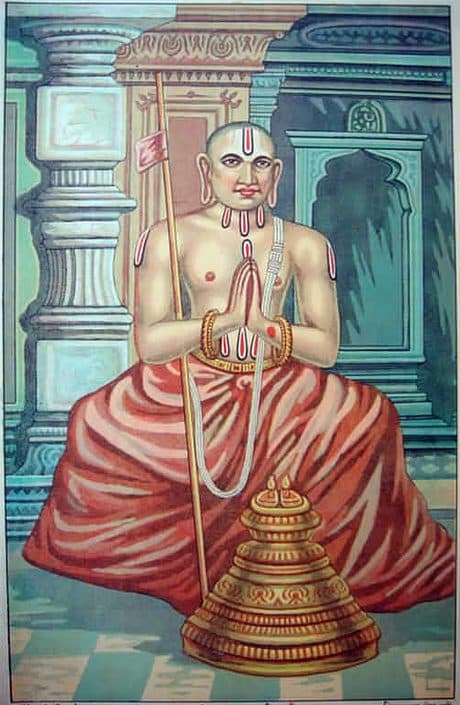
Rāmānuja · Viśiṣṭādvaita
English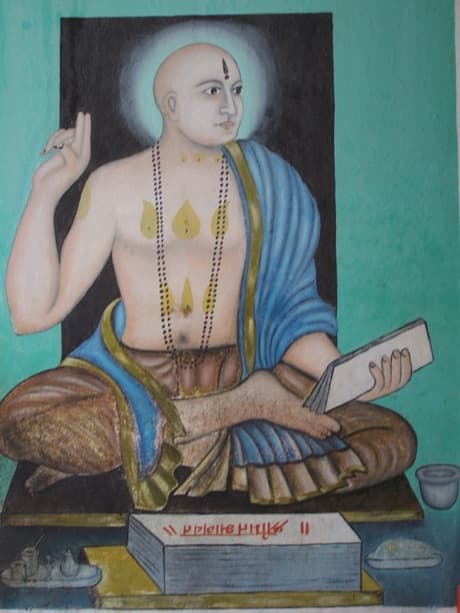
Madhvācārya · Dvaita
Madhva BhāṣyaSanskritEnglishOn verses 4.39–4.42
“तस्माधनं विराधिफलं चत दुत्तरेत्त्वोपसंहरति |” - Having explained the means of acquiring Awareness and the disadvantages of non-awareness, He concludes.
Madhvācārya · Dvaita
Gītā Tātparya NirṇayaSanskritEnglishOn verses 4.39–4.42
“आत्मनि व्याप्ते मयि | अथो तस्मात् व्याप्तत्वादेव || आत्मवन्तम परमात्मभक्तम् |” - By Self means enveloped by Me. Therefore, Myself having enveloped in all the beings. परमात्मभक्तम् |” means one who is devoted to the Lord.

Jñāneśvar · Vārkarī
English40 “One neither possessing knowledge nor having faith, goes to perdition—his soul being all doubts. Neither this world, nor the next, nor any happiness (anywhere) falls to the lot of the doubting soul. (192)
That being, who has no love of such knowledge—leads a worthless life. Death is better than a life of this kind. The life of a man without knowledge is rooted in illusion and ignorance—as futile as a desolate house or a lifeless body. One might not be in actual possession of knowledge, yet one in whom there is some longing for it—there is held out in the case of such a one, some chance of reaching knowledge. One without desire for knowledge—not to talk of actual knowledge, such a creature, take it, is as one enveloped in the fire of all-consuming doubt. Death is sure to take the toll of such a person who has such a distaste that he has no relish even for Nectar; in the same way take it as certain that a person is completely swallowed by doubt when he remains pleased in the enjoyment of the sense-pleasures and feels a strong distaste for knowledge; and falling in doubt is doomed for ever, and is deprived of happiness both in this and in the other world. One, with high fever on, does not feel any distinction between cold and heat, and treats both moonlight and intense heat equally; in the same way, one torn with doubt knows neither truth nor untruth, neither good nor evil, and neither his own interests nor others'. Just as one born blind, does not have the least idea of day and night, in the same way one full of doubt is incapable of understanding anything.
Swami Ramsukhdas · Modern
English'Ajñaścāśraddadhānaśca saṃśayātmā vinaśyati'—The man, whose discrimination is not aroused, or the man whose discrimination is aroused but he does not attach importance to it, and who lacks faith, such a man of doubting nature, perishes i.e., is deprived of the spiritual path. Such a person of doubting nature, uses neither his own discrimination, nor listens to the teachings of others. So, how could his doubts be removed and how can he progress spiritually?
It is natural, for a striver who follows the spiritual path to be confronted with doubts, because his knowledge is imperfect, this is known as ignorance.* Therefore, the appearance of doubt is natural, and it is not very harmful. But it proves harmful, when a person does not make effort to remove it, and he rather wants, to maintain it. In such cases, the doubt becomes a principle for the person, and he holds that spiritual practice, is nothing but hypocrisy. So, he ceases to believe in God and the scriptures etc., and becomes an atheist. Consequently, it leads to his downfall. Therefore, a striver should try to remove his doubt. By doing so, he will gain knowledge. It is characteristic of a striver to investigate and discover.
*Ajñāna' (ignorance) does not mean total absence of knowledge but it means imperfect knowledge. A man (the self) being a fragment of God can't lack knowledge (discrimination) totally. But he attaches importance to the unreal by regarding as real. Moreover he has no disinclination for the unreal, even when he regards it as unreal. This is ignorance. If he makes the right use of his knowledge (discrimination), his ignorance will perish and discrimination will be revealed because ignorance has no independent existence.
A striver, should go on proceeding further to attain his aim. He should not be satisfied with, what he has known. He should have a burning desire to remove his doubts, and acquire knowledge. By adopting such an attitude, his doubts are removed by saints or scriptures or by other means. If there is, no one to remove his doubts, it is removed by God's grace.
An Important Fact
The soul, is a fragment of God (Gītā 15/7). Therefore, when It has a desire to attain God, and feels sad and uneasy without attaining Him, He cannot tolerate his sadness, and He satisfies his desire. Similarly, when a striver, gets uneasy or sad, in order to remove his doubts, the Lord Himself, removes his doubts and frees him from sadness, he has not to pray to Him even. An intense feeling of a person to have his doubt removed does reach God automatically.
The Lord, is a disinterested friend of all beings (Gītā 5/29). So, He ever remains prepared to do away with restlessness, sadness and doubts of a man, somehow or the other. One commits an error, that having known a little he feels that, he has attained perfect knowledge. This pride leads to his downfall.
'Nāyam loko'sti na paro na sukham samśayātmanaḥ'—In this verse, there is description of such a man of suspicious nature, who is ignorant i.e., who lacks discrimination and who is faithless i.e., does not follow the preaching of others. Such a man, of sceptical nature, perishes. For him, there is neither this world, nor the world beyond, nor any happiness.
In practical life, a man of doubting nature, behaves badly towards others, because he suspects their integrity and actions etc. He also cannot attain salvation, because it requires a determinate intellect, or firm resolve and a man of doubting nature, cannot resolve, whether he should chant the Lord's name, study the scriptures, perform mundane actions or attain God-realization
and so on. Because of his doubting nature, he cannot attain happiness or peace. Therefore, a striver through discrimination and faith, must get rid of a doubt.
When a striver, comes across two contradictory statements, it leads to scepticism. Such scepticism can be removed, either by discrimination or through a reverential study of scriptures, or by following the advice of saints and holy men. Thus, if a sceptic is lacking in knowledge, he should acquire knowledge and wisdom. If he is wanting in faith, he should endeavour to gain faith. It is, because without especially enhancing either of these two, his scepticism cannot be removed.
**Appendix**—If a man has knowledge, his doubt is destroyed—‘Jñānasañchinnasaṃśayam’ (Gītā 4/41) or if he has faith, then also his doubt can be wiped out—‘śraddhāvāllabhate jñānam’ (Gītā 4/40). If there is lack of both knowledge and faith, then doubt cannot be slashed. Therefore the sceptic who is devoid of knowledge (discrimination) and has no faith (belief) viz., he who neither knows himself nor follows the instructions of others (the wise), has a downfall or is ruined.
*Link:— The Lord, having started the topic of the Discipline of Knowledge in the thirty-third verse, discussed the method of attaining knowledge and revealed its glory. Then, He declared, “Knowledge which can be gained through prostration and service etc., from the teacher, can be automatically gained by a man, who has attained perfection in Karmayoga.” After that He described the person who is eligible to attain this knowledge as also the person, who is ineligible for it. Thus, he concluded the topic.*
*Now the question arises, what should a Karmayogi do, in order to attain perfection in Yoga. The Lord, answers the question, in the next verse.*
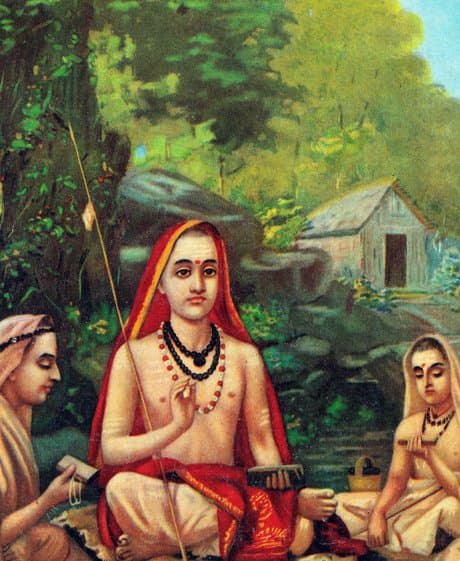
Ādi Śaṅkarācārya · Advaita
Sanskritअज्ञश्च अनात्मज्ञश्च अश्रद्दधानश्च गुरुवाक्यशास्त्रेषु अविश्वासवांश्च संशयात्मा च संशयचित्तश्च विनश्यति । अज्ञाश्रद्दधानौ यद्यपि विनश्यतः, न तथा यथा संशयात्मा । संशयात्मा तु पापिष्ठः सर्वेषाम् । कथम् ? नायं साधारणोऽपि लोकोऽस्ति । तथा न परः लोकः । न सुखम्, तत्रापि संशयोत्पत्तेः संशयात्मनः संशयचित्तस्य । तस्मात् संशयो न कर्तव्यः ॥ कस्मात् ? --
Ādi Śaṅkarācārya · Advaita
Hindiइस विषयमें संशय नहीं करना चाहिये, क्योंकि संशय बड़ा पापी है। कैसे? सो कहते हैं—
जो अज्ञ यानी आत्मज्ञानसे रहित है, जो अश्रद्धालु है और जो संशयात्मा है—ये तीनों नष्ट हो जाते हैं।
यद्यपि अज्ञानी और अश्रद्धालु भी नष्ट होते हैं; परंतु जैसा संशयात्मा नष्ट होता है, वैसे नहीं, क्योंकि इन सबमें संशयात्मा अधिक पापी है।
अधिक पापी कैसे है? (सो कहते हैं) संशयात्माको अर्थात् जिसके चित्तमें संशय है उस पुरुषको न तो यह साधारण मनुष्यलोक मिलता है, न परलोक मिलता है और न सुख ही मिलता है, क्योंकि वहाँ भी संशय होना सम्भव है, इसलिये संशय नहीं करना चाहिये
Jñāneśvar · Vārkarī
Marathiऐकें जया प्राणियाचां ठायीं । इया ज्ञानाची आवडी नाहीं । तयाचें जियालें म्हणों काई । वरी मरण चांग ॥ १९३ ॥
शून्य जैसें गृह । कां चैतन्येंवीण देह । तैसें जीवित तें संमोह । ज्ञानहीना ॥ १९४ ॥
अथवा ज्ञान कीर आपु नोहे । परी ते चाड एकी जरी वाहे । तरी तेथ जिव्हाळा कांही आहे । प्राप्तीचा पैं ॥ १९५ ॥
वांचूनि ज्ञानाची गोठी कायसी । परी ते आस्थाही न धरी मानसीं । तरी तो संशयरूप हुताशीं । पडिला जाण ॥ १९६ ॥
जे अमृतही परि नावडे । ऐसें सावियाचि आरोचकु जैं पडे । तैं मरण आले आलें असे फुडें । जाणों ये कीं ॥ १९७ ॥
तैसा विषयसुखें रंजे । जो ज्ञानेंसींचि माजे । तो संशये अंगीकारिजे । एथ भ्रांति नाहीं ॥ १९८ ॥
मग संशयी जरी पडला । तरी निभ्रांत जरी नासला । ति ऐहिकपरत्रा मुकला । सुखासी गा ॥ १९९ ॥
जया काळज्वरु आंगी बाणे । तो शीतोष्णें जैशीं नेणे । आगी आणि चांदिणें । सरिसेंचि मानी ॥ २०० ॥
तैसे साच आणि लटिकें । विरुद्ध आणि निकें । संशयी तो नोळखे । हिताहित ॥ २०१ ॥
हा रात्रिदिवसु पाहीं जैसा । जात्यंधा ठाउवा नाहीं । तैसे संशयीं असतां काहीं । मना न ये ॥ २०२ ॥
म्हणऊनि संशयाहुनि थोर । आणिक नाही पाप घोर । हा विनाशाची वागुर । प्राणियासी ॥ २०३ ॥
येणें कारणे तुवा त्यजावा । आधी हाचि एकु जिणावा । जो ज्ञानाचिया अभावा- । माजी असे ॥ २०४ ॥
जैं अज्ञानाचे गडद पडे । तैं हा बहुवस मनीं वाढे । म्हणोनि सर्वथा मागु मोडे । विश्वासाचा ॥ २०५ ॥
हृदयी हाचि न समाये । बुद्धींते गिंवसूनि ठाये । तेथ संशयात्मक होये । लोकत्रय ॥ २०६ ॥
Jñāneśvar · Vārkarī
Hindi(4.193) सुनो, जिस प्राणी को इस ज्ञान के लिए रुचि नहीं है उसके जीवन के विषय में क्या कहा जाय? उससे मृत्यु भली है। (4.194) जैसे कोई सूना घर अथवा प्राणरहित शरीर हो वैसे ही ज्ञान के बिना मोहयुक्त जीवन है।
(4.195) अथवा, ज्ञान तो निश्चय से प्राप्त न हो किन्तु उसकी इच्छा हो तो भी कुछ प्राप्ति का सम्भव हो सकता है।
(4.196) परन्तु यदि, ज्ञान की तो बता ही क्या, मन में आस्था भी नहीं है तो ऐसे मनुष्य को संशयरूपी अग्नि में पड़ा हुआ जानो।
(4.197) क्योंकि जब ऐसी अरुचि उत्पन्न होती है कि अमृत भी नहीं भाता तब यह समझा जाता है कि निश्चय से मृत्यु आती है।
(4.198) वैसे ही निःसन्देह जानो कि विषयों के सुख से जो सुखी होता है, ज्ञान के विषय में जो बेपरवाह है, वह संशय के वश हो जाता है,
(4.199) और यदि एक बार संशय में जा पड़े तो निश्चय से नष्ट हो जाता है और इस लोक और परलोक के सुख से हाथ धो चुकता है।
(4.200) जिसके शरीर में कालज्वर भर जाता है वह जैसे शीत और उष्ण नहीं पहचानता, अग्नि और चाँदनी समान ही समझता है
(4.201) वैसे ही संशय से व्याकुल मनुष्य भी सत्य और असत्य, अनुकूल और प्रतिकूल, भला और बुरा नहीं समझता। (4.202) जन्मान्ध को जैसे रात और दिन जान नहीं पड़ते वैसे ही संशय में रहने से कुछ नहीं जान पड़ता।
(4.203) इसलिए संशय से बढ़कर और कोई घोर पाप नहीं है। प्राणियों के लिए यह नाश का जाल है।
(4.204) इसलिए इसका त्याग करना चाहिए। यह ज्ञान के अभाव में रहता है। पहले इसी को जीतना चाहिए।
(4.205) जब अज्ञान का अंधेरा हो जाता है तब मन में इस संशय की अत्यल्प वृद्धि होती है। इससे श्रद्धा का मार्ग ही बन्द हो जाता है।
(4.206) और वह हृदय में नहीं समा सकता, बुद्धि को भी खोज कर ग्रस लेता है, अतएव इससे तीनों लोक संशयात्मक दिखाई देने लगते हैं।
Sri Udiya Baba · Modern
Hindiसंगति— अगले श्लोक में श्रद्धाहीन और संशयालु पुरुषों की दशा का वर्णन करते हैं—
भावार्थ— अज्ञानी, श्रद्धाहीन और संशयालु पुरुष नष्ट हो जाता है। संशययुक्त पुरुष को तो न यह लोक प्राप्त होता है, न परलोक। उसे सुख प्राप्त नहीं हो सकता।
व्याख्या— यहाँ तीन प्रकार के साधक पुरुषों की चर्चा है—(१) अज्ञानी जिसकी अनात्मा में आत्मबुद्धि है तथा जो सम्पूर्ण कर्मों को त्यागकर मोक्ष-मार्ग में प्रवृत्त नहीं होता। (२) अश्रद्धालु—जिसे गुरु और वेदान्त वाक्यों में विश्वास नहीं है। और (३) संशयात्मा—कर्म और ज्ञान इन दोनों को ही मुक्ति का साधन बताया गया है, परन्तु जिसे यह निश्चय ही न हो कि इनमें से किस मार्ग के द्वारा मुक्ति होगी। अथवा जिसे किसी भी साधन में विश्वास ही न होता हो। ये तीन कोटि के पुरुष हैं। इनमें से अज्ञानी और अश्रद्धालु का तो कल्याण हो सकता
है। अज्ञानी को कभी ज्ञान भी हो जायगा और अश्रद्धालु को श्रद्धा भी हो जायगी। परन्तु संशयात्मा के लिये कोई उपाय नहीं है। संशय होना पाप का फल है। इसलिये उसे इस लोक में सुख नहीं मिलता। और कर्मों में विश्वास न होने के कारण यहाँ उससे सत्कर्म नहीं हो पाते, इसलिये परलोक में भी सुख नहीं मिलता। जिसका यह लोक बिगड़ गया उसका परलोक भी कैसे सुधरेगा। अतः गुरु और शास्त्र में श्रद्धा करनी चाहिये, क्योंकि उनकी कृपा से अज्ञानी को ज्ञान हो सकता है और अश्रद्धालु को श्रद्धा हो सकती है। संशयात्मा कभी नहीं होना चाहिये। उसकी सद्गति नहीं होती।
Swami Ramsukhdas · Modern
Hindi'अज्ञश्चाश्रद्धानश्च संशयात्मा विनश्यति'—जिस पुरुषका विवेक अभी जाग्रत् नहीं हुआ है तथा जितना विवेक जाग्रत् हुआ है, उसको महत्त्व नहीं देता और साथ ही जो अश्रद्धालु है, ऐसे संशययुक्त पुरुषका पारमार्थिक मार्गसे पतन हो जाता है। कारण कि संशययुक्त पुरुषकी अपनी बुद्धि तो प्राकृत—शिक्षारहित है और दूसरेकी बातका आदर नहीं करता, फिर ऐसे पुरुषके संशय कैसे नष्ट हो सकते हैं? और
कि श्रद्धारहित पुरुष मेरेको प्राप्त न होकर जन्म-मरणरूप संसार-चक्रमें घूमते रहते हैं। उसी बातको यहाँ विधि-मुखसे कहते हैं कि श्रद्धावान् पुरुष परमशान्तिको प्राप्त हो जाता है अर्थात् मेरेको प्राप्त होकर जन्म-मरणरूप संसार-चक्रसे छूट जाता है।
परमशान्तिका तत्काल अनुभव न होनेका कारण है—जो वस्तु अपने-आपमें है, उसको अपने-आपमें न ढूँढ़कर बाहर दूसरी जगह ढूँढ़ना। परमशान्ति प्राणिमात्रमें स्वतःसिद्ध है। परन्तु मनुष्य परमशान्ति-स्वरूप परमात्मासे तो विमुख हो जाता है और सांसारिक वस्तुओंमें शान्ति ढूँढ़ता है। इसलिये अनेक जन्मोंतक शान्तिकी खोजमें भटकते रहनेपर भी उसे शान्ति नहीं मिलती। उत्पत्ति-विनाशशील वस्तुओंमें शान्ति मिल ही कैसे सकती है? तत्त्वज्ञानका अनुभव होनेपर जब दुःखरूप संसारसे सर्वथा सम्बन्ध-विच्छेद हो जाता है, तब स्वतःसिद्ध परमशान्तिका तत्काल अनुभव हो जाता है।
संशय नष्ट हुए बिना उसकी उन्नति भी कैसे हो सकती है?
अलग-अलग बातोंको सुननेसे 'यह ठीक है अथवा वह ठीक है?'—इस प्रकार सन्देहयुक्त पुरुषका नाम संशयात्मा है। पारमार्थिक मार्गपर चलनेवाले साधकमें संशय पैदा होना स्वाभाविक है; क्योंकि वह किसी भी विषयको पढ़ेगा तो कुछ समझेगा और कुछ नहीं समझेगा। जिस विषयको कुछ नहीं समझते, उस विषयमें संशय पैदा
नहीं होता और जिस विषयको पूरा समझते हैं, उस विषयमें संशय नहीं रहता। अतः संशय सदा अधूरे ज्ञानमें ही पैदा होता है, इसीको अज्ञान कहते हैं। इसलिये संशयका उत्पन्न होना हानिकारक नहीं है, प्रत्युत संशयको बनाये रखना और उसे दूर करनेकी चेष्टा न करना ही हानिकारक है। संशयको दूर करनेकी चेष्टा न करनेपर वह संशय ही 'सिद्धान्त' बन जाता है। कारण कि संशय दूर न होनेपर मनुष्य सोचता है कि पारमार्थिक मार्गमें सब कुछ ढकोसला है और ऐसा सोचकर उसे छोड़ देता है तथा नास्तिक बन जाता है। परिणामस्वरूप उसका पतन हो जाता है। इसलिये अपने भीतर संशयका रहना साधकको बुरा लगना चाहिये। संशय बुरा लगनेपर जिज्ञासा जाग्रत् होती है, जिसकी पूर्ति होनेपर संशय-विनाशक ज्ञानकी प्राप्ति होती है।
साधकका लक्षण है—खोज करना। यदि वह मन और इन्द्रियोंसे देखी बातको ही सत्य मान लेता है, तो वहीं रुक जाता है, आगे नहीं बढ़ पाता। साधकको निरन्तर आगे ही बढ़ते रहना चाहिये। जैसे रास्तेपर चलते समय मनुष्य यह न देखे कि कितने मील आगे आ गये, प्रत्युत यह देखे कि कितने मील अभी बाकी पड़े हैं, तब वह ठीक अपने लक्ष्यतक पहुँच जायगा। ऐसे ही साधक यह न देखे कि कितना जान लिया अर्थात् अपने जाने हुएपर सन्तोष न करे, प्रत्युत जिस विषयको अच्छी तरह नहीं जानता, उसे जाननेकी चेष्टा करता रहे। इसलिये संशयके रहते हुए कभी सन्तोष नहीं होना चाहिये, प्रत्युत जिज्ञासा अग्निकी तरह दहकती रहनी चाहिये। ऐसा होनेपर साधकका संशय सन्त-महात्माओंसे अथवा ग्रन्थोंसे किसी-न-किसी प्रकारसे दूर हो ही जाता है। संशय दूर करनेवाला कोई न मिले तो भगवत्कृपासे उसका संशय दूर हो जाता है।
विशेष बात
जीवात्मा परमात्माका अंश है—'ममैवांशो जीवलोके' (गीता १५। ७)। इसलिये जब उसमें अपने अंशी परमात्माको प्राप्त करनेकी भूख जाग्रत् होती है और
उसकी पूर्ति न होनेका दुःख होता है, तब उस दुःखको भगवान् सह नहीं सकते। अतः उसकी पूर्ति भगवान् स्वतः करते हैं। ऐसे ही जब साधकको अपने भीतर स्थित संशयसे व्याकुलता या दुःख होता है, तब वह दुःख भगवान्को असह्य होता है। संशय दूर करनेके लिये भगवान्से प्रार्थना नहीं करनी पड़ती, प्रत्युत जिस संशयको लेकर साधकको दुःख हो रहा है, उस संशयको दूर करके भगवान् स्वतः उसका वह दुःख मिटा देते हैं। संशयात्मा पुरुषकी एक पुकार होती है, जो स्वतः भगवान्तक पहुँच जाती है।
संशयके कारण साधककी वास्तविक उन्नति रुक जाती है, इसलिये संशय दूर करनेमें ही उसका हित है। भगवान् प्राणिमात्रके सुहृद हैं—'सुहृदं सर्वभूतानाम्' (गीता ५। २९), इसलिये जिस संशयको लेकर मनुष्य व्याकुल होता है और वह व्याकुलता उसे असह्य हो जाती है, तो भगवान् उस संशयको किसी भी रीति—उपायसे दूर कर देते हैं। गलती यही होती है कि मनुष्य जितना जान लेता है, उसीको पूरा समझकर अभिमान कर लेता है कि मैं ठीक जानता हूँ। यह अभिमान महान् पतन करनेवाला हो जाता है।
'नार्यं लोकोऽस्ति न परो न सुखं संशयात्मनः'—इस श्लोकमें ऐसे संशयात्मा मनुष्यका वर्णन है, जो 'अज्ञ' और 'अश्रद्धालु' है। तात्पर्य यह है कि भीतर संशय रहनेपर भी उस मनुष्यकी न तो अपनी विवेकवती बुद्धि है और न वह दूसरेकी बात ही मानता है। इसलिये उस संशयात्मा मनुष्यका पतन हो जाता है। उसके लिये न यह लोक है, न परलोक है और न सुख ही है।
संशयात्मा मनुष्यका इस लोकमें व्यवहार बिगड़ जाता है। कारण कि वह प्रत्येक विषयमें संशय करता है, जैसे—यह आदमी ठीक है या बेठीक है? यह भोजन ठीक है या बेठीक है? इसमें मेरा हित है या अहित है? आदि। उस संशयात्मा मनुष्यको परलोकमें भी कल्याणकी प्राप्ति नहीं होती; क्योंकि कल्याणमें निश्चयात्मिका बुद्धिकी
१-अज्ञानका अर्थ ज्ञानका अभाव नहीं है। अधूरे ज्ञानको पूरा ज्ञान मान लेना ही अज्ञान है। कारण कि परमात्माका ही अंश होनेसे जीवमें ज्ञानका सर्वथा अभाव हो ही नहीं सकता, केवल नाशवान् असत् की सत्ता मानकर उसे महत्त्व दे देता है, असत् को असत् मानकर भी असत् से विमुख नहीं होता—यही अज्ञान है। इसलिये मनुष्यमें जितना ज्ञान है, यदि उस ज्ञानके अनुसार वह अपना जीवन बना ले, तो अज्ञान सर्वथा मिट जायगा और ज्ञान प्रकट हो जायगा। कारण कि अज्ञानकी स्वतन्त्र सत्ता है ही नहीं।
२-कुछ श्रद्धा, कुछ दुष्टता, कुछ संशय, कुछ ज्ञान। घरका रहा न घाटका, ज्यों धोबीका श्वान॥
आवश्यकता होती है और संशयात्मा मनुष्य दुविधामें रहनेके कारण कोई एक निश्चय नहीं कर सकता; जैसे— जप करूँ या स्वाध्याय करूँ? संसारका काम करूँ या परमात्मप्राप्ति करूँ? आदि। भीतर संशय भरे रहनेके कारण उसके मनमें भी सुख-शान्ति नहीं रहती। इसलिये विवेकवती बुद्धि और श्रद्धाके द्वारा संशयको अवश्य ही मिटा देना चाहिये।
**परिशिष्ट भाव**—ज्ञान हो तो संशय मिट जाता है—‘ज्ञानसङ्घ्निसंशयम्’ (गीता ४। ४९) और श्रद्धा हो तो भी संशय मिट जाता है—‘श्रद्धावल्लभते ज्ञानम्’ (गीता ४। ३९)। परन्तु ज्ञान और श्रद्धा—ये दोनों ही न हों तो संशय नहीं मिट सकता। इसलिये जिस संशयात्मा मनुष्यमें न तो ज्ञान (विवेक) है और न श्रद्धा ही है अर्थात् जो न तो खुद जानता है और न दूसरेकी बात मानता है, उसका पतन हो जाता है।
**सम्बन्ध**—भगवान्ने तैतीसवें श्लोकसे ज्ञानयोगका प्रकरण आरम्भ करते हुए ज्ञान-प्राप्तिका उपाय तथा ज्ञानकी महिमा बतायी। जो ज्ञान गुरुके पास रहकर उनकी सेवा आदि करनेसे होता है, वही ज्ञान कर्मयोगसे सिद्ध हुए मनुष्यको अपने-आप प्राप्त हो जाता है—ऐसा बताकर भगवान्ने ज्ञानप्राप्तिके पात्र-अपात्रका वर्णन करते हुए प्रकरणका उपसंहार किया।
अब प्रश्न होता है कि सिद्ध होनेके लिये कर्मयोगीको क्या करना चाहिये? इसका उत्तर भगवान् आगेके श्लोकमें देते हैं।
The word ajñā means fool or one who is uninstructed in Vedic wisdom.
The word aśraddadhahanah means one who has no faith even after being instructed.
The sceptic is one who doubts the knowledge one has already received. One of this disposition perishes for one who doubts the veracity of the ātma or soul and the validity of the teaching taught by the spiritual master has no hope in this world or in the heavenly spheres.
That is because sacrificing the three goals of human existence being dharma or righteousness, artha or wealth and kāma or pleasure - what chance will one have for the fourth being mokṣa or liberation?
For all the ambitions of humans are accomplished by performing some prescribed duty in the Vedic scriptures and fulfilment of any desire is dependent on the conviction that the ātma or soul is eternal and the ātma is distinct from the physical body.
Whoever doubts the existence of the ātma or soul or is not sure that it is eternal cannot receive even the smallest percentage of spiritual bliss.