

Bhagavad Gītā · Chapter 4 · Jñāna Karma Sannyāsa Yoga
एवं परम्पराप्राप्तमिमं राजर्षयो विदुः
स कालेनेह महता योगो नष्टः परन्तप
evaṃ paramparāprāptamimaṃ rājarṣayo viduḥ|
sa kāleneha mahatā yogo naṣṭaḥ parantapa||
Word meanings
परन्तप = O scorcher of foes
एवम् = thus
परम्पराप्राप्तम् = received through succession
इमम् = this
राजर्षयः = the royal sages
विदुः = knew
महता = by (a) long (time)
कालेन = through the passing of time
सः = that
योगः = yoga
इह = in this world
नष्टः = was lost
Translation
Thus transmitted in succession from father to son, Arjuna, this Yoga remained known to the Rajarsis (royal sages). It has, however, long since disappeared from this earth.
Commentary
The commentators seated around this verse

Rāmānuja · Viśiṣṭādvaita
EnglishOn verses 4.1–3
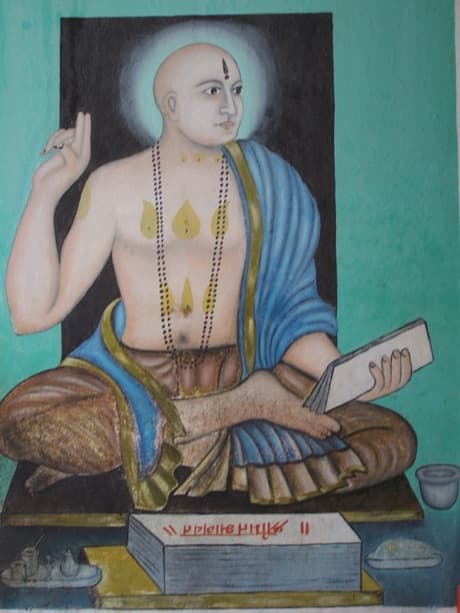
Madhvācārya · Dvaita
Madhva BhāṣyaSanskritEnglishOn verses 4.1–4.3
“पूर्वनतिष्ठायं धर्म इत्याह इमम् इति ।” - Whatever has been said earlier was about Dharma (the Perennial Principles). This is what is meant by imam in the above verse.
Madhvācārya · Dvaita
Gītā Tātparya NirṇayaSanskritEnglishOn verses 4.1–4.3
“ब्रह्मरुद्रेन्द्रसूर्याणां यदत्तं विष्णुना पुरा । पञ्चरात्रामकं ज्ञानं व्यासीऽदात् पाण्डवेषु तत् ॥ तेषामेवावतारेषु सन्निमध्येऽर्जुनाय च । प्रादाद् गीतेतिनिर्दिष्टं सङ्क्षेपेणायुयुत्सवे ॥ तथाह कुर्वन्ति कर्माणि यथा जानन्ति देवताः । सर्वे कार्तयुगश्चैव नृपाश्च मनुपूर्वकाः ॥ ज्ञातव्यं चैव कर्तव्यं यथा सर्वैर्मुमुक्षुभिः । त्रैतादित्रिषु जातैश्च गीतायां तदुदाहृतम् ॥ पाण्डवाद्याः क्षेमकान्ताः करिष्यन्ति च जानते । तथैव तेन गीताया नास्ति शास्त्रं समं क्वचित् ॥ वेदार्थपूर्वकं ज्ञेयं पञ्चरात्रं यतोऽखिलम् । अस्मङ्गक्षेपश्च गीतेयं तस्मानास्याः समं क्वचित् ५५ इति ब्रह्मवैवर्ते ॥”
- The wisdom of Pancharatra, which Sri Vishnu initiated to Brahma, Rudra, Indra and the Sun in ancient times, is again spoken briefly here by Sri Krishna to Pandava, who had stationed himself in the centre of the battle field, how the gods, the kings in Krita era, the great sages like Manu and how human beings born in Treta and the other three eras and how from Pandavas to Kshemantakas should perform actions and attain wisdom is prescribed in Gita. Therefore, there is no other scripture similar to Gita. Pancharatra which is supplementary to the Vedas and summary in Gita should be known in entirety, there rarely being any other scripture similar to this, thus, in Brahma Vaivarta Puraana.

Jñāneśvar · Vārkarī
English2. “Thus did the Royal sages come to know this (teaching), received in traditional succession. That Yoga (teaching), by the lapse of long time, disappeared here (on the earth). O Tormentor of foes! (19)
Even after that, many sages in the princely order learnt and mastered it; but of late there do not appear any, who know any thing about it. For, mortal souls are beings inclined to desire and feel extreme attachment to bodily pleasures, and thus they turn away from the way of the self-knowledge. With a shaky faith in the self, men are led away, and betake themselves to sensuous pleasures as the highest goal, and worldly life is held precious as the very breath of life. But then, what need should there be felt for fine clothing in a place inhabited by naked Jain Saints? Tell me, can those born blind ever know the value of the sun? What value would be set on music by an assembly of the deaf? Does the jackal ever feel attraction for moon-light, and can the crow appreciate beauty of the moon, when he is blinded even before the moon-rise? Thus how could those that have never touched even the fringe of asceticism and the other-worldly-mindedness, and who are utter strangers even to the language of spiritual vision—how could such benighted souls ever attain to the vision of my Divine essence? It cannot be known how infatuation went on increasing, causing lapse of a long time. Thus disappeared this yoga in this world.
Swami Ramsukhdas · Modern
English'Evaṁ paramparāprāptamimaṁ rājarṣayo viduḥ'— The kings, such as the sun-god, Manu and Ikṣvāku, learnt the Karmayoga, followed it and also, inspired their subjects to follow it. Thus, it was handed down in regular succession to the families of the royal sages. This Karmayoga is a special lare of the kings (the warrior class). Therefore, every member of the warrior class should know it. Similarly, the heads and leaders of a family, society, village and town etc., must also know it.
In ancient days, the kings who knew Karmayoga, administered the affairs of state smoothly, without being attached to royal pleasures. They had a natural inclination for the welfare of the subjects. The great Saṃskṛta poet Kālidāsa writes about the kings of solar dynasty:—
"Those kings levied a tax on their subjects in the same way, as the sun sucks water from the earth, in order to supply it to the earth in the form of rain, a thousand times more."
It means, that the tax realized from the subjects by kings, was all used for public welfare. In order to, provide for their household expenses, they followed occupations, like farming.
By practising Karmayoga, they were automatically endowed with, singular knowledge and devotion. Therefore, even great sages went to those kings, in order to learn wisdom. Śrī Vedavyāsa's son named Śukadeva, went to king Janaka, in order to gain wisdom from him. In the fifth chapter of the Chāndogyopaniṣad it is mentioned, that six sages together went to king Aśvapati, in order to learn knowledge of Brahma, the Supreme.* Having mentioned kings, such as Janaka and others in the twentieth verse of the third chapter, and the sun-god, Manu and Ikṣvāku etc., here, as Karmayogīs, Lord Kṛṣṇa wants to urge Arjuna that he should also perform actions accordingly (follow Karmayoga) as the ancestors did, in former times, as he was also a householder and a member of the warrior class (Gītā 4/15). Moreover, it was very easy for him to learn it, because he belonged to the warrior class.
'Sa kāleneha mahatā yogo naṣṭaḥ'— God is eternal and the means—Karmayoga, Jñānayoga and Bhaktiyoga (Disciplines of Action, Knowledge and Devotion) etc., are also eternal, as they have been laid down by God. Therefore, they never cease to be. The Lord declares, 'The real, never ceases to be' (Gītā 2/16). The yogas are eternal, even if these are not practised. Therefore, here the term 'Naṣṭaḥ' means, passing out of sight, rather than out of existence.
In the first verse of this chapter, this Yoga has been called imperishable. Therefore, if this term 'Naṣṭaḥ' is taken as 'out of existence' there will be a contradiction between the two statements. Moreover, the Lord again in the third verse declares, that He is going to reveal the same ancient Yoga, to Arjuna. It means that the religious texts and the learned sages who possessed knowledge of this Yoga, and practised it, had more or less disappeared from the earth.
* King Aśvapati declares, 'In my kingdom there is neither a thief, nor a miser, nor a drunkard, nor one who does not offer oblation to the consecrated fire, nor an ignorant person nor an adulterer; then how can there be a prostitute' (Chāndogyopaniṣad 5/11/5)?
The Lord declares, that it was through a long lapse of time, that it disappeared, because at the beginning of creation, the Lord taught it to the sun-god, then it was handed down in regular succession and the royal sages come to know it. But due to the absence of great spiritual souls, possessed of the knowledge of this Yoga, it could not be handed down. So, at present only a few people know and talk about it.
Though this doctrine was not practised, yet it did not cease to be, because without selflessness, which is the essence of Karmayoga even other disciplines (such as of knowledge and devotion) cannot be constantly practised. A Jñānayogī through discrimination, by regarding actions as 'Asat' (unreal), renounces his affinity for these, while a Bhaktiyogī renounces affinity for them by surrendering these to God. No affinity, howsoever, is to be maintained. This is the doctrine of 'Karmayoga'. Therefore, a Jñānayogī and a Bhaktiyogī will have to adopt the principles of 'Karmayoga', even though they may not practise it. It means, that at present, though it has been lost, yet as a doctrine it exists.
The fact is, that in Karmayoga, Karma (actions) have not disappeared but 'Yoga' (selflessness) has disappeared, because a man performs actions with a selfish motive. It means, that strivers have a firm belief that they will attain God, through actions in the same way as they acquire worldly things through actions. But they forget the reality, that God is, ever attained. Actions, are performed for the world while 'Yoga' (union with God) is, ever for one's own self. Yoga is not attained through actions, as is self-evident.* Therefore, the generality of the assumption that
* Yoga is attained by performing one's duty for the welfare of the world without any selfish motive. Action is performed in order to attain the state of actionlessness—'Action is said to be the means to attain to Yoga' (Gītā 6/3). When actions are performed with a selfish motive, the impetus for actions is enhanced. But when they are performed for the welfare of others the impetus for actions perishes. It means that nothing remains to be done by doing for others while actions are continuously performed when one does for himself. When nothing remains to be done, the striver realizes his union (which is self-evident) with God.
this Yoga can be attained through action, has practically caused the disappearance of yoga.
This human body, has been bestowed upon us, so that we may practise Karmayoga i.e., serve others without any selfish motive. But, we are so much absorbed in hankering after pleasures, prosperity and honour etc., that we do not pay heed to it. Thus, this knowledge has been lost, because we have forgotten it.
A man by rendering service can control not only birds, beasts and persons but also the gods, manes, sages, saints and even God. But having forgotten this practice, he has been overpowered by pleasures, which lead to hell and eighty-four lac forms of lives. This is called concealment of Karmayoga.
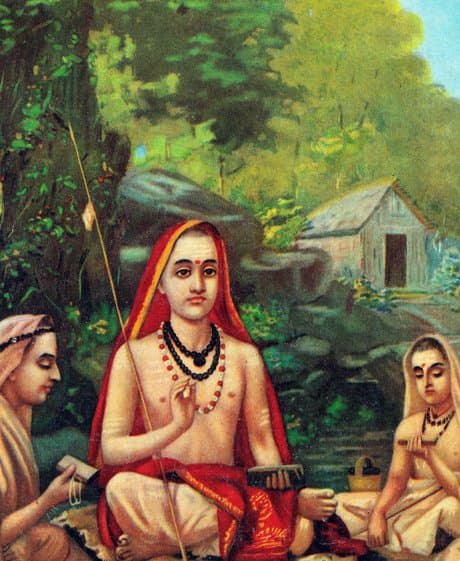
Ādi Śaṅkarācārya · Advaita
Sanskritएवं क्षत्रियपरम्पराप्राप्तं इमं राजर्षयः राजानश्च ते ऋषयश्च राजर्षयः विदुः इमं योगम् । स योगः कालेन इह महता दीर्घण नष्टः विच्छिन्नसम्प्रदायः संवृत्तः । हे परन्तप, आत्मनः विपक्षभूताः परा इति उच्यन्ते, तान् शौर्यतेजोगभस्तिभिः भानुरिव तापयतीति परन्तपः शत्रुतापन इत्यर्थः ॥ दुर्बलानजितेन्द्रियान् प्राप्य नष्टं योगमिममुपलभ्य लोकं च अपुरुषार्थसम्बन्धिनं --
Ādi Śaṅkarācārya · Advaita
Hindiइस प्रकार क्षत्रियोंकी परम्परासे प्राप्त हुए इस योगको राजर्षियोंने—जो कि राजा और ऋषि दोनों थे—जाना।
हे परंतप! (अब) वह योग इस मनुष्यलोकमें बहुत कालसे नष्ट हो गया है। अर्थात् उसकी सम्प्रदाय-परम्परा टूट गयी है। अपने विपक्षियोंको पर कहते हैं, उन्हें जो शौर्यरूप तेजकी किरणोंके द्वारा सूर्यके समान तपता है वह पपातप यानी शत्रुओंको तपानेवाला कहा जाता है
Jñāneśvar · Vārkarī
Marathiमग आणिकही या योगाते । राजर्षि जाहले जाणते । परी तेथोनि आतां सांप्रतें । नेणिजे कोणी ॥ १९ ॥
जे प्राणियां कामी भरू । देहाचिवरी आदरु । म्हणोनि पडला विसरु । आत्मबोधाचा ॥ २० ॥
अव्हांटलिया आस्थाबुद्धि । विषयसुखचि परमावधि । जीवु तैसा उपाधि । आवडे लोकां ॥ २१ ॥
एर्हवीं तरी खवणेयांच्या गांवीं । पाटाऊवें काय करावीं । सांगे जात्यंधा रवी । काय आथी ॥ २२ ॥
कां बहिरयांचां आस्थानीं । कवणे गीतातें मानी । कीं कोल्हेया चांदणीं । आवडी उपजे ॥ २३ ॥
पैं चंद्रोदया आरौतें । जयांचे डोळे फुटती असते । ते काऊळे केवीं चंद्रातें । ओळखती ॥ २४ ॥
तैसे वैराग्याची शिंव न देखती । जे विवेकाची भाषा नेणती । ते मूर्ख केंवीं पावती । मज ईश्वराते ॥ २५ ॥
कैसा नेणों मोहो वाढीनला । तेणें बहुतेक काळु व्यर्थ गेला । म्हणोनि योगु हा लोपला । लोकीं इये ॥ २६ ॥
Jñāneśvar · Vārkarī
Hindi(4.19) तदनन्तर यह योग और भी कई राजर्षियों को ज्ञात हुआ परन्तु तब से अब साम्प्रतकाल में इसे कोई नहीं जानता।
(4.20) कारण यह है कि प्राणियों को विषयों की अभिरूचि है और शरीर पर ही प्रेम है, इसलिए वे आत्मज्ञान को भूल गये हैं।
(4.21) लोगों की आस्था और बुद्धि आड़े टेढ़े मार्ग में प्रवृत्त होती है, विषयों का सुख ही परम-प्राप्तव्य मालूम होता है, और जैसा जी है वैसी ही उपाधि उन्हें प्रिय हो रही है।
(4.22) साधारण बात यह है कि दिगम्बर लोगों की बस्ती में बहुमोल वस्त्रों का क्या काम है? कहो जन्मान्ध मनुष्य को सूर्य का क्या उपयोग है?
(4.23) अथवा बहिरों की सभा में गीत का कौन सम्मान करता है अथवा चोर को क्या कभी चाँदनी से प्रीति उत्पन्न होती है? (4.24) देखो, चन्द्रोदय के पूर्व ही जिनकी आँखें फूट जाती हैं वे कौए चन्द्र को किस प्रकार पहिचान सकते हैं?
(4.25) इस प्रकार जो वैराग्य की हद देखने नहीं पाते, विवेक का नाम भी नहीं जानते वे मूर्ख ईश्वर तक कैसे पहुँच सकते हैं?
(4.26) इस प्रकार न जाने कैसे मोह बढ़ गया है। और बहुत-सा काल व्यर्थ व्यतीत हो गया है इसलिए इस लोक में यह योग लुप्त हो गया है।
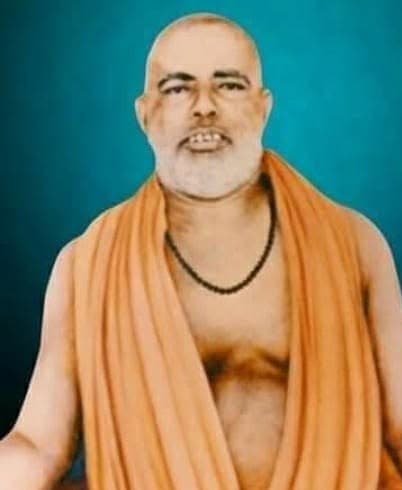
Sri Udiya Baba · Modern
Hindiभावार्थ— इस प्रकार परम्परा से प्राप्त इस योग को राजर्षियों ने जाना, किन्तु हे शत्रुदमन! बहुत समय से यह योग नष्ट हो गया था।
व्याख्या— ज्ञान का सम्प्रदाय ही नष्ट हुआ था, ज्ञान नष्ट नहीं हुआ। यह ज्ञान पहले राजर्षियों के पास था, परन्तु पीछे कुछ काल-पश्चात् दब गया था।
Swami Ramsukhdas · Modern
Hindi'एवं परम्पराप्राप्तमिमं राजर्षयो विदुः'—सूर्य, मनु, इक्ष्वाकु आदि राजाओंने कर्मयोगको भलीभाँति जानकर उसका स्वयं भी आचरण किया और प्रजासे भी वैसा आचरण कराया। इस प्रकार राजर्षियोंमें इस कर्मयोगकी परम्परा चली। यह राजाओं-(क्षत्रियों-) की
खास (निजी) विद्या है, इसलिये प्रत्येक राजाको यह विद्या जाननी चाहिये। इसी प्रकार परिवार, समाज, गाँव आदिके जो मुख्य व्यक्ति हैं, उन्हें भी यह विद्या अवश्य जाननी चाहिये।
प्राचीनकालमें कर्मयोगको जाननेवाले राजालोग राज्यके
भोगोंमें आसक्त हुए बिना सुचारुरूपसे राज्यका संचालन करते थे। प्रजाके हितमें उनकी स्वाभाविक प्रवृत्ति रहती थी। सूर्यवंशी राजाओंके विषयमें महाकवि कालिदास लिखते हैं—
**प्रजानामेव भूत्यर्थं स ताभ्यो बलिमग्रहीत्। सहस्रगुणमुत्त्वष्टुमादत्ते हि रसं रविः ॥**
(रघुवंश १। १८)
‘वे राजालोग अपनी प्रजाके हितके लिये प्रजासे उसी प्रकार कर लिया करते थे, जिस प्रकार सहस्रगुना बनाकर बरसानेके लिये ही सूर्य पृथ्वीसे जल लिया करते हैं।’
तात्पर्य यह कि वे राजालोग प्रजासे कर आदिके रूपमें लिये गये धनको प्रजाके ही हितमें लगा देते थे, अपने स्वार्थमें थोड़ा भी खर्च नहीं करते थे। अपने जीवन-निर्वाहके लिये वे अलग खेती आदि काम करवाते थे। कर्मयोगका पालन करनेके कारण उन राजाओंको विलक्षण ज्ञान और भक्ति स्वतः प्राप्त थी। यही कारण था कि प्राचीनकालमें बड़े-बड़े ऋषि भी ज्ञान प्राप्त करनेके लिये उन राजाओंके पास जाया करते थे। श्रीवेदव्यासजीके पुत्र शुकदेवजी भी ज्ञान-प्राप्तिके लिये राजर्षि जनकके पास गये थे। छान्दोग्योपनिषद्के पाँचवें अध्यायमें भी आता है कि ब्रह्मविद्या सीखनेके लिये छः ऋषि एक साथ महाराज अश्वपतिके पास गये थे*।
तीसरे अध्यायके बीसवें श्लोकमें जनक आदि राजाओंको और यहाँ सूर्य, मनु, इक्ष्वाकु आदि राजाओंको कर्मयोगी बताकर भगवान् अर्जुनको मानो यह लक्ष्य कराते हैं कि गृहस्थ और क्षत्रिय होनेके नाते तुम्हें भी अपने पूर्वजोंके (वंश-परम्पराके) अनुसार कर्मयोगका पालन अवश्य करना चाहिये (गीता—चौथे अध्यायका पन्द्रहवाँ श्लोक)। इसके अलावा अपने वंशकी बात (कर्मयोगकी विद्या) अपनेमें आनी सुगम भी है, इसलिये आनी ही चाहिये।
‘स कालेनेह महता योगो नष्टः’—परमात्मा नित्य हैं और उनकी प्राप्तिके साधन—कर्मयोग, ज्ञानयोग, भक्तियोग आदि भी परमात्माके द्वारा निश्चित किये होनेसे नित्य हैं। अतः इनका कभी अभाव नहीं होता—‘नाभावो विद्यते
सतः’ (गीता २। १६)। ये आचरणमें आते हुए न दीखनेपर भी नित्य रहते हैं। इसीलिये यहाँ आये ‘नष्टः’ पदका अर्थ लुप्त, अप्रकट होना ही है, अभाव होना नहीं।
पहले श्लोकमें कर्मयोगको ‘अव्ययम्’ अर्थात् अविनाशी कहा गया है। अतः यहाँ ‘नष्टः’ पदका अर्थ यदि कर्मयोगका अभाव माना जाय तो दोनों ओरसे विरोध उत्पन्न होगा कि यदि कर्मयोग अविनाशी है तो उसका अभाव कैसे हो गया? और यदि उसका अभाव हो गया तो वह अविनाशी कैसे? इसके सिवाय आगेके (तीसरे) श्लोकमें भगवान् कर्मयोगको पुनः प्रकट करनेकी बात कहते हैं। यदि उसका अभाव हो गया होता तो पुनः प्रकट नहीं होता। भगवान्के वचनोंमें विरोध भी नहीं आ सकता। इसलिये यहाँ ‘इह नष्टः’ पदोंका तात्पर्य यह है कि इस अविनाशी कर्मयोगके तत्त्वका वर्णन करनेवाले ग्रन्थोंका और इसके तत्त्वको जाननेवाले तथा उसे आचरणमें लानेवाले श्रेष्ठ पुरुषोंका इस लोकमें अभाव-सा हो गया है।
जहाँसे जो बात कही जाती है, वहाँसे वह परम्परासे जितनी दूर चली जाती है, उतना ही उसमें स्वतः अन्तर पड़ता चला जाता है—यह नियम है। भगवान् कहते हैं कि कल्पके आदिमें मैंने यह कर्मयोग सूर्यसे कहा था, फिर परम्परासे इसे राजर्षियोंने जाना। अतः इसमें अन्तर पड़ता ही गया और बहुत समय बीत जानेसे अब यह योग इस मनुष्यलोकमें लुप्तप्राय हो गया है। यही कारण है कि वर्तमानमें इस कर्मयोगकी बात सुनने तथा देखनेमें बहुत कम आती है।
कर्मयोगका आचरण लुप्तप्राय होनेपर भी उसका सिद्धान्त (अपने लिये कुछ न करना) सदैव रहता है; क्योंकि इस सिद्धान्तको अपनाये बिना किसी भी योग-(ज्ञानयोग, भक्तियोग आदि-) का निरन्तर साधन नहीं हो सकता। कर्म तो मनुष्यमात्रको करने ही पड़ते हैं। हाँ, ज्ञानयोगी विवेकके द्वारा कर्मोंको नाशवान् मानकर कर्मोंसे सम्बन्ध-विच्छेद करता है; और भक्तियोगी कर्मोंको भगवान्के अर्पण करके कर्मोंसे सम्बन्ध-विच्छेद करता है।
* उस प्रसंगमें महाराज अश्वपतिके ये वचन ध्यान देने योग्य हैं—
न मे स्तेनो जनपदे न कदर्थो न मद्यपः। नानाहिताग्निर्नाविद्वान् स्वेरी स्वेरिणी कुतः ॥
(छान्दोग्य ५। ११। ५)
‘मेरे राज्यमें न तो कोई चोर है, न कोई कृपण है, न कोई मद्यप (मदिरा पीनेवाला) है, न कोई अनाहिताग्नि (अग्निहोत्र न करनेवाला) है, न कोई अविद्वान् है और न कोई परस्त्रीगामी ही है, फिर कुलटा स्त्री (वेश्या) तो होगी ही कैसे ?’
अतः ज्ञानयोगी और भक्तियोगीको कर्मयोगका सिद्धान्त तो अपनाना ही पड़ेगा; भले ही वे कर्मयोगका अनुष्ठान न करें। तात्पर्य यह कि वर्तमानमें कर्मयोग लुप्तप्राय होनेपर भी सिद्धान्तके रूपमें विद्यमान ही है।
वास्तवमें देखा जाय तो कर्मयोगमें 'कर्म' लुप्त नहीं हुए हैं, प्रत्युत (कर्मोंका प्रवाह अपनी ओर होनेसे) 'योग' ही लुप्त हुआ है। तात्पर्य यह है कि जैसे संसारके पदार्थ कर्म करनेसे मिलते हैं, ऐसे ही परमात्मा भी कर्म करनेसे मिलेंगे—यह बात साधकोंके अन्तःकरणमें इतनी दृढ़तासे बैठ गयी है कि 'परमात्मा नित्यप्राप्त हैं'—इस वास्तविकताकी ओर उनका ध्यान ही नहीं जा रहा है। 'कर्म' सदैव संसारके लिये होते हैं और 'योग' सदैव अपने लिये होता है। 'योग'के लिये कर्म करना नहीं होता, वह तो स्वतःसिद्ध है। अतः 'योग' के लिये यह मान लेना कि वह कर्म
करनेसे होगा—यही 'योग'का लुप्त होना है।
मनुष्य-शरीर कर्मयोगका पालन करनेके लिये अर्थात् दूसरोंकी निःस्वार्थ सेवा करनेके लिये ही मिला है। परन्तु आज मनुष्य रात-दिन अपनी सुख-सुविधा, सम्मान आदिकी प्राप्तिमें ही लगा हुआ है। स्वार्थके अधिक बढ़ जानेके कारण दूसरोंकी सेवाकी तरफ उसका ध्यान ही नहीं है। इस प्रकार जिसके लिये मनुष्य-शरीर मिला है, उसे भूल जाना ही कर्मयोगका लुप्त होना है।
मनुष्य सेवाके द्वारा पशु-पक्षीसे लेकर मनुष्य, देवता, पितर, ऋषि, सन्त-महात्मा और भगवान्कको अपने वशमें कर सकता है। परन्तु सेवाभावको भूलकर मनुष्य स्वयं भोगोंके वशमें हो गया, जिसका परिणाम नरकोंमें तथा चौरासी लाख योनियोंमें पड़ जाना है। यही कर्मयोगका छिपना है।
Lord Krishna is suggesting that it should not be presumed that the yoga or knowledge of the individual consciousness in communion with the Ultimate Consciousness being given by him is just a persuasive speech intended to prompt one to do their duty;
for He now reveals that He also instructed it to Vivasvān, the deity controlling the sun, as a way of attaining mokṣa or liberation from the cycle of birth and death.
A method intended for the salvation of all the universes and a measure designed to benefit all of creation, truly being the sublime goal of humans.
Vivasvān taught it to Manu who instructed it to Ikshvāku and so on successively until it was transmitted to the saintly kings from the mouths of their spiritual masters. But due to the passage of time and dull understanding of humanity this knowledge was lost and forgotten.
But the very same yoga, pure and pristine is being revealed in all its entirety and details by Lord Krishna because Arjuna has taken full shelter in Him in loving devotion as the only refuge.
No one other then the Supreme Lord Krishna is able to originally explain the Bhagavad-Gita as it is the essence of the sublime wisdom of all the Vedas and encapsulates the mysteries of Vedanta.