

Bhagavad Gītā · Chapter 4 · Jñāna Karma Sannyāsa Yoga
यज्ञशिष्टामृतभुजो यान्ति ब्रह्म सनातनम्
नायं लोकोऽस्त्ययज्ञस्य कुतोऽन्यः कुरुसत्तम
yajñaśiṣṭāmṛtabhujo yānti brahma sanātanam|
nāyaṃ loko'styayajñasya kuto'nyaḥ kurusattama||
Word meanings
कुरुसत्तम = O best of the Kurus
यज्ञशिष्टा- = left over from sacrifice
मृतभुजः = enjoyers of the nectar
सनातनम् = eternal
ब्रह्म = brahman
यान्ति = follow
अयज्ञस्य = for one without sacrifice
अयम् = this (self)
लोकः = this world
न = not
अस्ति = is
अन्यः = the other (world)
कुतः = how then
Translation
Arjuna, Yogis who enjoy the nectar that has been left over after the performance of a sacrifice attain the eternal Brahma. To the man who does not offer sacrifice, even this world is not happy; how, then, can the other world be happy?
Commentary
The commentators seated around this verse
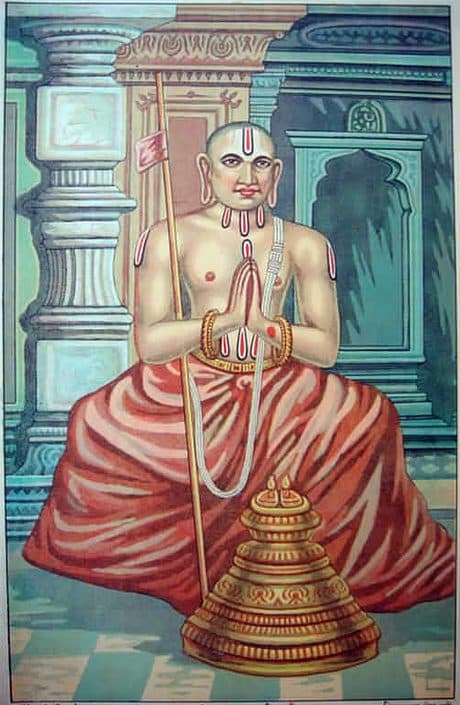
Rāmānuja · Viśiṣṭādvaita
English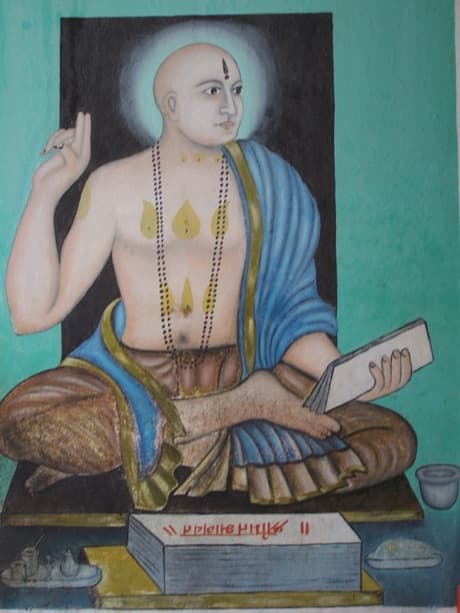
Madhvācārya · Dvaita
Madhva BhāṣyaSanskritEnglishOn verses 4.30–4.31
“नियतहारत्वेनैव प्राणशोषात् प्राणान् प्राणेषु जुह्वति | यच्छेद् वाङ्मनसी इत्यादिश्रुत्पुत्तकारेण वा | अन्यदपि गन्धान्तरे सिद्धम् यदस्याल्पाशनं तेन प्राणाः प्राणेषु वै हुता इति ||” - By restraining the food intake and reducing the flow of Breath, the breath reducing the speech Mind is enjoined to become subservient as mentioned in scriptures. From texts also this is established. The intake of little food makes the Breath become sacrificed in Breath.
Madhvācārya · Dvaita
Gītā Tātparya NirṇayaSanskritEnglishOn verses 4.30–4.31
“देवं विष्णुमेव यज्ञ इत्युपासते | स्वभोग्यत्वात् स्वयमेव यज्ञः | ब्रह्माख्यान्नौ क्रियायज्ञं तेनैव यज्ञाख्येन विष्णुना समर्पयन्ति || तत्पूजात्वेन श्रोत्रादिसंयमं कुर्वन्ति | तत्पूजात्वेन विषयान् भुञ्जते | तत्पूजात्वेनैन्द्रियसंयमं कुर्वन्ति | यज्ञेनैव इति सर्वत्राप्यन्वीयते | तेनैव तं पूजयेद् वा विहितैर्वाऽन्यसाधनैः | स एव विष्णोयज्ञः स्यान्मानसो वाऽथवाहकः || इति ब्रवैवर्ते ||” - Divine Vishnu, verily, is propitiated as sacrifice. For the enjoyment of His son, He himself becomes the sacrifice. In the fire of the sacrifice in the performance of the act of sacrifice, in the form of sacrifice Sri Vishnu, verily, is offered. Through His propitiation the ear and other senses are brought under restraint. Through His propitiation the senses come to be burnt. He verily is propitiated by him, he himself becoming the sacrifice mentally or otherwise, thus in Brahmavaivarta scripture.
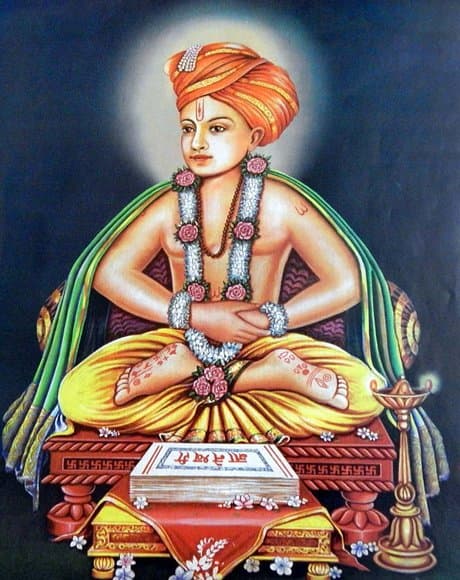
Jñāneśvar · Vārkarī
English31 "And, partaking of the ambrosial remainder of the Sacrifice, attain the ever enduring Brahman, (Even) this world (below) belongs not to one who does not sacrifice: whence then the next (world), O Best of the Kurus? (151)
Such knowledge then as emerges at the end of the sacrifice, is pure and unsullied as it is eternal and without beginning, and is the enjoyment of souls devoted to the Supreme Brahman, accompanied by the recital of the hymn 'I am the Brahman'. Those that arrive at this Supreme satisfaction and are contented with the nectar in the form of the residues of the spiritual sacrifices, and become the masters of true immortality, are easily absorbed in the Supreme Brahman; while to those that never try the Yoga pathway and have failed to devote themselves to the Fire in the form of Self-control are denied the blissful embrace of the true renunciation. No wonder then that those that cannot well-secure any good of this world are hardly expected to secure anything in the other by way of Eternal life. So let it alone, O Son of Pandu.
Swami Ramsukhdas · Modern
English'Yajñaśiṣṭāmṛtabhujo yānti brahma sanātanam'—Those, who realize equanimity, having performed sacrifice i.e., having performed duty without any selfish motive, are said to have taken the remnants of the sacrifice. Such people, are released from all sins, and attain to the eternal Absolute (Gītā 3/13).
A man (the self), is eternal. It is because of his attachment to the perishable, that he believes that he dies. When he, having utilized his so-called possessions, for the welfare of the world, gets detached from them, he realizes the fact, that he is eternal.
When action is performed as duty i.e., for the welfare of others without any selfish motive, it becomes a sacrifice (yajña).
Action performed, with a selfish motive leads to bondage. In a sacrifice all possessions offered to others; for his own-self, he performs only action, which is inevitable for the bare maintenance of body (Gītā 4/21). Such an action, is also included in sacrifice. This human body has been bestowed upon us, so that we may perform sacrifice. If we use it, in order to gain honour, praise, comforts and luxuries etc., it leads us to bondage. But, if with it, actions are performed only for the sake of sacrifice, it leads to liberation and one attains to the Eternal Absolute.
'Nāyam loko'stayajñasya kuto'nyaḥ kurusattama'—In the eighth verse of the third chapter, the Lord declared, 'Even the maintenance of the body would not be possible by inaction.' Similarly, here He declares, 'This world is not felicitous for him who performs no sacrifice, how then can he have happiness in, any other world?' He, who performs actions, with a selfish motive disturbs peace, causes disorder and strife, and does not attain salvation.
A selfish member, who does not perform his duty, is not liked even by members of one's family. Non-performance of duty, causes quarrels, strifes and annoyance in the family. He who wants to lead a peaceful life in the family, should perform his duty by rendering service to other members of the family. By doing so, he becomes a source of inspiration for others and thus unity and peace prevail, in the family and in the world, here as well as hereafter. On the other hand, he who does not perform his duty scrupulously, does not lead a happy life, here as well as hereafter.
*Link:—In the sixteenth verse of this chapter the Lord promised to explain the truth about actions. Having described it in detail now He concludes the topic.*
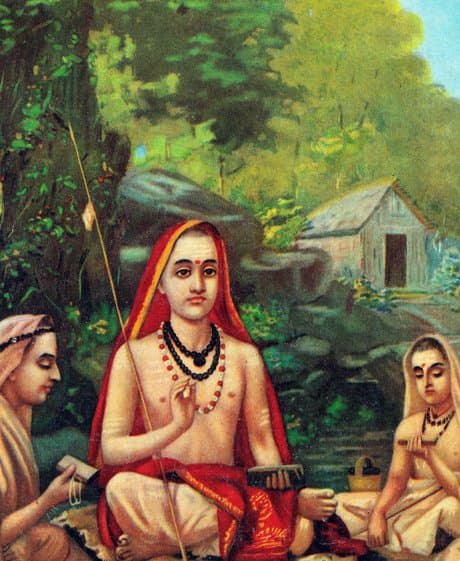
Ādi Śaṅkarācārya · Advaita
Sanskritयज्ञशिष्टामृतभुजः यज्ञानां शिष्टं यज्ञशिष्टं यज्ञशिष्टं च तत् अमृतं च यज्ञशिष्टामृतं तत् भुञ्जते इति यज्ञशिष्टामृतभुजः । यथोक्तान् यज्ञान् कृत्वा तच्छिष्टेन कालेन यथाविधिचोदितं अन्नं अमृताख्यं भुञ्जते इति यज्ञशिष्टामृतभुजः यान्ति गच्छन्ति ब्रह्म सनातनं चिरन्तनं मुमुक्षवश्चेत् ; कालातिक्रमापेक्षया इति सामर्थ्यात् गम्यते । न अयं लोकः सर्वप्राणिसाधारणोऽपि अस्ति यथोक्तानां यज्ञानां एकोऽपि यज्ञः यस्य नास्ति सः अयज्ञः तस्य । कुतः अन्यो विशिष्टसाधनसाध्यः कुरुसत्तम ॥
Ādi Śaṅkarācārya · Advaita
Hindiयज्ञोंके शेषका नाम यज्ञशिष्ट है, वही अमृत है उसको जो भोगते हैं, वे यज्ञशिष्ट अमृतभोजी हैं। उपर्युक्त यज्ञोंको करके उससे बचे हुए समयद्वारा यथाविधि प्राप्त अमृतरूप विहित अन्नको भक्षण करनेवाले यज्ञशिष्ट अमृतभोजी पुरुष, सनातन यानी चिरन्तन ब्रह्मको प्राप्त होते हैं।
यहाँ यान्ति इस गतिविषयक शब्दकी शक्तिसे यह पाया जाता है कि यदि यज्ञ करनेवाले मुमुक्षु होते हैं तो कालातिक्रमकी अपेक्षासे (मरनेके बाद कितने ही कालतक ब्रह्मलोकमें रहकर फिर प्रलयके समय ब्रह्मको प्राप्त होते हैं)।
हे कुरुश्रेष्ठ! जो मनुष्य उपर्युक्त यज्ञोंमेंसे एक भी यज्ञ नहीं करता, उस यज्ञरहित पुरुषको, सब प्राणियोंके लिये जो साधारण है, ऐसा यह लोक भी नहीं मिलता, फिर विशेष साधनोंद्वारा प्राप्त होनेवाला अन्य लोक तो मिल ही कैसे सकता है?
Jñāneśvar · Vārkarī
Marathiऐसें अनादिसिद्ध चोखट । जें ज्ञान यज्ञावशिष्ट । तें सेविती ब्रह्मनिष्ठ । ब्रह्माहंमंत्रे ॥ १५२ ॥
ऐसे शेषामृते धाले । कीं अमर्त्यभावा आले । म्हणोनि ब्रह्म ते जहाले । अनायासे ॥ १५३ ॥
येरां विरक्ति माळ न घालीचि । जयां संयमाग्नीची सेवा न घडेचि । जें योगयागु न करितीचि । जन्मले सांते ॥ १५४ ॥
जयां ऐहिक धड नाहीं । तयांचें परत्र पुससी काई । म्हणोनि सांगों कां वांई । पंडुकुमरा ॥ १५५ ॥
Jñāneśvar · Vārkarī
Hindi(4.152) ऐसा जो अनादिसिद्ध शुद्ध और यज्ञ का शेषज्ञान है उसका ब्रह्मनिष्ठ लोग 'अहं ब्रह्मास्मि' मन्त्र से सेवन करते हैं।
(4.153) वे इस शेषरूपी अमृत से तृप्त हो चुकते हैं, अथवा अमरता को प्राप्त होते हैं। अतएव वे अनायास ब्रह्म ही हो जाते हैं।
(4.154) अन्यों को विरक्ति कभी जयमाल नहीं डालती। उनसे कभी संयमाग्नि की सेवा नहीं बन पड़ती। वे जन्मभर कभी योग-याग नहीं करते। (4.155) उनका ऐहिक भी ठीक नहीं रहता तो फिर उनके पारलौकिक सुख की बात ही क्या कही जाय? हे पाण्डुकुँवर! उनकी बात ही छोड़ो।
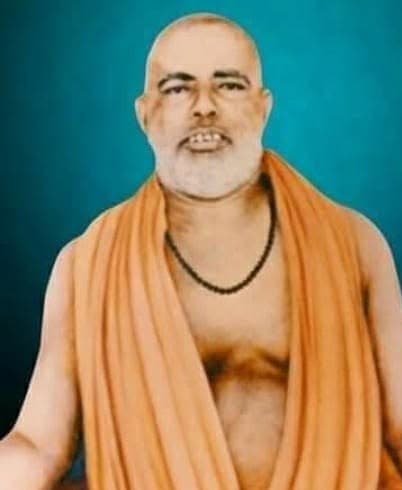
Sri Udiya Baba · Modern
Hindiभावार्थ— कुरुश्रेष्ठ अर्जुन! यज्ञशिष्ट अमृत का उपभोग करने वाले पुरुष सनातन ब्रह्म को प्राप्त होते हैं। जो किसी प्रकार का यज्ञ नहीं करते उन्हें तो यह लोक भी प्राप्त नहीं होता, अन्य लोक तो क्या मिलेगा।
व्याख्या— प्रश्न— प्राणायाम करने वाला प्राणोपासक तो समष्टि प्राण को ही प्राप्त हो सकता है, वह सनातन ब्रह्म को कैसे प्राप्त होगा?
उत्तर— प्राण आदि की उपासना से उनके चित्त की शुद्धि होगी। इससे वासनाओं की निवृत्ति होगी और वासनाओं का न रहना ही मुक्ति है। इस प्रकार उनकी क्रममुक्ति होगी। यहाँ जिन यज्ञों का वर्णन हुआ है वे सभी साक्षात् या परम्परा से मोक्ष प्रदान करने वाले हैं।
यद्यपि जपादि स्नान के पश्चात् और भोजन से पहले ही करने का नियम है, तथापि ऐसा प्रमाण भी है—
इक्षूनपः फलं मूलं ताम्बूलं पय औषधिः।
भक्षयित्वापि कर्तव्यं स्नानदानादिकं क्रिया॥
अर्थात् ईख, जल, फल, मूल, पान, दूध और औषधि खाकर भी स्नान-दान आदि कर्म किये जा सकते हैं।
Swami Ramsukhdas · Modern
Hindi‘यज्ञशिष्टामृतभुजो यान्ति ब्रह्म सनातनम्’—यज्ञ करनेसे अर्थात् निष्कामभावपूर्वक दूसरोंको सुख पहुँचानेसे समताका अनुभव हो जाना ही ‘यज्ञशिष्ट अमृत’का अनुभव करना है। अमृत अर्थात् अमरताका अनुभव करनेवाले सनातन परब्रह्म परमात्माको प्राप्त हो जाते हैं (गीता—तीसरे अध्यायका तेरहवाँ श्लोक)।
स्वरूपसे मनुष्य अमर है। मरनेवाली वस्तुओंके संगसे ही मनुष्यको मृत्युका अनुभव होता है। इन वस्तुओंको संसारके हितमें लगानेसे जब मनुष्य असंग हो जाता है, तब उसे स्वतःसिद्ध अमरताका अनुभव हो जाता है।
कर्तव्यमात्र केवल कर्तव्य समझकर किया जाय, तो वह यज्ञ हो जाता है। केवल दूसरोंके हितके लिये किया जानेवाला कर्म ही कर्तव्य होता है। जो कर्म अपने लिये किया जाता है, वह कर्तव्य नहीं होता, प्रत्युत कर्ममात्र होता है, जिससे मनुष्य बँधता है। इसलिये यज्ञमें देना-ही-देना होता है, लेना केवल निर्वाहमात्रके लिये होता है (गीता—चौथे अध्यायका इक्कीसवाँ श्लोक)। शरीर यज्ञ करनेके लिये समर्थ रहे—इस दृष्टिसे शरीर-निर्वाहमात्रके लिये वस्तुओंका उपयोग करना भी यज्ञके अन्तर्गत है। मनुष्य-शरीर यज्ञके लिये ही है। उसे मान-बड़ाई, सुख-आराम आदिमें लगाना बन्धनकारक है। केवल यज्ञके लिये कर्म करनेसे मनुष्य बन्धनरहित (मुक्त) हो जाता है और उसे
सनातन ब्रह्मकी प्राप्ति हो जाती है।
‘नार्य लोकोऽस्त्ययज्ञस्य कुतोऽन्यः कुरुसत्तम’—जैसे तीसरे अध्यायके आठवें श्लोकमें भगवान्ने कहा कि कर्म न करनेसे तेरा शरीर-निर्वाह भी सिद्ध नहीं होगा, ऐसे ही यहाँ कहते हैं कि यज्ञ न करनेसे तेरा यह लोक भी लाभदायक नहीं रहेगा, फिर परलोकका तो कहना ही क्या है! केवल स्वार्थभावसे (अपने लिये) कर्म करनेसे इस लोकमें संघर्ष उत्पन्न हो जायगा और सुख-शान्ति भंग हो जायगी तथा परलोकमें कल्याण भी नहीं होगा।
अपने कर्तव्यका पालन न करनेसे घरमें भी भेद और संघर्ष पैदा हो जाता है, खटपट मच जाती है। घरमें कोई स्वार्थी, पेटू व्यक्ति हो, तो घरवालोंको उसका रहना सुहाता नहीं। स्वार्थत्यागपूर्वक अपने कर्तव्यसे सबको सुख पहुँचाना घरमें अथवा संसारमें रहनेकी विद्या है। अपने कर्तव्यका पालन करनेसे दूसरोंको भी कर्तव्य-पालनकी प्रेरणा मिलती है। इससे घरमें एकता और शान्ति स्वाभाविक आ जाती है। परन्तु अपने कर्तव्यका पालन न करनेसे इस लोकमें सुखपूर्वक जीना भी कठिन हो जाता है और अन्य लोकोंकी तो बात ही क्या है! इसके विपरीत अपने कर्तव्यका ठीक-ठीक पालन करनेसे यह लोक भी सुखदायक हो जाता है और परलोक भी।
सम्बन्ध—इसी अध्यायके सोलहवें श्लोकमें भगवान्ने कर्मोंका तत्त्व बतानेकी प्रतिज्ञा की थी। उसका विस्तारसे वर्णन करके अब भगवान् उसका उपसंहार करते हैं।
Those Karma Yogins who sustain their bodies only on the remains of sacrifice which is like ambrosia, will go to the eternal Brahman. 'Go to Brahman' here means attaining the realisation of the Self of which Brahman is the 'Over-Self'.
'One who makes no sacrifices’, is one who is not devoted to any obligatory and periodic rites etc.,
One will be unable to achieve the material goals of human existence known as right living (Dharma), prosperity (Artha) and pleasure (Kāma); how then can the Supreme goal —liberation (Mokṣa) be attained?
As Mokṣa has been mentioned as the ultimate goal, the other three objectives are indicated by 'this world' that is, the material realm in which they are accomplished.