

Bhagavad Gītā · Chapter 4 · Jñāna Karma Sannyāsa Yoga
ये यथा मां प्रपद्यन्ते तांस्तथैव भजाम्यहम्
मम वर्त्मानुवर्तन्ते मनुष्याः पार्थ सर्वशः
ye yathā māṃ prapadyante tāṃstathaiva bhajāmyaham|
mama vartmānuvartante manuṣyāḥ pārtha sarvaśaḥ||
Word meanings
पार्थ = O Pārtha
ये = those who
यथा = as
माम् = me
प्रपद्यन्ते = take refuge in
अहम् = I
तान् = them
तथा, एव = and likewise
भजामि = I favor / reciprocate with
मनुष्याः = all men
सर्वशः = in every way
मम = my
वर्त्म = path
अनुवर्तन्ते = follow
Translation
Arjuna, howsoever men seek Me; even so do I approach them; for all men follow My path in every way.
Commentary
The commentators seated around this verse
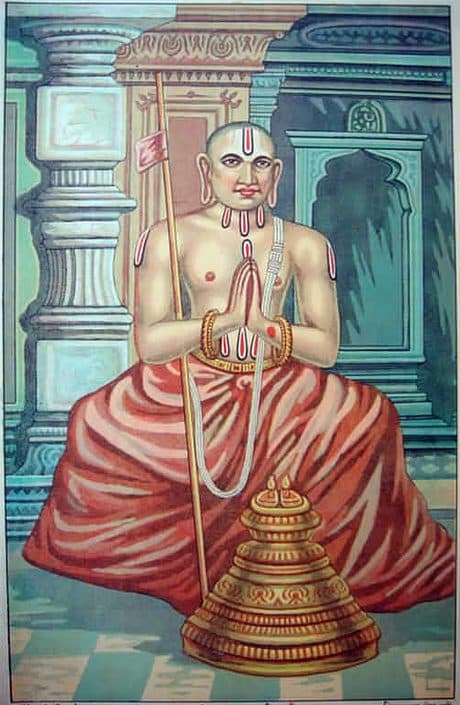
Rāmānuja · Viśiṣṭādvaita
English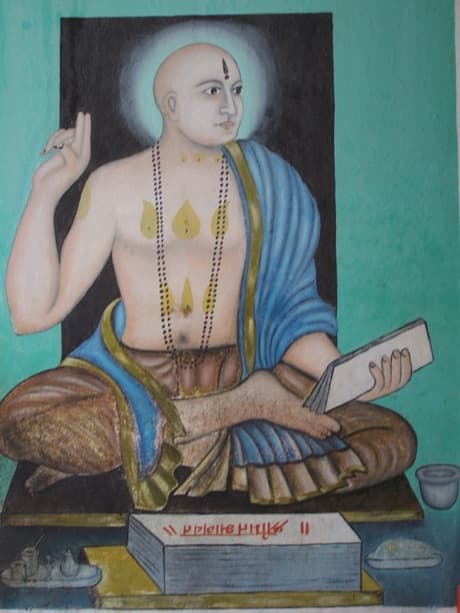
Madhvācārya · Dvaita
Madhva BhāṣyaSanskritEnglishOn verses 4.11–4.12
“न च मद्भजनमात्रेण मुक्तर्भवत्यन्यदेवतादिरूपेण | तथाऽपि चर्वेषामानुरूपेण फलं ददामि | इत्याह - ये यथा इति | सेवयामि फलदानेन | न तु गुणभावेन | कथमयं विशेष इत्यत आह - मम वर्त्म इति | अन्यदेवता यजन्तोऽपि मम वर्त्मैवानुवर्तन्ते | सर्वकर्मकर्तृत्वाद् भापक्तृत्वाच्च मम इति हि श्रुतिः | भगवांश्च तत्राभिधीयते | अजस्य नभावध्ये कर्मार्पितम् इति लिङ्गात् ||” - Not by propitiating Sri Krishna alone will there be deliverance, deliverance is possible even in other ways also. Responds by granting appropriate fruits, not serving by inclination. Those who propitiate other gods also propitiate him alone, because he is the energizer of all the actions and the enjoyer of all things, he being referred among all the gods as the One alone, as in Vedas. The Resplendent Lord (Sri Vishnu) alone is referred there. In the navel of the Immortal is all these offered. Thus, His form of Lotus-like navel is shown in symbolic manner.
“कृतो मम वर्त्मानुवर्तन्ते, क्षिप्र हि | अत एव हि फलप्राप्तिः | तस्मात्ते धनसनयः || इति हि श्रुतिः ||” - By following other gods, how are they said to be following Sri Krishna alone? This has been mentioned in the later part of this verse. quick indeed are the fruits attained. From Sri Hari alone are the fruits of labour - thus in Chhandogya. Up.
Madhvācārya · Dvaita
Gītā Tātparya NirṇayaSanskritEnglishOn verses 4.11–4.12
“तथैव भजामि | तदनुसारिफलदानरूपेण | अन्यदेवतायाजिनामपि मत्समर्पणेन वैष्णवमार्गानुवर्तनेनैव सम्यक् फलं भवति || अन्यदेवतपूजाऽपि यस्मिन्नन्ते समर्पिता | स्वर्गादिफलहेतुः स्यान्न्यथा तं भजेन्द्रिम् || इत्याग्नये ||” - the Lord grants fruits appropriate to their deeds. Even those who propitiate other gods, having surrendered to him, even though not following the Vaishnava path, appropriate fruits are made available. Worship to other gods also comes to be offered to Me in the end. The object of getting the fruits of heaven becomes possible; not otherwise. Therefore propitiate Him, thus, in Agni Puraana.
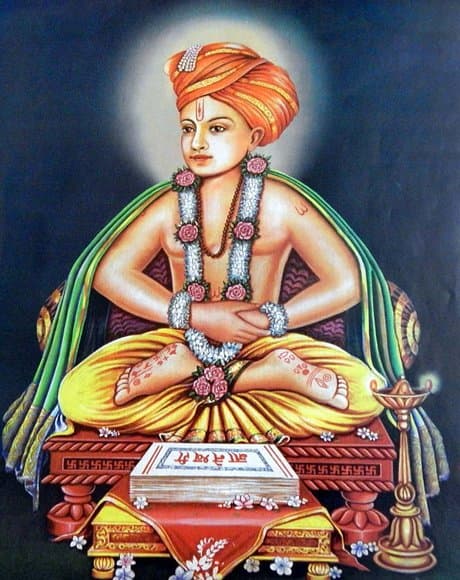
Jñāneśvar · Vārkarī
English11 "The way they resort unto Me, that same way I favour them. Men, from all quarters, follow My path, O Son of Pṛthā (66)
And it is only natural that those who dedicate their life to me shall receive from me my love and devotion in the measure of their faith. All human beings are naturally inclined to worship my divine being; such of them as are corrupted by ignorance and lack of spiritual insight, are victims of divided faith and they imagine me to be of manifold form. They invest the distinctionless being with indistinct shapes, give names to the nameless spirit of the Self, and worship the unnameable Supreme spirit in the shape of many Idols: the essence of the Supreme Self is, in all places and at all times, one and the same; yet through the confusion and error of the mind, they see in it different divisions like high and low.
Swami Ramsukhdas · Modern
English'Ye yathā māṁ prapadyante tāṁstathaiva bhajāmyaham'— Howsoever, devotees seek God, so does He meet them, and grant them their hearts' desires. He reveals Himself, to a devotee, in the same form in which he thinks of Him. If a devotee thinks of Him, as his preceptor, He becomes an excellent preceptor. Similarly, God becomes a worthy father or mother, son, brother, friend or even, an obedient servant, according to the desire of the devotee. If a devotee, feels restless without God, He also becomes restless without, His devotee.
Arjuna regarded Lord Kṛṣṇa, as his friend and wanted to make Him his chariot-driver. Therefore, He became his chariot- driver. Sage Viśvāmitra, treated Him as a disciple; so He became his disciple. Therefore, with whatever sentiment devotees seek Him, He correlates, by the same sentiment. The Lord of infinite worlds, reciprocates to the sentiments of His own created common beings. How generous affectionate and merciful He is!
This topic reveals, that the Lord manifests Himself for the sake of His devotees. He descends to the earth, according to the sentiment of His devotees. It is mentioned in the Upaniṣad, 'The Lord felt lonely' (Bṛhadāraṇyaka 1/4/3). So He manifested Himself in different forms and started His sport. Similarly, when devotees have a desire to take part in divine sport in the company of the Lord, He manifests Himself, in order to take part. When a devotee, cannot suffer his separation from God, God also cannot bear it from him.
Though the words 'Yathā' (in whatever way) and 'Tathā' (so) explains, that in whatever way a devotee seeks Him, He reciprocates his sentiments, yet there is a great difference in their manner. If a devotee takes one step towards God, God may take hundreds of strides to meet him. The Lord is omnipresent, omnipotent and omniscient. Moreover, He is His devotee's supreme and unselfish friend and true to His resolve. A devotee should use his full power to attain Him, then the Lord is attained, through His limitless power.
A striver himself, creates obstacle in God-realization, because he does not apply his intellect, resources, time and power etc., to the full extent, in order to attain Him. If he, without regarding these as his own, utilizes them fully for God-realization, he may realize Him soon. Actually, they are the Lord's, because they have been bestowed upon by Him. A feeling of 'mine', is the main obstacle to God-realization. Man himself, is also a fragment of God, but he considers himself separate from God, while the Lord does not think so.
In fact, a striver cannot develop devotion to God, through the performance of actions. Devotion, is automatically bestowed upon a devotee, who takes refuge in Him. The refuge (surrender), is the best sentiment out of all the other feeling such as of service, of friendship, of affection and of sweet love etc. The Lord seems to declare, that if a devotee dedicates his possessions to Him, God would offer His possessions to the devotee; and if he offers himself to Him, God reciprocates. What an easy and economic transaction, God-realization is!
When a devotee, surrenders himself at His feet, He does not even remember his sins, of the past. He only thinks of his present emotions, hundreds of times (Mānasa 1/29/3).
In this (eleventh) verse, there is no description of scriptural subjects, such as dualism or non-dualism, the Lord endowed with attributes or attributeless, or different kinds of salvation etc. But,
here is a description of the feeling of 'mine', with God. 'Only God is mine and I am only God's—this feeling of 'mine' for God, enables a striver to attain Him, quickly and easily. Therefore, a striver should accept his affinity for God, even if he does not understand it. By doing so, he will realize his affinity for Him which is real.
**Question:**—The Lord, reciprocates the same sentiment with which a devotee seeks Him. If a devotees approaches Him with the sentiment of hatred or enmity etc., will the Lord, reciprocate the same?
**Answer:**—This is a topic of surrender (refuge) to Him, rather than of hatred or enmity. So, no such question, should arise. Even then, if we think over the question seriously, we come to realise that the purpose of the Lord in reciprocating the same sentiment to the person concerned, is to inspire him for salvation.* The Lord is a disinterested friend of all beings (Gītā 5/29). Therefore, he thinks of their welfare and acts, accordingly. He does the same, even for those who may have feelings of hatred and enmity, for Him. When Lord Rāma sents Aṅgada as a messenger to the court of Rāvaṇa, He urges him to convey his message in such a way that His purpose may be served and it may contribute to his (Rāvaṇa's) welfare (Mānasa 6/17/4).
Not only the Lord, but His devotees, are also disinterested friends of all beings (Śrīmadbhāgavata 3/25/21). When, even a devotee cannot harm anyone, how can the Lord, Who is the most merciful and disinterested friend of all beings, harm anyone? A person, may have affinity for Him with any sentiment yet He inspires him for salvation only. As a bath in the Ganges, both in winter and summer is rewarding, yet while bathing in winter a man feels cold and during summer, he feels refreshed. Similarly,
* Many persons out of desire, hatred, fear and love having concentrated their minds on God, being purged of their sins, have attained God in the same way as devotees attain Him through devotion (Śrīmadbhāgavata 7/1/29).
those devotees who worship Him with devotion attain eternal bliss, but that bliss is not attained by those who have negative feelings of hatred or enmity for Him.
'Mama vartmānuvartante manuṣyāḥ pārtha sarvaśaḥ'—Whatsoever, a great man does, the same is done by others, as well (Gītā 3/21). God is the supreme Being. He is superior to all the great men. So all people follow Him. The same fact, has been pointed out, in the second half of the twenty-third verse of the third chapter.
The Lord, ever remains prepared to reciprocate the sentiment of His devotee. King Daśaratha treats Him, as his son. So He becomes an obedient son and cannot disobey His father.* The Lord, wants to reveal the secret that a devotee should accept the same relationship with Him, which he has with a persons who is most loving to him, whether he is his son, father or whether she is his mother. By doing so, the Lord will become most loving to him and thus the person will be able to attain Him easily.
Secondly, the Lord wants to urge the people, that by following His footsteps they should also become worthy sons or parents or brothers, husbands, wives or sisters etc. Moreover, they should render service to other members of a family, without expecting any reward from them and without being proud of their action. Those who have affinity with parents and other relatives, only for rendering selfless service to them, follow the Lord's path in the real sense. By doing so, for the good of others they will be free from the feeling of 'mine', and they will develop devotion for God and attain Him.
An Important Fact
Egoistic notions and selfishness, are the stumbling blocks to
* Lord Rāma declares, 'I can enter fire, can eat deadly poison and can jump into the sea in order to carry out the order of My father (Vālmīki Rāmāyaṇa, Ayodhyā. 18/28-29).
devotion for God. When a man loves anyone, without egoism and selfishness, that love automatically flows towards the Lord. It is because of egoism and selfishness, that his love is confined to narrow limits. But, when such evil propensities are renounced, his love becomes widespread. In that case, the assumed affinity for the world perishes, and instinctively the real affinity for God is revealed.
The man (soul) is a fragment of God (Gītā 15/7) and so his affinity for God, is natural. But when he (the soul) having forgotten this real affinity, assumes the affinity for the world, he has to follow, the cycle (bondage) of birth and death. This bondage is twofold. One is due to his not realizing his real affinity with God. Another, is due to his assumed affinity with the world. But when he realizes his real affinity for God i.e., takes refuge in Him, he becomes free from worry, fear, sorrow, and doubt. Then, he is said to follow, the Lord's path.
**Appendix**—Though this universe is clearly the manifestation of God, yet the Lord reveals Himself before us in the same Form in which we perceive (see) Him. We regarding the self as body need things and desire them, then God manifests Himself in the form of those things. If being established in the 'Asat' (unreal), we perceive (see) the unreal, the Lord is also perceived in the unreal form. As a child wants a toy, its father brings it a toy even by spending money, similarly whatever we want, the most merciful God ever being eternal Reality appears before us in the same form. If we don't desire pleasures, why should the Lord appear before us in the form of pleasures? Why need He assume the artificial Form?
Though the terms 'yathā' and 'tathā' ('as' and 'so') have been used for the Lord's nature, yet the Lord ever showers His great grace upon beings because an insignificant being can't be compared with the supreme Lord. What is the strength of its own in a being except the sense of pride? Even then if a
person is attracted towards God, God is also attracted towards the person. As Vidurānījī was oblivious of herself after beholding Lord Kṛṣṇa, Lord Kṛṣṇa also was not in Himself and he ate the skin of banana offered by Vidurānījī and relished it.
In the Lord's nature 'yathā-tathā' are applicable in actions rather than in feelings. The Lord also showers His love and grace on an atheist ever in the same way as He showers it on a theist (believer). Therefore in the Lord's 'yathā-tathā' there is no selfish motive but it is the Lord's glory (greatness) otherwise how can a common being be compared with the greatest Lord? Even then he makes friends with an ordinary being and elevates him equal to His rank. The Lord does not regard Himself as great—this is His greatness.
*Link:—In the preceding verse, the Lord declared, 'As men approach Me, so do I accept them.' It means, that it is very easy to realize God. Then why do people not worship God? The Lord answers the question, in the next verse.*
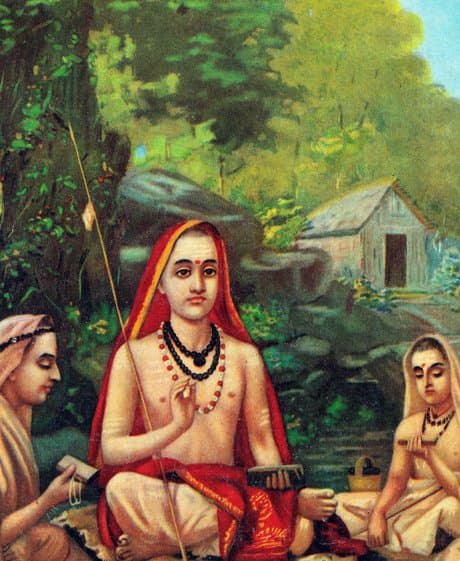
Ādi Śaṅkarācārya · Advaita
Sanskritये यथा येन प्रकारेण येन प्रयोजनेन यत्फलार्थितया मां प्रपद्यन्ते तान् तथैव तत्फलदानेन भजामि अनुगृह्णामि अहं इत्येतत् । तेषां मोक्षं प्रति अनर्थित्वात् । न हि एकस्य मुमुक्षुत्वं फलार्थित्वं च युगपत् सम्भवति । अतः ये फलार्थिनः तान् फलप्रदानेन, ये यथोक्तकारिणस्तु अफलार्थिनः मुमुक्षवश्च तान् ज्ञानप्रदानेन, ये ज्ञानिनः सन्न्यासिनः मुमुक्षवश्च तान् मोक्षप्रदानेन, तथा आर्तान् आर्तिहरणेन इत्येवं यथा प्रपद्यन्ते ये तान् तथैव भजामि इत्यर्थः । न पुनः रागद्वेषनिमित्तं मोहनिमित्तं वा कञ्चित् भजामि । सर्वथापि सर्वावस्थस्य मम ईश्वरस्य वर्त्म मार्गं अनुवर्तन्ते मनुष्याः -- यत्फलार्थितया यस्मिन् कर्मणि अधिकृताः ये प्रयतन्ते ते मनुष्या अत्र उच्यन्ते -- हे पार्थ सर्वशः सर्वप्रकारैः ॥ यदि तव ईश्वरस्य रागादिदोषाभावात् सर्वप्राणिषु अनुजिघृक्षायां तुल्यायां सर्वफलप्रदानसमर्थे च त्वयि सति ``वासुदेवः सर्वम्'' इति ज्ञानेनैव मुमुक्षवः सन्तः कस्मात् त्वामेव सर्वे न प्रतिपद्यन्ते इति ? शृणु तत्र कारणं --
Ādi Śaṅkarācārya · Advaita
Hindiतब क्या आपमें रागद्वेष हैं, जिससे कि आप किसी-किसीको ही आत्मभाव प्रदान करते हैं, सबको नहीं करते! इसपर कहते हैं—
जो भक्त जिस प्रकारसे—जिस प्रयोजनसे—जिस फलप्राप्तिकी इच्छासे मुझे भजते हैं, उनको मैं उसी प्रकार भजता हूँ अर्थात् उनकी कामनाके अनुसार ही फल देकर मैं उनपर अनुग्रह करता हूँ, क्योंकि उन्हें मोक्षकी इच्छा नहीं होती।
एक ही पुरुषमें मुमुक्षुत्व और फलार्थित्व (फलकी इच्छा करना) यह दोनों एक साथ नहीं हो सकते।
इसलिये जो फलकी इच्छावाले हैं उन्हें फल देकर, जो फलको न चाहते हुए शास्त्रोक्त प्रकारसे कर्म करनेवाले और मुमुक्षु हैं, उनको ज्ञान देकर, जो ज्ञानी, संन्यासी और मुमुक्षु हैं, उन्हें मोक्ष देकर तथा आर्तोंका दुःख दूर करके, इस प्रकार जो जिस तरहसे मुझे भजते हैं, उनको मैं भी वैसे ही भजता हूँ।
राग-द्वेषके कारण या मोहके कारण तो मैं किसीको भी नहीं भजता।
मानुषे लोके वर्णाश्रमादिकर्माधिकार इति विशेषः, तेषां वर्णाश्रमादाधिकारिकर्मणां फल-सिद्धिः क्षिप्रं भवति कर्मजा कर्मणो जाता ॥ १२ ॥
हे पार्थ! मनुष्य सब तरहसे बर्तते हुए भी सर्वत्र स्थित मुझ ईश्वरके ही मार्गका सब प्रकारसे अनुसरण करते हैं, जो जिस फलकी इच्छासे जिस कर्मके अधिकारी बने हुए (उस कर्मके अनुरूप) प्रयत्न करते हैं, वे ही मनुष्य कहे जाते हैं
Jñāneśvar · Vārkarī
Marathiएर्हवीं तरी पाहीं । जे जैसे माझां ठाईं । भजती तया मीही । तैसाचि भजे ॥ ६६ ॥
देखें मनुष्यजात सकळ । हें स्वभावता भजनसीळ । जाहलें असे केवळ । माझां ठायीं ॥ ६७ ॥
परी ज्ञानेंवीण नाशिले । जे बुद्धिभेदासि आले । तेणेंचि या कल्पिलें । अनेकत्व ॥ ६८ ॥
म्हणऊनि अभेदीं भेदु देखती । यया अनाम्या नामें ठेविती ॥ देवी देवो म्हणती । अचर्चातें ॥ ६९ ॥
जें सर्वत्र सदा सम । तेथे विभाग अधमोत्तम । मतिवशें संभ्रम । विवंचिती ॥ ७० ॥
Jñāneśvar · Vārkarī
Hindi(4.66) यों भी देखो, मुझ में जो जैसा प्रेम रखते हैं उन पर मैं भी वैसी ही प्रीति रखता हूँ।
(4.67) वास्तव में सम्पूर्ण मनुष्य स्वभावतः केवल मेरा ही भजन करते हैं।
(4.68) परन्तु ज्ञान के बिना उनकी हानि होती है। क्योंकि उनकी बुद्धि भेदयुक्त हो गई है। वे मुझ एक की अनेक रूपों में कल्पना करते हैं। (4.69) इससे मैं जो भेद-रहित हूँ उसमें वे भेद देखते हैं, मैं जो नाम-रहित हूँ उसे वे नाम देते हैं, मैं जो अनिर्वाच्य हूँ उसे देव-देवी इत्यादि पद लगाते हैं,
(4.70) और मैं जो सर्वत्र और सदैव समान हूँ उसके, भ्रान्ति बुद्धि के वश हो, अधम और उत्तम भेद मानते हैं।
Sri Udiya Baba · Modern
Hindiसंगति— जब ऐसी शंका होने पर कि आप किसी को ज्ञानयोग, किसी को भक्तियोग और किसी को कर्मयोग का उपदेश क्यों करते हैं, भगवान् कहते हैं—
भावार्थ— हे पार्थ! जो मुझे जिस प्रकार भजते हैं, मैं भी उनको उसी प्रकार भजता हूँ। मनुष्य सब प्रकार मेरे ही मार्ग का अनुसरण करते हैं।
व्याख्या— मुझे जो जिस इच्छा से भजते हैं उन्हें मैं वही वस्तु प्राप्त करा देता हूँ। सकामी को इच्छित वस्तु और मुमुक्षु को ज्ञान प्रदान करता हूँ इसलिए मैं राग-द्वेष-शून्य हूँ। अतः जिनकी जैसी इच्छा होती है उसी प्रकार मैं उन पर अनुग्रह करता हूँ। यद्यपि सभी मननशील पुरुष मेरे ही मार्ग का अनुसरण करते हैं, तथापि भक्ति या ज्ञान सब नहीं चाहते। अतः अगले श्लोक में यह कहते हैं कि मनुष्यलोक में कर्मजनित सिद्धि शीघ्र ही प्राप्त हो जाती है।
Swami Ramsukhdas · Modern
Hindi'ये यथा मां प्रपद्यन्ते तांस्तथैव भजाम्यहम्'—भक्त भगवान्की जिस भावसे, जिस सम्बन्धसे, जिस प्रकारसे शरण लेता है, भगवान् भी उसे उसी भावसे, उसी सम्बन्धसे, उसी प्रकारसे आश्रय देते हैं। जैसे, भक्त भगवान्को अपना गुरु मानता है तो वे श्रेष्ठ गुरु बन जाते हैं, शिष्य मानता है तो वे श्रेष्ठ शिष्य बन जाते हैं, माता-
पिता मानता है तो वे श्रेष्ठ माता-पिता बन जाते हैं, पुत्र मानता है तो वे श्रेष्ठ पुत्र बन जाते हैं, भाई मानता है तो वे श्रेष्ठ भाई बन जाते हैं, सखा मानता है तो वे श्रेष्ठ सखा बन जाते हैं, नौकर मानता है तो वे श्रेष्ठ नौकर बन जाते हैं। भक्त भगवान्के बिना व्याकुल हो जाता है तो भगवान् भी भक्तके बिना व्याकुल हो जाते हैं।
* 'ममता मल जरि जाइ' (मानस ७। ११७ क); 'ममतामेध्यदूषितः' (योगवासिष्ठ ६। २। ५३। ११)
अर्जुनका भगवान् श्रीकृष्णके प्रति सखाभाव था तथा वे उन्हें अपना सारथि बनाना चाहते थे; अतः भगवान् सखाभावसे उनके सारथि बन गये। विश्वामित्र ऋषिने भगवान् श्रीरामको अपना शिष्य मान लिया तो भगवान् उनके शिष्य बन गये। इस प्रकार भक्तोंके श्रद्धाभावके अनुसार भगवान्का वैसा ही बननेका स्वभाव है।
अनन्त ब्रह्माण्डोंके स्वामी भगवान् भी अपने ही बनाये हुए साधारण मनुष्योंके भावोंके अनुसार बर्ताव करते हैं, यह उनकी कितनी विलक्षण उदारता, दयालुता और अपनापन है?
भगवान् विशेषरूपसे भक्तोंके लिये ही अवतार लेते हैं—ऐसा प्रस्तुत प्रकरणसे सिद्ध होता है। भक्तलोग जिस भावसे, जिस रूपमें भगवान्की सेवा करना चाहते हैं, भगवान्को उनके लिये उसी रूपमें आना पड़ता है। जैसे, उपनिषद्में आया है—‘एकाकी न रमते’ (बृहदारण्यक० १।४।३)—अकेले भगवान्का मन नहीं लगा, तो वे ही भगवान् अनेक रूपोंमें प्रकट होकर खेल खेलने लगे। ऐसे ही जब भक्तोंके मनमें भगवान्के साथ खेल खेलनेकी इच्छा हो जाती है, तब भगवान् उनके साथ खेल खेलने—(लीला करने—) के लिये प्रकट हो जाते हैं। भक्त भगवान्के बिना नहीं रह सकता तो भगवान् भी भक्तके बिना नहीं रह सकते।
यहाँ आये ‘यथा’ और ‘तथा’—इन प्रकारवाचक पदोंका अभिप्राय ‘सम्बन्ध’, ‘भाव’ और ‘लगन’ से है। भक्त और भगवान्का प्रकार एक-सा होनेपर भी इनमें एक बहुत बड़ा अन्तर यह है कि भगवान् भक्तकी चालसे नहीं चलते, प्रत्युत अपनी चाल-(शक्ति-) से चलते हैं। भगवान् सर्वत्र विद्यमान, सर्वसमर्थ, सर्वज्ञ, परम सुहृद् और सत्यसंकल्प हैं। भक्तको केवल अपनी पूरी शक्ति लगा देनी है, फिर भगवान् भी अपनी पूरी शक्तिसे उसे प्राप्त हो जाते हैं।
भगवत्प्राप्तिमें बाधा साधक स्वयं लगाता है; क्योंकि भगवत्प्राप्तिके लिये वह समझ, सामग्री, समय और सामर्थ्यको अपनी मानकर उन्हें पूरा नहीं लगाता, प्रत्युत अपने पास बचाकर रख लेता है। यदि वह उन्हें अपना न मानकर उन्हें पूरा लगा दे तो उसे शीघ्र ही भगवत्प्राप्ति हो जाती है। कारण कि यह समझ, सामग्री आदि उसकी अपनी नहीं हैं; प्रत्युत भगवान्से मिली हैं; भगवान्की हैं।
अतः इन्हें अपनी मानना ही बाधा है। साधक स्वयं भी भगवान्का ही अंश है। उसने खुद अपनेको भगवान्से अलग माना है, भगवान्ने नहीं।
भक्ति (प्रेम) कर्मजन्य अर्थात् किसी साधन-विशेषका फल नहीं है। भगवान्के सर्वथा शरण होनेवालेको भक्ति स्वतः प्राप्त होती है। दास्य, सख्य, वात्सल्य, माधुर्य आदि भावोंमें सबसे श्रेष्ठ शरणगतिका भाव है। यहाँ भगवान् मानो इस बातको कह रहे हैं कि तुम अपना सब कुछ मुझे दे दोगे तो मैं भी अपना सब कुछ तुम्हें दे दूँगा और तुम अपने-आपको मुझे दे दोगे तो मैं भी अपने-आपको तुम्हें दे दूँगा। भगवत्प्राप्तिका कितना सरल और सस्ता सौदा है!
अपने-आपको भगवच्चरणोंमें समर्पित करनेके बाद भगवान् भक्तकी पुरानी त्रुटियोंको यादतक नहीं करते। वे तो वर्तमानमें साधकके हृदयका दृढ़ भाव देखते हैं—
रहति न प्रभु चित चूक किए की।
करत सुरति सय बार हिए की॥
(मानस १।२९।३)
इस (ग्यारहवें) श्लोकमें द्वैत-अद्वैत, सगुण-निर्गुण, सायुज्य-सामीप्य आदि शास्त्रीय विषयका वर्णन नहीं है, प्रत्युत भगवान्से अपनेपनका ही वर्णन है। जैसे, नवें श्लोकमें भगवान्के जन्म-कर्मकी दिव्यताको जाननेसे भगवत्प्राप्ति होनेका वर्णन है। ‘केवल भगवान् ही मेरे हैं और मैं भगवान्का ही हूँ; दूसरा कोई भी मेरा नहीं है और मैं किसीका भी नहीं हूँ’—इस प्रकार भगवान्में अपनापन करनेसे उनकी प्राप्ति शीघ्र एवं सुगमतासे हो जाती है। अतः साधकको केवल भगवान्में ही अपनापन मान लेना चाहिये (जो वास्तवमें है), चाहे समझमें आये अथवा न आये। मान लेनेपर जब संसारके झूठे सम्बन्ध भी सच्चे प्रतीत होने लगते हैं, फिर जो भगवान्का सदासे ही सच्चा सम्बन्ध है, वह अनुभवमें क्यों नहीं आयेगा? अर्थात् अवश्य आयेगा।
शंका—जो भगवान्को जिस भावसे स्वीकार करते हैं, भगवान् भी उनसे उसी भावसे बर्ताव करते हैं, तो फिर यदि कोई भगवान्को द्वेष, वैर आदिके भावसे स्वीकार करेगा तो क्या भगवान् भी उससे उसी (द्वेष आदिके) भावसे बर्ताव करेंगे?
समाधान—यहाँ ‘प्रपद्यन्ते’ पदसे भगवान्की प्रपत्ति
* दरिया दूषण दास में, नहीं राम में दोष। जन चाले इक पाँवड़े, हरि चाले सौ कोस॥
अर्थात् शरणागतिक ही विषय है; उनसे द्वेष, वैर आदिका विषय नहीं। अतः यहाँ इस विषयमें शंका ही नहीं उठ सकती। फिर भी इसपर थोड़ा विचार करें तो भगवान्के स्वीकार करनेका तात्पर्य है—कल्याण करना। जो भगवान्को जिस भावसे स्वीकार करता है, भगवान् भी उससे वैसा ही आचरण करके अन्तमें उसका कल्याण ही करते हैं। भगवान् प्राणिमात्रके परम सुहृद हैं (गीता—पाँचवें अध्यायका उन्तीसवाँ श्लोक)। इसलिये जिसका जिसमें हित होता है, भगवान् उसके लिये वैसा ही प्रबन्ध कर देते हैं। वैर-द्वेष रखनेवालोंका भी जिससे कल्याण हो जाय, वैसा ही भगवान् करते हैं। [वैर-द्वेष रखनेवाले भगवान्का बिगाड़ भी क्या कर लेंगे?] अंगदजीको रावणकी सभामें भेजते समय भगवान् श्रीराम कहते हैं कि वही बात कहना, जिससे हमारा काम भी हो और रावणका हित भी हो—‘काजु हमार तासु हित होई’ (मानस ६। १७। ४)।
भगवान्की सुहृताकी तो बात ही क्या, भक्त भी समस्त प्राणियोंके सुहृद होते हैं—‘सुहृदः सर्वदेहिनाम्’ (श्रीमद्भा० ३। २५। २१)। जब भक्तोंसे भी किसीका किंचिन्मात्र भी अहित नहीं होता, तब भगवान्से किसीका अहित हो ही कैसे सकता है? भगवान्से किसी प्रकारका भी सम्बन्ध जोड़ा जाय, वह कल्याण करनेवाला ही होता है; क्योंकि भगवान् परम दयालु, परम सुहृद और चिन्मय हैं। जैसे गंगामें स्नान वैशाख मासमें किया जाय अथवा माघ मासमें, दोनोंका ही माहात्म्य एक समान है। परन्तु वैशाखके स्नानमें जैसी प्रसन्नता होती है, वैसी प्रसन्नता माघके स्नानमें नहीं होती। इसी प्रकार भक्ति-प्रेमपूर्वक भगवान्से सम्बन्ध जोड़नेवालोंको जैसा आनन्द होता है, वैसा आनन्द वैर-द्वेषपूर्वक भगवान्से सम्बन्ध जोड़ने-वालोंको नहीं होता।
‘मम वर्त्मानुवर्तन्ते मनुष्याः पार्थ सर्वशः’—श्रेष्ठ
पुरुष जैसा आचरण करता है, दूसरे लोग भी उसीके अनुसार आचरण करने लग जाते हैं (गीता—तीसरे अध्यायका इक्कीसवाँ श्लोक)। भगवान् सबसे श्रेष्ठ (सर्वोपरि) हैं, इसलिये सभी लोग उनके मार्गका अनुसरण करते हैं। तीसरे अध्यायमें तेईसवें श्लोकके उत्तरार्धमें भी यही बात (उपर्युक्त पदोंसे ही) कही गयी है।
साधक भगवान्के साथ जिस प्रकारका सम्बन्ध मानता है, भगवान् उसके साथ वैसा ही सम्बन्ध माननेके लिये तैयार रहते हैं। महाराज दशरथजी भगवान् श्रीरामको पुत्रभावसे स्वीकार करते हैं, तो भगवान् उनके सच्चे पुत्र बन जाते हैं और सामर्थ्यवान् होकर भी ‘पिता’ दशरथजीके वचनोंको टालनेमें अपनेको असमर्थ मानते हैं। इस प्रकारके आचरणोंसे भगवान् यह रहस्य प्रकट करते हैं कि यदि तुम्हारी संसारमें किसीके साथ सम्बन्धके नाते प्रियता हो तो वही सम्बन्ध तुम मेरे साथ कर लो, जैसे—मातामें प्रियता हो तो मेरेको अपनी माता मान लो, पितामें प्रियता हो तो मेरेको अपना पिता मान लो; पुत्रमें प्रियता हो तो मेरेको अपना पुत्र मान लो, आदि। ऐसा माननेसे मेरेमें वास्तविक प्रियता हो जायगी और मेरी प्राप्ति सुगमतापूर्वक हो जायगी।
दूसरी बात, भगवान् अपने आचरणोंसे यह शिक्षा देते हैं कि जिस प्रकार मेरे साथ जो जैसा सम्बन्ध मानता है, उसके लिये मैं भी वैसा ही बन जाता हूँ, उसी प्रकार तुम्हारे साथ जो जैसा सम्बन्ध मानता है, तुम भी उसके लिये वैसे ही बन जाओ; जैसे—माता-पिताके लिये तुम सुपुत्र बन जाओ, पत्नीके लिये तुम सुयोग्य पति बन जाओ, बहनेके लिये तुम श्रेष्ठ भाई बन जाओ, आदि। परन्तु बदलेमें उनसे कुछ चाहो मत; जैसे—कुछ लेनेकी इच्छासे माता-पिताको अपने न मानकर केवल सेवा करनेके लिये ही उन्हें अपने मानो। ऐसा मानना ही भगवान्के मार्गका अनुसरण करना है। अभिमानरहित होकर निःस्वार्थभावसे दूसरेकी सेवा
१-कामाद् द्वेषाद् भयात् स्नेहाद् यथा भक्त्येश्वरे मनः। आवेश्य तदर्थं हित्वा बहवस्तद्गतिं गताः॥
(श्रीमद्भा० ७। १। २९)
‘अनेक मनुष्य कामसे, द्वेषसे, भयसे और स्नेहसे अपने मनको भगवान्में लगाकर एवं अपने सारे पाप धोकर वैसे ही भगवान्को प्राप्त हुए हैं, जैसे भक्त भक्तिसे।’
२-अहं हि वचनाद् राज्ञः पतेयमपि पावके। भक्षयेयं विषं तीक्ष्णं पतेयमपि चाण्वि॥
(वाल्मीकि०, अयोध्या० १८। २८-२९)
भगवान् श्रीराम कहते हैं—‘मैं महाराज पिताजीके कहनेपर आगमें भी प्रवेश कर सकता हूँ, तीक्ष्ण विषका भी भक्षण कर सकता हूँ और समुद्रमें भी कूद सकता हूँ।’
करनेसे शीघ्र ही दूसरेकी ममता छूटकर भगवान्में प्रेम हो जायगा, जिससे भगवान्की प्राप्ति हो जायगी।
विशेष बात
अहंकाररहित होकर निःस्वार्थभावसे कहीं भी प्रेम किया जाय, तो वह प्रेम स्वतः प्रेममय भगवान्की तरफ चला जाता है। कारण कि अपना अहंकार और स्वार्थ ही भगवत्प्रेममें बाधा लगाता है। इन दोनोंके कारण मनुष्यका प्रेमभाव सीमित हो जाता है और इनका त्याग करनेपर उसका प्रेमभाव व्यापक हो जाता है। प्रेमभाव व्यापक होनेपर उसके माने हुए सभी बनावटी सम्बन्ध मिट जाते हैं और भगवान्का स्वाभाविक नित्य-सम्बन्ध जाग्रत् हो जाता है।
जीवमात्रका परमात्माके साथ स्वतः नित्य-सम्बन्ध है (गीता—पन्द्रहवें अध्यायका सातवाँ श्लोक)। परन्तु जबतक जीव इस सम्बन्धको पहचानता नहीं और दूसरा सम्बन्ध
जोड़ लेता है, तबतक वह जन्म-मरणके बन्धनमें पड़ा रहता है। उसका यह बन्धन दो ओरसे होता है—एक तो वह भगवान्के साथ अपने नित्य-सम्बन्धको पहचानता नहीं और दूसरे, जिसके साथ वास्तवमें अपना सम्बन्ध है नहीं, उसके सम्बन्धको नित्य मान लेता है। जब जीव 'ये यथा मां प्रपद्यन्ते' के अनुसार अपना सम्बन्ध केवल भगवान्से मान लेता है अर्थात् पहचान लेता है, तब उसे भगवान्से अपने नित्य-सम्बन्धका अनुभव हो जाता है।
भगवान्के नित्य-सम्बन्धको पहचानना ही भगवान्के शरण होना है। शरण होनेपर भक्त निश्चिन्त, निर्भय, निःशोक और निःशंक हो जाता है। फिर उसके द्वारा भगवान्की आज्ञाके विरुद्ध कोई क्रिया कैसे हो सकती है? उसकी सम्पूर्ण क्रियाएँ भगवान्के आज्ञानुसार ही होती हैं—**'मम वर्त्मानुवर्तन्ते।'**
**परिशिष्ट भाव**—यद्यपि यह संसार साक्षात् परमात्माका स्वरूप है, तथापि जो इसको जिस रूपसे देखता है, भगवान् भी उसके लिये उसी रूपसे प्रकट हो जाते हैं। हम अपनेको शरीर मानकर अपने लिये वस्तुओंकी आवश्यकता मानते हैं और उनकी इच्छा करते हैं तो भगवान् भी उन वस्तुओंके रूपमें हमारे सामने आते हैं, हम असत्में स्थित होकर देखते हैं तो भगवान् भी असत्-रूपसे ही दीखते हैं। जैसे बालक खिलौना चाहता है तो पिता रुपये खर्च करके भी उसको खिलौना लाकर देता है, ऐसा ही हम जो चाहते हैं, परम दयालु भगवान् (स्वयं सदा सत्स्वरूप रहते हुए भी) उसी रूपसे हमारे सामने आते हैं। अगर हम भोगोंको न चाहें तो भगवान्को भोगरूपसे क्यों आना पड़े? बनावटी रूप क्यों धारण करना पड़े?
भगवान्के स्वभावमें 'यथा-तथा' होते हुए भी जीवपर उनकी बड़ी भारी कृपा है; क्योंकि कहाँ जीव और कहाँ भगवान्! अभिमानके सिवाय जीवमें और क्या सामर्थ्य है? फिर भी जीवका भगवान्में आकर्षण होता है तो भगवान्का भी जीवमें आकर्षण होता है। जैसे, विदुरानीजी अपने-आपको भूल गयीं तो भगवान् भी अपने-आपको भूल गये और केलेके छिलके खाने लगे तथा उसीमें आनन्द लेने लगे!
भगवान्के स्वभावमें 'यथा-तथा' केवल क्रियामें हैं, भावमें नहीं। भगवान्का आस्तिक-से-आस्तिक व्यक्तिके प्रति जो स्नेह है, कृपा है, वैसा ही स्नेह, कृपा नास्तिक-से-नास्तिक व्यक्तिके प्रति भी है। इसलिये भगवान्के 'यथा-तथा' में स्वार्थभाव नहीं है, प्रत्युत यह तो भगवान्की महत्ता है कि कहाँ जीव और कहाँ भगवान्! फिर भी वे जीवको अपना मित्र बनाते हैं, उसको अपने समान दर्जा देते हैं! भगवान् अपनेमें बड़प्पनका भाव नहीं रखते—यह उनकी महत्ता है।
**सम्बन्ध**—पूर्वश्लोकमें भगवान्ने बताया कि जो मुझे जिस भावसे स्वीकार करता है, मैं भी उसे उसी भावसे स्वीकार करता हूँ अर्थात् मेरी प्राप्ति बहुत सरल और सुगम है। ऐसा होनेपर भी लोग भगवान्का आश्रय क्यों नहीं लेते—इसका कारण आगेके श्लोकमें बताते हैं।
Not only in His unlimited avatar or incarnation forms in the Vedic pantheon such as Rāma or Buddha is Lord Krishna approachable to those who seek refuge in Him as the saviour and maintainer of all creation;
but He is also the saviour and maintainer of all those outside of the Vedic culture who seek refuge and redemption from any other religion or denomination as well.
By whatever conception the righteous choose to seek god, Lord Krishna manifests Himself in that same manner so that He is always available for them to approach Him in the manner in which they have chosen.
The word bhajāmy literally means - I give service to them. Here it means that the Supreme Lord is available to reciprocate with them.
Although Lord Krishna's divine nature is such that even realised saints and yogis find His sublime nature transcendental to speech and even thought;
yet for all those who are situated in righteousness even in other religions and denominations He manifests the way to receive their mode of worship maintaining their faith.
This manifestation is not only apparent by their faith but also by their ability to reciprocate with Him by all their senses in as many variegated and diverse ways as they are capable of.
Bringing now to a close the subject of avatars, the discourse on karma yoga or the performance of prescribed Vedic activities is resumed.
Before presenting the jñāna-yoga or cultivation of Vedic knowledge aspect of karma yoga or the performance of prescribed Vedic activities, Lord Krishna first explains how rare the person who performs this type of karma yoga is.