

Bhagavad Gītā · Chapter 4 · Jñāna Karma Sannyāsa Yoga
तस्मादज्ञानसंभूतं हृत्स्थं ज्ञानासिनाऽऽत्मनः
छित्त्वैनं संशयं योगमातिष्ठोत्तिष्ठ भारत
tasmādajñānasaṃbhūtaṃ hṛtsthaṃ jñānāsinā''tmanaḥ|
chittvainaṃ saṃśayaṃ yogamātiṣṭhottiṣṭha bhārata||
Word meanings
तस्मात् = therefore
भारत = O descendant of Bharata
हृत्स्थम् = seated in the heart
एनम् = this
अज्ञानसम्भूतम् = born of ignorance
आत्मनः = of the self
संशयम् = doubt
ज्ञानासिना = with the sword of knowledge
छित्त्वा = having cut
योगम् = in yoga (equanimity)
आतिष्ठ = take your stand
उत्तिष्ठ = arise
Translation
Therefore, Arjuna, slashing to pieces, with the sword of wisdom, this doubt in your heart, born of ignorance, establish yourself in karma-yoga in the shape of even-temperedness, and stand up for the fight.
Commentary
The commentators seated around this verse

Rāmānuja · Viśiṣṭādvaita
English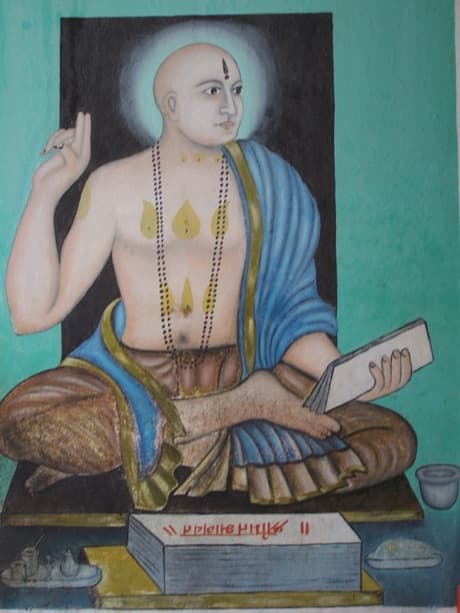
Madhvācārya · Dvaita
Madhva BhāṣyaSanskritEnglishOn verses 4.39–4.42
“तस्माधनं विराधिफलं चत दुत्तरेत्त्वोपसंहरति |” - Having explained the means of acquiring Awareness and the disadvantages of non-awareness, He concludes.
Madhvācārya · Dvaita
Gītā Tātparya NirṇayaSanskritEnglishOn verses 4.39–4.42
“आत्मनि व्याप्ते मयि | अथो तस्मात् व्याप्तत्वादेव || आत्मवन्तम परमात्मभक्तम् |” - By Self means enveloped by Me. Therefore, Myself having enveloped in all the beings. परमात्मभक्तम् |” means one who is devoted to the Lord.

Jñāneśvar · Vārkarī
English42 "Therefore, by the sword of knowledge, do thou cleave asunder *this doubt that is born of ignorance, and betake thyself to this Yoga and stand forth, O Descendant of Bharata.* (206)
However big the doubt might grow, it can be overpowered by one remedy. Should one have in his hand the sword of knowledge, the doubt could be cut asunder by that sharp sword, not a grain of it being left behind. Therefore, O Pārtha, get up at once and destroy altogether this doubt that is dwelling in your heart.” Thus said kindly to Arjuna, that Lord Krishna, Great amongst the all-knowing, and the very Light of Knowledge,—O King Dhritarāshtra.
What questions the son of Pandu asked after pondering over all the earlier and later talks that took place, and the theme of these enquiries, with the inner links, will be narrated in due course; for they are the very store-house of ideas and the very glory of sentiment. In this will come out in unique perfection, the sentiment of blissful grandeur, the eloquence of which will excel that of the other eight sentiments, which in fact should be brushed aside by the side of the one referred to—the sentiment of blissful grandeur. This gives relief to the soul of the pious.
That narrative you should hear only in the Marathi phraseology (which would be) full of meaning, deeper than the ocean. Even though the disc of the Sun appears not greater in size than a palm, still the three worlds prove too small for the compass of its light; in that way you will experience the wide scope of the Marathi phraseology. The Kalpataru tree furnishes fruit according to the desires of the desirer; in the same way the comprehensive aspect of the Marathi phraseology, being elastic so as to extend or to curtail according to the wishes of the hearers, the hearers should be careful while hearing it. Suffice it for the present. You are all-knowing and need no greater detail. My only request is that you should be attentive. For, just as a high-born woman of exceeding beauty and purity, is blessed into (becoming) the devoted wife of unflinching faith and spotless virtue, so here (in my Marathi rendering of Lord’s discourse) the beauty of words and excellence of meaning naturally blossom into the quiet of the mystic vision of Unitary Being. Sugar is by nature sweet; can it fail to induce the patient to take it joyfully again and again? The breeze coming from the Malbar Ghats is by nature gentle and fragrant. Were the sweet taste of ambrosia and the sweet sound of music to get mixed with it, the breeze would, by its very touch, create cooling sensation in a heated body, will make the tongue dance with delight on account of its sweet taste, satisfy also the ears, and gratify them all. In the same way, the hearing of this story will regale the ears with a feast, and remove entirely the worries of life's distress, without causing any harm. If the chanting of the hymns were to secure the destruction of the enemy, where is the need of a dagger? Why should the juice of the bitter 'nimb' tree be taken, were the disease to be cured by a dose of sugar and milk? In that way final release from life's misery would automatically be secured by hearing this narrative, without depressing or restraining the mind or without interfering with the senses. Jñāneshwar, the disciple of Nivrittināth, therefore exhorts the hearers to hear the Gita teachings peacefully and with tranquillity.
(224)
ब्रह्मयज्ञप्रशंसा नाम चतुर्थोऽध्यायः ॥ ४ ॥
Swami Ramsukhdas · Modern
English'Tasmādajñānasambhūtaṁ hṛtsthaṁ jñānāsinātmanaḥ chittvainaṁ saṁśayaṁ'—In the preceding verse, the Lord declared, "He who has renounced affinity for all actions by Yoga (equanimity), whose doubts have been dispelled by knowledge,
and who is self-possessed— actions do not bind him i.e., he is liberated from the bondage of birth and death. Therefore, He by using the term 'Tasmāt' (therefore), inspires Arjuna to perform his duty. Arjuna had a doubt how the cruel deed of fighting, would lead him to salvation. Moreover, he was in a dilemma, whether he should follow the Discipline of Action or that of Knowledge. So the Lord advises him, to remove his doubt, so that he may perform his duty scrupulously. A doubting soul, can, never perform his duty efficiently.
The expression 'ajñānasaṃbhūtam' (born of ignorance), means that all doubts are born out of ignorance i.e., when a man does not understand the true nature of actions and Yoga. Ignorance, consists in regarding actions and objects, as one's own and for one's own self. So long as, there is ignorance, doubt resides in the heart, because actions and objects are perishable, while the self is imperishable.
In the third chapter, emphasis has been laid on the performance (discharge) of duty, while in the fourth chapter, there is an emphasis on knowing the truth, about Karmayoga. The reason is, that action can be performed scrupulously, only when reality is known about it. Moreover, if the truth about actions is known, such actions, which bind a man, can liberate him from bondage (Gītā 4/16,32). Therefore, in this chapter, the Lord has laid special emphasis on, knowing the truth about actions.
In the preceding verse, also the Lord pointed out this fact, by the expression 'Jñānasañchinnasaṃśayam' (whose doubts have been destroyed by knowledge). All the doubts of a man, who comes to know the skill of performance of actions, (duties) are destroyed. This art of action, consists in doing nothing, for one's own self.
'Yogamātiṣṭhottiṣṭha bhārata'—Arjuna had sunk into the seat of his chariot, casting away his bow and arrow (Gītā 1/47). He gave the Lord, a flat denial by declaring that he would not
fight (Gītā 2/9). Here, the Lord directs Arjuna to stand up, for a fight having resorted to Yoga. The same order was given to Arjuna, in the forty-eighth verse of the second chapter, when He said, "Perform action, being steadfast in Yoga." The term 'Yoga', stands for equanimity (evenness of mind). The Lord declares, "Evenness of mind is called, Yoga" (Gītā 2/48).
Arjuna thought, that sin would accrue to him by fighting (Gītā 1/36, 45). Therefore, Lord Kṛṣṇa orders him to fight by having evenness of mind; thus he would not incur sin (Gītā 2/38). In this way, we see that performance of duty by being equanimous, is a means to be liberated from, the bondage of actions.
In the world, innumerable actions are performed, but we remain free from their bondage, because we have neither attachment nor aversion for them. It is because of attachment or aversion, that we are linked with actions. When we become free, from attachment and aversion i.e., get established in equanimity, we are not connected with actions and thus become free, from the bondage of actions.
The self, ever remains equanimous and uniform, while actions and their fruits, always undergo changes. When actions are performed for others and objects are regarded as others' and for them, affinity for actions and objects, is totally renounced and equanimity, which is axiomatic, is automatically realized.
ॐ तत्सदिति श्रीमद्भगवद्गीतासूपनिषत्सु ब्रह्मविद्यायां योगशास्त्रे
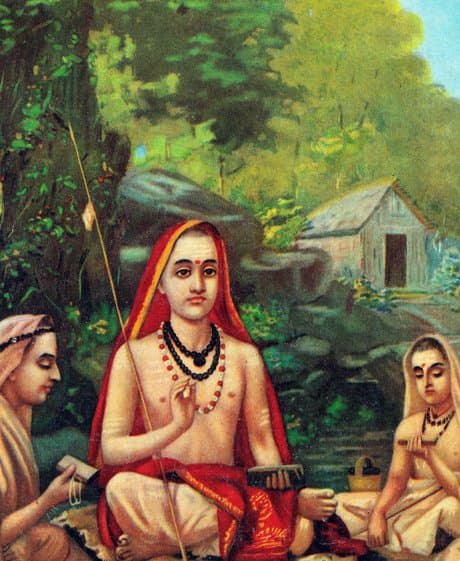
Ādi Śaṅkarācārya · Advaita
Sanskritतस्मात् पापिष्ठं अज्ञानसम्भूतं अज्ञानात् अविवेकात् जातं हृत्स्थं हृदि बुद्धौ स्थितं ज्ञानासिना शोकमोहादिदोषहरं सम्यग्दर्शनं ज्ञानं तदेव असिः खड्गः तेन ज्ञानासिना आत्मनः स्वस्य, आत्मविषयत्वात् संशयस्य । न हि परस्य संशयः परेण छेत्तव्यतां प्राप्तः, येन स्वस्येति विशेष्येत । अतः आत्मविषयोऽपि स्वस्यैव भवति । छित्त्वा एनं संशयं स्वविनाशहेतुभूतम्, योगं सम्यग्दर्शनोपायं कर्मानुष्ठानम् आतिष्ठ कुर्वित्यर्थः । उत्तिष्ठ च इदानीं युद्धाय भारत इति ॥
Ādi Śaṅkarācārya · Advaita
Hindiक्योंकि कर्मयोगका अनुष्ठान करनेसे अन्तःकरणकी अशुद्धिका क्षय हो जानेपर उत्पन्न होनेवाले आत्मज्ञानसे जिसका संशय नष्ट हो गया है ऐसा पुरुष तो ज्ञानाग्निद्वारा उसके कर्म दग्ध हो जानेके कारण कर्मोंसे नहीं बँधता; तथा ज्ञानयोग और कर्मयोगके अनुष्ठानमें संशय रखनेवाला नष्ट हो जाता है—
इसलिये अज्ञान यानी अविवेकसे उत्पन्न और अन्तःकरणमें रहनेवाले (अपने नाशकके हेतुभूत) इस अत्यन्त पापी अपने संशयको ज्ञानखड्गद्वारा अर्थात् शोक-मोह आदि दोनोंका नाश करनेवाला यथार्थ दर्शनरूप जो ज्ञान है वही खड्ग है उस स्वरूपज्ञानरूप खड्गद्वारा (छेदन करके कर्मयोगमें स्थित हो)।
यहाँ संशय आत्मविषयक है इसलिये (उसके साथ 'आत्मनः' विशेषण दिया गया है)।
क्योंकि एकका संशय दूसरेके द्वारा छेदन करनेकी शङ्का यहाँ प्राप्त नहीं होती जिससे कि (ऐसी शङ्काको दूर करनेके उद्देश्यसे) 'आत्मनः' विशेषण दिया जावे, अतः (यही समझना चाहिये कि) आत्मविषयक होनेसे भी अपना कहा जा सकता है। (सुतरां संशयको 'अपना' बतलाना असंगत नहीं है।)
अतः अपने नाशके कारणरूप इस संशयको (उपर्युक्त प्रकारसे) काटकर पूर्ण ज्ञानकी प्राप्तिके उपायरूप कर्मयोगमें स्थित हो और हे भारत! अब युद्धके लिये खड़ा हो जा
Jñāneśvar · Vārkarī
Marathiयाकारणे पार्था । उठीं वेगीं वरौता । नाशु करोनि हृदयस्था । संशयासी ॥ २०९ ॥
ऐसे सर्वज्ञानाचा बापु । जो कृष्ण ज्ञानदीपु । तो म्हणतसे सकृपु । ऐकें राया ॥ २१० ॥
तंव या पूर्वापर बोलाचा । विचारुनि कुमरु पंडूचा । कैसा प्रश्नु हन अवसरींचा । करिता होईल ॥ २११ ॥
ते कथेची संगति । भावाची संपत्ति । रसाचि उन्नति । म्हणिपेल पुढां ॥ २१२ ॥
जयाचिया बरवेपणीं । कीजे आठां रसांची ओवाळणी । सज्जनाचिये आयणी । विसांवा जगी ॥ २१३ ॥
तो शांतुचि अभिनवेल । ते परियेसा मऱ्हाठे बोल । जे समुद्राहूनि खोल । अर्थभरित ॥ २१४ ॥
जैसें बिंब तरी बचकें एवढें । परि प्रकाशा त्रैलोक्य थोकडें । शब्दाची व्याप्ती तेणें पाडें । अनुभवावी ॥ २१५ ॥
ना तरी कामितयाचिया इच्छा । फळे कल्पवृक्षु जैसा । बोल व्यापकु होय तैसा । तरी अवधान द्यावे ॥२१६ ॥
हें असो काय म्हणावें । सर्वज्ञु जाणतीं स्वभावें । तरी निकें चित्त द्यावें । हें विनंती माझी ॥ २१७ ॥
जेथ साहित्य आणि शांति । हे रेखा दिसे बोलती । जैसी लावण्यगुणकुळवती । आणि पतिव्रता ॥२१८ ॥
आधींचि साखर आवडे । आणि तेचि जरी ओखदीं जोडे । तरी सेवावी ना कां कोडें । नावानावा ॥ २१९ ॥
सहजे मलयानिळु मंद सुगंधु । तया अमृताचा होय स्वादु । आणि तेथेंचि जोडे नादु । जरी दैवगत्या ॥ २२० ॥
तरी स्पर्शें सर्वांग निववी । स्वादें जिव्हेतें नाचवी । तेवीचि कानाकरवीं । म्हणवी बापु माझा ॥ २२१ ॥
तैसे कथेचें इये ऐकणें । एक श्रवणासि होय पारणें । मग संसारदुःख मूळवणें । विकृतीविणें ॥ २२२ ॥
जरी मंत्रेचि वैरी मरे । तरी वायांचि कां बांधावीं कटारें । रोग जाये दुधें साखरे । तरी निंब कां पियावा ॥ २२३ ॥
तैसा मनाचा मारु न करितां । आणि इंद्रियां दुःख न देतां । एथ मोक्षु असे आयता । श्रवणाचिमाजी ॥ २२४ ॥
म्हणोनि आथिलिया आराणुका । गीतार्थु हा निका । ज्ञानदेवो म्हणे आइका । निवृत्तीदासु ॥ २२५ ॥
Jñāneśvar · Vārkarī
Hindi(4.209) इसलिए हे पार्थ! अपने हृदय के संशय का नाश करके शीघ्र उठ खड़े हो।
(4.210) संजय ने कहा - हे राजा! सुनो; सर्वज्ञों के नाथ, ज्ञान के दीपक, श्रीकृष्ण दयालु हो इस प्रकार बोले।
(4.211) तब, इस पूर्वापर विवेचन का विचार करके पाण्डु पुत्र अर्जुन जो समयोचित प्रश्न करेगा
(4.212) वह सुसंगत कथा, भाव का भाण्डार, रस की पुष्टि आगे बरणी जायगी
(4.213) जिसकी उत्तमता पर आठों रस निछावर हैं, तथा जो संसार में सज्जनों की बुद्धि का विश्राम है।
(4.214) अब वह प्राकृत वाणी सुनिए, जिससे शान्तरस ही प्रकट होगा जो समुद्र से भी अगाध है और अर्थ से भरी हुई है।
(4.215) जैसे सूर्य का बिम्ब तो छोटा-सा रहता है परन्तु प्रकाश के लिए उसे त्रिभुवन भी अल्प होता है उसी प्रकार इस वाणी की व्यापकता का अनुभव लीजिए। (4.216) अथवा जैसे कल्पवृक्ष इच्छा करनेवाले की मनमानी इच्छा पूर्ण करता है वैसे ही यह वाणी भी व्यापक है। इसलिए ध्यान दीजिए।
(4.217) और क्या कहा जाय, आप सर्वज्ञ हैं, सहज ही सब कुछ जानते हैं तथापि मेरी बिनती है कि अच्छी तरह चित्त दीजिए।
(4.218) जैसे कोई कुलवंती स्त्री सौन्दर्यवती और पतिव्रता भी हो, वैसे ही इस वाणी में अलंकार और शान्तरस भरा है।
(4.219) पहले ही यदि खाँड़ भाती हो और वही यदि औषधि में मिलाई गई हो तो आनन्द से बार-बार क्यों न खाई जाय?
(4.220) मलयगिरि की वायु स्वभावतः मन्द और सुगन्धित है; उसमें यदि अमृत का स्वाद हो जाय और उसी में यदि दैवगति से नाद भी उत्पन्न हो जाय
(4.221) तो वह स्पर्श से सब शरीर को शीतल करेगी, स्वाद से जिह्वा को नचावेगी, तथा कानों से भी "वाह वाह" कहलावेगी
(4.222) वैसे ही इस कथा का श्रवण करना कानों के व्रत का पारण है और किसी विकार के बिना ही संसार के दुःखों की निवृत्ति है। (4.223) यदि मन्त्र से ही शत्रु की मृत्यु होती तो कटार बाँधने का क्या काम है? यदि दूध और शंकर से रोग निवृत्त होता है तो फिर नीम पीने की क्या आवश्यकता है?
(4.224) वैसे ही मन को दुःख और इन्द्रियों को कष्ट न देते इस कथा के केवल श्रवण से ही मोक्ष मिला मिलाया धरा है।
(4.225) इसलिए मैं निवृत्ति का दास ज्ञानदेव कहता हूँ कि समाधानसम्पन्न होने के लिए इस उत्तम गीतार्थ को सुनिए।
इति श्रीज्ञानदेवकृत भावार्थदीपिकायां चतुर्थोऽध्यायः।

Sri Udiya Baba · Modern
Hindiसंगति— यह प्रसंग १८ वें श्लोक से आरम्भ होकर यहाँ समाप्त होता है। अगले श्लोक में भगवान् अर्जुन को कर्मयोग करने का आदेश देते हैं—
भावार्थ— इसलिये अर्जुन! अज्ञान से उत्पन्न हुए अपने हृदय में स्थित इस संशय को ज्ञानरूप खड्ग से काटकर कर्मयोग का आचरण करो। अर्थात् युद्ध के लिये खड़े हो जाओ।
व्याख्या— यहाँ 'अहं ब्रह्मास्मि' यह अखण्डाकार वृत्ति ही ज्ञानखड्ग है। ज्ञान से पहले जो निष्काम कर्म किया जाता है उसमें वास्तविक निष्कामता नहीं होती। उसमें केवल निष्कामता की भावना होती है। वास्तविक निष्काम-कर्म तो वही होता है जो ज्ञान होने के पश्चात् किया जाता है।
Swami Ramsukhdas · Modern
Hindi‘तस्मादज्ञानसम्भूतं...छित्त्वैनं संशयम्’—पूर्वश्लोकमें भगवान्ने यह सिद्धान्त बताया कि जिसने समताके द्वारा समस्त कर्मोंसे सम्बन्ध-विच्छेद कर लिया है और ज्ञानके द्वारा समस्त संशयोंको नष्ट कर दिया है, उस आत्मपरायण कर्मयोगीको कर्म नहीं बाँधते अर्थात् वह जन्म-मरणसे मुक्त हो जाता है। अब भगवान् ‘तस्मात्’ पदसे अर्जुनको भी वैसा ही जानकर कर्तव्य-कर्म करनेकी प्रेरणा करते हैं।
अर्जुनके हृदयमें संशय था—युद्धरूप घोर कर्मसे मेरा कल्याण कैसे होगा? और कल्याणके लिये मैं कर्मयोगका अनुष्ठान करूँ अथवा ज्ञानयोगका? इस श्लोकमें भगवान् इस संशयको दूर करनेकी प्रेरणा करते हैं; क्योंकि संशयके रहते हुए कर्तव्यका पालन ठीक तरहसे नहीं हो सकता।
‘अज्ञानसम्भूतम्’ पदका भाव है कि सब संशय अज्ञानसे अर्थात् कर्मोंके और योगके तत्त्वको ठीक-ठीक न समझनेसे ही उत्पन्न होते हैं। क्रियाओं और पदार्थोंको अपना और अपने लिये मानना ही अज्ञान है। यह अज्ञान जबतक रहता है, तबतक अन्तःकरणमें संशय रहते हैं; क्योंकि क्रियाएँ और पदार्थ विनाशी हैं और स्वरूप अविनाशी हैं।
तीसरे अध्यायमें कर्मयोगका आचरण करनेकी और इस चौथे अध्यायमें कर्मयोगको तत्त्वसे जाननेकी बात विशेषरूपसे आयी है। कारण कि कर्म करनेके साथ-साथ कर्मको जाननेकी भी बहुत आवश्यकता है। ठीक-ठीक जाने बिना कोई भी कर्म बढ़िया रीतिसे नहीं होता। इसके सिवाय अच्छी तरह जानकर कर्म करनेसे जो कर्म बाँधने-वाले होते हैं, वे ही कर्म मुक्त करनेवाले हो जाते हैं (गीता—चौथे अध्यायका सोलहवाँ और बत्तीसवाँ श्लोक)। इसलिये इस अध्यायमें भगवान्ने कर्मोंको तत्त्वसे जाननेपर विशेष जोर दिया है।
पूर्वश्लोकमें भी ‘ज्ञानसञ्चिन्नसंशयम्’ पद इसी अर्थमें आया है। जो मनुष्य कर्म करनेकी विद्याको जान लेता है, उसके समस्त संशयोंका नाश हो जाता है। कर्म करनेकी विद्या है—अपने लिये कुछ करना ही नहीं है।
‘योगमातिष्ठोत्तिष्ठ भारत’—अर्जुन अपने धनुष-बाणका त्याग करके रथके मध्यभागमें बैठ गये थे (पहले अध्यायका सैंतालीसवाँ श्लोक)। उन्होंने भगवान्से साफ कह दिया था कि ‘मैं युद्ध नहीं करूँगा’—‘न योत्स्ये’ (गीता २। ९)। यहाँ भगवान् अर्जुनको योगमें स्थित
होकर युद्धके लिये खड़े हो जानेकी आज्ञा देते हैं। यही बात भगवान्ने दूसरे अध्यायके अड़तालीसवें श्लोकमें 'योगस्थः कुरु कर्माणि' (योगमें स्थित होकर कर्तव्य-कर्म कर) पदोंसे भी कही थी। योगका अर्थ 'समता' है— 'समत्वं योग उच्यते' (गीता २। ४८)।
अर्जुन युद्धको पाप समझते थे (गीता—पहले अध्यायका छत्तीसवाँ और पैतालीसवाँ श्लोक)। इसलिये भगवान् अर्जुनको समतामें स्थित होकर युद्ध करनेकी आज्ञा देते हैं; क्योंकि समतामें स्थित होकर युद्ध करनेसे पाप नहीं लगता (गीता—दूसरे अध्यायका अड़तीसवाँ श्लोक)। इसलिये समतामें स्थित होकर कर्तव्य-कर्म करना ही कर्म-बन्धनसे छूटनेका उपाय है।
संसारमें रात-दिन अनेक कर्म होते रहते हैं, पर उन कर्मोंमें राग-द्वेष न होनेसे हम संसारके उन कर्मोंसे बँधते नहीं, प्रत्युत निलिप्त रहते हैं। जिन कर्मोंमें हमारा राग या
द्वेष हो जाता है, उन्हीं कर्मोंसे हम बँधते हैं। कारण कि राग या द्वेषसे कर्मोंके साथ अपना सम्बन्ध जुड़ जाता है। जब राग-द्वेष नहीं रहते अर्थात् समता आ जाती है, तब कर्मोंके साथ अपना सम्बन्ध नहीं जुड़ता; अतः मनुष्य कर्म-बन्धनसे मुक्त हो जाता है।
अपने स्वरूपको देखें तो उसमें समता स्वतःसिद्ध है। विचार करें कि प्रत्येक कर्मका आरम्भ होता है और समाप्ति होती है। उन कर्मोंका फल भी आदि और अन्तवाला होता है। परन्तु स्वरूप निरन्तर ज्यों-का-त्यों रहता है। कर्म और फल अनेक होते हैं, पर स्वरूप एक ही रहता है। अतः कोई भी कर्म अपने लिये न करनेसे और किसी भी पदार्थको अपना और अपने लिये न माननेसे जब क्रिया-पदार्थरूप संसारसे सर्वथा सम्बन्ध-विच्छेद हो जाता है, तब स्वतःसिद्ध समताका अपने-आप अनुभव हो जाता है।
The sword of knowledge that Lord Krishna is referring to is ātma tattva or soul realisation
and the yoga or the science of the individual consciousness attaining communion with the ultimate consciousness, He is indicating, is karma yoga or the performance of prescribed Vedic activities according to one's rank and station in life.