

Bhagavad Gītā · Chapter 4 · Jñāna Karma Sannyāsa Yoga
कर्मणो ह्यपि बोद्धव्यं बोद्धव्यं च विकर्मणः
अकर्मणश्च बोद्धव्यं गहना कर्मणो गतिः
karmaṇo hyapi boddhavyaṃ boddhavyaṃ ca vikarmaṇaḥ|
akarmaṇaśca boddhavyaṃ gahanā karmaṇo gatiḥ||
Word meanings
कर्मणः = of action
अपि = also
बोद्धव्यम् = must be understood
च = and
अकर्मणः = of inaction
बोद्धव्यम् = must be understood
च = and
विकर्मणः = of forbidden action
बोद्धव्यम् = must be understood
हि = for
कर्मणः = of action
गतिः = the course
गहना = mysterious / hard to fathom
Translation
The truth about action must be known and the truth of inaction also must be known; even so the truth about prohibited action must be known. For mysterious are the ways of action.
Commentary
The commentators seated around this verse
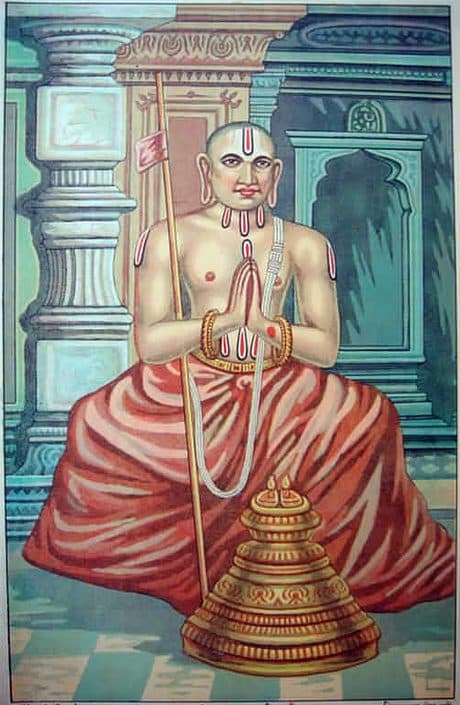
Rāmānuja · Viśiṣṭādvaita
English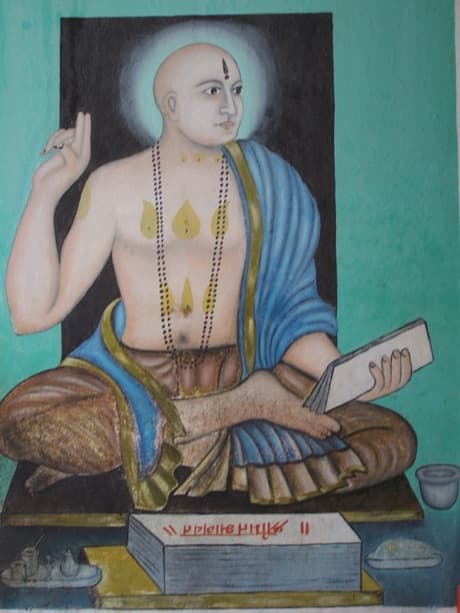
Madhvācārya · Dvaita
Madhva BhāṣyaSanskritEnglish“न केवलं तज्ज्ञात्वा मोक्ष्यसे, ज्ञात्वैव इत्याशयवानाह कर्म इति | तच्चोक्तम् – अज्ञात्वा भगवान् कस्य कर्माकर्मविकर्मम् | दर्शनं याति हि मुने कुतो मुक्तिश्च ताद् विना || इति | अकर्म कर्माकरणम् | कर्मकर्मन्याद् विकर्मः | निषिद्धम् | वन्धकत्वात् | ततो विविच्य कर्मादि बोधव्यमित्यादि | न च शापादिना | कवयोऽप्यत्र मोहिताः | अशक्यं चैतज्ज्ञातुमित्याह – गहन इति || – By mere knowledge of Action (Karma) one is not liberated, but by the knowledge of its nature does one become completely liberated, thus is the intention. Without knowledge of the Resplendent Lord, whose is the Action, the improper Action and the non-Action? Realization, verily, is deliverance; how can there be liberation otherwise? Thus has been said. Here अकर्म means non-performance of Action, विकर्म means improper action, prohibited action, which creates bondage. Therefore reflecting on these factors, the performance of action should be initiated. The persons do not become deluded because of curses etc. but because even seers are known to be deluded, because it (karma) is impossible to be known, since it is गहन, bewildering.
Madhvācārya · Dvaita
Gītā Tātparya NirṇayaSanskritEnglish“कर्मापि नः मत्त इति बोधव्यम् |” – Actions also have originated from Lord, thus one should know.
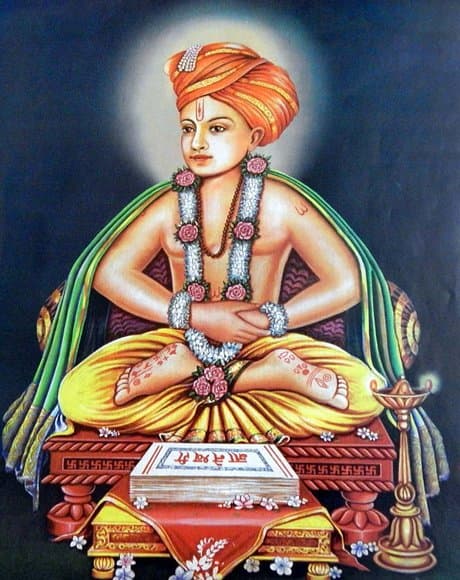
Jñāneśvar · Vārkarī
English17 "It has to be known from (the side of) action; to be known from (the side of) mis-action; to be also known from (the side of) no-action; the way of action is hard to penetrate. (89)
That, by which the entire Universe naturally comes into being and is sustained, is action. One must grasp—this nature of action first; next should be learnt along with its fruit, that kind of action which is prescribed in the codes as specially suited to one's own particular caste, in the four castes-institution. Then we should distinguish the actions that have been forbidden, so that one should not get entangled in them. In truth the whole Universe is pervaded by action, so vast is its power and compass. But let me first tell you the marks of the sage relevant to the present occasion:
Swami Ramsukhdas · Modern
English'Karmaṇo hyapi boddhavyam'— He, who remains untainted while performing actions, knows the truth about actions, described
in the eighteenth verse, by the expression, 'He who sees inaction in action.'
Actions can be divided, into three groups, according to the motive by which these are performed (i.e.,) action, inaction and forbidden action. An activity undertaken, according to spiritual injunctions with a desire for fruit, is called, action. Action which is performed, being free from the desire for fruit, sense of mine and attachment, for the welfare of others, is classed, as inaction. Even prescribed action, performed with the motive of doing evil to others, or giving pain to them, is classed as, forbidden action.
'Akarmaṇaśca boddhavyam'—He, who performs actions, while remaining untainted, knows the reality about inaction, described in the eighteenth verse, by the expression 'action in inaction.'
'Boddhavyam ca vikarmaṇaḥ'—When a man has desire, actions are performed. But when desire is enhanced, then forbidden actions (sinful) are done.
The Lord, in the thirty-eighth verse of second chapter, declared, 'Treating alike, pleasure and pain, gain and loss, victory and defeat, get ready for battle, the horrible deed involving violence; thus thou shalt not incur sin.' It means, that if actions are performed with equanimity, the seemingly forbidden actions are also transformed, into inaction.
Forbidden actions, are called 'Vikarma'. Desire is the cause of forbidden actions (Gītā 3/36-37).* Therefore, in order to give up forbidden actions, one should renounce desire. The essence of 'Vikarma' (sin), is desire and to know the essence of 'Vikarma', is to abandon all forbidden actions physically and so leave no trace of desire which is the cause of 'Vikarma'.
* In the sixteenth chapter where the demoniac nature has been described there from the eighth verse to the twenty-third verse the term 'Kāma' (desire) has been used nine times. It shows that desire is the cause of demoniac nature (forbidden actions).
'Gahanā karmaṇo gatiḥ'—It is difficult to understand, which actions bind a man and which liberate him. Even learned men, knowing the scriptures cannot decide, 'What is action?' 'What is inaction?' and 'What is forbidden action?' Arjuna also, finds himself in a dilemma and so he thinks, that the performance of his duty of fighting is a cruel deed. Therefore, the Lord states, that mysterious is the nature of action.
**Question:**—In this verse, the Lord declares, that truth about forbidden actions must be known, while He does not make mention of the forbidden actions, in the topic from the nineteenth verse to the twenty-third verse. Why?
**Answer:**—In the topic (from the nineteenth verse to the twenty-third verse), the Lord, has prominently mentioned inaction in action so that all actions may turn to inaction i.e., actions may not lead to bondage. A desire is the root of every action. As the desire intensifies, it results in forbidden actions. Therefore it is said that Vikarma is quite near to karma. Therefore, the Lord has referred to forbidden actions, as wretched, so that men may renounce these, as well as the desire which is their main root.
First, desire leads a man to action, and then its enhancement, leads one to perform forbidden actions. But, when desire is renounced, all actions turn to, inaction. The significance of the topic, discussed in these verses, is to know the essence of inaction and what leads to annihilation of desires. When desire is renounced forbidden actions are not performed. So the Lord, does not consider it necessary to include 'Vikarma', in the topic, from the nineteenth to the twenty-third verses. Secondly, the Lord does not want to dwell upon forbidden actions in detail, because these must be renounced as they lead to sins and hells. But, in this topic there is an emphasis on, the renunciation of desire—in 4/19 by the expression 'devoid of desires and thoughts of the world', in 4/20 by, the expression 'having abandoned attachment to the fruit of action', in 4/21 by the expression 'having no desire',
in 4/22 by 'even-minded in success and failure', and in 4/23 by 'One who is devoid of attachment and works for sacrifice.'
Thus, the Lord has said, that truth about forbidden actions must be known, so that a man, having known it, may renounce desire, which is the root of forbidden actions.
**Appendix**—It is very difficult to gaze what fruit an action bears at present and in future for others. While performing an action a man thinks that it is of benefit to him but actually it causes harm to him. He may work for profit but it may end in loss. He acts for pleasure whereas his act results in pain. The reason is that due to the sense of doership and the desire for fruit (attachment to pleasure), man cannot determine the true nature of actions.
*Link:—In the next verse, the Lord eulogizes a person who knows the truth, about actions.*
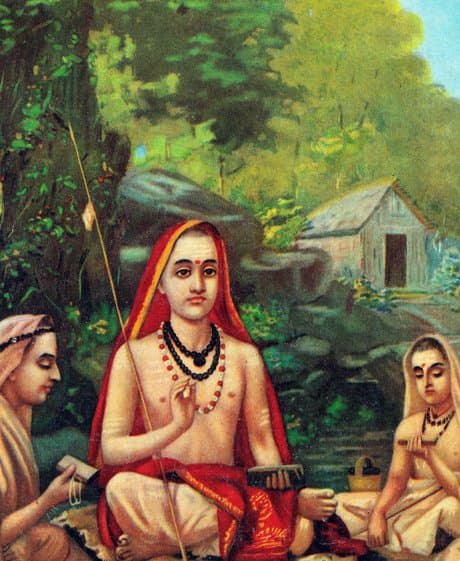
Ādi Śaṅkarācārya · Advaita
Sanskritकर्मणः शास्त्रविहितस्य हि यस्मात् अपि अस्ति बोद्धव्यम्, बोद्धव्यं च अस्त्येव विकर्मणः प्रतिषिद्धस्य, तथा अकर्मणश्च तूष्णीम्भावस्य बोद्धव्यम् अस्ति इति त्रिष्वप्यध्याहारः कर्तव्यः । यस्मात् गहना विषमा दुर्ज्ञेया -- कर्मणः इति उपलक्षणार्थं कर्मादीनां -- कर्माकर्मविकर्मणां गतिः याथात्म्यं तत्त्वं इत्यर्थः ॥ किं पुनस्तत्त्वं कर्मादेः यत् बोद्धव्यं वक्ष्यामि इति प्रतिज्ञातम् ? उच्यते --
Ādi Śaṅkarācārya · Advaita
Hindiतुझे यह नहीं समझना चाहिये कि केवल देहादिकी चेष्टाका नाम कर्म है और उसे न करके चुपचाप बैठ रहनेका नाम अकर्म है, उसमें जाननेकी बात ही क्या है? यह तो लोकमें प्रसिद्ध ही है। क्यों (ऐसा नहीं समझना चाहिये?) इसपर कहते हैं—
कर्मका—शास्त्रविहित क्रियाका भी (रहस्य) जानना चाहिये, विकर्मका—शास्त्रवर्जित कर्मका भी (रहस्य) जानना चाहिये और अकर्मका अर्थात् चुपचाप बैठ रहनेका भी (रहस्य) समझना चाहिये ।
क्योंकि कर्मोंकी अर्थात् कर्म, अकर्म और विकर्मकी गति—उनका यथार्थ स्वरूप—तत्त्व बड़ा गहन है, समझनेमें बड़ा ही कठिन है
Jñāneśvar · Vārkarī
Marathiतरी कर्म म्हणजे स्वभावें । जेथ विश्वाकारु संभवे । ते सम्यक आधीं जाणावें । लागे एथ ॥ ८९ ॥
मग वर्णाश्रमासि उचित । जे विशेष कर्म विहित । तेंही वोळखावें निश्चित । उपयोगेंसीं ॥ ९० ॥
पाठीं जें निषिद्ध म्हणिपे । तेंही बुझावें स्वरूपें । येतुलेनि येथ कांही न गुंफे । आपैसेंचि ॥ ९१ ॥
एर्हवीं जग हें कर्माधीन । ऐसी याची व्याप्ती गहन । परि तें असो आइकें चिन्ह । प्राप्ताचें गा ॥ ९२ ॥
Jñāneśvar · Vārkarī
Hindi(4.89) जिससे स्वभावतः विश्वाकार प्रकट होता है, वह कर्म कहलाता है। संसार में प्रथम उसको अच्छी तरह समझ लेना चाहिए।
(4.90) फिर जो वर्णाश्रम के उचित और विशेष तथा विहित कर्म हैं वे भी निश्चय से उनके उपयोग सहित जान लेने चाहिए।
(4.91) अनन्तर जो निषिद्ध कर्म कहलाते हैं उनका स्वरूप भी जान लेना चाहिए। इतना करने से आप ही आप चित्त कहीं लिप्त न होगा।
(4.92) सामान्यतः सब संसार कर्म के अधीन हैं। इतनी गहन इसकी व्यापकता है। परन्तु यह रहने दो, अब पहुँचे हुए पुरुष के लक्षण सुनो।
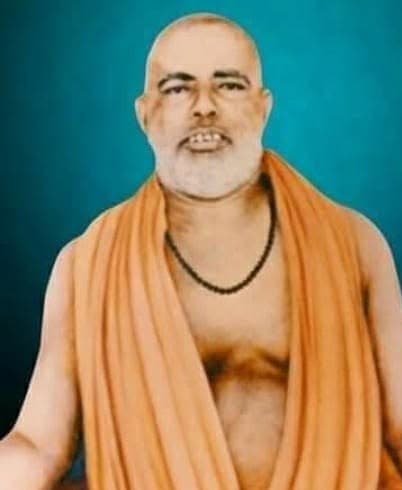
Sri Udiya Baba · Modern
Hindiभावार्थ— कर्म (श्रुति-स्मृति-प्रपादति कर्म) का स्वरूप जानना चाहिये, विकर्म (श्रुति-स्मृति-निषिद्ध कर्म) का स्वरूप भी जानना चाहिये तथा अकर्म (कर्माभाव या अकर्मण्यता) का स्वरूप भी जानना चाहिये, क्योंकि कर्म की गति गहन है।
व्याख्या— प्रश्न—कर्म, विकर्म और अकर्म का क्या स्वरूप है?
उत्तर— यहाँ शास्त्रविहित कर्म 'कर्म' शब्द से कहे गये हैं? इससे वर्ण और आश्रमों के लिये विहित कर्म समझने चाहिये। इन्हें जानने पर ही इनका यथावत् अनुष्ठान हो सकता है। अतः इन्हें करने के लिये जानना आवश्यक है। इसमें सत्त्वगुण की प्रधानता होती है। 'विकर्म' शास्त्र-विरुद्ध कर्मों को कहते हैं, जैसा हिंसा, चोरी, व्यभिचार आदि। इनमें रजोगुण और तमोगुण की प्रधानता होती है। इन्हें त्यागने के उद्देश्य से जानना आवश्यक है। 'अकर्म' कर्माभाव को कहते हैं। तत्त्वज्ञ जो अकृत्यभाव से कर्मानुष्ठान करता है वह वास्तविक अकर्म
है। कोई निष्काम कर्म को भी अकर्म कहते हैं क्योंकि उसमें कर्मफल का बन्धन नहीं होता। किन्हीं के मत में संन्यास ही अकर्म है, क्योंकि उसमें सभी काम्यकर्मों का त्याग हो जाता है। साधारण लोग अकर्मण्यता या ठाली बैठने को ही अकर्म समझते हैं।
Swami Ramsukhdas · Modern
Hindi‘कर्मणो ह्यपि बोद्धव्यम्’—कर्म करते हुए निलिप्त रहना ही कर्मके तत्त्वको जानना है, जिसका वर्णन आगे अठारहवें श्लोकमें ‘कर्मण्यकर्म यः पश्येत्’ पदोंसे किया गया है।
कर्म स्वरूपसे एक दीखनेपर भी अन्तःकरणके भावके अनुसार उसके तीन भेद हो जाते हैं—कर्म, अकर्म और विकर्म। सकामभावसे की गयी शास्त्रविहित क्रिया ‘कर्म’ बन जाती है। फलेच्छा, ममता और आसक्तिसे रहित होकर केवल दूसरोंके हितके लिये किया गया कर्म ‘अकर्म’ बन जाता है। विहित कर्म भी यदि दूसरेका अहित करने अथवा उसे दुःख पहुँचानेके भावसे किया गया हो तो वह भी ‘विकर्म’ बन जाता है। निषिद्ध कर्म तो ‘विकर्म’ है ही।
‘अकर्मणश्च बोद्धव्यम्’—निलिप्त रहते हुए कर्म
करना ही अकर्मके तत्त्वको जानना है, जिसका वर्णन आगे अठारहवें श्लोकमें ‘अकर्मणि च कर्म यः’ पदोंसे किया गया है।
‘बोद्धव्यं च विकर्मणः’—कामनासे कर्म होते हैं। जब कामना अधिक बढ़ जाती है, तब विकर्म (पापकर्म) होते हैं।
दूसरे अध्यायके अड़तीसवें श्लोकमें भगवान्ने बताया है कि अगर युद्ध-जैसा हिंसायुक्त घोर कर्म भी शास्त्रकी आज्ञासे और समतापूर्वक (जय-पराजय, लाभ-हानि और सुख-दुःखको समान समझकर) किया जाय, तो उससे पाप नहीं लगता। तात्पर्य यह है कि समतापूर्वक कर्म करनेसे दीखनेमें विकर्म होता हुआ भी वह ‘अकर्म’ हो जाता है।
शास्त्रनिषिद्ध कर्मका नाम ‘विकर्म’ है। विकर्मके होनेमें
कामना ही हेतु है (गीता—तीसरे अध्यायका छत्तीसवाँ-सैंतीसवाँ श्लोक) *। अतः विकर्मका तत्त्व है—कामना; और विकर्मके तत्त्वको जानना है—विकर्मका स्वरूपसे त्याग करना तथा उसके कारण कामनाका त्याग करना।
‘गहना कर्मणो गतिः’—कौन-सा कर्म मुक्त करने-वाला और कौन-सा कर्म बाँधनेवाला है—इसका निर्णय करना बड़ा कठिन है। कर्म क्या है, अकर्म क्या है और विकर्म क्या है—इसका यथार्थ तत्त्व जाननेमें बड़े-बड़े शास्त्रज्ञ विद्वान् भी अपने-आपको असमर्थ पाते हैं। अर्जुन भी इस तत्त्वको न जाननेके कारण अपने युद्धरूप कर्तव्य-कर्मको घोर कर्म मान रहे हैं। अतः कर्मकी गति (ज्ञान या तत्त्व) बहुत गहन है।
शंका—इस (सत्रहवें) श्लोकमें भगवान्ने ‘बौद्धव्यं च विकर्मणः’ पदोंसे यह कहा कि विकर्मका तत्त्व भी जानना चाहिये। परन्तु उन्नीसवें-से-तेईसवें श्लोकतकके प्रकरणमें भगवान्ने ‘विकर्म’ के विषयमें कुछ कहा ही नहीं! फिर केवल इस श्लोकमें ही विकर्मकी बात क्यों कही?
समाधान—उन्नीसवें श्लोकसे लेकर तेईसवें श्लोकतकके प्रकरणमें भगवान्ने मुख्यरूपसे ‘कर्ममें अकर्म’ की बात कही है, जिससे सब कर्म अकर्म हो जायें अर्थात् कर्म करते हुए भी बन्धन न हो। विकर्म कर्मके बहुत पास पड़ता
परिशिष्ट भाव—हमारे लिये और दूसरोंके लिये, अभी और परिणामोंमें किस कर्मका क्या फल होता है, यह समझना बड़ा कठिन है। किसी कर्मको करनेमें मनुष्य अपना हित समझता है, पर हो जाता है अहित! वह लाभके लिये करता है पर हो जाता है नुकसान! वह सुखके लिये करता है, पर मिलता है दुःख! कारण कि कर्तृत्वाभिमान और फलेच्छा (सुखासक्ति) रहनेके कारण मनुष्य कर्मोंकी गतिको नहीं समझ सकता।
सम्बन्ध—अब भगवान् कर्मोंके तत्त्वको जाननेवाले मनुष्यकी प्रशंसा करते हैं।
The actual nature of karma or prescribed Vedic actions performed for attaining mokṣa or liberation from material existence should be understood:
Actions which are nitya or regular and actions which are naimittika or occasional if done with any sense of enjoyment in mind or if they are done with the desire for material rewards should both be known to be vikarma or improper actions.
The absence of action known as akarma which sometimes can be considered action as well should also be comprehended. Therefore the path of karma is not easily discernible for one seeking mokṣa.
The reason why regular and occasional activities should be clearly assimilated for an aspirant for mokṣa is because the rewards for each are varied
but one should look at them all with equipoise and realising that they all have one uniform purpose and that is the fulfilment of the goal which is the attainment of mokṣa.
Without proper teaching and understanding of the Vedic scriptures one will not perceive this critical conclusion but this is the Vedic conception as revealed by Lord Krishna already and thus it is not necessary to expatiate upon the subject further here.