

Bhagavad Gītā · Chapter 4 · Jñāna Karma Sannyāsa Yoga
तद्विद्धि प्रणिपातेन परिप्रश्नेन सेवया
उपदेक्ष्यन्ति ते ज्ञानं ज्ञानिनस्तत्त्वदर्शिनः
tadviddhi praṇipātena paripraśnena sevayā|
upadekṣyanti te jñānaṃ jñāninastattvadarśinaḥ||
Word meanings
तत् = that
विद्धि = know
प्रणिपातेन = by prostration
सेवया = by service
परिप्रश्नेन = by sincere questioning
ते = they
तत्त्वदर्शिनः = seers of truth
ज्ञानिनः = the wise, the knowers
ज्ञानम् = knowledge
उपदेक्ष्यन्ति = will instruct
Translation
Understand the true nature of that Knowledge by approaching illumined soul. If you prostrate at their feet, render them service, and question them with an open and guileless heart, those wise seers of Truth will instruct you in that Knowledge.
Commentary
The commentators seated around this verse

Rāmānuja · Viśiṣṭādvaita
English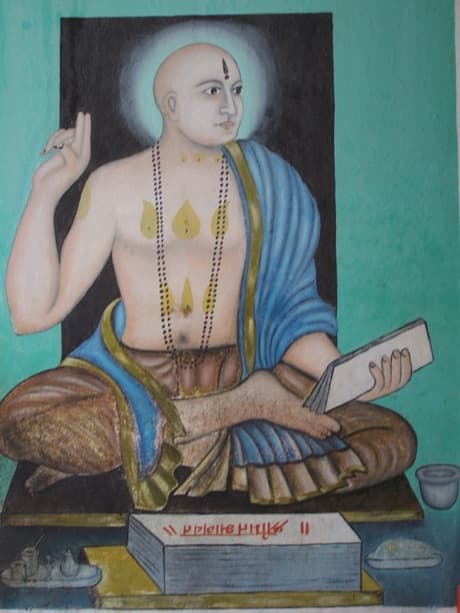
Madhvācārya · Dvaita
Madhva BhāṣyaSanskritEnglishOn verses 4.34–4.35
“इदानीमपि ज्ञान्येव | तथाऽप्यभिभन्मोहः | मा तुक्ता | येन ज्ञानेव मय्यात्मभूते सर्वभूतानि अथो |” his mind. Therefore, the words, येन ज्ञानेव – by which awareness are used in verse to instruct Arjuna. By which Wisdom perceiving all the selves in divine Self, your delusion will be destroyed.
Madhvācārya · Dvaita
Gītā Tātparya NirṇayaSanskritEnglishOn verses 4.34–4.35
“ज्ञानं तेऽहं सविज्ञानम् | इति वक्ष्यमाणत्वात्मवयमेवोपदेश्यसि |” Knowledge along with Wisdom, thus saying Sri Krishna initiates.

Jñāneśvar · Vārkarī
English34 “Understand, that after humble prostration, by reverent questioning, by (devoted) service, those who have known and realised the Truth will impart it to thee: (164)
Should you be desirous of attaining the status of this best knowledge you should devote yourself to the service of the saints in a whole-hearted manner, since service at the feet of saints becomes the very threshold of the temple of knowledge. You should, therefore, turn and reach that position. You must, for that purpose, humble yourself at the feet of saints, and do them wholehearted service, dropping all sense of pride and egotism. When you do this, the saints will impart to you that knowledge which you wish for and which you implore of them and that knowledge is such that once it illumines the heart, the heart’s cravings and fantasy’s acts come to a stop.
Swami Ramsukhdas · Modern
English'Tadviddhi'—Arjuna, in the beginning declared, "I don't foresee any good by slaying my own people, in the fight" (Gītā 1/31) and "Only sin will accrue to us, if we kill these malignants" (Gītā 1/36). He also declared, "It is better to live in this world, even by begging, than to slay these honoured teachers" (Gītā 2/5). Thus, according to Arjuna, it is better to renounce fighting, which is his duty, rather than to fight. But, according to Lord Kṛṣṇa, it is not necessary to renounce actions in order to gain knowledge (wisdom) (Gītā 3/20; 4/15). Therefore, it seems that the Lord, warns Arjuna that if he, because of his
lack of faith in Him, does not believe in what He preaches, he should go to a wise preceptor, who has realized the truth and he would impart him the knowledge of self-realization, through the traditional practice of knowledge.*
The Lord further, in the thirty-eighth verse, declares, 'Through the constant practice of the Discipline of Action, a striver without any other spiritual practice, attains the knowledge of the self. He needs no help from others.
'Praṇipātena'—He should go to a teacher, with profound humility and perfect devotion, and through prostration surrender himself, his body and possessions etc., to him. He should be very submissive and very cautious, that in no way disrespect is meted out to a preceptor. He should keep his inquisitiveness always, awake.
'Sevayā'—He should render service to his preceptor, with his body and objects and try to please him, by carrying out his orders and acting, according to his wish.
A striver, renders the greatest service to the saints (great souls) by translating their principles into practice, because their principles are more dear to them, than even their bodies. They remain prepared to sacrifice their life, in order to protect their principles.
'Paripraśnena'—A striver, should ask questions of his preceptor, with inquisitiveness, simplicity and humility, in order to know the reality about God, rather than to display his own learning or to put his preceptor on test. He should put such
* First of all having performed his duty according to his caste and order of life scrupulously, a man having purified his mind should renounce the performance of actions. After that having possessed the traits such as quietism and self-control etc., he should go to the God-realized preceptor in order to attain the knowledge of Self-realization.
In order to gain that knowledge the inquisitive striver, having taken the fuel used in a sacrifice, with profound humility, should go to the God-realized preceptor who is well-versed in the scriptures.
questions, 'Who am I?' What is the world? What is the cause of bondage? What is salvation? How can I realize God? What are the obstacles to my spiritual practice? How to do away, with these obstacles? Why am I unable to understand this topic of God-realization?' Thus, he should satisfy his curiosity and gain knowledge from his preceptor.
**'Jñāninastattvadarśinaḥ'**—The expression 'Tattvadarśinaḥ', stands for the seers of truth, who have realized God, while the term, 'Jñāninaḥ' stands for the wise, who are well-versed in the Vedas and the scriptures. A striver, should go to such a wise seer, and acquire knowledge from him.
In regard to, the purification of mind, there are three kinds of strivers, who are qualified to gain that knowledge—the superior, the mediocre and the inferior. The superior ones, are those who attain knowledge of the self, merely by listening to Vedantic texts.* The mediocre ones, attain this knowledge by hearing, cognition, constant and deep meditation. The inferior ones, have several doubts. In order to, clarify those doubts it is necessary, to possess knowledge of the Vedas and the scriptures. Without possessing knowledge, even such a preceptor who has realized the truth, cannot clarify the doubts of his disciples. Similarly, even a learned preceptor, who has not realized the truth, cannot lead his disciple, to Self-realization. Therefore, a preceptor should be, one who is wise and who has realized, the truth.
**'Upadeksyanti te jñānam'**—By obeisance, by service and by asking questions with profound humility, a striver will be able to gain knowledge from the preceptor, as the latter is specially inspired, to impart true knowledge in view of the disciple's profound humility and perfect devotion. It does not mean, that a high-souled man, expects these, but without humility and devotion, the striver will not be able to gain that knowledge.
* The superior ones are those who have a burning desire to realize the Truth at once.
Here, the term 'Jñānam' stands for Truth-realization, or Self-realization. In fact a striver, does not gain knowledge about the self, but he gains it about the world. When a striver, comes to know the truth about the unreal world, his affinity for the world is renounced and he realizes the self, which is self-evident.
The term 'Upadekṣyanti' (instruct) means, that the great souls instruct a striver, but it is not necessary that he should attain self-realization. The reason is, that faith is a trait of the heart. A man may prostrate, question and serve, hypocritically. Further, in the thirty-ninth verse, He declares, 'The man who has faith, gains knowledge (wisdom)'. Therefore, here it is mentioned, that the wise will instruct him, in that knowledge, while in the thirty-ninth verse, it is mentioned that a man, who has faith, gains knowledge.
*Link:—Having explained how to attain Self-realization through knowledge, as sacrifice the Lord, in the next three (thirty-fifth, thirty-sixth and thirty-seventh) verses, explains the real merit or glory of Self-realization.*
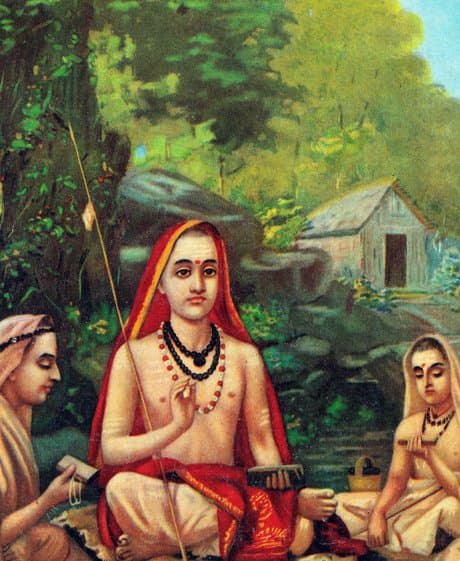
Ādi Śaṅkarācārya · Advaita
Sanskritतत् विद्धि विजानीहि येन विधिना प्राप्यते इति । आचार्यान् अभिगम्य, प्रणिपातेन प्रकर्षेण नीचैः पतनं प्रणिपातः दीर्घनमस्कारः तेन, ``कथं बन्धः ? कथं मोक्षः ? का विद्या ? का चाविद्या ?'' इति परिप्रश्नेन, सेवया गुरुशुश्रूषया एवमादिना । प्रश्रयेण आवर्जिता आचार्या उपदेक्ष्यन्ति कथयिष्यन्ति ते ज्ञानं यथोक्तविशेषणं ज्ञानिनः । ज्ञानवन्तोऽपि केचित् यथावत् तत्त्वदर्शनशीलाः, अपरे न ; अतो विशिनष्टि तत्त्वदर्शिनः इति । ये सम्यग्दर्शिनः तैः उपदिष्टं ज्ञानं कार्यक्षमं भवति नेतरत् इति भगवतो मतम् ॥ तथा च सति इदमपि समर्थं वचनं --
Ādi Śaṅkarācārya · Advaita
Hindiइस प्रकारसे श्रेष्ठ बतलाया हुआ वह ज्ञान किस उपायसे मिलता है? सो कहते हैं—
वह ज्ञान जिस विधिसे प्राप्त होता है वह तू जान यानी सुन! आचार्यके समीप जाकर भलीभाँति दण्डवत् प्रणाम करनेसे एवं ‘किस तरह बन्धन हुआ?’ ‘कैसे मुक्ति होगी?’ ‘विद्या क्या है?’ ‘अविद्या क्या है?’ इस प्रकार (निष्कपट भावसे) प्रश्न करनेसे और गुरु की यथायोग्य सेवा करनेसे (वह ज्ञान प्राप्त होता है)।
अभिप्राय यह कि इस प्रकार सेवा और विनय आदिसे प्रसन्न हुए तत्त्वदर्शी ज्ञानी आचार्य तुझे उपर्युक्त विशेषणोंवाले ज्ञानका उपदेश करेंगे।
ज्ञानवान् भी कोई-कोई ही यथार्थ तत्त्वको जाननेवाले होते हैं, सब नहीं होते। इसलिये ज्ञानीके साथ ‘तत्त्वदर्शी’ यह विशेषण लगाया है।
इससे भगवान्का यह अभिप्राय है कि जो यथार्थ तत्त्वको जाननेवाले होते हैं, उनके द्वारा उपदेश किया हुआ ही ज्ञान अपने कार्यको सिद्ध करनेमें समर्थ होता है दूसरा नहीं
Jñāneśvar · Vārkarī
Marathiतें ज्ञान पैं गा बरवें । जरी मनीं आथि आणावें । तरी संतां यां भजावें । सर्वस्वेंशीं ॥ १६५ ॥
जे ज्ञानाचा कुरुठा । तेथ सेवा हा दारवंटा । तू स्वाधीन करी सुभटा । वोळगोनी ॥ १६६ ॥
तरी तनुमनुजीवें । चरणासी लागावें । आणि अगर्वता करावें । दास्य सकळ ॥ १६७ ॥
मग अपेक्षित जें आपुलें । तेंही सांगती पुसिलें । जेणे अंतःकरण बोधलें । संकल्पा न ये ॥ १६८ ॥
Jñāneśvar · Vārkarī
Hindi(4.165) उस उत्तम ज्ञान को जानने की यदि तुम्हारी इच्छा हो तो हर प्रकार से सन्तों की सेवा करो।
(4.166) क्योंकि जो ज्ञानरूपी घर है उसकी देहली सेवा है। हे सुभट! सेवा करके इस ज्ञान को अधीन करो।
(4.167) शरीर से, मन से, जीव से सन्तों के चरणों से लगो और गर्व-रहित हो उनकी खूब सेवा करो (4.168) तो वे इष्ट प्रश्न पूछते ही उपदेश करेंगे। उस उपदेश से बोधित हुए अन्तःकरण से कल्पना उत्पन्न न होगी।

Sri Udiya Baba · Modern
Hindiसंगति— वह ज्ञान गुरुदेव से ही प्राप्त हो सकता है। शिष्य को उनके प्रति कैसा व्यवहार रखना चाहिये—यह अगले श्लोक से बताया जाता है—
भावार्थ— उस ज्ञान को तुम साष्टांग प्रणाम, प्रश्न और सेवा द्वारा प्राप्त करो। [ऐसा करने पर] तत्त्वदर्शी ज्ञानी तुम्हें उसका उपदेश करेंगे।
व्याख्या— सेवा स्वयं ही करे, किसी से करावे नहीं। प्रश्न नम्रतापूर्वक करे। जब शिष्य भली प्रकार सेवा करेगा और उसमें नम्रता आ जायगी तब उसके फलस्वरूप उसकी बुद्धि में युक्तियुक्त तर्क और प्रश्न उठने लगेंगे। इस प्रकार जब वह तीव्र जिज्ञासु और अधिकारी होगा तब श्रीगुरुदेव ज्ञान का उपदेश करेंगे। किन्तु वह गुरु शास्त्रज्ञ और तत्त्वदर्शी होने चाहिये, उन्हें शास्त्र-ज्ञान भी हो और अनुभव भी। ऐसे सद्गुरु के प्राप्त होने पर ही शिष्य का कल्याण होगा। यहाँ 'तत्त्वदर्शिनः' और 'ज्ञानिनः' ये बहु वचन आदर के लिये हैं।
Swami Ramsukhdas · Modern
Hindi'तद्विद्धि'—अर्जुनने पहले कहा था कि युद्धमें स्वजनोंको मारकर मैं हित नहीं देखता (गीता—पहले अध्यायका इकतीसवाँ श्लोक); इन आततायियोंको मारनेसे तो पाप ही लगेगा (गीता—पहले अध्यायका छत्तीसवाँ श्लोक)। युद्ध करनेकी अपेक्षा मैं भिक्षा माँगकर जीवन-निर्वाह करना श्रेष्ठ समझता हूँ (गीता—दूसरे अध्यायका पाँचवाँ श्लोक)। इस तरह अर्जुन युद्धरूप कर्तव्य-कर्मका त्याग करना श्रेष्ठ मानते हैं; परन्तु भगवान्के मतानुसार ज्ञानप्राप्तिके लिये कर्मोंका त्याग करना आवश्यक नहीं है (गीता—तीसरे अध्यायका बीसवाँ और चौथे अध्यायका पंद्रहवाँ श्लोक)। इसीलिये यहाँ भगवान् अर्जुनसे मानो यह कह रहे हैं कि अगर तू कर्मोंका स्वरूपसे त्याग करके ज्ञान प्राप्त करनेको ही श्रेष्ठ मानता है, तो तू किसी तत्त्वदर्शी ज्ञानी महापुरुषके पास
ही जाकर विधिपूर्वक ज्ञानको प्राप्त कर; मैं तुझे ऐसा उपदेश नहीं दूँगा।
वास्तवमें यहाँ भगवान्का अभिप्राय अर्जुनको ज्ञानी महापुरुषके पास भेजनेका नहीं, प्रत्युत उन्हें चेतानेका प्रतीत होता है। जैसे कोई महापुरुष किसीको उसके कल्याणकी बात कह रहा है, पर श्रद्धाकी कमीके कारण सुननेवालेको वह बात नहीं जँचती, तो वह महापुरुष उसे कह देता है कि तू किसी दूसरे महापुरुषके पास जाकर अपने कल्याणका उपाय पूछ; ऐसे ही भगवान् मानो यह कह रहे हैं कि अगर तुझे मेरी बात नहीं जँचती, तो तू किसी ज्ञानी महापुरुषके पास जाकर प्रचलित प्रणालीसे ज्ञान प्राप्त कर। ज्ञान प्राप्त करनेकी प्रचलित प्रणाली है—कर्मोंका स्वरूपसे त्याग करके, जिज्ञासापूर्वक श्रोत्रिय और ब्रह्मनिष्ठ गुरुके पास
* जो सांसारिक भोग और संग्रहमें लगे हुए हैं, ऐसे मनुष्योंके द्वारा 'श्रवण' होता है शास्त्रोंका, 'मनन' होता है विषयोंका, 'निदिध्यासन' होता है रूपयोंका और 'साक्षात्कार' होता है दुःखोंका!
जाकर विधिपूर्वक ज्ञान प्राप्त करना।
आगे चलकर भगवान्ने अङ्गीतसबें श्लोकमें कहा है कि यही तत्त्वज्ञान तुझे अपना कर्तव्य-कर्म करते-करते (कर्मयोग सिद्ध होते ही) दूसरे किसी साधनके बिना स्वयं अपने-आपमें प्राप्त हो जायगा। उसके लिये किसी दूसरेके पास जानेकी जरूरत नहीं है।
‘प्राणिपातेन’—ज्ञान-प्राप्तिके लिये गुरुके पास जाकर उन्हें साष्टांग दण्डवत्-प्रणाम करे। तात्पर्य यह कि गुरुके पास नीच पुरुषकी तरह रहे—‘नीचवत् सेवेत सद्गुरुम्’, जिससे अपने शरीरसे गुरुका कभी निरादर, तिरस्कार न हो जाय। नम्रता, सरलता और जिज्ञासुभावसे उनके पास रहे और उनकी सेवा करे। अपने-आपको उनके समर्पित कर दे; उनके अधीन हो जाय। शरीर और वस्तुएँ—दोनों उनके अर्पण कर दे। साष्टांग दण्डवत्-प्रणामसे अपना शरीर और सेवासे अपनी वस्तुएँ उनके अर्पण कर दे।
‘सेवया’—शरीर और वस्तुओंसे गुरुकी सेवा करे। जिससे वे प्रसन्न हों, वैसा काम करे। उनकी प्रसन्नता प्राप्त करनी हो तो अपने-आपको सर्वथा उनके अधीन कर दे। उनके मनके, संकेतके, आज्ञाके अनुकूल काम करे। यही वास्तविक सेवा है।
सन्त-महापुरुषकी सबसे बड़ी सेवा है—उनके सिद्धान्तोंके अनुसार अपना जीवन बनाना। कारण कि उन्हें सिद्धान्त जितने प्रिय होते हैं, उतना अपना शरीर प्रिय नहीं होता। सिद्धान्तकी रक्षाके लिये वे अपने शरीरतकका सहर्ष त्याग कर देते हैं। इसलिये सच्चा सेवक उनके सिद्धान्तोंका दृढ़तापूर्वक पालन करता है।
‘परिप्रश्नेन’—केवल परमात्मतत्त्वको जाननेके लिये, जिज्ञासुभावसे सरलता और विनम्रतापूर्वक गुरुसे प्रश्न करे। अपनी विद्वत्ता दिखानेके लिये अथवा उनकी परीक्षा करनेके लिये प्रश्न न करे।
मैं कौन हूँ? संसार क्या है? बन्धन क्या है? मोक्ष क्या है? परमात्मतत्त्वका अनुभव कैसे हो सकता है? मेरे साधनमें क्या-क्या बाधाएँ हैं? उन बाधाओंको कैसे दूर किया जाय? तत्त्व समझमें क्यों नहीं आ रहा है? आदि-आदि प्रश्न केवल अपने बोधके लिये (जैसे-जैसे जिज्ञासा हो, वैसे-वैसे) करे।
‘ज्ञानिनस्तत्त्वदर्शिनः’—‘तत्त्वदर्शिनः’ पदका तात्पर्य यह है कि उस महापुरुषको परमात्मतत्त्वका अनुभव हो गया हो; और ‘ज्ञानिनः’ पदका तात्पर्य यह है कि उन्हें वेदों तथा शास्त्रोंका अच्छी तरह ज्ञान हो। ऐसे तत्त्वदर्शी और ज्ञानी महापुरुषके पास जाकर ही ज्ञान प्राप्त करना चाहिये।
अन्तःकरणकी शुद्धिके अनुसार ज्ञानके अधिकारी तीन प्रकारके होते हैं—उत्तम, मध्यम और कनिष्ठ। उत्तम अधिकारीको श्रवणमात्रसे तत्त्वज्ञान हो जाता है। मध्यम अधिकारीको श्रवण, मनन और निदिध्यासन करनेसे तत्त्वज्ञान होता है। कनिष्ठ अधिकारी तत्त्वको समझनेके लिये भिन्न-भिन्न प्रकारकी शंकाएँ किया करता है। उन शंकाओंका समाधान करनेके लिये वेदों और शास्त्रोंका ठीक-ठीक ज्ञान होना आवश्यक है; क्योंकि वहाँ केवल युक्तियोंसे तत्त्वको समझाया नहीं जा सकता। अतः यदि गुरु तत्त्वदर्शी हो, पर ज्ञानी न हो, तो वह शिष्यकी तरह-तरहकी शंकाओंका समाधान नहीं कर सकेगा। यदि गुरु शास्त्रोंका ज्ञाता हो, पर तत्त्वदर्शी न हो तो उसकी बातें वैसी ठोस नहीं होंगी, जिससे श्रोताको ज्ञान हो जाय। वह बातें सुना सकता है, पुस्तकें पढ़ा सकता है, पर शिष्यको बोध नहीं करा सकता। इसलिये गुरुका तत्त्वदर्शी और ज्ञानी—दोनों ही होना बहुत जरूरी है।
‘उपदेक्ष्यन्ति ते ज्ञानम्’—महापुरुषको दण्डवत्-प्रणाम करनेसे, उनकी सेवा करनेसे और उनसे सरलता-पूर्वक प्रश्न करनेसे वे तुझे तत्त्वज्ञानका उपदेश देंगे—
१-आदी स्ववर्णाश्रमवर्णिताः क्रियाः कृत्वा समासादितशुद्धमानसः।
समाप्य तत्पूर्वमुपातसाधनः समाश्रयेत् सद्गुरुमात्मलब्धये॥ ( अध्यात्मरामायण, उत्तर० ५।७ )
‘सबसे पहले अपने-अपने वर्ण और आश्रमके लिये शास्त्रोंमें वर्णित क्रियाओंका यथावत् पालन करके चित्त शुद्ध हो जानेपर उन क्रियाओंका त्याग कर दे, फिर शम-दम आदि साधनोंसे सम्पन्न होकर आत्मज्ञानकी प्राप्तिके लिये सद्गुरुकी शरणमें जाय।’
तद्विज्ञानार्थ स गुरुमेवाभिगच्छेत् समित्याणिः श्रोत्रियं ब्रह्मनिष्ठम्। ( मुण्डक० १।२।१२ )
‘उस ज्ञानको प्राप्त करनेके लिये वह जिज्ञासु साधक हाथमें समिधा लिये हुए विनयपूर्वक वेदशास्त्रोंके ज्ञाता और तत्त्वज्ञानी गुरुके पास जाय।’
२-उत्तम अधिकारी वही है, जिसमें तत्त्वप्राप्तिकी लगन हो, जिसको तत्त्वप्राप्तिमें भविष्य अच्छा न लगे अर्थात् जो वर्तमानमें ही तत्काल तत्त्वप्राप्ति करना चाहता हो।
इसका यह तात्पर्य नहीं है कि महापुरुषको इन सबकी अपेक्षा रहती है। वास्तवमें उन्हें प्रणाम, सेवा आदिकी किंचिन्मात्र भी भूख नहीं होती। यह सब कहनेका भाव है कि जब साधक इस प्रकार जिज्ञासा करता है और सरलतापूर्वक महापुरुषके पास जाकर रहता है, तब उस महापुरुषके अन्तःकरणमें उसके प्रति विशेष भाव पैदा होते हैं, जिससे साधकको बहुत लाभ होता है। यदि साधक इस प्रकार उनके पास न रहे, तो ज्ञान मिलनेपर भी वह उसे ग्रहण नहीं कर सकेगा।
‘ज्ञानम्’ पद यहाँ तत्त्वज्ञान अथवा स्वरूप-बोधका वाचक है। वास्तवमें ज्ञान स्वरूपका नहीं होता, प्रत्युत संसारका होता है। संसारका ज्ञान होते ही संसारसे सम्बन्ध-
विच्छेद हो जाता है और स्वतःसिद्ध स्वरूपका अनुभव हो जाता है।
‘उपदेक्ष्यन्ति’ पदका यह तात्पर्य है कि महापुरुष ज्ञानका उपदेश तो देते हैं, पर उससे साधकको बोध हो ही जाय, ऐसा निश्चित नहीं है। आगे उनतालीसवें श्लोकमें भगवान्ने कहा है कि श्रद्धावान् पुरुष ज्ञानको प्राप्त करता है—‘श्रद्धावाँल्लभते ज्ञानम्’। कारण कि श्रद्धा अन्तःकरणकी वस्तु है; परन्तु प्रणाम, सेवा, प्रश्न आदि कपटपूर्वक भी किये जा सकते हैं। इसलिये यहाँ महापुरुषके द्वारा केवल ज्ञानका उपदेश देनेकी ही बात कही गयी है और उनतालीसवें श्लोकमें श्रद्धावान् साधकके द्वारा ज्ञान प्राप्त होनेकी बात कही गयी है।
सम्बन्ध—तत्त्वज्ञान प्राप्त करनेकी प्रचलित प्रणालीका वर्णन करके अब भगवान् आगेके तीन (पैंतीसवें, छत्तीसवें और सैंतीसवें) श्लोकोंमें तत्त्वज्ञानका वास्तविक माहात्म्य बताते हैं।
One should know that this spiritual knowledge relative to the ātma or soul propounded by Lord Krishna to be imperishable.
One should learn this well and advance themselves along the path by diligently acquiring wisdom and more by submissively approaching realised beings who have realised the ultimate truth.
One should render sincere, dedicated service to them with veneration and humility asking relevant questions about the ultimate truth.
These being so advanced in ātma tattva or soul realisation have experienced the ultimate reality and being pleased by one's humble demeanour and reverent questions will bless one with divine knowledge which they possess and will impart the transcendental knowledge one is so eager and enthusiastic to learn.
If one has not practically realised there ātma which is an act of actual perception and situates one in their true nature then such talk about it is merely a hypothesis.