

Bhagavad Gītā · Chapter 4 · Jñāna Karma Sannyāsa Yoga
परित्राणाय साधूनां विनाशाय च दुष्कृताम्
धर्मसंस्थापनार्थाय संभवामि युगे युगे
paritrāṇāya sādhūnāṃ vināśāya ca duṣkṛtām|
dharmasaṃsthāpanārthāya saṃbhavāmi yuge yuge||
Word meanings
साधूनाम् = of the virtuous
परित्राणाय = for the protection
दुष्कृताम् = of evildoers
विनाशाय = for the destruction
च = and
धर्मसंस्थापनार्थाय = for firmly establishing dharma
युगे, युगे = age after age
सम्भवामि = I come into being
Translation
For the protection of the virtuous, for the extirpation of evil-doers, and for establishing Dharma (righteousness) on a firm footting, I born from age to age.
Commentary
The commentators seated around this verse

Rāmānuja · Viśiṣṭādvaita
English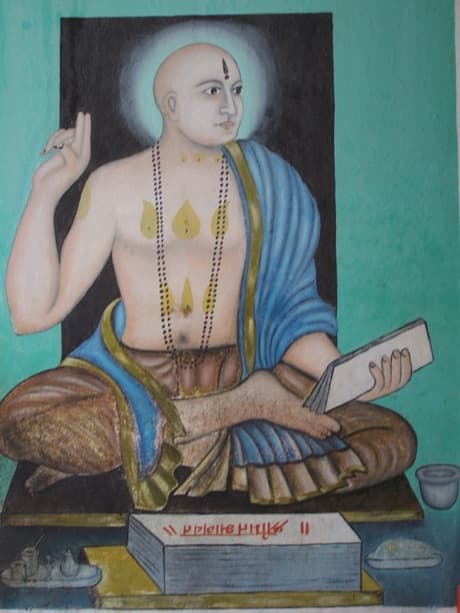
Madhvācārya · Dvaita
Madhva BhāṣyaSanskritEnglishOn verses 4.8–4.10
“न जन्मैव परित्राणादि कार्यं इति नियमः । तथाऽपि लीलय स्वभावेन च यथेष्टचारी ॥ तदाह्युक्तम् । देवस्यैष स्वभावोऽयम् , लोकवत् तु लीलाकैवल्यम्, कीडतो बालकस्येव चेष्टामस्य निशामय, अरिभयादिव स्वयं पुराद् व्यवसीद् यदनन्तवीर्यः ॥ पूर्णायमस्यात्र न किञ्चिदाप्यं तथाऽपि सर्वाः कुरुते प्रवृत्तीः । अतो विरुद्धेपुमिमं वदन्ति परावरज्ञा मुनयः प्रशान्ताः ॥ इत्याद्यस्येवदखिलेषु ।” — There is no reason for Sri Hari to take descent for the protection of the noble. But by his own Will and (in some cases) out of sport he descends — “This Will itself is the inclination of the Lord”, “In common parlance it is like bliss of creativity”, “plays like a child, know his exuberance to be his nature”, “He of incomparable prowess left Mathura out of fear of the enemy, as it were” “Sir Hari is complete in Himself. There is nothing to be attained through actions. Even then he performs all types of action. Therefore, the knowers of the supreme wisdom, the equanimous thinkers declare Sri Hari having supra-natural impulse”, thus in Rigveda.
“पृथक् मुक्तयुक्तिः सर्वज्ञाननियमदर्शनार्थम् | न तु तावन्मात्रेण मुक्तिरित्युक्तम् || वेदाद्युक्तं तु सर्वे यो ज्ञात्वोपास्ते सदा हि माम् | तस्यैव दर्शनपथं यामि नान्यस्य कस्यचित् || इति महाकौर्म | अत्रोक्तस्यैतज्ज्ञात्वैव जन्म नैतीति गतिः | इतरवाक्यानां नान्याथ गतिः | नान्यस्य कस्यचित् इति विशेषणात् | तत्त्वतः इति विशेषणाच्च सर्वज्ञानमापतति || तत्रैव भवति तत्र तत्त्वतः || इति विशेषणेन व विरोधः | उक्तं च “एकं च तत्त्वतो ज्ञातुं विना सर्वज्ञातां नरः | न समर्थो महरन्दोऽपि तस्मात् सर्वत्र जिज्ञासेत् || इति स्कान्दे |” - For the sake of showing that complete deliverance is possible only through complete Wisdom of His essence and not by knowing it partially. Whoever, knowing all the principles mentioned in Vedas, adores Me always, for him alone do I show Myself: not for others, thus, in Maha Kurma Puraana. Only if one knows in this manner, there would be no re-birth, thus the words mentioned here should be understood. Due to the use of the words there is no other way, which shows that never for others would the Lord will be seen. The adjective tatvatah shows that entirety of Wisdom is essential and where it is used thus, there it would not be contradictory. A human being will not know by understanding a single principle without first knowing the entirety of the principles. Even the great god, Indra would not be capable; therefore one should endeavour to know all the principles, thus in Skanda Purana.
“सन्ति च तथा मुक्ता इत्याह - वीतरागा इति | मन्यायाः मत्प्रचुरा | सार्वत्र मां विना न किञ्चित् पश्यन्ति इत्यर्थः |” - By renouncing passion etc. they become delivered, says Sri Krishna in this verse. मन्या means having firm abidance in Me. In all directions seeing none other than the Lord, this is the meaning.
Madhvācārya · Dvaita
Gītā Tātparya NirṇayaSanskritEnglishOn verses 4.8–4.10
“येषां गुणानां ज्ञानेन मक्तिरुक्ता पृथक्पृथक् | वेदेषु चेतिहासेषु सा तु तप्तां समुच्चयात् | एवमेव शमादिनां नान्यथा तु कथञ्चन || इति ब्रह्मवैवर्तवचनात् जन्म कर्म च इत्यादिषु न तावन्मात्रेण मोक्षः | मयं प्रधानमद्दिष्टं प्राधान्यं वैहरेर्मतम् || भगवन्मयास्ते विज्ञेयास्ते मुच्यन्ते न चापरे |” - By Wisdom gained and understanding the attributes spoken in Vedas and Itihas (Mahabharata) in different places, the deliverance is possible, similarly by counseling etc. but not from any other way, thus, in Brahma Vaivarta Purana. Not by mere knowledge of birth, performance of actions is deliverance possible. He who knows the Primacy of the Lord becomes aware of (His) integral form. Only those who know the Resplendent Lord thus alone are liberated, not the others. Being integrated with Me means acquiring a form similar to My integral form.

Jñāneśvar · Vārkarī
English8 "For shielding the good and destroying the evil-doers, as well as for setting the Dharma firmly afoot, I incarnate myself age after age. (51)
Espousing the cause of the pious souls who are my devotees I appear as incarnate in bodily form and then destroy all darkness in the form of ignorance. Then I demolish irreligion even to the last citadel, and also tear to pieces the scriptures of evil doers, and unfurl the flag of the reign of bliss at the hands of the good pious souls. So, whole races of evil-doers are uprooted, and saints are reinstated in their honour and dignity; piety and virtue meet in a happy marriage. I shake off unreason and unfaith, which soot the flame of Spirit: I brighten the flame of spiritual vision: and at this, the Yogins hail the advent of the age of the eternal Diwali Festival. The whole world swells with the bliss of the self-vision, for nothing but piety and religion fills its life. The life of devotees overflows with the exuberance of piety. Oh, son of Pandu, mountain-high heaps of sins get melted and the dawn of a good life breaks in on the world, when I appear incarnate (in a bodily form). It is for this purpose alone, that I incarnate myself from age to age. But he alone is said to be a saint of true vision who can realize this.
Swami Ramsukhdas · Modern
English'Paritrāṇāya sādhūnām'—God manifests Himself, in order to protect the good, because they destroy unrighteousness and propagate righteousness.
The term, 'sādhūnām' (of Sādhus) has been used for those good men, who naturally are inclined towards the good of others, who remember and chant the name, and think of form, qualities,
glories and pastimes etc., of God, who propagate these among people and who depend on God.
He, whose only aim is God-realization, is a good person (sage) while one who hankers after worldly pleasures and prosperity, is not a good person.
When a man, attaches importance to the perishable world, desires are born. As desires increase, goodness disappears, but when desires are renounced, goodness appears. Because, desire is the root of evil. Goodness leads to salvation of one's self and to the welfare of others.
Good people, are even engrossed in the good of beasts, birds, trees, mountains, men, gods, manes and sages etc., through their thoughts and deeds. In the Rāmacaritamānasa the citizens of Ayodhyā say to Lord Rāma, 'O foe of demons, in the world there are only two, who do good to others, without any selfish motive, they are, You and Your devotees' (7/47/3).
If people come to know the thoughts and feelings of these Sādhus, they will ever bow to them. But if they know the thoughts and feelings of the wicked, there would be quarrels and strifes.
Here, a doubt may arise, why are such people seen suffering, when God protects them. The clarification is, that the Lord protects their good feelings, rather than their bodies, riches, honour and fame etc. The reason is, that those good people do not attach importance to the mundane objects, because by doing so, they may turn bad. The Lord also, would not attach importance to them.
Devotees truly never desire, worldly objects. They are happy in unfavourable circumstances, because these lead them to spiritual upliftment. Devotion, develops in unfavourable circumstances, because their attachment, which causes their downfall, is renounced. Therefore, the Lord protects the good, by creating unfavourable circumstances for them.
'*Vināśāya ca duṣkṛtām*'—The wicked, propagate unrighteousness and destroy righteousness. So the Lord manifests Himself, for their destruction.
Those who, because of many desires, remain absorbed in vices, such as falsehood, fraud, deception and dishonesty etc. Those who exploit the virtuous and good persons; those who remain engaged in doing evil to others; those who do not know what ought to be done and what ought not to be done; and those, who always condemn God and the scriptures, such persons, of demoniac nature, have been called wicked. The Lord manifests Himself for the destruction of such wicked persons.
**Question:**—The Lord declares, that He is the same to all beings and there is none hateful, to Him (Gītā 9/29); then why does He destroy the wicked?
**Answer:**—As the Lord is a disinterested friend of all beings, no one is hateful to Him. But he who is an enemy of His devotees, is also His enemy. In the Rāmacaritamānasa, it is said, 'He who offends a devotee of Lord Rāma, has to burn in the Lord's fire of anger' (2/218/2-3).
God is called, a devotee of His devotees (Śrīmadbhāgavata 10/86/59). So the wicked, who offend His devotees, are destroyed by Him. Devotees, destroy sins while God destroys sinners.
As His grace is revealed in protecting the good, so is His grace revealed in destroying the wicked as He does evil to none (2/183/3). Moreover, He purifies them by destroying them.
Saints also establish righteousness but they do not destroy the wicked. Destruction of the wicked is brought about by the Lord in the same way, as a simple injury may be dressed by a compounder but a major operation is performed only by a civil surgeon.
Both the parents are equally interested in the welfare of their son. When the son does not pay attention to his studies, and indulges in mischief, both of them want to set him right. The father beats him, so that he may give up his bad habit. The
mother, checks the father from beating him. Being faithful, it is her duty to follow her husband's footsteps. So should she also start beating the boy, because she is faithful? No, it is her duty to protect the boy, otherwise he may receive a severe beating. The father, also does not want to give him a good beating, but he wants the son to get rid of his bad habit. Similarly, God is like a father, while saints are like a mother. First, the Lord and saints urge people to give up their wickedness, but when they do not mend their ways, God has to manifest Himself for their destruction. If they give up their wickedness, there is no need to destroy them.
The attributeless Absolute, is not antagonistic to nature, illusion and ignorance, it rather, gives existence inspires and nourishes these. God, whether He is attributeless or is endowed with attributes, fosters all beings, equally without any distinction. Even the earth, created by Him, provides room equally to everyone, whether he is virtuous or wicked. Similarly, all of them are equally provided with the necessities of life, such as food, water, air and sunlight. Thus the Lord is an ocean of generosity and equanimity, even to the vilest person. If a person just thinks of His generosity, he gets thrilled with delight and starts bowing to Him.
The Lord, is not opposed to wicked person, but He is opposed to their wicked actions as those actions are injurious, to the world, as well as to them. The Lord is a disinterested friend of all beings. Therefore, He destroys the wicked, in order to do good to the world, as well as to those wicked persons. How generous He is, that having killed those wicked persons He sends them to His own abode!
Now a question may arise, whether the Lord Himself will have to come to kill us, if we go on committing sins. If it is as so, we shall attain salvation easily, otherwise we shall have to control our senses, mind etc., and inculcate virtues and practise spiritual discipline. The answer is, that the Lord destroys only
those wicked who cannot be destroyed by anyone, else. Secondly, performance of good actions will lead us to virtues, which would pave the way to our salvation. But if we are killed by anyone else, or die a natural death while performing sinful actions, what will be the consequences? How would our desire of being killed by the Lord, be fulfilled? Therefore, sinful actions, should not be performed at all.
**'Dharmasamsthāpanārthāya'**—Establishment of righteousness, consists in preaching and propagating the selfless performance of actions. Unrighteousness propagates, due to the performance of action with a selfish motive and due to the attachment to the unreal. Therefore, the Lord manifests Himself, in order to propagate the performance of selfless actions, through His deeds. When this feeling is propagated, righteousness, is naturally established.
The Lord is the abode of righteousness (Gītā 14/27). So He manifests Himself, in order to establish righteousness well. In fact, righteousness never perishes, it only declines. Whenever there is a decline of righteousness, the Lord re-establishes it (Gītā 4/1—3).
**'Sambhavāmi yuge yuge'**—The Lord, manifests Himself, from age to age. He also descends to the mortal world, several times in the same age, according to the need of the hour. He incarnates Himself as 'Kāraka Puruṣas', as well as saints. The incarnations of the Lord and His 'Kāraka Puruṣas' (representatives), are casual or occasional, while saints are regularly born.
Now, a doubt may arise, whether the omnipotent Lord cannot protect the good, destroy the wicked, and establish righteousness without manifesting Himself. The clarification is, that He can do wonders without His manifestation also and go on doing so, yet He manifests Himself in order to shower His special grace on beings, for their welfare.* During His incarnation, His vision,
* The Lord manifests Himself as a human being in order to shower His special grace on beings and He stages the drama of human life in such a manner that it conduces them to be devoted to Him (Mānasa 1/192).
touch, talk etc., and later on, the practice of hearing, thinking, chanting and following His sport, lead people to salvation.
The Lord, comes to the mortal world in different incarnations, according to the need of the times. He remains perfect, during all the incarnations.
Though there is, nothing that should be done by Him, nor is there anything unattained that should be attained (Gītā 3/22), yet He performs all actions by manifesting Himself, from time to time, only for the welfare of the world. Therefore, human beings, should also perform their duty, for the welfare of others.
In response to Arjuna's question which he put in the fourth verse, the Lord explains the three main differences between men's births and His births (manifestations):—
(1) Difference in knowledge:—Many births of men, as well as of the Lord, have taken place. Men do not know them all, only the Lord knows.
(2) Difference in birth:—Men have to take birth, under the subordination of nature, (prakṛti), in order to reap the fruits of their virtuous and evil actions, and then to realize God. God manifests Himself of His own accord, governing His nature (prakṛti) through His divine potency (4/6).
(3) Difference in actions:—Men perform actions, in order to satisfy their desires, though it is not the aim of human life, while the Lord acts, only in order to enable beings to attain salvation (4/7-8).
*Link:—In response to the question put, in the fourth verse, by Arjuna, the Lord started describing the divine character of His birth. Now in the next verse He, of His own accord, explains the merit of knowing the divine character of His birth, as well as actions, in order to explain the performance of actions without expectation of fruit (Karmayoga).*
Ādi Śaṅkarācārya · Advaita
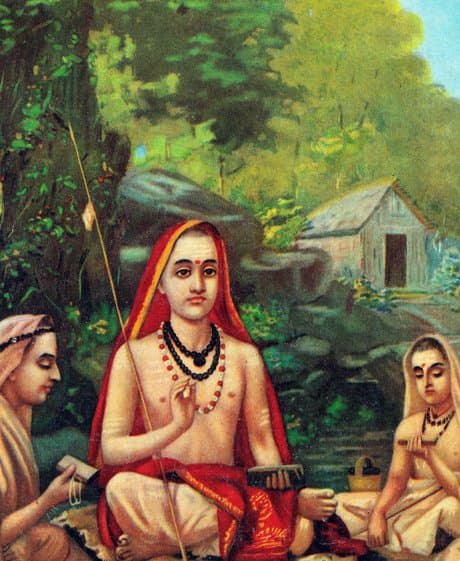
Sanskritपरित्राणाय परिरक्षणाय साधूनां सन्मार्गस्थानाम्, विनाशाय च दुष्कृतां पापकारिणाम्, किञ्च धर्मसंस्थापनार्थाय धर्मस्य सम्यक् स्थापनं तदर्थं सम्भवामि युगे युगे प्रतियुगम् ॥ तत् --
Ādi Śaṅkarācārya · Advaita
Hindiसत्-मार्गमें स्थित साधुओंका परित्राण अर्थात् (उनकी) रक्षा करनेके लिये, पापकर्म करनेवाले दुष्टोंका नाश करनेके लिये और धर्मकी अच्छी प्रकार स्थापना करनेके लिये मैं युग-युगमें अर्थात् प्रत्येक युगमें प्रकट हुआ करता हूँ
Jñāneśvar · Vārkarī
Marathiते वेळी आपुल्याचेनि कैवारें । मी साकारु होऊनि अवतरें । मग अज्ञानाचें आंधारें । गिळूनि घालीं ॥ ५१ ॥
अधर्माचि अवधी तोडीं । दोषांचीं लिहिलीं फाडीं । सज्जनांकरवी गुढी । सुखाची उभवीं ॥ ५२ ॥
दैत्यांचीं कुळें नाशीं । साधूंचा मानू गिंवशीं । धर्मासी नीतीशी । शेंज भरी ॥ ५३ ॥
मी अविवेकाची काजळी । फेडूनी विवेकदीप उजळीं । तैं योगियां पाहे दिवाळी । निरंतर ॥ ५४ ॥
स्वसुखे विश्व कोंदे । धर्मचि जगीं नांदे । भक्तां निघती दोंदें । सात्विकाचीं ॥ ५५ ॥
तैं पापाचा अचळु फिटे । पुण्याची पहाट फुटे । जैं मूर्ति माझी प्रगटे । पंडुकुमरा ॥ ५६ ॥
ऐसेया काजालागी । अवतरें मी युगीं युगीं । परि हेंचि वोळखे जो जगीं । तो विवेकिया ॥ ५७ ॥
Jñāneśvar · Vārkarī
Hindi(4.51) उस समय मैं अपने भक्तों का पक्ष लेने के लिए साकार हो कर अवतार लेता हूँ और अज्ञानरूपी अन्धकार का नाश कर डालता हूँ,
(4.52) अधर्म की सीमा तोड़ डालता हूँ, पापों का लेख फाड़ डालता हूँ, और सज्जनों से सुख की ध्वजा फहरवाता हूँ।
(4.53) दैत्यों के कुल का नाश करता हूँ, साधुओं को सम्मान दिलाता हूँ, और धर्म और नीति का विवाह करा देता हूँ।
(4.54) जब मैं अविवेकरूपी गुल झाड़ कर विवेकरूपी दीपक उस्काता हूँ तब योगियों के लिए निरन्तर दिवाली सा उजेला हो जाता है,
(4.55) विश्व आत्मसुख से भर जाता है, संसार में धर्म आ बसता है और भक्तों के सात्विक भावों की तोड़ें निकल पड़ती है, (4.56) हे पाण्डुकुँवर! जब मेरी मूर्ति प्रकट होती है तब पाप का परदा हट जाता है, और पुण्य का सबेरा हो जाता है।
(4.57) ऐसे कार्यों के लिए मैं हर एक युग में अवतार लेता हूँ। परन्तु जो यह जान ले वही संसार में ज्ञानी है।
Sri Udiya Baba · Modern
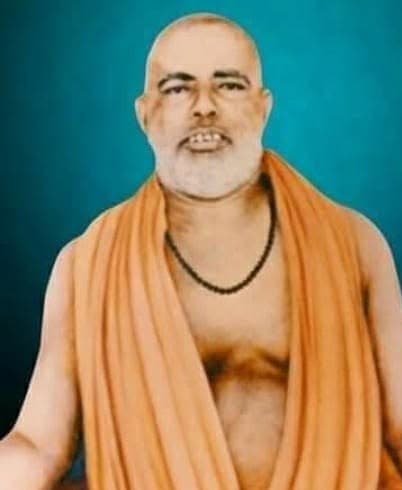
Hindiभावार्थ— सत्पुरुषों के परित्राण और पापियों के विनाश के लिये मैं युग-युग में अवतार लेता हूँ।
व्याख्या— यहाँ भगवान् ने अपने अवतार के तीन हेतु बतलाये हैं—
१. साधु पुरुषों की रक्षा।
२. दुष्टों का विनाश। जैसे पूतना, अधासुर एवं रावणादि के नाश के लिये अर्थात् जिन भगवद्भक्तों को पूर्वजन्म में कोई अपराध कर जाने के कारण आसुरी योनि में आना पड़ा उनका संहार द्वारा उद्धार करने के लिये भगवान् अवतार लेते हैं। साधारण पापी तो अपना-अपना कर्मफल भोगते रहते हैं, उनके लिये भगवान् जन्म नहीं लेते।
३. भागवत धर्म की स्थापना करने के लिये। भगवान् के उन दिव्य-मंगल स्वरूपों के चिन्तन द्वारा भगवद्भक्ति का प्रसार होता है।
प्रश्न— कलियुग के आरम्भ में अवतरित होकर भगवान् ने क्या धर्म-स्थापना की?
उत्तर— भगवान् श्रीकृष्ण के प्रादुर्भाव से ही तो श्रीकृष्ण स्वरूप की साकार उपासना स्थापित हुई। उनकी रूपश्री से सम्पूर्ण भक्तवृन्द उनकी ओर आकर्षित हो गये। भगवान् ने वर्णाश्रम धर्म की स्थापना नहीं की; कलियुग में उसका तो ह्रास होना ही था। उन्होंने तो भागवत धर्म की स्थापना की और उसी से कलियुग में जीवों का उद्धार होता है।
प्रश्न— जैसे जीवों के शरीर जड़ होते हैं वैसे ही क्या भगवान् का शरीर भी जड़ और पाश्च भौतिक होता है?
उत्तर— नहीं। श्लोक ७ और ८ में भगवान् ने यह प्रकट किया है कि मैं किसी अन्य की प्रेरणा से उत्पन्न नहीं होता, स्वयं ही प्रकट होता हूँ। मुझे किसी सहायक सामग्री की आवश्यकता नहीं होती। इसमें यह श्रुति प्रमाण है—
न तस्य कार्यकरणं च विद्यते
न तत्समश्चाम्यधिकश्च कश्चित्।
परास्य शक्तिर्विविधैव श्रूयते
स्वाभाविकी ज्ञानबलक्रिया च॥
अर्थात् भगवान् का कोई कार्य या करण नहीं है उनके समान या उनसे बड़ा भी कोई नहीं है। उनकी पराशक्ति अनेक प्रकार की सुनी जाती है तथा उनमें ज्ञान, बल और क्रिया भी स्वभाव से ही है। अतः भगवान् का शरीर जड़ या भौतिक नहीं होता। देवताओं के तेजोमय शरीर भी दिव्य कहे जाते हैं। भगवान् तो स्वयंप्रकाश हैं, स्वेच्छाविग्रह हैं अतः उनका शरीर चिन्मय होता है।
Swami Ramsukhdas · Modern
Hindi‘परित्राणाय साधूनाम्’—साधु मनुष्योंके द्वारा ही अधर्मका नाश और धर्मका प्रचार होता है, इसलिये उनकी रक्षा करनेके लिये भगवान् अवतार लेते हैं।
दूसरोंका हित करना ही जिनका स्वभाव है और जो भगवान्के नाम, रूप, गुण, प्रभाव, लीला आदिका श्रद्धा-प्रेमपूर्वक स्मरण, कीर्तन आदि करते हैं और लोगोंमें भी इसका प्रचार करते हैं, ऐसे भगवान्के आश्रित भक्तोंके लिये यहाँ ‘साधूनाम्’ पद आया है।
जिसका एकमात्र परमात्म-प्राप्तिका उद्देश्य है, वह साधु है* और जिसका नाशवान् संसारका उद्देश्य है, वह असाधु है।
असत् और परिवर्तनशील वस्तुमें सद्भाव करने और उसे महत्त्व देनेसे कामनाएँ पैदा होती हैं। ज्यों-ज्यों कामनाएँ नष्ट होती हैं, त्यों-त्यों साधुता आती है और ज्यों-ज्यों कामनाएँ बढ़ती हैं, त्यों-त्यों साधुता लुप्त होती है। कारण कि असाधुताका मूल हेतु कामना ही है। साधुतासे अपना उद्धार और लोगोंका स्वतः उपकार होता है।
साधु पुरुषके भावों और क्रियाओंमें पशु, पक्षी, वृक्ष, पर्वत, मनुष्य, देवता, पितर, ऋषि, मुनि आदि सबका हित भरा रहता है—
हेतु रहित जग जुग उपकारी। तुम्ह तुम्हार सेवक असुरारी। (मानस ७। ४७। ३)
यदि लोग उसके मनके भावोंको जान जायें तो वे उसके चरणोंके दास बन जायें। इसके विपरीत यदि लोग दुष्ट पुरुषके मनके भावोंको जान जायें तो दिनमें कई बार लोगोंसे उसकी पिटाई हो।
यहाँ शंका हो सकती है कि यदि भगवान् साधु पुरुषोंकी रक्षा किया करते हैं तो फिर संसारमें साधु पुरुष
दुःख पाते हुए क्यों देखे जाते हैं? इसका समाधान यह है कि साधु पुरुषोंकी रक्षाका तात्पर्य उनके भावोंकी रक्षा है; शरीर, धन-सम्पत्ति, मान-बड़ाई आदिकी रक्षा नहीं; कारण कि वे इन सांसारिक पदार्थोंको महत्त्व नहीं देते। भगवान् भी इन वस्तुओंको महत्त्व नहीं देते; क्योंकि सांसारिक पदार्थोंको महत्त्व देनेसे ही असाधुता पैदा होती है।
भक्तोंमें सांसारिक पदार्थोंका महत्त्व, उद्देश्य होता ही नहीं; तभी तो वे भक्त हैं। भक्तलोग प्रतिकूलता-(दुःखदायी परिस्थिति-) में विशेष प्रसन्न होते हैं; क्योंकि प्रतिकूलतासे जितना आध्यात्मिक लाभ होता है, उतना किसी दूसरे साधनसे नहीं होता। वास्तवमें भक्ति भी प्रतिकूलतामें ही बढ़ती है। सांसारिक राग, आसक्तिसे ही पतन होता है और प्रतिकूलतासे वह राग टूटता है। इसलिये भगवान्का भक्तोंके लिये प्रतिकूलता भेजना भी वास्तवमें भक्तोंकी रक्षा करना है।
‘विनाशाय च दुष्कृताम्’—दुष्ट मनुष्य अधर्मका प्रचार और धर्मका नाश करते हैं, इसलिये उनका विनाश करनेके लिये भगवान् अवतार लेते हैं।
जो मनुष्य कामनाके अत्यधिक बढ़नेके कारण झूठ, कपट, छल, बेईमानी आदि दुर्गुण-दुराचारोंमें लगे हुए हैं, जो निरपराध सद्गुण, सदाचारी, साधुओंपर अत्याचार किया करते हैं, जो दूसरोंका अहित करनेमें ही लगे रहते हैं, जो प्रवृत्ति और निवृत्तिको नहीं जानते, भगवान् और वेद-शास्त्रोंका विरोध करना ही जिनका स्वभाव हो गया है, ऐसे आसुरी सम्पत्तिमें अधिक रचे-पचे रहकर वैसा ही बुरा आचरण करनेवाले मनुष्योंके लिये यहाँ ‘दुष्कृताम्’ पद आया है। भगवान् अवतार लेकर ऐसे ही दुष्ट मनुष्योंका विनाश करते हैं।
* साधुरेव स मन्व्यः सम्यग्व्यवसितो हि सः। (गीता ९। ३०)
शंका—भगवान् तो सब प्राणियोंमें सम हैं और उनका कोई वैरी नहीं है ('समोऽहं सर्वभूतेषु न मे द्वेष्यः' गीता ९। २९), फिर वे दुष्टोंका विनाश क्यों करते हैं?
समाधान—सम्पूर्ण प्राणियोंके परम सुहृद होनेसे भगवान्का कोई वैरी नहीं है; परन्तु जो मनुष्य भक्तोंका अपराध करता है, वह भगवान्का वैरी होता है—
सुनु सुरेस रघुनाथ सुभाऊ। निज अपराध रिसाहि न काऊ॥ जो अपराधु भगत कर करई। राम रोष पावक सो जरई॥
(मानस २। २१८। २-३)
भगवान्का एक नाम 'भक्तभक्तिमान्' (श्रीमद्भा० १०। ८६। ५९) है। अतः भक्तोंको कष्ट देनेवाले दुष्टोंका विनाश भगवान् स्वयं करते हैं। पापका विनाश भक्त करते हैं और पापीका विनाश भगवान् करते हैं।
साधुओंका परित्राण करनेमें भगवान्की जितनी कृपा है, उतनी ही कृपा दुष्टोंका विनाश करनेमें भी है*। विनाश करके भगवान् उन्हें शुद्ध, पवित्र बनाते हैं।
सन्त-महात्मा धर्मकी स्थापना तो करते हैं, पर दुष्टोंके विनाशका कार्य वे नहीं करते। दुष्टोंका विनाश करनेका कार्य भगवान् अपने हाथमें रखते हैं; जैसे—साधारण मलहम-पट्टी करनेका काम तो कंपाउंडर करता है, पर बड़ा ऑपरेशन करनेका काम सिविल सर्जन खुद करता है, दूसरा नहीं।
माता और पिता—दोनों समानरूपसे बालकका हित चाहते हैं। बालक पढ़ाई नहीं करता, उदण्डता करता है तो उसको माता भी समझाती है और पिता भी समझाते हैं। बालक अपनी उदण्डता न छोड़े तो पिता उसे मारते-पीटते हैं। परन्तु बालक जब घबरा जाता है, तब माता पिताको मारने-पीटनेसे रोकती है। यद्यपि माता पतिव्रता है, पतिका अनुसरण करना उसका धर्म है, तथापि इसका यह अर्थ नहीं कि पति बालकको मारे तो वह भी साथमें मारने लग जाय। यदि वह ऐसा करे तो बालक बेचारा कहाँ जायगा? बालककी रक्षा करनेमें उसका पतिव्रत-धर्म नष्ट नहीं होता। कारण कि वास्तवमें पिता भी बालकको मारना-पीटना नहीं चाहते, प्रत्युत उसके दुर्गुण-दुराचारोंको दूर करना चाहते हैं। इसी तरह भगवान् पिताके समान हैं और
उनके भक्त माताके समान। भगवान् और सन्त-महात्मा मनुष्योंको समझाते हैं। फिर भी मनुष्य अपनी दुष्टता न छोड़े तो उनका विनाश करनेके लिये भगवान्को अवतार लेकर खुद आना पड़ता है। अगर वे अपनी दुष्टता छोड़ दें तो उन्हें मारनेकी आवश्यकता ही न रहे।
निर्गुण ब्रह्म प्रकृति, माया, अज्ञान आदिका विरोधी नहीं है, प्रत्युत उनको सत्ता-स्फूर्ति देनेवाला तथा उनका पोषक है। तात्पर्य यह कि प्रकृति, माया आदिमें जो कुछ सामर्थ्य है, वह सब उस निर्गुण ब्रह्मकी ही है। इसी तरह सगुण भगवान् भी किसी जीवके साथ द्वेष, वैर या विरोध नहीं रखते, प्रत्युत समान रीतिसे सबको सामर्थ्य देते हैं, उनका पोषण करते हैं। इतना ही नहीं, भगवान्की रची हुई पृथ्वी भी रहनेके लिये सबको बराबर स्थान देती है। उसका यह पक्षपात नहीं है कि महात्माको तो विशेष स्थान दे, पर दुष्टको स्थान न दे। ऐसे ही अन्न सबकी भूख बराबर मिटाता है, जल सबकी प्यास समानरूपसे मिटाता है, वायु सबको प्राणवायु एक-सी देती है, सूर्य सबको प्रकाश एक-सा देता है, आदि। यदि पृथ्वी, अन्न, जल आदि दुष्टोंको स्थान, अन्न, जल आदि देना बंद कर दें तो दुष्ट जी ही नहीं सकते। इस प्रकार जब भगवान्के विधानके अनुसार चलनेवाले पृथ्वी, अन्न, जल, वायु, सूर्य आदिमें भी इतनी उदारता, समता है, तब इस विधानके विधायक-(भगवान्-) में कितनी विलक्षण उदारता, समता होगी! वे तो उदारताके भण्डार ही हैं। यदि विधायक(भगवान्) और उनके विधानकी ओर थोड़ा-सा भी दृष्टिपात किया जाय तो मनुष्य गद्गद हो जाय और भगवान्के चरणोंमें उसका प्रेम हो जाय!
भगवान्का दुष्ट पुरुषोंसे विरोध नहीं है, प्रत्युत उनके दुष्कर्मोंसे विरोध है। कारण कि वे दुष्कर्म संसारका तथा उन दुष्टोंका भी अहित करनेवाले हैं। भगवान् सर्वसुहृद हैं; अतः वे संसारका तथा उन दुष्टोंका भी हित करनेके लिये ही दुष्टोंका विनाश करते हैं। उनके द्वारा जो दुष्ट मारे जाते हैं, उनको भगवान् अपने ही धाममें भेज देते हैं—यह उनकी कितनी विलक्षण उदारता है!
* १—'अरिहुक अनभल कीन्ह न रामा' (मानस २। १८३। ३)
२—ये ये हताश्चक्रधरेण राजसैलोक्यनाथेन जनार्दनेन। ते ते गता विष्णुपुरी प्रयाताः क्रोधोऽपि देवस्य वरेण तुल्यः॥
(पाण्डवगीता)
'हे राजन्! त्रैलोक्याधिपति चक्रधारी भगवान् जनार्दनके द्वारा जो लोग मारे गये, वे सभी विष्णुलोकको चले गये। इस देवका क्रोध भी वरकी तरह ही कल्याणप्रद है।'
यहाँ यह प्रश्न हो सकता है कि अगर हम पाप-कर्म ही करते रहें तो क्या हमें भी मारनेके लिये भगवान्को आना पड़ेगा? अगर ऐसी बात है तो भगवान्के द्वारा मरनेसे हमारा कल्याण हो ही जायगा; फिर जिनमें संयम करना पड़ता है, ऐसे श्रमसाध्य सद्गुण-सदाचारका पालन क्यों करें? इसका उत्तर यह है कि वास्तवमें भगवान् उन्हीं पापियोंको मारनेके लिये आते हैं, जो भगवान्के सिवाय दूसरे किसीसे मर ही नहीं सकते। दूसरी बात, शुभ-कर्मोंमें जितना लगेंगे, उतना तो पुण्य हो ही जायगा, पर अशुभ-कर्मोंमें लगे रहनेसे यदि बीचमें ही मर जायेंगे अथवा कोई दूसरा मार देगा तो मुश्किल हो जायगी! भगवान्के हाथों मरकर मुक्ति पानेकी लालसा कैसे पूरी होगी! इसलिये अशुभ-कर्म करने ही नहीं चाहिये।
‘धर्मसंस्थापनार्थाय’—निष्कामभावका उपदेश, आदेश और प्रचार ही धर्मकी स्थापना है। कारण कि निष्कामभावकी कमीसे और असत् वस्तुको सत्ता देकर उसे महत्त्व देनेसे ही अधर्म बढ़ता है, जिससे मनुष्य दुष्ट स्वभाववाले हो जाते हैं। इसलिये भगवान् अवतार लेकर आचरणके द्वारा निष्कामभावका प्रचार करते हैं। निष्कामभावके प्रचारसे धर्मकी स्थापना स्वतः हो जाती है।
धर्मका आश्रय भगवान् हैं (गीता—चौदहवें अध्यायका सत्ताईसवाँ श्लोक), इसलिये शाश्वत धर्मकी संस्थापना करनेके लिये भगवान् अवतार लेते हैं। संस्थापना करनेका अर्थ है—सम्यक् स्थापना करना। तात्पर्य है कि धर्मका कभी नाश नहीं होता, केवल ह्रास होता है। धर्मका ह्रास होनेपर भगवान् पुनः उसकी अच्छी तरह स्थापना करते हैं (गीता—चौथे अध्यायके पहलेसे तीसरे श्लोकतक)।
‘सम्भवामि युगे युगे’—आवश्यकता पड़नेपर भगवान् प्रत्येक युगमें अवतार लेते हैं। एक युगमें भी जितनी बार जरूरत पड़ती है, उतनी बार भगवान् अवतार लेते हैं। ‘कारक पुरुष’ और सन्त-महात्माओंके रूपमें भी भगवान्का अवतार हुआ करता है। भगवान् और कारक पुरुषका अवतार तो ‘नैमित्तिक’ है, पर सन्त-महात्माओंका अवतार
‘नित्य’ माना गया है।
यहाँ शंका होती है कि भगवान् तो सर्वसमर्थ हैं, फिर संतोंकी रक्षा करना, दुष्टोंका विनाश करना और धर्मकी स्थापना करना—ये काम क्या वे अवतार लिये बिना नहीं कर सकते? इसका समाधान यह है कि भगवान् अवतार लिये बिना ये काम नहीं कर सकते, ऐसी बात नहीं है। यद्यपि भगवान् अवतार लिये बिना अनायास ही यह सब कुछ कर सकते हैं और करते भी रहते हैं, तथापि जीवोंपर विशेष कृपा करके उनका कुछ और हित करनेके लिये भगवान् स्वयं अवतीर्ण होते हैं। अवतारकालमें भगवान्के दर्शन, स्पर्श, वार्तालाप आदिसे, भविष्यमें उनकी दिव्य लीलाओंके श्रवण, चिन्तन और ध्यानसे तथा उनके उपदेशोंके अनुसार आचरण करनेसे लोगोंका सहज ही उद्धार हो जाता है। इस प्रकार लोगोंका सदा उद्धार होता ही रहे, ऐसी एक रीति भगवान् अवतार लेकर ही चलाते हैं।
भगवान्के कई ऐसे प्रेमी भक्त होते हैं, जो भगवान्के साथ खेलना चाहते हैं, उनके साथ रहना चाहते हैं। उनकी इच्छा पूरी करनेके लिये भी भगवान् अवतार लेते हैं और उनके सामने आकर, उनके समान बनकर खेलते हैं।
जिस युगमें जितना कार्य आवश्यक होता है, भगवान् उसीके अनुसार अवतार लेकर उस कार्यको पूरा करते हैं। इसलिये भगवान्के अवतारोंमें तो भेद होता है, पर स्वयं भगवान्में कोई भेद नहीं होता। भगवान् सभी अवतारोंमें पूर्ण हैं और पूर्ण ही रहते हैं।
भगवान्के लिये न तो कोई कर्तव्य है और न उन्हें कुछ पाना ही शेष है (गीता—तीसरे अध्यायका बाईसवाँ श्लोक), फिर भी वे समय-समयपर अवतार लेकर केवल संसारका हित करनेके लिये सब कर्म करते हैं। इसलिये मनुष्यको भी केवल दूसरोंके हितके लिये ही कर्तव्य-कर्म करने चाहिये।
चौथे श्लोकमें आये अर्जुनके प्रश्नके उत्तरमें भगवान्ने मनुष्योंके जन्म और अपने जन्म-(अवतार-) में तीन बड़े अन्तर बताये हैं—
१-(१) ‘श्रुति सेतु पालक राम तुम्ह’ (मानस २। १२६)
(२) ‘धर्मस्य प्रभुरच्युतः’ (महाभारत, अनु० १४९। १३७)
२-जो महापुरुष भगवान्को प्राप्त हो चुके हैं और भगवद्भ्राममें विराजते हैं, वे ‘कारक पुरुष’ कहलाते हैं।
३-अनुग्रहाय भूतानां मानुषं देहमास्थितः। भजते तादृशीः क्रीडा याः श्रुत्वा तत्परो भवेत्॥ (श्रीमद्भा १०। ३३। ३७)
‘भगवान् जीवोंपर विशेष कृपा करनेके लिये ही अपनेको मनुष्यरूपमें प्रकट करते हैं और ऐसी लीलाएँ करते हैं, जिन्हें सुनकर जीव भगवत्प्रयाण हो जायें।’
(१) जाननेमें अन्तर—मनुष्योंके और भगवान्के बहुत-से जन्म हो चुके हैं। उन सब जन्मोंको मनुष्य तो नहीं जानते, पर भगवान् जानते हैं (४।५)।
(२) जन्ममें अन्तर—मनुष्य प्रकृतिके परवश होकर, अपने किये हुए पाप-पुण्योंका फल भोगनेके लिये और फलभोगपूर्वक परमात्माकी प्राप्ति करनेके लिये जन्म लेता है, पर भगवान् अपनी प्रकृतिको अधीन करके स्वाधीनतापूर्वक
अपनी योगमायासे स्वयं प्रकट होते हैं (चौथे अध्यायका छठा श्लोक)।
(३) कार्यमें अन्तर—साधारणतः मनुष्य अपनी कामनाओंकी पूर्तिके लिये कार्य करते हैं, जो कि मनुष्यजन्मका ध्येय नहीं है, पर भगवान् केवल मात्र जीवोंके कल्याणके लिये कार्य करते हैं (चौथे अध्यायका सातवाँ-आठवाँ श्लोक)।
सम्बन्ध—चौथे श्लोकमें आये अर्जुनके प्रश्नके उत्तरमें भगवान्ने अपने जन्मकी दिव्यताका वर्णन आरम्भ किया था। अब अपनी ओरसे निष्काम-कर्म-(कर्मयोग-) का तत्त्व बतानेके उद्देश्यसे अपने जन्मकी दिव्यताके साथ-साथ अपने कर्मकी दिव्यताको जाननेका भी माहात्म्य बताते हैं।
The word sādhūnāṃ meaning virtuous refers to the sadhus or the saintly devotees, the eminent Vaiṣṇavas who diligently seek refuge in Lord Krishna in everything they think and do.
These persons feel that without seeing and perceiving the Supreme Lord, without chanting His names, without continuously reminiscing over His phenomenal pastimes and without meditating on Him that their lives are devoid and empty and they find it difficult to even carry on their existence.
There are even those with whom a single moment of absence from the Lord is like a lifetime.
For the protection of these virtuous and holy beings, lest they in their agony of separation from me expire from this world,
Lord Krishna bequeaths upon them the privilege of being able to perceive His confidential appearances and pastimes and partake in communion with Him.
So in summary the following reasons of Lord Krishna's avatars or incarnations is:
1) for protecting the virtuous 2) for destroying the wicked 3) for re-establishing dharma or eternal righteousness which had become obscured.
As dharma to all beings is factually the primary mode of worship for the Supreme Lord Krishna and His authorised avatars in order to attain mokṣa or salvation from the cycle of birth and death in the material existence; it should be known as the highest good for all beings.
The words yuge yuge meaning from millennium to millennium is to indicate that the Supreme Lords incarnations may appear at any time not being limited to a particular yuga.