

Bhagavad Gītā · Chapter 4 · Jñāna Karma Sannyāsa Yoga
द्रव्ययज्ञास्तपोयज्ञा योगयज्ञास्तथापरे
स्वाध्यायज्ञानयज्ञाश्च यतयः संशितव्रताः
dravyayajñāstapoyajñā yogayajñāstathāpare|
svādhyāyajñānayajñāśca yatayaḥ saṃśitavratāḥ||
Word meanings
अपरे = others
संशितव्रताः = of rigorous vows
यतयः = striving ascetics
द्रव्ययज्ञाः = sacrifice with material possessions
तपोयज्ञाः = sacrifice of austerity
तथा = and likewise, other still perform the sacrifice of yoga
च = and (some perform the sacrifice of knowledge through study)
Translation
Some perform sacrifice with material possessions; some offer sacrifice in the shape of austerities; others sacrifice through the practice of Yoga; while some striving souls, observing austere vows, perform sacrifice in the shape of wisdom through the study of sacred texts.
Commentary
The commentators seated around this verse
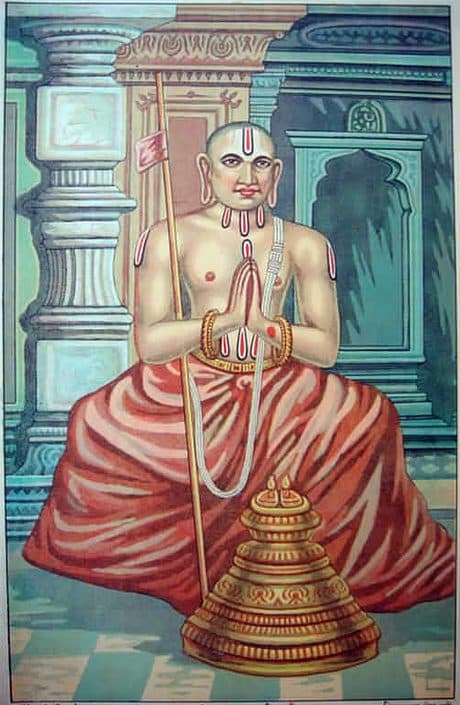
Rāmānuja · Viśiṣṭādvaita
English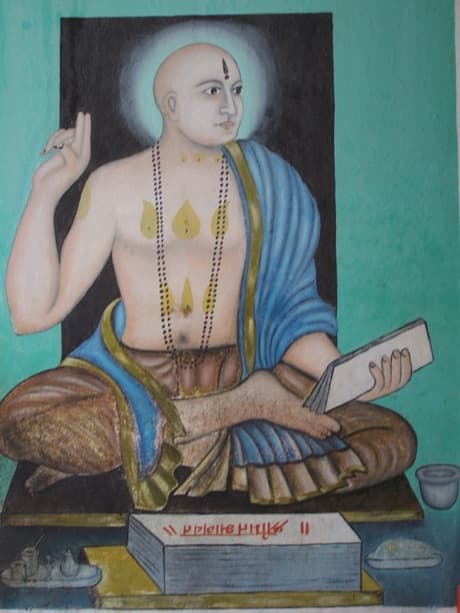
Madhvācārya · Dvaita
SanskritEnglish“द्रव्यं जुत्वे इति द्रव्ययज्ञाः | तपः परमेश्वरार्पणबुद्ध्या तत्र जुत्वति तपोयज्ञाः इत्यादि | इदं तपो हविः | एतद् ब्रह्मान्नौ जुहोमि तत्पूजार्थम् इति होमः | तदर्पण एव च होमबुद्धिः ||” - Those who offer dravya, perform sacrifice of wealth; those who perform penance with full knowledge perform sacrifice of austerity. Such penance is oblation when it is offered in the fire of Brahman for the sake of His propitiation, the said fire becoming the sacrificial fire and offering becomes the sacrifice of wisdom.
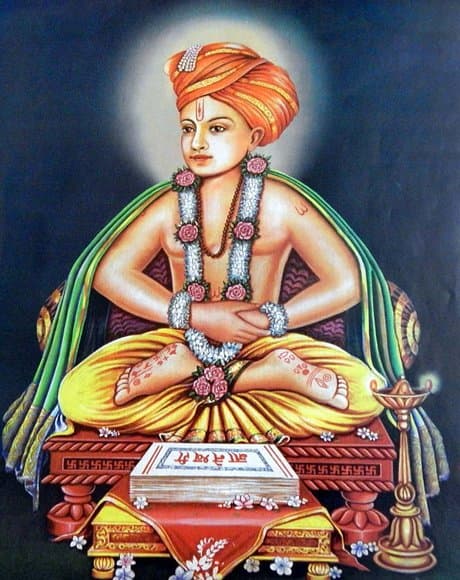
Jñāneśvar · Vārkarī
English28 *'There are also other ascetics of austere vows whose sacrifice consists in money gifts, whose sacrifice consists in penance, whose sacrifice consists in Godward devotion (Yoga); likewise those whose sacrifice consists in Vedic recitation as also in (the pursuit of) learning.* (140)
Some do sacrifices consisting of material (money gifts), some consisting of penances (तपोयज्ञ), and some consisting of Godward devotion (योगयज्ञ). Some make sacrifices of spoken words into spoken words and it may be called Sacrifice of Words (वाय्यज्ञ). The sacrifice that terminates in the realisation of the end of knowledge (the Brahman) through meditation, is called the Sacrifice (consisting) of knowledge. But, O Arjuna, it is very difficult to solve the riddles of all the sacrifices. But such as have established full control over their senses, do succeed in this on the strength of their spiritual energy. Having the excellence of mental energy at their command, and being endowed with the powers of Yoga, they are able to sacrifice their individual souls at the altar of the Supreme Soul.
Swami Ramsukhdas · Modern
English**'Yatayaḥ saṃśitavratāḥ'**—Non-violence, truth, non-stealing, celibacy and to refrain from hoarding—these five are yama, the five great vows. These five vows, have been very much eulogized, in the scriptures. The aim of these vows is, to enable a man to have disinclination for the world. The expression 'Saṃśitavratāḥ' (persons of rigid vows), has been used for the strivers, who fulfil these vows. Besides them, other strivers who perform the vows of the four other kinds of sacrifice, mentioned in the verse, are also persons of rigid vows. They have been called 'Yatayaḥ' (persons of self-restraint), because they having self-restraint, make efforts, in performing the sacrifice of their own choice and taste.
The term 'Yajñāḥ' (sacrifice), has not been used with the expression 'Saṃśitavratāḥ', as it has been used with the other four terms. 'Saṃśitavratāḥ' (person of rigid vows) has not been considered, a separate sacrifice.
'Dravyayajñāḥ'—The sacrifice of wealth, includes the construction of wells, tanks, temples and inns, as well as, offering of charity in the form of food, water, clothes, medicines and books etc. Those, who utilize their wealth and material possessions, for the welfare of others, without any selfish motive, by regarding these as of others only, offer their wealth, as sacrifice. To perform sacrifice, a man does not need to use anything more, than what he actually possesses. As a person, expects a child to perform, only the action which he is capable of performing, so does the omniscient Lord, and the world expect us to perform sacrifice, which we are capable of performing.
'Tapoyajñāḥ'—'Tapoyajñāḥ' (austerity as sacrifice), consists in facing difficult and unfavourable circumstances, happily. Observing fast and keeping mum, etc., are also austerities, as sacrifice. But, the best sacrifice, consists in the performance of one's duty happily, even in the most unfavourable circumstances, without the least deviation from it. Such austerity, proves fruitful quickly.
Rubbish may be harmful for health, but it works as a manure in farming. Similarly, unfavourable circumstances, work as austerity, if the striver faces these happily. A man feels happy in favourable circumstances and feels unhappy in unfavourable circumstances, because of his attachment to pleasure. If he is not attached to pleasure, he can understand, the merit of unfavourable circumstances.
'Yogayajñāstathāpare'—Here, the term 'Yoga', stands for equanimity. Evenness of mind in success and failure, praise and blame, honour and dishonour and pleasure and pain, is called 'Yogayajñā' (Yoga as sacrifice). In this sacrifice, a striver has neither attachment for favourable circumstances, nor aversion for unfavourable circumstances.
'Svādhyāyajñānayajñāḥ'—Study of the scriptures, such as the Gītā, the Rāmāyaṇa, the Bhāgavata, the Vedas and the Upaniṣad etc., as well as, the study of one's own self and inclinations—all constitute, the holy sacrifice of knowledge.
The Lord, while explaining the merit of the study of Gītā declares, 'He who studies this sacred dialogue (the Gītā) of ours, by him, I would be worshipped through the sacrifice of knowledge' (Gītā 18/70). It means, that the study of Gītā is a sacrifice of knowledge. He, who is lost in reflection, of the gospel of the Gītā and makes efforts to understand it, performs the sacrifice of knowledge.
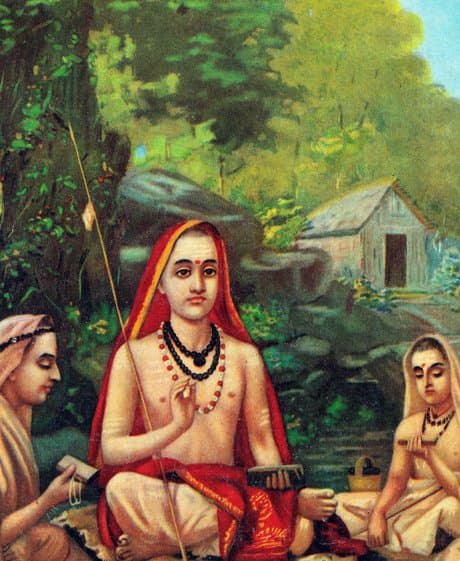
Ādi Śaṅkarācārya · Advaita
Sanskritद्रव्ययज्ञाः तीर्थेषु द्रव्यविनियोगं यज्ञबुद्ध्या कुर्वन्ति ये ते द्रव्ययज्ञाः । तपोयज्ञाः तपः यज्ञः येषां तपस्विनां ते तपोयज्ञाः । योगयज्ञाः प्राणायामप्रत्याहारादिलक्षणो योगो यज्ञो येषां ते योगयज्ञाः । तथा अपरे स्वाध्यायज्ञानयज्ञाश्च स्वाध्यायः यथाविधि ऋगाद्यभ्यासः यज्ञः येषां ते स्वाध्याययज्ञाः । ज्ञानयज्ञाः ज्ञानं शास्त्रार्थपरिज्ञानं यज्ञः येषां ते ज्ञानयज्ञाश्च यतयः यतनशीलाः संशितव्रताः सम्यक् शितानि तनूकृतानि तीक्ष्णीकृतानि व्रतानि येषां ते संशितव्रताः ॥ किञ्च --
Ādi Śaṅkarācārya · Advaita
Hindiजो यज्ञबुद्धिसे तीर्थादिमें द्रव्य लगाते हैं वे द्रव्ययज्ञा यानी द्रव्य-सम्बन्धी यज्ञ करनेवाले हैं ।
जो तपस्वी हैं वे तपोयज्ञा यानी तपरूप यज्ञ करनेवाले हैं । प्राणायाम-प्रत्याहाररूप योग ही जिनका यज्ञ है वे योगयज्ञा यानी योगरूप यज्ञ करनेवाले हैं ।
वैसे ही अन्य कई स्वाध्याययज्ञ और ज्ञानयज्ञ करनेवाले भी हैं । जिनका यथाविधि ऋग्वेद आदिका अभ्यासरूप स्वाध्याय ही यज्ञ है, वे स्वाध्याययज्ञ करनेवाले हैं और शास्त्रोंका अर्थ जाननारूप ज्ञान जिनका यज्ञ है वे ज्ञानयज्ञ करनेवाले हैं ।
इसी तरह कई यत्नशील संशित व्रतवाले हैं । जिनके व्रत-नियम अच्छी प्रकार तीक्ष्ण किये हुए यानी सूक्ष्म-शुद्ध किये हुए होते हैं वे पुरुष संशितव्रत कहलाते हैं
Jñāneśvar · Vārkarī
Marathiएक द्रव्ययज्ञु म्हणिपती । एक तपसामग्रिया निपजती । एक योगयागुही आहाती । जे सांगितले ॥ १४१ ॥
एकीं शब्दीं शब्दु यजिजे । तो वाग्यज्ञु म्हणिजे । ज्ञाने ज्ञेय गमिजे । तो ज्ञानयज्ञु ॥ १४२ ॥
हें अर्जुना सकळ कुवाडें । जे अनुष्ठितां अतिसांकडे । परी जितेंद्रियासीचि घडे । योग्यतावशें ॥ १४३ ॥
ते प्रवीण तेथ भले । आणि योगसमृद्धी आथिले । म्हणोनि आपणपां तिहीं केले । आत्महवन ॥ १४४ ॥
Jñāneśvar · Vārkarī
Hindi(4.141) ये जो यज्ञ मैंने कहे उनमें एक द्रव्ययज्ञ कहलाता है। एक तपस्वरूपी सामग्री से किया जाता है। एक को योगयज्ञ कहते हैं।
(4.142) एक में शब्द में शब्द का होम किया जाता है, उसे वाग्यज्ञ करते हैं जिसमें ज्ञान से ज्ञेय वस्तु प्राप्त की जाती है वह ज्ञानयज्ञ कहाता है। (4.143) हे अर्जुन! ये सब यज्ञ विकट हैं, क्योंकि इनका अनुष्ठान बहुत कठिन है। परन्तु ये जितेन्द्रिय मनुष्य को उसके योग्यतानुसार साध्य हो सकते हैं।
(4.144) वे इन यज्ञों में प्रवीण रहते हैं और योग्य-समृद्धि से संपन्न रहते हैं। इसलिए वे आत्मा में निज का हवन करते हैं।
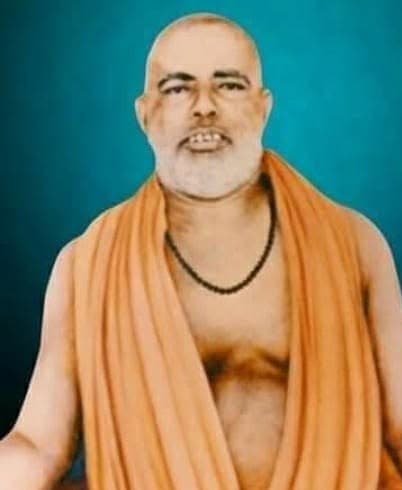
Sri Udiya Baba · Modern
Hindiभावार्थ— कोई द्रव्ययज्ञ करने वाले हैं, कोई तपोयज्ञ करते हैं और कोई योग-यज्ञ करने वाले हैं। इसी प्रकार कोई यत्नशील मुमुक्षु अभ्यासी दृढव्रती स्वाध्याय और ज्ञानयज्ञ करने वाले हैं।
व्याख्या— द्रव्ययज्ञ गृहस्थ मुमुक्षु करते हैं, जैसे सुपात्र को द्रव्यदान करना आदि, क्योंकि द्रव्य में भी जो दोष पैदा हो जाता है वह दान से ही शुद्ध होता है। जिस प्रकार कुएँ का जल कीड़ों से गन्दा होने पर बाहर निकालने से ही शुद्ध होता है। तपोयज्ञ चान्द्रायण व्रत आदि। तप बहुत हैं, परन्तु सबसे श्रेष्ठ यज्ञ प्राणायाम है। यह प्राणों की शान्ति है। योगयज्ञ अष्टाङ्ग योग द्वारा चित्त का निरोध करना है। स्वाध्याय यज्ञ वेद, शास्त्र, पुराण तथा विष्णु-सहस्रनाम आदि धर्मग्रन्थों का पाठ करना है। यह भी यज्ञ है, अतः स्वाध्याय से प्रमाद न करे। ज्ञानयज्ञ नित्यानित्य-विवेक, वेदान्तश्रवण तथा महावाक्यों के अर्थ का विचार करना है। जो घोर कष्ट आने पर भी व्रत को न छोड़ें वे संशितव्रत कहलाते हैं। एक बार किये हुए निश्चय को प्राणपण से पूरा करने वाले दृढव्रती कहे जाते हैं।
Swami Ramsukhdas · Modern
Hindi'यतयः संशितव्रताः'—अहिंसा, सत्य, अस्तेय (चोरीका अभाव), ब्रह्मचर्य और अपरिग्रह (भोग-बुद्धिसे संग्रहका अभाव)—ये पाँच 'यम' हैं*, जिन्हें 'महाव्रत' के नामसे कहा गया है। शास्त्रोंमें इन महाव्रतोंकी बहुत प्रशंसा, महिमा है। इन व्रतोंका सार यही है कि मनुष्य संसारसे विमुख हो जाय। इन व्रतोंका पालन करनेवाले साधकोंके लिये यहाँ 'संशितव्रताः' पद आया है। इसके सिवाय इस श्लोकमें आये चारों यज्ञोंमें जो-जो पालनीय व्रत अर्थात् नियम हैं, उनपर दृढ़ रहकर उनका पालन करनेवाले भी सब 'संशितव्रताः' हैं। अपने-अपने यज्ञके अनुष्ठानमें प्रयत्नशील होनेके कारण उन्हें 'यतयः' कहा गया है।
'संशितव्रताः' पदके साथ ('द्रव्ययज्ञाः', 'तपोयज्ञाः', 'योगयज्ञाः' और 'ज्ञानयज्ञाः' की तरह) 'यज्ञाः' पद नहीं दिया जानेके कारण इसे अलग यज्ञ नहीं माना गया है।
'द्रव्ययज्ञाः'—मात्र संसारके हितके उद्देश्यसे कुआँ, तालाब, मन्दिर, धर्मशाला आदि बनवाना, अभावग्रस्त लोगोंको अन्न, जल, वस्त्र, औषध, पुस्तक आदि देना, दान करना इत्यादि सब 'द्रव्ययज्ञ' हैं। द्रव्य-(तीनों शरीरोंसहित सम्पूर्ण पदार्थों-) को अपना और अपने लिये न मानकर निःस्वार्थभावसे उन्हींका मानकर उनकी सेवामें
लगानेसे द्रव्ययज्ञ सिद्ध हो जाता है।
शरीरादि जितनी वस्तुएँ हमारे पास हैं, उन्हींसे यज्ञ हो सकता है, अधिककी आवश्यकता नहीं है। मनुष्य बालकसे उतनी ही आशा रखता है, जितना वह कर सकता है, फिर सर्वत्र भगवान् तथा संसार हमसे हमारी क्षमतासे अधिककी आशा कैसे रखेंगे?
'तपोयज्ञाः'—अपने कर्तव्य-(स्वधर्म-) के पालनमें जो-जो प्रतिकूलताएँ, कठिनाइयाँ आयें, उन्हें प्रसन्नतापूर्वक सह लेना 'तपोयज्ञ' है। लोकहितार्थ एकादशी आदिका व्रत रखना, मौन धारण करना आदि भी 'तपोयज्ञ' अर्थात् तपस्यारूप यज्ञ हैं। परन्तु प्रतिकूल-से-प्रतिकूल परिस्थिति, वस्तु, व्यक्ति, घटना आनेपर भी साधक प्रसन्नतापूर्वक अपने कर्तव्यका पालन करता रहे—अपने कर्तव्यसे थोड़ा भी विचलित न हो तो यह सबसे बड़ी तपस्या है, जो शीघ्र सिद्धि देनेवाली होती है।
गाँवभरकी गन्दगी, कूड़ा-करकट बाहर एक जगह इकट्ठा हो जाय, तो वह बुरा लगता है; परन्तु वही कूड़ा-करकट खेतमें पड़ जाय, तो खेतीके लिये खादरूपसे बढ़िया सामग्री बन जाता है। इसी प्रकार प्रतिकूलता बुरी लगती है और उसे हम कूड़े-करकटकी तरह फेंक देते हैं अर्थात् उसे महत्त्व नहीं देते; परन्तु वही प्रतिकूलता अपना
* अहिंसासत्यास्तेयब्रह्मचर्यापरिग्रहा यमाः ॥ (योगदर्शन २।३०)
कर्तव्य-पालन करनेके लिये बढ़िया सामग्री है। इसलिये प्रतिकूल-से-प्रतिकूल परिस्थितिको सहर्ष सहनेके समान दूसरा कोई तप नहीं है। भोगोंमें आसक्ति रहनेसे अनुकूलता अच्छी और प्रतिकूलता बुरी लगती है। इसी कारण प्रतिकूलताका महत्त्व समझमें नहीं आता।
‘योगयज्ञस्तथापरे’—यहाँ योग नाम अन्तःकरणकी समताका है। समताका अर्थ है—कार्यकी पूर्ति और अपूर्तिमें, फलकी प्राप्ति और अप्राप्तिमें, अनुकूल और प्रतिकूल परिस्थितिमें, निन्दा और स्तुतिमें, आदर और निरादरमें सम रहना अर्थात् अन्तःकरणमें हलचल, राग-द्वेष, हर्ष-शोक, सुख-दुःखका न होना। इस तरह सम रहना ही ‘योगयज्ञ’ है।
‘स्वाध्यायज्ञानयज्ञाः’—केवल लोकहितके लिये गीता, रामायण, भागवत आदिका तथा वेद, उपनिषद् आदिका यथाधिकार मनन-विचारपूर्वक पठन-पाठन करना, अपनी वृत्तियोंका तथा जीवनका अध्ययन करना आदि सब स्वाध्यायरूप ‘ज्ञानयज्ञ’ है।
गीताके अन्तमें भगवान्ने कहा है कि जो इस गीता-शास्त्रका अध्ययन करेगा, उसके द्वारा मैं ज्ञानयज्ञसे पूजित होऊँगा—ऐसा मेरा मत है (अठारहवें अध्यायका सत्तरवाँ श्लोक)। तात्पर्य यह है कि गीताका स्वाध्याय ‘ज्ञानयज्ञ’ है। गीताके भावोंमें गहरे उतरकर विचार करना, उसके भावोंको समझनेकी चेष्टा करना आदि सब स्वाध्यायरूप ज्ञानयज्ञ है।
अपाने जुह्वति प्राणं प्राणेऽपानं तथापरे।
There are some who perform especially wealthy and opulent yajñas or offerings and worship known as artha yajñas. By this method they earn money honesty and donate it for temple worship and for articles of worship.
Others feed the poor or bear the expenses of feeding everyone at festivals of the Supreme Lord and His incarnations. Brahmins perform Yajñas and Homas or special ceremonies for birth and weddings and death.
All these are known as artha yajñas.
Others betake themselves to tapasyā yajñas or expiatory penances and strict austerities such as fasting.
Still others resort to yoga yajñas or the communion of the individual consciousness with the ultimate consciousness following the prescribed Vedic injunctions.
The communion referred to here is the individual communing by pilgrimage to holy places such as Kurukṣettra, to holy rivers like the Ganges, to holy Tirthas like Jagannātha Puri, to holy birthplaces like Lord Krishna's in Mathura.
This is what is meant by yoga yajñas.
Others exclusively perform svādhyāya yajña or the study of the Vedic scriptures. Others practice jñāna yoga or the cultivation of Vedic knowledge and contemplate and reflect on the purport of the Vedic scriptures to better understand them.
The word yatayaḥ means diligent and refers to yatis or renunciates who assiduously persevere to accomplish all that they vow to spiritually undertake.
The compound word saṃśita vratāḥ means they who have firm resolve and fixed determination and refers to the yatis.