

Bhagavad Gītā · Chapter 4 · Jñāna Karma Sannyāsa Yoga
गतसङ्गस्य मुक्तस्य ज्ञानावस्थितचेतसः
यज्ञायाचरतः कर्म समग्रं प्रविलीयते
gatasaṅgasya muktasya jñānāvasthitacetasaḥ|
yajñāyācarataḥ karma samagraṃ pravilīyate||
Word meanings
गतसङ्गस्य = of one whose attachment is gone
मुक्तस्य = of one who is liberated
ज्ञानावस्थित- = established in knowledge
यज्ञाय = for the sake of sacrifice
आचरतः = of one who acts
समग्रम् = entirely
कर्म = action
प्रविलीयते = melt away / dissolve
Translation
All his actions melt away, who is free from attachment, who has no identification with the body and does not claim it as his own, whose mind is established in the Knowledge of Self and who works merely for the sake of sacrifice.
Commentary
The commentators seated around this verse
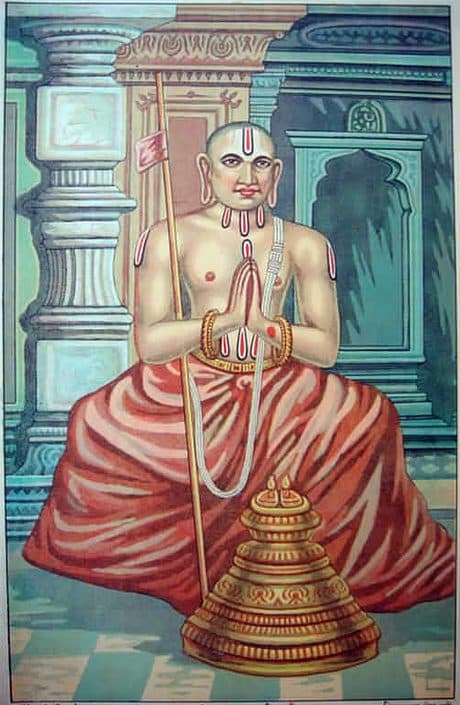
Rāmānuja · Viśiṣṭādvaita
English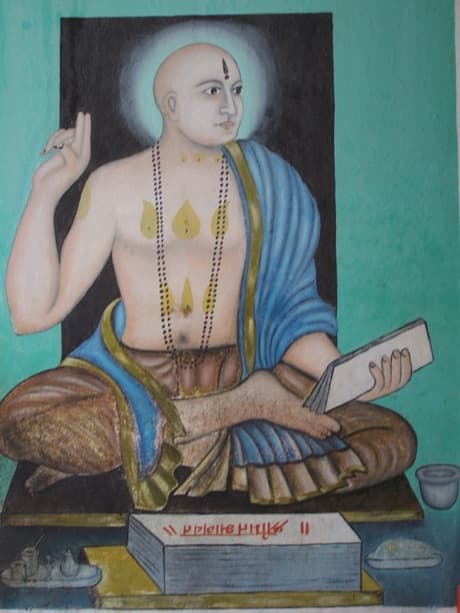
Madhvācārya · Dvaita
Madhva BhāṣyaSanskritEnglish“उपसंहरति गतसङ्गस्य इति | गतसङ्गस्य फलनेहरहितस्य | मुक्तस्य शरीराद्यनभिस्मानिनः | ज्ञानावस्थितचेतसः परमेश्वरज्ञानिनः |” - Sri Krishna summarizes saying गतसङ्गस्य - means being freed from desires and attachment to the fruits. मुक्तस्य means those liberated from pride of the body and ज्ञानावस्थितचेतसः means one who has established his wisdom in the Supreme Lord.
Madhvācārya · Dvaita
Gītā Tātparya NirṇayaSanskritEnglish“मुक्तस्य स्वतन्त्र्याभिनानात् - being liberated from all dependence means being freed from sense of pride.
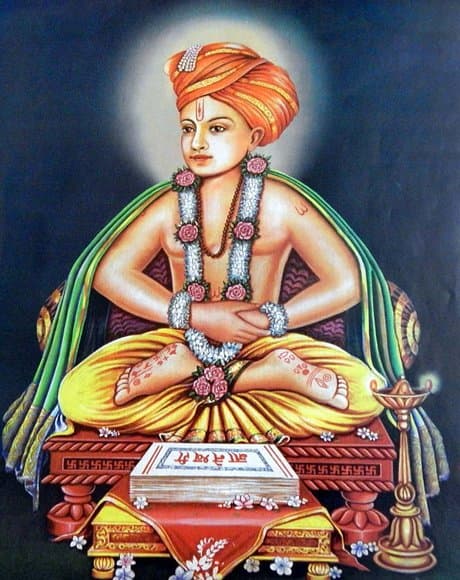
Jñāneśvar · Vārkarī
English23 'When one, freed from attachment, and with the mind firmly centred in knowledge, has won deliverance, (then) all the action, undertaken as and for a 'sacrifice,' entirely melts away. (115)
Although embodied in a human figure, he lives only as pure spirit. The tests of pure Brahman show him to be pure and spotless. Even so any sacrifices, and similar actions, religious ceremonials which he does in a playful way meet their final end by merging in his own pure soul. Just as clouds arising in the sky out of season, evaporate of themselves without any downpour; in the same way the prescribed religious sacrifices and other duties performed by him lose themselves in his absolute unitary spirit.
Swami Ramsukhdas · Modern
English[This verse, is an important one about the Discipline of Action, because only here, it is mentioned that all actions of a Karmayogī, are destroyed. Similarly, the thirty-sixth verse of the fourth chapter, is an important verse on the Discipline of Knowledge, while the sixty-sixth verse of the eighteenth chapter is an important verse, on the Discipline of Devotion.]
'Gatasaṅgasya'—Attachment, to actions, objects, incidents, circumstances and persons, leads to bondage i.e., the cause of birth of the soul in good and evil bodies (Gītā 13/21). When a man performs actions for the welfare of the world, without any selfish motive, he becomes free from attachment, for actions and objects.
In fact, a man (the self) is inherently detached,
(Bṛhadāraṇyaka 4/3/15). But in spite of being detached, he gets attached to the body, senses, mind, intellect, objects, circumstances, and men etc., by regarding these as his own, and is thus bound by desire for pleasure. So long as, he wants to satiate his desire, his attachment is enhanced. In fact, whatever is to happen, will happen and whatever is not to happen will not happen, whether one desires it or not. Therefore, he who has any desire, gets entangled in vain, and has to suffer pain.
A Karmayogī, considering the acquired things of the world, neither of his own nor for himself, utilizes these, in rendering service to the world. Thus the flow of things and actions, is towards the world and the self remains the same, as it is, non-attached.
He has no egoistic notion of rendering service to others because he thinks that he has discharged his debt by returning thing to the one to whom it belonged. If egoistic notion subsists, it binds a Karmayogī. It subsists only when he considers, the materials for service, as his own. When the subtle egoistic notion, is rooted, then only pure service remains. Moreover, he does not expect any reward, in the form of money, honour, praise, position and authority etc., because he does not lay claim to these. He wants, neither to be called a generous man, nor gets pleased if praised by calling him, generous, or derives pleasure out of his act of service. By doing selfless service, he gets placidity of mind. If that placidity is not enjoyed, he automatically realizes, axiomatic detachment.
'Muktasya'—A man (the soul), in spite of being different, from actions and objects, such as the body etc., assumes these as his own, because of desire, attachment and a sense of mine, and is thus bound. By following the Discipline of Action, when the assumed affinity is renounced, the Karmayogī becomes detached. This detachment leads him to liberation.
'Jñānāvasthitacetasaḥ'—He, who ever remains conscious of
the self, has his mind ever established in its knowledge. When he becomes conscious of the self, he gets established in the self. In fact, he had already been established in the self, but he only now realizes the fact.
In fact, knowledge is gained of the world, rather than of the self, because the self is an embodiment of knowledge. The world, consists of actions and objects. The self, being sentient, is different from insentient actions and objects. The self is their illuminator. As soon as, a striver realizes this fact, his affinity for actions and objects, is renounced and he realizes, that he is, naturally, established in the detached self.
'Yajñāyācarataḥ karma samagram pravilīyate'—One form of, 'Seeing inaction in action', is to work for the sake of sacrifice (yajña). Performance of actions for the welfare of others, without a selfish motive, is called 'Yajña', (sacrifice). He, who works for the sake of sacrifice, gets liberated, while he, who performs actions other than those, that are performed for the sake of sacrifice, is bound (Gītā 3/9).
Actions and objects, are the evolutes of nature (prakṛti). Both of them have a beginning and an end, i.e., they are perishable. They neither existed, before they were seen, nor will exist, when they have gone. It means, that in the middle, they merely seem to exist, but actually they do not exist, as it is a rule, that whatever does not exist, at the beginning and at the end, also does not exist in the middle (at present). But the self, the illuminator of objects and action, is sentient and remains stable. Though, It has no affinity for objects and actions, when It assumes its affinity, for them, it is bound. The method by which to be liberated from this bondage, is to work for the welfare of others, without having any selfish desire for fruit.
In the world, there are innumerable objects and undertakings, which one assumes as his own, by having attachment, desire and a sense of mine for these he gets bound when having
renounced attachment, desire and a sense of mine, he renders, service with them regarding them as of others', all his actions (of past as well as present) are dissolved, and he realizes, his natural detachment.
An Important Fact
(1) An agent, an instrument and action, are the threefold basis, of action (Gītā 18/18). Out of the three, the real basis is the agent, because the instrument and the action, depend on the agent.
If we give a serious thought to the topic, we come to realize, that a desire to act, arises, only when we have a desire to acquire something, or the other. The desire to act, makes us an agent, or a doer. This sense of doership, binds a man. When a man, performs an action with the desire to acquire anything, his sense of doership, is strengthened. But, when a Karmayogī, without having any desire to acquire anything, works for the sake of sacrifice i.e., for the welfare of others, his doership, is utilized for the welfare of others and he realizes, that he is detached from actions and objects etc. His actions are not accumulated as in the absence of doership, all his actions are neutralized.
In the Discipline of Action, renunciation of a sense of mine, is important, while in the Discipline of Knowledge, renunciation of 'egoism', is important. If a striver, renounces one of these, the other is automatically renounced. In the Discipline of Action, first there is renunciation of a sense of mine and then renunciation of egoism, naturally follows; while in the Discipline of Knowledge, the order is reversed. In absence of 'liness and 'mineness', the doership and enjoyership, both melt away.
When, a man of action, has neither a sense of doership, nor has any desire, he has not to reap the fruit of action, in the same way as a criminal has not to suffer torture or punishment, if he dies. When a person, does not want to reap the fruit of
his actions, all his actions are dissolved.
(2) In the ninth verse of this chapter, the Lord declared, 'He who thus knows, in their true nature, My divine birth and action, comes to Me.' The birth, can be divine only of the Lord, but actions of men, can also be divine. In the fourteenth verse of this chapter, the Lord declares, that his actions are divine, as he has no desire for the fruit of actions and thus, he is not bound by them i.e., his actions, change into inaction. In this way, if a striver, also performs actions, without expecting the fruit of actions, his actions also, change into inaction. Then, in the fifteenth verse, He declares, 'Having known this, men who sought liberation, also performed actions.' In the sixteenth verse, He resolves to teach the reality about action, while in the seventeenth verse, He declares that one should understand the true nature of action, of forbidden action and of inaction. In, the eighteenth verse, He declares, that he who see inaction in action and action in inaction, is wise among men.
Desire is the known root of actions. When desire is, enhanced, forbidden actions are performed, but when desire is renounced, actions are changed into inaction. The main purpose of the Lord, is to describe inaction, (from the sixteenth to the thirty-second verse). Therefore, He has described renunciation of desire, which is the root of actions and forbidden actions in each of the verses from the nineteenth to the twenty-third, along with inaction* and the topic has been concluded in the thirty-second verse.
* Examples of the renunciation of desires— 'Devoid of desires' (4/19); 'Having abandoned attachment to the fruit of action' (4/20); 'Having no hope or desire' (4/21); 'Satisfied with what comes to him by chance' (4/22) and 'Devoid of attachment' (4/23).
Examples of inaction—
'Actions have been burnt by the fire of knowledge' (4/19); 'He does nothing thought engaged in action' (4/20); 'While performing actions he incurs no sin' (4/21); 'Though acting he is not bound' (4/22); 'The whole action is dissolved' (4/23).
**Appendix**—One is ‘Kriyā’, one is ‘Karma’ and one is ‘Karmayoga’. The body passes from babyhood to youth and from youth to old age—this is ‘kriyā’. By this ‘Kriyā’ a man neither incurs sin nor virtue, it neither leads him to salvation nor to bondage. Similarly the flow of the river Ganges is mere a ‘kriyā’. If a man gets drowned in its current or it may prove helpful in farming etc., the Ganges does not incur any sin or virtue. When a man by assuming affinity with ‘kriyā’ becomes a doer viz., he does ‘kriyā’ for himself, then this ‘kriyā’ bears fruit and it becomes ‘Karma’ (action). Karma leads to bondage—‘yajñārthātkarmaṇo’nyatra loko’yaṁ karmabandhanaḥ’ (Gītā 3/9). In order to be free from the bondage of actions, when a man does nothing for himself but works for the welfare of others in a disinterested way, it is ‘Karmayoga’. By Karmayoga bondage for actions is destroyed—‘yajñāyācarataḥ karma samagraṁ pravīliyate’. With the annihilation of bondage ‘yoga’ is attained viz., eternal union with God is realized.
This twenty-third verse is the main verse of Karmayoga. As the Lord by the expression ‘jñānāgniḥ sarvakarmāṇi bhasmasāt kurute’ (Gītā 4/37) has declared that the fire of knowledge reduces all actions to ashes and by the expression ‘ahaṁ tvā sarvapāpebhyo mokṣayiṣyāmi mā śucaḥ’ (18/66) He has declared He will liberate a devotee from all sins, similarly in this verse He has declared by the expression ‘yajñāyācarataḥ karma samagraṁ pravīliyate’ that all the actions including past ones of a karmayogī melt away.
*Link:—In the preceding verse, the Lord declared, “All actions of a man, who works for the sake of sacrifice, are dissolved.” The term ‘sacrifice’, in this context, stands for duty, according to a person’s caste and order of life etc. Therefore, the Lord, in the next seven verses, explains several forms of sacrifice as duties, for the strivers, according to their inclination, faith and qualification.*
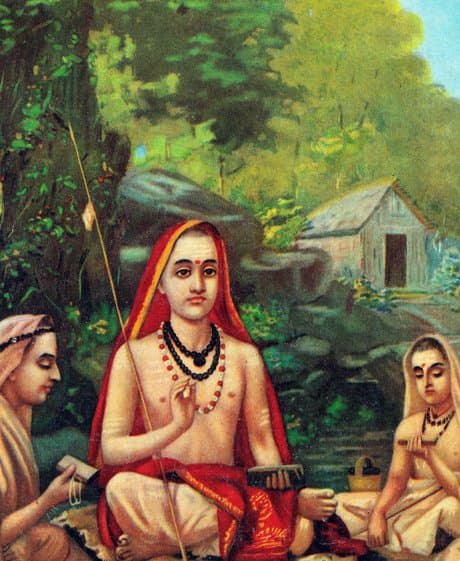
Ādi Śaṅkarācārya · Advaita
Sanskritगतसङ्गस्य सर्वतोनिवृत्तासक्तेः, मुक्तस्य निवृत्तधर्माधर्मादिबन्धनस्य, ज्ञानावस्थितचेतसः ज्ञाने एव अवस्थितं चेतः यस्य सोऽयं ज्ञानावस्थितचेताः तस्य, यज्ञाय यज्ञनिर्वृत्त्यर्थं आचरतः निर्वर्तयतः कर्म समग्रं सह अग्रेण फलेन वर्तते इति समग्रं कर्म तत् समग्रं प्रविलीयते विनश्यति इत्यर्थः ॥ कस्मात् पुनः कारणात् क्रियमाणं कर्म स्वकार्यारम्भं अकुर्वत् समग्रं प्रविलीयते इत्युच्यते यतः --
Ādi Śaṅkarācārya · Advaita
Hindiजो कर्म करना प्रारम्भ कर चुका है, ऐसा पुरुष जब कर्म करते-करते इस ज्ञानसे सम्पन्न हो जाता है कि 'निष्क्रिय ब्रह्म ही आत्मा है' तब अपने कर्ता, कर्म और प्रयोजनादिका अभाव देखनेवाले उस पुरुषके लिये कर्मोंका त्याग कर देना ही उचित होता है। किंतु किसी कारणवश कर्मोंका त्याग करना असम्भव होनेपर यदि वह पहलेकी तरह उन कर्मोंमें लगा रहे तो भी, वास्तवमें कुछ भी नहीं करता। इस प्रकार 'त्यक्त्वा कर्मफलासङ्गम्' इस श्लोकसे (ज्ञानीके) कर्मोंका अभाव (अकर्मत्व) दिखलाया जा चुका है। जिस पुरुषके कर्मोंका इस प्रकार अभाव दिखाया गया है, उसीके (विषयमें अगला श्लोक कहते हैं)—
जिस पुरुषकी सब ओरसे आसक्ति निवृत्त हो चुकी है, जिसके पुण्य-पापरूप बन्धन छूट गये हैं, जिसका चित्त निरन्तर ज्ञानमें ही स्थित है, ऐसे केवल यज्ञसम्पादनके लिये ही कर्मोंका आचरण करनेवाले
उस सङ्गृहीन मुक्त और ज्ञानावस्थितचित्त पुरुषके समग्र कर्म विलीन हो जाते हैं। 'अग्न' शब्द फलका वाचक है। उसके सहित कर्मोंको समग्र कर्म कहते हैं, अतः यह अभिप्राय हुआ कि उसके फलसहित समस्त कर्म नष्ट हो जाते हैं
Jñāneśvar · Vārkarī
Marathiतो देहसंगे तरी असे । परी चैतन्यासारिखा दिसे । पाहतां परब्रह्माचेनि कसें । चोखाळु भला ॥ ११५ ॥
ऐसाही परी कौतुकें । जरी कर्मे करी यज्ञादिकें । तरी तियें लया जाती अशेखें । तयाचांचि ठायीं ॥ ११६ ॥
अकाळींची अभ्रें जैसी । उर्मीविण आकाशीं । हारपती आपैशीं । उदयलीं सांती ॥ ११७ ॥
तैशीं विधीविधान विहितें जरी आचरे तो समस्तें । तरी तियें ऐक्यभावें ऐक्यातें । पावतीचि गा ॥ ११८ ॥
Jñāneśvar · Vārkarī
Hindi(4.115) वह देह के संग से रहता है, परन्तु ब्रह्मस्वरूप के समान जान पड़ता है, और परब्रह्म की कसौटी से देखते अत्यन्त शुद्ध दिखाई देता है।
(4.116) इस पर भी यदि वह कुतूहल से यज्ञादिक कर्म करे तो वे सम्पूर्ण कर्म उसी में लय को प्राप्त होते हैं।
(4.117) जैसे अनवसर से आये हुए मेघ बरसे बिना ही उत्पन्न होने के साथ आकाश में लुप्त हो जाते हैं; (4.118) जैसे ही यद्यपि वह मनुष्य यज्ञादि-विहित कर्मों का अनुष्ठान करता है, तथापि वे कर्म उसके ऐक्यभाव के कारण एकत्व को ही प्राप्त होते हैं।
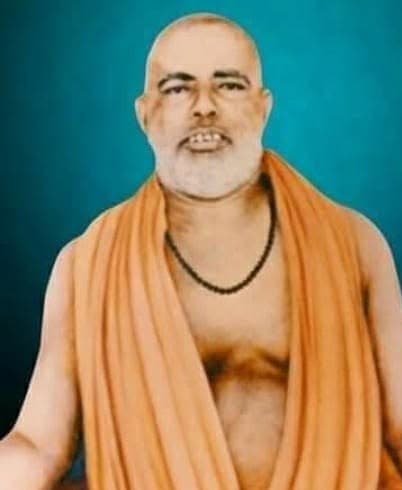
Sri Udiya Baba · Modern
Hindiसंगति— इन श्लोकों से सिद्ध होता है कि बोधवान् भी कर्म करता है। अतः कहते हैं—
भावार्थ— जो आसक्तिरहित और मुक्त है तथा जिसका चित्त आत्मज्ञान में स्थित है और जो केवल यज्ञ के निमित्त से कर्म करता
हे उस पुरुष के सब कर्म लीन हो जाते हैं। अर्थात् कर्मों के द्वारा वह बन्धन में नहीं पड़ता।
व्याख्या— उपर्युक्त श्लोक में 'गतसङ्गस्य' के पश्चात् 'मुक्तस्य' आया है। इसका तात्पर्य यह है कि असंग होने पर उसी क्षण मुक्त हो जाता है। अर्थात् निरन्तर ब्रह्माकार-वृत्ति के द्वारा जिसकी अहन्ता-ममता नष्ट हो गयी है वह गतसङ्ग ही मुक्त है। किन्तु असंग होते ही मुक्त हो जाता है—यह सुनकर प्रमादवश ऐसा न समझ लें कि अब मैं स्वतन्त्र हूँ, चाहे कुछ भी करूँ। इसलिये उसके पश्चात् ही कहते हैं 'ज्ञानावस्थितचेतसः' अर्थात् जिसका चित्त आत्मज्ञान में स्थित है। सर्वज्ञ ब्रह्मदृष्टि होने के कारण वह यज्ञार्थ कर्म करता हुआ भी कर्म करता हुआ भी कर्म से नहीं बँधता। अर्थात् उससे फिर फलरूप अंकुर नहीं उगता। उसकी दृष्टि में आत्मा से भिन्न सम्पूर्ण जगत् का अभाव हो जाता है। वह सीपी में चाँदी के समान सभी का अत्यन्ताभाव देखता है। ऐसा पुरुष यज्ञ (भगवान् विष्णु) के लिये आचरण करता हुआ भी पुण्य-पाप के बन्धन से नहीं बँधता, क्योंकि उसकी दृष्टि में सम्पूर्ण जगत् ब्रह्मस्वरूप है।
Swami Ramsukhdas · Modern
Hindi[कर्मयोगीके सम्पूर्ण कर्मोंके विलीन होनेकी बात गीताभरमें केवल इसी श्लोकमें आयी है, इसलिये यह कर्मयोगका मुख्य श्लोक है। इसी प्रकार चौथे अध्यायका छत्तीसवाँ श्लोक ज्ञानयोगका और अठारहवें अध्यायका छाछठवाँ श्लोक भक्तियोगका मुख्य श्लोक है।]
**‘गतसङ्गस्य’**—क्रियाओंका, पदार्थोंका, घटनाओंका, परिस्थितियोंका, व्यक्तियोंका जो संग है, इनके साथ जो हृदयसे लगाव है, वही वास्तवमें बाँधनेवाला अर्थात् जन्म-मरण देनेवाला है (गीता—तेरहवें अध्यायका इक्कीसवाँ श्लोक)। स्वार्थभावको छोड़कर केवल लोगोंके हितके लिये, लोकसंग्रहार्थ कर्म करते रहनेसे कर्मयोगी क्रियाओं, पदार्थों आदिसे असंग हो जाता है अर्थात् उसकी आसक्ति सर्वथा मिट जाती है।
वास्तवमें मनुष्य स्वरूपसे असंग ही है—**‘असंगो ह्ययं पुरुषः’** (बृहदारण्यक० ४। ३। १५)। किंतु असंग होते हुए भी यह शरीर, इन्द्रियाँ, मन, बुद्धि, पदार्थ, परिस्थिति, व्यक्ति आदिसे सम्बन्ध मानकर सुखकी इच्छासे उनमें आबद्ध हो जाता है। मेरी मनचाही हो अर्थात् जो मैं चाहता हूँ, वही हो और जो मैं नहीं चाहता, वह नहीं हो—ऐसा भाव जबतक रहता है, तबतक यह संग बढ़ता ही रहता है। वास्तवमें होता वही है, जो होनेवाला है। जो होनेवाला है उसे चाहें या न चाहें, वह होगा ही; और जो नहीं होनेवाला है, उसे चाहें या न चाहें, वह नहीं होगा। अतः अपनी मनचाही करके मनुष्य व्यर्थमें (बिना कारण) फँसता है और दुःख पाता है।
कर्मयोगी संसारसे मिली हुई शरीरादि वस्तुओंको अपनी और अपने लिये न मानकर उन्हें संसारकी ही मानकर संसारकी सेवामें अर्पण कर देता है। इससे वस्तुओं और क्रियाओंका प्रवाह संसारकी ओर ही हो जाता है और अपना असंग स्वरूप ज्यों-का-त्यों रह जाता है।
कर्मयोगीका ‘अहम्’ भी सेवामें लग जाता है। तात्पर्य यह है कि उसके भीतर ‘मैं सेवक हूँ’ यह भाव भी नहीं रहता। यह भाव तो मनुष्यको सेवकपनेके अभिमानसे बाँध देता है। सेवकपनेका अभिमान तभी होता है, जब सेवा-सामग्रीके साथ अपनापन होता है। सेवाकी वस्तु उसीकी थी, उसीको दे दी तो सेवा क्या हुई? हम तो उससे उच्छृण हुए। इसलिये सेवक न रहे, केवल सेवा रह जाय। यह भाव रहे कि सेवाके बदलेमें धन, मान, बड़ाई, पद, अधिकार आदि कुछ भी लेना नहीं है; क्योंकि उसपर
हमारा हक ही नहीं लगता। उसे स्वीकार करना तो अनधिकार चेष्टा है। लोग मेरेको सेवक कहें—ऐसा भाव भी न रहे और यदि वे कहें तो उसमें राजी भी न हो। इस प्रकार संसारकी वस्तुओंको संसारकी सेवामें सर्वथा लगा देनेसे अन्तःकरणमें एक प्रसन्नता होती है। उस प्रसन्नताका भी भोग न किया जाय तो स्वतःसिद्ध असंगताका अनुभव हो जाता है।
**‘मुक्तस्य’**—जो अपने स्वरूपसे सर्वथा अलग हैं, उन क्रियाओं और शरीरादि पदार्थोंसे अपना सम्बन्ध न होते हुए भी कामना, ममता और आसक्तिपूर्वक उनसे अपना सम्बन्ध मान लेनेसे मनुष्य बँध जाता है अर्थात् पराधीन हो जाता है। कर्मयोगका अनुष्ठान करनेसे जब माना हुआ (अवास्तविक) सम्बन्ध मिट जाता है, तब कर्मयोगी सर्वथा असंग हो जाता है। असंग होते ही वह सर्वथा मुक्त हो जाता है अर्थात् स्वाधीन हो जाता है।
**‘ज्ञानावस्थितचेतसः’**—जिसकी बुद्धिमें स्वरूपका ज्ञान नित्य-निरन्तर जाग्रत् रहता है, वह **‘ज्ञानावस्थितचेतसः’** है। स्वरूप-ज्ञान होते ही उसकी स्वरूपमें स्थिति हो जाती है, जो वास्तवमें पहलेसे ही थी।
वास्तवमें ज्ञान संसारका ही होता है। स्वरूपका ज्ञान नहीं होता; क्योंकि स्वरूप स्वतःज्ञानस्वरूप है। क्रिया और पदार्थ ही संसार है। क्रिया और पदार्थका विभाग अलग है तथा स्वरूपका विभाग अलग है अर्थात् क्रिया और पदार्थका स्वरूपके साथ किंचिन्मात्र भी सम्बन्ध नहीं है। क्रिया और पदार्थ जड़ हैं तथा स्वरूप चेतन है। क्रिया और पदार्थ प्रकाश्य हैं तथा स्वरूप प्रकाशक है। इस प्रकार क्रिया और पदार्थकी स्वरूपसे भिन्नताका ठीक-ठीक ज्ञान होते ही क्रिया और पदार्थरूप संसारसे सम्बन्ध-विच्छेद होकर स्वतःसिद्ध असंग स्वरूपमें स्थितिका अनुभव हो जाता है।
**‘यज्ञायाचरतः कर्म समग्रं प्रविलीयते’**—‘कर्ममें अकर्म’ देखनेका ही एक प्रकार है—‘यज्ञार्थ कर्म’ अर्थात् यज्ञके लिये कर्म करना। निःस्वार्थभावसे केवल दूसरोंके हितके लिये कर्म करना ‘यज्ञ’ है। जो यज्ञके लिये ही सम्पूर्ण कर्म करता है, वह कर्म-बन्धनसे मुक्त हो जाता है और जो यज्ञके लिये कर्म नहीं करता अर्थात् अपने लिये कर्म करता है, वह कर्मोंसे बँध जाता है—**‘यज्ञार्थकर्मणोऽन्यत्र लोकोऽयं कर्मबन्धनः’** (गीता ३। ९)।
प्रकृतिका कार्य है—क्रिया और पदार्थ। इन दोनोंमें क्रियाका भी आदि और अन्त होता है तथा पदार्थका भी
आदि और अन्त होता है। क्रिया आरम्भ होनेसे पहले भी नहीं थी और समाप्त होनेके बाद भी नहीं रहेगी, इसलिये बीचमें भी वह नहीं है—ऐसा सिद्ध हुआ। इसी प्रकार पदार्थ उत्पन्न होनेसे पहले भी नहीं था और नष्ट होनेके बाद भी नहीं रहेगा, इसलिये बीचमें भी वह नहीं है—यह सिद्ध हुआ; क्योंकि यह सिद्धान्त है कि जो वस्तु आदि और अन्तमें नहीं होती, वह मध्य (वर्तमान)-में भी नहीं होती। परन्तु चेतन स्वरूपका आदि और अन्त नहीं होता, वह सदा अक्रियरूपसे ज्यों-का-त्यों रहता है। वह चेतन-तत्त्व क्रिया और पदार्थ—दोनोंका प्रकाशक है। इस प्रकार क्रिया और पदार्थके साथ किंचिन्मात्र भी सम्बन्ध न होते हुए भी जब वह इनके साथ अपना सम्बन्ध मान लेता है, तब वह बँध जाता है। इस बन्धनसे छूटनेका उपाय है—फलेच्छाका त्याग करके केवल दूसरोंके हितके लिये कर्म करना।
संसारमें अनेक प्रकारकी क्रियाएँ हो रही हैं और अनेक प्रकारके पदार्थ विद्यमान हैं। परन्तु मनुष्य जिन क्रियाओं और पदार्थोंसे आसक्ति, ममता और कामनापूर्वक अपना सम्बन्ध मानता है, उन्हीं क्रियाओं और पदार्थोंसे वह बँधता है। जब मनुष्य कामना, ममता और आसक्तिका त्याग करके केवल दूसरोंके हितके लिये सम्पूर्ण कर्म करता है और मिले हुए पदार्थोंको दूसरोंका ही मानकर उनकी सेवामें लगाता है, तब कर्मयोगीके सम्पूर्ण (क्रियमाण, संचित और प्रारब्ध) कर्म विलीन हो जाते हैं अर्थात् उसे कर्मोंके साथ अपनी स्वतःसिद्ध असंगताका अनुभव हो जाता है।
विशेष बात
(१) कर्ता, करण और कर्म—इन तीनोंके मिलनेसे कर्मोंका संचय होता है (गीता—अठारहवें अध्यायका अठारहवाँ श्लोक)। यदि कर्तापन न रहे तो कर्मोंका संग्रह नहीं होता; क्योंकि करण और कर्म—दोनों कर्ताके ही अधीन हैं। अतः कर्मसंचयका मुख्य हेतु कर्तापन ही है।
विचारपूर्वक देखा जाय तो कुछ-न-कुछ पानेकी इच्छासे ही करनेकी इच्छा उत्पन्न होती है, जिससे कर्तापन उत्पन्न होता है। कर्तापनसे बन्धन होता है। जब मनुष्य पानेकी इच्छासे अपने लिये कर्म करता है, तब उसका
कर्तापन दृढ़ हो जाता है। जब कर्मयोगी पानेकी इच्छाका त्याग करके केवल यज्ञके लिये अर्थात् दूसरोंके हितके लिये कर्म करता है, तब उसका कर्तापन दूसरोंके लिये होता है; इससे उसे अपनी असंगताका अनुभव हो जाता है। इसलिये उसके द्वारा होनेवाले कर्मोंका संचय नहीं होता। कारण कि जब आधार (कर्तापन) ही नहीं रहा, तब कर्म टिकेंगे ही कहाँ?
कर्मयोगमें 'ममता'-(मेरा-पन-) का त्याग और ज्ञानयोगमें 'अहंता' (मैं-पन-) का त्याग मुख्य है। ममताका त्याग होनेसे अहंताका और अहंताका त्याग होनेसे ममताका त्याग स्वतः हो जाता है। इसलिये कर्मयोगमें पहले 'ममता' मिटती है, फिर 'अहंता' स्वतः मिट जाती है, और ज्ञानयोगमें पहले 'अहंता' मिटती है, फिर 'ममता' स्वतः मिट जाती है। अहंता और ममताके मिटनेपर कर्तापन और भोक्तापन भी मिट जाते हैं।
कर्मयोगी अपने लिये कोई कर्म करता ही नहीं और कुछ चाहता ही नहीं; अतः वह कर्मोंके फलका भोक्ता नहीं बनता। जैसे, एक व्यक्तिको यहाँ कई दण्ड भोगने हैं। परन्तु वह मर जाय तो यहाँ उसके सभी दण्ड समाप्त हो जाते हैं; क्योंकि जब भोगनेवाला व्यक्ति ही नहीं रहा, तब दण्ड भोगेगा ही कौन? ऐसे ही जब कर्मयोगीका भोक्तापन मिट जाता है, तब उसके सभी कर्म समाप्त हो जाते हैं; क्योंकि जब भोक्ता ही नहीं रहा, तब कर्मोंका फल भोगेगा ही कौन?
(२) इसी अध्यायके नवें श्लोकमें भगवान्ने कहा कि मेरे जन्म और कर्म दिव्य हैं—इस प्रकार जो मनुष्य तत्त्वसे जान लेता है, वह मेरेको प्राप्त होता है। जन्म तो केवल भगवान्के ही दिव्य होते हैं, पर कर्म मनुष्यमात्रके भी (यदि वे करना चाहें तो) दिव्य हो सकते हैं। अतः इसी अध्यायके चौदहवें श्लोकमें भगवान् अपने कर्मोंकी दिव्यताका कारण बताते हैं कि कर्मोंके फलमें मेरी स्मृहा नहीं है, इसलिये मुझे कर्म लिप्त नहीं करते अर्थात् मेरे कर्म अकर्म हो जाते हैं। इस प्रकार कर्मोंका तत्त्व जानकर जो कर्म करता है, उसके भी कर्म अकर्म हो जाते हैं। फिर पंद्रहवें श्लोकमें भगवान्ने कहा कि मुमुक्षुओंने भी इसी प्रकार जानकर कर्म किये हैं। इसके बाद सोलहवें श्लोकमें भगवान् कर्मोंका तत्त्व कहनेकी प्रतिज्ञा करते हैं, और
१-आदावन्ते च यन्नास्ति वर्तमानेऽपि तत्तथा। (माण्डूक्यकारिका ४। ३१)
२-अहंताके साथ भी ममता रहती है; जैसे—मेरा अहंकार। इसलिये कर्मयोगमें ममताका सर्वथा त्याग होनेपर अहंताके साथ भी ममता नहीं रहती। फिर अहंता (कथनमात्रके लिये) केवल संसारकी सेवाके लिये रह जाती है।
सत्रहवें श्लोकमें कहते हैं कि कर्म, विकर्म और अकर्म—तीनोंका तत्त्व जानना चाहिये। फिर अठारहवें श्लोकमें भगवान्ने मुख्यरूपसे कर्मोंका तत्त्व (अकर्म अथवा निलिप्तता) बतलाया।
कामनासे 'कर्म' होते हैं, कामनाके बढ़नेपर 'विकर्म' होते हैं और कामनाका अत्यन्त अभाव होनेसे 'अकर्म' होता
है। मूलमें इस (सोलहवेंसे बत्तीसवें श्लोकतकके) प्रकरणका तात्पर्य 'अकर्म' का वर्णन करना ही है। इसीलिये भगवान्ने कर्म और विकर्म—दोनोंके मूल कारण 'कामना' के त्यागका तथा 'अकर्मका' वर्णन उन्नीसवेंसे तेईसवें श्लोकतक प्रत्येक श्लोकमें किया है\* और अन्तमें बत्तीसवें श्लोकमें इस प्रकरणका उपसंहार किया है।
**परिशिष्ट भाव**—एक 'क्रिया' होती है, एक 'कर्म' होता है और एक 'कर्मयोग' होता है। शरीर बालकसे जवान तथा जवानसे बूढ़ा होता है—यह 'क्रिया' है। क्रियासे न पाप होता है, न पुण्य; न बन्धन होता है, न मुक्ति। जैसे, गंगाजीका बहना क्रिया है; अतः कोई डूबकर मर जाय अथवा खेती आदि कोई परोपकार हो जाय तो गंगाजीको पाप-पुण्य नहीं लगता। जब मनुष्य क्रियासे सम्बन्ध जोड़कर कर्ता बन जाता है अर्थात् अपने लिये क्रिया करता है, तब वह क्रिया फलजनक 'कर्म' बन जाती है। कर्मसे बन्धन होता है—'यज्ञार्थात्कर्मणोऽन्यत्र लोकोऽयं कर्मबन्धनः' (गीता ३।९)। कर्मबन्धनसे छूटनेके लिये जब मनुष्य अपने लिये कुछ नहीं करता, प्रत्युत निःस्वार्थभावसे केवल दूसरोंके हितके लिये ही कर्म करता है, तब वह 'कर्मयोग' हो जाता है। कर्मयोगसे बन्धन मिटता है—'यज्ञायाचरतः कर्म समग्रं प्रविलीयते'। बन्धन मिटनेसे योग हो जाता है अर्थात् परमात्माके साथ नित्य-सम्बन्धका अनुभव हो जाता है।
यह तेईसवाँ श्लोक कर्मयोगका मुख्य श्लोक है। जैसे भगवान्ने 'ज्ञानाग्निः सर्वकर्माणि भस्मसात्कुरुते' (४।३७) पदोंसे ज्ञानाग्निके द्वारा ज्ञानयोगीके सम्पूर्ण पाप भस्म होनेकी बात कही है और 'अहं त्वा सर्वपापेभ्यो मोक्षयिष्यामि' (१८।६६) पदोंसे भक्तके सम्पूर्ण पाप नष्ट होनेकी बात कही है, ऐसे ही इस श्लोकमें 'यज्ञायाचरतः कर्म समग्रं प्रविलीयते' पदोंसे कर्मयोगीके समग्र कर्म (पाप) नष्ट होनेकी बात कही है।
सम्बन्ध—पूर्वश्लोकमें भगवान्ने बताया कि यज्ञके लिये कर्म करनेसे सम्पूर्ण कर्म विलीन हो जाते हैं। साधकोंकी रुचि, विश्वास और योग्यताकी भिन्नताके कारण साधन भी भिन्न-भिन्न प्रकारके होते हैं। इसलिये अब आगेके सात श्लोकोंमें (चौबीसवेंसे तीसवें श्लोकतक) भगवान् भिन्न-भिन्न प्रकारके साधनोंका 'यज्ञ' रूपसे वर्णन करते हैं।
By one's mind being entirely engrossed in ātma tattva or soul realisation the attachment to worldly things has naturally been withdrawn.
So automatically conceptions of ownership proprietorship are abandoned and realising the reality of the Supreme Being and the importance of propitiation to Him
one lives their life in such a way that every action they perform is a yajña or worship and offering to the Supreme Lord Krishna.
All past accumulated reactions resulting from previous actions which bind one so terribly to the material existence are completely evaporated without any residue.
The spiritual intelligence of performing all actions in the perspective of the ātma or soul rather than from the perspective of being immersed within the sense gardens of material nature has been explained.
The next verse reveals the even higher perspective of comprehending that spirit behind all activities and their factors of performance is the Supreme Spirit the Supreme Lord.