

Bhagavad Gītā · Chapter 3 · Karma Yoga
नियतं कुरु कर्म त्वं कर्म ज्यायो ह्यकर्मणः
शरीरयात्रापि च ते न प्रसिद्ध्येदकर्मणः
niyataṃ kuru karma tvaṃ karma jyāyo hyakarmaṇaḥ|
śarīrayātrāpi ca te na prasiddhyedakarmaṇaḥ||
Word meanings
त्वम् = you
नियतम् = prescribed
कर्म = duty
कुरु = do
हि = for
अकर्मणः = than inaction
कर्म = action
ज्यायः = is superior
च = and
अकर्मणः = by not acting
ते = your
शरीरयात्रा = the maintenance of the body
अपि = also
न, प्रसिद्ध्येत् = would not be accomplished
Translation
Therefore, do you perform your allotted duty; for action is superior to inaction. Desisting from action, you cannot even maintain your body.
Commentary
The commentators seated around this verse

Rāmānuja · Viśiṣṭādvaita
English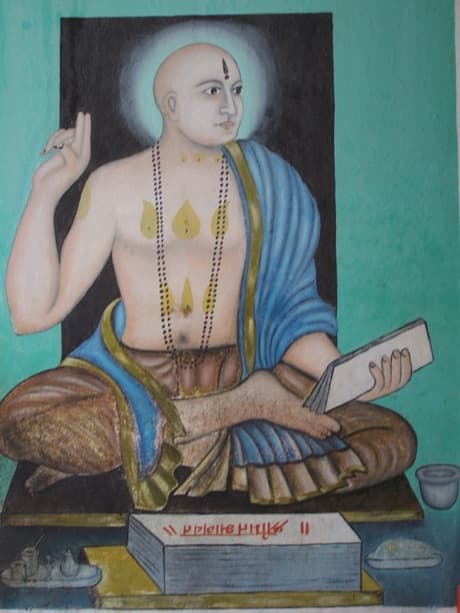
Madhvācārya · Dvaita
SanskritEnglishOn verses 3.8–3.9
“अतो नियतम् वर्णाश्रमोचितं कर्म कुरु | कर्मणा वध्यते जन्तुः इति कर्म वन्धकं स्मृतमित्यत आह – यज्ञार्थाद् इति | कर्म वन्धनं यस्य, लोकस्य, स कर्मबन्धनः | यज्ञो वै विष्णुः | यज्ञार्थं सङ्गारहितं कर्म न वन्धकम् इत्यर्थः मुक्तसङ्ग इति विशेषणात् | कामान् यः कामयते इति श्रुतेश्च | अनिष्टमिष्टम् इति वक्ष्यमाणत्वाच्च | एतान्यपितु इति च | तस्मान्नेष्टयाजुका स्यात् इति च | विशेषवचनत्वे समेऽपि विशेषणं परिशिष्यते ||” – Perform actions as appropriate to your status and stage in life. The creatures are bound by actions, thus the bondage of actions is spoken in the scriptures with यज्ञार्थाद् - as and by way of sacrifice. Further saying the actions which create bondage for the people are called action bound. Clarifying that sacrifice being verily Sri Vishnu himself. Action performed as and by way of sacrifice do not create bondage qualifying further with the word मुक्तसङ्ग which means free of attachments, which is the qualifying statement. 'One who craves for desires' says the scripture when it refers in earlier statement. Inappropriate and appropriate, perform actions without attachment, no sacrifice should be performed with intent for fruits - all these statements are spoken in Upanishads. Similar statements are also seen here as qualified statements.

Jñāneśvar · Vārkarī
English8 "Do thou engage in action that is appointed; for action is greater than no-action. Even the carrying on of thy body's (vital) functions cannot be achieved by actionlessness. (77)
It is not possible in this world to be action-free. Pray consider well, why you should then follow the prohibited course? You should therefore perform, with no modifications, whatever duty befalls you from time to time. One more interesting thing I tell you, O Partha. Doing your duty in such a way brings about emancipation automatically. One who performs his duty prescribed by the Scriptures, following the procedure laid down, without any object in view, decidedly attains salvation through these actions.
Swami Ramsukhdas · Modern
English'Niyatam kuru karma tvam'— A man is permitted to perform two types of actions—those as laid down in the scriptures such as, fasts and worship etc., and the allotted duty according to one's caste, order of life, nature and circumstance, such as eating food, doing business, construction of a house and guiding a person who has lost his way and so on. A man cannot perform all actions as laid down in the scriptures, thoroughly. But he can very easily abandon the forbidden actions; non-performance of prescribed actions is not very harmful. Abandonment of forbidden actions, such as falsehood, theft and violence etc., is very beneficial. When he abandons forbidden actions, actions sanctioned by the scriptures, are automatically performed by him.
In the Discipline of Action, action according to one's caste and sanctioned by the scriptures, is one's allotted duty, whether it is terrible or mild. Here Lord Kṛṣṇa explains to Arjuna, that as a Kṣatriya (member of the warrior class) it is his duty to fight (Gītā 18/43). Though the action involves violence and bloodshed, yet it is his allotted duty. In the second chapter also, the Lord told him that having regard for his own duty he should not falter (Gītā 2/31). In fact 'svadharma' (One's own duty) and 'niyatakarma' (allotted duty), both are one and the same. For Duryodhana being a member of the warrior class, it was his duty to fight, yet it was not his allotted duty, as being unjust he wanted to usurp the Pāṇḍava's kingdom. For him, it was not a righteous and prescribed, duty.
'Karma jyāyo hyakarmaṇaḥ'—The Lord, in this verse is, answering the question put in the first verse, by using the same term 'jyāyaḥ' (superior). There, Arjuna put the question why He was urging him to perform the terrible action of waging the war, when according to Him knowledge was superior to action. In response to his question the Lord declared, a
person following the path of action, to be superior to person, following the path of inaction. Thus, Arjuna wants to escape the battle, while the Lord exhorts him to fight, as it is his allotted duty. Therefore, the Lord in the eighteenth chapter declares, 'One should not abandon the duty suited to one's nature, even though it may be easy' (18/48), because by abandoning it, one is exposed to sin and one continues to be attached to it. Therefore, performance of allotted duty, is superior to renunciation of actions. Performance of actions without attachment, is far superior to those performed with attachment, because by doing so, affinity for actions is totally renounced. Therefore, the Lord in the first half of this verse, orders Arjuna to perform his allotted duty without attachment, while in the second half He declares that maintenance of the body would not be possible by inaction either.
In the Discipline of Action the Lord's main principle is 'Action is superior to inaction.' The same fact has been pointed out by the Lord, when he declares, 'Let not thy attachment be to inaction' (Gītā 2/47). The reason is, that he who shirks his duty wastes his time in heedlessness, laziness and sleep or performs forbidden actions, which mislead him to a downfall.
It is better to be detached from actions by performing them, rather than through their non-performance. A person is in bondage, due to desire, attachment, partiality etc., whether he performs actions or not. In the path of action, if a striver has the aim to renounce desire, it can be renounced very easily, through the performance of action for the good of others.
'Śarīrayātrāpi ca te na prasiddhyedakarmaṇaḥ'— Arjuna had a misconception in his mind, that his affinity for actions would be automatically renounced, if he did not perform action. Therefore, Lord Kṛṣṇa persuades him to perform actions by several pleas, one of these was, that even the maintenance of body would not be possible, by inaction.
As in the Discipline of Knowledge, affinity for the world is renounced by discrimination, in the Discipline of Action, affinity is renounced by performing one's duty sincerely and thoroughly. Therefore, the Discipline of Action, should in no way be regarded as inferior to the Discipline of Knowledge. A Karmayogī, regarding the body as belonging to the world, uses it in rendering service to the world i.e., he has no sense of 'mineness', with it. He identifies the physical, subtle and causal bodies respectively, with the gross, subtle and causal world, while a Jñānayogī identifies himself with Brahma, the Absolute. Thus a Karmayogī, identifies the insentient elements while a Jñānayogī, identifies the sentient ones.
A Vital Fact Pertaining to Spiritual Discipline
Generally strivers such as Arjuna, commit an error, that they insist on non-performance of actions. Secondly, while practising spiritual discipline they want favourable circumstances, so that they may attain their aim quickly. But such a desire, is a stumbling block to their spiritual progress.
A striver who wants to attain bliss easily and quickly, is a pleasure-seeker rather than a striver, because by doing so he has an eye, not on the spiritual discipline but on its fruit. The result is, that he gets tired of spiritual discipline and thus attains his aim late. A striver, who has a single-minded determination to attain bliss, is bent upon practising the spiritual discipline, whole-heartedly without thinking of the difficulties, duration, pleasure and pain. Not to talk of a striver, even a greedy merchant bears all hardships, without caring for hunger and thirst etc., as long as customers continue to come and there is a good sale. Similarly, a striver practises spiritual discipline with reverence and devotion, without caring for comfort and even the bare necessities of life. He has a keen desire to attain his object. He bemoans if he finds himself unable to overcome any obstacle in the path of spiritual discipline, while a striver,
who derives pleasure out of the spiritual discipline, gets angry when he finds an obstacle, in his way. The curiosity or desire of a striver enhances every moment, while the latter thinks of relaxing, having attained the aim quickly. The former thinks that he has nothing to do, except practising the spiritual discipline under all circumstances. So he applies his full power and attains bliss. But the latter, when he does not succeed quickly, may get disappointed. Therefore, a striver should attach more importance to the means, rather than to the end, like Goddess Pārvatī who in the Rāmacaritamānasa declares, 'I have a firm determination that I shall marry only Lord Śiva, otherwise I shall remain unmarried even though millions of births may pass. I shall not disobey the preaching of sage Nārada, even if Lord Śiva may ask me to do so, a hundred times' (1/81/5). Mother Pārvatī is not time-conscious, in her penance.
In this verse, Lord Kṛṣṇa through Arjuna urges all strivers to perform their allotted duties very promptly, by renouncing the desire for favourable circumstances and pleasures, which are the main stumbling blocks to spiritual progress.
**Appendix—**A Karmayogī, who performs actions in a disinterested way, is not only superior to those who do not perform action or to those who do actions in an interested manner but is also superior to a 'Jñānayogī'—'Tayostu karma sannyāsātkarmayogo viśiṣyate' (Gītā 5/2). Therefore the Lord here is laying special emphasis on the performance of actions in a disinterested way.
*Link:—In the preceding verse, Lord Kṛṣṇa declared that without performing action we cannot keep body and soul together. It proves that performance of action is essential. But actions lead to attachment and bondage. So how can a man be free from this bondage? The Lord, answers the question in the next verse.*
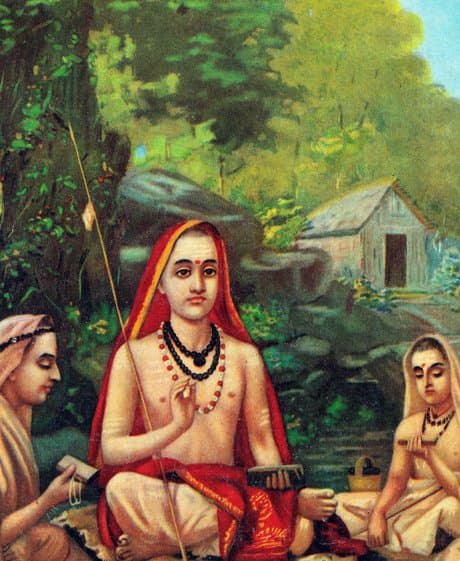
Ādi Śaṅkarācārya · Advaita
Sanskritनियतं नित्यं शास्त्रोपदिष्टम्, यो यस्मिन् कर्मणि अधिकृतः फलाय च अश्रुतं तत् नियतं कर्म, तत् कुरु त्वं हे अर्जुन, यतः कर्म ज्यायः अधिकतरं फलतः, हि यस्मात् अकर्मणः अकरणात् अनारम्भात् । कथम् ? शरीरयात्रा शरीरस्थितिः अपि च ते तव न प्रसिध्येत् प्रसिद्धिं न गच्छेत् अकर्मणः अकरणात् । अतः दृष्टः कर्माकर्मणोर्विशेषो लोके ॥
यच्च मन्यसे बन्धार्थत्वात् कर्म न कर्तव्यमिति तदप्यसत् । कथं --
Ādi Śaṅkarācārya · Advaita
Hindiऐसा होनेके कारण—
हे अर्जुन! जो कर्म श्रुतिमें किसी फलके लिये नहीं बताया गया है, ऐसे जिस कर्मका जो अधिकारी है उसके लिये वह नियत कर्म है, उस नियत अर्थात् नित्य कर्मका तू आचरण कर; क्योंकि कर्मोंके न करनेकी अपेक्षा कर्म करना परिणाममें बहुत श्रेष्ठ है।
क्योंकि कुछ भी न करनेसे तो तेरी शरीरयात्रा भी नहीं चलेगी अर्थात् तेरे शरीरका निर्वाह भी नहीं होगा। इसलिये कर्म करने और न करनेमें जो अन्तर है वह संसारमें प्रत्यक्ष है
Jñāneśvar · Vārkarī
Marathiम्हणशी नैष्कर्म्य होआवें । तरी एथ तें न संभवे । आणि निषिद्ध केवीं राहाटावें । विचारी पां ॥ ७७ ॥
म्हणोनि जें जें उचित । आणि अवसरेंकरून प्राप्त । तें कर्म हेतुरहित । आचर तूं ॥ ७८ ॥
पार्था आणिकही एक । नेणसी तूं हे कवतिक । जें ऐसें कर्म मोचक । आपैसें असे ॥ ७९ ॥
देखें अनुक्रमाधारें । स्वधर्मु जो आचरे । तो मोक्षु तेणें व्यापारें । निश्चित पावे ॥ ८० ॥
Jñāneśvar · Vārkarī
Hindi(3.77) अतः जब कर्मरहित होने की सम्भावना नहीं हो सकती तो फिर विचार करो कि निषिद्ध कर्मों का आचरण क्यों किया जाय? (3.78) इसलिए जो जो उचित हो और अवसर से प्राप्त हुआ हो उस कर्म का, फल हेतु छोड़कर, आचरण करो।
(3.79) हे पार्थ! एक और कुतूहल है जो तुम नहीं जानते। वह यह कि कर्म ही अपने आप कर्म की मुक्ति का कारण होता है।
(3.80) देखो, वर्णाश्रम के आधार से जो स्वकर्म का आचरण करते हैं वे उस चेष्टा के द्वारा निश्चय से मोक्ष प्राप्त कर लेते हैं।
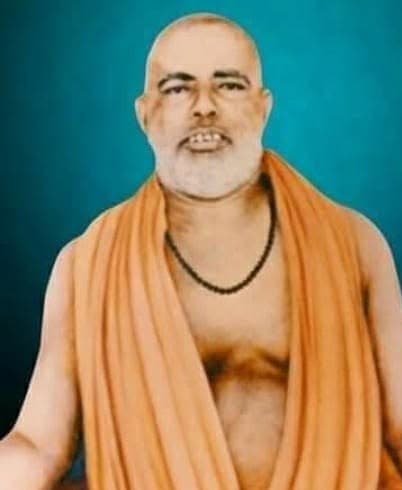
Sri Udiya Baba · Modern
Hindiभावार्थ— तू नियत (शास्त्रविहित) कर्म कर, क्योंकि अकर्मण्यता से कर्म करना श्रेष्ठ है। अकर्मण्यता से तो तेरी शरीर यात्रा का भी निर्वाह नहीं होगा।
व्याख्या— गीता के अनुसार निष्काम भाव से कर्म करना ही श्रेष्ठ है, केवल काम्य कर्मों का ही त्याग करना चाहिये। शास्त्रोक्त कर्म तो करने ही चाहिये, क्योंकि कर्मों को सर्वथा तो कोई छोड़ ही नहीं सकता, केवल फल को ही छोड़ा जा सकता है। हाँ, संन्यासी स्वरूप से भी कर्मों का त्यागकर सकता है। भाव यह है कि कर्म करना रजोगुण है और अकर्मण्यता तमोगुण। तमोगुण की अपेक्षा रजोगुण श्रेष्ठ है, इसलिये निष्काम भाव से कर्म करना ही श्रेष्ठ है।
Swami Ramsukhdas · Modern
Hindi‘नियतं कुरु कर्म त्वम्’—शास्त्रोंमें विहित तथा नियत—दो प्रकारके कर्मोंको करनेकी आज्ञा दी गयी है। विहित कर्मका तात्पर्य है—सामान्यरूपसे शास्त्रोंमें बताया हुआ आज्ञारूप कर्म; जैसे—व्रत, उपवास, उपासना आदि। इन विहित कर्मोंको सम्पूर्णरूपसे करना एक व्यक्तिके लिये कठिन है। परन्तु निषिद्ध कर्मोंका त्याग करना सुगम है। विहित कर्मको न कर सकनेमें उतना दोष नहीं है, जितना निषिद्ध कर्मका त्याग करनेमें लाभ है; जैसे झूठ न बोलना, चोरी न करना, हिंसा न करना इत्यादि। निषिद्ध कर्मोंका त्याग होनेसे विहित कर्म स्वतः होने लगते हैं। नियतकर्मका तात्पर्य है—वर्ण, आश्रम, स्वभाव एवं परिस्थितिके अनुसार प्राप्त कर्तव्य-कर्म; जैसे—भोजन करना, व्यापार करना, मकान बनवाना, मार्ग भूले हुए व्यक्तिको मार्ग दिखाना आदि।
कर्मयोगकी दृष्टिसे जो वर्णधर्मानुकूल शास्त्रविहित कर्तव्य-कर्म प्राप्त हो जाय, वह चाहे घोर हो या सौम्य, नियतकर्म ही है। यहाँ ‘नियतं कुरु कर्म’ पदोंसे भगवान् अर्जुनसे यह कहते हैं कि क्षत्रिय होनेके नाते अपने वर्णधर्मके अनुसार परिस्थितिसे प्राप्त युद्ध करना तेरा स्वाभाविक कर्म है (गीता—अठारहवें अध्यायका तैतालीसवाँ श्लोक)। क्षत्रियके लिये युद्धरूप हिंसात्मक कर्म घोर दीखते हुए भी वस्तुतः घोर नहीं है, प्रत्युत उसके लिये वह नियतकर्म ही है। दूसरे अध्यायमें भगवान्ने कहा है कि स्वधर्मकी दृष्टिसे भी युद्ध करना तेरे लिये नियतकर्म है—‘स्वधर्ममपि चावेश्च न विकम्पितुमर्हसि’ (२।३१)। वास्तवमें तो स्वधर्म और नियतकर्म दोनों एक ही हैं। यद्यपि दुर्गोधन आदिके लिये
भी युद्ध वर्णधर्मके अनुसार प्राप्त कर्म है; तथापि वह अन्याययुक्त होनेके कारण नियतकर्मसे अलग है; क्योंकि वे युद्ध करके अन्यायपूर्वक राज्य छीनना चाहते हैं। अतः उनके लिये यह युद्ध नियत तथा धर्मयुक्त कर्म नहीं है।
‘कर्म ज्यायो ह्यकर्मणः’—इसी अध्यायके पहले श्लोकमें (अर्जुनके प्रश्नमें) आये हुए ‘ज्यायसी’ पदका उत्तर भगवान् यहाँ ‘ज्यायः’ पदसे ही दे रहे हैं। वहाँ अर्जुनका प्रश्न है कि यदि आपको कर्मकी अपेक्षा ज्ञान श्रेष्ठ मान्य है तो मुझे घोर कर्ममें क्यों लगाते हैं ? इसके उत्तरमें यहाँ भगवान् कहते हैं कि कर्म न करनेकी अपेक्षा कर्म करना ही मुझे श्रेष्ठ मान्य है। इस प्रकार अर्जुनका विचार युद्धरूप घोर कर्मसे निवृत्त होनेका है और भगवान्का विचार अर्जुनको युद्धरूप नियतकर्ममें प्रवृत्त करानेका है। इसीलिये आगे अठारहवें अध्यायमें भगवान् कहते हैं कि दोषयुक्त होनेपर भी सहज (नियत) कर्मका त्याग नहीं करना चाहिये—‘सहजं कर्म कौन्तेय सदोषमपि न त्यजेत्’ (१८।४८)। कारण कि इसके त्यागसे दोष लगता है एवं कर्मोंके साथ अपना सम्बन्ध भी बना रहता है। अतः कर्मका त्याग करनेकी अपेक्षा नियतकर्म करना ही श्रेष्ठ है। फिर आसक्तिरहित होकर कर्म करना तो और भी श्रेष्ठ माना गया है; क्योंकि इससे कर्मोंके साथ सर्वथा सम्बन्ध-विच्छेद हो जाता है। अतः भगवान् इस श्लोकके पूर्वार्धमें अर्जुनको अनासक्तभावसे नियतकर्म करनेकी आज्ञा देते हैं और उत्तरार्धमें कहते हैं कि कर्म किये बिना तेरा जीवन-निर्वाह भी नहीं होगा।
कर्मयोगमें 'कर्म ज्यायो ह्यकर्मणः'—यह भगवान्का प्रधान सिद्धान्त है। इसीको भगवान्ने 'मा ते सङ्गोऽस्त्वकर्मणि' (गीता २। ४७) पदोंसे स्पष्ट किया है कि अर्जुन! तेरी कर्म न करनेमें आसक्ति न हो। कारण यह है कि कर्तव्य-कर्मोंसे जी चुरानेवाला मनुष्य प्रमाद, आलस्य और निद्रामें अपना अमूल्य समय नष्ट कर देगा अथवा शास्त्रनिषिद्ध कर्म करेगा, जिससे उसका पतन होगा।
स्वरूपसे कर्मोंका त्याग करनेकी अपेक्षा कर्म करते हुए ही कर्मोंसे सम्बन्ध-विच्छेद करना श्रेष्ठ है। कारण कि कामना, वासना, फलासक्ति, पक्षपात आदि ही कर्मोंसे सम्बन्ध जोड़ देते हैं, चाहे मनुष्य कर्म करे अथवा न करे। कामना आदिके त्यागका उद्देश्य रखकर कर्मयोगका आचरण करनेसे कामना आदिका त्याग बड़ी सुगमतासे हो जाता है।
'शरीरयात्रापि च ते न प्रसिद्ध्येदकर्मणः'—अर्जुनके मनमें ऐसा भाव उत्पन्न हो गया था कि अगर कर्म ही न करें तो कर्मोंसे स्वतः सम्बन्ध-विच्छेद हो जायगा। इसलिये भगवान् नाना प्रकारकी युक्तियोंद्वारा उनको कर्म करनेके लिये प्रेरित करते हैं। उन्हीं युक्तियोंमेंसे एक इस युक्तिका वर्णन करते हुए भगवान् कहते हैं कि अर्जुन! तुम्हें कर्म तो करने ही पड़ेंगे। अन्यकी तो बात ही क्या है, कर्म किये बिना तेरा शरीर-निर्वाह (खाना-पीना आदि) भी असम्भव हो जायगा।
जैसे ज्ञानयोगमें विवेकके द्वारा संसारसे सम्बन्ध-विच्छेद होता है, ऐसे ही कर्मयोगमें कर्तव्य-कर्मका ठीक-ठीक अनुष्ठान करनेसे संसारसे सम्बन्ध-विच्छेद हो जाता है। अतः ज्ञानयोगकी अपेक्षा कर्मयोगकी किसी भी प्रकारसे कम नहीं मानना चाहिये। कर्मयोगी शरीरकी संसारका ही मानकर उसको संसारकी ही सेवामें लगा देता है अर्थात् शरीरमें उसका कोई अपनापन नहीं रहता। वह स्थूल, सूक्ष्म और कारण-शरीरकी एकता क्रमशः स्थूल, सूक्ष्म और कारण-संसारसे करता है, जबकि ज्ञानयोगी अपनी एकता ब्रह्मसे करता है। इस प्रकार कर्मयोगी जड़-तत्त्वकी एकता करता है और ज्ञानयोगी चेतन-तत्त्वकी एकता करता है।
साधन-सम्बन्धी मार्मिक बात
अर्जुनकी कर्मोंसे अरुचि है अर्थात् उनके मनमें कर्म न करनेका आग्रह है। केवल अर्जुनकी ही बात नहीं है, प्रत्युत पारमार्थिक मार्गके अन्य साधक भी प्रायः इस
विषयमें ऐसी ही बड़ी भूल करते हैं। यद्यपि उनकी इच्छा साधन करनेकी रहती है और साधन करते भी हैं, तथापि वे अपनी मनचाही परिस्थिति, अनुकूलता और सुखबुद्धि भी साथमें रखते हैं, जो उनके साधनमें महान् बाधक होती है।
जो साधक तत्त्वप्राप्तिमें सुगमता ढूँढ़ता है और उसे शीघ्र प्राप्त करना चाहता है, वह वास्तवमें सुखका रागी है, न कि साधनका प्रेमी। जो सुगमतासे तत्त्वप्राप्ति चाहता है, उसे कठिनता सहनी पड़ती है और जो शीघ्रतासे तत्त्वप्राप्ति चाहता है, उसे विलम्ब सहना पड़ता है। कारण कि सुगमता और शीघ्रताकी इच्छा करनेसे साधककी दृष्टि 'साधन' पर न रहकर 'फल' पर चली जाती है, जिससे साधनमें उकताहट प्रतीत होती है और साध्यकी प्राप्तिमें विलम्ब भी होता है। जिसका यह दृढ़ निश्चय या उद्देश्य है कि चाहे जैसे भी हो, मुझे तत्त्वकी प्राप्ति होनी ही चाहिये, उसकी दृष्टि सुगमता और शीघ्रतापर नहीं जाती। तत्परताके साथ कार्यमें लगा हुआ मनस्वी व्यक्ति जब अपने उद्देश्यकी पूर्तिके लिये कमर कसकर लग जाता है, तब वह सुख और दुःखकी ओर नहीं देखता—'मनस्वी कार्यार्थी न गणयति दुःखं न च सुखम्' (भर्तृहरिनीतिशतक)। साधककी तो बात ही क्या है, एक साधारण लोभी मनुष्य भी दुःखकी ओर नहीं देखता। प्रायः देखा जाता है कि पसीना आ रहा है, भूख-प्यास लगी है अथवा शौच जानेकी आवश्यकता जान पड़ती है, फिर भी यदि मालकी विशेष विक्री हो रही है तथा पैसे आ रहे हैं तो वह लोभी व्यापारी सब कष्ट सह लेता है। ठीक लोभी व्यक्तिकी तरह साधककी साध्यमें निष्ठा होनी चाहिये। उससे साध्यकी प्राप्तिके बिना चैनसे न रहा जाय, जीवन भारस्वरूप प्रतीत होने लगे, खाना-पीना, आराम आदि कुछ भी अच्छा न लगे और उसके हृदयमें साधनका आदर और तत्परता रहे! साध्यकी प्राप्त करनेकी उत्कण्ठा होनेपर देरी तो असह्य होती है, पर वह जल्दी प्राप्त हो जाय—यह इच्छा नहीं होती।
उत्कण्ठा दूसरी बात है एवं शीघ्र मिलनेकी इच्छा दूसरी बात। आसक्तिपूर्वक साधन करनेवाला साधक साधनमें सुखभोग करता है और उसमें विलम्ब या बाधा लगनेसे उसे क्रोध आता है एवं वह साधनमें दोषदृष्टि करता है। परन्तु आदर और प्रेमपूर्वक साधन करनेवाला साधक साधनमें विलम्ब या बाधा लगनेपर आर्तभावसे रोने लगता है और उसकी उत्कण्ठा और तेजीसे बढ़ती है। यही शीघ्रता और
उत्कण्ठामें अन्तर है। शीघ्रतामें साधकका सुख-सुविधाका भाव रहता है कि तत्त्वप्राप्ति शीघ्र हो जाय तो पीछे आराम करेंगे! इस प्रकार फलकी ओर दृष्टि रहनेसे साधनका आदर कम हो जाता है। परन्तु उत्कण्ठामें साधक अपने साधनमें ही आराम मानता है कि साधनके सिवाय और करना ही क्या है? इससे बढ़िया और काम ही क्या है, जिसे करें? अतः यही काम (साधन) करना है, चाहे सुगमतासे हो या कठिनतासे, शीघ्रतासे हो या देरीसे। इसलिये उसकी पूरी शक्ति साधनमें लग जाती है, जिससे उसको शीघ्रतासे तत्त्वप्राप्ति हो जाती है। परन्तु शीघ्रतासे सिद्धि चाहनेवाला साधक साध्यकी प्राप्तिमें देरी होनेपर निराश भी हो सकता
**परिशिष्ट भाव**—निष्कामभावसे कर्म करनेवाला कर्मयोगी केवल स्वरूपसे कर्मोंका त्याग करनेवालोंसे अथवा सकामभावसे कर्म करनेवालोंसे ही श्रेष्ठ नहीं है, प्रत्युत ज्ञानयोगीसे भी श्रेष्ठ है—‘तयोस्तु कर्मसंन्यासात् कर्मयोगो विशिष्यते’ (गीता ५। २)। इसलिये भगवान् प्रस्तुत प्रकरणमें निष्कामभावसे कर्म करनेपर विशेष जोर दे रहे हैं।
**सम्बन्ध**—पीछेके श्लोकमें भगवान्ने कर्म किये बिना शरीर-निर्वाह भी नहीं होनेकी बात कही। इससे सिद्ध होता है कि कर्म करना बहुत आवश्यक है। परन्तु कर्म करनेसे तो मनुष्य बँधता है—‘कर्मणा बध्यते जन्तुः’, तो फिर मनुष्यको बन्धनसे छूटनेके लिये क्या करना चाहिये—इसको भगवान् आगेके श्लोकमें बताते हैं।
The word niyatam can refer to eternal, regular or even daily.
An act is eternal if it is connected to the ātma which is the eternal soul. Actions merely connected to prakṛti or the material nature are a persistent inheritance from one's past activities in the unknown past.
Thus to perform actions comes easily as a natural phenomenon and not subject to the inherent dangers of possessing an impure mind or the lack of sense control associated with jñāna yoga, the cultivation of spiritual knowledge.
Therefore Lord Krishna is urging Arjuna to perform karma yoga or actions without attachment as in his case it is superior to cultivating knowledge.
A-karma is non-action which implies cultivating knowledge by the abstention of activities. But it is known that it is not possible to completely achieve the actionless state.
Even for the followers of jñāna yoga the path of karma yoga is superior because in jñāna yoga one must follow a path one is naturally not accustomed, is difficult to practice, fraught with the risk of dominant senses
and also which does not flow as an inherent tendency like the path of karma yoga where actions follow the natural locomotion of the body in the course of daily activities.
Further it will be shown that even one who is liberated by ātma- tattva realisation of the eternal soul; still may be involved in so many activities, performing actions without attachment or as a matter of duty.
Thus even ātma-tattva can be connected to material activities transforming them to spiritual activities. Hence karma yoga can be superior in this way.
What can be inferred about the superiority of karma yoga over jñāna yoga will be evident to one who is actually engaged in practising jñāna yoga.
But an alternative argument could be alright suppose one is determined to abstain from all actions, then how does one expect to maintain their bodily existence which depends on eating and sleeping and washing and exercising etc. and by which the body is very helpful and useful in practising jñāna yoga.
The maintenance of one's physical body is absolutely essential to complete the course charted in life until one achieves their goal.
The way in which one maintains their body is by actions such as labour by rightful means to acquire funds for performing worship to God by offerings of food which are subsequently imbued with spiritual potency and by partaking of the remnants of such foods solely for bodily sustenance each day maintain their bodies.
In the Chāndogya Upaniṣad VII.XXVI.II we find:
"When the food is pure, the Sattva (mind) becomes pure; when the Sattva is pure, then the mindfulness (meditation) will be steady.” (Cha. Up, 7.26.2).
Thus if one desires to desist from all activities how will their mind become purified and how will their bodily needs be maintained?
Thus it is obvious that one who practices jñāna yoga in order to maintain their bodily existence must still continue performing the daily and occasional duties prescribed in the Vedas until they reach their goal. The same as if one practised karma yoga.
Also in karma yoga the contemplation of ātma-tattva is also included in the conceptions that I am not my body performing actions and I am not the actual doer of any actions.
So for all these reasons karma yoga is preferably recommended to jñāna yogis.
So the conclusion is for Arjuna to desist and practice karma yoga.
But if it is still postulated that actions such as the acquiring of funds involves the my-ness of this is my money and the I-ness of I have earned this by the strength of my mind and the power of my faculties and that these efforts must cause bondage,
Lord Krishna refutes this argument in the next verse.