

Bhagavad Gītā · Chapter 3 · Karma Yoga
कर्मणैव हि संसिद्धिमास्थिता जनकादयः
लोकसंग्रहमेवापि संपश्यन्कर्तुमर्हसि
karmaṇaiva hi saṃsiddhimāsthitā janakādayaḥ|
lokasaṃgrahamevāpi saṃpaśyankartumarhasi||
Word meanings
जनकादयः = Janaka and others
हि = surely
कर्मणा = by action
एव = indeed
संसिद्धिम् = perfection
आस्थिताः = attained
लोकसङ्ग्रहम् = the welfare of the world
सम्पश्यन् = keeping in view
अपि = also
कर्तुम् = to perform
एव = indeed
अर्हसि = you ought
Translation
It is through action (without attachment) alone that Janaka and other wise men reached perfection. Having an eye to maintenance of the world order too you should take to action.
Commentary
The commentators seated around this verse
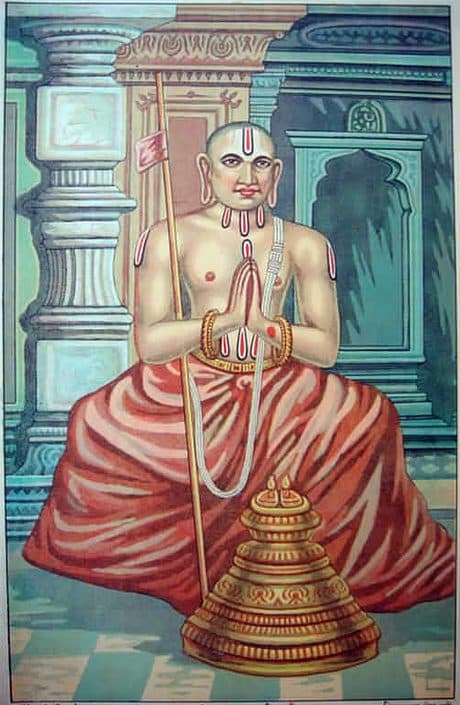
Rāmānuja · Viśiṣṭādvaita
English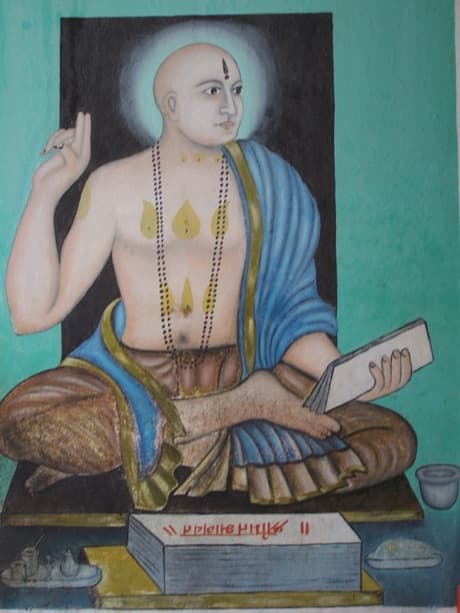
Madhvācārya · Dvaita
Madhva BhāṣyaSanskritEnglishOn verses 3.20–3.26
“आचारोप्यस्ति इत्याह - कर्मणेव इति | कर्मणा सह कर्मकुवन्त एव | इत्यर्थः | कर्म कृत्वेव ततो ज्ञानं प्राप्य वा | न तु ज्ञानं विना | प्रसिद्धं हि तेषां ज्ञानित्वं भारतादिषु | तमेव विद्वान् इत्योदिश्रुतिभ्यश्च | अत्रापि कर्म णां ज्ञानसाधनत्वोपतत्प्रेक्ष्य - बुद्धियुक्तः | इति | गत्यन्तरं च नान्यः पन्थाः इत्यस्य नास्ति | इतरेषां ज्ञानद्वाराऽप्यविरोधः | यत्र च तीर्थादेव मुक्तिआधनमुच्यते - ब्रह्मज्ञानेन वा मुक्तिः प्रयागमरणेन वा | अथवा स्नानमात्रेण गोमत्यां कृष्णमन्त्रिधौ | इत्यादी तत्र पापादिमुक्तः | स्तुतिपरता च | तत्रापि हि कुत्रचिद् ब्रह्मज्ञानसाधनत्वमेवोच्यतेऽन्यथामुक्तिं निषिद्धय - ब्रह्मज्ञानं विना मुक्तिर्न कथञ्चिदपीप्यते | प्रयागादेस्तु या मुक्तिर्ज्ञानोपायत्वमेव हि || - इत्यादी | न च तीर्थस्तुतिवाक्यानि तत्पस्तावेऽप्युक्तज्ञाननियमं घन्ति | यथा किञ्चिद् दक्षं भूत्वं प्रत्युक्तानि - अयमेव हि राज किं राज्ञा इत्यादीनि | याथाऽह भगवान् - यान तीर्थादिवाक्यानि कर्मा दिविपयाणि च | स्तावकान्वेव तानि स्युरज्ञानां मोहकानि वा | भवेन्मोक्षस्तु मृदुष्टेनान्यस्तु कथञ्चन || इति नारदीये || अतोऽपरोक्षज्ञानादेव मोक्षः | कर्म तु तत्साधनमेव ||” - Even examples of precedents do exist, thus he
says in this verse. कर्मणा means together with performance of actions. Or it can mean by performing actions and thereby gaining wisdom. Not that (by performance alone) without having wisdom. They (Janaka and others) have been famous in Bharata as men of Wisdom. “They alone are the Wise” has been comparable statement in scriptures. Here also the performance of action together with wisdom is spoken, “Be well-established in Intelligence”. There could be no other meaning for the statement नान्य पन्थाः - there is no other path etc. Even in other instances, there exists no disagreement for the Path of Wisdom. Wherever for the sake of liberation, visits to the sacred rivers have been suggested; as in “Liberation (is assured) by Wisdom of Brahman or by death in Prayaga or by bathing in Gomati in the presence of Krishna”, liberation from demerits alone is referred. It is also for praising these places. Because even where bathing in sacred rivers is mentioned, the wisdom of Brahman also has been mentioned as the primary basis for liberation. Without the Wisdom of Brahman liberation is in not possible. Only death or taking bath in pilgrim centres like Prayag is commended as sure Way to be in Krishna’s company, thus . because that becomes the basis for wisdom”. Such words eulogizing the sacred rivers do not in any manner contradict the need for wisdom for deliverance. As in the case of a conscientious servant who is referred to as ‘He is, verily, the King, by King alone it can be done’ as a matter of praise. Statements recommending bathing in sacred rivers or performance of rituals etc. are meant for the simple minded people or for attracting those who are bewildered. But Liberation is possible only from realizing Me, not otherwise, thus by Vyasa in Narada Purana. Therefore, spiritual realization alone is Liberation. Performance of action is only the means (to Liberation). “स यत् वाक्यादिकं प्रमाणीकुरुते, तदुक्तप्रकारेण तिष्ठति | इत्यर्थः |” - He acts in the world as an example to follow. In whatever manner He speaks, in that manner they act, this is the meaning.
Madhvācārya · Dvaita
Gītā Tātparya NirṇayaSanskritEnglishOn verses 3.20–3.26
“सहैव कर्मणा सिद्धिमास्थिता जनकादयः | ज्ञाननिष्ठा अपि ततः कार्यं वर्णाश्रमोचितः || इति च | अज्ञानां ज्ञानदं कर्म ज्ञानिना लेकसंग्रहात् | अद्वैत तुष्टिदं मह्यं सा मुक्तानन्दपूर्तिदा || ममेव केवलं नास्ति केनाप्यर्थं स्थाप्यहम् | कर्मकुल्लोकक्षायै तस्मात् कुर्वीत मत्परः || इति कृष्णसंहितायाम् | रक्षया वाऽथ मुष्ट्या वा संहत्योन् नु क्वचित् | अर्थो विपणोस्तथाऽप्येष स्वभावात् सर्वकर्मकृत् || मत्तो नृतादिकं यद्वत् कुर्यात् सुखविशेषतः | परमानन्दरूपत्वात् कुर्याद् विष्णुस्तथैव तु || इति वर्कश्रुतिः ||” - Janaka and other kings performing actions with wisdom and according to one’s stage of life and classification attained deliverance. For ignorant ones performance of action with wisdom and for the wise ones performance of action for and by the way of sacrifice. For the Lord there exists no actions to be performed. Hence the need of performance of action for the pleasure of the divine. By sustenance, by maintenance and by destruction the Supreme Lord has nothing to gain. Without any objective whatsoever the Supreme Lord Krishna according to His creative impulse performs all actions perpetually throughout all of creation. Just as a person who is extremely happy may spontaneously sing and dance to express their special pleasure in the same way the Supreme Lord performs all actions to express His consciousness which is perpetually in a state of Supreme Bliss.
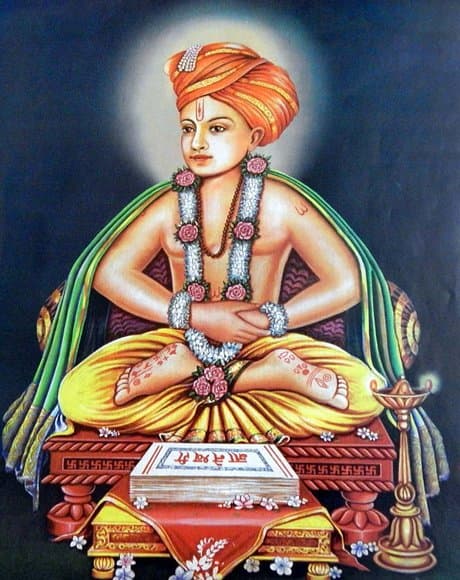
Jñāneśvar · Vārkarī
English20 "For, it is by action all along that Janaka and others achieved Perfection. Moreover, even out of consideration for the conservation of society (lokasamgraha), thou wilt do well to act. (152)
Just see, Janaka and others attained salvation without in any way relinquishing the prescribed actions. Therefore, O Pārtha, devotion to duty enjoined by religion should commend itself to you as it is bound to serve one more cause. By doing your own duty disinterestedly, you will be giving a proper lead to others and setting an example to them. Thus incidentally this world will be saved from misery. Just consider, even those that have reached the Supreme Brahman and realised the action-free status, having reached perfection, have yet to continue in the path of devotion to actions even after securing emancipation, (with a view) to lead others to the religious path: just as a man with eyes wide open slowly walks ahead along the road being followed by the blind, in the same way the wise men should take the ignorant along with them and teach them their religion. If the wise one is not to act like this, what and how will the ignorant come to know about their own duties?
Swami Ramsukhdas · Modern
English'Karmaṇaiva hi saṃsiddhimāsthitā janakādayaḥ'—The term 'ādi' stands for, 'beginning' as well as, 'like'. Here the former meaning does not apply because before Janaka, there had been great souls like Vivasvān, Vaivasvata Manu and king Ikṣvāku, who had attained perfection through the performance of action (Gītā 4/1-2). Therefore, here it is used in the latter sense which means that some great souls like Janaka, before and after him, leading householder's life attained salvation by action.
This Discipline of Action is very old. By this discipline, Janaka and several other great souls have attained salvation or God-realization. Therefore, if anyone at present or in future, wants to realize God through the path of action, he without regarding the body and the objects as his own, should apply these in the
service of the world by considering these as the world's. In fact, they belong to the world. By doing so one's affinity with the world is easily renounced and God is attained. Therefore, the Discipline of Action is an easy, good and independent means to realize God.
Here the expression, 'Karmaṇā eva' stands for the expression 'Asakto hyācarankarma' i.e., performance of action without attachment. By performing the actions thus, a man is liberated from their bondage otherwise he is enslaved (Mahā., Śānti. 241/7).
It is the characteristic of the style of the Gītā, that the Lord briefly repeats the main idea of the preceding verse in the next one also, which is of great help to a striver. Performance of action without attachment explained in the preceding verse, is explained in brief in this verse by the expression 'Karmaṇā eva'. Similarly, He will explain the main point, described in the sixth verse of the twelfth chapter, again in the seventh verse in brief, in the expression, 'Whose mind is set on Me'.
Here the Lord instead of the expression 'Karmaṇā eva', could have used the expression 'Yogena eva'. But here the topic is of the performance of action without attachment. Therefore, the Lord has used this expression, which suits the context.
In fact, the sentient Lord cannot be realized through insentient actions alone. The stumbling block to God-realization is removed through the performance of action, without attachment. Then the all-pervading God is realized.
A Vital Fact Pertaining to God-realization
Generally people think that they can attain God, by performing action or by making effort. They hold that, as they have to make a lot of effort in order to meet a high officer, they will have to make much more effort, (in the form of penance, fasts etc.,) in order to attain God, Who is the Lord of infinite universes. But that is an error on their part.
Human life has a great affinity for actions. So in the *Gītā* it is mentioned, 'Meeting death when passion prevails, the embodied soul, is born among those attached to action' (14/15). Therefore, a man has an inclination for action and he wants to attain his aim through actions. He believes that as the worldly things can be acquired through actions, so God could also be realised by action. So he tries to attain Him through action. But the fact is, that the Imperishable Lord cannot be attained by actions. Only the perishable worldly things, can be acquired through actions, because all actions are performed with the help of a perishable (body, senses and mind etc.,) while God is realized by total renunciation of affinity for the perishable.
Every action has a beginning and an end, so its fruit is also perishable. A thing which is at some distance (unacquired), with the point of view of space or time can be acquired by action. Thus, only the worldly things which are perishable, changeful and confined, can be acquired through action. But the Lord Who pervades everywhere and Who is uniform and imperishable, cannot be attained through action. He is naturally attainable. Worldly things cannot be acquired by thinking alone but the Lord can be realised by thought, because He is close to us. The fact is, that the Lord is not attained by thinking alone, but when a striver thinks of the Lord, he stops thinking of the world. As soon as thinking about the world is renounced, the ever attainable Lord is realized.
Not only the all-pervading God, is never away from us but His being away from us, is impossible also. He is much nearer, these even the supposedly close Thess, which is limited spatially and temporally, but God knows no limitation. In order to experience such a close and ever available God, it is deceiving one's self, to apply logic and arguments as if it were a worldly object.
Worldly things cannot be acquired only by having a keen desire, while God can be realized, only by having a keen desire.
Human life is meant to have a keen desire for God-realization, not for sense enjoyment. This desire is not aroused, because man has a desire for worldly pleasures and prosperity. If desire for pleasure and prosperity is renounced, a keen desire for God-realization may be aroused instantly and God may also be realized immediately.
It is necessary to clearly understand, the difference between the 'aim' and the desire, for fruit. God-realization is the aim of human life, while desire to acquire perishable things, is the desire for fruit of action. An aim is achieved, while desire for fruit of action is wiped out. Self-realization or God-realization is the aim, rather than the fruit. Action which is performed in order to attain an aim, cannot be called an action with 'desire for fruit'. Therefore, a Karmayogī performs all actions, with an objective rather than with a desire for fruit.
In Karmayoga (Discipline of Action), prescribed actions are performed with the aim of renouncing affinity for actions (matter). Such a striver performs actions for the welfare of others, by renouncing selfish desire for fruit, while a common man performs actions for himself, with the desire for fruit. In the case of the latter, the action is turned into fruit and so the fruit has its affinity for the action; while aim has no affinity for action. When a striver performs action for the welfare of others, without expecting any reward, his misconception that the Lord is far away from him, is removed.
'Lokasaṅgrahamevāpi sampaśyankartumarhasi'—The word 'loka' includes three aspects—(1) Human world (2) Creatures of the world (3) All the scriptures (except the Vedas). Performance of actions (of daily routine) for the human world and its creatures, according to the ordinance of the scriptures is 'Lokasaṅgraha' (maintenance of the world).
'Lokasaṅgraha' means to persuade the people to turn to the real, by dissuading them from the unreal. If a great soul, through
his word and action, persuades people to turn towards the real, from the unreal, it leads them to salvation.
If he performs his duty merely as a show, it is not 'lokasangraha'. He should perform his duty sincerely, according to his caste, order of life and sect etc.
No action is as such either superior or inferior. Whatever action is performed, according to one's caste, order of life, sect, time and circumstances, is regarded as superior. Actions are regarded as superior and inferior according to their form and fruit.* When desire for fruit is renounced, all actions lead to perfection or God-realization. As far as renunciation of affinity for the insentient (matter) is concerned, all actions—superior or inferior, are of equal importance.
No one can live without the help of others. A body is acquired from the parents; knowledge and education is received from preceptors. Food stuff, clothes, a house and other necessities of life, are prepared by others. Thus everyone has to depend on others for his necessities. Therefore, every person is indebted to others. In order to get out of this debt, he has to perform his duty for the welfare of others, without any selfish motive. When he does not regard the body and other worldly objects in the least as his own or for him, he is freed from the debt.
**Appendix**—Here the expression 'Karmaṇaiva hi saṃsiddhi-māsthitaḥ' proves that Karmayoga is an independent discipline for salvation. The kings such as Janaka etc., also attained perfection by performing actions because they ruled over their empire in order to serve others and to comfort them rather than for their selfish end.
'lokasangrahamevāpi sampasyankartumarhasi'—this expression means that you should set an example to the people that by practising Karmayoga supreme goal is attained.
* Oratory is regarded as superior to sweeping. Less charity seems to bear less fruit while more charity seems to bear more fruit.
*Link:—How action leads to the maintenance of the world, is discussed, in the next verse.*
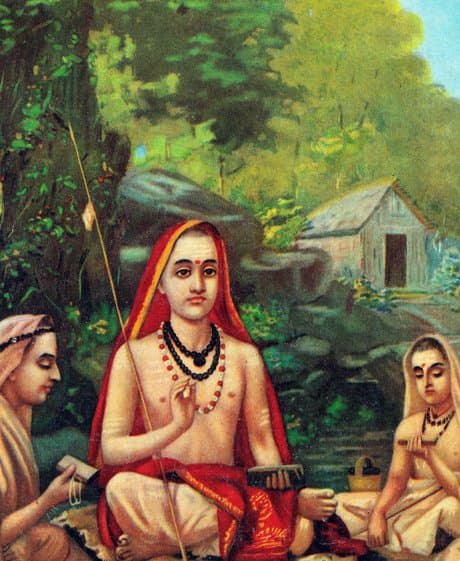
Ādi Śaṅkarācārya · Advaita
Sanskritकर्मणैव हि यस्मात् पूर्वे क्षत्रियाः विद्वांसः संसिद्धिं मोक्षं गन्तुम् आस्थिताः प्रवृत्ताः । के ? जनकादयः जनकाश्वपतिप्रभृतयः । यदि ते प्राप्तसम्यग्दर्शनाः, ततः लोकसङ्ग्रहार्थं प्रारब्धकर्मत्वात् कर्मणा सहैव असन्न्यस्यैव कर्म संसिद्धिमास्थिता इत्यर्थः । अथ अप्राप्तसम्यग्दर्शनाः जनकादयः, तदा कर्मणा सत्त्वशुद्धिसाधनभूतेन क्रमेण संसिद्धिमास्थिता इति व्याख्येयः श्लोकः । अथ मन्यसे पूर्वैरपि जनकादिभिः अजानद्भिरेव कर्तव्यं कर्म कृतम् ; तावता नावश्यमन्येन कर्तव्यं सम्यग्दर्शनवता कृतार्थेनेति ; तथापि प्रारब्धकर्मायत्तः त्वं लोकसङ्ग्रहं एव अपि लोकस्य उन्मार्गप्रवृत्तिनिवारणं लोकसङ्ग्रहः तमेवापि प्रयोजनं सम्पश्यन् कर्तुं अर्हसि ॥ लोकसङ्ग्रहः किमर्थं कर्तव्य इत्युच्यते --
Ādi Śaṅkarācārya · Advaita
Hindiएक और भी कारण है—
क्योंकि—पहले जनक-अश्वपति प्रभृति विद्वान् क्षत्रिय लोग कर्मोंद्वारा ही मोक्षप्राप्तिके लिये प्रवृत्त हुए थे।
यहाँ इस श्लोककी व्याख्या इस प्रकार करनी चाहिये कि यदि वे जनकादि, यथार्थ ज्ञानको प्राप्त हो चुके थे तब तो वे प्रारब्धकर्म होनेके कारण लोकसंग्रहके लिये कर्म करते हुए ही अर्थात् संन्यास ग्रहण किये बिना ही परम सिद्धिको प्राप्त हुए, और यदि वे जनकादि यथार्थ ज्ञानको प्राप्त नहीं थे, तो वे अन्तःकरणकी शुद्धिके साधनरूप कर्मोंसे क्रमशः परम सिद्धिको प्राप्त हुए।
यदि तू यह मानता हो कि आत्मतत्त्वको न जाननेवाले जनकादि पूर्वजोंद्वारा कर्तव्य-कर्म किये गये हैं, इससे यह नहीं हो सकता कि दूसरे आत्मज्ञानी कृतार्थ पुरुषोंको भी कर्म अवश्य करने चाहिये।
तो भी तू प्रारब्ध-कर्मके अधीन है, इसलिये तुझे लोकसंग्रहकी तरफ देखकर भी अर्थात् लोगोंकी उलटे मार्गमें जानेवाली प्रवृत्तिको निवारण करनारूप जो लोकसंग्रह है, उस लोकसंग्रहरूप प्रयोजनको देखते हुए भी, कर्म करना चाहिये
Jñāneśvar · Vārkarī
Marathiदेखें पां जनकादिक । कर्मजात अशेख । न सांडिता मोक्षसुख । पावते जाहले ॥ १५२ ॥
याकारणे पार्था । होआवी कर्मीं आस्था । हे आणिकाही एका अर्था । उपकारेल ॥ १५३ ॥
जे आचरता आपणपेयां । देखी लागेल लोका यया । तरी चुकेल हा अपाया । प्रसंगेचि । १५४ ॥
देखें प्राप्तार्थ जाहले । जे निष्कामता पावले । तयाही कर्तव्य असे उरलें । लोकांलागीं ॥ १५५ ॥
मार्गीं अंधासरिसा । पुढे देखणाही चाले जैसा । अज्ञाना प्रकटावा धर्मु तैसा । आचरोनि ॥ १५६ ॥
हां गा ऐसें जरी न कीजे । तरी अज्ञानां काय वोजे । तिहीं कवणेपरी जाणिजे । मार्गांते या ॥ १५७ ॥
Jñāneśvar · Vārkarī
Hindi(3.152) देखो, जनक इत्यादि सत्पुरुष सम्पूर्ण कर्मों का त्याग न करते मोक्षपद को पहुँचे हैं ।
(3.153) इसलिए हे पार्थ! कर्म की आस्था आवश्यक है । इससे एक प्रकार का और उपयोग होगा ।
(3.154) वह यह है कि हमें कर्म का आचरण करते देखकर संसार को नसीहत मिलेगी और अनायास उसके दुःख टल जायेंगे ।
(3.155) देखो, जो कृतार्थ हो चुके हैं और जिन्हें निष्कामता प्राप्त हो चुकी है उन्हें भी लोगों के लिए कर्तव्य बाकी रह जाता है । (3.156) अन्धे को रास्ते से ले जानेवाला नेत्रवान् मनुष्य भी उसी जैसा चलता है वैसे ही अज्ञानी लोगों के लिए धर्म का ज्ञान आचरण द्वारा प्रकट करना चाहिए।
(3.157) अजी, यदि ऐसा न हो तो अज्ञानी लोग क्या जान सकेंगे? उन्हें इस मार्ग का किस प्रकार ज्ञान होगा?
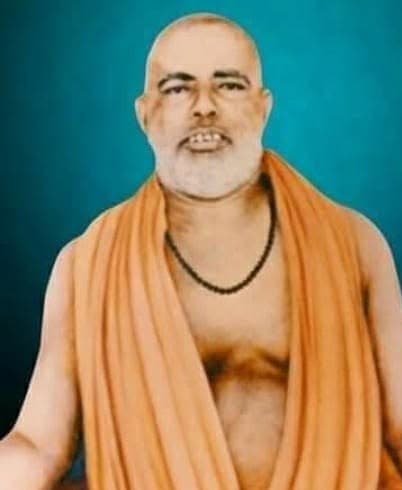
Sri Udiya Baba · Modern
Hindiसंगति— क्या इस प्रकार किसी और को भी परमगति मिली है? इस पर कहते हैं—
भावार्थ— कर्मों के द्वारा ही जनकादि सिद्धि (तत्त्वज्ञान या मोक्ष) को प्राप्त हुए हैं। इसलिये लोक-संग्रह को देखते हुए भी तुम्हें कर्म करने चाहिये।
व्याख्या— 'कर्मणैव संसिद्धिम्' का यहाँ यह तात्पर्य नहीं है कि केवल कर्म करने से ही उन्हें मोक्ष प्राप्त हो गया था। मोक्ष-प्राप्ति में कर्म स्वतन्त्र साधन नहीं है। यहाँ तात्पर्य यह है कि जनकादि ने घर में रहकर ही तत्त्वज्ञान प्राप्त कर लिया। इससे यही सिद्ध होता है कि तत्त्वज्ञान प्राप्त करने के लिये पहले निष्काम कर्म करना चाहिये।
प्रश्न— इससे तो यह निश्चय हुआ कि बोधवान् के लिये यह नियम नहीं है कि वह कर्म करे ही। तब कर्म और अभ्यास के बिना उसकी मुक्ति कैसे होगी?
उत्तर— हाँ, बोधवान् के लिये कर्म करने का बन्धन नहीं है, किन्तु उसकी मुक्ति में कोई सन्देह नहीं है। मुक्ति तो केवल ज्ञान से होती
है। परन्तु अभ्यास के बिना जीवनमुक्ति का विलक्षण आनन्द प्राप्त नहीं होगा। जो अन्तःकरण की मलिनता के कारण ज्ञान न होने पर भी अपने को ज्ञानी मान बैठे उसे तो निष्काम कर्म करना ही चाहिये, क्योंकि उससे अन्तःकरण शुद्ध होकर उसे ज्ञान हो जायेगा। जीवनमुक्त तो जिज्ञासु पर कृपा करके उसके कल्याण के लिये कोई कर्म करते हैं। परन्तु यह नियम नहीं है कि सब करें ही।
Swami Ramsukhdas · Modern
Hindi‘कर्मणैव हि संसिद्धिमास्थिता जनकादयः’—‘आदि’ पद ‘प्रभृति’ (आरम्भ) तथा ‘प्रकार’ दोनोंका वाचक माना जाता है। यदि यहाँ आये ‘आदि’ पदको ‘प्रभृति’ का वाचक माना जाय तो ‘जनकादयः’ पदका अर्थ होगा—जिनके आदि- (आरम्भ-) में राजा जनक हैं अर्थात् राजा जनक तथा उनके बादमें होनेवाले महापुरुष। परन्तु यहाँ ऐसा अर्थ मानना ठीक नहीं प्रतीत होता; क्योंकि राजा जनकसे पहले भी अनेक महापुरुष कर्मोंके द्वारा परमसिद्धिको प्राप्त हो चुके थे; जैसे सूर्य, वैवस्वत मनु, राजा इक्ष्वाकु आदि (गीता—चौथे अध्यायका पहला-दूसरा श्लोक)। इसलिये यहाँ ‘आदि’ पदको ‘प्रकार’ का वाचक मानना ही उचित है, जिसके अनुसार ‘जनकादयः’ पदका अर्थ है—राजा जनक-जैसे गृहस्थाश्रममें रहकर निष्कामभावसे सब कर्म करते हुए परमसिद्धिको प्राप्त हुए महापुरुष, जो राजा जनकसे पहले तथा बादमें (आजतक) हो चुके हैं।
कर्मयोग बहुत पुरातन योग है, जिसके द्वारा राजा जनक-जैसे अनेक महापुरुष परमात्माको प्राप्त हो चुके हैं। अतः वर्तमानमें तथा भविष्यमें भी यदि कोई कर्मयोगके द्वारा परमात्माको प्राप्त करना चाहे तो उसे चाहिये कि वह मिली हुई प्राकृत वस्तुओं-(शरीरादि-) को कभी अपनी और अपने लिये न माने। कारण कि वास्तवमें वे अपनी और अपने लिये हैं ही नहीं, प्रत्युत संसारकी और संसारके लिये ही हैं। इस वास्तविकताको मानकर संसारसे मिली वस्तुओंको संसारकी ही सेवामें लगा देनेसे सुगमतापूर्वक संसारसे सम्बन्ध-विच्छेद होकर परमात्माप्राप्ति हो जाती है। इसलिये कर्मयोग परमात्माप्राप्तिका सुगम, श्रेष्ठ और स्वतन्त्र साधन है—इसमें कोई सन्देह नहीं।
यहाँ ‘कर्मणा एव’ पदोंका सम्बन्ध पूर्वश्लोकके ‘असक्तो ह्याचरन्कर्म’ पदोंसे अर्थात् आसक्तिरहित होकर कर्म करनेसे है; क्योंकि आसक्तिरहित होकर कर्म करनेसे ही मनुष्य कर्मबन्धनसे मुक्त होता है, केवल कर्म करनेसे नहीं। केवल कर्म करनेसे तो प्राणी बँधता है—‘कर्मणा
बध्यते जन्तुः’ (महा० शान्ति० २४१।७)। गीताकी यह शैली है कि भगवान् पीछेके श्लोकमें वर्णित विषयकी मुख्य बातको (जो साधकोंके लिये विशेष उपयोगी होती है) संक्षेपसे आगेके श्लोकमें पुनः कह देते हैं; जैसे पीछेके (उन्नीसवें) श्लोकमें आसक्तिरहित होकर कर्म करनेकी आज्ञा देकर इस बीसवें श्लोकमें उसी बातको संक्षेपसे ‘कर्मणा एव’ पदोंसे कहते हैं। इसी प्रकार आगे बारहवें अध्यायके छठे श्लोकमें वर्णित विषयकी मुख्य बातको सातवें श्लोकमें संक्षेपसे ‘मय्यावेशितचेतसाम्’ (मुझमें चित्त लगानेवाले भक्त) पदसे पुनः कहेंगे।
यहाँ भगवान् ‘कर्मणा एव’ के स्थानपर ‘योगेन एव’ भी कह सकते थे। परन्तु अर्जुनका आग्रह कर्मोंका स्वरूपसे त्याग करनेका होने तथा (आसक्तिरहित होकर किये जानेवाले) कर्मका ही प्रसंग चलनेके कारण ‘कर्मणा एव’ पदोंका प्रयोग किया गया है। अतः यहाँ इन पदोंका अभिप्राय (पूर्वश्लोकके अनुसार) आसक्तिरहित होकर किये गये कर्मयोगसे ही है।
वास्तवमें चिन्मय परमात्माकी प्राप्ति जड कर्मोंसे नहीं होती। नित्यप्राप्त परमात्माका अनुभव होनेमें जो बाधाएँ हैं, वे आसक्तिरहित होकर कर्म करनेसे दूर हो जाती हैं। फिर सर्वत्र परिपूर्ण स्वतःसिद्ध परमात्माका अनुभव हो जाता है। इस प्रकार परमात्मतत्त्वके अनुभवमें आनेवाली बाधाओंको दूर करनेके कारण यहाँ कर्मके द्वारा परमसिद्धि-(परमात्मतत्त्व-) की प्राप्तिकी बात कही गयी है।
**परमात्माप्राप्ति-सम्बन्धी मार्मिक बात** मनुष्य सांसारिक पदार्थोंकी प्राप्तिकी तरह परमात्माकी प्राप्तिको भी कर्मजन्य मान लेते हैं। वे ऐसा विचार करते हैं कि जब किसी बड़े (उच्चपदाधिकारी) मनुष्यसे मिलनेमें भी इतना परिश्रम करना पड़ता है, तब अनन्तकोटि ब्रह्माण्डनायक परमात्मासे मिलनेमें तो बहुत ही परिश्रम (तप, व्रत आदि) करना पड़ेगा। वस्तुतः यही साधककी सबसे बड़ी भूल है।
मनुष्ययोनिका कर्मोंसे घनिष्ठ सम्बन्ध है। इसलिये मनुष्ययोनिको 'कर्मसंगी' अर्थात् 'कर्मोंमें आसक्तिवाली' कहा गया है—'रजसि प्रलयं गत्वा कर्मसंगिषु जायते' (गीता १४। १५)। यही कारण है कि कर्मोंमें मनुष्यकी विशेष प्रवृत्ति रहती है और वह कर्मोंके द्वारा ही अभीष्ट वस्तुओंको प्राप्त करना चाहता है। प्रारब्धका साथ रहनेपर वह कर्मोंके द्वारा ही अभीष्ट सांसारिक वस्तुओंको प्राप्त भी कर लेता है, जिससे उसकी यह धारणा पुष्ट हो जाती है कि प्रत्येक वस्तु कर्म करनेसे ही मिलती है और मिल सकती है। परमात्माके विषयमें भी उसका यही भाव रहता है और वह चेतन परमात्माको भी जड़ कर्मोंके ही द्वारा प्राप्त करनेकी चेष्टा करता है। परन्तु वास्तविकता यही है कि परमात्माकी प्राप्ति कर्मोंके द्वारा नहीं होती। इस विषयको बहुत गम्भीरतापूर्वक समझना चाहिये।
कर्मोंसे नाशवान् वस्तु-(संसार-) की प्राप्ति होती है, अविनाशी वस्तु-(परमात्मा-) की नहीं; क्योंकि सम्पूर्ण कर्म नाशवान् (शरीर, इन्द्रियाँ, मन आदि) के सम्बन्धसे ही होते हैं, जबकि परमात्माकी प्राप्ति नाशवान्से सर्वथा सम्बन्ध-विच्छेद होनेपर होती है।
प्रत्येक कर्मका आरम्भ और अन्त होता है, इसलिये कर्मके फलरूप प्राप्त होनेवाली वस्तु भी उत्पन्न और नष्ट होनेवाली होती है। कर्मोंके द्वारा उसी वस्तुकी प्राप्ति होती है, जो देश-काल आदिकी दृष्टिसे दूर (अप्राप्त) हो। सांसारिक वस्तु एक देश, काल आदिमें रहनेवाली, उत्पन्न और नष्ट होनेवाली एवं प्रतिक्षण बदलनेवाली है। अतः उसकी प्राप्ति कर्म-साध्य है। परन्तु परमात्मा सब देश, काल, वस्तु, व्यक्ति आदिमें परिपूर्ण (नित्यप्राप्त)* एवं उत्पत्ति-विनाश और परिवर्तनसे सर्वथा रहित हैं। अतः उनकी प्राप्ति स्वतःसिद्ध है, कर्म-साध्य नहीं। यही कारण है कि सांसारिक पदार्थोंकी प्राप्ति चिन्तनसे नहीं होती, जबकि परमात्माकी प्राप्तिमें चिन्तन मुख्य है। चिन्तनसे वही वस्तु प्राप्त हो सकती है, जो समीप-से-समीप हो। वास्तवमें देखा जाय तो परमात्माकी प्राप्ति चिन्तनरूप क्रियासे भी नहीं होती। परमात्माका चिन्तन करनेकी सार्थकता दूसरे (संसारके) चिन्तनका त्याग करानेमें ही है। संसारका चिन्तन सर्वथा छूटते ही नित्यप्राप्त परमात्माका अनुभव हो जाता है।
सर्वव्यापी परमात्माकी हमसे दूरी है ही नहीं और हो सकती भी नहीं। जिससे हम अपनी दूरी नहीं मानते, उस
'मैं'-पनसे भी परमात्मा अत्यन्त समीप हैं। 'मैं'-पन तो परिच्छिन्न (एकदेशीय) है, पर परमात्मा परिच्छिन्न नहीं हैं। ऐसे अत्यन्त समीपस्थ, नित्यप्राप्त परमात्माका अनुभव करनेके लिये सांसारिक वस्तुओंकी प्राप्तिके समान तर्क तथा युक्तियाँ लगाना अपने-आपको धोखा देना ही है।
सांसारिक वस्तुकी प्राप्ति इच्छामात्रसे नहीं होती; परन्तु परमात्माकी प्राप्ति उत्कट अभिलाषामात्रसे हो जाती है। इस उत्कट अभिलाषाके जाग्रत् होनेमें सांसारिक भोग और संग्रहकी इच्छा ही बाधक है, दूसरा कोई बाधक है ही नहीं। यदि परमात्मप्राप्तिकी उत्कट अभिलाषा अभी जाग्रत् हो जाय, तो अभी ही परमात्माका अनुभव हो जाय।
मनुष्यजीवनका उद्देश्य कर्म करना और उसका फल भोगना नहीं है। सांसारिक भोग और संग्रहकी इच्छाके त्यागपूर्वक परमात्मप्राप्तिकी उत्कट अभिलाषा तभी जाग्रत् हो सकती है, जब साधकके जीवनभरका एक ही उद्देश्य—परमात्मप्राप्ति करना हो जाय। परमात्माको प्राप्त करनेके अतिरिक्त अन्य किसी भी कार्यका कोई महत्त्व न रहे। वास्तवमें परमात्मप्राप्तिके अतिरिक्त मनुष्यजीवनका अन्य कोई प्रयोजन है ही नहीं। जरूरत केवल इस प्रयोजन या उद्देश्यको पहचान कर इसे पूरा करनेकी ही है।
यहाँ उद्देश्य और फलेच्छा—दोनोंमें भेद समझ लेना आवश्यक है। नित्य परमात्मतत्त्वको प्राप्त करनेका 'उद्देश्य' होता है, और अनित्य (उत्पत्ति-विनाशशील) पदार्थोंको प्राप्त करनेकी 'फलेच्छा' होती है। उद्देश्य तो पूरा होता है, पर फलेच्छा मिटनेवाली होती है। स्वरूपबोध और भगवत्प्राप्ति—ये दोनों उद्देश्य हैं, फल नहीं। उद्देश्यकी प्राप्तिके लिये किया गया कर्म सकाम नहीं कहलाता। इसलिये निष्काम पुरुष-(कर्मयोगी-) के सभी कर्म उद्देश्यको लेकर होते हैं, फलेच्छाको लेकर नहीं।
कर्मयोगमें कर्मों-(जडता-) से सम्बन्ध-विच्छेदका उद्देश्य रखकर शास्त्रविहित शुभ-कर्म किये जाते हैं। सकाम पुरुष फलकी इच्छा रखकर अपने लिये कर्म करता है और कर्मयोगी फलकी इच्छाका त्याग करके दूसरोंके लिये कर्म (सेवा) करता है। कर्म ही फलरूपसे परिणत होता है। अतः फलका सम्बन्ध कर्मसे होता है। उद्देश्यका सम्बन्ध कर्मसे नहीं होता। निष्कामभावपूर्वक केवल दूसरोंके हितके लिये कर्म करनेसे 'परमात्मा दूर हैं' यह धारणा दूर हो जाती है।
* देस काल दिसि बिदिसिहु माहीं। कहहु सो कहाँ जहाँ प्रभु नाहीं॥ (मानस १। १८५। ३)
‘लोकसङ्ग्रहमेवापि सम्पश्यन्कर्तुमर्हसि’—‘लोक’ शब्दके तीन अर्थ होते हैं—(१) मनुष्यलोक आदि लोक, (२) उन लोकोंमें रहनेवाले प्राणी और (३) शास्त्र (वेदोंके अतिरिक्त सब शास्त्र)। मनुष्यलोककी, उसमें रहनेवाले प्राणियोंकी और शास्त्रोंकी मर्यादाके अनुसार समस्त आचरणों (जीवनचर्यामात्र) का होना ‘लोकसंग्रह’ है।
लोकसंग्रहका तात्पर्य है—लोकमर्यादा सुरक्षित रखनेके लिये, लोगोंको असतसे विमुख करके सत्के सम्मुख करनेके लिये निःस्वार्थभावपूर्वक कर्म करना। इसको गीतामें ‘यज्ञार्थ कर्म’ के नामसे भी कहा गया है। अपने आचरणों एवं वचनोंसे लोगोंको असतसे विमुख करके सत्के सम्मुख कर देना बहुत बड़ी सेवा है; क्योंकि सत्के सम्मुख होनेसे लोगोंका सुधार एवं उद्धार हो जाता है।
लोगोंको दिखानेके लिये अपने कर्तव्यका पालन करना लोक-संग्रह नहीं है। कोई देखे या न देखे, लोक-मर्यादाके अनुसार अपने-अपने (वर्ण, आश्रम, सम्प्रदाय आदिके अनुसार) कर्तव्यका पालन करनेसे लोकसंग्रह स्वतः होता है।
कोई भी कर्तव्य-कर्म छोटा या बड़ा नहीं होता। छोटे-से-छोटा और बड़े-से-बड़ा कर्म कर्तव्यमात्र समझकर (सेवाभावसे) करनेपर समान ही है। देश, काल, परिस्थिति,
अवसर, वर्ण, आश्रम, सम्प्रदाय आदिके अनुसार जो कर्तव्यकर्म सामने आ जाय, वही कर्म बड़ा होता है। कर्मके स्वरूप और फलकी दृष्टिसे ही कर्म छोटा या बड़ा, घोर या सौम्य प्रतीत होता है।* फलेच्छाका त्याग करनेपर सभी कर्म उद्देश्यकी सिद्धि करनेवाले हो जाते हैं। अतः जड़तासे सम्बन्ध-विच्छेद करनेमें छोटे-बड़े सभी कर्म समान हैं।
किसी भी मनुष्यका जीवन दूसरोंकी सहायताके बिना नहीं चल सकता। शरीर माता-पितासे मिलता है और विद्या, योग्यता, शिक्षा आदि गुरुजनोंसे मिलती है। जो अन्न ग्रहण करते हैं, वह दूसरोंके द्वारा उत्पन्न किया गया होता है; जो वस्त्र पहनते हैं, वे दूसरोंके द्वारा बनाये गये होते हैं; जिस मकानमें रहते हैं, उसका निर्माण दूसरोंके द्वारा किया गया होता है; जिस सड़कपर चलते हैं, वह दूसरोंके द्वारा बनायी गयी होती है, आदि-आदि। इस प्रकार प्रत्येक मनुष्यका जीवन-निर्वाह दूसरोंके आश्रित है। अतः हरेक मनुष्यपर दूसरोंका ऋण है, जिसे उतारनेके लिये यथाशक्ति दूसरोंकी निःस्वार्थभावसे सेवा (हित) करना आवश्यक है। अपने कहलानेवाले शरीरादि सम्पूर्ण सांसारिक पदार्थोंको किंचिन्मात्र भी अपना और अपने लिये न माननेसे मनुष्य ऋणसे मुक्त हो जाता है।
**परिशिष्ट भाव**—यहाँ आये ‘कर्मणैव ही संसिद्धिमास्थिताः’ पदोंसे सिद्ध होता है कि कर्मयोग मुक्तिका स्वतन्त्र साधन है। जनकादि राजाओंने भी कर्मयोगके द्वारा ही परमसिद्धि प्राप्त की; क्योंकि उन्होंने केवल दूसरोंकी सेवाके लिये, उनको सुख पहुँचानेके लिये ही राज्य किया, अपने लिये राज्य नहीं किया।
‘लोकसङ्ग्रहमेवापि सम्पश्यन्कर्तुमर्हसि’ पदोंका तात्पर्य है कि तेरेको लोगोंमें कर्मयोगका यह आदर्श स्थापित करना चाहिये कि कर्मयोगका पालन करनेसे परमसिद्धिकी प्राप्ति हो जाती है।
सम्बन्ध—कर्म करनेसे लोकसंग्रह कैसे होता है—इसका विवेचन भगवान् आगेके श्लोकमें करते हैं।
Even royal sages like Janaka and others, who were the foremost among the enlightened ones, preferred Karma Yoga as the means for attaining perfection.
Thus, having first declared that for an aspirant for liberation who is unsuited for Jñāna Yoga, Karma Yoga alone should be practiced, it was next convincingly taught that, even for one who is qualified for Jñāna Yoga, Karma Yoga is still the preferred means.
Now it is going to be taught (in verses 20-26) that Karma Yoga must be performed in every way by anyone who is virtuous.
At least for the welfare of all beings (loka-saṅgraha), you should do work even if there is no need of it for yourself.