

Bhagavad Gītā · Chapter 3 · Karma Yoga
तस्मात्त्वमिन्द्रियाण्यादौ नियम्य भरतर्षभ
पाप्मानं प्रजहि ह्येनं ज्ञानविज्ञाननाशनम्
tasmāttvamindriyāṇyādau niyamya bharatarṣabha|
pāpmānaṃ prajahi hyenaṃ jñānavijñānanāśanam||
Word meanings
तस्मात् = therefore
भरतर्षभ = O best of the Bharatas
त्वम् = you
आदौ = at the outset
इन्द्रियाणि = the senses
नियम्य = having controlled
एनम् = this
ज्ञानविज्ञाननाशनम् = destroyer of knowledge and discernment
पाप्मानम् = the sinful one
हि = indeed
प्रजहि = slay
Translation
Therefore, Arjuna, you must first control your senses; and then kill this evil thing which obstructs Jñana (Knowledge of the Absolute or Nirguna Brahma) and vijñana (Knowledge of Sakar Brahma or manifest Divinity).
Commentary
The commentators seated around this verse
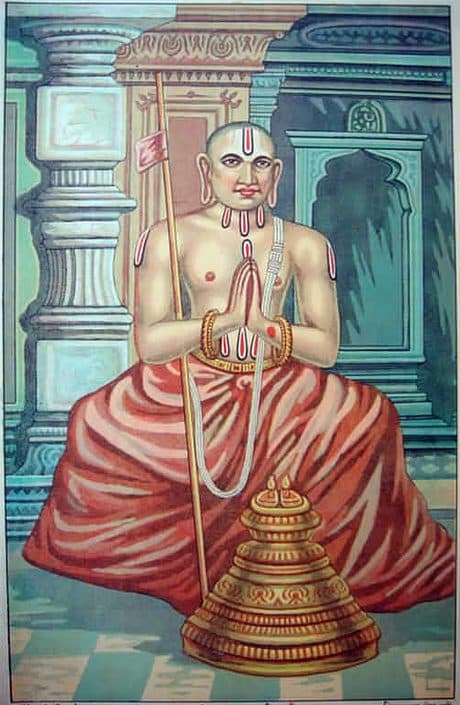
Rāmānuja · Viśiṣṭādvaita
English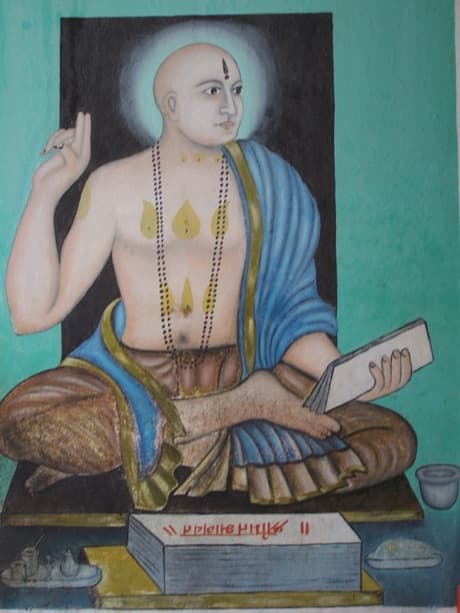
Madhvācārya · Dvaita
Madhva BhāṣyaSanskritEnglishOn verses 3.38–3.41
“कथं विरोधी सः? इदमनेनावृतम् - यथा धूमेनाग्निरावृतः, प्रकाशरूपोऽप्यन्येयामदर्शनाय, तथा परमात्मा । यथाऽऽदर्शो मलेन आवृतोऽन्याभिव्यक्तिहेतुं भवति, तथाऽन्तःकरणं परमात्मादेव्यक्तिहेतुं भवति, कामेनावृतम् । यथोल्लेनावृत्य बद्धो भवति गर्भस्तथा कामेन जीवः ॥ शास्त्रतो जातमपि ज्ञानं परमात्माऽपरोक्ष्याय न प्रकाशते कामेनावृतम् । ज्ञानिनोऽपि । किमु अल्पज्ञानिनः? कामरूपेण, कामाख्येन नित्यवैरिणः । दुष्पूरेण, दुःखेन हि कामः पूर्वा, न हीद्वादिपदं सुखेन लभ्यते । यद्यपीन्द्रादिपदं प्राप्तं पुनर्वस्मादिपदमिच्छतीति अलम्बुद्धिनिर्ति इति अनलः । उक्तं च । ज्ञानस्य ब्रह्मणश्चाग्नेर्धूमो बुद्धर्मलं तथा । आदर्शस्याथ जीवस्य गर्भस्योल्लो हि कामकः ॥ इति । यथार्थं शत्रोरधिष्ठानमाह - इन्द्रियाणि इति । एतैः ज्ञानमावृत्य । बुद्ध्यादिभिर्हि विषयैर्ज्ञानमावृतं भवति । हताधिष्ठानो हि शत्रुर्नश्यति” - How is that an adversary? It is adversary concealed like fire is enveloped by smoke, even though the self is luminous is not perceivable; even so the Supreme Self. Even as the mirror enveloped by dust is not perceivable by one desiring to be seen, even so the inner consciousness being enveloped by desire, the Supreme Self is not perceivable. Just as the embryo is not visible being enveloped by the womb, even so is Jiva enveloped by desire. One knows from scriptures that wisdom is not luminous, without realizing first the Supreme Self. When such is the case of the men of wisdom, what to speak of the men of little understanding ? कामरूपेण means in the form of desire. Desires comes to be fulfilled with great pain. Even if the position of Indra and others is not easily attained because of the insatiable desire even the the position of Brahman is attempted, not being easily satisfied- Even as evil desires are like smoke to the fire, even so they are for realizing Brahman. Even as dust is to the mirror, even so it inaccessible to the inner consciousness. Even as the womb covers the embryo, even so is the Jiva bound. The enemy, senses etc. are identified here for destroying them. The intelligence being enveloped by the senses etc. the wisdom becomes obscured. When seat itself is destroyed, would the enemy not be destroyed?
Madhvācārya · Dvaita
Gītā Tātparya NirṇayaSanskritEnglishOn verses 3.38–3.41
“परमेश्वराद् देवेभ्यश्चावक्तिरैरकं पृच्छति - अथ केन इति ।” - After Supreme Lord and the gods, which are the other most powerful influences, therefore the question in this verse is asked, By which others? “अखिलप्रेरको विष्णुर्वस्मादास्तदवान्तराः । असुरा अशुभेष्वेव कामादेरभिमानिनः ॥ तत्र कामः कालनेमिः सर्वं धूममलोववत् | शुभमध्याथमजनं कमादावृत्य तिष्ठति || महाशनस्य तस्येदं नालं तेनानलेऽग्निवत् | भुञ्जान इन्द्रियाविष्टो ज्ञानास्त्रेणैव दह्यते || इति ब्रह्मतर्के | ज्ञानावरणरूपेणैदमवृणदमावृणोतीत्यावृतं ज्ञानमिति पुनराह | न केवलं दुष्पूरः नालम् इति मन्यते चेत्यवलः | अग्नेरप्यनलः कामो यन्तलं मन्यते | इति च ||” - Sri Vishnu alone is the energizer of all, Brahma and the rest being subsidiary ones. Demons being influenced by desires and arrogance arouse evil intentions. Amongst the evil, kaalnemi being the most arrogant in his desires is most deluded. Influence of the smoke on fire, of dust on mirror and of the womb on the embryo will be on the noble, the middle ones and the mean people in that order. Like fire, desire is also a great devourer, therefore fire is referred as ‘anala’. Having its seat in the senses, it can be destroyed only by the weapon of Wisdom. Before realization, it envelops and even thereafter, thus Sri Krishna clarifies again. Even after realization the desire could still be an impediment. Therefore, desire being more powerful than even fire, it never says: ‘enough of this’.
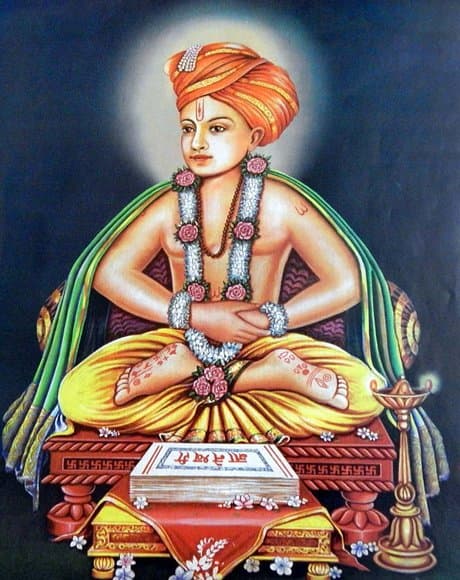
Jñāneśvar · Vārkarī
EnglishOn verses 3.40–3.42
40 "The sense-centres, the mind, and the intellect are said to be its location. Through these it bewilders the embodied-soul by obscuring his knowledge.
41 Therefore do thou, O Best of the Bharatas, restrain at the outset, the sense-centres, and kill this sin which is the destroyer both of (theoretical) knowledge as well as of its (practical) realisation.
42 The sense-centres are said to transcend (their objects); the mind transcends the sense-centres; and the discerning-intellect in its turn transcends the mind; the one who is beyond the discerning-intellect; that is HE. (266)
They even torment the Hatha-Yogin. Yet there is one good remedy even against this evil, and I shall tell it to you; see if it proves agreeable to you. Those sense-centres are the places of origin of these—lust and anger—and the senses give rise to actions. Therefore, first of all the senses should be conquered and controlled, and when this is done the mind will automatically stop running about, and the discerning-intellect will be set free, making the sinners—lust and anger—lose all their support.
Swami Ramsukhdas · Modern
English'Tasmāttvamindriyāṇyādau niyamya bharatarṣabha'—Senses, are said to be controlled, when they do not enjoy the sense-objects, but are used in order to maintain the body or to attain a spiritual goal. It means, that they should neither have an aversion to disagreeable action, nor an attachment for agreeable action (Gītā 18/10). Actions performed with attachment and aversion, strengthen attachment and aversion and these drive
a man to ruin. Therefore, let the scriptures be the authority for determining what should be done and what should not be done (Gītā 16/24). Thus, by following scriptural injunction, pertaining to the performance of prescribed actions, and non-performance of forbidden actions senses are controlled.
So long as, a man is swayed by his senses, he cannot have an eye on the goal of life. Without having an eye on the goal of life i.e., without attaining it, desire cannot be totally killed. So, first the Lord urges to control the senses, in order to kill desire.
First, the senses get entangled in their objects, by which desire for those objects is born. When a man performs actions with desire, he comes under the full sway of senses and has a downfall. But, he who performs his duty, by controlling the senses, without expecting any fruit, quickly attains salvation.
'Enam jñānavijñānanāśanam'—The term 'Jñāna' also stands for the knowledge of the scriptures (Gītā 18/42). But in this context the term, stands for discrimination (what should be done and what should not be done). The term, 'vijñāna' stands for Self-realization.
Discrimination and Self-realization—both are axiomatic. All the people have not realized the self, but discrimination has been bestowed upon them. The term 'Anicchannapi', used by Arjuna, in the thirty-sixth verse of this chapter, also proves that every human being possesses this faculty of discrimination. It is by discrimination that he knows, what is virtue and what is vice (sin). So, it is by discrimination that he does not want to commit a sin. But, when discrimination is veiled by desire, he commits sin without thinking of the consequences. When discrimination is aroused, he performs actions, having thought of the consequences.
Thus, desire veils discrimination, as well as Self-realization
i.e., it does not let these reveal themselves. So it has been called, the sinful destroyer. In fact it does not destroy them, but it hides them. This 'Veiling' has been called destroying, here Discrimination and Self-realization, are never destroyed, while desire is destroyed. If clouds appear before the eyes, it is said that the sun has been covered by clouds. But in fact, the sun is not covered, it is the eyes which are covered. Similarly, when it is said that desire has veiled discrimination and Self-realization, it means that these are not veiled, but it is the intellect which is concealed.
'Pāpānam hi prajahi'—Desire, is the root of all sins. Having veiled discrimination, it makes a man blind. So he cannot recognize the distinction between virtues and sins, and thus indulges in sins, which lead him to ruin. So the Lord orders to slay desire by declaring it sinful.
A man wants to lead a lonely life of an ascetic, by renouncing household affairs but he does not renounce desire; he does not even think of renouncing it. If desires are renounced, everything will be set right automatically. When a man dies with unfulfilled desires, these lead him to the next birth. It means, that desires lead him to the bondage of birth and death. Thus, desires do nothing, except binding him.
When a man is attracted towards worldly objects, desire is born. This desire veils discrimination and he indulges in sense-pleasure. The pleasure of birds and beasts, is confined to the joy born of the contact of senses, with objects. But, a man desires objects and money and indulges in hoarding money. In order to hoard money, he adopts foul means such as falsehood, fraud, thefts and robberies etc. Moreover, he becomes proud of himself. This pride is a demoniac trait. Thus, he is totally damned, Therefore the Lord orders Arjuna, to slay sinful desire.
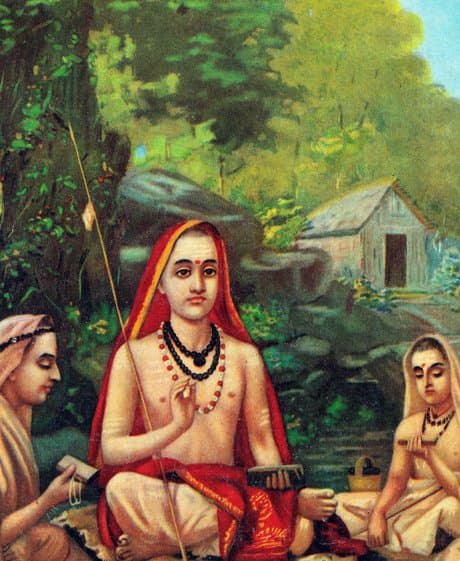
Ādi Śaṅkarācārya · Advaita
Sanskritतस्मात् त्वं इन्द्रियाणि आदौ पूर्वमेव नियम्य वशीकृत्य भरतर्षभ पाप्मानं पापाचारं कामं प्रजहिहि परित्यज एवं प्रकृतं वैरिणं ज्ञानविज्ञाननाशनं ज्ञानं शास्त्रतः आचार्यतश्च आत्मादीनां अवबोधः, विज्ञानं विशेषतः तदनुभवः, तयोः ज्ञानविज्ञानयोः श्रेयःप्राप्तिहेत्वोः नाशनं नाशकरं प्रजहिहि आत्मनः परित्यजेत्यर्थः ॥ इन्द्रियाण्यादौ नियम्य कामं शत्रुं जहिहि इत्युक्तम् ; तत्र किमाश्रयः कामं जह्यात् इत्युच्यते --
Ādi Śaṅkarācārya · Advaita
Hindiजब कि ऐसा है—
इसलिये हे भरतर्षभ! तू पहले इन्द्रियोंको वशमें करके ज्ञान और विज्ञानके नाशक इस ऊपर बतलाये हुए वैरी पापाचारी कामका परित्याग कर।
अभिप्राय यह कि शास्त्र और आचार्यके उपदेशसे जो आत्मा-अनात्मा और विद्या-अविद्या आदि पदार्थोंका बोध होता है उसका नाम 'ज्ञान' है, एवं उसका जो विशेषरूपसे अनुभव है उसका नाम विज्ञान है, अपने कल्याणकी प्राप्तिके कारणरूप उन ज्ञान और विज्ञानको यह काम नष्ट करनेवाला है, इसलिये इसका परित्याग कर
Jñāneśvar · Vārkarī
Marathiयांचा पहिला कुरुठा इंद्रियें । एथूनि प्रवृत्ति कर्मातें वियें । आधी निर्दळूनि घालीं तियें । सर्वथैव ॥ २६८ ॥
Jñāneśvar · Vārkarī
Hindi(3.268) इनका पहला घोंसला इन्द्रियाँ हैं। यहीं से प्रवृत्ति कर्म उत्पन्न करती है। प्रथम उन इन्द्रियों को सर्वथा पराजित कर छोड़ो।

Sri Udiya Baba · Modern
Hindiसंगति— काम इन्द्रिय, मन और बुद्धि के द्वारा जीव को मोहित करता है, इसलिये तुम्हारा क्या कर्तव्य है, यह बात अगले श्लोक से बतलाते हैं—
भावार्थ— अतः हे भरतश्रेष्ठ! पहले इन्द्रियों को वश में करके तुम ज्ञान-विज्ञान का नाश करने वाले इस पापी काम को मारो।
व्याख्या— सामान्यतया ज्ञान-विज्ञान शब्दों से शास्त्रीय अथवा सांसारिक वस्तुओं के ज्ञान समझे जाते हैं, किन्तु यहाँ ज्ञान से शास्त्रज्ञान और विज्ञान से अनुभव-ज्ञान ग्रहण करने चाहिये, क्योंकि यह साधन-सम्बन्धी प्रकरण है। यहाँ कामना का प्रसंग है और उसकी प्रबलता दिखायी गयी है। इसलिये कामना को ज्ञान-विज्ञान का नाश करने वाली कहा है। वास्तव में तो तत्त्वज्ञान का नाश नहीं होता। हाँ,
कामना ज्ञान-विज्ञान को उदय नहीं होने देती। यही उसका नाश है। कामना का नाश उपासना के बिना नहीं होता, अतः उपासना की बड़ी आवश्यकता है।
प्रश्न— विचारवान् की उपासना क्या है?
उत्तर— नाम-रूप का बाध उसकी उपासना है, उसे निरन्तर इसी का अभ्यास करते रहना चाहिये।
प्रश्न— बाध किसे कहते हैं?
उत्तर— 'नाप्रतीतिस्तयोर्बाधः किन्तु मिथ्यात्वनिश्चयः' अर्थात् नाम-रूप की अप्रतीति को बाध नहीं कहते, अपितु उनके मिथ्यात्वनिश्चय को बाध कहते हैं। बोधवान् किसी वस्तु का नाश नहीं करता, बाध ही करता है, जैसे रज्जु में सर्प के भ्रम की निवृत्ति करने के लिये सर्प का बाध ही किया जाता है, उसे लाठी से मारा नहीं जाता, इसी प्रकार स्वरूप का ज्ञान होने पर देहादि-प्रपञ्च का बाध ही होता है, देहादि में कोई परिवर्तन नहीं होता, केवल उसके मिथ्यात्व का बोध रहता है। यही बात आगे के दो श्लोकों में बतलाते हैं—
Swami Ramsukhdas · Modern
Hindi‘तस्मात्त्वमिन्द्रियाण्यादौ नियम्य भरतर्षभ’—इन्द्रियोंको विषयोंमें भोग-बुद्धिसे प्रवृत्त न होने देना, अपितु केवल निर्वाह-बुद्धिसे अथवा साधन-बुद्धिसे प्रवृत्त होने देना ही उनको वशमें करना है। तात्पर्य है कि इन्द्रियोंकी विषयोंमें रागपूर्वक प्रवृत्ति न हो और द्वेषपूर्वक निवृत्ति न हो। (गीता—अठारहवें अध्यायका दसवाँ श्लोक) रागपूर्वक प्रवृत्ति और द्वेषपूर्वक निवृत्ति होनेसे राग-द्वेष पुष्ट हो जाते हैं और न चाहते हुए भी मनुष्यको पतनकी ओर ले जाते हैं। इसलिये प्रवृत्ति और निवृत्ति अथवा कर्तव्य और अकर्तव्यको जाननेके लिये शास्त्र ही प्रमाण है। (गीता—सोलहवें अध्यायका चौबीसवाँ श्लोक) शास्त्रके अनुसार कर्तव्यका पालन और अकर्तव्यका त्याग करनेसे इन्द्रियाँ वशमें हो जाती हैं।
‘काम’ को मारनेके लिये सबसे पहले इन्द्रियोंका नियमन करनेके लिये कहनेका कारण यह है कि जबतक मनुष्य इन्द्रियोंके वशमें रहता है, तबतक उसकी दृष्टि तत्त्वकी ओर नहीं जाती; और तत्त्वकी ओर दृष्टि गये बिना अर्थात् तत्त्वका अनुभव हुए बिना ‘काम’ का सर्वथा नाश नहीं होता।
मनुष्यकी प्रवृत्ति इन्द्रियोंसे ही होती है। इसलिये वह
सबसे पहले इन्द्रियोंके विषयोंमें ही फँसता है, जिससे उसमें उन विषयोंकी कामना पैदा हो जाती है। कामना-सहित कर्म करनेसे मनुष्य पूरी तरह इन्द्रियोंके वशमें हो जाता है और इससे उसका पतन हो जाता है। परन्तु जो मनुष्य इन्द्रियोंको वशमें करके निष्काम-भावपूर्वक कर्तव्य-कर्म करता है, उसका शीघ्र ही उद्धार हो जाता है।
‘एनम् ज्ञानविज्ञाननाशनम्’—‘ज्ञान’ पदका अर्थ शास्त्रीय ज्ञान भी लिया जाता है; जैसे—ब्राह्मणके स्वाभाविक कर्मोंके अन्तर्गत ‘ज्ञानम्’ पद शास्त्रीय ज्ञानके लिये ही आया है। (गीता—अठारहवें अध्यायका बयालीसवाँ श्लोक)। परन्तु यहाँ प्रसंगके अनुसार ‘ज्ञान’ का अर्थ विवेक (कर्तव्य-अकर्तव्यको अलग-अलग जानना) लेना ही उचित प्रतीत होता है। ‘विज्ञान’ पदका अर्थ विशेष ज्ञान अर्थात् तत्त्वज्ञान (अनुभव-ज्ञान, असली ज्ञान या बोध) है।
विवेक और तत्त्वज्ञान—दोनों ही स्वतःसिद्ध हैं। तत्त्व-ज्ञानका अनुभव तो सबको नहीं है, पर विवेकका अनुभव सभीको है। मनुष्यमें यह विवेक विशेषरूपसे है। अर्जुनके प्रश्न—(मनुष्य न चाहता हुआ भी पाप क्यों करता है?) में आये ‘अनिच्छन्नपि’ पदसे भी यही सिद्ध होता है कि
मनुष्योंमें विवेक है और इस विवेकसे ही वह पाप और पुण्य-दोनोंको जानता है और पाप नहीं करना चाहता। पाप न करनेकी इच्छा विवेकके बिना नहीं होती। परन्तु यह 'काम' उस विवेको ढक देता है और उसको जाग्रत् नहीं होने देता।
विवेक जाग्रत् होनेसे मनुष्य भविष्यपर अर्थात् परिणामपर दृष्टि रखकर ही सब कार्य करता है। परन्तु कामनासे विवेक ढक जानेके कारण परिणामकी ओर दृष्टि ही नहीं जाती। परिणामकी तरफ दृष्टि न जानेसे ही वह पाप करता है।
इस प्रकार जिसका अनुभव सबको है, उस विवेको भी जब यह 'काम' जाग्रत् नहीं होने देता, तब जिसका अनुभव सबको नहीं है, उस तत्त्वज्ञानको तो जाग्रत् होने ही कैसे देगा? इसलिये यहाँ 'काम' को ज्ञान (विवेक) और विज्ञान (बोध)-दोनोंका नाश करनेवाला बताया गया है।
वास्तवमें यह 'काम' ज्ञान और विज्ञानका नाश (अभाव) नहीं करता, प्रत्युत उन दोनोंको ढक देता है अर्थात् प्रकट नहीं होने देता। उन्हें ढक देनेको ही यहाँ उनका नाश करना कहा गया है। कारण कि ज्ञान-विज्ञानका कभी नाश होता ही नहीं। नाश तो वास्तवमें 'काम' का ही होता है। जिस प्रकार नेत्रोंके सामने बादल आनेपर 'बादलोंने सूर्यको ढक दिया' ऐसा कहा जाता है, पर वास्तवमें सूर्य नहीं ढका जाता, प्रत्युत नेत्र ढके जाते हैं, उसी प्रकार 'कामनाने ज्ञान-विज्ञानको ढक दिया' ऐसा कहा तो जाता है, पर वास्तवमें ज्ञान-विज्ञान ढके नहीं जाते, प्रत्युत बुद्धि ढकी जाती है।
'पाप्मानं हि प्रजहि'-कामना सम्पूर्ण पापोंकी जड़ है। इसलिये कामना उत्पन्न होनेसे पाप होनेकी सम्भावना रहती है। आगे चलकर कामना मनुष्यके विवेको ढककर उसे अन्धा बना देती है, जिससे उसे पाप-पुण्यका ज्ञान ही नहीं रहता और वह पापोंमें ही लग जाता है। इससे उसका महान् पतन हो जाता है। इसलिये भगवान् कामनाको
महापापी बताकर उसे अवश्य ही मार डालनेकी आज्ञा देते हैं।
गृहस्थ-जीवन ठीक नहीं, साधु हो जायें, एकान्तमें चले जायें-ऐसा विचार करके मनुष्य कार्यको तो बदलना चाहता है, पर कारण 'कामना' को नहीं छोड़ता; उसे छोड़नेका विचार ही नहीं करता। यदि वह कामनाको छोड़ दे तो उसके सब काम अपने-आप ठीक हो जायें। जब मनुष्य जीनेकी कामना तथा अन्य कामनाओंको रखते हुए मरता है, तब वे कामनाएँ उसके अगले जन्मका कारण बन जाती हैं। तात्पर्य यह है कि जबतक मनुष्यमें कामना रहती है, तबतक वह जन्म-मरणरूप बन्धनमें पड़ा रहता है। इस प्रकार बाँधनेके सिवाय कामना और कुछ काम नहीं आती।
जब मनुष्यका जड़-पदार्थोंकी तरफ आकर्षण होता है, तभी उनकी कामना उत्पन्न होती है। कामना उत्पन्न होते ही विवेक-दृष्टि दब जाती है और इन्द्रिय-दृष्टिकी प्रधानता हो जाती है। इन्द्रियाँ मनुष्यको केवल शब्दादि विषयोंके सुख-भोगमें ही लगती हैं। पशु-पक्षियोंकी भी प्रवृत्ति इन्द्रियोंसे मिलनेवाले सुखतक ही रहती है। परन्तु कामनासे विवेक ढक जानेके कारण मनुष्य इन्द्रियजन्य सुखके लिये पदार्थोंकी कामना करने लगता है और फिर पदार्थोंके लिये रुपयोंकी कामना करने लग जाता है। इतना ही नहीं, उसकी दृष्टि रुपयोंसे भी हटकर रुपयोंकी गिनती-(संग्रह-) में हो जाती है। फिर वह रुपयोंकी गिनती बढ़ानेमें ही लग जाता है। निर्वाहमात्रके रुपयोंकी अपेक्षा उनका संग्रह अधिक पतन करनेवाला है और संग्रहकी अपेक्षा भी रुपयोंकी गिनती महान् पतन करनेवाली है। गिनती बढ़ानेके लिये वह झूठ, कपट, धोखा, चोरी आदि पाप-कर्मोंको भी करने लग जाता है और गिनती बढ़नेपर उसमें अभिमान भी आ जाता है, जो आसुरी-सम्पत्तिका मूल है। इस प्रकार कामनाके कारण मनुष्य महान् पतनकी ओर चला जाता है। इसलिये भगवान् इस महान् पापी कामका अच्छी तरह नाश करनेकी आज्ञा देते हैं।
One who is interested in qualifying for jñāna yoga or the cultivation of Vedic knowledge must restrain the natural outgoing tendency of the five senses from pursuing sense objects.
But the mighty enemy kāma or lust covertly causes dissent in the enquiring of ātma tattva or realisation of the soul and contrarily causes enthusiasm for procuring the delights of the senses.
One understanding that the senses operate in their own natural sphere within the physical body, directs them to perform the appropriate occupational duties according to ones rank and station in life in karma yoga or the performance of prescribed Vedic activities and thus the senses are constrained.
Lord Krishna thus gives the key to vanquishing this great enemy known as kāma which is so terrible and which destroys both jñāna or spiritual knowledge and vijñāna or spiritual wisdom.