

Bhagavad Gītā · Chapter 3 · Karma Yoga
कर्मेन्द्रियाणि संयम्य य आस्ते मनसा स्मरन्
इन्द्रियार्थान्विमूढात्मा मिथ्याचारः स उच्यते
karmendriyāṇi saṃyamya ya āste manasā smaran|
indriyārthānvimūḍhātmā mithyācāraḥ sa ucyate||
Word meanings
यः = who
कर्मेन्द्रियाणि = the organs of action
संयम्य = restraining
मनसा = with the mind
इन्द्रियार्थान् = the objects of the senses
स्मरन् = dwelling on
आस्ते = sits
सः = that
विमूढात्मा = deluded in mind
मिथ्याचारः = a hypocrite
उच्यते = is called
Translation
He who outwardly restraining the organs of sense and action, sits mentally dwelling on the objects of senses, that man of deluded intellect is called a hypocrite.
Commentary
The commentators seated around this verse

Rāmānuja · Viśiṣṭādvaita
English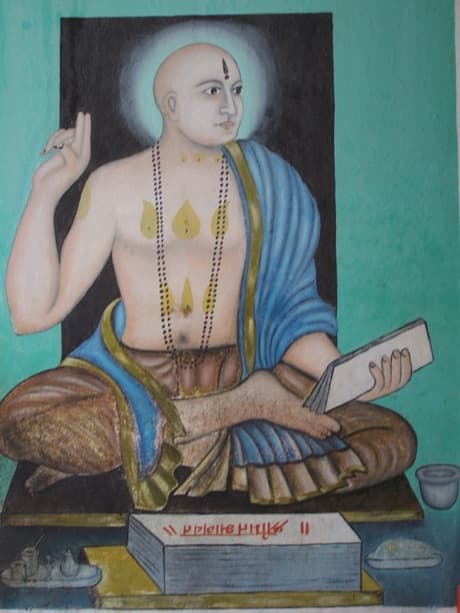
Madhvācārya · Dvaita
Madhva BhāṣyaSanskritEnglishOn verses 3.5–3.7
“न तु कर्माणि सर्वात्मना त्यक्तुं शक्यानि | इत्याह - न हि इति | तथाऽपिशक्तितस्यागः कार्ये इत्यत आह - कर्मेन्द्रियाणि इति | मन एव प्रयोजकम् इति दर्शयितुमन्वयव्यतिरेकावह - मनसा स्मरन्, मनसा नियम्य इति | कर्म योगं स्ववर्णाश्रमोचितम् | न तु गृहस्थकर्मैवेति नियमः | न्यासदिविधानात् | सामान्यवचनाच्च |” - Actions are not possible to be renounced, thus speaks Sri Krishna. Actions are not possible to be renounced, thus speaks Sri Krishna. Therefore, actions should be renounced with all effort. Thus has been said in the verse. To show the predominant role of the Mind on influencing the entity, it is said, मनसा स्मरन् ie remembering in Mind. Karma Yoga is suitable according to the stage one is in. Not that Action is only for the householder, because of particular reference that it is for the ascetics also. It is also so in common parlance.
Madhvācārya · Dvaita
Gītā Tātparya NirṇayaSanskritEnglishOn verses 3.5–3.7
“कर्तृत्व द्विविधं प्रोक्तं विकारश्च स्वतन्त्रता | विकाराः प्रकृतेरेव स्वतन्त्रता || इति पेडिगीश्रुतेः | कायेन ह्यवसः इत्यत्रावशो विष्णुवशः | अः इति ब्रह्म इत्यादि श्रुतेः ||” - Actions are spoken as being two-fold, which are due to the modifications of the attributes and those which are independent. The actions caused by the modifications of the attributes are due to effect of the Prakriti; Independent actions are those of Sri Vishnu, thus, in Paingi Scripture. Therefore, in कार्यते ह्यवशः means being dependent on Sri Vishnu. The scriptures further clarify that अ means Brahman, thus in scriptures

Jñāneśvar · Vārkarī
English6 “(And) he who, repressing the organs of action, (yet) continues recalling in mind their objects, deludes himself and is styled “a man of false conduct.” (64)
There are those who aspire to be “action-free” simply by abandoning their ordained duties; and to that end only repress impulsive tendencies of the organs. But they do not succeed in securing true renunciation. Their mind goes on thinking of actions. They only make an outward show of being action-free, which is nothing less than the merest travesty of freedom. O Pārtha, take it that such men are always entangled in the allurements of sense objects, there is absolutely no doubt about it. Now I take this occasion of telling you the marks of true renunciation, Oh best of bowmen, and hear it attentively.
Swami Ramsukhdas · Modern
English'Karmendriyāṇi saṃyamya ya āste manasā smaran indriyārthānvimūḍhātmā mithyācāraḥ sa ucyate'—Here the term 'Karmendriyāṇi' does not stand only for the five organs of action (speech, hand, foot, anus and generative organ) but also stands for the five sense-organs (ear, skin, eye, taste and nose) because actions cannot be performed by the organs of action alone without sense-organs. Besides this if only the organs of action such as hand and foot etc., are restrained but the sense-organs such as ear and eye are
not restrained hypocrisy is not fully proved.
In the *Gītā*, sense-organs have also been included within the organs of action. Therefore, in the *Gītā* only the term 'Karmendriya' rather than 'Jñānendriya' has been used. In the eighth and ninth verses of the fifth chapter the actions of the sense-organs such as seeing, hearing and touching etc., have also been innumerated along with actions of the organs of action. It proves, that in the *Gītā*, the sense-organs are also included, in the organs of action. According to the *Gītā*, the activities performed with the mind, are also included in actions (*Gītā* 18/15). It means, that every evolute of nature is active, because nature is ever-active.
Though the term 'saṃyāma' means full control over senses, yet here it signifies, only their outward restraint. The reason is, that he who has completely controlled his senses, cannot be called a hypocrite.
A man of foolish understanding (who cannot distinguish the real, from the unreal) restrains the senses forcibly, from running after sense-objects but thinks of the objects of enjoyment, with his mind and assumes this state, as actionless. Such a person is called a hypocrite. The reason is, that outwardly he has restrained the organs and senses, but because of egoism, attachment and desire, he performs action by enjoying pleasure, while thinking of the objects of enjoyment.
Worldly pleasures can be enjoyed externally, as well as internally. As external pleasures leave their influence, so do the internal ones, which are enjoyed by thinking of the objects of enjoyment viz., by being attached to them. External pleasures can be renounced by applying discrimination, thinking of adverse consequences or to maintain social decorum. But, there is no such obstacle, in the enjoyment of internal pleasures. A person goes on enjoying these with his mind, and develops a false pride that he has renounced these pleasures. Thus, internal pleasures prove very fatal for him. Therefore, a striver should very carefully
restrain his mind from thinking of the objects of enjoyment.
Arjuna also wants to renounce the performance of actions, and asks Lord Kṛṣṇa why He urges him to engage in the terrible deed. In response to his question the Lord replies, that a person who, having renounced the actions externally, has egoism, attachment and desire etc., but thinks that he is not performing any action, is a hypocrite. It means that striver instead of renouncing the performance of actions, should perform them promptly, renouncing desire and attachment.
**Appendix**—Worldly pleasures can be enjoyed externally as well as internally by mind. Enjoyment of pleasures physically and relishing them by thinking of sense-objects—there is no difference between the two.
The same impression is made by dwelling on sense-objects in the mind as it is made by physical enjoyment of pleasures. If one relishes the memory of pleasures, then several years may pass but that pleasure remains the same (fresh). Therefore the thought of pleasure gives birth to a new pleasure. Not only this but relish of pleasures, by thinking of them, causes greater harm. The reason is that a man can renounce external pleasures in order to escape adverse public opinion and to maintain social decorum, but in the enjoyment of pleasures with the mind there is no such external obstacle. Therefore a man gets a good chance to enjoy them with the mind. So relishing pleasures with the mind is very harmful for a striver. In fact renunciation of pleasures mentally is the real renunciation (Gītā 2/64).
*Link:—In the fourth verse, the Lord laid emphasis on the performance of actions, in both the Disciplines of Action and Knowledge. In the fifth verse, He declared, 'No one can remain even for a moment without performing action.' In the sixth verse, He said, 'He who, restraining the organs of actions forcibly*
*regards himself as actionless, is a hypocrite.* It means that renunciation of actions, is not true renunciation. Therefore, He in the next verse explains the marks of real renunciation.
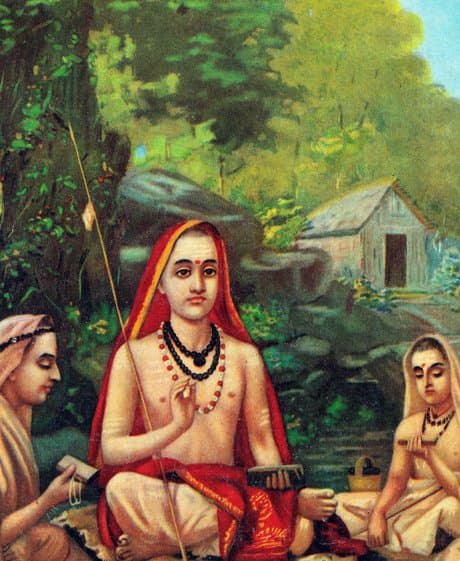
Ādi Śaṅkarācārya · Advaita
Sanskritकर्मेन्द्रियाणि हस्तादीनि संयम्य संहृत्य यः आस्ते तिष्ठति मनसा स्मरन् चिन्तयन् इन्द्रियार्थान् विषयान् विमूढात्मा विमूढान्तःकरणः मिथ्याचारो मृषाचारः पापाचारः सः उच्यते ॥
Ādi Śaṅkarācārya · Advaita
Hindiजो आत्मज्ञानी न होनेपर भी शास्त्रविहित कर्म नहीं करता, उसका वह कर्म न करना बुरा है; यह कहते हैं—
जो मनुष्य हाथ, पैर आदि कर्मेन्द्रियोंको रोककर इन्द्रियोंके भोगोंको मनसे चिन्तन करता रहता है, वह विमूढात्मा अर्थात् मोहित अन्तःकरणवाला मिथ्याचारी, ढोंगी, पापाचारी कहा जाता है
Jñāneśvar · Vārkarī
Marathiजे उचित कर्म सांडिती । मग नैष्कर्म्य होऊं पाहती । परी कर्मेंद्रियप्रवृत्ती । निरोधूनि ॥ ६४ ॥
तयां कर्मत्यागु न घडे । जें कर्तव्य मनीं सापडे । वरी नटती तें फुडे । दरिद्र जाण ॥ ६५ ॥
ऐसे ते पार्था । विषयासक्त सर्वथा । वोळखावे तत्वता । येथ भ्रांति नाहीं ॥ ६६ ॥
आतां देई अवधान । प्रसंगे तुज सांगेन । या नैराश्याचे चिन्ह । धनुर्धरा ॥ ६७ ॥
Jñāneśvar · Vārkarī
Hindi(3.64) जो उचित कर्म छोड़ देते हैं और फिर कर्मेन्द्रिय-प्रवृत्ति का दमन करके कर्मविमुक्त हुआ चाहते हैं (3.65) उनसे कर्मत्याग नहीं हो सकता क्योंकि उनके मन में कर्म करने की अभिलाषा रह जाती है। जो ऊपर की दिखावट है वह सचमुच विडंबना है।
(3.66) हे पार्थ! यह निस्सन्देह सत्य समझो कि ऐसे पुरुष सर्वदा विषयासक्त रहते हैं।
(3.67) हे धनुर्धर! अब ध्यान दो, हम तुम्हें प्रसंगानुसार निरिच्छ मनुष्य का लक्षण बतलाते हैं।

Sri Udiya Baba · Modern
Hindiसंगति— अब अगले श्लोक में मलिन अन्तःकरण वालों के लक्षण कहते हैं—
भावार्थ— जो कर्मेन्द्रियों को विषयों से रोककर मन से इन्द्रियों के विषयों का चिन्तन करता रहता है वह विमूढात्मा (विवेकशून्य पामर) मिथ्याचारी (पाखण्डी) कहा जाता है।
व्याख्या— दम्भ का कारण वासना है, क्योंकि वासना की पूर्ति के लिये ही दम्भ किया जाता है। 'इन्द्रियों को रोकने' का तात्पर्य है इन्द्रियों को उनके विषयों से हटाना क्योंकि इन्द्रियाँ तो रोकी नहीं जा सकतीं। बहुत लोगों का ऐसा विचार है कि क्रिया का सर्वथा बन्द हो जाना, अर्थात् किसी वस्तु का भान न होना ही ज्ञान है; परन्तु जगत् की विस्मृति होने से ही कल्याण नहीं होता। विस्मृति तो सुषुप्ति और मूर्च्छा में भी हो जाती है। परन्तु क्रिया उन अवस्थाओं में भी होती रहती है, क्योंकि प्राण और रक्तादि की गति तब भी नहीं रुकती। ज्ञान होने से क्रिया कर्म बन्द नहीं होते, जैसे सुवर्ण का ज्ञान होने पर आभूषणों में कोई अन्तर नहीं आता। इसी प्रकार बोध होने पर शरीर की क्रियाओं में कोई परिवर्तन नहीं होता। क्रिया तो ज्ञानी और अज्ञानी
की एक-सी ही होती है। दोनों में अन्तर केवल इतना है कि अज्ञानी में जो भाव होता है वही क्रिया होती है। इसके सिवा अज्ञानी की क्रिया आसक्ति-पूर्वक होती है और ज्ञानी की आसक्ति-शून्य। इसी दृष्टि से कहा जाता है कि विवेकी करते हुए भी अकार्ता है। अतः वह सर्वदा मुक्त है, क्योंकि उसकी किसी में आसक्ति नहीं होती। ऐसे ही विवेकी महापुरुष जनकादि थे। कहा भी है—
विवेकी सर्वदा मुक्तः कुर्वतो नास्ति कर्तृता। अलेपवादमाश्रित्य श्रीकृष्णजनकौ यथा॥
सब ज्ञानियों का शारीरिक व्यवहार भी भिन्न-भिन्न प्रकार का होता है। वह उनके पूर्व प्रारब्ध या संस्कारों के अधीन है, किन्तु उनका ज्ञान एक ही होता है। श्रीकृष्ण भोगी, शुकदेव त्यागी जनक और राम राजा तथा वसिष्ठजी कर्मकाण्डी थे। किन्तु ज्ञान तो पाँचों का समान था—
कृष्णो भोगी शुकस्त्यागी राजानौ जनकराघवौ। वसिष्ठः कर्मकर्ता च पञ्चैते ज्ञानिनः समाः॥
अतः ज्ञान स्वसंवेद्य है। उसे अज्ञानी नहीं जान सकते। जो कहते हैं कि बोधकाल में ऐसी क्रिया या अनुभव होता है वे बड़ी भूल में हैं, क्योंकि बोध देश-कालातीत है। इसलिये जो कुछ कहा जाता है वह जिज्ञासु को समझाने के लिये है।
Swami Ramsukhdas · Modern
Hindi‘कर्मेन्द्रियाणि संयम्य...मिथ्याचारः स उच्यते’—यहाँ ‘कर्मेन्द्रियाणि’ पदका अभिप्राय पाँच कर्मेन्द्रियों (वाक्, हस्त, पाद, उपस्थ और गुदा) से ही नहीं है, प्रत्युत इनके साथ पाँच ज्ञानेन्द्रियों (श्रोत्र, त्वचा, नेत्र, रसना और घ्राण) से भी है; क्योंकि ज्ञानेन्द्रियोंके बिना केवल कर्मेन्द्रियोंसे कर्म नहीं हो सकते। इसके सिवाय केवल हाथ, पैर आदि
कर्मेन्द्रियोंको रोकनेसे तथा आँख, कान आदि ज्ञानेन्द्रियोंको न रोकनेसे पूरा मिथ्याचार भी सिद्ध नहीं होता। गीतामें कर्मेन्द्रियोंके अन्तर्गत ही ज्ञानेन्द्रियाँ मानी गयी हैं। इसलिये गीतामें ‘कर्मेन्द्रिय’ शब्द तो आता है, पर ‘ज्ञानेन्द्रिय’ शब्द कहीं नहीं आता। पाँचवें अध्यायके आठवें-नवें श्लोकोंमें देखना, सुनना, स्पर्श करना आदि
१-व्युत्थाननिरोधसंस्कारयोरभिभवप्रादुर्भावो निरोधक्षणचित्तान्वयो निरोधपरिणामः ॥ ९ ॥ सर्वार्थतैकाग्रतयोः क्षयोदयो चित्तस्य समाधिपरिणामः ॥ ११ ॥ ततः पुनः शान्तोदितौ तुल्यप्रत्ययौ चित्तस्यैकाग्रतापरिणामः ॥ १२ ॥ (विभूतिपाद)
२-अथ कोऽयं परिणामः ? अवस्थितस्य द्रव्यस्य पूर्वधर्मनिवृत्तौ धर्मान्तरोत्पत्तिः परिणामः’ (योगदर्शन, विभूतिः १३ का व्यास-भाष्य) ‘यह परिणाम क्या है ? अवस्थित द्रव्यके पूर्व धर्मकी निवृत्ति होकर अन्य धर्मकी उत्पत्ति (अवस्थान्तर) ही परिणाम है।’
ज्ञानेन्द्रियोंकी क्रियाओंको भी कर्मेन्द्रियोंकी क्रियाओंके साथ सम्मिलित किया गया है, जिससे सिद्ध होता है कि गीता ज्ञानेन्द्रियोंको भी कर्मेन्द्रियाँ ही मानती है। गीता मनकी क्रियाओंको भी कर्म मानती है—‘शरीरवाङ्मनोभिर्यत्कर्म प्रारभते नरः’ (१८।१५)। तात्पर्य यह है कि मात्र प्रकृति क्रियाशील होनेसे प्रकृतिका कार्यमात्र क्रियाशील है।
यद्यपि ‘संयम्य’ पदका अर्थ होता है—इन्द्रियोंका अच्छी तरहसे नियमन अर्थात् उन्हें वशमें करना, तथापि यहाँ इस पदका अर्थ इन्द्रियोंको वशमें करना न होकर उन्हें हठपूर्वक बाहरसे रोकना ही है। कारण कि इन्द्रियोंके वशमें होनेपर उसे मिथ्याचार कहना नहीं बनता।
मूढ़ बुद्धिवाला (सत्-असत् के विवेकसे रहित) मनुष्य बाहरसे तो इन्द्रियोंकी क्रियाओंको हठपूर्वक रोक देता है, पर मनसे उन इन्द्रियोंके विषयोंका चिन्तन करता रहता है और ऐसी स्थितिको क्रियारहित मान लेता है। इसलिये वह मिथ्याचारी अर्थात् मिथ्या आचरण करनेवाला कहा जाता है।
यद्यपि उसने इन्द्रियोंके विषयोंको बाहरसे त्याग दिया है और ऐसा समझता है कि मैं कर्म नहीं करता हूँ, तथापि ऐसी अवस्थामें भी वह वस्तुतः कर्मरहित नहीं हुआ है। कारण कि बाहरसे क्रियारहित दीखनेपर भी अहंता, ममता और कामनाके कारण रागपूर्वक विषयचिन्तनके रूपमें विषय-भोगरूप कर्म तो हो ही रहा है।
**परिशिष्ट भाव**—सांसारिक भोगोंको बाहरसे भी भोगा जा सकता है और मनसे भी। बाहरसे भोग भोगना और मनसे उनके चिन्तनका रस (सुख) लेना—दोनोंमें कोई फर्क नहीं है। बाहरसे रागपूर्वक भोग भोगनेसे जैसा संस्कार पड़ता है, वैसा ही संस्कार मनसे भोग भोगनेसे अर्थात् मनसे भोगोंके चिन्तनमें रस लेनेसे पड़ता है। भोगकी याद आनेपर उसकी यादसे रस लेते हैं तो कई वर्ष बीतनेपर भी वह भोग ज्यों-का-त्यों (ताजा) बना रहता है। अतः भोगके चिन्तनसे भी एक नया भोग बनता है! इतना ही नहीं, मनसे भोगोंके चिन्तनका सुख लेनेसे विशेष हानि होती है। कारण कि लोक-लिहाजसे, व्यवहारमें गड़बड़ी आनेके भयसे मनुष्य बाहरसे तो भोगोंका त्याग कर सकता है, पर मनसे भोग भोगनेमें बाहरसे कोई बाधा नहीं आती। अतः मनसे भोग भोगनेका विशेष अवसर मिलता है। इसलिये मनसे भोग भोगना साधकके लिये बहुत नुकसान करनेवाली बात है। वास्तवमें मनसे भोगोंका त्याग ही वास्तविक त्याग है (गीता—दूसरे अध्यायका चौसठवाँ श्लोक)।
सम्बन्ध—चौथे श्लोकमें भगवान्ने कर्मयोग और सांख्ययोग—दोनोंकी दृष्टिसे कर्मोंका त्याग अनावश्यक बताया। फिर पाँचवें श्लोकमें कहा कि कोई भी मनुष्य किसी भी अवस्थामें क्षणमात्र भी कर्म किये बिना नहीं रह सकता। छठे श्लोकमें हठपूर्वक इन्द्रियोंकी क्रियाओंको रोककर अपनेको क्रियारहित मान लेनेवालेका आचरण मिथ्या बताया। इससे सिद्ध हुआ कि कर्मोंका स्वरूपसे त्याग कर देनेमात्रसे उनका वास्तविक त्याग नहीं होता। अतः आगेके श्लोकमें भगवान् वास्तविक त्यागकी पहचान बताते हैं।
A hypocrite (mithyācāraḥ) is one whose actions do not harmonise with one’s resolve.
[Such a person] is one whose mind and other five senses are not subdued—having failed to neutralise the accumulated demerit, and is none-the-less struggling for Self-realisation.
His mind is dragged away from the Self because it is so attached to sense objects, and thus he allows the mind to dwell upon them —by practising meditation in this way, one becomes perverted and lost.