

Bhagavad Gītā · Chapter 3 · Karma Yoga
देवान्भावयतानेन ते देवा भावयन्तु वः
परस्परं भावयन्तः श्रेयः परमवाप्स्यथ
devānbhāvayatānena te devā bhāvayantu vaḥ|
parasparaṃ bhāvayantaḥ śreyaḥ paramavāpsyatha||
Word meanings
for verses 3.10–3.11
प्रजापतिः = the Lord of creatures
पुरा = at the beginning of creation
सहयज्ञाः = together with sacrifice
प्रजाः = creatures
सृष्ट्वा = having created
उवाच = said
अनेन = by this
प्रसविष्यध्वम् = may you prosper
एषः = this
वः = for you
इष्टकामधुक् = grantor of desired wishes (like a wish-fulfilling cow)
अस्तु = let there be
अनेन = by this
देवान् = the gods
भावयत = nourish
ते = they
देवाः = the gods
वः = for you
भावयन्तु = let them nourish
परस्परम् = one another
भावयन्तः = nourishing
परम् = the supreme (good)
श्रेयः = the highest good
अवाप्स्यथ = you shall attain
Translation
Foster the gods through this (sacrifice), and let the gods be gracious to you. Each fostering other disinterestedly, you will attain the highest good.
Commentary
The commentators seated around this verse
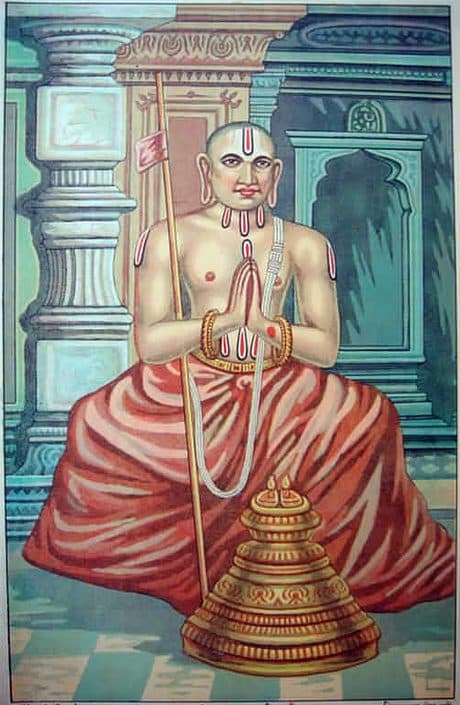
Rāmānuja · Viśiṣṭādvaita
English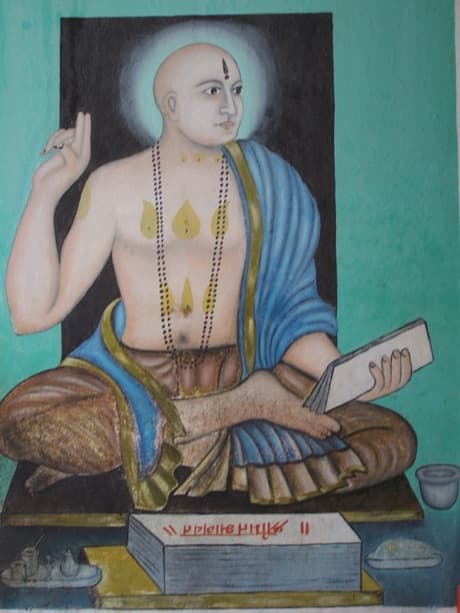
Madhvācārya · Dvaita
Madhva BhāṣyaSanskritEnglishOn verses 3.10–3.13
“अत्रार्थवादमाह – सहयज्ञाः इति ||” – In this verse 'along with sacrifice', rational words are spoken.
Madhvācārya · Dvaita
Gītā Tātparya NirṇayaSanskritEnglishOn verses 3.10–3.13
“कर्मणा वध्यते जन्तुः इत्यादिकमप्यवैष्णवकर्मविषयमित्याह – यज्ञार्था इति ||” Saying by action a Jiva is bound, Sri Krishna points out the desirable वैष्णव purpose in life saying यज्ञार्थात्, “ज्ञो नाम भगवान् विष्णुसन् यतुद्देश एष यः | स यज्ञ इति सम्पात्तो विहिते कर्मणि स्थितः ||”, thus in BarkaShruti.
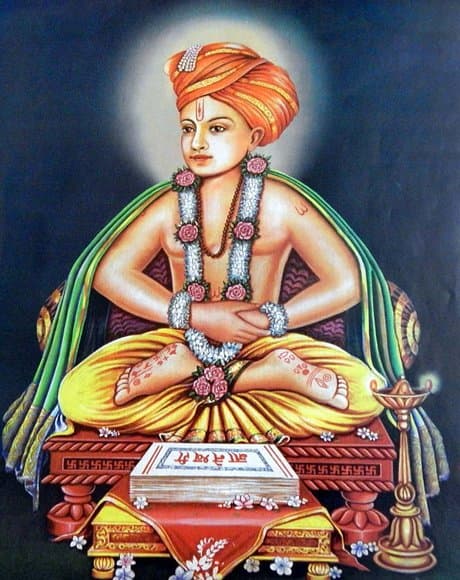
Jñāneśvar · Vārkarī
English11 “With this do ye foster the Gods, and may the Gods in turn foster you! Fostering each other (thus), ye shall gain the Highest Good. (95)
When you follow your own religion, all the deities will feel propitiated and will easily give you all desired things. If you worship the deities in the form of following your own religion, they will certainly provide you with the wherewithal with which to make your own living and will not leave you in need. You thus worship the Gods and they will be propitious to you, and then will be created reciprocal affection between the Gods and you. When this is achieved, whatever you propose you will succeed in doing and all the desires of your mind will be fulfilled. Your word will never be dishonoured and you will be powerful enough to command, and the Goddess of Prosperity will be seeking for your commands, as the woods remain waiting bedecked with flowers, and loads of fruit etc. at the door of the spring season.
Swami Ramsukhdas · Modern
EnglishOn verses 3.10–3.11
'Sahayajñāḥ prajāḥ srṣṭvā purovāca prajāpatiḥ'—One, who creates beings or things etc., it becomes his duty to preserve
them. Brahmā is the creator and Lord of creation and so he always thinks of the preservation and salvation of creation. Thus, he is known as 'Prajāpati' (The Lord of creation).
At the beginning of creation Brahmā, the creator, created man by providing him with power for performing actions and also bestowed upon him discrimination.* The right use of desirable and undesirable circumstances, leads to salvation. Therefore, the creator bestowed upon mankind discrimination, in order to enable them to make the right use of the favourable and unfavourable circumstances.
Beasts, birds and trees etc., even without having the power of discrimination, naturally do good to others; but by God's grace, special power of discrimination has been bestowed upon mankind. So if a man does not perform forbidden actions, by attaching importance to his discrimination, naturally actions for the welfare of others are performed by him.
Though the term 'prajā' (creation) stands for gods, sages, manes, mankind and other beings (beasts, birds and trees etc.,) yet mankind is particularly, responsible to rear all beings. Therefore, here the term 'prajāh' stands for mankind.
The Discipline of Action (Karmayoga) has been functioning from time immemorial. In the third verse of the fourth chapter, also the Lord by the term 'purātanaḥ' declares that the same ancient Yoga has been taught to Arjuna by Him, which was lost to the world by a long lapse of time. The same fact has been pointed out here in this verse, in a different way by the term 'purā' (at the beginning) by declaring, 'Not only I, but also Brahmā, at the beginning of creation, having created men ordered them to follow the Discipline of Action.' It means that, this Discipline of Action has been going on from time immemorial. It is nothing new.
* Brahmā, the creator creates mankind under the instruction of God and with His power. So in fact God is the real creator of creation (Gītā 4/13;17/23).
In the fourth chapter (from the twenty-fourth to the thirtieth verses), all the sacrifices for God-realization through wealth, austerities, Yoga (spiritual exercise), vital force etc., have been described. Generally the term 'yajña' is taken as oblation, or sacrifice. But in the Gītā, the term stands for all the prescribed actions as laid down in the scriptures. All the duties performed according to one's caste, order of life, religion, nature, time and circumstances etc., are included in the term 'yajña'. Actions performed for the welfare of others, are also included in yajña (sacrifice). It is a man's responsibility, to perform such a sacrifice (duty).
'Anena prasaviṣyadhvameṣa vo'stviṣṭakāmadhuk'— Brahmā, the creator says to mankind, 'By the performance of duty shall you propagate and by doing so you shall get all the requisites necessary for performing your duty.'
Arjuna was not willing to perform his duty. Therefore, Lord Kṛṣṇa says to him that he should learn the lesson of performing his duty, from the creator's words. By performing his duty for the welfare of others, he would progress here, as well as hereafter.
Performance of actions in a disinterested way, leads to salvation, while performance with a selfish motive, leads to bondage. Here, is explained the topic of performance of duty, without having any desire for fruit. Therefore, the term 'iṣṭakāma' does not stand for the desired material, it stands for the required material for sacrifice (duty).*
* In the preceding verse Lord Kṛṣṇa declared, 'The world is bound by actions other than those performed for the sake of sacrifice i.e., by actions performed with the desire for fruit.' Further in the thirteenth verse He declares, 'Those sinful ones who cook food for their own sake i.e., perform actions for fruit, verily eat sin.' Thus in the preceding as well as the next verse there is mention of renunciation of the desire for fruit. So in the middle verses (tenth, eleventh and twelfth) also it should be interpreted as the renunciation of the desire for fruit. If the meaning of the term 'iṣṭakāma' is taken as the desire for fruit, it does not fit this context, as such actions lead to bondage. So the term stands for the required material for sacrifice (performance of duty).
A Karmayogī (the follower of the Discipline of Action), is ever ready to render service or do good to others. Therefore, according to the ordinance of Brahmā, the creator, such a Karmayogī does not lack the required capacity and material for rendering service to others, and for the maintenance of his body. All this required material is easily available to him. According to the ordinance of Brahmā everybody has been offered this material, in order to enable him to perform his duty.
In fact, this human body has not been bestowed upon human beings to enjoy pleasures (Mānasa 7/44/1). Therefore, there is no mention in anyone of the scriptures, that man should enjoy worldly pleasures. Society also does not permit a person to enjoy pleasures freely. On the other hand the scriptures, as well as, society urge a man to bring comfort to others and to do good to them. It is mentioned in the scriptures, that a father should foster his son, but it is not mentioned that he is authorized to expect service from his son. Similar is the case with others, such as a son and a wife etc.
A Karmayogī always wants to give but not to receive, because the desire for fruit, besides being a stumbling block to salvation, is an obstacle to receiving worldly things. This is everybody's experience, that no one wants to offer anything to a person who hankers after it. Therefore, Brahmā says, that a man can attain the supreme good (salvation) by performing his duty in a disinterested manner, without having any desire for reward.
In the expression 'devānbhāvayatānena' the term 'deva' denotes all beings, such as men, gods, sages and manes etc., because the aim of the striver, following the path of action, is to nurture every being. So Brahmā, the creator orders men to offer sacrifice, in the form of the performance of duty, in order to foster and nurture other people for their advancement. Each man devoted to his own duty, attains perfection viz., salvation (Gītā 18/45). Men are free in the performance of their duty; so
they should make proper use of this freedom.
**'Te devā bhāvayantu vaḥ'**— Trees and plants etc., naturally bear flowers and fruits, but their growth is luxuriant if these are tended properly. Similarly, a man should perform his duty by nurturing and fostering the gods by offering worship and service to them. By doing so, he is sustained by the gods with timely rain etc. But when he does not perform his duty properly, the gods do not properly protect and so he has to face calamities, such as a deluge and drought etc.
**'Parasparam bhāvayantaḥ'**—This expression should not be interpreted to mean that we should serve others only, if they serve us. It should mean, that we should perform our duty by serving others, without bothering about of what others do. He, who cares for the duties of other people, deviates from his own duty, and has a downfall. Moreover, it is beyond our power to force anyone, to perform his duty. We have to perform our duty of fostering others and doing good to them, to the best of our resources, such as intellect, power, time and material etc. In that way, our affinity for the insentient (matter), will be totally renounced.
We have to serve all our relatives, such as parents, wife, sons, brothers, brother's wives etc., in a disinterested way by regarding service as our obligatory duty to them according to the scriptural injunctions. We are born, to repay our debt by serving, because we are indebted to them. It is an error on our part, if we expect any reward from them or lay claim to them. We have to serve all beings, but the first preference should be given to those kith and kin, who have a claim on our service.
It is an accepted fact that the body, senses, mind, intellect and possessions are neither ours nor for us. If we sincerely perform our respective duties, we will add immensely, to the welfare of the world.
A Vital Fact Pertaining to Duty and Right
In the Discipline of Action a striver by performing his duty, safeguards the rights of others. It is the duty of a son to serve his parents, and the parents have a right to such service. What is the right of others, is our duty. Therefore, every person should perform his duty, in order to safeguard the rights of others, without paying heed to whether they perform their duty or not. A man deviates from his duty by thinking of the duty of others and then has a downfall. Nowadays, in families and society at large, disquietude, conflict, friction and disorder etc., are rampant. The root cause is, that people demand their rights but they do not perform their duty. Therefore, Brahmā, the creator preaches to the gods and men, that it is their duty to do good to each other.
‘Śreyaḥ paramavāpsyatha’—Generally people hold that the statement, that the gods and men by fostering each other, shall attain the supreme good, is an exaggeration. But in fact, it is not so. If anyone is doubtful about it, he himself can translate this principle into practice and see the same result. When the trust-money is returned to the owner by a person, he has not the least affinity for that money, similarly when we utilize worldly things in rendering service to the world, our affinity for the world and worldly things, is renounced. As soon as, this affinity is renounced, supreme good is attained. Therefore, it is an error to take Brahmā’s word, as an exaggeration.
So long as, a person performs actions for himself, he is bound by them, and his actions do not come to an end. But when he does nothing for himself, nothing remains to be done by him and he does not commit sin, because desire is the root of sins (Gītā 3/37). Therefore, a striver in order to attain supreme good (salvation), should perform his duty by renouncing attachment and the desire for fruit, according to the ordinance of the scriptures. By doing so, attainment of salvation is axiomatic.
Renunciation of one’s desire, leads to the welfare of the entire
world. He, who enjoys pleasures, being attached to them in order to satisfy his desire, performs an act of violence (downfall), for himself as well as for those who lack those materials because they are sad due to the shortage of those materials. Thus a pleasure-seeking person cannot escape sins. On the other hand, one gets peace from those people who follow the spiritual path, as everyone can lay equal claim to spiritual assets. Thus according to Brahmā, the creator, if a man performs his duty renouncing desire and attachment, he can attain the supreme good viz., salvation, without any doubt.
Here, attainment of the supreme good has been specially mentioned for human beings, rather than gods. The aim of the gods is not to attain salvation. But they offer rewards to men, according to their actions, provide required matter to them for performing actions and enjoy the reward for their good actions performed in the past. They do not provide the required matter disinterestedly. But, when even the vilest sinner can attain salvation; the gods can also attain salvation if they have a desire to do so. However generally, their aim is to enjoy the heavenly pleasures, so they have no desire to attain salvation.
**Appendix**—Man alone is qualified for performing new actions, while eighty-four lac forms of lives, life of gods and life of beings residing in hells, are the lives to reap the fruit of their past actions. Men with interested motives go to heaven in order to enjoy heavenly pleasures. Therefore the gods follow their responsibility and discharge their duty not disinterestedly. Therefore eligibility for salvation is only for men.
Salvation is innate while bondage is caused one. Human life is only to attain salvation. Therefore the person who discharges his duty, naturally attains salvation—‘parasparam bhāvayantaḥ śreyaḥ paramavāpsyatha.’ For salvation no new work needs to be done, but whatever work a man does, if he does it for the welfare of others, by renouncing selfishness, egoism and the
desire for fruit, it will lead him to salvation. Without disinterested motive, if a man performs his duty, he goes to higher regions such as heaven etc. The heaven which is attained by performing grand religious sacrifice, can be attained by a Kṣatriya just by discharging his duty of fighting in a war.
As Brahmājī has told the gods and men to do good to each other in selfless spirit through their duties, similarly it should be interpreted that the people of the four Varṇas (castes) should do good to each other. If the people of the four Varṇas (social orders) discharge their duty for the welfare of each other, it will lead them to salvation.
The entire universe has been created in the manner that there is nothing (object or action) for one's ownself but everything is only for others—'idaṁ brahmaṇe na mama'. For example a chaste wife is only for her husband, not for herself. A woman's organs appeal to a man, not to a woman. Similarly a man's organs appeal to a woman, not to a man. A mother's milk is only for the child, not for her own self and the child's activities are to please the mother, rather than to itself. Parents are for the good of their offspring and the offspring are for the good of their parents. The audience is meant for the speaker and the speaker is meant for the audience. It means that one should not derive pleasure (comfort) himself but should provide it to others. The universe has not been created to enjoy pleasures but to attain salvation.
The gods also by renouncing their selfishness, can do good to others. Therefore among gods also there have been sages such as Nārada etc. Though the Lord's ordinance does not deprive anyone of God-realization (salvation) but a man is predominantly and naturally eligible (qualified) for it.
Here a question may arise that we do good to others but others instead of doing good to us, do evil to us, then how will 'parasparam bhāvayantaḥ' be applicable? The answer is that if
we do good to others, others will not be able to do evil to us. They will have no power to do evil to us. Even if they do evil to us, they will repent for it afterwards and will lament for it. If they do evil to us; there will be many others to do good to us and to sympathize with us. In fact there is no ordinance anywhere to do evil to anyone. A man because of aversion does evil to others. 'Parasparam bhāvayantaḥ' (service to each other selflessly through one's duty)—this applies to mankind. Without following it people are suffering pain.
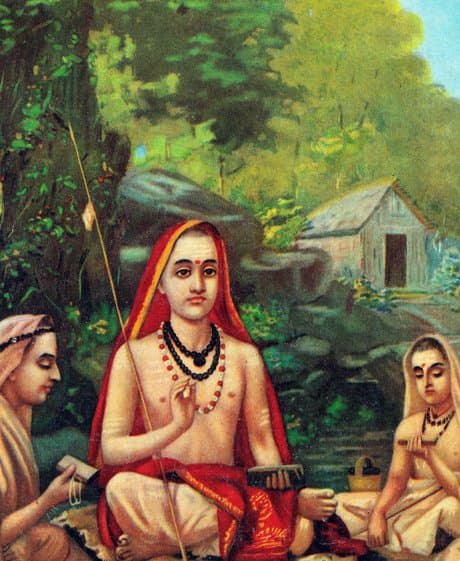
Ādi Śaṅkarācārya · Advaita
Sanskritदेवान् इन्द्रादीन् भावयत वर्धयत अनेन यज्ञेन । ते देवा भावयन्तु आप्याय यन्तु वृष्ट्यादिना वः युष्मान् । एवं परस्परं अन्योन्यं भावयन्तः श्रेयः परं मोक्षलक्षणं ज्ञानप्राप्तिक्रमेण अवाप्स्यथ । स्वर्गं वा परं श्रेयः अवाप्स्यथ ॥ किञ्च--
Ādi Śaṅkarācārya · Advaita
Hindiकैसे—
तुमलोग इस यज्ञद्वारा इन्द्रादि देवोंको बढ़ाओ अर्थात् उनकी उन्नति करो। वे देव वृष्टि आदिद्वारा तुमलोगोंको बढ़ावें अर्थात् उन्नत करें। इस प्रकार एक-दूसरेको उन्नत करते हुए (तुमलोग) ज्ञानप्राप्तिद्वारा मोक्षरूप परमश्रेयको प्राप्त करोगे। अथवा स्वर्गरूप परमश्रेयको ही प्राप्त करोगे
Jñāneśvar · Vārkarī
Marathiजें येणेचिकरूनि समस्तां । परितोषु होईल देवतां । मग ते तुम्हां ईप्सीता । अर्थांते देती ॥ ९५ ॥
या स्वधर्मपूजा पूजितां । देवतागणां समस्तां । योगक्षेमु निश्चिता । करिती तुमचा ॥ ९६ ॥
तुम्हीं देवतांते भजाल । देव तुम्हां तुष्टितील । ऐसी परस्परें घडेल । प्रीति तेथ ॥ ९७ ॥
तेथ तुम्हीं जें करूं म्हणाल । ते आपैसे सिद्धी जाईल । वांछितही पुरेल । मानसींचे ॥ ९८॥
वाचासिद्धी पावाल । आज्ञापक होआल । म्हणिये तुमतें मागतील । महाऋद्धि ॥ ९९ ॥
जैसें ऋतुपतींचे द्वार । वनश्री निरंतर । वोळगे फळभार । लावण्येंसी ॥ १००॥
Jñāneśvar · Vārkarī
Hindi(3.95) जब इस स्वधर्म की सेवा से सम्पूर्ण देवताओं को सन्तोष होगा तब वे तुम्हारे इष्ट हेतु पूर्ण करेंगे।
(3.96) स्वधर्म का आदर करने से सब देवतागण निश्चय ही तुम्हारा योगक्षेम (अप्राप्त वस्तु की प्राप्ति और प्राप्त वस्तु का पालन) करेंगे।
(3.97) और जब आपस में ऐसा प्रेम उपजेगा कि तुम देवों का भजन करो और देव तुम पर सन्तुष्ट हों।
(3.98) तब तुम जो कुछ करना चाहोगे सो आप ही सिद्ध हो जायगा, मन की कामनाएँ पूर्ण हो जावेंगी,
(3.99) वाचासिद्धि प्राप्त होगी, तुम आज्ञाकर्ता बनोगे और महाक्रद्धि तुम्हारी आज्ञा मानेगी। (3.100) जैसे वनशोभा, फल-भार और लावण्य सहित सदा वसन्त ऋतु के द्वार का आश्रय करती है।
Sri Udiya Baba · Modern
Hindiसंगति— यज्ञों के द्वारा देवताओं को आहुतियाँ क्यों दी जाएँ और उनके लिये कर्म क्यों किया जाय—यह बात आगे बतलाते हैं—
भावार्थ— तुम इन श्रोत-स्मार्तादि यज्ञों से देवताओं को सन्तुष्ट करो और वे देवता तुम्हें सन्तुष्ट करें। इस प्रकार एक दूसरे को सन्तुष्ट करते हुए तुम सर्वोत्तम श्रेय प्राप्त करोगे।
व्याख्या— यहाँ भगवान् इसलिये कर्म करने की प्रेरणा कर रहे हैं क्योंकि जीवों का कल्याण केवल ज्ञान से ही होता है और ज्ञान, कर्म एवं उपासना द्वारा अन्तःकरण शुद्ध होने पर ही होता है।
Swami Ramsukhdas · Modern
HindiOn verses 3.10–3.11
'सहयज्ञाः प्रजाः सृष्ट्वा पुरोवाच प्रजापतिः'—ब्रह्माजी प्रजा (सृष्टि) के रचयिता एवं उसके स्वामी हैं; अतः अपने कर्तव्यका पालन करनेके साथ वे प्रजाकी रक्षा तथा उसके कल्याणका विचार करते रहते हैं।
कारण कि जो जिसे उत्पन्न करता है, उसकी रक्षा करना उसका कर्तव्य हो जाता है। ब्रह्माजी प्रजाकी रचना करते, उसकी रक्षामें तत्पर रहते तथा सदा उसके हितकी बात सोचते हैं। इसीलिये वे 'प्रजापति' कहलाते हैं।
सृष्टि अर्थात् सर्गके आरम्भमें ब्रह्माजीने कर्तव्यकर्मोंकी योग्यता और विवेकसहित मनुष्योंकी रचना की है। अनुकूल और प्रतिकूल परिस्थितिका सदुपयोग कल्याण करनेवाला है। इसलिये ब्रह्माजीने अनुकूल-प्रतिकूल परिस्थितिका सदुपयोग करनेका विवेक साथ देकर ही मनुष्योंकी रचना की है।
सत्-असत्का विचार करनेमें असमर्थ पशु, पक्षी, वृक्ष आदिके द्वारा स्वाभाविक परोपकार (कर्तव्यपालन) होता है; किन्तु मनुष्यको तो भगवत्कृपासे विशेष विवेक-शक्ति मिली हुई है। अतः यदि वह अपने विवेकको महत्त्व देकर अकर्तव्य न करे तो उसके द्वारा भी स्वाभाविक लोक-हितार्थ कर्म हो सकते हैं।
देवता, ऋषि, पितर, मनुष्य तथा अन्य पशु, पक्षी, वृक्ष आदि सभी प्राणी 'प्रजा' हैं। इनमें भी योग्यता, अधिकार और साधनकी विशेषताके कारण मनुष्यपर अन्य सब प्राणियोंके पालनकी जिम्मेवारी है। अतः यहाँ 'प्रजा:' पद विशेषरूपसे मनुष्योंके लिये ही प्रयुक्त हुआ है।
कर्मयोग अनादिकालसे चला आ रहा है। चौथे अध्यायके तीसरे श्लोकमें 'पुरातन:' पदसे भी भगवान् कहते हैं कि यह कर्मयोग बहुत कालसे प्रायः लुप्त हो गया था, जिसको मैंने तुम्हें फिरसे कहा है। उसी बातको यहाँ भी 'पुरा' पदसे वे दूसरी रीतिसे कहते हैं कि 'मैंने ही नहीं प्रत्युत ब्रह्माजीने भी सर्गके आदिकालमें कर्तव्यसहित प्रजाको रचकर उनको उसी कर्मयोगका आचरण करनेकी आज्ञा दी थी। तात्पर्य यह है कि कर्मयोग-(निःस्वार्थभावसे कर्तव्य-कर्म करने) की परम्परा अनादिकालसे ही चली
आ रही है। यह कोई नयी बात नहीं है।'
चौथे अध्यायमें (चौबीसवेंसे तीसवें श्लोकतक) परमात्मप्राप्तिके जितने साधन बताये गये हैं, वे सभी 'यज्ञ' के नामसे कहे गये हैं; जैसे—द्रव्ययज्ञ, तपयज्ञ, योगयज्ञ, प्राणायाम आदि। प्रायः 'यज्ञ' शब्दका अर्थ हवनसे सम्बन्ध रखनेवाली क्रियाके लिये ही प्रसिद्ध है; परन्तु गीतामें 'यज्ञ' शब्द शास्त्रविधिसे की जानेवाली सम्पूर्ण विहित क्रियाओंका वाचक भी है। अपने वर्ण, आश्रम, धर्म, जाति, स्वभाव, देश, काल आदिके अनुसार प्राप्त कर्तव्य-कर्म 'यज्ञ' के अन्तर्गत आते हैं। दूसरेके हितकी भावनासे किये जानेवाले सब कर्म भी 'यज्ञ' ही हैं। ऐसे यज्ञ-(कर्तव्य-) का दायित्व मनुष्यपर ही है।
'अनेन प्रसविष्यध्वमेष वोऽस्त्विष्टकामधुक्'—ब्रह्माजी मनुष्योंसे कहते हैं कि तुमलोग अपने-अपने कर्तव्य-पालनके द्वारा सबकी वृद्धि करो, उन्नति करो। ऐसा करनेसे तुमलोगोंको कर्तव्य-कर्म करनेमें उपयोगी सामग्री प्राप्त होती रहे, उसकी कभी कमी न रहे।
अर्जुनकी कर्म न करनेमें जो रुचि थी, उसे दूर करनेके लिये भगवान् कहते हैं कि प्रजापति ब्रह्माजीके वचनोंसे भी तुम्हें कर्तव्य-कर्म करनेकी शिक्षा लेनी चाहिये। दूसरोंके हितके लिये कर्तव्य-कर्म करनेसे ही तुम्हारी लौकिक और पारलौकिक उन्नति हो सकती है।
निष्कामभावसे केवल कर्तव्य-पालनके विचारसे कर्म करनेपर मनुष्य मुक्त हो जाता है और सकामभावसे कर्म करनेपर मनुष्य बन्धनमें पड़ जाता है। प्रस्तुत प्रकरणमें निष्कामभावसे किये जानेवाले कर्तव्य-कर्मका विवेचन चल रहा है। अतः यहाँ 'इष्टकाम' पदका अर्थ 'इच्छित भोग-सामग्री' (जो सकामभावका सूचक है) लेना उचित प्रतीत नहीं होता। यहाँ इस पदका अर्थ है—यज्ञ (कर्तव्य-कर्म) करनेकी आवश्यक सामग्री।
१-यहाँ यह समझ लेना चाहिये कि भगवान्की आज्ञासे और उन्हींकी शक्तिसे ब्रह्माजी प्रजाकी रचना करते हैं। अतः वास्तवमें सृष्टिके मूल रचयिता भगवान् ही हैं (गीता ४। १३; १७। २३)।
२-'इष्ट' शब्द 'यज्ञ' धातुसे कुदन्तका 'क्त' प्रत्यय करनेसे बनता है, जो यज्ञ (कर्तव्य-कर्म) का वाचक है और 'काम' शब्द 'कम' धातुसे 'अण्' प्रत्यय करनेसे बनता है, जो पदार्थ (सामग्री) का वाचक है।
३-पूर्वश्लोकमें भगवान्ने कहा कि यज्ञके सिवाय अन्य कर्मोंमें अर्थात् सकामभावसे किये जानेवाले कर्मोंमें लगा हुआ मनुष्य बँध जाता है; और आगे तेरहवें श्लोकमें भी कहा है कि जो अपने लिये अर्थात् सकामभावसे कर्म करते हैं, वे पापीलोग पापका ही भक्षण करते हैं। इस प्रकार पीछेके और आगेके श्लोकोंको देखें तो दोनों ही जगह सकामभावके त्यागकी बात आयी है। अतः बीचके इन (दसवें, ग्यारहवें और बारहवें) श्लोकोंमें भी सकामभावके त्यागकी बात ही आनी उचित है। अगर यहाँ 'इष्टकाम' पदका अर्थ 'इच्छित पदार्थ' लिया जाय तो (प्रकरण-विरुद्ध होनेके कारण) दोष आता है; क्योंकि इच्छित पदार्थ पानेके लिये किये गये कर्म भगवान्के मतमें बन्धनकारक हैं। अतः 'इष्टकाम' पदका अर्थ 'कर्तव्यके लिये आवश्यक सामग्री' ही है।
कर्मयोगी दूसरोंकी सेवा अथवा हित करनेके लिये सदा ही तत्पर रहता है। इसलिये प्रजापति ब्रह्माजीके विधानके अनुसार दूसरोंकी सेवा करनेकी सामग्री, सामर्थ्य और शरीर-निर्वाहकी आवश्यक वस्तुओंकी उसे कभी कमी नहीं रहती। उसको ये उपयोगी वस्तुएँ सुगमतापूर्वक मिलती रहती हैं। ब्रह्माजीके विधानके अनुसार कर्तव्य-कर्म करनेकी सामग्री जिस-जिसको, जो-जो भी मिली हुई है, वह कर्तव्य-पालन करनेके लिये उस-उसको पूरी-की-पूरी प्राप्त है। कर्तव्य-पालनकी सामग्री कभी किसीके पास अधूरी नहीं होती। ब्रह्माजीके विधानमें कभी फर्क नहीं पड़ सकता; क्योंकि जब उन्होंने कर्तव्य-कर्म करनेका विधान निश्चित किया है, तब जितनेसे कर्तव्यका पालन हो सके, उतनी सामग्री देना भी उन्हींपर निर्भर है।
वास्तवमें मनुष्यशरीर भोग भोगनेके लिये है ही नहीं—‘एहि तन कर फल विषय न भाई’ (मानस ७। ४४। १)। इसलिये ‘सांसारिक सुखोंको भोगो’— ऐसी आज्ञा या विधान किसी भी सत्-शास्त्रमें नहीं है। समाज भी स्वच्छन्द भोग भोगनेकी आज्ञा नहीं देता। इसके विपरीत दूसरोंको सुख पहुँचानेकी आज्ञा या विधान शास्त्र और समाज दोनों ही देते हैं। जैसे, पिताके लिये यह विधान तो मिलता है कि वह पुत्रका पालन-पोषण करे, पर यह विधान कहीं भी नहीं मिलता कि पुत्रसे पिता सेवा ले ही। इसी प्रकार पुत्र, पत्नी आदि अन्य सम्बन्धोंके लिये भी समझना चाहिये।
कर्मयोगी सदा देनेका ही भाव रखता है, लेनेका नहीं; क्योंकि लेनेका भाव ही बाँधनेवाला है। लेनेका भाव रखनेसे कल्याणप्राप्तिमें बाधा लगनेके साथ ही सांसारिक पदार्थोंकी प्राप्तिमें भी बाधा उपस्थित हो जाती है। प्रायः सभीका अनुभव है कि संसारमें लेनेका भाव रखनेवालेको कोई देना नहीं चाहता। इसलिये ब्रह्माजी कहते हैं कि बिना कुछ चाहे, निःस्वार्थभावसे कर्तव्य-कर्म करनेसे ही मनुष्य अपनी उन्नति (कल्याण) कर सकता है।
‘देवान् भावयतानेन’—यहाँ ‘देव’ शब्द उपलक्षक है; अतः इस पदके अन्तर्गत मनुष्य, देवता, ऋषि, पितर आदि समस्त प्राणियोंको समझना चाहिये। कारण कि कर्मयोगीका उद्देश्य अपने कर्तव्य-कर्मोंसे प्राणिमात्रको सुख पहुँचाना रहता है। इसलिये यहाँ ब्रह्माजी सम्पूर्ण प्राणियोंकी उन्नतिके लिये मनुष्योंको अपने कर्तव्य-कर्मरूप यज्ञके पालनका आदेश देते हैं। अपने-अपने कर्तव्यका पालन करनेसे
मनुष्यका स्वतः कल्याण हो जाता है (गीता अठारहवें अध्यायका पैतालीसवाँ श्लोक)। कर्तव्य-कर्मका पालन करनेके उपदेशके पूर्ण अधिकारी मनुष्य ही हैं। मनुष्योंको ही कर्म करनेकी स्वतन्त्रता मिली हुई है; अतः उन्हें इस स्वतन्त्रताका सदुपयोग करना चाहिये।
‘ते देवा भावयन्तु वः’—जैसे वृक्ष, लता आदिमें स्वाभाविक ही फूल-फल लगते हैं; परन्तु यदि उन्हें खाद और पानी दिया जाय तो उनमें फूल-फल विशेषतासे लगते हैं। ऐसे ही यजन-पूजनसे देवताओंकी पुष्टि होती है, जिससे देवताओंके काम विशेष न्यायप्रद होते हैं। परन्तु जब मनुष्य अपने कर्तव्य-कर्मोंके द्वारा देवताओंका यजन-पूजन नहीं करते, तब देवताओंको पुष्टि नहीं मिलती, जिससे उनमें अपने कर्तव्यका पालन करनेमें कमी आ जाती है। उनके कर्तव्य-पालनमें कमी आनेसे ही संसारमें विप्लव अर्थात् अनावृष्टि-अतिवृष्टि आदि होते हैं।
‘परस्परं भावयन्तः’—इन पदोंका अर्थ यह नहीं समझना चाहिये कि दूसरा हमारी सेवा करे तो हम उसकी सेवा करें, प्रत्युत यह समझना चाहिये कि दूसरा हमारी सेवा करे या न करे, हमें तो अपने कर्तव्यके द्वारा उसकी सेवा करनी ही है। दूसरा क्या करता है, क्या नहीं करता; हमें सुख देता या दुःख, इन बातोंसे हमें कोई मतलब नहीं रखना चाहिये; क्योंकि दूसरोंके कर्तव्यको देखनेवाला अपने कर्तव्यसे च्युत हो जाता है। परिणामस्वरूप उसका पतन हो जाता है। दूसरोंसे कर्तव्यका पालन करवाना अपने अधिकारकी बात भी नहीं है। हमें सबका हित करनेके लिये केवल अपने कर्तव्यका पालन करना है और उसके द्वारा सबको सुख पहुँचाना है। सेवा करनेमें अपनी समझ, सामर्थ्य, समय और सामग्रीको अपने लिये थोड़ी-सी भी बचाकर नहीं रखनी है। तभी जड़तासे सर्वथा सम्बन्ध-विच्छेद होगा।
हमारे जितने भी सांसारिक सम्बन्धी—माता-पिता, स्त्री-पुत्र, भाई-भौजाई आदि हैं, उन सबकी हमें सेवा करनी है। अपना सुख लेनेके लिये ये सम्बन्ध नहीं हैं। हमारा जिनसे जैसा सम्बन्ध है, उसीके अनुसार उनकी सेवा करना, मर्यादाके अनुसार उन्हें सुख पहुँचाना हमारा कर्तव्य है। उनसे कोई आशा रखना और उनपर अपना अधिकार मानना बहुत बड़ी भूल है। हम उनके ऋणी हैं और ऋण उतारनेके लिये उनके यहाँ हमारा जन्म हुआ है। अतः निःस्वार्थभावसे उन सम्बन्धियोंकी सेवा करके हम अपना ऋण चुका दें—
यह हमारा सर्वप्रथम आवश्यक कर्तव्य है। सेवा तो हमें सभीकी करनी है; परन्तु जिनकी हमारेपर जिम्मेवारी है, उन सम्बन्धियोंकी सेवा सबसे पहले करनी चाहिये।
शरीर, इन्द्रियाँ, मन, बुद्धि, पदार्थ आदि अपने नहीं हैं और अपने लिये भी नहीं हैं— यह सिद्धान्त है। अतः अपने-अपने कर्तव्यका पालन करनेसे स्वतः एक-दूसरेकी उन्नति होती है।
कर्तव्य और अधिकार-सम्बन्धी मार्मिक बात
कर्मयोग तभी होता है, जब मनुष्य अपने कर्तव्यके पालनपूर्वक दूसरेके अधिकारकी रक्षा करता है। जैसे, माता-पिताकी सेवा करना पुत्रका कर्तव्य है और माता-पिताका अधिकार है। जो दूसरेका अधिकार होता है, वही हमारा कर्तव्य होता है। अतः प्रत्येक मनुष्यको अपने कर्तव्य-पालनके द्वारा दूसरेके अधिकारकी रक्षा करनी है तथा दूसरेका कर्तव्य नहीं देखना है। दूसरेका कर्तव्य देखनेसे मनुष्य स्वयं कर्तव्यच्युत हो जाता है; क्योंकि दूसरेका कर्तव्य देखना हमारा कर्तव्य नहीं है। तात्पर्य है कि दूसरेका हित करना है—यह हमारा कर्तव्य है और दूसरेका अधिकार है। यद्यपि अधिकार कर्तव्यके ही अधीन है, तथापि मनुष्यको अपना अधिकार देखना ही नहीं है, प्रत्युत अपने अधिकारका त्याग करना है। केवल दूसरेके अधिकारकी रक्षाके लिये अपने कर्तव्यका पालन करना है। दूसरेका कर्तव्य देखना तथा अपना अधिकार जमाना लोक और परलोकमें महान् पतन करनेवाला है। वर्तमान समयमें घरोंमें, समाजमें जो अशान्ति, कलह, संघर्ष देखनेमें आ रहा है, उसमें मूल कारण यही है कि लोग अपने अधिकारकी माँग तो करते हैं, पर अपने कर्तव्यका पालन नहीं करते! इसलिये ब्रह्माजी देवताओं और मनुष्योंको उपदेश देते हैं कि एक-दूसरेका हित करना तुमलोगोंका कर्तव्य है।
**‘श्रेयः परमवाप्स्यथ’**—प्रायः ऐसी धारणा बनी हुई है कि यहाँ परम कल्याणकी प्राप्तिका कथन अतिशयोक्ति है, पर वास्तवमें ऐसा नहीं है। अगर इसमें किसीको सन्देह हो तो वह ऐसा करके खुद देख सकता है। जैसे धरोहर रखनेवालेकी धरोहर उसे वापस कर देनेसे धरोहर रखने-वालेसे तथा उस धरोहरसे हमारा किसी प्रकारका सम्बन्ध नहीं रहता, ऐसे ही संसारकी वस्तु संसारकी सेवामें लगा देनेसे संसार और संसारकी वस्तुसे हमारा कोई सम्बन्ध नहीं रहता। संसारसे माने हुए सम्बन्धका विच्छेद होते ही
चिन्मयताका अनुभव हो जाता है। अतः प्रजापति ब्रह्माजीके वचनोंमें अतिशयोक्तिकी कल्पना करना अनुचित है।
यह सिद्धान्त है कि जबतक मनुष्य अपने लिये कर्म करता है, तबतक उसके कर्मकी समाप्ति नहीं होती और वह कर्मोंसे बँधता ही जाता है। कृतकृत्य वही होता है, जो अपने लिये कभी कुछ नहीं करता। अपने लिये कुछ भी नहीं करनेसे पापका आचरण भी नहीं होता; क्योंकि पापका आचरण कामनाके कारण ही होता है (तीसरे अध्यायका सैंतीसवाँ श्लोक)। अतः अपना कल्याण चाहनेवाले साधकको चाहिये कि वह शास्त्रोंकी आज्ञाके अनुसार फलकी इच्छा और आसक्तिका त्याग करके कर्तव्य-कर्म करनेमें तत्पर हो जाय, फिर कल्याण तो स्वतःसिद्ध है।
अपनी कामनाका त्याग करनेसे संसारमात्रका हित होता है। जो अपनी कामना-पूर्तिके लिये आसक्तिपूर्वक भोग भोगता है, वह स्वयं तो अपनी हिंसा (पतन) करता ही है, साथ ही जिनके पास भोग-सामग्रीका अभाव है, उनकी भी हिंसा करता है अर्थात् दुःख देता है। कारण कि भोग-सामग्रीवाले मनुष्यको देखकर अभावग्रस्त मनुष्यको उस भोग-सामग्रीके अभावका दुःख होना स्वाभाविक है। इस प्रकार स्वयं सुख भोगनेवाला व्यक्ति हिंसासे कभी बच नहीं सकता। ठीक इसके विपरीत पारमार्थिक मार्गपर चलनेवाले व्यक्तिको देखकर दूसरोंको स्वतः शान्ति मिलती है; क्योंकि पारमार्थिक सम्पत्तिपर सबका समान अधिकार है। निष्कर्ष यह निकला कि मनुष्य कामना-आसक्तिका त्याग करके अपने कर्तव्य-कर्मका पालन करता रहे तो ब्रह्माजीके कथनानुसार वह परम कल्याणको अवश्य ही प्राप्त हो जायगा। इसमें कोई सन्देह नहीं है।
यहाँ परम कल्याणकी प्राप्ति मुख्यतासे मनुष्योंके लिये ही बतायी गयी है, देवताओंके लिये नहीं। कारण कि देवयोनि अपना कल्याण करनेके लिये नहीं बनायी गयी है। मनुष्य जो कर्म करता है, उन कर्मोंके अनुसार फल देने, कर्म करनेकी सामग्री देने तथा अपने-अपने शुभ कर्मोंका फल भोगनेके लिये देवता बनाये गये हैं। वे निष्कामभावसे कर्म करनेकी सामग्री देते हों, ऐसी बात नहीं है। परन्तु उन देवताओंमें भी अगर किसीमें अपने कल्याणकी इच्छा हो जाय, तो उसका कल्याण होनेमें मना नहीं है अर्थात् अगर कोई अपना कल्याण करना चाहे, तो कर सकता है। जब पापी-से-पापी मनुष्यके लिये भी अपना उद्धार करनेकी
मनाही नहीं है, तो फिर देवताओंके लिये (जो कि पुण्ययोनि होनेपर भी देवताओंका उद्देश्य भोग भोगनेका ही रहता है, है) अपना उद्धार करनेकी मनाही कैसे हो सकती है? ऐसा इसलिये उनमें प्रायः अपने कल्याणकी इच्छा नहीं होती।
**परिशिष्ट भाव**—मनुष्य कर्मयोनि है और चौरासी लाख योनियाँ, देवता, नारकीय जीव आदि भोगयोनियाँ हैं। सकामभाववाले मनुष्य भोगोंको भोगनेके लिये ही स्वर्गमें जाते हैं। अतः देवतालोग निष्कामभाव न रखकर अपनी जिम्मेवारीका पालन करते हैं, ड्यूटी बजाते हैं। इसलिये यहाँ कल्याणकी बात मनुष्योंके लिये ही समझनी चाहिये।
मुक्ति स्वाभाविक है और बन्धन अस्वाभाविक है। मनुष्ययोनि अपना कल्याण करनेके लिये ही है। इसलिये जो मनुष्य अपने कर्तव्यका पालन करता है, उसका कल्याण स्वाभाविक होता है—**परस्पर भावयन्तः श्रेयः परमवाप्स्यथः**। कल्याणके लिये नया काम करनेकी जरूरत नहीं है, प्रत्युत जो काम करते हैं, उसीको स्वार्थ, अभिमान और फलेच्छाका त्याग करके दूसरोंके हितके लिये करें तो कल्याण हो जायगा। निष्कामभावके बिना भी केवल अपने कर्तव्यका पालन करनेसे स्वर्गादि पुण्यलोकोंकी प्राप्ति हो जाती है। जिस स्वर्गकी प्राप्ति बड़े-बड़े यज्ञ करनेसे होती है, उसीकी प्राप्ति क्षत्रिय केवल अपना कर्तव्यकर्म—युद्ध करके प्राप्त कर सकता है।
जैसे ब्रह्माजीने देवताओं और मनुष्योंके लिये परस्पर एक-दूसरेका हित करनेकी बात कही है, ऐसे ही चारों वर्णोंके लिये भी परस्पर एक-दूसरेका हित करनेकी बात समझनी चाहिये। चारों वर्ण परस्पर एक-दूसरेके हितके लिये अपना-अपना कर्तव्यकर्म करें तो वे परम कल्याणको प्राप्त हो जायेंगे।
सम्पूर्ण सृष्टिकी रचना ही इस ढंगसे हुई है कि अपने लिये कुछ (वस्तु और क्रिया) नहीं है, दूसरेके लिये ही है—**इदं ब्रह्मणे न मम**। जैसे पतिव्रता स्त्री पतिके लिये ही होती है, अपने लिये नहीं। स्त्रीके अंग पुरुषको सुख देते हैं, पर स्त्रीको सुख नहीं देते। पुरुषके अंग स्त्रीको सुख देते हैं, पर पुरुषको सुख नहीं देते। माँका दूध बच्चेके लिये ही होता है, अपने लिये नहीं और बच्चेकी चेष्टाएँ माँको सुख देती हैं, बच्चेको नहीं। माता-पिता सन्तानके लिये होते हैं और सन्तान माता-पिताके लिये होती है। श्रोता वक्ताके लिये होता है और वक्ता श्रोताके लिये होता है। तात्पर्य है कि खुद सुख न ले, प्रत्युत दूसरेको सुख दे। सृष्टिकी रचना भोगके लिये नहीं है, प्रत्युत उद्धारके लिये है।
देवता भी स्वार्थका त्याग करके दूसरेका हित कर सकते हैं। इसलिये देवताओंमें भी नारद-जैसे ऋषि हुए हैं। यद्यपि भगवान्की ओरसे किसीको मना नहीं है, तथापि कल्याणका मुख्य एवं स्वतः अधिकारी मनुष्य ही है।
एक शंका हो सकती है कि हम तो दूसरेका भला करें, पर दूसरा हमारा भला न करके बुरा करे तो **परस्पर भावयन्तः** कैसे होगा? इसका समाधान है कि हम दूसरेका भला करेंगे तो दूसरा हमारा बुरा कर सकेगा ही नहीं। उसमें हमारा बुरा करनेकी सामर्थ्य ही नहीं रहेगी। अगर वह बुरा करेगा भी तो पीछे पछतायेगा, रोयेगा। अगर वह हमारा बुरा करेगा तो हमारा भला करनेवाले, हमारे साथ सहानुभूति रखनेवाले कई पैदा हो जायेंगे। वास्तवमें किसीका बुरा करनेका विधान कहीं नहीं आता। मनुष्य ही द्वेषके कारण दूसरेका बुरा करता है। **परस्पर भावयन्तः**—यह मनुष्यताकी बात है। इसके न होनेसे ही मनुष्य दुःख पा रहे हैं।
'By this,' i.e., by the means of sacrifice, you should propitiate the gods who are my manifestations and have Me as their inner bg-sky-Self —Śrī Krishna will declare later on:
—'For I am the only enjoyer and the only Lord of Sacrifices' (9.24).
Propitiated by sacrifices, May these gods nourish you with food, drink and other such items which are also required for their worship. Thus, supporting each other, may you attain the highest good called Moksha (Liberation).