

Bhagavad Gītā · Chapter 3 · Karma Yoga
आवृतं ज्ञानमेतेन ज्ञानिनो नित्यवैरिणा
कामरूपेण कौन्तेय दुष्पूरेणानलेन च
āvṛtaṃ jñānametena jñānino nityavairiṇā|
kāmarūpeṇa kaunteya duṣpūreṇānalena ca||
Word meanings
कौन्तेय = O son of Kuntī
एतेन = by this
अनलेन = like fire
दुष्पूरेण = insatiable
होनेवाले = the eternal enemy
च = and
ज्ञानिनः = of the wise
कामरूपेण = in the form of desire
Translation
And, Arjuna, Knowledge stand covered by this eternal enemy of the wise, known as desire, which is insatiable like fire.
Commentary
The commentators seated around this verse

Rāmānuja · Viśiṣṭādvaita
English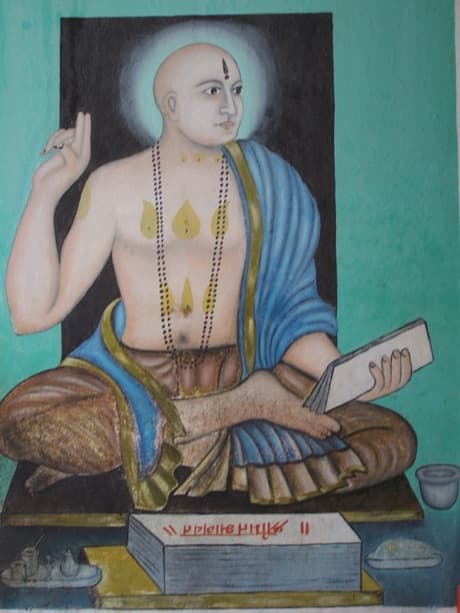
Madhvācārya · Dvaita
Madhva BhāṣyaSanskritEnglishOn verses 3.38–3.41
“कथं विरोधी सः? इदमनेनावृतम् - यथा धूमेनाग्निरावृतः, प्रकाशरूपोऽप्यन्येयामदर्शनाय, तथा परमात्मा । यथाऽऽदर्शो मलेन आवृतोऽन्याभिव्यक्तिहेतुं भवति, तथाऽन्तःकरणं परमात्मादेव्यक्तिहेतुं भवति, कामेनावृतम् । यथोल्लेनावृत्य बद्धो भवति गर्भस्तथा कामेन जीवः ॥ शास्त्रतो जातमपि ज्ञानं परमात्माऽपरोक्ष्याय न प्रकाशते कामेनावृतम् । ज्ञानिनोऽपि । किमु अल्पज्ञानिनः? कामरूपेण, कामाख्येन नित्यवैरिणः । दुष्पूरेण, दुःखेन हि कामः पूर्वा, न हीद्वादिपदं सुखेन लभ्यते । यद्यपीन्द्रादिपदं प्राप्तं पुनर्वस्मादिपदमिच्छतीति अलम्बुद्धिनिर्ति इति अनलः । उक्तं च । ज्ञानस्य ब्रह्मणश्चाग्नेर्धूमो बुद्धर्मलं तथा । आदर्शस्याथ जीवस्य गर्भस्योल्लो हि कामकः ॥ इति । यथार्थं शत्रोरधिष्ठानमाह - इन्द्रियाणि इति । एतैः ज्ञानमावृत्य । बुद्ध्यादिभिर्हि विषयैर्ज्ञानमावृतं भवति । हताधिष्ठानो हि शत्रुर्नश्यति” - How is that an adversary? It is adversary concealed like fire is enveloped by smoke, even though the self is luminous is not perceivable; even so the Supreme Self. Even as the mirror enveloped by dust is not perceivable by one desiring to be seen, even so the inner consciousness being enveloped by desire, the Supreme Self is not perceivable. Just as the embryo is not visible being enveloped by the womb, even so is Jiva enveloped by desire. One knows from scriptures that wisdom is not luminous, without realizing first the Supreme Self. When such is the case of the men of wisdom, what to speak of the men of little understanding ? कामरूपेण means in the form of desire. Desires comes to be fulfilled with great pain. Even if the position of Indra and others is not easily attained because of the insatiable desire even the the position of Brahman is attempted, not being easily satisfied- Even as evil desires are like smoke to the fire, even so they are for realizing Brahman. Even as dust is to the mirror, even so it inaccessible to the inner consciousness. Even as the womb covers the embryo, even so is the Jiva bound. The enemy, senses etc. are identified here for destroying them. The intelligence being enveloped by the senses etc. the wisdom becomes obscured. When seat itself is destroyed, would the enemy not be destroyed?
Madhvācārya · Dvaita
Gītā Tātparya NirṇayaSanskritEnglishOn verses 3.38–3.41
“परमेश्वराद् देवेभ्यश्चावक्तिरैरकं पृच्छति - अथ केन इति ।” - After Supreme Lord and the gods, which are the other most powerful influences, therefore the question in this verse is asked, By which others? “अखिलप्रेरको विष्णुर्वस्मादास्तदवान्तराः । असुरा अशुभेष्वेव कामादेरभिमानिनः ॥ तत्र कामः कालनेमिः सर्वं धूममलोववत् | शुभमध्याथमजनं कमादावृत्य तिष्ठति || महाशनस्य तस्येदं नालं तेनानलेऽग्निवत् | भुञ्जान इन्द्रियाविष्टो ज्ञानास्त्रेणैव दह्यते || इति ब्रह्मतर्के | ज्ञानावरणरूपेणैदमवृणदमावृणोतीत्यावृतं ज्ञानमिति पुनराह | न केवलं दुष्पूरः नालम् इति मन्यते चेत्यवलः | अग्नेरप्यनलः कामो यन्तलं मन्यते | इति च ||” - Sri Vishnu alone is the energizer of all, Brahma and the rest being subsidiary ones. Demons being influenced by desires and arrogance arouse evil intentions. Amongst the evil, kaalnemi being the most arrogant in his desires is most deluded. Influence of the smoke on fire, of dust on mirror and of the womb on the embryo will be on the noble, the middle ones and the mean people in that order. Like fire, desire is also a great devourer, therefore fire is referred as ‘anala’. Having its seat in the senses, it can be destroyed only by the weapon of Wisdom. Before realization, it envelops and even thereafter, thus Sri Krishna clarifies again. Even after realization the desire could still be an impediment. Therefore, desire being more powerful than even fire, it never says: ‘enough of this’.

Jñāneśvar · Vārkarī
English39 "Is enveloped by it, O Son of Kunti, the knowledge of the man of knowledge by this his eternal enemy in the form of lust—by this insatiable flame. (263)
In the same way, knowledge, although by itself quite clear, remains a mystery, being enveloped by lust and anger. If one says that they should first be conquered and then knowledge acquired, it is not possible to defeat them. Were strength to be acquired in the body for killing them, whatever remedies are contemplated against them, the remedies themselves, instead of getting useful to the users, prove useful to them (lust and wrath), just as dry wood proves to the fire.
Swami Ramsukhdas · Modern
English'Etena'—This term has been used for desire, which has been declared by the Lord as most sinful, in the thirty-seventh verse of this chapter.
'Duṣpūreṇānalena ca'— As fire is never satiated, when clarified butter is added to it, it rather rages stronger, so is desire never satisfied, by enjoying the objects of desire, it is rather strengthened (Śrīmadbhāgavata 9/19/14; Manusmṛti 2/94). The fire of desire, devours everything which comes into its contact.
Sundaradāsa, has also expressed the same idea, when he says, "The richer a man grows, the more he hankers after worldly prosperity. A poor man, may desire to gain only a few rupees, but when he gains them, he has desire for a hundred and then a thousand, and after that a million and then a billion and trillion and then the ownership of the entire universe. Yet, this form of desire, will not be satiated. It is only, by contentment, that this desire can be subdued.
A poor man, is not so greedy, as is a rich man. When a man earns a hundred rupees, he desires to earn a thousand rupees. It means that he feels that he needs nine hundred more. When he earns a thousand rupees, he desires to have, ten thousand rupees. It means that he needs nine thousand more. When he gains ten thousand rupees he has desire to gain a lac of rupees. And he needs ninety thousand more. Thus the richer he grows, the more
greedy he becomes. On the other hand, a contented man, being free from all desires, is the king of kings.
In fact it is not wealth, but desire for wealth, which is an obstacle to God-realization. This desire, deprives the rich and the poor equally, of God-realization, as it can never be satiated. A man can only get rid of it by renouncing it.
'Kāmarūpeṇa'—The desire to derive pleasure, out of the affinity for the insentient is called 'Kāma'. This desire manifests itself in different forms, such as lust (for gold, power and of the flesh), craving (for things), attachment (to loving and charming objects), hope (to acquire something) and greed (to acquire more and more). When a man's desire is intensified, it is followed by solicitation. These are, the different forms of desire.
'Jñānino nityavairiṇā'—Here, the term 'Jñāninaḥ' stands for the wise striver, who remains engaged in practising the spiritual discipline, because it is he, who recognizes this enemy in the form of desire, and slays it. The worldly people consider it as pleasant.
The Lord declares, that desire is the constant enemy of a wise striver. As, soon as desire is born, a thought comes to his mind, that it will lead him to suffering. Desires involve dependence on the world and create importance of the world, which are stumbling blocks to the spiritual path. It pricks him at the outset, that it will result in adversity.
The ignorant, who are engrossed in sensual pleasures, hold that desire is their friend, because they derive pleasure out of the objects. Without desire objects cannot provide pleasure. But the fact is, that desire and the pleasures, lead him to sorrow, suffering, imprisonment and hell etc. Thus, desire is a constant enemy of the ignorant also, but they are not aware of it, while wise strivers are aware of it.
'Āvṛtam jñānam'—Every being is, endowed with
discrimination. In the case of man it can develop, but in birds, beasts and other births, it is confined to the maintenance of the body. In the case of men also, it is veiled by desire, which does not let them follow the spiritual (sentient) path of God-realization, but keeps them engaged in mundane pleasures.
Everyone, likes loving and true words, and hates harsh and false words. It means that every person has the knowledge (discrimination) of good and bad, virtue and vice, right and wrong. In spite of this knowledge, an ignorant person uses harsh language, tells a lie and does not perform his duty scrupulously, because his discrimination is concealed by desire.
A man thinks that he derives joy out of sense-objects, but in fact, he gets joy by renouncing them. Everyone knows that during wakefulness and sleep a man feels happy and sad, because of his affinity, for the sense-objects. But during sound sleep he does not remember, sense-objects at all. So, when he awakes he says that he had a very peaceful and sound sleep. Moreover, he gets tired during wakefulness, while he is refreshed after sound sleep. It means, that it is renunciation of the sense-objects, which provides joy or peace.
When a man desires money, his mind is attached to it. But when it is acquired, the mind renounces this attachment and so he feels happy. Had the money provided him joy, he would have never felt sad, so long as he had money. But he feels sad, even after possessing that money.
When a man desires anything, he becomes dependant on it. Suppose, a man has a desire to buy a watch he feels sad, without it; this is dependence upon it. He thinks that if he acquires money, he can buy a watch i.e., he feels independent if he has money, and dependent without money. But this is a wrong notion. If he acquires money and buys a watch he, instead of having dependence on the watch, has dependence
on money, because money is also different from, the self. When a man's discrimination is hid by desire, he realizes his dependence on objects, but he does not realize his dependence, on money. He thinks that he has become independent, because of money. It is very difficult to renounce such a dependence, which disguises itself as independence.
The world is transitory. All the worldly objects such as the body, wealth, property etc., are decaying every moment, and are separating from us. But while enjoying these, we forget that they are temporary, we regard them as eternal and permanent. Not to talk of the common people, even a striver gets entangled in pleasures by considering these as eternal and permanent. It so happens, because his discrimination is enveloped by desire.
An Important Fact
The Lord declares, that desire is the constant enemy of the wise, so that a man may save himself from it and may attain bliss, desire being the root of all sins and sufferings. Once, a man was looking for his wife. People asked him, 'What is the name of your wife?' He replied, 'Disgrace.' They again asked 'What is your name?' He replied, 'Wicked.' People said, 'Don't be agitated, she is a very chaste and faithful wife, she will come to you, because disgrace ever accompanies the wicked.' Similarly suffering automatically accompany the man, who hankers after perishable pleasures.
A man wants to avoid suffering, but he does not renounce desire, which is the root cause of suffering. In the Rāmacaritamānasa it is declared, 'A man can't attain bliss, even in a dream, so long as he does not renounce desire' (7/90/1). The Lord, by the terms 'analena' and 'duṣpūreṇa', wants to explain that desire for enjoyment of worldly objects, is never satiated.
The more he enjoys them, the more, the desire for these is strengthened. In order to satiate it, he is inclined to sinful acts. When he has desire for wealth, he wants to earn it, by fair means or foul. Then, at the second stage the desire engages him in theft and robberies, while in the third stage it leads him to commit violence and even murder. Thus the desire for pleasure, makes life miserable, here as well as hereafter.
**Appendix**—The main obstacle to the practice of spiritual discipline is the desire for pleasure which is born by the contact of senses with sense-objects. This obstacle lingers for a long time. Wherever a striver indulges in pleasure, there his spiritual progress is arrested. As much as even the pleasure (joy) from trance, hinders his progress.* Even the desire of 'Sāttvika' happiness and attachment to it arrest his spiritual progress—'sukhasaṅgena badhnāti' (Gītā 14/6)†. Therefore the Lord has declared that desire is the constant enemy of a wise (discriminating) striver—'na teṣu ramate budhaḥ' (Gītā 5/22) and 'duḥkhameva sarvaṁ vivekinaḥ' (Yogadarśana 2/15).
*Link:—In order to kill an enemy, it is necessary to know where it resides. Therefore, the Lord, in the next verse, mentions the seat of desire, the constant enemy of the wise (discerning soul).*
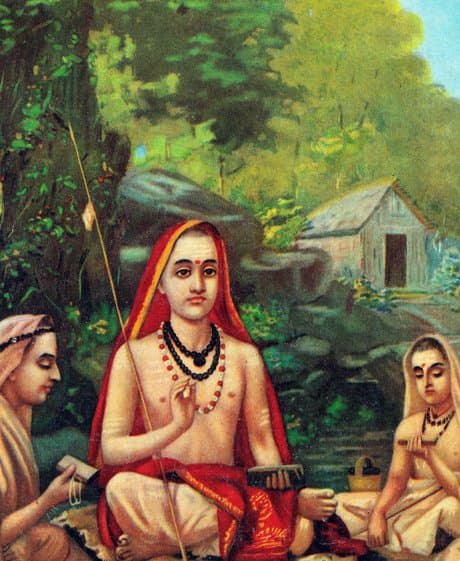
Ādi Śaṅkarācārya · Advaita
Sanskritआवृतं एतेन ज्ञानं ज्ञानिनः नित्यवैरिणा, ज्ञानी हि जानाति ``अनेन अहमनर्थे प्रयुक्तः'' इति पूर्वमेव । दुःखी च भवती नित्यमेव । अतः असौ ज्ञानिनो नित्यवैरी, न तु मूर्खस्य । स हि कामं तृष्णाकाले मित्रमिव पश्यन् तत्कार्ये दुःखे प्राप्ते जानाति ``तृष्णया अहं दुःखित्वमापादितः'' इति, न पूर्वमेव । अतः ज्ञानिन एव नित्यवैरी । किंरूपेण ? कामरूपेण कामः इच्छैव रूपमस्य इति कामरूपः तेन दुष्पूरेण दुःखेन पूरणमस्य इति दुष्पूरः तेन अनलेन न अस्य अलं पर्याप्तिः विद्यते इत्यनलः तेन च ॥ किमधिष्ठानः पुनः कामः ज्ञानस्य आवरणत्वेन वैरी सर्वस्य लोकस्य ? इत्यपेक्षायामाह, ज्ञाते हि शत्रोरधिष्ठाने सुखेन निबर्हणं कर्तुं शक्यत इति --
Ādi Śaṅkarācārya · Advaita
Hindiजिसका (उपर्युक्त श्लोकमें) 'इदम्' शब्दसे संकेत किया गया है—जो कामसे आच्छादित है, वह कौन है? सो कहा जाता है—
ज्ञानीके (विवेकीके) इस कामरूप नित्य वैरीसे ज्ञान ढका हुआ है। ज्ञानी ही पहलेसे जानता है कि इसके द्वारा मैं अनर्थोंमें नियुक्त किया गया हूँ। इससे वह सदा दुःखी भी होता है। इसलिये यह ज्ञानीका ही नित्य वैरी है मूर्खका नहीं; क्योंकि वह मूर्ख तो तृष्णाके समय उसको मित्रके समान समझता है। फिर जब उसका परिणामरूप दुःख प्राप्त होता है तब समझता है कि 'तृष्णाके द्वारा मैं दुःखी किया गया हूँ' पहले नहीं जानता, इसलिये यह 'काम' ज्ञानीका ही नित्य वैरी है।
कैसे कामके द्वारा (ज्ञान आच्छादित है? इसपर कहते हैं—) कामना—इच्छा ही जिसका स्वरूप है, जो अति कष्टसे पूर्ण होता है तथा जो अनल है, भोगोंसे कभी भी तृप्त नहीं होता, ऐसे कामनारूप वैरीद्वारा (ज्ञान आच्छादित है)
Jñāneśvar · Vārkarī
Marathiतैसें ज्ञान तरी शुद्ध । परी इहीं असे प्ररुद्ध । म्हणोनि तें अगाध । होऊनि ठेलें ॥ २६३ ॥
आधी यांते जिणावें । मग तें ज्ञान पावावें । तंव पराभवो न संभवे । रागद्वेषां ॥ २६४ ॥
यांते साधावयालागी । जें बळ जाणिजे अंगी । तें इंधन जैसें आगी । सावावो होय ॥ २६५ ॥
Jñāneśvar · Vārkarī
Hindi(3.263) वैसे ही ज्ञान यद्यपि शुद्ध है तथापि काम-क्रोध से आच्छादित रहता है, इसलिए वह अगाध हो बैठा है।
(3.264) पहले इन काम-क्रोधों को जीतना चाहिए तब ज्ञान हाथ आवेगा। तब तक राग-द्वेष के पराभव की सम्भावना नहीं होती। (3.265) इनके मारने के लिए शरीर में जो बल लाया जाय वह आग में ईंधन जैसा इन्हीं का सहायक हो जाता है।

Sri Udiya Baba · Modern
Hindiभावार्थ— हे कौन्तेय! ज्ञानियों के इस कामरूप नित्यशत्रु ने ही ज्ञान को ढक रखा है। यह ऐसा अग्नि है जिसकी पूर्ति होनी कठिन है।
व्याख्या— काम ने ही ज्ञान को ढक रखा है। यह विचारशीलों का शत्रु है और अग्नि के समान दुष्पूर है। जैसे ईधन और घी डालने से अग्नि का पेट नहीं भरता उसी प्रकार कितना भी भोग भोगो, कामना पूर्ति कभी नहीं होती। वह बढ़ती ही जाती है। संसार में त्याग की पूर्णता तो हो सकती है, पर ग्रहण की नहीं हो सकती। इसलिये इसे अग्नि की उपमा दी है। इसे नित्य वैरी इसलिये कहा है कि जीवात्मा
स्वतन्त्र होने पर भी इसके द्वारा ढका हुआ है। परन्तु ऐसा होने पर भी यदि अधिष्ठान का ज्ञान हो तो यह कुछ बिगाड़ नहीं सकता।
Swami Ramsukhdas · Modern
Hindi‘एतेन’—सैंतीसवें श्लोकमें भगवान्ने पाप करवानेमें मुख्य कारण ‘काम’ अर्थात् कामनाको बताया था। उसी कामनाके लिये यहाँ ‘एतेन’ पद आया है।
‘दुष्पूरेणानलेन च’—जैसे अग्निमें घीकी सुहाती-सुहाती (अनुकूल) आहुति देते रहनेसे अग्नि कभी तृप्त नहीं होती, प्रत्युत बढ़ती ही रहती है, ऐसे ही कामनाके अनुकूल भोग भोगते रहनेसे कामना कभी तृप्त नहीं होती, प्रत्युत अधिकाधिक बढ़ती ही रहती है। जो भी वस्तु सामने आती रहती है, कामना अग्निकी तरह उसे खाती रहती है।
भोग और संग्रहकी कामना कभी पूरी होती ही नहीं। जितने ही भोग-पदार्थ मिलते हैं, उतनी ही उनकी भूख बढ़ती है। कारण कि कामना जड़की ही होती है, इसलिये जड़के सम्बन्धसे वह कभी मिटती नहीं, प्रत्युत अधिकाधिक बढ़ती है। सुन्दरदासजी लिखते हैं—
जो दस बीस पचास भये सत, होइ हजार तो लाख मँगेगी। कोटि अरब खरब असंख्य, पृथ्वीपति होन की चाह जगेगी॥ स्वर्ग पतालको राज करी, तृष्णा अघकी अति आग लगेगी। ‘सुन्दर’ एक संतोष बिना सठ, तेरी तो भूख कभी न भगेगी॥
जैसे, सौ रुपये मिलनेपर हजार रुपयोंकी भूख पैदा होती है, तो इससे सिद्ध हुआ कि नौ सौ रुपयोंका घाटा हुआ है। हजार रुपये मिलनेपर फिर सीधे दस हजार रुपयोंकी भूख पैदा हो जाती है, तो यह नौ हजार रुपयोंका घाटा हुआ है। दस हजार रुपये मिलनेपर फिर सीधे एक लाख रुपयोंकी भूख पैदा हो जाती है, तो यह नब्बे हजार
रुपयोंका घाटा हुआ है। लाख रुपये मिलनेपर फिर दस लाख रुपयोंसे सन्तोष नहीं होता, प्रत्युत सीधे करोड़ रुपयोंकी भूख पैदा हो जाती है, तो सिद्ध हुआ कि निन्यानबे लाख रुपयोंका घाटा हुआ है। इस प्रकार वहम तो यह होता है कि लाभ बढ़ गया, पर वास्तवमें घाटा ही बढ़ा है। जितना धन मिलता है, उतनी ही दरिद्रता (धनकी भूख) बढ़ती है। वास्तवमें दरिद्रता उसकी मिटती है, जिसे धनकी भूख नहीं है।
चाह गयी चिन्ता मिटी, मनुओं बेपरवाह।
जिनको कछु न चाहिये, सो साहनपति साह॥
वास्तवमें धन उतना बाधक नहीं है, जितनी बाधक उसकी कामना है। धनकी कामना चाहे धनीमें हो या निर्धनमें, दोनोंको वह परमात्मप्राप्तिसे वंचित रखती है। कामना किसीकी भी कभी पूरी नहीं होती; क्योंकि यह पूरी होनेवाली चीज ही नहीं है। कामनासे रहित तो कामनाके मिटनेपर ही हो सकते हैं।
‘कामरूपेण’—जड़के सम्बन्धसे होनेवाले सुखकी चाहको ‘काम’ कहते हैं। नाशवान् संसारमें थोड़ी भी महत्त्व-बुद्धिका होना ‘काम’ है।
अप्राप्तको प्राप्त करनेकी चाह ‘कामना’ है। अन्तःकरणमें जो अनेक सूक्ष्म कामनाएँ दबी रहती हैं, उनको ‘वासना’ कहते हैं। वस्तुओंकी आवश्यकता प्रतीत होना ‘स्पृहा’ है। वस्तुमें उत्तमता और प्रियता दीखना ‘आसक्ति’ है। वस्तु मिलनेकी सम्भावना रखना ‘आशा’ है। और अधिक वस्तु
* न जातु कामः कामानामुपभोगेन शाम्यति। हविषा कृष्णवर्त्तेव भूय एवाभिवर्धते॥
( श्रीमद्भगवद्गीता ९। १९। १४; मनुस्मृति २। १४ )
मिल जाय—यह 'लोभ' या 'तृष्णा' है। वस्तुकी इच्छा अधिक बढ़नेपर 'याचना' होती है। ये सभी 'काम' के ही रूप हैं।
'ज्ञानिनो नित्यवैरिणा'—यहाँ 'ज्ञानिनः' पद साधनमें लगे हुए विवेकशील साधकोंके लिये आया है। कारण कि विवेकशील साधक ही इस कामरूप वैरीको पहचानता है और उसका नाश करता है। साधन न करने-वाले दूसरे लोग तो इसे पहचानते ही नहीं प्रत्युत इसे सुखदायी समझते हैं।
भगवान् कहते हैं कि यह काम विवेकशील साधकोंका नित्य वैरी है। कामना उत्पन्न होते ही विवेकशील साधकको विचार आता है कि अब कोई-न-कोई आफत आयेगी! कामनामें संसारका महत्त्व और आश्रय रहता है, जो पारमार्थिक मार्गमें महान् बाधक है। विवेकी साधकको कामना आरम्भसे ही चुभती रहती है। परिणाममें तो कामना सबको दुःख देती ही है। इसलिये यह साधककी नित्य (निरन्तर) वैरी है।
भोगोंमें लगे हुए अज्ञानियोंको यह कामना मित्रके समान मालूम देती है; क्योंकि कामनाके कारण ही भोगोंमें सुख प्रतीत होता है। कामना न हो तो भोगपदार्थ सुख नहीं दे सकते। परन्तु परिणाममें उन्हें दुःख, सन्ताप, कैद, नरक आदि प्राप्त होते ही हैं। इसलिये वास्तवमें यह कामना अज्ञानियोंकी भी नित्य वैरी है। परन्तु अज्ञानियोंको जागृति नहीं रहती, जब कि विवेकशील साधकोंको जागृति रहती है।
'आवृतं ज्ञानम्'—विवेक प्राणिमात्रमें है। पशु-पक्षी आदि मनुष्येतर योनियोंमें यह विवेक विकसित नहीं होता और केवल जीवन-निर्वाहतक सीमित रहता है। परन्तु मनुष्यमें यदि कामना न हो तो यह विवेक विकसित हो सकता है; क्योंकि कामनाके कारण ही मनुष्यका विवेक ढका रहता है। विवेक ढका रहनेसे मनुष्य अपने लक्ष्य परमात्मप्राप्तिकी ओर बढ़ नहीं सकता, क्योंकि कामना उसे चिन्मय-तत्त्वकी ओर नहीं जाने देती, प्रत्युत जड़-तत्त्वमें ही लगाये रखती है।
अपने प्रति कोई अप्रिय एवं असत्य बोले तो वह बुरा लगता है और प्रिय एवं सत्य बोले तो अच्छा लगता है। इसका अर्थ यह हुआ कि अच्छे-बुरे, सद्गुण-दुर्गुण, कर्तव्य-अकर्तव्य आदिका ज्ञान अर्थात् विवेक सभी मनुष्योंमें रहता है। परन्तु ऐसा होनेपर भी वह अप्रिय और असत्य बोलता है, अपने कर्तव्यका पालन नहीं करता, तो इसका कारण यही है कि कामनाने उसका विवेक ढक
दिया है।
कामनाके कारण ही 'त्यागमें सुख है'—यह ज्ञान काम नहीं करता। मनुष्यको प्रतीत तो ऐसा होता है कि अनुकूल भोग-पदार्थके मिलनेसे सुख होता है, पर वास्तवमें सुख उसके त्यागसे होता है। यह सभीका अनुभव है कि जाग्रत् और स्वप्नमें भोग-पदार्थोंसे सम्बन्ध रहनेपर सुख और दुःख दोनों होते हैं, पर सुषुप्ति-(गाढ़ निद्रा-) में भोग-पदार्थोंकी किंचित् भी स्मृति न रहनेपर सुख ही होता है, दुःख नहीं। इसलिये गाढ़ निद्रासे जागनेपर वह कहता है कि 'मैं बड़े सुखसे सोया'। इसके सिवाय जाग्रत् और स्वप्नसे थकावट आती है, जब कि सुषुप्तिसे थकावट दूर होती है और ताजगी आती है। इससे सिद्ध होता है कि भोग-पदार्थोंके त्यागमें ही सुख है।
धनकी कामना होते ही धन मनके द्वारा पकड़ा जाता है। जब बाहरसे धन प्राप्त हो जाता है, तब मनसे पकड़े हुए धनका त्याग हो जाता है और सुखकी प्रतीति होती है। अतः वास्तवमें सुखकी प्रतीति बाहरसे धन मिलनेपर नहीं हुई, प्रत्युत मनसे पकड़े हुए धनके त्यागसे ही हुई है। यदि धनके मिलनेसे ही सुख होता तो उस धनके रहते हुए कभी दुःख नहीं आता; परन्तु उस धनके रहते हुए भी दुःख आ जाता है।
जब मनुष्य किसी वस्तुकी कामना करता है, तब वह पराधीन हो जाता है। जैसे, उसके मनमें घड़ीकी कामना पैदा हुई। कामना पैदा होते ही उसको घड़ीके अभावका दुःख होने लगता है तो यह घड़ीकी पराधीनता है। वह सोचता है कि यदि रुपये मिल जायें तो अभी घड़ी खरीद लूँ अर्थात् रुपयोंके होनेसे अपनेको स्वाधीन और न होनेसे अपनेको पराधीन मानता है। यह मान्यता बिलकुल गलत है। वास्तवमें रुपये मिलनेपर घड़ीकी पराधीनता तो नहीं रही, पर रुपयोंकी पराधीनता तो हो ही गयी; क्योंकि रुपये भी 'पर' हैं, 'स्व' नहीं। जैसे वस्तुकी कामना होनेसे वह वस्तुके पराधीन हुआ, ऐसे ही रुपयोंकी कामना होनेसे रुपयोंके पराधीन हुआ। पराधीनता तो वैसी-की-वैसी ही रही! परन्तु कामनासे विवेक ढका जानेके कारण मनुष्यको वस्तुकी पराधीनताका तो अनुभव होता है, पर रुपयोंकी पराधीनताका अनुभव नहीं होता, प्रत्युत रुपयोंके कारण वह स्वाधीनताका अनुभव करता है। जो पराधीनता स्वाधीनताके रूपमें दिखायी देती है, उस पराधीनतासे छूटना बड़ा कठिन होता है।
संसारमात्र क्षणभंगुर है। शरीर, धन, जमीन, मकान
आदि जितनी भी सांसारिक वस्तुएँ हैं, वे सब-की-सब प्रतिक्षण विनाशकी ओर जा रही हैं और हमारेसे वियुक्त भी हो रही हैं। परन्तु भोग भोगते समय उनकी क्षणभंगुरताका ज्ञान नहीं रहता। पदार्थको नित्य और स्थिर माने बिना सुखभोग हो ही नहीं सकता। साधारण मनुष्योंकी तो बात ही क्या है, साधक भी भोगोंको नित्य और स्थिर माननेपर ही उनमें फँसता है। इसका कारण कामनाद्वारा विवेक ढका जाना ही है।
विशेष बात
मनुष्यको सदाके लिये महान् बनानेके उद्देश्यसे भगवान् कामनाको 'नित्यवैरी' बताकर उससे बचनेके लिये सावधान करते हैं; क्योंकि कामना ही सम्पूर्ण पापों और दुःखोंका कारण है। एक मनुष्य अपनी स्त्रीको ढूँढ़ रहा था। लोगोंने पूछा—तुम्हारी स्त्रीका नाम क्या है? उसने कहा—फजीती। फिर पूछा कि तुम्हारा नाम क्या है? उसने कहा—बदमाश। लोगोंने कहा—घबराओ मत, बड़ी पतिव्रता स्त्री है, अपने-आप आ जायगी! कारण कि बदमाशको फजीती (बदनामी) अवश्य मिलती है। इसी प्रकार
संसारके नाशवान् भोगोंकी कामना करनेवाले मनुष्यके पास दुःख अपने-आप आते हैं।
मनुष्य दुःखोंसे तो बचना चाहता है, पर दुःखोंके कारण 'काम'-(कामना-) को नहीं छोड़ता। कामनाके रहते हुए स्वप्नमें भी सुख नहीं मिलता—'काम अछत सुख सपनेहुँ नाहीं' (मानस ७।१०।१)। भगवान् 'अनलेन, दुष्पूरेण' पदोंसे यह बताते हैं कि भोग-पदार्थोंसे कामना कभी पूरी नहीं होती। ज्यों-ज्यों भोग-पदार्थ मिलते हैं, त्यों-ही-त्यों उनकी कामना बढ़ती है और ज्यों-ज्यों कामना बढ़ती है, त्यों-ही-त्यों अभावका अधिक अनुभव होता है एवं अभावको मिटानेके लिये मनुष्य पाप-कर्मोंमें प्रवृत्त होता है। जैसे, धनकी कामना उत्पन्न होनेपर मनुष्य धनकी प्राप्तिमें न्याय-अन्यायका विचार नहीं करता। फिर कामना बढ़नेपर (द्वितीयावस्थामें) वह चोरी, डाके आदिमें भी लग जाता है। फिर और अधिक कामना बढ़नेपर (तृतीयावस्थामें) वह धनके लिये दूसरोंको जानसे भी मार डालता है। इस प्रकार नाशवान् सुखकी कामना करनेवाला मनुष्य अपने लोक और परलोक—दोनोंको महान् दुःखरूप बना लेता है।
**परिशिष्ट भाव**—साधनकी मुख्य बाधा है—संयोगजन्य सुखकी कामना। यह बाधा साधनमें बहुत दूरतक रहती है। साधक जहाँ सुख लेता है, वहीं अटक जाता है। यहाँतक कि वह समाधिका भी सुख लेता है तो वहाँ अटक जाता है। सात्त्विक सुखकी कामना, आसक्ति भी बन्धनकारक हो जाती है—'सुखसंगेन बध्नाति' (गीता १४।६)। इसलिये यहाँ भगवान्ने संयोगजन्य सुखकी कामनाको विवेकी साधकोंका नित्य वैरी बताया है—'न तेषु रमते बुधः' (गीता ५।२२), 'दुःखमेव सर्वं विवेकिनः' (योगदर्शन २।१५)।
सम्बन्ध—किसी शत्रुको नष्ट करनेके लिये उसके रहनेके स्थानोंकी जानकारी होनी आवश्यक है, इसलिये भगवान् आगेके श्लोकमें ज्ञानियोंके नित्यवैरी 'काम' के रहनेके स्थान बताते हैं ?
The intellect of one who even has understanding of ātma tattva or soul realisation becomes clouded by the eternal enemy known as kāma or lust and which generates fascination and excitement for enjoying the objects of the senses.
The word duṣpūreṇa means insatiable, it can never be satisfied. It constantly hungers for sense gratification even if it is inaccessible to get and impossible to have, still kāma yearns for it.
It is anala or inexhaustible as nothing ever completely satisfies kāma permanently.
When the object of its desires has been acquired and the senses fully gratified then at once kāma wants more and looks for something new. It is never satisfied.
In what way kāma utilises itself to envelope the ātma or soul Lord Krishna reveals next.