

Bhagavad Gītā · Chapter 3 · Karma Yoga
यस्त्विन्द्रियाणि मनसा नियम्यारभतेऽर्जुन
कर्मेन्द्रियैः कर्मयोगमसक्तः स विशिष्यते
yastvindriyāṇi manasā niyamyārabhate'rjuna|
karmendriyaiḥ karmayogamasaktaḥ sa viśiṣyate||
Word meanings
तु = but
अर्जुन = O Arjuna
यः = he who
मनसा = with the mind
इन्द्रियाणि = the senses
नियम्य = having controlled
असक्तः = unattached
कर्मेन्द्रियैः = through the organs of action
कर्मयोगम् = the yoga of action
आरभते = undertakes
सः = he
विशिष्यते = excels
Translation
On the other hand, he who controlling the organs of sense and action by the power of his will, and remaining unattached, undertakes the Yoga of Action through those organs, Arjuna, he excels.
Commentary
The commentators seated around this verse
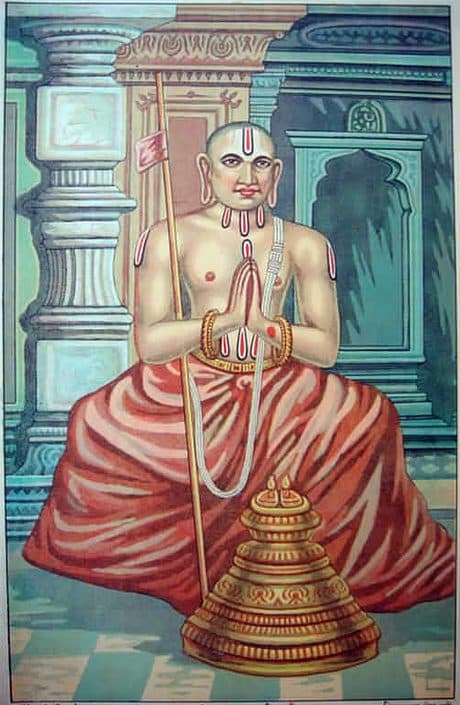
Rāmānuja · Viśiṣṭādvaita
English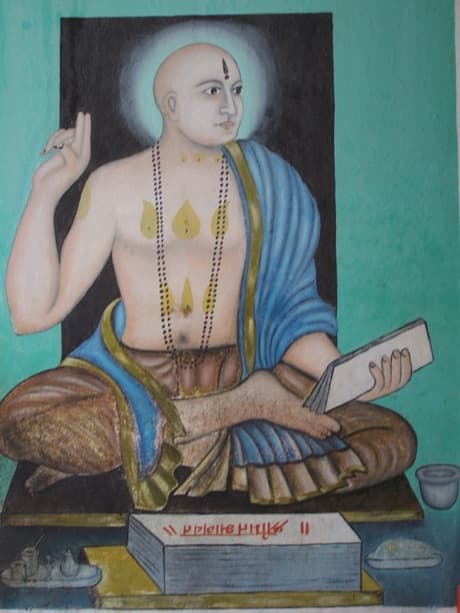
Madhvācārya · Dvaita
Madhva BhāṣyaSanskritEnglishOn verses 3.5–3.7
“न तु कर्माणि सर्वात्मना त्यक्तुं शक्यानि | इत्याह - न हि इति | तथाऽपिशक्तितस्यागः कार्ये इत्यत आह - कर्मेन्द्रियाणि इति | मन एव प्रयोजकम् इति दर्शयितुमन्वयव्यतिरेकावह - मनसा स्मरन्, मनसा नियम्य इति | कर्म योगं स्ववर्णाश्रमोचितम् | न तु गृहस्थकर्मैवेति नियमः | न्यासदिविधानात् | सामान्यवचनाच्च |” - Actions are not possible to be renounced, thus speaks Sri Krishna. Actions are not possible to be renounced, thus speaks Sri Krishna. Therefore, actions should be renounced with all effort. Thus has been said in the verse. To show the predominant role of the Mind on influencing the entity, it is said, मनसा स्मरन् ie remembering in Mind. Karma Yoga is suitable according to the stage one is in. Not that Action is only for the householder, because of particular reference that it is for the ascetics also. It is also so in common parlance.
Madhvācārya · Dvaita
Gītā Tātparya NirṇayaSanskritEnglishOn verses 3.5–3.7
“कर्तृत्व द्विविधं प्रोक्तं विकारश्च स्वतन्त्रता | विकाराः प्रकृतेरेव स्वतन्त्रता || इति पेडिगीश्रुतेः | कायेन ह्यवसः इत्यत्रावशो विष्णुवशः | अः इति ब्रह्म इत्यादि श्रुतेः ||” - Actions are spoken as being two-fold, which are due to the modifications of the attributes and those which are independent. The actions caused by the modifications of the attributes are due to effect of the Prakriti; Independent actions are those of Sri Vishnu, thus, in Paingi Scripture. Therefore, in कार्यते ह्यवशः means being dependent on Sri Vishnu. The scriptures further clarify that अ means Brahman, thus in scriptures
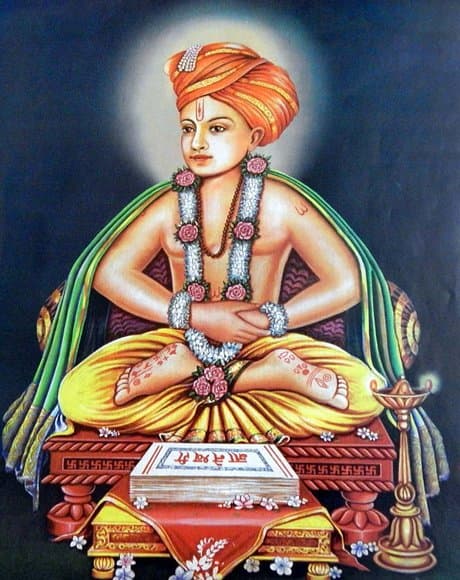
Jñāneśvar · Vārkarī
English7 “On the other hand, one who, through the mind, exercises control over the sense-centres and, by his organs of action, O Arjuna, performs the Yoga of Action—free from attachment—he is the one to be preferred.” (68)
Such a one is firm in his mind and is completely absorbed in the Supreme, and yet his outward behaviour looks like that of an ordinary human being. He lets alone the senses in their (respective) objects and is never afraid of them: also never neglects to perform the prescribed duties that come to his lot. He does not repress the tendencies or impulses of his organs of action, yet he never allows his mind to be affected by their passionate reactions. He never falls a victim to desires nor does he get himself soiled by the filth of infatuation. Just as a floating lotus-leaf never gets wet with the water, he remains untainted in the tangle of worldly affairs and appears like others. Just as the reflection of the Sun abides along with the water, like all other things on the earth, even though the Sun himself does not really exist there, in that way, to a casual observer he appears just like an ordinary person. But no one succeeds in finding out his real attitude. The person who is endowed with such aspects should alone be considered to be emancipated from the fetters of hopes and expectations. O Arjuna, such an emancipated person alone should be called a Yogin and, therefore, I ask you to be such a Yogin. Do control your mind, and keep your heart peaceful and then let the organs of action indulge in their objects with complete pleasure.
Swami Ramsukhdas · Modern
English[The term 'tu' (but) has been used in order to declare that such a follower of the Discipline of Action, free from attachment, is superior, not only to a hypocrite, but also to a follower of the Discipline of Knowledge.]
'Arjuna'—The term 'Arjuna' means, pure in nature. The Lord addressing him as Arjuna, says that being pure in nature, he should have no doubt about the performance of his duty.
'Yastvindriyāṇi manasā niyamya'—Here the term 'Manasā, stands for all the inner senses—(mind, intellect, faculty of reflection and ego) and the term 'Indriyāṇi' denotes, all the ten organs of action and sense-organs. 'Controlling the senses by the mind' means that by applying discrimination a striver should realize that the self has no affinity for the senses and the mind. When the senses are controlled by the mind, these can be engaged in or deviated from, any activity as the striver wishes.
Senses are controlled, only when attachment to them is renounced totally. In the eleventh verse of the twelfth chapter also, there is mention of control over senses for a Karmayogī. It means that a striver can follow the path of action, only by controlling the senses.
In the preceding (sixth) verse Lord Kṛṣṇa talked, about a hypocrite who forcibly restrains his senses, while here in this verse He is talking of, preventing the senses from indulging in forbidden actions and engaging these in actions, which are sanctioned by scriptures. When actions are performed according to the scriptural injunctions, senses are automatically controlled.
'Asaktaḥ'—A man is attached to (i) actions, and (ii) their fruit. It is attachment, and not actions or their fruit, that is the root of all evils. Attachment is the main stumbling block to perfection. So a striver instead of renouncing actions, should renounce attachment. He can be free from attachment, when he, without regarding the body, senses, mind and intellect as his or for him, starts performing his duty promptly for the welfare of the world, by considering these of the world and for the world. By doing so, his attachment to the fruit of actions automatically perishes.
All actions, including thinking and trance, have nothing to do with the self (Gītā 5/11). Though the self is naturally unattached, yet by developing attachment, it gets attached to the world. The real merit of a Karmayogī consists in being free from attachment. Freedom from attachment means, having no desire for the fruit of actions.
A common man performs actions in order to fulfil his desire, while a striver performs actions having the aim of renouncing attachment. Such a striver is called here an 'Asaktaḥ' (unattached).
A striver following the path of action, can renounce attachment and desire for fruit, more easily than the striver, who follows the path of knowledge. A Karmayogī, only through disinterested actions without any other means, can be free from attachment and desire for fruit, while a Jñānayogī, in order to do away with his sense of egoism and attachment, has to follow the path of action i.e., he has to perform actions without, having any desire for fruit (5/6, 15/11). The reason is, that unless dispassion is
developed and body consciousness is removed, Sāṅkhyayoga is difficult to practise, without having practised Karmayoga beforehand. Through the practice of Karmayoga a Sāṅkhyayogī gets completely detached, and then through the practice of Jñānayoga, he attains perfection. As soon as a Karmayogī renounces attachment, he attains equanimity. Therefore, the Lord declares, that actions need not be renounced but these should be performed, without attachment. It is attachment, which needs to be renounced. In Karmayoga (Discipline of Action), action is performed for the welfare of others, while 'Yoga' (union) is for one's own self. Arjuna considers action in relation to himself, therefore, he thinks that fighting is a terrible act. So the Lord clarifies, that it is attachment to action, rather than action, by itself, which is terrible.
'Karmendriyaiḥ karmayogaṁ ārabhate'—As the term 'Indriyāṇi' stands for all the ten senses, so does the term, 'Karmendriyaiḥ' denote the ten senses. If they are taken as the five organs of action alone, such as hand, foot and speech etc., how could actions be performed without seeing, hearing and thinking? Therefore, all the internal and external senses and organs, by which actions are performed, are included in 'Karmendriyaiḥ.'
When an action is performed, for the welfare of others without any selfish motive, it is called 'Karmayoga' or the Discipline (Path) of Action. When a person performs actions for himself, he is attached to the actions and their fruit. But, when he performs these for others, actions and their fruit are related to others, while he is related to God i.e., he realizes his real relation with God, the eternal. Thus, performance of one's duty according to one's caste and circumstances etc., selflessly, is the beginning of Karmayoga (Discipline of Action).
Strivers following the Discipline of Action are of two types:—(i) Those who are interested in performing actions, but their main aim is to attain salvation. Such strivers need not start
new actions. They have to make proper use of the available circumstances. (ii) Those who are more interested in rendering service to others, in providing comfort to others and in improving the society, than in their attainment of salvation. Such strivers, can start performing new actions, with the aim of doing away with their attachment.
In the *Gītā*, Lord Kṛṣṇa asks Arjuna to make a proper use of available circumstances, because Arjuna had a keen desire to attain the highest good i.e., to attain bliss or salvation (*Gītā* 2/7; 3/2; 5/1).
'Sa viśiṣyate'—He, who performs actions for the welfare of others, having renounced his selfishness and fruit for action, is superior as his all actions are directed towards the service of the world. All his possessions and body are also, for the service of others. His selflessness is of such a degree that his ego (of the sense of rendering service), is completely annihilated. Thus he becomes totally detached and liberated.
When a striver resolves to attain salvation, he wants to renounce actions, by regarding these as stumbling blocks to salvation. But the fact is, that it is not the action but it is the selfish motive in the performance of actions, which is an obstacle. Therefore, the Lord declares that a person, who without attachment performs action for the welfare of others, is superior to those hypocrites, who restrain the organs of action but have the sense-objects in mind. Even a person who performs action in order to receive its reward, such as heaven etc., is superior to a hypocrite. Then, there is no doubt that a Karmayogī who performs actions for the welfare of others without having any selfish motive, is superior. At the beginning of the fifth chapter, Arjuna asks Lord Kṛṣṇa to tell him for certain which one of the two, Sannyāsa or Yoga (renunciation of actions or their unselfish performance) is better. Lord Kṛṣṇa replies that both lead to salvation, but unselfish performance of action is better, than its renunciation. Similarly,
here also he declares a Karmayogī, who performs actions, for the welfare of others selflessly, to be superior.
**Appendix**—In a striver if there is eagerness for salvation, there is generosity in his nature and there is compassion in his heart viz., he gets happy (pleased) with the happiness of others and becomes sad (compassionate) with the sufferings of others—a striver having possessed these three traits becomes eligible for Karmayoga. Being fit for Karmayoga, Karmayoga is easily practised.
In Karmayoga there is one division of 'Karma' (duty) and one division is of 'Yoga'. Proper utilization of one's things, power, ability; and rendering service to people—this is duty. By discharging one's duty there is disunion (disconnection) from the assumed union with the world—this is yoga. Duty has its relation with the world and yoga has its relation with God.
*Link:—In response to Arjuna's question, why the Lord was urging him to take such a dreadful action as, warfare, He replied, 'No one can ever remain even, for a moment without performing action.' 'Then He explained that he who, restraining the organs of action, thinks of the sense-objects, is a hypocrite, while he who engages himself in action without expecting any reward, is superior. Now in the next verse, He orders Arjuna to perform his allotted duty.*
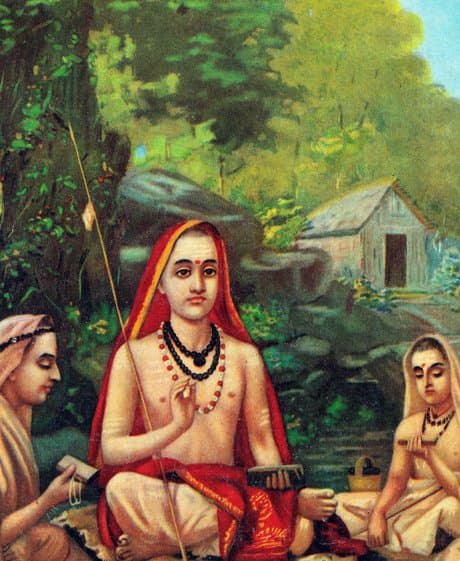
Ādi Śaṅkarācārya · Advaita
Sanskritयस्तु पुनः कर्मण्यधिकृतः अज्ञः बुद्धीन्द्रियाणि मनसा नियम्य आरभते अर्जुन कर्मेन्द्रियैः वाक्पाण्यादिभिः । किमारभते इत्याह -- कर्मयोगम् असक्तः सन् फलाभिसन्धिवर्जितः सः विशिष्यते इतरस्मात् मिथ्याचारात् ॥
यतः एवं अतः --
Ādi Śaṅkarācārya · Advaita
Hindiपरंतु हे अर्जुन! जो कर्मोंका अधिकारी अज्ञानी, ज्ञानेन्द्रियोंको मनसे रोककर वाणी, हाथ इत्यादि कर्मेन्द्रियोंसे आचरण करता है।
किसका आचरण करता है? सो कहते हैं— आसक्तिरहित होकर कर्मयोगका आचरण करता है, वह (कर्मयोगी) दूसरेकी अपेक्षा अर्थात् मिथ्याचारियोंकी अपेक्षा श्रेष्ठ है
Jñāneśvar · Vārkarī
Marathiजो अंतरी दृढु । परमात्मरूपीं गूढु । बाह्य तरी रूढु । लौकिक जैसा ॥ ६८ ॥
तो इंद्रियां आज्ञा न करी । विषयांचे भय न धरी । प्राप्त कर्म न अव्हेरी । उचित जें जें ॥ ६९ ॥
तो कर्मेंद्रियें कर्मी । राहाटतां तरी न नियमी । परी तेथिचेनि उर्मी । झांकोळेना ॥ ७० ॥
तो कामनामात्रें न घेपे । मोहमळें न लिंपे । जैसे जळीं जळें न शिंपें । पद्मपत्र ॥ ७१ ॥
तैसा संसर्गामाजि असे । सकळांसारिखा दिसे । जैसें तोयसंगे आभासे । भानुबिंब ॥ ७२ ॥
तैसा सामन्यत्वें पाहिजे । तरी साधारणुचि देखिजे । येरवीं निर्धारितां नेणिजे । सोय जयाची ॥ ७३ ॥
ऐसां चिन्हीं चिन्हितु । देखसी तोचि तरी मुक्तु । आशापाशरहितु । वोळख पां ॥ ७४ ॥
अर्जुना तोचि योगी । विशेषिजे जो जगीं । म्हणोनि ऐसा होय यालागीं । म्हणिपे तूंते ॥ ७५ ॥
तूं मानसा नियमु करीं । निश्चळु होय अंतरी । मग कर्मेंद्रियें हीं व्यापारीं । वर्ततु सुखें ॥ ७६ ॥
Jñāneśvar · Vārkarī
Hindi(3.68) जिसका अन्तःकरण निश्चल रहता है, जो परमात्मा के स्वरूप में निमग्न रहता है और बाह्यतः जैसा लोकाचार हो वैसा आचरण करता है,
(3.69) वह इन्द्रियों की आज्ञा नहीं करता, विषयों का भय नहीं रखता और जो उचित कर्म जिस समय करना अवश्य हो, उसका त्याग नहीं करता।
(3.70) कर्मेन्द्रियाँ कर्म में व्यापार करती हों तथापि वह उनका नियमन नहीं करता, परन्तु कभी उनके विकारों के अधीन नहीं होता। (3.71) वह किसी भी कामना के वश नहीं होता और मोह-मल में लिप्त नहीं होता। जैसे कमल का पत्ता जल में रहता हुआ भी जल से नहीं भीगता।
(3.72) वैसे ही, पानी में सूर्य-बिम्ब के समान, वह संसार में रहता है और सब के समान दिखाई देता है;
(3.73) परन्तु सामान्यतः देखने से ही वह साधारण मनुष्य के समान दिखाई देता है। अन्यथा विचार कर देखने से भी उसकी स्थिति जानी नहीं जा सकती।
(3.74) ऐसे लक्षणों से जो चिह्नित हो उसी को मुक्त और आशापाश-रहित समझो।
(3.75) हे अर्जुन! जगत् में जिस की विशेष कीर्ति होती है, ऐसा योगी वही है। इसलिए मैं तुमसे कहता हूँ कि तुम ऐसे ही योगी बनो।
(3.76) मन का नियमन करो और अन्तःकरण में निश्चल रहो, फिर चाहे कर्मेन्द्रिय सुख से व्यापार करती रहें।
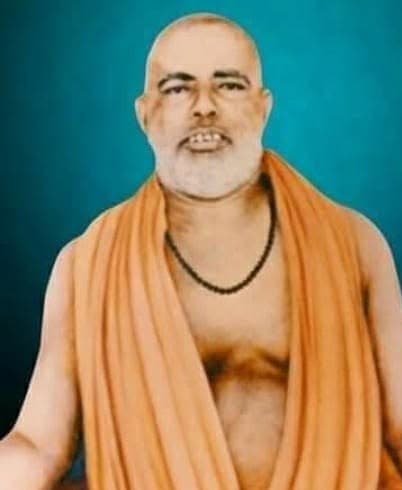
Sri Udiya Baba · Modern
Hindiसंगति— अब अगले श्लोक में शुद्ध अन्तःकरण वालों के लक्षण बतलाते हैं तथा सोलहवें श्लोक तक कर्म की ही स्तुति करते हैं—
भावार्थ— अर्जुन! जो [ श्रौत-स्मार्त कर्मों का अधिकारी ] इन्द्रियों का मन से संयम करके अनासक्त भाव से कर्मेन्द्रियों द्वारा कर्मयोग का आचरण करता है वह [ उन मिथ्याचारियों की अपेक्षा ] श्रेष्ठ है।
व्याख्या— इस श्लोक में जो 'विशिष्यते' पद आया है उसका भाव यह है कि मिथ्याचारी (दम्भी संन्यासी) की अपेक्षा इन्द्रियों को नियम में रखने वाला कर्मयोगी श्रेष्ठ है, परन्तु वास्तविक संन्यासी या तत्त्वज्ञानी से नहीं। इन्द्रियाँ सर्वथा रुक नहीं सकतीं, इसलिये 'नियम्य' पद का प्रयोग किया है। इन्द्रिय-संयम विषयों के प्रति राग-द्वेष न होने पर ही होता है, इसलिये संयमी को ही श्रेष्ठ कहा है। यहाँ 'तु' अव्यय उस कर्मयोगी की ओर इंगित करता है जो पिछले श्लोक में बताये विमूढात्मा से भिन्न है।
Swami Ramsukhdas · Modern
Hindi‘तु’—यहाँ अनासक्त होकर कर्म करनेवालेको मिथ्याचारीकी अपेक्षा ही नहीं, प्रत्युत सांख्ययोगीकी अपेक्षा भी श्रेष्ठ बतानेकी दृष्टिसे ‘तु’ पद दिया गया है।
‘अर्जुन’—‘अर्जुन’ शब्दका अर्थ होता है—स्वच्छ। यहाँ भगवान्ने ‘अर्जुन’ सम्बोधनका प्रयोग करके यह भाव दिखलाया है कि तुम निर्मल अन्तःकरणसे युक्त हो; अतः तुम्हारे अन्तःकरणमें कर्तव्यकर्मविषयक यह सन्देह कैसे? अर्थात् यह सन्देह तुम्हारेमें स्थिर नहीं रह सकता।
‘यस्त्विन्द्रियाणि मनसा नियम्य’—यहाँ ‘मनसा’ पद सम्पूर्ण अन्तःकरण (मन, बुद्धि, चित्त और अहंकार) का वाचक है और ‘इन्द्रियाणि’ पद छठे श्लोकमें आये ‘कर्मेन्द्रियाणि’ पदकी तरह ही दसों इन्द्रियोंका वाचक है।
मनसे इन्द्रियोंको वशमें करनेका तात्पर्य है कि विवेकवती बुद्धिके द्वारा ‘मन और इन्द्रियोंसे स्वयंका कोई सम्बन्ध नहीं है’—ऐसा अनुभव करना। मनसे इन्द्रियोंका नियमन करनेपर इन्द्रियोंका अपना स्वतन्त्र आग्रह नहीं रहता अर्थात् उनको जहाँ लगाना चाहें, वहाँ वे लग जाती हैं और जहाँसे उनको हटाना चाहें, वहाँसे वे हट जाती हैं।
इन्द्रियाँ वशमें तभी होती हैं, जब इनके साथ ममता (मेरा-पन)-का सर्वथा अभाव हो जाता है। बारहवें अध्यायके ग्यारहवें श्लोकमें भी कर्मयोगीके लिये इन्द्रियोंको वशमें करनेकी बात आयी है—‘सर्वकर्मफलत्यागं ततः कुरु यतात्मवान्।’ तात्पर्य यह है कि वशमें की हुई इन्द्रियोंके द्वारा ही कर्मयोगका आचरण होता है।
पीछेके (छठे) श्लोकमें भगवान्ने ‘संयम्य’ पदसे मिथ्याचारके विषयमें इन्द्रियोंको हठपूर्वक रोकनेकी बात कही थी; किन्तु यहाँ ‘नियम्य’ पदसे शास्त्र-मर्यादाके अनुसार इन्द्रियोंका नियमन करने (निषिद्धसे हटाकर उन्हें शास्त्रविहित कर्तव्य-कर्ममें लगाने) की बात कही है। नियमन करनेपर इन्द्रियोंका संयम स्वतः हो जाता है।
‘असक्तः’—आसक्ति दो जगह होती है—(१) कर्मोंमें और (२) उनके फलोंमें। समस्त दोष आसक्तिमें ही रहते हैं, कर्मों तथा उनके फलोंमें नहीं। आसक्ति रहते हुए योग सिद्ध नहीं हो सकता। आसक्तिका त्याग करनेपर ही
योग सिद्ध होता है। अतः साधकको कर्मोंका त्याग न करके उनमें आसक्तिका ही त्याग करना चाहिये। आसक्तिरहित होकर सावधानी एवं तत्परतापूर्वक कर्तव्य-कर्मका आचरण किये बिना कर्मोंसे सम्बन्ध-विच्छेद नहीं हो सकता। साधक आसक्तिरहित तभी हो सकता है जब वह शरीर-इन्द्रियाँ-मन-बुद्धिको ‘मेरी’ अथवा ‘मेरे लिये’ न मानकर केवल संसारका और संसारके लिये ही मानकर संसारके हितके लिये तत्परतापूर्वक कर्तव्य-कर्मका आचरण करनेमें लग जाय। जब वह अपने लिये कोई कर्म न करके केवल दूसरोंके हितके लिये सम्पूर्ण कर्म करता है, तब उसकी अपनी फलासक्ति स्वतः मिट जाती है।
कर्मेन्द्रियोंसे होनेवाली साधारण क्रियाओंसे लेकर चिन्तन तथा समाधितककी समस्त क्रियाओंका हमारे स्वरूपके साथ कुछ भी सम्बन्ध नहीं है (गीता—पाँचवें अध्यायका ग्यारहवाँ श्लोक)। परन्तु स्वरूपसे अनासक्त होते हुए भी यह जीवात्मा स्वयं आसक्ति करके संसारसे अपना सम्बन्ध जोड़ लेता है।
कर्मयोगीकी वास्तविक महिमा आसक्तिरहित होनेमें ही है। कर्मोंसे प्राप्त होनेवाले किसी भी फलको न चाहना अर्थात् उससे सर्वथा असंग हो जाना ही आसक्तिरहित होना है।
साधारण मनुष्य तो अपनी कामनाकी सिद्धिके लिये ही किसी कार्यमें प्रवृत्त होता है; परन्तु साधक आसक्तिके त्यागका उद्देश्य लेकर ही किसी कार्यमें प्रवृत्त होता है। ऐसे साधकको ही यहाँ ‘असक्तः’ कहा गया है।
जब ज्ञानयोगी और कर्मयोगी—दोनों ही फलेच्छा और आसक्तिका त्याग करते हैं, तब ज्ञानयोगकी अपेक्षा कर्मयोग अधिक सुगम सिद्ध होता है। कारण कि कर्मयोगीको फिर किसी अन्य साधनकी आवश्यकता नहीं रहती, जबकि ज्ञानयोगीको देहाभिमान और क्रिया-पदार्थकी आसक्ति मिटानेके लिये कर्मयोग (निष्कामभावसे कर्म करने) की आवश्यकता रहती है (पाँचवें अध्यायका छठा और पन्द्रहवें अध्यायका ग्यारहवाँ श्लोक)। कर्मयोगमें आसक्तिका त्याग मुख्य है, जिससे कर्मयोगीको समबुद्धिकी
प्राप्ति हो जाती है। इसलिये भगवान् कहते हैं कि कर्मोंका त्याग करनेकी आवश्यकता नहीं है, प्रत्युत आसक्तिरहित होकर कर्म करनेकी ही आवश्यकता है।
कर्मोंका त्याग करना चाहिये या नहीं—यह देखना वस्तुतः गीताका सिद्धान्त ही नहीं है। गीताके अनुसार कर्मोंमें आसक्ति ही (दोष होनेके कारण) त्याज्य है। कर्मयोगमें 'कर्म' सदा दूसरोंके हितके लिये होता है और 'योग' अपने लिये होता है। अर्जुन कर्मको 'अपने लिये' मानते हैं, इसीलिये उन्हें युद्धरूप कर्तव्य-कर्म घोर दीख रहा है। इसपर भगवान् यह स्पष्ट करते हैं कि आसक्ति ही घोर होती है, कर्म नहीं।
**'कर्मेन्द्रियैः कर्मयोगम् आरभते'**—जैसे इसी श्लोकके प्रथम चरणमें 'इन्द्रियाणि' पदका तात्पर्य दसों इन्द्रियोंसे है, ऐसे ही यहाँ 'कर्मेन्द्रियैः' पदको दसों इन्द्रियोंका वाचक समझना चाहिये। अगर 'कर्मेन्द्रियैः' पदसे हाथ, पैर, वाणी आदिको ही लिया जाय, तो देखे-सुने तथा मनसे विचार किये बिना कर्म कैसे होंगे? अतः यहाँ सभी करणों अर्थात् अन्तःकरण और बहिःकरणको भी कर्मेन्द्रियाँ माना गया है; क्योंकि इन सबसे कर्म होते हैं।
जब कर्म अपने लिये न करके दूसरोंके हितके लिये किया जाता है, तब वह कर्मयोग कहलाता है। अपने लिये कर्म करनेसे अपना सम्बन्ध कर्म तथा कर्मफलके साथ हो जाता है और अपने लिये कर्म न करके दूसरोंके लिये कर्म करनेसे कर्म तथा कर्मफलका सम्बन्ध दूसरोंके साथ तथा परमात्माका सम्बन्ध अपने साथ हो जाता है, जो कि सदासे है। इस प्रकार देश, काल, परिस्थिति आदिके अनुसार प्राप्त कर्तव्य-कर्मको निःस्वार्थभावसे करना कर्मयोगका आरम्भ है। कर्मयोगी साधक दो तरहके होते हैं—
(१) जिसके भीतर कर्म करनेका वेग, आसक्ति, रुचि तो है, पर अपना कल्याण करनेकी इच्छा मुख्य है, ऐसे साधकके लिये नये-नये कर्म आरम्भ करनेकी जरूरत नहीं है। उसके लिये केवल प्राप्त परिस्थितिका सदुपयोग करनेकी ही जरूरत है।
(२) जिसके भीतर अपना कल्याण करनेकी इच्छा
**परिशिष्ट भाव**—अपनेमें कल्याणकी इच्छा हो, स्वभावमें उदारता हो और हृदयमें करुणा हो अर्थात् दूसरेके सुखसे सुखी (प्रसन्न) और दुःखसे दुःखी (करुणित) हो जाय—ये तीन बातें होनेपर मनुष्य कर्मयोगका अधिकारी हो जाता है। कर्मयोगका अधिकारी होनेपर कर्मयोग सुगमतासे होने लगता है।
कर्मयोगमें एक विभाग 'कर्म' (कर्तव्य) का है और एक विभाग 'योग' का है। प्राप्त वस्तु, सामर्थ्य और योग्यताका सदुपयोग करना और व्यक्तियोंकी सेवा करना—यह कर्तव्य है। कर्तव्यका पालन करनेसे संसारसे माने हुए संयोगका वियोग हो जाता है—यह योग है। कर्तव्यका सम्बन्ध संसारके साथ है और योगका सम्बन्ध परमात्माके साथ है।
मुख्य नहीं है और संसारकी सेवा करनेमें, उसे सुख पहुँचानेमें तथा समाजका सुधार करनेमें अधिक रुचि है, जिससे उसके मनमें आता है कि अमुक-अमुक काम किये जायँ तो बहुतोंकी सेवा हो सकती है, समाजका सुधार हो सकता है, आदि। ऐसा साधक अगर नये-नये कर्मोंका आरम्भ कर भी दे, तो कोई हर्ज नहीं है। हाँ, नये कर्मोंका आरम्भ केवल कर्म करनेकी आसक्ति मिटानेके लिये ही किया जाना चाहिये।
गीतामें भगवान्ने अर्जुनके लिये प्राप्त परिस्थितिका सदुपयोग करनेके लिये ही कहा है; क्योंकि अर्जुनमें अपने कल्याणकी इच्छा मुख्य थी (गीता—दूसरे अध्यायका सातवाँ, तीसरे अध्यायका दूसरा और पाँचवें अध्यायका पहला श्लोक)।
**'स विशिष्यते'**—जो अपने स्वार्थका, फलकी आसक्तिका त्याग करके मात्र प्राणियोंके हितके लिये कर्म करता है, वह श्रेष्ठ है। कारण कि उसकी मात्र क्रियाओंका प्रवाह संसारकी तरफ हो जानेसे उसमें स्वतः असंगता आ जाती है।
साधकका जब अपना कल्याण करनेका विचार होता है, तब वह कर्मोंको साधनमें विघ्न समझकर उनसे उपराम होना चाहता है। परन्तु वास्तवमें कर्म करना दोषी नहीं है, प्रत्युत कर्मोंमें सकामभाव ही दोषी है। अतः भगवान् कहते हैं कि बाहरसे इन्द्रियोंका संयम करके भीतरसे विषयोंका चिन्तन करनेवाले मिथ्याचारी पुरुषकी अपेक्षा आसक्तिरहित होकर दूसरोंके हितके लिये कर्म करनेवाला श्रेष्ठ है। वास्तवमें मिथ्याचारी पुरुषकी अपेक्षा स्वर्गादिकी प्राप्तिके लिये सकामभावपूर्वक कर्म करनेवाला भी श्रेष्ठ है, फिर दूसरोंके कल्याणके लिये निष्कामभावपूर्वक कर्म करनेवाला कर्मयोगी श्रेष्ठ है—इसमें तो कहना ही क्या है! पाँचवें अध्यायमें जब अर्जुनने प्रश्न किया कि संन्यास और योग—दोनोंमें कौन श्रेष्ठ है, तब भगवान्ने उत्तरमें दोनोंको ही कल्याण करनेवाला बताकर कर्मसंन्यासकी अपेक्षा कर्मयोगको श्रेष्ठ कहा। यहाँ भी इसी आशयसे स्वार्थभावका त्याग करके दूसरोंके हितके लिये कर्म करनेवाले कर्मयोगीको श्रेष्ठ बताया गया है।
सम्बन्ध—गीता अपनी शैलीके अनुसार पहले प्रस्तुत विषयका विवेचन करती है। फिर करनेसे लाभ और न करनेसे हानि बताती है। इसके बाद उसका अनुष्ठान करनेकी आज्ञा देती है। यहाँ भी भगवान् अर्जुनके प्रश्न (मुझे घोर कर्ममें क्यों लगाते हैं?) का उत्तर देते हुए पहले कर्मोंके सर्वथा त्यागको असम्भव बताते हैं। फिर कर्मोंका स्वरूपसे त्याग करके मनसे विषय-चिन्तन करनेको मिथ्याचार बताते हुए निष्काम-भावसे कर्म करनेवाले मनुष्यको श्रेष्ठ बताते हैं। अब आगेके श्लोकमें भगवान् अर्जुनको उसीके अनुसार कर्तव्यकर्म करनेकी आज्ञा देते हैं।
Controlling the senses by strength of mind, utilising them to assist in achieving ātma tattva by performing the prescribed duties given in the Vedic scriptures, according to the natural attributes found within their character by the natural disposition of their natural impulses,
then that person although performing karma yoga the yoga of actions is superior to the performer of jñāna yoga the yoga of cultivating knowledge inasmuch as falsely performing jñāna yoga with duplicity is far inferior to performing karma yoga with sincerity.