

Bhagavad Gītā · Chapter 3 · Karma Yoga
अर्जुन उवाच
अथ केन प्रयुक्तोऽयं पापं चरति पूरुषः
अनिच्छन्नपि वार्ष्णेय बलादिव नियोजितः
arjuna uvāca
atha kena prayukto'yaṃ pāpaṃ carati pūruṣaḥ|
anicchannapi vārṣṇeya balādiva niyojitaḥ||
Word meanings
वार्ण्याय = O descendant of Vṛṣṇi (Kṛṣṇa)
अथ = now
अयम् = this (self)
पुरुषः = person
अनिच्छन् = not wishing
अपि = also
बलात् = by force
नियोजितः = impelled
इव = like
केन = by what
प्रयुक्तः = driven
पापम् = sin
चरति = commits
Translation
Arjuna said: Now impelled by what, Krsna, does this man commit sin even involuntarily, as though driven by force?
Commentary
The commentators seated around this verse
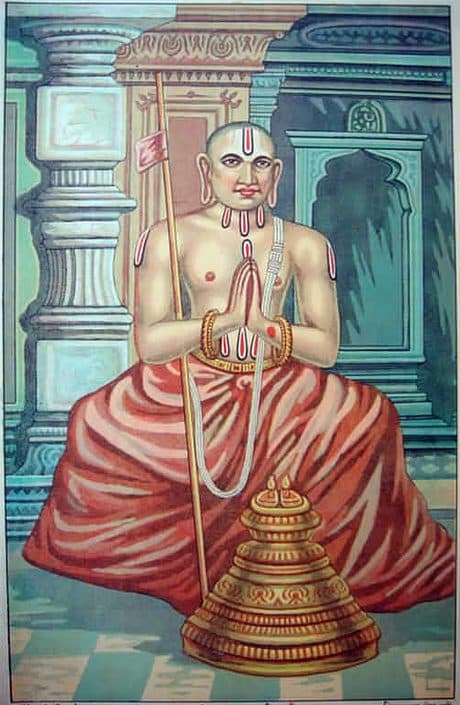
Rāmānuja · Viśiṣṭādvaita
English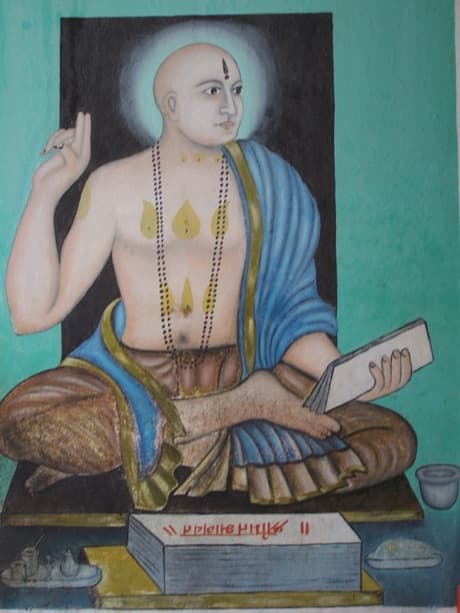
Madhvācārya · Dvaita
SanskritEnglish“ब्रह्मः कर्मकारणाः सन्ति क्रोधादय कामश्च | तत्र को बलवान् इति पृच्छति अथ इति | अथ पति अर्थान्तरम् | तयोर्नवशमागच्छेत् इति प्रश्नप्रापकम् |” - There exist many reasons for such action. Anger etc. and also the desire. Among them which is more powerful, thus being enquired (by Arjuna), the same are being mentioned here in this verse. Here is to be understood as which others ? so that one may not come under their sway'. Therefore this is the question.
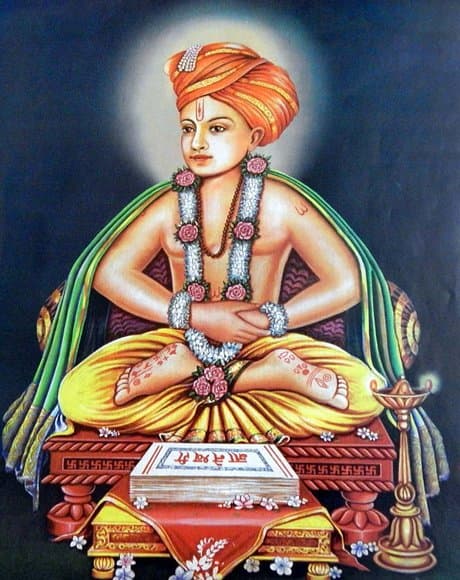
Jñāneśvar · Vārkarī
English36 *Arjuna spake: 'By whom impelled, then, does this person commit sin, even though not wishing it, O Scion of Vṛṣṇi's race, as though by force constrained?'* (232)
O God, how does it happen that even wise men, as we often see, fall from the right path and are found wandering astray? For, they are indeed in possession of all knowledge and means to right conduct. What indeed may be the cause that makes them transgress their own religious duty and embrace the alien religion? A blind person cannot separate the seed from the chaff, but how should the wise get confused and fall into this grievous error. Those very persons that relinquish the path of normal actions, are again entangled into them and ever remain insatiate. Even dwellers in forests come and mix with human society. Those that had kept aloof and completely avoided sinful things are dragged to sinful career knowingly. The things, they were disgusted with, and tried to shun, are the very things they feel an urge for, and while attempting to evade them, they fall into the trap and embrace sin. In this way the wise themselves fall victims to sin and vice, what power may it be that is so strong that the wise are made prostrate; tell me kindly all this.
Swami Ramsukhdas · Modern
English'Atha kena prayukto'yaṁ pāpaṁ carati pūruṣaḥ anicchannapi vārṣṇeya balādiva niyojitaḥ'—Lord Kṛṣṇa has been addressed as 'Vārṣṇeya', because he belonged to the Vṛṣṇi clan. In the preceding verse, Lord Kṛṣṇa praised the performance of one's duty, and duty as performed, according to one's caste and clan. So Arjuna, addresses the Lord as Vārṣṇeya. A sensible man does not want to commit sin, by thinking of its bitter and sad fruit.
Here the term 'anicchan' does not mean, discarding desire for pleasure and prosperity. It rather, stands for the renunciation of desire, to commit sin. A sensible man does not want to commit sin, but it is the desire for pleasure and prosperity, which deviates him from the performance of his duty and forces him to perform sinful acts.
The expression 'balādiva niyojitaḥ' (as if driven by force) has been used, to point out the fact that a sensible man, by knowing the bitter fruit of a sinful act does not want to commit it, yet
he is forcibly driven to it. From this, it appears that some force is there, to compel him to commit sins.
The root of this sin is desire, for worldly pleasures and prosperity. But a man does not give any heed to this desire, and so he is unable to know the root of evils (sins). He understands that he wants to abstain from committing sins, but some entity is forcibly engaging him, in sins. Duryodhana also declares:—
'I know what is righteousness, but I am not inclined to it; I also know what is unrighteousness, but I cannot get rid of it. There is some 'deva' (force) in my heart, which drives me to act' (Garga-Samhitā, Aśvamedha. 50/36).
The term 'deva' used by Duryodhana stands for desire, (for pleasure and prosperity) which forces him to commit sin, and not to follow righteousness.
The expression 'Kena prayukto'yaṁ pāpaṁ carati'—also shows that he is impelled to commit sin by some other force.
The Lord, in the thirty-fourth verse, said, 'Attachment and aversion (which are subtle forms of desire and anger) are, the foes of a striver (i.e., these are the roots of sins)'. As it was said in a general way, Arjuna could not understand this point. So he puts this question. Arjuna, means to ask whether it is lack of faith or carping spirit or villainous nature or clouded understanding or force of one's own nature or attachment and aversion, or disinclination for one's own duty and inclination to the duty of another (described from the thirty-first verse to the thirty-fifth verse), which drives a man to commit sin. Besides these, is it God or fortune or time or circumstance or action or bad company or society or custom or any government law etc., which is impelling him to commit sin?
*Link:— The Lord answers the question, in the next verse.*
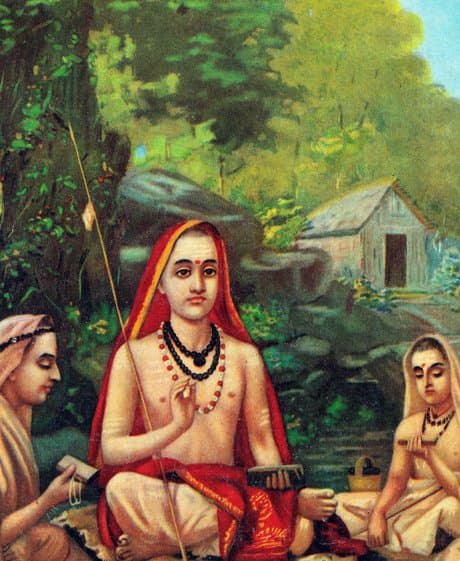
Ādi Śaṅkarācārya · Advaita
Sanskritअथ केन हेतुभूतेन प्रयुक्तः सन् राज्ञेव भृत्यः अयं पापं कर्म चरति आचरति पूरुषः पुरुषः स्वयं अनिच्छन् अपि हे वार्ष्णेय वृष्णिकुलप्रसूत, बलात् इव नियोजितः राज्ञेव इत्युक्तो दृष्टान्तः ॥
शृणु त्वं तं वैरिणं सर्वानर्थकरं यं त्वं पृच्छसि इति भगवान् उवाच --
Ādi Śaṅkarācārya · Advaita
Hindiयद्यपि 'ध्यायतो विषयान् पुंसः', 'रागद्वेषौ ह्यस्य परिपन्थिनौ' इत्यादि प्रकरणोंमें अनर्थका मूल कारण बतलाया गया, पर वह भिन्न-भिन्न प्रकरणोंमें और अनिश्चितरूपसे कहा गया है। इसलिये वह 'अनर्थोंका कारण ठीक यही है।' इस प्रकार निश्चयपूर्वक और संक्षेपसे जाननेमें आ जाय तो मैं उसके उच्छेदके लिये प्रयत्न करूँ, इस विचारसे उसके जाननेकी इच्छा करते हुए अर्जुन बोले—
हे वृष्णिकुलमें उत्पन्न हुए कृष्ण! किस प्रधान कारणसे प्रयुक्त किया हुआ यह पुरुष स्वयं न चाहता हुआ भी राजासे प्रयुक्त किये हुए सेवककी तरह बलपूर्वक लगाया हुआ-सा पाप-कर्मका आचरण किया करता है ?
Jñāneśvar · Vārkarī
Marathiतरी देवा हें ऐसें कैसें । जे ज्ञानियांचीही स्थितीही भ्रंशे । मार्ग सांडुनि अनारिसे । चालत देखों ॥ २३२ ॥
सर्वज्ञुही जे होती । हे उपायही जाणती । तेही परधर्में व्यभिचरति । कवणें गुणें ॥ २३३ ॥
बीजा आणि भुसा । अंधु निवाडु नेणे जैसा । नावेक देखणाही तैसा । बरळे कां पां ॥ २३४ ॥
जे असता संगु सांडिती । तेचि संसर्गु करिता न धाती । वनवासीही सेविती । जनपदातें ॥ २३५ ॥
आपण तरी लपती । सर्वस्वें पाप चुकविती । परी बलात्कारे सुइजती । तयाचिमाजी ॥ २३६ ॥
जयांची जीवें घेती विवसी । तेचि जडोनि ठाके जीवेंसीं । चुकविती ते गिंवसी । तयातेंचि ॥ २३७ ॥
ऐस बलात्कारु एकु दिसे । तो कवणाचा एथ आग्रहो असे । हें बोलावे हृषिकेशें । पार्थु म्हणे ॥ २३८ ॥
Jñāneśvar · Vārkarī
Hindi(3.232) हे देव! ऐसा क्यों होता है कि ज्ञानियों की भी स्थिति बिगड़ जाती है और वे सन्मार्ग को छोड़ अन्य मार्ग से चलते हुए दिखाई देते हैं?
(3.233) जो सर्वज्ञ होते हैं और ये उपाय भी जानते हैं वे भी किस गुण के कारण अपना धर्म छोड़कर परधर्म का व्यभिचार करते हैं?
(3.234) बीज और भूसे की छाँट जैसे अन्धा नहीं कर सकता वैसे ही क्षण भर नेत्रवान् मनुष्य भी क्यों भूल जाता है?
(3.235) जो बना बनाया संग छोड़ देते हैं वे पुनः संग करते हुए भी तृप्त नहीं होते; बनवासी भी नगर में आ रहते हैं;
(3.236) छिप करके सब तरह से पापों को टाला देते हैं परन्तु बलात्कार से फिर उन्हीं पापों में लग जाते हैं; (3.237) जो जिस बात से घृणा करता है वही जी से लग बैठती है, और उसे टाला देने का यत्न करने से वह फिर उसे खोज लेती है;
(3.238) ये बातें किसी जबरदस्त गुण के आग्रह से होती हुई दिखाई देती है। यह कौन-सा गुण है? हे हृषीकेश! बतलाइए।
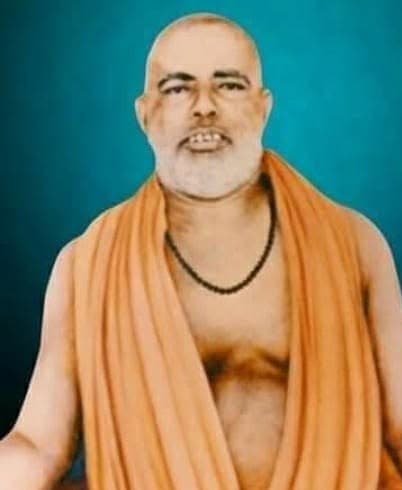
Sri Udiya Baba · Modern
Hindiसंगति— इस श्लोक में कर्मयोग का प्रसंग समाप्त हो जाता है। अब अर्जुन को एक अन्य शंका होती है।
भावार्थ— अर्जुन बोला—वार्ण्य (वृष्णिनन्दन या ज्ञानामृत की वर्षा करने वाले भगवान्) किस शक्तिशाली की प्रेरणा से यह मनुष्य स्वयं न चाहने पर भी बल-पूर्वक लगाया हुआ-सा पापाचरण में प्रवृत्त हो जाता है।
Swami Ramsukhdas · Modern
Hindi'अथ केन प्रयुक्तोऽयं ... बलादिव नियोजितः'—यदुकुलमें 'वृष्णि' नामका एक वंश था। उसी वृष्णिवंशमें अवतार लेनेसे भगवान् श्रीकृष्णका एक नाम 'वार्ण्याय' है। पूर्वश्लोकमें भगवान्ने स्वधर्म-पालनकी प्रशंसा की है। धर्म 'वर्ण' और 'कुल' का होता है; अतः अर्जुन भी कुल-(वंश-) के नामसे भगवान्को सम्बोधित करके प्रश्न करते हैं।
विचारवान् पुरुष पाप नहीं करना चाहता; क्योंकि पापका परिणाम दुःख होता है और दुःखको कोई भी प्राणी नहीं चाहता।
यहाँ 'अनिच्छन्' पदका तात्पर्य भोग और संग्रहकी इच्छाका त्याग नहीं, प्रत्युत पाप करनेकी इच्छाका त्याग है। कारण कि भोग और संग्रहकी इच्छा ही समस्त पापोंका मूल है, जिसके न रहनेपर पाप होते ही नहीं।
विचारशील मनुष्य पाप करना तो नहीं चाहता, पर भीतर सांसारिक भोग और संग्रहकी इच्छा रहनेसे वह करनेयोग्य कर्तव्य कर्म नहीं कर पाता और न करनेयोग्य पाप-कर्म कर बैठता है।
'अनिच्छन्' पदकी प्रबलताको बतानेके लिये अर्जुन 'बलादिव नियोजितः' पदोंको कहते हैं। तात्पर्य यह है कि पापवृत्तिके उत्पन्न होनेपर विचारशील पुरुष उस पापको जानता हुआ उससे सर्वथा दूर रहना चाहता है; फिर भी वह उस पापमें ऐसे लग जाता है, जैसे कोई उसको जबर्दस्ती पापमें लगा रहा हो। इससे ऐसा मालूम होता है कि पापमें लगानेवाला कोई बलवान् कारण है।
पापोंमें प्रवृत्तिका मूल कारण है—'काम' अर्थात् सांसारिक सुख-भोग और संग्रहकी कामना। परन्तु इस कारणकी ओर दृष्टि न रहनेसे मनुष्यको यह पता नहीं चलता कि पाप करानेवाला कौन है? वह यह समझता है कि मैं तो पापको जानता हुआ उससे निवृत्त होना चाहता हूँ, पर मेरेको कोई बलपूर्वक पापमें प्रवृत्त करता है; जैसे दुर्योधनने कहा है—
जानामि धर्मं न च मे प्रवृत्तिर्जानाम्यधर्मं न च मे निवृत्तिः। केनापि देवेन हृदि स्थितेन यथा नियुक्तोऽस्मि तथा करोमि॥
(गर्गसंहिता, अश्वमेध ५०। ३६)
'मैं धर्मको जानता हूँ, पर उसमें मेरी प्रवृत्ति नहीं होती और अधर्मको भी जानता हूँ, पर उससे मेरी निवृत्ति नहीं होती। मेरे हृदयमें स्थित कोई देव है, जो मेरेसे जैसा करवाता है, वैसा ही मैं करता हूँ।'
दुर्योधन द्वारा कहा गया यह 'देव' वस्तुतः 'काम' (भोग और संग्रहकी इच्छा) ही है, जिससे मनुष्य विचारपूर्वक जानता हुआ भी धर्मका पालन और अधर्मका त्याग नहीं कर पाता।
'केन प्रयुक्तोऽयं पापं चरति' पदोंसे भी 'अनिच्छन्' पदकी प्रबलता प्रतीत होती है। तात्पर्य यह है कि विचारवान् मनुष्य स्वयं पाप करना नहीं चाहता; कोई दूसरा ही उसे जबर्दस्ती पापमें प्रवृत्त करा देता है। वह दूसरा कौन है?—यह अर्जुनका प्रश्न है।
भगवान्ने अभी-अभी चौंतीसवें श्लोकमें बताया है कि राग और द्वेष (जो काम और क्रोधके ही सूक्ष्म रूप हैं) साधकके महान् शत्रु हैं अर्थात् ये दोनों पापके कारण हैं। परन्तु वह बात सामान्य रीतिसे कहनेके कारण अर्जुन उसे पकड़ नहीं सके। अतः वे प्रश्न करते हैं कि मनुष्य विचारपूर्वक पाप करना न चाहता हुआ भी किससे प्रेरित होकर पापका आचरण करता है?
अर्जुनके प्रश्नका अभिप्राय यह है कि (इकतीसवेंसे लेकर पैंतीसवें श्लोकतक देखते हुए) अश्रद्धा, असूया, दुष्टचित्ता, मूढ़ता, प्रकृति-(स्वभाव-) की परवशता, राग-द्वेष, स्वधर्ममें अरुचि और परधर्ममें रुचि—इनमेंसे कौन-सा कारण है, जिससे मनुष्य विचारपूर्वक न चाहता हुआ भी पापमें प्रवृत्त होता है? इसके अलावा ईश्वर, प्रारब्ध, युग, परिस्थिति, कर्म, कुसंग, समाज, रीतिरिवाज, सरकारी कानून आदिमेंसे भी किस कारणसे मनुष्य पापमें प्रवृत्त होता है?
सम्बन्ध—अब भगवान् आगेके श्लोकमें अर्जुनके प्रश्नका उत्तर देते हैं।
श्रीभगवानुवाच
Arjuna wants to know from Lord Krishna exactly what it is that forcibly impels a person embarking on the path of jñāna yoga or the cultivation of Vedic wisdom to go against their better judgement and engage in sinful activities.