

Bhagavad Gītā · Chapter 3 · Karma Yoga
प्रकृतेर्गुणसम्मूढाः सज्जन्ते गुणकर्मसु
तानकृत्स्नविदो मन्दान्कृत्स्नविन्न विचालयेत्
prakṛterguṇasammūḍhāḥ sajjante guṇakarmasu|
tānakṛtsnavido mandānkṛtsnavinna vicālayet||
Word meanings
प्रकृतेः = of nature
गुणसम्पूढाः = deluded by the guṇas
गुणकर्मसु = in the guṇas and their actions
सज्जन्ते = remain attached
तान् = those
अकृत्स्नविदः = who do not know the whole
मन्दान् = the dull-witted
कृत्स्नवित् = the one who knows the whole
न, विचालयेत् = should not unsettle
Translation
Those who are completely deluded by the Gunas (modes) of Prakrti remain attached to those Gunas and actions; the man of perfect Knowledge should not unsettle the mind of those insufficiently knowing fools.
Commentary
The commentators seated around this verse

Rāmānuja · Viśiṣṭādvaita
English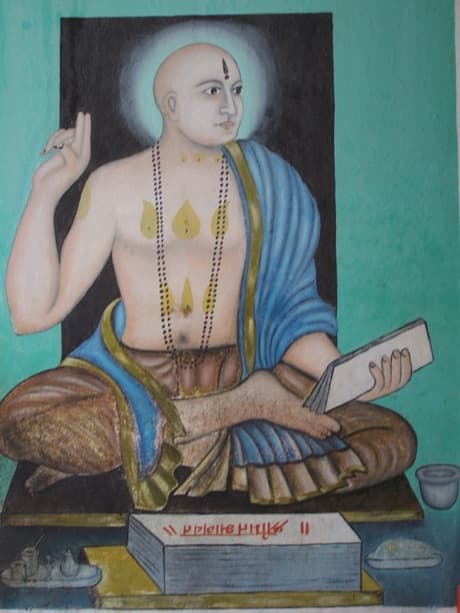
Madhvācārya · Dvaita
Madhva BhāṣyaSanskritEnglishOn verses 3.27–3.32
“विद्वद्विदुषाः कर्मभेदमाह - प्रकृतेः इति | प्रकृतेः गुणैः इन्द्रियाभिः | प्रकृतिमपेक्ष्य गुणभूतानि हि तानि | रसम्बन्धीन्नि च | न हि प्रतिविम्बस्य क्रिया ||” - The difference between actions of the wise one and of the ignorant one is shown here, qualifying with words like प्रकृतेः - by nature, गुणैः by attributes. इन्द्रियाभिः - influenced by the senses. The senses are lower than प्रकृति and गुणः. Further because of the association (of the senses), not actions of the प्रतिविम्ब - the Jiva.
“कर्मभेदस्य गुणभेदस्य च तत्त्ववित् | गुणाः इन्द्रयादीनि | गुणेषु विषयेषु | प्रकृतेः गुणेषु इन्द्रियादिषु समुद्याः इन्द्रियाद्यभिमानाद्वि विषयादिसङ्गः | गुणकर्मसु विषयेषु कर्मसु च | “शब्दाद्या इन्द्रियाद्याश्च सत्वाद्याश्च शुभानि च | अप्रधानानि च गुणा निगद्यन्ते निरुक्तिगैः || इत्यभिधानात् | सत्वाद्यङ्गीकारे गुणा गुणेषु इत्युक्तं स्यात्? ||” - Knowing in principle the distinction between actions and attributes). गुण here means the senses. Therefore, गुणेषु means by the senses-objects The attributes of nature are those influenced by senses, therefore become deluded. Being influenced by the ego-sense and associated with sense-objects. Here गुण कर्मसु means sense attributes and consequential actions. Sense objects like sound etc., senses like eye and the rest, auspicious attributes like luminosity (Satva) etc. should be understood as Secondary attributes, thus according to the meaning in the dictionary. By association of attributes like satva etc.
“अतः सर्वाणि कर्माणि मध्येय सन्न्यस्य भान्तितो जीवऽध्यारोपितानि मध्येय विमुच्य - भगवानेव सर्वाणि कर्माणि करोति इति मत्सुजा इति च | आत्मानं मामधिकृत्य यच्चेतः तदध्यात्मचेतः | सन्न्यस्यास्तु भगवान् करोति इति | निर्ममत्वं नाहं करोमि इति ||” - Surrendering all the actions to Me alone, giving up all the actions done by the Jiva from deluded feeling (that he is the doer), and (realizing that) the Lord alone performs all actions he (the wise-one) worships Me. सन्न्यास means realizing that all actions are performed by the Lord alone. निर्ममत्वम् means Jiva does not perform any actions at all.
“फलमाह - य मे इति | ये त्वेवं निवृत्तकर्मिणस्तेऽपि मुच्यन्ते ज्ञानद्वारा | किं वाऽपरोक्षज्ञानिनः ? न तु साधनान्तरमुच्यते - निवृत्तादीनि कर्माणि ह्यपरोक्षशुद्ध्य | अपरोक्षदृष्टिस्तु मुक्तौ किञ्चिद्मम मार्गते | सर्वे तादन्ताराधाय मुक्तये साधनं भवेत् | न किञ्चिदन्ताराधाय निर्वाणायापरोक्षदृक् || - इति ह्युक्तं नारायणाष्टाक्षकल्पे | अत एव समुच्चयनियमोऽपि निराकृतः ||” - Sri Krishna speaks about the fruits of listening to advise. Those who perform actions with the sense of renunciation, are released through the path of Wisdom. What is there then to be spoken of those who have attained realization? Performance of action is not suggested as an alternate medium. Renunciation etc. of the actions is for the sake of realization of the Lord alone. For realization of the Lord, liberation does not depend on anyone particular Path. All depending upon them (Performance of unattached actions) become liberated through its means. But renunciation by itself, not dependent on anything else, will liberate one completely. thus, in Narayanaa shtkakshara Kalpa Therefore, contention that Wisdom and performance of Action alone constitute for deliverance is not correct.
Madhvācārya · Dvaita
Gītā Tātparya NirṇayaSanskritEnglishOn verses 3.27–3.32
“नाहं कर्ता हरिः कर्ता तत्पूजा कर्मचारिलम् | तथाऽपि मत्कृता पूजा तत्प्रसादेन नान्यथा || तदभक्तिस्तत्फलं मह्यं तत्प्रसादात् पुनः पुनः | कर्मन्यासो हरावेवं विष्णोस्तुत्पत्तिकरः सदा || यस्मात् स्वतन्त्रकर्तृत्वं विष्णोरेव न चान्यगम् | तदधीनं स्वतन्त्रत्वं स्वावरापेक्षयैव तु || जीवस्य विकृतिर्नाम कर्तृत्वं जडसंश्रयम् | पुमान् देया च गौर्दीन्धी स्तनो दोग्धेतिवत् क्रमात् || इति ब्रह्मतर्कवचनादीशद्ववरजीवप्रकृत्यादीनां कर्तृत्वमकर्तृत्वं च विभागेन ज्ञातव्यं सर्वत्र |” - Jiva is not the doer but Sri Hari alone is the doer. His adoration, verily, is the performance of all actions. Even the worship done by one is due to His Grace alone, not otherwise. Devotion towards Him is its own reward and reiteration of Grace. Performance of such action towards Sri Hari alone constitutes the ordained action. Sri Vishnu alone is endless fulfillment. By Sri Vishnu alone is independent performance of action, not from any one else. Dependent on Him, who is independent of others. The actions of the Jiva are fraught with adaptations, due to existence of grossness. Like the person being free as the milkman, the cow being the dependent as the instrument and the nipples being affected due to modifications in that order. One should always understand the performance and non-performance of action as differentiate between those of the Lord, the Jiva and the Prakriti, thus, in Brahma Tarka.
“क्वचित् स्वभावः प्रकृतिः क्वचित् त्रिगुणात्मिका | क्वचित् प्रकृष्टकर्तृत्वाद् भगवान् प्रकृतिर्हरिः | इति शब्दनिर्णये | स्वभावतस्त्रीधा जीवा उत्तमाधमध्यमाः | उत्तमास्तत्र देवाद्या मर्त्यमध्यास्तु मध्यमाः || अधमा असुराद्याश्च नैषामस्त्यन्यथाभवः | शरीरमात्रान्यथाल्ये स्वजातिं पुनरेष्यति || उत्तमा मुक्तियोग्याच्च मृत्तियोग्यास्तु मध्यमाः | अपरेऽन्यतमोयोग्याः प्राप्तिः साधनपूर्तितः || पूज्यभावे न सवपपानादि संसृति स्मृता | नैव पूतिश्च सवेषां नित्यकालहरिच्छया || अतोऽनुवर्तते नित्यं संसारोऽयमनादिमान् | अतोऽधमनां जीवानां मिथ्याज्ञानादयोऽखिलाः || स्वाभाविका गुणा ज्ञेया मध्यमर्त्येषु मिश्रिताः | तत्त्वज्ञानं विष्णुभक्तिरित्याद्या देवतादिषु || कार्यते स्ववशः कर्म सर्वैरैः प्राकृतगुणैः | स्वाभाविकगुणनेतान् हेतु कृत्यैव विष्णामाणेषु कर्ताहमिति मृदुधीः | मन्यते तत्त्वविद् विष्णुगुणा इच्छादयस्तु ये || स्वाभाविकेषु जीवस्य कामाद्येषु सदैव तु | प्रेरकत्वेन वर्तन्ते स्वातन्त्र्यं मम न क्वचित् || इति मत्वा न सक्तः स्यात् प्रीताऽस्य भवति प्रभुः | स्वभावगुणसमृद्धा ज्ञानादिगुणवत्तरम् || स्वातन्त्र्येणैव कर्तारं चाऽस्मानं प्रतिजानते | तान् गुणान् कर्म तच्चैव विष्णवधीनं न ते विदुः | तेष्वयोग्येषु तत्त्वज्ञस्तत्त्वं नातिप्रकाशयेत् || वेदेद् विवाहरूपेण नोपदेशात्मना क्वचित् | सभ्यरूपेण वा वीयात् पृष्ठेऽव्यक्तिकृदेव वा || बुद्धवाऽप्यसी यतो नित्यं स्वभावानुगच्छितः | स्वभावं यान्ति भूतानि निग्रहः किं करिष्यति || इत्यादिप्रकाशसंन्यासम् |” - Prakriti is to be understood in some cases as one's inclination (svabhaava) and in other cases as the three-fold attributes. Yet in other cases because of His superior creative act, Sri Hari should be so understood, thus, in Shabda Nirnaya. By attributes and inclination, the Jiva is three-fold, the best, the worst and the intermediate. The gods being the best, the asuras being the worst and the mortals being the intermediate. There can be no change in their (respective) attributes and inclination. Even though externally they may appear to be different (than what they are), internally they revert back to their own attributes and inclination. The best ones are qualified for moksha, deliverance, the intermediate ones are qualified for primordial life and others, the worst ones live in eternal darkness. The deliverance is only by performing actions fulfilling each one's attributes and inclination. In the absence of being properly inclined, all continue to flow indefinitely like a river. Since there is eternal continuity of the Primordial world according to the will of Sri Hari there is eternal continuity. Therefore for the worst of the Jivas there would always be distorted knowledge. The intermediate mortal beings will have mixed knowledge suited to their natural attributes and inclination. Wisdom of essential principles and devotion to Sri Vishnu will only be for gods and the like ones. Jivas being subservient to the Supreme Being each one performs their actions according to their natural attributes and inclination. Sri Vishnu gets the performance done from them according to their individual sva-bhaava. The deluded people consider themselves to be the performers of the actions. But those who know in principle that the nature of the attributes and inclination attributes and inclination are energized as willed by Sri Vishnu's will, have no independence of actions. In them the Lord becomes exceedingly pleased. The deluded ones influenced by their attributes and inclination consider themselves to be wise and independent and do not consider their attributes and inclination, knowledge and actions to be dependent upon Sri Vishnu. Being thus not qualified, they would not be illumined. They would only be convinced through arguments, and not through scriptural instructions. In general assembly, (where both noble and evil persons gather) general guidance may be given, so that it may enlighten at least the noble ones. Even though spoken by the wise, they (the evil ones) will react according to their attributes and inclination. Since they act according to their attributes, who and what is the use of controlling (their behaviour)? Thus, according to Prakasha Samhita.

Jñāneśvar · Vārkarī
English29 *“Those that are deluded by the Primal Nature’s constituent-aspects, are involved in an attachment for the constituent-aspects and their resulting actions. These feeble ones, the knowers of the part (truth), one who knows the whole (truth) should not unsettle.”* (184) Those that are deluded by the powers of the Primal Nature's constituent aspects (Gunas), are dragged into the whirlpool of actions. The senses being in contact with the movements of the Gunas, function according to their nature; yet, those persons shift, through a delusion, to themselves the authorship of the actions which are performed by these Gunas.
Swami Ramsukhdas · Modern
English'Prakṛterguṇasammūḍhāḥ sajjante guṇakarmasu'—The three modes (goodness, passion and ignorance) of nature, bind a man. The mode of goodness (sattva), binds by attachment to happiness and knowledge; the mode of passion (rājasa) by attachment to action, and the mode of ignorance (tāmasa) by heedlessness, indolence and sleep (Gītā 14/6—8). In this verse, is a description of those ignorant people, who are deluded by the modes of nature i.e., who are bound by them, but who have
faith in the scriptures, in prescribed virtuous actions and in the fruit of those actions. These people have been called 'the ignorant people attached to action' (in the twenty-fifth and twenty-sixth verses). They are attached to actions and objects, in order to enjoy worldly and heavenly pleasures. Therefore they cannot understand the advice as to how to rise, above them. So the Lord has called them ignorant.
'Tānakṛtsnavido mandān'—Ignorant people, perform virtuous actions with the expectation of perishable fruits. They remain attached to the acquired materials, such as wealth etc., and have a desire to acquire the unacquired ones also. It is because of their attachment and desire, that they do not know reality about modes (objects) and actions.
Ignorant people know what prescribed actions are, and how these should be performed well, but they do not know the reality, about modes and actions. So, it has been said that they know only little i.e., they are men of imperfect knowledge and they have been called ignorant, because they are interested in enjoying worldly pleasures and prosperity.
'Kṛtsnavinna vicālayet'—A man of perfect knowledge, who knows the reality about the sphere of the modes and actions should not confuse the minds of the ignorant ones, otherwise they would renounce virtuous actions and would have a downfall. Such a wise man, has been called 'unattached wise man' (in the twenty-fifth verse) and 'balanced (established in the self) wise man' (in the twenty-sixth verse of this chapter).
The Lord (in the twenty-fifth verse) directed a wise man to act by using the term 'Kuryāt' while in the twenty-sixth verse He ordered him to engage the ignorant men in action, by the term 'Joṣayet'. But the Lord, by the expression, 'Na vicālayet', instead of ordering him, makes a bit of relaxation, by declaring, that he should not at least unsettle the minds of the ignorant, with his hints or words or actions. The reason is, that the Lord
does not enforce strict discipline on the liberated souls nor do the scriptures. Actions are automatically performed, by their, so-called, bodies for the welfare of the world.*
An enlightened soul, whether he is a Karmayogī or a Jñānayogī, has not the least attachment, either to actions or objects, because he knows the truth that there is no real affinity between him and actions or objects.
The ignorant, perform virtuous actions in order to gain the heaven. Therefore, the Lord has ordered the wise men, not to unsettle the minds of the ignorant people with their hints, words or actions, otherwise they would lose their faith and interest in virtuous actions, and would give these up; which would lead them to a downfall. Therefore, such people should be dissuaded from a desire for fruit, rather than from actions, prescribed by the scriptures. It is not only proper, but also indispensable, to dissuade them from desire for the fruit of action, in order to release them from the bondage of a cycle of birth and death.
**Appendix**—Arjuna’s question was why the Lord urged him to perform such a dreadful deed. The Lord answers his question in several ways by which He means to declare, “My aim is not to engage you in a terrible deed but I want you to renounce your affinity for actions.” Karmayoga aims at renouncing affinity for actions.
*Link:—The Lord, in the next verse explains, what a striver should do to be free from attachment, to action and its fruit.*
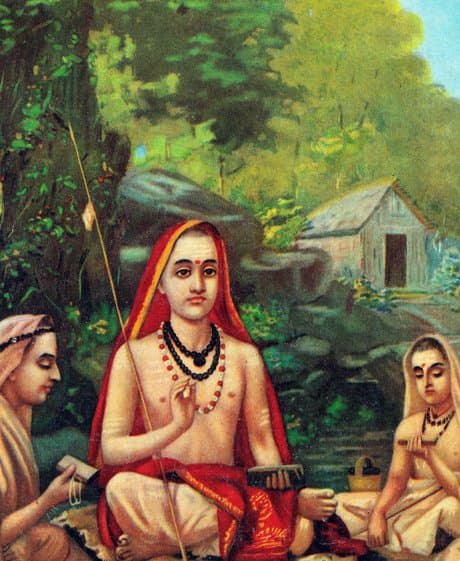
Ādi Śaṅkarācārya · Advaita
Sanskritप्रकृतेः गुणैः सम्यक् मूढाः सम्मोहिताः सन्तः सज्जन्ते गुणानां कर्मसु गुणकर्मसु ``वयं कर्म कुर्मः फलाय'' इति तान् कर्मसङ्गिनः अकृत्स्नविदः कर्मफलमात्रदर्शिनः मन्दान् मन्दप्रज्ञान् कृत्स्नवित् आत्मवित् स्वयं न विचालयेत् बुद्धिभेदकरणमेव चालनं तत् न कुर्यात् इत्यर्थः ॥ कथं पुनः कर्मण्यधिकृतेन अज्ञेन मुमुक्षुणा कर्म कर्तव्यमिति, उच्यते --
Ādi Śaṅkarācārya · Advaita
Hindiपरंतु जो—
प्रकृतिके गुणोंसे अत्यन्त मोहित हुए पुरुष 'हम अमुक फलके लिये यह कर्म करते हैं' इस प्रकार गुणोंके कर्मोंमें आसक्त होते हैं। उन पूर्णरूपसे न समझनेवाले, कर्मफलमात्रको ही देखनेवाले और कर्मोंमें आसक्त मन्दबुद्धि पुरुषोंको अच्छी प्रकार समस्त तत्त्वको समझनेवाला आत्मज्ञानी पुरुष स्वयं चलायमान न करे।
अभिप्राय यह कि बुद्धिभेद करना ही उनको चलायमान करना है, सो न करे
Jñāneśvar · Vārkarī
Marathiएथ कर्मी तोच लिंपे । जो गुणसंभ्रमें घेपे । प्रकृतिचेनि आटोपें । वर्ततु असे ॥ १८४ ॥
इंद्रियें गुणाधारें । राहाटती निजव्यापारें । तें परकर्म बलात्कारें । आपादी जो ॥ १८५ ॥
Jñāneśvar · Vārkarī
Hindi(3.184) संसार में कर्म से वही लिप्त होता है जो गुणों के भ्रम के वश हो जाता है और प्रकृति के अधीन हो व्यवहार करता है, (3.185) और इन्द्रियगण गुणों के आधार से जो अपने-अपने व्यवहार करते हैं तद्रूपी पराया कर्म जो बलात् आप ही अंगीकार करता है।

Sri Udiya Baba · Modern
Hindiभावार्थ— जो लोग प्रकृति के गुणों से मोहित होने के कारण त्रिगुणमय कर्मों में आसक्त हैं उन अल्पज्ञ और मन्दबुद्धि पुरुषों को पूर्ण परमात्मवित् विचलित न करें।
व्याख्या— प्रकृति के गुणों में अर्थात् ख्याति, धन एवं स्त्री-पुत्रादि की लालसा में जो मोहित हो गये हैं ऐसे पूर्ण रूप से न समझने वाले अल्पज्ञ, अज्ञानी एवं मन्दबुद्धि पुरुषों को तत्त्ववेत्ता विद्वान् कर्मों से चलायमान न करे, कर्मों में ही लगाये रहे। उनकी बुद्धि में भेद न डाले। उनके कर्मों पर आक्षेप न करे, क्योंकि सकाम कर्मों का निषेध और वेदान्त का उपदेश करने से उनके कर्म तो छूट जायेंगे और ज्ञान होगा नहीं।
Swami Ramsukhdas · Modern
Hindi‘प्रकृतेर्गुणसमूहाः सज्जन्ते गुणकर्मसु’—सत्त्व, रज और तम—ये तीनों प्रकृतिजन्य गुण मनुष्यको बाँधनेवाले हैं। सत्त्वगुण सुख और ज्ञानकी आसक्तिसे, रजोगुण कर्मकी आसक्तिसे और तमोगुण प्रमाद, आलस्य तथा निद्रासे मनुष्यको बाँधता है (गीता—चौदहवें अध्यायके छठेसे आठवें श्लोकतक)। उपर्युक्त पदोंमें उन अज्ञानियोंका वर्णन है, जो प्रकृतिजन्य गुणोंसे अत्यन्त मोहित अर्थात् बँधे हुए हैं; परन्तु जिनका शास्त्रोंमें, शास्त्रविहित शुभकर्मोंमें तथा उन कर्मोंके फलोंमें श्रद्धा-विश्वास है। इसी अध्यायके पचीसवें-छब्बीसवें श्लोकोंमें ऐसे अज्ञानी पुरुषोंका ‘सक्ताः, अविद्वांसः’ और ‘कर्मसंगिनाम्, अज्ञानाम्’ नामसे वर्णन हुआ है। लौकिक और पारलौकिक भोगोंकी कामनाके कारण ये पुरुष पदार्थों और कर्मोंमें आसक्त रहते हैं। इस कारण इनसे ऊँचे उठनेकी बात समझ नहीं सकते। इसीलिये भगवान्ने इन्हें अज्ञानी कहा है।
**‘तानकृत्स्नविदो मन्दान्’—**अज्ञानी मनुष्य शुभकर्म तो करते हैं, पर करते हैं नित्य-निरन्तर न रहनेवाले नाशवान् पदार्थोंकी प्राप्तिके लिये। धनादि प्राप्त पदार्थोंमें वे ममता रखते हैं और अप्राप्त पदार्थोंकी कामना करते हैं। इस प्रकार ममता और कामनासे बँधे रहनेके कारण वे गुणों (पदार्थों) और कर्मोंके तत्त्वको पूर्णरूपसे नहीं जान सकते।
अज्ञानी मनुष्य शास्त्रविहित कर्म और उनकी विधिको तो ठीक तरहसे जानते हैं, पर गुणों और कर्मोंके तत्त्वको ठीक तरहसे न जाननेके कारण उन्हें ‘अकृत्स्नविदः’ (पूर्णतया न जाननेवाले) कहा गया है और सांसारिक भोग तथा संग्रहमें रुचि होनेके कारण उन्हें ‘मन्दान्’ (मन्दबुद्धि) कहा गया है।
**‘कृत्स्नविन्विचालयेत्’—**गुण और कर्म-विभागको पूर्णतया जाननेवाले तथा कामना-ममतासे रहित ज्ञानी
**परिशिष्ट भाव—**अर्जुनका प्रश्न था कि मेरेको घोर कर्ममें क्यों लगाते हो ? उस प्रश्नका उत्तर भगवान् कई तरहसे देते हैं, जिसका तात्पर्य है कि मेरा उद्देश्य घोर कर्ममें लगाना नहीं है, प्रत्युत कर्मोंसे सम्बन्ध-विच्छेद करना है। कर्मोंसे सम्बन्ध-विच्छेद करनेके लिये ही कर्मयोग है।
पुरुषको चाहिये कि वह पूर्ववर्णित (सकाम भावपूर्वक शुभ-कर्मोंमें लगे हुए) अज्ञानी पुरुषोंको शुभ-कर्मोंसे विचलित न करें, जिससे वे मन्दबुद्धि पुरुष अपनी वर्तमान स्थितिसे नीचे न गिर जायें। इसी अध्यायके पचीसवें-छब्बीसवें श्लोकोंमें ऐसे ज्ञानी पुरुषोंका ‘असक्तः, विद्वान्’ और ‘युक्तः, विद्वान्’ नामसे वर्णन हुआ है।
भगवान्ने तत्त्वज्ञ महापुरुषको पचीसवें श्लोकमें ‘कुर्यात्’ पदसे स्वयं कर्म करनेकी तथा छब्बीसवें श्लोकमें ‘जोषयेत्’ पदसे अज्ञानी पुरुषोंसे भी वैसे ही कर्म करवानेकी आज्ञा दी थी। परन्तु यहाँ भगवान्ने ‘न विचालयेत्’ पदोंसे वैसी आज्ञा न देकर मानो उसमें कुछ ढील दी है कि ज्ञानी पुरुष अधिक नहीं तो कम-से-कम अपने संकेत, वचन और क्रियासे अज्ञानी पुरुषोंको विचलित न करें। कारण कि जीवन्मुक्त महापुरुषपर भगवान् और शास्त्र अपना शासन नहीं रखते। उनके कहलानेवाले शरीरसे स्वतः-स्वाभाविक लोकसंग्रहार्थ क्रियाएँ हुआ करती हैं।
तत्त्वज्ञ महापुरुष कर्मयोगी हो अथवा ज्ञानयोगी—सम्पूर्ण कर्म करते हुए भी उसका कर्मों और पदार्थोंके साथ किसी प्रकारका सम्बन्ध स्वतः नहीं रहता, जो वस्तुतः था नहीं।
अज्ञानी मनुष्य स्वर्ग-प्राप्तिके लिये शुभ-कर्म किया करते हैं। इसलिये भगवान्ने ऐसे मनुष्योंको विचलित न करनेकी आज्ञा दी है अर्थात् वे महापुरुष अपने संकेत, वचन और क्रियासे ऐसी कोई बात प्रकट न करें, जिससे उन सकाम पुरुषोंकी शास्त्रविहित शुभ-कर्मोंमें अश्रद्धा, अविश्वास या अरुचि पैदा हो जाय और वे उन कर्मोंका त्याग कर दें; क्योंकि ऐसा करनेसे उनका पतन हो सकता है। इसलिये ऐसे पुरुषोंको सकामभावसे विचलित करना है, शास्त्रीय कर्मोंसे नहीं। जन्म-मरणरूप बन्धनसे छुटकारा दिलानेके लिये उन्हें सकामभावसे विचलित करना उचित भी है और आवश्यक भी।
* क्रिया और कर्म—इन दोनोंमें भी भेद है। क्रियाके साथ जब ‘मैं कर्ता हूँ’ ऐसा अहंभाव रहता है, तब वह क्रिया ‘कर्म’ हो जाती है और उसका इष्ट, अनिष्ट और मिश्रित—तीन प्रकारका फल मिलता है (गीता १८। १२)। परन्तु जहाँ ‘मैं कर्ता नहीं हूँ’ ऐसा भाव रहता है, वहाँ वह क्रिया ‘कर्म’ नहीं बनती अर्थात् फलदायक नहीं होती। तत्त्वज्ञ महापुरुषके द्वारा फलदायक कर्म नहीं होते, प्रत्युत केवल क्रियाएँ (चेष्टामात्र) होती हैं (गीता ३। ३३)।
सम्बन्ध—जिससे मनुष्य कर्मोंमें फँस जाता है, उस कर्म और कर्मफलकी आसक्तिसे छूटनेके लिये क्या करना चाहिये—इसको भगवान् आगेके श्लोकमें बताते हैं।
The misinformed make attempts for ātma-tattva or soul realisation but due to their ignorance of the true nature of the ātma or soul and because of their acute identification with the physical body and the senses
they are obstructed in their attempts by the influences of the three gunas being the mode of goodness, passion and nescience.
Such a person is quickly brought under the control of the gunas by their association with sense objects and cannot divert these natural tendencies towards ātma-tattva.
Thus they are not qualified for jñāna yoga or the cultivation of knowledge but are only competent for karma yoga or performing prescribed Vedic activities.
The person situated in Vedic wisdom in jñāna yoga after observing the meagre capacities of the ignorant masses with their sluggish understanding should not attempt to convert them to jñāna yoga from their easy to perform path of karma yoga.
This is because it would be dangerous for the ignorant to give up the path of karma yoga to follow the path of jñāna yoga when they are in no way qualified to do so.
Leaving the path of karma yoga and unable to follow the path of jñāna yoga they would have nothing and be at a loss in their lives.
The conclusion is that one situated in Vedic wisdom and who is a prominent leading figure in society should also perform prescribed Vedic activities in karma yoga even though such a person is a knower of ātma-tattva.
By acting in this way and performing Vedic activities without attachment lesser men will follow his example and perform in a like manner.
It has been shown earlier in this chapter that even for jñāna yogis the path of karma yoga is preferable, hence persons of Vedic wisdom who are leaders in society should also tread the path of karma yoga as beacons of light for the masses in the world.
The method of performing karma yoga by understanding that the ātma is distinct from the physical body and thus ascribing the activities of the senses to be from the influences of the gunas has been thoroughly described.
One should contemplate and reflect on the ātma and its essential nature which is purely spiritual. The ātma performs no material activity but has association with actions through the gunas due to the conjunction with prakṛti.
Thus in association with prakṛti there is doership with the ātma and without association there is none.
The next verse will explain the relationship between the senses and the gunas in regards to the Supreme Lord who is omniscient and omnipresent.
Paramātmā who is the Supreme Soul of all living entities evidenced by the fact that every individual soul constitutes His eternal, transcendental, spiritual body and are His eternal parts and parcels.