

Bhagavad Gītā · Chapter 13 · Kṣetra Kṣetrajña Vibhāga Yoga
इच्छा द्वेषः सुखं दुःखं सङ्घातश्चेतनाधृतिः
एतत्क्षेत्रं समासेन सविकारमुदाहृतम्
icchā dveṣaḥ sukhaṃ duḥkhaṃ saṅghātaścetanādhṛtiḥ|etatkṣetraṃ samāsena savikāramudāhṛtam||
Word meanings
इच्छा = desire
द्वेषः = aversion
सुखम् = happiness
दुःखम् = sorrow
सङ्घातः = the aggregate (body)
चेतना = consciousness
धृतिः = firmness
सविकारम् = with its modifications
एतत् = this
क्षेत्रम् = the field
समासेन = in brief
उदाहृतम् = has been described
Translation
Also desire, aversion, pleasure, pain the physical body, consciousness, firmness: thus is the Ksetra, with its evolutes, briefly states.
Commentary
The commentators seated around this verse
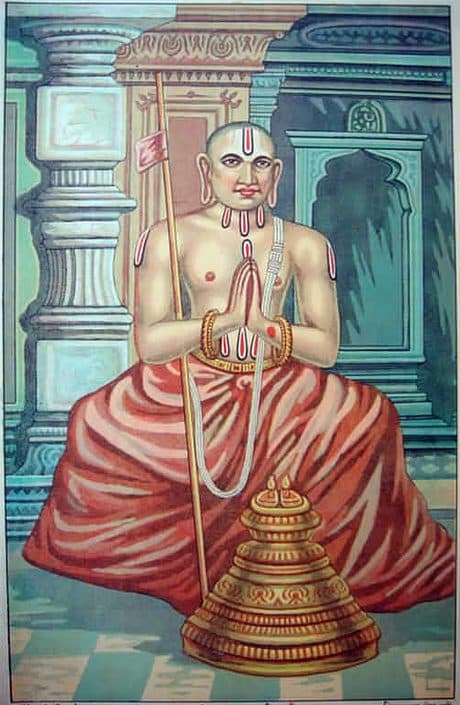
Rāmānuja · Viśiṣṭādvaita
EnglishOn verses 13.5–6
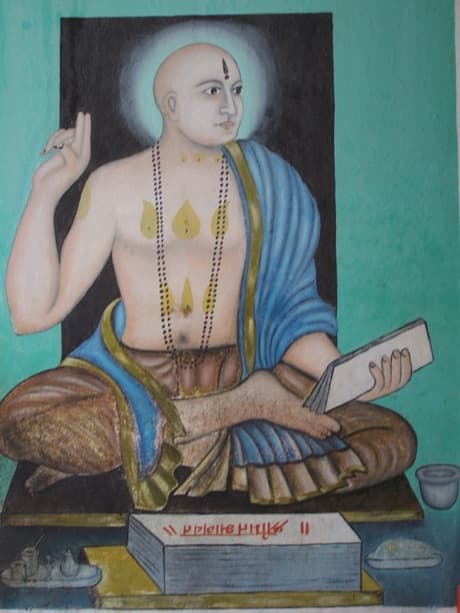
Madhvācārya · Dvaita
Madhva BhāṣyaSanskritEnglishOn verses 13.4–13.6
“ब्रह्मसूत्राणि शारीरिकम् |” - ब्रह्मसूत्राणि means शारीरिक मिमांसा. “इच्छादयो विकाराः” - Desire and such other modifications.
Madhvācārya · Dvaita
Gītā Tātparya NirṇayaSanskritEnglishOn verses 13.4–13.6
“चेतना चित्तव्याप्तिः | सङ्घातो देह उद्दिष्टश्चित्तव्याप्तिरतु चेतना इति च |” - चेतना means (awareness) the entirety of the mental faculties, not Consciousness. सङ्घात means the aggregate of body or organism and चेतना means the aggregate of the mental faculties.
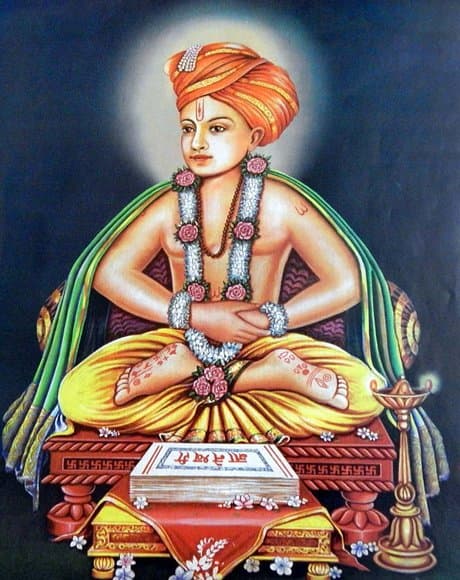
Jñāneśvar · Vārkarī
EnglishOn verses 13.5–13.6
5 "The Gross Elements, the 'I'-notion, and the Intellection, as also the Unmanifest; the Sense-Centres ten, plus the one (Mind), and the fire Objects of Sense-(perception):
6 "Desire, Aversion; Pleasure, Pain; the (harmonious) Collocation (of all the faculties); Sentiency, and (Self-) Sustenance: all this is the Field summarily enumerated, together with its changing forms. (72)
First the five great elements: then 'I' notion—(egoism), the intellection, and the unmanifest (Māyā or illusion); then the ten organs: then the mind, the ten objects (of the senses); then the group of aversion, pleasure and pains and also desires: (and lastly) sentiency and sustenance. These are all the constituents of the field and have been mentioned to you. Now I tell you one by one, what are the great elements, what the objects are, and how they are. The great elements mentioned are the Earth, the Water, the Fire, the Wind and the Sky. Just as the dream is hidden in the awakened state, or just as the moon is invisible on Amāvāsyā (अमावस्या—the last day of the lunar month) or just as youth remains hidden in a child of tender age or just as the fragrance remains latent while the flower is yet in an unblown condition, or just as the fire is latent in the wood; Oh Kiriti, in that way, the 'I'-notion is latent in the interior (stomach) of 'Prakriti' (Nature). Just as fever only waits for some irregularity (कुपथ्य) to occur and as soon as it takes place, it makes itself felt, in the same way, the body is formed as soon as the five elements combine, and then what makes the body active everywhere is the 'I'-notion (or egoism). The amazing feature of this 'I'-notion is that it does not affect so much the ignorant, but embracing firmly the neck of the 'knowing person', "throws" him in the whirlpool of many difficulties. Now as regards the intellection, hear its symptoms", said the King of the Yādavas (Lord Krishna). When Cupid gets strong, that which with the aid of the functions of other senses conquers the Bastilles of desires, that which enables the living beings to discriminate between good and bad, and when enjoyments involving pleasure and pain are offered to them; that which distinguishes pleasure from pain, piety (पुण्य) from sin, the clean from the filthy; through which the living beings come to know what is inferior and superior, big and small, and which can test the characteristics of different objects; that which is the origin of the power of knowledge, which enhances the quality of being pious, and which resides on the borderline of individual soul and Ātman (pure spirit) know you Arjuna-all these indicate the intellec- tion; and now do hear how to know the unmanifest. That which the Sāmkhyas designate as the 'Prakriti', the origin of the world-you take that Prakriti as the Māyā (illusion) or the Unmanifest here. You were made to hear formerly (in Chapter VII) about the Sāmkhya's and the yoga's opinion of Prakriti, and in the same place you were told in detail about the two types of it. The second (the higher type) variety of Prakriti mentioned there is 'Jīvadashā'. That same (Jīva- dashā), Oh the best among the heroes, is the Unmanifest here, in other words. Just as the stars disappear with the close of the night, or just as the activity of the people comes to an end at sunset, or just as at the fall of the body, the physical form with its desires and feelings is merged into the totality of past actions, or just as the tree is entirely contained in its seed-form, or just as the entire (piece of) cloth is contained in the yarn-form, so the sphere where the great elements, together with all created things sink after abandoning their gross form and assuming the subtle one—that same (sphere) should be known by the designation 'unmanifest'. Now hear the distinction between the different organs. Eyes, ears, skin, tongue and nose- these are the sense organs. It is through these entrances that the intellection thinks of pleasure and pain when the five elements combine together. In the same way tongue, hands, feet, anus and the sexual organs, these are five more organs and these are what are called the action organs and you hear about them', said the Lord of Kaivalya (perfect isolation). The power of action which is the wife of Prāna (the principal life-wind) constantly goes out and comes in through these entrances of action organs. I have described to you the ten organs; you now do hear the attributes of the mind. It is located at the junction of the organs and intellection and plays its part by riding on the shoulders of the 'Rajas' (रजस) quality. Mind is constituted by the fickle upsurge of the wind (बायाचीफरारी) just like the apparent bluish tinge of the sky or like the unreal waves of the mirage. With the mingling together of the semen and ovum (blood), is formed the body-frame, inclusive of the five elements, and one life-wind principle is metamorphosed into ten kinds. These ten kinds of life- winds get steady in their respective places in the body according to their nature. Owing to the perpetual existence of fickleness in these places, there arises the strength of the 'Rajas' quality. Outside the intellection, this fickleness plays a powerful part closely clinging to egoism. This fickleness bears the pseudonym of mind, but it is in fact the fancy incarnate that is responsible for the embodiment of the soul. That which is the source of power of action and also the tower of strength to desires and which always fights with the egoism: that which increases desires and strengthens hope and which reinforces fear: that from which 'duality' springs up and which fattens nescience and which pushes the senses into the objects of senses: that which forms the world with the help of fancy and very soon dismantles it with the help of antifancy and erects as well as pulls down piles of castles in the air: that which is the very storehouse of delusion and the very essence of the element-wind, and which shuts up the doors of the intellection: (i.e. imprisons the reasoning faculty) that Oh Kiriti, is the mind, there being no doubt about it. Now hear about the objects (of senses) with their distinctive features. The knowledge of touch, speech, sight, taste and smell are the objects of the organs of senses. The knowledge wanders out through these five doors, just as the animals get confounded and roam at random after green grass. Then (the utterance of) vowels and consonants etc. as also the acceptance or rejection (of things) and movement and discharge of excrement and urine—these are the five objects of the organs of action and through these, actions issue forth. These are the ten objects in the body and now I shall describe the nature of desires. The recollection of past enjoyments or hearing of past events, creates a thrill in the functions and these get awakened when the organs and their objects meet and are strengthened with the support of the willing faculty. At the awakening of the functions (dispositions), the mind runs helter-skelter, the organs intrude upon forbidden ground to taste sinful pleasure. On account of its great liking for the functions, the intellection gets deluded and that which feels love for these objects is the desire. If the organs fail to secure their respective objects, immediately after the generation of desire, the feeling that is created is hatred. Now see the symptoms of what is called pleasure. It is that which makes life forget everything (else) when it is attained. It administers its oath to the body, tongue, and mind, causing the body even to forget itself. With its advent, it makes the cripple to be the very life (i.e. full of vitality) and the righteous, more than double the quantity of their happiness. It even makes all functions of the senses to lie dormant (fast asleep) in the solitude of heart. In short, the state of feeling that arises when the individual soul is in intimate association with the Ātman is happiness. And that state of feeling which is created as a result of failure to secure the happiness mentioned above is pain. Ordinarily, happiness is a normal thing, but it is spoilt on account of attachment to desires. The pain and pleasure thus go respectively with the attachment to and the abandoning of desires. That supreme existence in the body, which standing quite aloof and all-knowing (साक्षीभूत), is named sentiently. It pervades the body cap-a-pie and is ever awake and remains unaltered through the three stages (अवस्थाव्ययी). It keeps the mind and the intellect fresh and keeps in a lovely condition the garden of Prakriti as in Spring. A portion of it which verily pervades alike both the inanimate and the animate creation (जडाजडी) is called sentiently. The King may not be acquainted with his army, yet his word of command brings about the destruction of the enemy: or the sea gets in full tide at the appearance of the (full) moon: or proximity of the magnet imparts motion to iron: or the sunshine induces people to go about their business: or the female tortoise feeds and brings up her young one merely by looking at it without putting into its mouth the nipple of her breast. In that way, the association of Ātman with the body creates life in inanimate things. And this is what is called sentiently, Oh Arjuna. Now hear the exposition and analysis of self-sustenance. The elements are opposed to each other by nature. Does not water destroy the earth? The fire dries up the water, the wind conquers the fire while the sky devours the wind. The sky (ether or space) does not combine with any other substance but pervades all; yet it is ever free (from all). In this way although opposed to one another, they (elements) contrive to remain in unison in the body. Thus leaving all sense of duality, they dwell together and become feeders of each other by their natural qualities. That, which brings about a friendship amongst opposing elements, is called Dhriti (धृती—sustenance). The coming together of thirty-six principles, together with life is collocation, Oh Pāṇḍava. In this way you are told distinctly of the thirty-six components which taken together are called what is known as the 'field'. Just as the assemblage of the component parts of a chariot, when complete, can be called a chariot, Oh Pāṇḍava, or the lower and upper limbs—from the feet unto the very head—are designated as 'body', or the chariots, horses, elephants, infantry, when they form an assemblage, can derive the name 'the army', or a combination of letters can be called a sentence; or all the clouds taken together get the name (cloudy) 'sky': or all the visible living beings can be called the world: or oil, wick and fire, coming in one place, get the name 'lamp' in the world. In this way the thirty-six principles, when they are fused together, go by the name of 'field'. The crop of evil or good (पापपुण्य) ripens there (in the field) according to the nature of the living beings, and I therefore call it a 'field' in wonderment. Similarly some name this field as 'body'. There are thus many names to this. In fact excepting the Supreme Spirit, everything in the cosmos beginning from Brahmā and ending with stocks and stones, whatever is born and meets death, constitutes a field. Coming to birth either in Genus (योनी) of Gods or men or the serpents takes place according to the combined qualities and actions (in the past). Elaborate discussion about these qualities will be made later on. Oh Arjuna, we would now show you the aspects of what is called knowledge. So far I have explained (to you) in detail the field with its attributes and now hear about grand and exalted knowledge. For the sake of this knowledge, the Yogins by-pass the Heavens and mount over the celestial sky. They disregard ऋद्धिसिद्धि (the Goddesses of growth and success) and consider as beneath their notice the hardest penance such as the 'Yoga'. They cross over the difficult fortress of austerities as also cast away (ओबाळिती) crores of sacrifices and root out the plant of action. Some follow the devotional path, while some live in a naked state and some follow the secret path towards 'Sushumnā' (a particular artery of the human body). In short the great sages, with the intense desire of securing knowledge, rummage through leaf after leaf of the tree in the form of the Vedas. They abandon the stores of thousand lives with the intensive idea that the preceptor's grace would secure all for them. With the advent of knowledge ignorance is destroyed and a complete identity is established between the soul and Ātman. It closes the doors of the senses, (i.e. prevents their hankering after objects), breaks the legs of action and dispels the helplessness of the mind. Similarly the power of knowledge renders scarce the feeling of duality and creates in abundance evenness of outlook. It removes all trace of conceit, devours primeval illusion and banishes from phraseology words like 'mine' or 'of others'. It snaps the net of worldly affairs, washes out the filth of fancy and embraces the all-pervading supreme spirit. Its attainment cripples the life-wind (which represents the Willing faculty), and upon whose existence depend the affairs of the world. The intellect gets pure by its splendour and the life rolls in great joy. In this way, knowledge, the sole reservoir of sanctity, renders the mind clean, which is soiled by the objects (of senses). Pure Ātman has apparently contracted the disease of consumption; as a result it imputes to itself the limited existence of the individual soul. It finds complete cure in the association of this knowledge. The knowledge is an unteachable thing; yet I ask you to fix your mind on it. Knowledge is not a thing which can be seen with (physical) eyes. Yet when it makes its entry into the body its symptoms are visible through the actions of the organs. Just as the getting into blossom of trees indicates the advent of Spring (season) in that way the actions of the organs bear evidence of knowledge: or just as when the roots under the soil of the twigs of all branches, or just as the softness of the blossom makes known also the softness of the soil, or just as the magnanimity and nobility of conduct is an index to good breeding, or just as the manner of reception (offered to a guest) indicates affection (in one's heart), or just as on meeting a person if feelings of welcome and cordiality express themselves automatically, and one's mind is also simultaneously satisfied, one knows he has met a pious person, or just as the production of camphor in the 'Kardali' (plantain) plant makes itself felt by its fragrance, or just as the placing of a lamp inside a glass pot makes it reflect its light around, in that way, the attributes by which the knowledge inside the heart expresses itself outside, I shall now tell you and hear attentively.
Swami Ramsukhdas · Modern
English'Icchā'—This term, denotes a passionate longing, for the acquisition of an object, a person or circumstances etc. First of all, the Lord mentions the evil in the form of desire, because this longing (desire) is the root of all evils, pains and sins.
'Dveṣaḥ'—Unfulfilment of desire and hurt to one's pride leads to anger. A subtle form of anger, is aversion. Thus the term 'aversion' includes, jealousy and anger etc.
'Sukham'—A feeling of pleasure aroused in the mind, by the appearance of agreeable circumstances, is called 'Sukha'.
'Duḥkham'—Agony, caused in the mind, by disagreeable circumstances, is 'Duḥkha'.
'Saṅghātaḥ'—This term, stands for a physical body consisting of twenty-four elements. After being born, the seeming existence of this body, is a modification and its constant change, is also a modification (Vikāra).
'Cetanā'—The term, refers to life-breath. It undergoes modifications. It remains calm in sattva mode but is disturbed when a man is overwhelmed with grief, worry and fear etc. This life-breath ever decays. Therefore, it is a modification.
Common people, call the creature having life-breath, as
same way. Half of each remains the same and the remaining half is divided into four parts and each of the parts is given to the other four elements. Thus the mixture of all the elements is known as the mixed element.
'Cetana' and without life-breath as 'Acetana'. Therefore, life-breath, is called 'Cetanā'.
'Dhṛtiḥ'—'Dhṛti', denotes firmness. It undergoes modifications. A man deviates from firmness, in unfavourable circumstances. Sometimes, he is firm, while other times he deviates from firmness. Sometimes he is more firm, sometimes less. Sometimes he holds virtues, sometimes vice. Being subject to change, it is modification of Kṣetra.
[This firmness of three modes viz., sāttvika, rājasika and tāmasika, has been described, from the thirty-third verse to the thirty-fifth verse of the eighteenth chapter. Sāttvika firmness, is very necessary, for spiritual progress.]
'Etatkṣetram samāsena savikāramudāhṛtam'—As, in the first verse of this chapter, the expression 'Idam śarīram', was used to show a distinction, between the self and the body, similarly the term 'Etat', has been used to prove the distinction of the seer (self), from the seen (Kṣetra, and its modification).
In the fifth verse, the Lord described the Kṣetra, in the form of the world, while in this verse, He describes, it as a body with its modifications. Actually, the world and the body are one, and the same, as these belong to the same class. As, in the second verse of this chapter, the Lord described His identity with Kṣetraṇa (soul), here he describes the identity of the body along with its modifications, with the world. In the twenty-first verse, instead of saying that the spirit is seated in the individual body, He declares, the spirit to be seated in cosmic Matter. This proves, that if a man assumes his identity with an individual body, he, automatically gets connected with cosmic matter, as the micro and macro parts are, one and the same. As a matter of fact, there is no micro (individual), only macro (cosmos), is there. The conception of individuality is a mistake. It means, that an individual body, and cosmic Matter, are the same. As waves of an ocean, are not different from the ocean, so is the individual
body, not different from the world. Therefore, the notion that individuality, is separate from cosmos, is a mistake.
An Important Fact
When the Kṣetrajñā (spirit), out of ignorance, assumes its affinity with Kṣetra (body), evils such as desire and aversion etc., are born, in the Kṣetra. In fact, Kṣetrajñā by nature, is totally free, from all kinds of evils and modifications. It is affinity, between the two which is responsible, for all evils and modifications. If a striver, realizes that he is different from the body, and he has his identity with the Lord, he becomes free, from all evils and modifications.
On Self-realization, desire and aversion, are totally annihilated. Such a realized soul, is conscious of pleasure and pain viz., or favourable and unfavourable circumstances. But these do not cause any modification in mind viz., he does not feel, happy and sad.*
The body of a liberated soul, becomes supremely holy and pious, and he has no affinity of 'I' and 'mine', with the body. His body remains alive, according to his destiny. Till the body lives, life-breath also lives. On working hard, life-breath becomes turbulent, otherwise, it is calm. The Sāttvika, firmness which subsisted during practice, remains even, on Self-realization. But on realization, the liberated soul has no affinity with modifications—'Cetanā' and 'Dhṛti', as he has no identity with the inner sense.
It means that four evils—desire, aversion, pleasure and pain—which were due to his identification with the body, are totally destroyed, on Self-realization. Three modifications—'Saṅghāta', 'Cetanā' and 'Dhṛti', remain in his life, but they do not affect him.
* Knowledge of anything is not defective (as while having meal a man may know the taste of a dish) but attachment or aversion to it is defective.
**Appendix**—When the Self has affinity with kṣetra, evils such as desire, aversion; pleasure, pain etc., arise in kṣetrajña—'puruṣaḥ sukhaduḥkhānām bhoktṛtve heturucyate' (13/20). All evils such as desire and aversion etc., abide in the ego (knot between the sentient and the insentient). In ego also these evils abide in the insentient fragment only.
Here the Lord has called the body consisting of twenty-four elements and its seven modifications as 'etat' (this)—'etatkṣetram'. It means that the Self is not identified with kṣetra but is totally different. The three bodies—gross, subtle and causal being within the term 'etat' are not the Self. Here a point needs special attention that when even 'mahattattva' (cosmic intelligence) and 'mūla prakṛti' (Primordial Matter) have been mentioned as 'etat', then 'ego' is certainly included in 'etat', there is no doubt about it. Nearer than 'ego' to the self is 'Cosmic intelligence' and nearer than 'Cosmic intelligence' is 'Prakṛti', that Prakṛti is also included in 'etatkṣetram'. It means that 'ego' is not 'the Self' at all. The man, who discerns the Self and ego (kṣetra) as separate entities, is not born again and he realizes God (Gītā 13/23).
*Link:—When a man identifies himself with the body, evils such as desire and aversion, are born and they affect him. Therefore, the Lord, in the next five verses under the name of 'Jñāna' (Wisdom), enumerates twenty virtues to do away, with the assumed identity.*
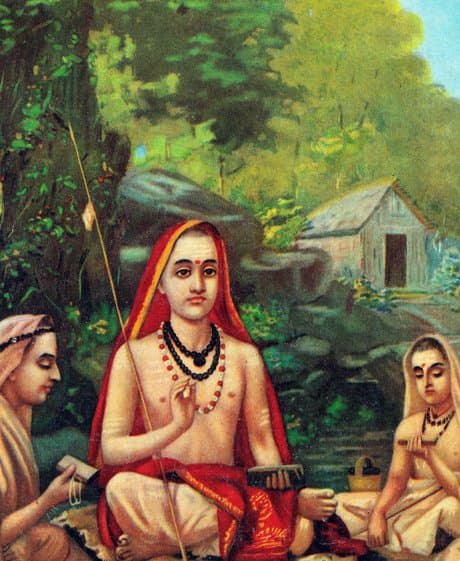
Ādi Śaṅkarācārya · Advaita
Sanskritइच्छा, यज्जातीयं सुखहेतुमर्थं उपलब्धवान् पूर्वम्, पुनः तज्जातीयमुपलभमानः तमादातुमिच्छति सुखहेतुरिति; सा इयं इच्छा अन्तःकरणधर्मः ज्ञेयत्वात् क्षेत्रम् । तथा द्वेषः, यज्जातीयमर्थं दुःखहेतुत्वेन अनुभूतवान्, पुनः तज्जातीयमर्थमुपलभमानः तं द्वेष्टि; सोऽयं द्वेषः ज्ञेयत्वात् क्षेत्रमेव । तथा सुखम् अनुकूलं प्रसन्नसत्त्वात्मकं ज्ञेयत्वात् क्षेत्रमेव । दुःखं प्रतिकूलात्मकम्; ज्ञेयत्वात् तदपि क्षेत्रम् । सङ्घातः देहेन्द्रियाणां संहतिः । तस्यामभिव्यक्तान्तःकरणवृत्तिः, तप्त इव लोहपिण्डे अग्निः आत्मचैतन्याभासरसविद्धा चेतना; सा च क्षेत्रं ज्ञेयत्वात् । धृतिः यया अवसादप्राप्तानि देहेन्द्रियाणि ध्रियन्ते; सा च ज्ञेयत्वात् क्षेत्रम् । सर्वान्तःकरणधर्मोपलक्षणार्थं इच्छादिग्रहणम् । यत उक्तमुपसंहरति -- एतत् क्षेत्रं समासेन सविकारं सह विकारेण महदादिना उदाहृतम् उक्तम् ॥ यस्य क्षेत्रभेदजातस्य संहतिः ``इदं शरीरं क्षेत्रम्'' (भ. गी. १३-१) इति उक्तम्, तत् क्षेत्रं व्याख्यातं महाभूतादिभेदभिन्नं धृत्यन्तम् । क्षेत्रज्ञः वक्ष्यमाणविशेषणः -- यस्य सप्रभावस्य क्षेत्रज्ञस्य परिज्ञानात् अमृतत्वं भवति, तं ``ज्ञेयं यत्तत्प्रवक्ष्यामि'' (भ. गी. १३-१२) इत्यादिना सविशेषणं स्वयमेव वक्ष्यति भगवान् । अधुना तु तज्ज्ञानसाधनगणममानित्वादिलक्षणम्, यस्मिन् सति तज्ज्ञेयविज्ञाने योग्यः अधिकृतः भवति, यत्परः सन्न्यासी ज्ञाननिष्ठः उच्यते, तं अमानित्वादिगणं ज्ञानसाधनत्वात् ज्ञानशब्दवाच्यं विदधाति भगवान् --
Ādi Śaṅkarācārya · Advaita
Hindiअब 'जिन इच्छा आदिको वैशेषिकमतावलम्बी आत्माके धर्म मानते हैं वे भी क्षेत्रके ही धर्म हैं आत्माके नहीं' यह बात भगवान् कहते हैं—
इच्छा—जिस प्रकारके सुखदायक विषयका पहले उपभोग किया हो, फिर वैसे ही पदार्थके प्राप्त होनेपर उसको सुखका कारण समझकर मनुष्य उसे लेना चाहता है, उस चाहका नाम 'इच्छा' है, वह अन्तःकरणका धर्म है और ज्ञेय होनेके कारण क्षेत्र है।
तथा द्वेष—जिस प्रकारके पदार्थको दुःखका कारण समझकर पहले अनुभव किया हो, फिर उसी जातिके पदार्थके प्राप्त होनेपर जो उससे मनुष्य द्वेष करता है, उस भावका नाम 'द्वेष' है, वह भी ज्ञेय होनेके कारण क्षेत्र ही है।
उसी प्रकार सुख, जो कि अनुकूल, प्रसन्नतारूप और सात्त्विक है, ज्ञेय होनेके कारण क्षेत्र ही है तथा प्रतिकूलतारूप दुःख भी ज्ञेय होनेके कारण क्षेत्र ही है।
देह और इन्द्रियोंका समूह संघात कहलाता है। उसमें प्रकाशित हुई जो अन्तःकरणकी वृत्ति है जो कि 'अग्निसे प्रज्वलित लोहपिण्डकी भाँति' आत्मचैतन्यके आभासरूपसे व्याप्त है, वह चेतना भी ज्ञेय होनेके कारण क्षेत्र ही है।
व्याकुल हुए शरीर और इन्द्रियादि जिससे धारण किये जाते हैं, वह धृति भी ज्ञेय होनेसे क्षेत्र ही है।
अन्तःकरणके समस्त धर्मोंका संकेत करनेके लिये यहाँ इच्छादि धर्मोंका ग्रहण किया गया है। जो कुछ कहा गया है, उसका उपसंहार करते हैं—
महत्त्वादि विकारोंके सहित क्षेत्रका यह स्वरूप संक्षेपसे कहा गया। अर्थात् जिन समस्त क्षेत्रभेदोंका समूह 'यह शरीर क्षेत्र है' ऐसा कहा गया है, महाभूतोंसे लेकर धृतिपर्यन्त भेदोंसे विभिन्न हुए उस क्षेत्रकी व्याख्या कर दी गयी
Jñāneśvar · Vārkarī
MarathiOn verses 13.5–13.6
तरि महाभूतपंचकु । आणि अहंकारु एकु । बुद्धि अव्यक्त दशकु । इंद्रियांचा ॥ ७२ ॥ मन आणीकही एकु । विषयांचा दशकु । सुख दुःख द्वेषु । संघात इच्छा ॥ ७३ ॥ आणि चेतना धृती । एवं क्षेत्रव्यक्ती । सांगितली तुजप्रती । आघवीची ॥ ७४ ॥ आतां महाभूतें कवणें । कवण विषयो कैसीं करणे । हें वेगळालेपणें । एकैक सांगों ॥ ७५ ॥ तरी पृथ्वी आप तेज । वायु व्योम इयें तुज । सांगितलीं बुझ । महाभूतें पांचें ॥ ७६ ॥ आणि जागतिये दशे । स्वप्न लपालें असे । नातरी अंवसे । चंद्र गूढु ॥ ७७ ॥ नाना अप्रौढबाळकीं । तारुण्य राहे थोकीं । कां न फुलतां कळिकीं । आमोदु जैसा ॥ ७८ ॥ किंबहुना काष्ठीं । वन्हि जेवीं किरीटी । तेवीं प्रकृतिचिया पोटीं । गोप्यु जो असे ॥ ७९ ॥ जैसा ज्वरु धातुगतु । अपथ्याचें मिष पहातु । मग जालिया आंतु । बाहेरी व्यापी ॥ ८० ॥ तैसी पांचांही गांठीं पडे । जैं देहाकारु उघडे । तैं नाचवी चहूंकडे । तो अहंकारु गा ॥ ८१ ॥ नवल अहंकाराची गोठी । विशेषें न लगे अज्ञानापाठीं । सज्ञानाचे झोंबे कंठीं । नाना संकटीं नाचवी ॥ ८२ ॥ आतां बुद्धि जे म्हणिजे । ते ऐशियां चिन्हीं जाणिजे । बोलिलें यदुराजें । तें आइकें सांगों ॥ ८३ ॥ तरी कंदर्पाचेनि बळें । इंद्रियवृत्तीचेनि मेळें । विभांडूनि येती पाळे । विषयांचे ॥ ८४ ॥ तो सुखदुःखांचा नागोवा । जेथ उगाणों लागे जीवा । तेथ दोहींसी बरवा । पाडु जे धरी ॥ ८५ ॥ हें सुख हें दुःख । हें पुण्य हें दोष । कां हें मैळ हें चोख । ऐसें जे निवडी ॥ ८६ ॥ जिथे अधमोत्तम सुझे । जिये सानें थोर बुझे । जिया दिठी पारखिजे । विषो जीवें ॥ ८७ ॥ जे तेजतत्त्वांची आदी । जे सत्त्वगुणाची वृद्धी । जे आत्मया जीवाची संधी । वसवीत असे जे ॥ ८८ ॥ अर्जुना ते गा जाण । बुद्धि तूं संपूर्ण । आतां आइकें वोळखण । अव्यक्ताची ॥ ८९ ॥ पैं सांख्यांचिया सिद्धांतीं । प्रकृती जे महामती । तेचि एथें प्रस्तुतीं । अव्यक्त गा ॥ ९० ॥ आणि सांख्ययोगमतें । प्रकृती परिसविली तूंतें । ऐसी दोहीं परीं जेथें । विवंचिली ॥ ९१ ॥ तेथ दुजी जे जीवदशा । तिये नांव वीरेशा । येथ अव्यक्त ऐसा । पर्यावो हा ॥ ९२ ॥ तऱ्ही पाहालया रजनी । तारा लोपती गगनीं । कां हारपें अस्तमानीं । भूतक्रिया ॥ ९३ ॥ नातरी देहो गेलिया पाठीं । देहादिक किरीटी । उपाधि लपे पोटीं । कृतकर्माच्या ॥ ९४ ॥ कां बीजमुद्रेआंतु । थोके तरु समस्तु । कां वस्त्रपणे तंतु- । दशे राहे ॥ ९५ ॥ तैसे सांडोनियां स्थूळधर्म । महाभूतें भूतग्राम । लया जाती सूक्ष्म । होऊनि जेथे ॥ ९६ ॥ अर्जुना तया नांवें । अव्यक्त हें जाणावें । आतां आइकें आघवें । इंद्रियभेद ॥ ९७ ॥ तरी श्रवण नयन । त्वचा घ्राण रसन । इयें जाणें ज्ञान- । करणें पांचें ॥ ९८ ॥ इये तत्त्वमेळापंकीं । सुखदुःखांची उखिविखी । बुद्धि करिते मुखीं । पांचें इहीं ॥ ९९ ॥ मग वाचा आणि कर । चरण आणि अधोद्वार । पायु हे प्रकार । पांच आणिक ॥ १०० ॥ कर्मेंद्रियें म्हणिपती । तीं इयें जाणिजती । आइकें कैवल्यपती । सांगतसे ॥ १०१ ॥ पैं प्राणाची अंतौरी । क्रियाशक्ति जे शरीरीं । तियेचि रिगिनिगी द्वारीं । पांचे इहीं ॥ १०२ ॥ एवं दाहाही करणें । सांगितलीं देवो म्हणे । परिस आतां फुडेपणें । मन तें ऐसें ॥ १०३ ॥ जें इंद्रियां आणि बुद्धि । माझारिलिये संधीं । रजोगुणाच्या खांदीं । तरळत असे ॥ १०४ ॥ नीळिमा अंबरीं । कां मृगतृष्णालहरी । तैसें वायांचि फरारी । वावो जाहलें ॥ १०५ ॥ आणि शुक्रशोणिताचा सांधा । मिळतां पांचांचा बांधा । वायुतत्त्व दशधा । एकचि जाहलें ॥ १०६ ॥ मग तिहीं दाहे भागीं । देहधर्माच्या खैवंगीं । अधिष्ठिलें आंगीं । आपुलाल्या ॥ १०७ ॥ तेथ चांचल्य निखळ । एकलें ठेलें निढाळ । म्हणौनि रजाचें बळ । धरिलें तेणें ॥ १०८ ॥ तें बुद्धीसि बाहेरी । अहंकाराच्या उरावरी । ऐसां ठायीं माझारीं । बळियावलें ॥ १०९ ॥ वायां मन हें नांव । एऱ्हवीं कल्पनाचि सावेव । जयाचेनि संगें जीव- । दशा वस्तु ॥ ११० ॥ जें प्रवृत्तीसि मूळ । कामा जयाचे बळ । जें अखंड सूये छळ । अहंकारासी ॥ १११ ॥ जें इच्छेतें वाढवी । आशेतें चढवी । जें पाठी पुरवी । भयासि गा ॥ ११२ ॥ द्वैत जेथें उठी । अविद्या जेणें लाठी । जें इंद्रियांतें लोटी । विषयांमजी ॥ ११३ ॥ संकल्पें सृष्टी घडी । सवेंचि विकल्पूनि मोडी । मनोरथांच्या उतरंडी । उतरी रची ॥ ११४ ॥ जें भुलीचें कुहर । वायुतत्त्वाचें अंतर । बुद्धीचें द्वार । झाकविलें जेणें ॥ ११५ ॥ तें गा किरीटी मन । या बोला नाहीं आन । आतां विषयाभिधान । भेदू आइकें ॥ ११६ ॥ तरी स्पर्शु आणि शब्दु । रूप रसु गंधु । हा विषयो पंचविधु । ज्ञानेंद्रियांचा ॥ ११७ ॥ इहीं पांचैं द्वारीं । ज्ञानासि धांव बाहेरी । जैसा कां हिरवे चारीं । भांबावे पशु ॥ ११८ ॥ मग स्वर वर्ण विसर्गु । अथवा स्वीकार त्यागु । संक्रमण उत्सर्गु । विण्मूत्राचा ॥ ११९ ॥ हे कर्मेंद्रियांचे पांच । विषय गा साच । जे बांधोनियां माच । क्रिया धांवे ॥ १२० ॥ ऐसे हे दाही । विषय गा इये देहीं । आतां इच्छा तेही । सांगिजैल ॥ १२१ ॥ तरि भूतलें आठवे । कां बोलें कान झांकवे । ऐसियावरि चेतवे । जे गा वृत्ती ॥ १२२ ॥ इंद्रियाविषयांचिये भेटी- । सरसीच जे गा उठी । कामाची बाहुटी । धरूनियां ॥ १२३ ॥ जियेचेनि उठिलेपणें । मना सैंघ धावणें । न रिगावें तेथ करणें । तोंडें सुती ॥ १२४ ॥ जिये वृत्तीचिया आवडी । बुद्धी होय वेडी । विषयां जिया गोडी । ते गा इच्छा ॥ १२५ ॥ आणी इच्छिलिया सांगडें । इंद्रियां आमिष न जोडे । तेथ जोडे ऐसा जो डावो पडे । तोचि द्वेषु ॥ १२६ ॥ आतां यावरी सुख । तें एवंविध देख । जेणें एकेंचि अशेख । विसरे जीवु ॥ १२७ ॥ मना वाचे काये । जें आपुली आण वाये । देहस्मृतीची त्राये । मोडित जें ये ॥ १२८ ॥ जयाचेनि जालेपणें । पांगुळा होईजे प्राणें । सात्त्विकासी दुणें । वरीही लाभु ॥ १२९ ॥ कां आघवियाचि इंद्रियवृत्ती । हृदयाचिया एकांतीं । थापटूनि सुषुप्ती । आणी जें गा ॥ १३० ॥ किंबहुना सोये । जीव आत्मयाची लाहे । तेथ जें होये । तया नाम सुख ॥ १३१ ॥ आणि ऐसी हे अवस्था । न जोडतां पार्था । जें जीजे तेंचि सर्वथा । दुःख जाणे ॥ १३२ ॥ तें मनोरथसंगें नव्हे । एऱ्हवीं सिद्धी गेलेंचि आहे । हे दोनीचि उपाये । सुखदुःखासी ॥ १३३ ॥ आतां असंगा साक्षिभूता । देहीं चैतन्याची जे सत्ता । तिये नाम पंडुसुता । चेतना येथें ॥ १३४ ॥ जे नखौनि केशवरी । उभी जागे शरीरीं । जे तिहीं अवस्थांतरी । पालटेना ॥ १३५ ॥ मनबुद्ध्यादि आघवीं । जियेचेनि टवटवीं । प्रकृतिवनमाधवीं । सदांचि जे ॥ १३६ ॥ जडाजडीं अंशीं । राहाटे जे सरिसी । ते चेतना गा तुजसी । लटिकें नाहीं ॥ १३७ ॥ पैं रावो परिवारु नेणे । आज्ञाचि परचक्र जिणे । कां चंद्राचेनि पूर्णपणें । सिंधू भरती ॥ १३८ ॥ नाना भ्रामकाचें सन्निधान । लोहो करी सचेतन । कां सूर्यसंगु जन । चेष्टवी गा ॥ १३९ ॥ अगा मुख मेळेंविइण । पिलियाचें पोषण । करी निरीक्षण । कूर्मी जेवीं ॥ १४० ॥ पार्था तियापरी । आत्मसंगती इये शरीरीं । सजीवत्वाचा करी । उपेगु जडा ॥ ४१ ॥ मग तियेतें चेतना । म्हणिपे पैं अर्जुना । आतां धृतिविवंचना । भेदु आइक ॥ १४२ ॥ तरी भूतां परस्परें । उघड जाति स्वभाववैरें । नव्हे पृथ्वीतें नीरें । न नाशिजे ? ॥ १४३ ॥ नीरातें आटी तेज । तेजा वायूसि झुंज । आणि गगन तंव सहज । वायू भक्षी ॥ १४४ ॥ तेवींचि कोणेही वेळे । आपण कायिसयाही न मिळे । आंतु रिगोनि वेगळें । आकाश हें ॥ १४५ ॥ ऐसीं पांचही भूतें । न साहती एकमेकांतें । कीं तियेंही ऐक्यातें । देहासी येती ॥ १४६ ॥ द्वंद्वाची उखिविखी । सोडूनि वसती एकीं । एकेकातें पोखी । निजगुणें गा ॥ १४७ ॥ ऐसें न मिळे तयां साजणें । चळे धैर्यें जेणें । तयां नांव म्हणें । धृती मी गा ॥ १४८ ॥ आणि जीवेंसी पांडवा । या छत्तिसांचा मेळावा । तो हा एथ जाणावा । संघातु पैं गा ॥ १४९ ॥ एवं छत्तीसही भेद । सांगितले तुज विशद । यया येतुलियातें प्रसिद्ध । क्षेत्र म्हणिजे ॥ १५० ॥ रथांगांचा मेळावा । जेवीं रथु म्हणिजे पांडवा । कां अधोर्ध्व अवेवां । नांव देहो ॥ १५१ ॥ करीतुरंगसमाजें । सेना नाम निफजे । कां वाक्यें म्हणिपती पुंजे । अक्षरांचे ॥ १५२ ॥ कां जळधरांचा मेळा । वाच्य होय आभाळा । नाना लोकां सकळां । नाम जग ॥ १५३ ॥ कां स्नेहसूत्रवन्ही । मेळु एकिचि स्थानीं । धरिजे तो जनीं । दीपु होय ॥ १५४ ॥ तैसीं छत्तीसही इयें तत्त्वें । मिळती जेणें एकत्वें । तेणें समूह परत्वें । क्षेत्र म्हणिपे ॥ १५५ ॥ आणि वाहतेनि भौतिकें । पाप पुण्य येथें पिके । म्हणौनि आम्ही कौतुकें । क्षेत्र म्हणों ॥ १५६ ॥ आणि एकाचेनि मतें । देह म्हणती ययातें । परी असो हें अनंतें । नामें यया ॥ १५७ ॥ पैं परतत्त्वाआरौतें । स्थावराआंतौतें । जें कांहीं होतें जातें । क्षेत्रचि हें ॥ १५८ ॥ परि सुर नर उरगीं । घडत आहे योनिविभागीं । तें गुणकर्मसंगीं । पडिलें सातें ॥ १५९ ॥ हेचि गुणविवंचना । पुढां म्हणिपैल अर्जुना । प्रस्तुत आतां तुज ज्ञाना । रूप दावूं ॥ १६० ॥ क्षेत्र तंव सविस्तर । सांगितलें सविकार । म्हणौनि आतां उदार । ज्ञान आइकें ॥ १६१ ॥ जया ज्ञानालागीं । गगन गिळिताती योगी । स्वर्गाची आडवंगी । उमरडोनि ॥ १६२ ॥ न करिती सिद्धीची चाड । न धरिती ऋद्धीची भीड । योगा{ऐ}सें दुवाड । हेळसिती ॥ १६३ ॥ तपोदुर्गें वोलांडित । क्रतुकोटि वोवांडित । उलथूनि सांडित । कर्मवल्ली ॥ १६४ ॥ नाना भजनमार्गी । धांवत उघडिया आंगीं । एक रिगताति सुरंगीं । सुषुम्नेचिये ॥ १६५ ॥ ऐसी जिये ज्ञानीं । मुनीश्वरांची उतान्ही । वेदतरूच्या पानोवानीं । हिंडताती ॥ १६६ ॥ देईल गुरुसेवा । इया बुद्धि पांडवा । जन्मशतांचा सांडोवा । टाकित जे ॥ १६७ ॥ जया ज्ञानाची रिगवणी । अविद्ये उणें आणी । जीवा आत्मया बुझावणी । मांडूनि दे ॥ १६८ ॥ जें इंद्रियांचीं द्वारें आडी । प्रवृत्तीचे पाय मोडी । जें दैन्यचि फेडी । मानसाचें ॥ १६९ ॥ द्वैताचा दुकाळु पाहे । साम्याचें सुयाणें होये । जया ज्ञानाची सोये । ऐसें करी ॥ १७० ॥ मदाचा ठावोचि पुसी । जें महामोहातें ग्रासी । नेदी आपपरु ऐसी । भाष उरों ॥ १७१ ॥ जें संसारातें उन्मूळी । संकल्पपंकु पाखाळी । अनावरातें वेंटाळी । ज्ञेयातें जें ॥ १७२ ॥ जयाचेनि जालेपणें । पांगुळा होईजे प्राणें । जयाचेनि विंदाणें । जग हें चेष्टें ॥ १७३ ॥ जयाचेनि उजाळें । उघडती बुद्धीचे डोळे । जीवु दोंदावरी लोळे । आनंदाचिया ॥ १७४ ॥ ऐसें जें ज्ञान । पवित्रैकनिधान । जेथ विटाळलें मन । चोख कीजे ॥ १७५ ॥ आत्मया जीवबुद्धी । जे लागली होती क्षयव्याधी । ते जयाचिये सन्निधी । निरुजा कीजे ॥ १७६ ॥ तें अनिरूप्य कीं निरूपिजे । ऐकतां बुद्धी आणिजे । वांचूनि डोळां देखिजे । ऐसें नाहीं ॥ १७७ ॥ मग तेचि इये शरीरीं । जैं आपुला प्रभावो करी । तैं इंद्रियांचिया व्यापारीं । डोळांहि दिसे ॥ १७८ ॥ पैं वसंताचें रिगवणें । झाडांचेनि साजेपणें । जाणिजे तेवीं करणें । सांगती ज्ञान ॥ १७९ ॥ अगा वृक्षासि पाताळीं । जळ सांपडे मुळीं । तें शाखांचिये बाहाळीं । बाहेर दिसे ॥ १८० ॥ कां भूमीचें मार्दव । सांगे कोंभाची लवलव । नाना आचारगौरव । सुकुलीनाचें ॥ १८१ ॥ अथवा संभ्रमाचिया आयती । स्नेहो जैसा ये व्यक्तिइ । कां दर्शनाचिये प्रशस्तीं । पुण्यपुरुष ॥ १८२ ॥ नातरी केळीं कापूर जाहला । जेवीं परिमळें जाणों आला । कां भिंगारीं दीपु ठेविला । बाहेरी फांके ॥ १८३ ॥ तैसें हृदयींचेनि ज्ञानें । जियें देहीं उमटती चिन्हें । तियें सांगों आतां अवधानें । चागें आइक ॥ १८४ ॥
Jñāneśvar · Vārkarī
HindiOn verses 13.5–13.6
(13.72) पाँच महाभूत और अहंकार, बुद्धि, अव्यक्त, दस इन्द्रियाँ,
(13.73) और ग्यारहवाँ एक मन, दस विषय, द्वेष, सुख, दुःख, संघात, इच्छा,
(13.74) चेतना, और धृति इतने तत्व क्षेत्र व्यक्ति में रहते हैं, यह सब हम तुमसे कह चुके।
(13.75) अब महाभूत कौन हैं, इन्द्रियाँ कैसी होती हैं, सो अलग अलग कहते हैं।
(13.76) पृथ्वी, जल, अग्नि, वायु और आकाश महाभूत हैं।
(13.77) जागृति की दशा में जैसे स्वप्न छिपा हुआ रहता है, अथवा अमावस्या में जैसे चन्द्र गुप्त रहता है, (13.78) अथवा छोटे बालक में जैसे तारुण्य लीन रहता है, अथवा बिन फूली कली में जैसे सुगन्ध लुप्त रहती हैं,
(13.79) बहुत क्या कहें, हे किरीटी! काष्ठ में जैसे अग्नि गुप्त रहती है, वैसे ही जो प्रकृति के पेट में गुप्त था,
(13.80) और — जैसे धातुगत ज्वर कुपथ्य का मिस ही देखता है और कुपथ्य होते ही अन्तर्बाह्य फैल जाता है
(13.81) वैसे ही — पाँचों भूतों का मेल होते ही ज्योंही देहाकृति प्रकट होती है त्योंही जो उसे चहुँओर नचाने लगता है उसे अहंकार कहते हैं।
(13.82) अहंकार की एक बात अनोखी है कि वह विशेषतः अज्ञानियों के पीछे नहीं लगता परन्तु ज्ञानियों के गले से झूमता है और उन्हें अनेक संकटों में डालता है।
(13.83) फिर यदुराज ने कहा कि सुनो, जिसे बुद्धि कहते हैं उसे इन लक्षणों से जानना चाहिए। (84) काम के बल से और इन्द्रियवृत्ति के समागम से विषयों के समुदाय इकट्ठे होते हैं,
(13.85) और उनसे जब जीवन को सुख-दुःख की प्राप्ति का अनुभव होता है तब दोनों की जो उत्तम तुलना करती है; (13.86) यह सुख है, यह दुःख है, यह पुण्य है, यह पाप है, यह मलिन है, यह निर्मल है, इस प्रकार जो निर्णय करती है;
(13.87) जो भला-बुरा जानती है, छोटा-बड़ा समझती है, जिस दृष्टि से जीव विषयों का पहचानता है,
(13.88) जो ज्ञानेन्द्रियों का मूल है, जो सत्त्वगुण की वृद्धि है, जो आत्मा और जीव दोनों को जोड़ती है,
(13.89) सो सब हे अर्जुन! तुम बुद्धि जानो। अब अव्यक्त का लक्षण सुनो।
(13.90) हो महामति! सांख्य-वादियों के सिद्धान्त में जिसे प्रकृति कहते हैं उसी को सम्प्रति यहाँ अव्यक्त कहा गया है।
(13.91) तथा सांख्य-योग-मत के अनुसार हमने तुम्हें जो प्रकृति का वर्णन सुनाया था और उसमें जो दो प्रकार की प्रकृति बताई थी
(13.92) उनमें से दूसरी जो जीवदशा कही थी, उसी को हे वीरेश! यहाँ पर्याय से अव्यक्त नाम दिया है।
(13.93) रात्रि के उपरान्त प्रातःकाल होते ही जैसे आकाश में तारों का लोप हो जाता है, अथवा सूर्यास्त के पश्चात् जैसे प्राणिमात्र के व्यवहार बन्द हो जाते हैं, (13.94) अथवा हे किरीटी! देह छोड़ने पर जैसे देहादि उपाधि कृत-कर्मों के पेट में लीन हो जाती है,
(13.95) अथवा बीज के आकार में जैसे सम्पूर्ण वृक्ष छिपा हुआ रहता है, या वस्त्राकार जैसा तन्तु-दशा में लीन रहता है,
(13.96) वैसे ही स्थूल धर्म छोड़ कर महाभूत और प्राण-समुदाय सूक्ष्मरूप हो कर जहाँ लीन हो जाते हैं
(13.97) उसका नाम हे अर्जुन! अव्यक्त है। अब सम्पूर्ण इन्द्रियों के भेद सुनो।
(13.98) कान, आँख, त्वचा, नासिका, जिह्वा, ये पाँच ज्ञानेन्द्रियाँ कहलाती हैं।
(13.99) इन तत्वों के समुदाय में बुद्धि, इन पाँचों के द्वारा, सुख-दुःख का विचार करती है।
(13.100) फिर वाचा, हाथ, चरण, उपस्थ और गुदस्थान — ये और पाँच प्रकार हैं।
(13.101) श्रीकृष्ण कहते हैं कि जिन्हें कर्मेन्द्रियाँ कहते हैं वे यही हैं।
(13.102) प्राण की स्त्री जो शरीर में क्रियाशक्ति है सो इन पाँच द्वारों से आवागमन किया करती है। (103) देव ने कहा कि इस प्रकार हमने दसों इन्द्रियों का वर्णन किया। अब सुनो, मन निश्चय से इस तरह का है।
(13.104) वह इन्द्रियाँ और बुद्धि के बीच की सन्धि में रजोगुण की शाखाओं पर खेलता रहता है।
(13.105) आकाश में जैसी नीलिमा, अथवा जैसी मृगजल की लहरें, वैसे ही वह वृथा वायुरूप हो चमकता है,
(13.106) और शुक्र और शोणित मिल कर पंचतत्त्व का आकार बनते ही वह एक ही वायुतत्त्व दशधा हो जाता है।
(13.107) वे दसों भाग देह-धर्म के बल से अपने-अपने शरीर-भागों में बसते हैं।
(13.108) उसमें केवल एक निरी चंचलता रहती है इसलिए वह रजोगुण का बल रखता है।
(13.109) वह बुद्धि के बाहर और अहंकार से मिला हुआ, बीच में बलवान हुआ रहता है।
(13.110) उसको 'मन' कहना व्यर्थ है, वह मूर्तिमती कल्पना ही है जिसके संग से परब्रह्म जीवदशा में दिखाई देता है।
(13.111) जो प्रकृति का मूल है; काम का जिसका बल है; जो निरन्तर अहंकार से स्पर्धा करता है; (13.112) जो इच्छा को बढ़ाता है, आशा को चढ़ाता है, और डर की तरफदारी करता है,
(13.113) जिस के कारण द्वैत उत्पन्न होता है; जिससे अविद्या बलवती होती है; जो इन्द्रियों का विषयों में डालता है;
(13.114) जो संकल्प के द्वारा सृष्टि की रचना करता है, और सहज ही विकल्प के द्वारा उसका नाश कर देता है; जो मनोरथों के मटके एक पर एक गिरता और उतारता है;
(13.115) जो भूल का भाण्डार है, वायुतत्त्व का सार है और बुद्धि का द्वार बन्द कर देता है,
(13.116) वह है किरीटी! मन है। यह बात मिथ्या नहीं है। अब जिसे विषय कहते हैं, उसके भेद सुनो।
(13.117) स्पर्श, शब्द, रूप, रस, गन्ध, ये पाँच प्रकार के ज्ञानेन्द्रियों के विषय हैं।
(13.118) इन पाँच द्वारों से ज्ञान बाहर दौड़ता है, जैसे कि कोई पशु हरा चारा देख अधीरता से बाहर दौड़ जाय।
(13.119) फिर स्वर, व्यंजन, विसर्ग का उच्चारण, वस्तु का ग्रहण करना, या छोड़ना, चलना और मल-मूत्र का त्याग करना, (13.120) ये पाँच कर्मेन्द्रियों के विषय हैं जिनका रास्ता बना कर क्रिया बाहर दौड़ती है
(13.121) ऐसे दस विषय इस देह में हैं। अब इच्छा का भी निरूपण करते हैं।
(13.122) जिस वृत्ति से पिछली बात का स्मरण होता है, अथवा कान में शब्द पड़ते ही जिससे चेतना होती है;
(13.123) जो इन्द्रियों और विषयों की भेंट होते ही काम का हाथ पकड़ कर उठती है;
(13.124) जिसके उठते ही मन इधर-उधर दौड़ता है और इन्द्रियाँ जहाँ न चाहिए वहाँ मुँह डालती हैं;
(13.125) जिस वृत्ति के प्रेम से बुद्धि पागल हो जाती है, जिससे विषयों को अत्यन्त प्रेम है, वह इच्छा है।
(13.126) इच्छा करते ही इन्द्रियों को विषयभोग न मिलने की जो घटना है वही द्वेष है।
(13.127) अब इसके उपरान्त सुख इस तरह का जानो। जिसे एक की प्राप्ति से जीव सम्पूर्ण बातें भूल जाता है;
(13.128) जो मन, वाचा, और काया को अपनी शपथ दे देहस्मरण का ठाँव मिटा देता है; (13.129) जिसकी उत्पत्ति होते ही प्राण पंगु हो जाता है, और सात्विक भावों को दुगुने से अधिक लाभ होता है,
(13.130) अथवा जो सब इन्द्रिय-वृत्तियों का हृदय के एकान्तस्थान में थपकी दे कर सुला देता है,
(13.131) किंबहुना जीव का आत्मस्वरूप का लाभ होने के समय जो उत्पन्न होता है, उसे सुख कहते हैं।
(13.132) और हे पार्थ! ऐसी अवस्था का लाभ न होते हुए जो जीता रहता है उसे सर्वथा दुःख जानो।
(13.133) सुख, वासना के संग के कारण नहीं होता; वासना-संग न हो तो वह बना ही हुआ है। इस प्रकार सुख और दुःख के यही दो कारण हैं।
(13.134) अब हे पाण्डुसुत! असंग और साक्षिभूत चैतन्य की जो इस देह में सत्ता है उसे चेतना कहते हैं।
(13.135) जो नख से सिर के बालों तक शरीर में खड़ी जागती है; जो तीनों अवस्थाओं में नहीं बदलती, एक रूप रहती है;
(13.136) जिससे मन, बुद्धि, इत्यादि हरे-भरे रहते हैं; जो सर्वदा प्रकृतिरूपी वन की वसन्त है; (13.137) जो स्थावर और जंगम के अंशों में समान ही संचार करती है वह चेतना है। यह मिथ्या मत मानो।
(13.138) अब जैसे राजा अथवा उसका परिवार कुछ नहीं करता परन्तु उसकी आज्ञा ही शत्रु को जीतती है, अथवा जैसे चन्द्र की पूर्णता से ही समुद्र में बाढ़ आती है,
(13.139) अथवा जैसे चुम्बक की समीपता ही लोहे को सचेत करती है, अथवा जैसे सूर्य के संग से ही लोग व्यवहार करते हैं,
(13.140) अजी, जैसे स्तनों का मुख से स्पर्श कराये बिना ही — कूर्मी (कछुई) के निरीक्षण से ही, — उसके बच्चों का पोषण होता है,
(13.141) वैसे ही इस शरीर में जो आत्मा की संगति जड़ का सजीवता का लाभ करा देती है,
(13.142) उसी को हे अर्जुन! चेतना कहते हैं। अब धृति के भेद का विचार सुनो।
(13.143) तत्त्वों में क्या परस्पर जाति-स्वभाव-जन्य वैर प्रकट नहीं है? जल क्या पृथ्वी का नाश नहीं करता?
(13.144) इसी प्रकार जल का अग्नि जलाती है, अग्नि से वायु झगड़ती है और आकाश सहज में वायु का खा जाता है, (13.145) और स्वयं कभी किसी से भी न मिल कर सर्वत्र भरा हुआ अलग रहता है।
(13.146) ऐसे ये पाँचों महाभूत एक-दूसरे का नहीं सहते, परन्तु तो भी शरीर में एक हो जाते हैं,
(13.147) और वैर वा विवाद छोड़ कर एक जगह बसते हैं और निज के गुण से एक-दूसरे का पोषण करते हैं।
(13.148) इस प्रकार जिनका मेल नहीं है उनका मिलाप कर देना जिस धैर्य के कारण होता है उसे मैं धृति कहता हूँ।
(13.149) और हे पाण्डव! जीव के संग इन छत्तीस तत्त्वों का मेल ही संधात जाना।
(13.150) इस प्रकार ये छत्तीसों भेद हमने स्पष्ट कर बताये। इन सबका मिला कर जो बनता है उसे क्षेत्र कहते हैं।
(13.151) हे पाण्डव! रथांगों के समुदाय को जैसे रथ कहते हैं, अथवा नीचे-ऊपर के अवयवों के समुदाय का नाम जैसे देह है,
(13.152) अथवा चतुरंग के समूह को सेना नाम दिया जाता है, अथवा अक्षरों के पुंजों के जैसे वाक्य कहते हैं,
(13.153) अथवा जलधरों का समुदाय जैसे अभ्र कहाता है, या सब लोकों का नाम जैसे जगत् है, (13.154) अथवा तेल, सूत, और अग्नि का एक स्थान में मेल किया जाय तो संसार में दीपक बन जाता है,
(13.155) वैसे ही ये छत्तीसों तत्त्व जब एक में मिलते हैं, तब इन सबके समुदाय को क्षेत्र कहते हैं;
(13.156) और इस भौतिक देह के व्यापार से इसमें पाप और पुण्य पकता है इसलिए भी हम इसे कुतूहल से क्षेत्र कहते हैं।
(13.157) किसी के मत में इसे देह भी कहते हैं। परन्तु अस्तु, इसके नाम अनेक हैं।
(13.158) परतत्त्व के इस ओर, स्थावर पर्यन्त, जो कुछ होता जाता है वह क्षेत्र ही है।
(13.159) देव, मनुष्य, सर्प इत्यादि योनि-विभाग इसी के गुण और कर्म के संग के कारण होते हैं।
(13.160) हे अर्जुन! इन गुणों का विचार आगे कहा जायगा। सम्प्रति हम ज्ञान का वर्णन करते हैं।
(13.161) क्षेत्र का वर्णन हम विस्तार से उसके विकारों-सहित कर चुके। अतएव अब उत्तम ज्ञान सुनो।
(13.162) जिस ज्ञान के लिए योगी स्वर्ग का आड़ा-टेढ़ा रास्ता बाँध कर आकाश को लील लेते हैं, (163) ऋद्धि की मर्यादा नहीं रखते, सिद्धि की इच्छा नहीं करते, योग के समान कठिन मार्ग का भी तुच्छ समझते हैं,
(13.164) तपस्वी किलों का उल्लंघन कर जाते हैं कोटि यज्ञों की निछावर कर डालते हैं, और कर्मस्वी बेल का उखाड़ फेंकते हैं,
(13.165) तथा कोई अनेक भजनमार्गों में से खुले देह दौड़ते हुए सुषुम्ना की सुरंग में घुस जाते हैं,
(13.166) इस प्रकार जिस ज्ञान की उत्कट इच्छा रख मुनीश्वर वेद-वृक्ष के पत्तों पत्तों में घूम रहे हैं
(13.167) और इस बुद्धि से कि गुरु-सेवा से वह प्राप्त होगा — सैकड़ों जन्मों की निछावर कर डालते हैं,
(13.168) जिस ज्ञान का प्रवेश होते ही अविद्या चली जाती है और जीव और आत्मा का मिलाप हो जाता है,
(13.169) जो इन्द्रियों के द्वार बन्द करता है, और प्रवृत्ति के पाँव तोड़ डालता है, और मन की दीनता मिटा डालता है,
(13.170) जिस ज्ञान से ऐसा लाभ होता है कि द्वैत का अकाल पड़ जाता है तथा अद्वैत का सुकाल हो जाता है,
(13.171) जो मद का निशान मिटा देता है, महामोह का ग्रस लेता है, और अपना और परायारूपी भेद का नाम नहीं रहने देता, (13.172) जो संसार का उन्मूलन करता है, संकल्प-रूपी कीचड़ धो डालता है और सर्वव्यापक परब्रह्म की भेंट करा देता है,
(13.173) जिसके उत्पन्न होते ही प्राण पंगु हो जाता है और जिसके कौशल्य से जगत् का व्यापार चलता है,
(13.174) जिसके प्रकाश से बुद्धि की आँखें खुलती हैं, और जीव आनन्द की तोंद पर लोट-पाट करता है,
(13.175) ऐसा जो ज्ञान है, जा पवित्रता का एक ही आश्रय है, जिससे अपवित्र मन शुद्ध हो जाता है,
(13.176) आत्मा — जिसे जीवबुद्धिरूपी क्षय रोग लगा है — जिस ज्ञान की समीपता से निरोगी हो जाता है,
(13.177) इस ज्ञान का वर्णन करना अशक्य है। परन्तु हम उसका वर्णन करते हैं सो सुन कर ही उस ज्ञान को बुद्धि में लाना चाहिए अन्यथा वह ऐसी वस्तु नहीं है कि आँखें से दिखाई दे।
(13.178) परन्तु वही ज्ञान जब इस शरीर में अपना प्रभाव प्रकट करता है तब इन्द्रियों के व्यापारों में वह आँखों से भी दिखाई देता है। (13.179) वृक्षों के हरे-भरे होने से जैसे वसन्त का आगमन जाना जाता है वैसे ही इन्द्रियों के व्यापार से ज्ञान का बोध हो सकता है।
(13.180) अजी, वृक्षों की जड़ का भूमि के भीतर जो जल मिलता है वह जैसा बाहर शाखाओं के विस्तार से प्रकट होता है,
(13.181) अथवा जैसे भूमि की मृदुता अंकुर की कोमलता से प्रकट होती है, अथवा जैसे उत्तम कुल में जन्मे हुए मनुष्य की श्रेष्ठता उसके आचार से जानी जाती है,
(13.182) अथवा आदरातिथ्य की तैयारी से जैसे स्नेह व्यक्त होता है, अथवा दर्शन के समाधान से जैसे पुण्य-पुरुष पहचाना जाता है,
(13.183) अथवा सुगन्ध से जैसे केले के वृक्ष में कपूर की उत्पत्ति जानी जाती है, अथवा काँच में रक्खे हुए दीपक से जैसे प्रकाश बाहर प्रकट होता है
(13.184) वैसे ही शरीर में जो आन्तरिक ज्ञान के लक्षण दिखाई देते हैं उनका अब हम वर्णन करते हैं, खूब ध्यान देकर सुनो।
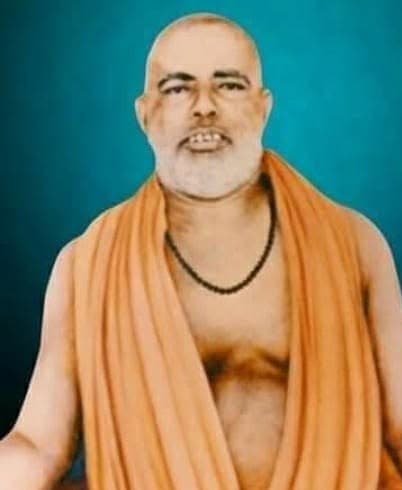
Sri Udiya Baba · Modern
HindiOn verses 13.5–13.6
संगति— भगवान् कह चुके हैं कि क्षेत्रज्ञ तो एक और अविकारी हैं किन्तु क्षेत्र का बहुत विस्तार है। वह अगले दो श्लोकों से बतलाते हैं।
भावार्थ— पञ्च महाभूत, अहंकार, बुद्धि, अव्यक्त (प्रकृति), दस इन्द्रियाँ, एक मन, इन्द्रियों के पाँच विषय, इच्छा, द्वेष, सुख, दुःख, संघात (शरीर), चेतना (चिदाभास) और धृति—से क्षेत्र हैं और विकारयुक्त हैं। इनका संक्षेप से वर्णन किया गया।
व्याख्या— प्रश्न—विकार और धर्म में क्या अन्तर है?
उत्तर— विकार परिवर्तनशील होते हैं अर्थात् आगन्तुक हैं और धर्म धर्मी से अभिन्न होते हैं।
प्रश्न— राग-द्वेष बुद्धि के विकार हैं या धर्म?
उत्तर— भक्ति पक्ष में धर्म है और ज्ञान पक्ष में विकार। इच्छा के साथ ही द्वेष रहता है, क्योंकि इच्छापूर्ति में विघ्न डालने वाले के प्रति ही द्वेष होता है। फिर उसी से दुःख होता है और इच्छा की पूर्ति से ही सुख होता है। इसीलिये इच्छा-द्वेष के साथ ही सुख-दुःख का उल्लेख हुआ है।
प्रश्न— बोधवान् में इच्छा और द्वेष रहते हैं या नहीं?
उत्तर— इच्छा और द्वेष क्षेत्र के अन्तर्गत हैं। तथा शरीर भी क्षेत्र ही है। तुम बतलाओ बोधवान् के शरीर रहता है या नहीं। यदि कहो कि शरीर रहता है तो जिस दृष्टि से शरीर रहता है उस दृष्टि से इच्छा-द्वेषादि भी रहते हैं। यदि शरीर नहीं रहता तो इच्छा-द्वेषादि भी नहीं रहते।
Swami Ramsukhdas · Modern
Hindi‘इच्छा’—अमुक वस्तु, व्यक्ति, परिस्थिति आदि मिले—ऐसी जो मनमें चाहना रहती है, उसको इच्छा कहते हैं। क्षेत्रके विकारोंमें भगवान् सबसे पहले इच्छारूप विकारका नाम लेते हैं। इसका तात्पर्य यह है कि इच्छा मूल विकार है; क्योंकि ऐसा कोई पाप और दुःख नहीं है, जो सांसारिक इच्छाओंसे पैदा न होता हो अर्थात् सम्पूर्ण पाप और दुःख सांसारिक इच्छाओंसे ही पैदा होते हैं।
‘द्वेषः’—कामना और अभिमानमें बाधा लगनेपर क्रोध पैदा होता है। अन्तःकरणमें उस क्रोधका जो सूक्ष्म रूप रहता है, उसको ‘द्वेष’ कहते हैं। यहाँ ‘द्वेषः’ पदके अन्तर्गत क्रोधको भी समझ लेना चाहिये।
‘सुखम्’—अनुकूलताके आनेपर मनमें जो प्रसन्नता होती है अर्थात् अनुकूल परिस्थिति जो मनको सुहाती है, उसको ‘सुख’ कहते हैं।
‘दुःखम्’—प्रतिकूलताके आनेपर मनमें जो हलचल होती है अर्थात् प्रतिकूल परिस्थिति जो मनको सुहाती नहीं है, उसको ‘दुःख’ कहते हैं।
‘सङ्घातः’—चौबीस तत्त्वोंसे बने हुए शरीररूप समूहका नाम ‘संघात’ है। शरीरका उत्पन्न होकर सत्तारूपसे दीखना भी विकार है तथा उसमें प्रतिक्षण परिवर्तन होते रहना भी विकार है।
‘चेतना’—चेतना नाम प्राणशक्तिका है अर्थात् शरीरमें जो प्राण चल रहे हैं, उसका नाम ‘चेतना’ है। इस चेतनामें परिवर्तन होता रहता है, जैसे—सात्त्विक-वृत्ति आनेपर
प्राणशक्ति शान्त रहती है और चिन्ता, शोक, भय, उद्वेग आदि होनेपर प्राणशक्ति वैसी शान्त नहीं रहती, क्षुब्ध हो जाती है। यह प्राणशक्ति निरन्तर नष्ट होती रहती है। अतः यह भी विकाररूप ही है।
साधारण लोग प्राणवालोंको चेतन और निष्प्राण-वालोंको अचेतन कहते हैं, इस दृष्टिसे यहाँ प्राणशक्तिको ‘चेतना’ कहा गया है।
‘धृतिः’—धृति नाम धारणशक्तिका है। यह धृति भी बदलती रहती है। मनुष्य कभी धैर्यको धारण करता है और कभी (प्रतिकूल परिस्थिति आनेपर) धैर्यको छोड़ देता है। कभी धैर्य ज्यादा रहता है और कभी धैर्य कम रहता है। मनुष्य कभी अच्छी बातको धारण करता है और कभी विपरीत बातको धारण करता है। अतः धृति भी क्षेत्रका विकार है।
[अठारहवें अध्यायके तैंतीसवेंसे पैंतीसवें श्लोकतक धृतिके सात्त्विकी, राजसी और तामसी—इन तीन भेदोंका वर्णन किया गया है। परमात्माकी तरफ चलनेमें सात्त्विकी धृतिकी बड़ी आवश्यकता है।]
‘एतत्क्षेत्रं समासेन सविकारमुदाहृतम्’—जैसे पहले श्लोकमें ‘इदं शरीरम्’ कहकर व्यष्टि शरीरसे अपनेको अलग देखनेके लिये कहा, ऐसे ही दृश्य-(क्षेत्र और उसमें होनेवाले विकार-) से दृष्टाको अलग दिखानेके लिये यहाँ ‘एतत्’ पद आया है।
पाँचवें श्लोकमें भगवान्ने समष्टि संसारका वर्णन किया और यहाँ छठे श्लोकमें व्यष्टि शरीरके विकारोंका वर्णन
किया; क्योंकि समष्टि संसारमें इच्छा-द्वेषादि विकार होते ही नहीं। तात्पर्य यह है कि व्यष्टि शरीर समष्टि संसारसे और समष्टि संसार व्यष्टि शरीरसे अलग नहीं है अर्थात् ये दोनों एक हैं। जैसे इसी अध्यायके दूसरे श्लोकमें भगवान्ने क्षेत्रज्ञके साथ अपनी एकता बतायी, ऐसे ही यहाँ व्यष्टि शरीर और उसमें होनेवाले विकारोंकी समष्टि संसारके साथ एकता बताते हैं। आगे इक्कीसवें श्लोकमें भगवान्ने पुरुषकी स्थिति शरीरमें न बताकर प्रकृतिमें बतायी है—‘पुरुषः प्रकृतिस्थो हि।’ इससे भी सिद्ध होता है कि पुरुषकी स्थिति (सम्बन्ध) व्यष्टि शरीरमें हो जानेसे उसकी स्थिति समष्टि प्रकृतिमें हो जाती है; क्योंकि व्यष्टि शरीर और समष्टि प्रकृति—दोनों एक ही हैं। वास्तवमें देखा जाय तो व्यष्टि है ही नहीं, केवल समष्टि ही है। व्यष्टि केवल भूलसे मानी हुई है। जैसे समुद्रकी लहरोंको समुद्रसे अलग मानना भूल है, ऐसे ही व्यष्टि शरीरको समष्टि संसारसे अलग (अपना) मानना भूल ही है।
विशेष बात
क्षेत्रज्ञ जब अविवेकसे क्षेत्रके साथ अपना सम्बन्ध मान लेता है, तब क्षेत्रमें इच्छा-द्वेषादि विकार पैदा हो जाते हैं। क्षेत्रज्ञका वास्तविक स्वरूप तो सर्वथा निर्विकार ही है। क्षेत्र-क्षेत्रज्ञके संयोगसे पैदा होनेवाले विकार सर्वथा मिटाये जा सकते हैं; क्योंकि क्षेत्रज्ञका क्षेत्रके साथ संयोग केवल माना हुआ है। इस माने हुए संयोगको मिटानेके लिये भगवान् इस अध्यायके पहले श्लोकमें शरीरको अपनेसे पृथक् देखनेके लिये और फिर दूसरे श्लोकमें परमात्मासे
**परिशिष्ट भाव**—क्षेत्रके साथ सम्बन्ध रखनेसे ही इच्छा, द्वेष, सुख, दुःख आदि विकार क्षेत्रज्ञमें होते हैं—‘पुरुषः सुखदुःखानां भोक्तृत्वे हेतुरुच्यते’ (१३।२०)। इच्छा-द्वेषादि सभी विकार तादात्म्य (जड़-चेतनकी ग्रन्थि) में हैं। तादात्म्यमें भी ये विकार जड़-अंशमें रहते हैं।
यहाँ भगवान्ने चौबीस तत्त्वोंवाले शरीरको तथा उसके सात विकारोंको ‘एतत्’ (यह) कहा है—‘एतत्क्षेत्रम्’। इसका तात्पर्य है कि स्वयं क्षेत्रसे मिला हुआ नहीं है, प्रत्युत सर्वथा अलग है। स्थूल, सूक्ष्म और कारण—तीनों ही शरीर ‘एतत्’ पदके अन्तर्गत होनेसे हमारा स्वरूप नहीं है। यहाँ विशेष ध्यान देनेकी बात है कि जब अहंकारका कारण ‘महत्त्व’ और ‘मूल प्रकृति’ को भी ‘एतत्’ शब्दसे कह दिया तो फिर अहंकारके ‘एतत्’ होनेमें कहना ही क्या है। अहम् से नजदीक महत्त्व है और महत्त्वसे नजदीक प्रकृति है, वह प्रकृति भी ‘एतत् क्षेत्रम्’ में है। तात्पर्य है कि अहम् हमारा स्वरूप है ही नहीं। जो मनुष्य स्वयंको और अहम् (क्षेत्र) को अलग-अलग जान लेता है, उसका फिर कभी जन्म नहीं होता और वह परमात्माको प्राप्त हो जाता है (गीता—तेरहवें अध्यायका तेईसवाँ श्लोक)।
अपने नित्यसंयोग— (एकता—) का अनुभव करनेके लिये कहते हैं। ऐसा अनुभव होनेपर क्षेत्रके साथ मानी हुई एकताका सर्वथा अभाव हो जाता है और फिर विकार उत्पन्न हो ही नहीं सकते।
बोध होनेपर अर्थात् क्षेत्र— (शरीर—) से सर्वथा सम्बन्ध-विच्छेद होनेपर ‘इच्छा’ और ‘द्वेष’ सदाके लिये सर्वथा मिट जाते हैं। ‘सुख’ और ‘दुःख’ अर्थात् अनुकूल और प्रतिकूल परिस्थितिका ज्ञान तो होता है, पर उससे अन्तःकरणमें कोई विकार पैदा नहीं होता अर्थात् अनुकूल-प्रतिकूल परिस्थिति प्राप्त होनेपर जीवन्मुक्त महापुरुष सुखी-दुःखी नहीं होता। सुख-दुःखका ज्ञान होना दोषी नहीं है, प्रत्युत उसका असर पड़ना (विकार होना) दोषी है।
जीवन्मुक्त महापुरुषका ‘संघात’ अर्थात् शरीरसे किंचिन्मात्र भी मैं—मेरेपनका सम्बन्ध न रहनेके कारण उसका कहा जानेवाला शरीर यद्यपि महान् पवित्र हो जाता है, तथापि प्रारब्धके अनुसार उसका यह शरीर रहता ही है। जबतक शरीर रहता है, तबतक ‘चेतना’ (प्राणशक्ति) भी रहती है। परिश्रम होनेपर उसमें चंचलता आती है, नहीं तो वह शान्त रहती है। साधनावस्थामें जो सात्त्विकी ‘धृति’ थी, वह बोध होनेपर भी रहती है। परन्तु अन्तःकरणसे तादात्म्य न रहनेसे तत्त्वज्ञ महापुरुषका ‘चेतना’ और ‘धृति’-रूप विकारोंसे कोई सम्बन्ध नहीं रहता।
तात्पर्य यह हुआ कि शरीरके साथ तादात्म्य होनेसे जो विकार होते हैं, वे विकार बोध होनेपर नहीं होते। संघात, चेतना और धृति-रूप विकारोंके रहनेपर भी उनका स्वयंपर कुछ भी असर नहीं पड़ता।
* ज्ञान किसीका भी दोषी नहीं होता; जैसे— भोजन करते समय जीभमें स्वादका ज्ञान होना दोष नहीं है, प्रत्युत भोजनके पदार्थोंमें राग या द्वेष होना दोष है।
सम्बन्ध—शरीरके साथ तादात्म्य कर लेनेसे ही इच्छा, द्वेष आदि विकार पैदा होते हैं और उन विकारोंका स्वयंपर असर पड़ता है। इसलिये भगवान् शरीरके साथ किये हुए तादात्म्यको मिटानेके लिये आवश्यक बीस साधनोंका 'ज्ञान' के नामसे आगेके पाँच श्लोकोंमें वर्णन करते हैं।
The mahā-bhūtāni which are the fundamental elements of creation being earth, water, fire, air and ether
along with the ahaṁkāra or false ego, the buddhi or intellect and the avyaktam the primordial root which in essence is prakṛti or the material substratum pervading physical existence
and from whom the afore mentioned emanate as the germinating foundations of the Kṣetra in different manifestations and modifications of an evolving process.
The five perceptual senses being the eyes, ears, nose, tongue and touch corresponding respectively with their five objects being the visual, auditory, olfactory, gustatory and tactual;
along with the five senses of activity being the vocal, the prehensile, the hands, the locomotive, the legs, procreative, the generative organs and the excretory organ for evacuation.
The one known as the internal sense is the mind.
Desire, aversion, joy and affliction are considered modifications of the Kṣetra as they are solely products of the mind influenced by moods and affections.
The words saṅghāta cetanā dhṛtiḥ means the perceptual faculties of the mind and includes the physical body.
The words cetanā dhṛtiḥ denotes adritah inferring adharah which means the basis, the medium for fundamental ingredients.
The word saṅghāta meaning the physical body is the aggregate expression of the collocated ingredients that are utilised:
The ultimate purpose is to utilise the physical body to interact harmoniously with the mind and intellect to realise the eternal principle inside the heart in the form of the ātma or immortal soul and the path to the Supreme Lord.
Otherwise one will misuse their precious human form of existence to procure material happiness on Earth while experiencing joy and grief in doing so and take another birth in usually a lower species of life;
or to perform activities in an attempt to procure entrance into the heavenly planets to enjoy celestial delights as a demigod for an allotted time period but which may or may not guarantee success and one has to be born again;
or to strive for Mokṣa or liberation from the cycle of birth and death to achieve an impersonal beatitude but if failing in this is forced to take birth again in one of the 8,400,000 some species in the material existence as well.
This is what is available in the Kṣetra.
All of its characteristics and attributes are manifested out of prakṛti the material substratum pervading physical existence and is the foundation of the mind and all the senses.
It is the compound which gives rise to the change of temperament such as desire and aversion, happiness and misery and the medium by which the Jīva or embodied being experiences pleasure, pain, joy and grief, etc.
This concludes Lord Krishna’s concise exposition on the Kṣetra with its variations and modifications.
Next the virtues and attributes that will enable one to obtain ātma-tattva or knowledge of the immortal soul which is connected to the Kṣetrajña will be enumerated by Lord Krishna.