

Bhagavad Gītā · Chapter 13 · Kṣetra Kṣetrajña Vibhāga Yoga
यावत्सञ्जायते किञ्चित्सत्त्वं स्थावरजङ्गमम्
क्षेत्रक्षेत्रज्ञसंयोगात्तद्विद्धि भरतर्षभ
yāvatsañjāyate kiñcitsattvaṃ sthāvarajaṅgamam|kṣetrakṣetrajñasaṃyogāttadviddhi bharatarṣabha||
Word meanings
भरतर्षभ = O best of the Bhāratas
स्थावर- = stationary
जङ्गमम् = moving
यावत्, = whatever
किञ्चित् = any
सच्चम् = creature
सञ्जायते = is born
क्षेत्रक्षेत्रज्ञ- = of the field and
संयोगात् = from the union
विद्धि = know
Translation
Arjuna, whatsoever being, animate or inanimate, is born, know it as emanated from the union of Ksetra (Matter) and the ksetrajña (Spirit).
Commentary
The commentators seated around this verse
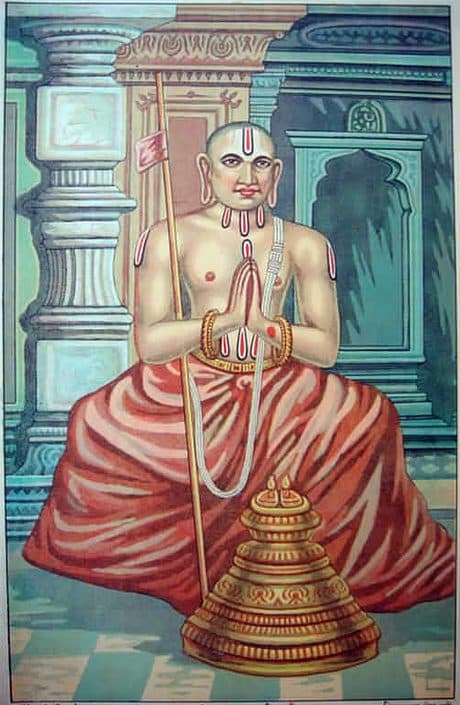
Rāmānuja · Viśiṣṭādvaita
English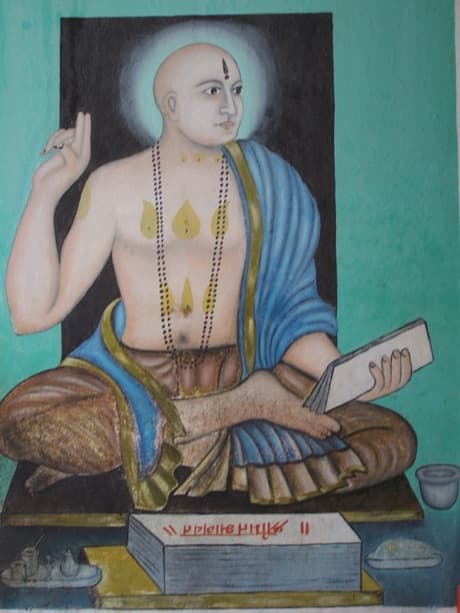
Madhvācārya · Dvaita
Madhva BhāṣyaSanskritEnglishOn verses 13.26–13.28
“पुनश्च प्रकृतिपुरुषेश्वरस्य अस्सं साम्यादिधर्मयुतमाह - यावत् इत्यादिना ॥” - After telling all that is related to Dharma, Sri Krishna speaks again of the form of Purusha and Prakriti.
Madhvācārya · Dvaita
Gītā Tātparya NirṇayaSanskritEnglishOn verses 13.26–13.28
“क्षेत्रक्षेत्रज्ञसंयोगात् इत्यत्र क्षेत्रं श्रीः - मम योनीर्महद् ब्रह्म तस्मिन् गर्भं दधाम्यहम् ॥ इति वक्ष्यामाणात् ॥” – In the combined existence of the form and the essence, the form is the resplendent Sri Devi, thus having been later.
“अव्यक्तं च महद् ब्रह्म प्रधानं क्षेत्रमित्यपि । उच्यते श्रीः सदा विष्णोः प्रिया निर्दोषचिद्दना । सा हि न व्यज्यते विष्णुरत्र क्षेति महागुणा । जीवोत्तमा च तेनैतैः शब्दैरेकाऽभिधीयते ॥ महान् ब्रह्मा जीवमहान् पारामात् प्रेरिता क्रियाः । अहं कर्तेति येनायं जीवो संस्यात्यै शिवः । अहङ्कार इति प्रोक्तो जीवाहङ्कृतिकृत् यतः । उमा बुद्धिरिति ज्ञेयो शब्दादिज्ञानदा यतः । मतिदो मन उद्दिष्ट इन्द्रः स्कन्दोऽपि तत्सुतः । श्रोत्रं तु श्रावयश्चन्द्रः स्पर्शो वायुमुतो मरुत । चक्षुः सूर्यश्चक्षयति जिह्वा वारिपतिहृतेः । अश्विनौ प्राणमाघ्रातेवाग्निर्वचनादपि । हस्तौ वायुमुतो ज्ञेयो मरुतो हानिलाभयोः । पादौ तु विष्णुनाऽऽविष्टौ यज्ञशंभू शचिमुतो । पवनादेव पायुश्च भुक्तस्यैवाप्यवाद् यमः । सन्तत्युपस्थितिकृतैरुपस्थः सशिवो मनुः । विनायकस्तथाऽऽकाशो निरावृत्या प्रकाशनात् । प्रधानवायुजो भूतवायुर्नाम्ना मरीचिकः । अग्निश्च पृथिवी चैव प्रसिद्धौ वरुणो जलम् । अदनात्मनाज्जन्मलयहेतोस्तथाऽभिधाः । शब्दाद्याः पञ्च शिवजाः शब्दनात् स्पर्शनादपि । रूपणाद् रसनाश्चैव गन्धनाच्च तथाऽभिधाः । सुखं धृतिश्चेतना च सुखनाद् विधुतेरपि । चेतोनेतृत्वतस्यैव मुख्यवायुः सरस्वती । श्रीश्चेच्छा चैव सा वायोः पत्नी त्वेवं धृतिर्मता । इच्छादानात् सैवेच्छा स्थानभेदात् देवताः । पृथक् पृथक् च कथ्यन्ते लक्ष्म्या उदिता अपि । दुःखद्वेषौ कलिश्चैव द्वापरो ब्रह्मणः सुतौ । प्रवरावसुराणां तौ सङ्घातचेतना परे । एतैर्गभिमतं यज्ञं तत्तनान्माऽभिधीयते । चेतनाचेतनं त्वेतत् सर्वे क्षेत्रमितीरितम् । एतस्मात् क्षीणमेतेन त्रातमित्यथवा पुनः । इच्छाद्यानां क्षेत्रान्मामपि नामान्तरं स्मृतम् । विकारा इति यस्मात् ते विशेषविकृतिस्थिताः । विशेषात् क्रियते यस्माद् विकारः कार्यमन्तिमम् । विगतं करणं वाऽत्र पुननाशमृते यतः । तत्सम्बन्धाद् विकाराख्या इच्छाद्या अभिमानिनः । एतत् सर्वे सर्वदैव निर्दोषेणैव चक्षुषा । प्रेरयेनैव जानाति यतः क्षेत्रज्ञो हरिस्ततः ॥ इति च ॥” – The unmanifest form of the Great Brahman is primarily the क्षेत्र - field. Sri Devi (Lakshmi) as the embodiment of pure consciousness, is spoken as eternally dear to Sri Vishnu. She never disintegrates, hence is the basis, foundation of immense potentiality for Sri Vishnu. Bearing superior to all जीवात्माऽ, she is expressed singularly as Sri. Energized by her, the Great Brahma, the best among the जीवात्माऽ, engages in creation.
Having said by her - I create जीवात्माऽ begets अहङ्कार, the form of 'I' from Shiva, intellect from Uma, the knowledge of the Word, mind from Indra, Skanda and Aniruddha, the touch to feel from Marut the son of Vayu, the eyes to see from the Sun, the tongue to taste from Varuna, nose to smell the pleasant and the unpleasant from Ashwin, Vak to speak from Agni, hands as the instruments of Maruts, the feet activated by the children of Shachi, born of the Sacrifice. Yama is Payu, since he expels, discharges the things eaten. Shiva and Manu being the progenitors are known as Upastha, the establishers. Since He removes the obstructions from people Vinayaka is known as Akasha, the space. Marichika, the son of the Primal Breath is known as earthly wind. Agni and Prithivi are the respective presiding deities for fire-principle and sustaining capacity of the earth; Yama, as the Lord of the Waters, is the presiding deity of birth and death. Five sons of Shiva are the presiding deities of Shabda, the sound etc. being associated with them. Primal Breath is known as happiness, Sarswati as vigour and Sri Devi as consciousness and will, being associated with those attributes. Like Saraswati Vayu's spouse is also known as vigour. According to the circumstances Sri Devi is known by other names as well, even though she is referred to as consciousness and will. Similarly the other gods as well, because of the circumstances of each case. Kali presides over misery and hatred; Dwapara presiding over hate. Both are born of the four-faced Brahma. Kali is more powerful among asuras. In this manner each of the deities is presiding over their respective attributes. All the animate and inanimate constituents are known as क्षेत्र, the field. Because it is the place of abiding (क्षिति) of the Resplendent Lord, it is known as the क्षेत्र. Or since at the time of the dissolution of the cycle He destroys (क्षीणीति) the animate and inanimate world, and similarly at the time of creation, recreates (त्राति), He is known as क्षेत्र. With modifications of the इच्छा the desire it is also known as the क्षेत्र. These modifications are considered as special because of they being the establishments of the distinctive attributes. The action creates something special, therefore, it is known as distinctive modification. The resultant object does not cause any modification or destruction of the original, therefore, with their association the will and the other modifications become the respective presiding deities. Since all these are seen by the Lord with flawless eye, and is known to energize them, Hari is known as the क्षेत्रज्ञ, the knower of the field.
“यस्यात्मा शरीरम् इत्यादिश्रुतेश्चेतनस्यापि इदं शरीरं कौन्तेय इति शरीरत्वोक्तिर्युज्यते ॥ सच्चं जीवः क्वचित् प्रोक्तः क्वचित् सच्चं जनार्दनः | सच्चं नाम गुण क्वापि क्वचित् साधुत्वमुच्यते ॥ इति शब्दनिर्णये ॥ तयोरन्यः पिप्पलं स्वाहतीनि सच्चम् इति च पैडगी श्रुतिः | जनी प्रादुर्भावे इति धातोर्जीवस्यापि शरीरे व्यक्त्यपेक्षया जनीर्युज्यते ॥” - Even though the scripture says this self is the body, suggesting consciousness to the body, since it has also been said in idam shariram kaunteya, the body does not become the field, thus in Shabda Nirnaya Text. “satva is sometimes spoken as Jiva and sometimes Janardan is referred to as satva. satva as the attribute of nobility is also referred in other cases, thus in Paingi Scripture – “One relishes the fruit of the Peul tree, therefore he is referred to as satva”. Being manifested as one born, the Jiva is also said to have been born in the body.
“जीवेषु दुःखयोगादिरूपेण विनश्यत्स्वप्यतथाभूतम् - दुःखयोगादिरूपेण जीवेषु विनश्यत्स्वपि | दुःखयोगादिरहितं सर्वजीवेष्वपि स्थितः | गुणैः सर्वैः समो नित्यं न हीनो हीनगाप्यपि सन् | इति पश्यति यो विष्णुं स एव न तामो व्रजेत् ॥ इति पादमे ॥” - In creation Jiva sees destruction etc. associated with misery. “As the form of misery, the Jiva perceives his self and devoid of miseries he experiences the Lord dwelling in all Jivaas with attributes similar in all creatures, not being lower even when in the lower. He who perceives Sri Vishnu in this manner, to him, verily, there arises no delusion”, thus in Padma Purana.
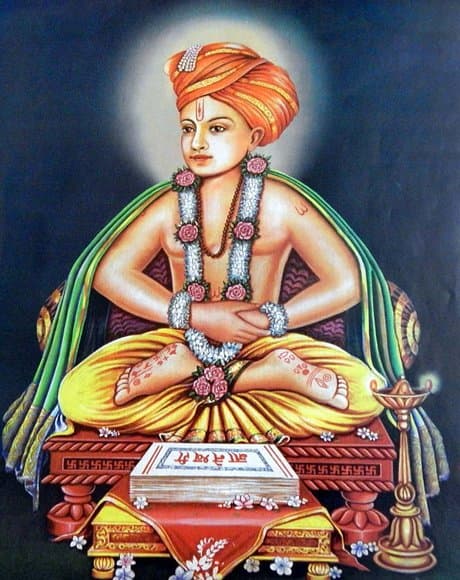
Jñāneśvar · Vārkarī
English26 "Any entity whatsoever, immobile or mobile, that comes into being; understand, O Bull of Bhārata (clan), that it does so through the conjunction of the Field with the Field-knower. (1051)
You have already been preached the 'Self' — which is otherwise known as the Kshetrajna (क्षेत्रज्ञ-knower of the field), as also the 'Kshetra' (क्षेत्र-Field). The aggregate of the beings is created from the union of these two. Just as the waves are created in water, when it is associated with the wind or just as floods of mirage are created with the coming together of (Sun's) rays and the heated barren plains or just as with the copious showers from the clouds the earth gets soaked with water, and sprouts forth shoots of different plants; in the same way, know ye, the entire universe consisting of movables and immovables-all that is designated as living organism — is created through the union of both (the Kshetra and the Kshetrajna), and therefore, Oh Arjuna, the entire class of beings (with names and forms) is not distinct from Kshetrajna, and primeval matter (Prakriti).
Swami Ramsukhdas · Modern
English'Yāvatsañjāyate kiñcitsattvaṁ sthāvarajaṅgamam kṣetrakṣetrajñā-saṃyogāttadviddhi bharatarṣabha'—The unmoving creation, such as trees, plants, creepers, grass and mountains etc., and moving
beings, such as human beings, gods, beasts, birds, insects and fishes etc., (living on the earth, in the water and the sky)—all are born, of the union of Kṣetra (field), and Kṣetrajña (knower of the field).
All the perishable objects, which appear and disappear, are included in 'Kṣetra', which the knower of this Kṣetra, ever remaining the same, is Kṣetrajña. Affinity of the Kṣetrajña (Spirit), with Kṣetra (body), in the form of 'Tness and 'Mine'ness, is the union of the spirit and the body. It is because of this assumed union, that the spirit has to be born, as moving and unmoving beings. This union has been called, 'attachment to the modes of nature', in the twenty-first verse. It means, that the eternal spirit by identifying itself with the kaleidoscopic prakṛti and its evolutes, body etc., assumes itself as perishable.
[The birth of moving, as well as, unmoving beings, has been denoted by the term 'Sañjāyate' (Is born) and the death will be denoted by the term 'Vinaśyatsu' (perishing), in the next verse.]
'Tadviddhi bharatarṣabha'—Lord Kṛṣṇa, exhorts Arjuna to know the fact that the contact (identification) of the spirit with the body, is responsible for its rebirth. So, if it does not assume its identification, with the body, it will not be reborn.
**Appendix**—Here within the expression 'yāvatsañjāyate' all the creatures born from the womb, born from an egg, sprouting from the ground, born of perspiration, water creatures, sky creatures (birds) and land creatures, men, gods, manes, ghosts, evil spirits and devils etc., should be included. The same fact has been pointed out in the sixth verse of the seventh chapter by the expression 'etadyonīni bhūtāni'.
In the topic of devotion, the Lord, having stated the two-fold prakṛti—'parā' and 'aparā' as His, declared, 'All beings have evolved from this twofold prakṛti and I am the origin of the entire creation and it dissolves in Me' (Gītā 7/6). But here in the topic of knowledge, the Lord declares that all beings are born of the union of 'Kṣetra' and 'Kṣetrajña'. It means that in
the topic of devotion He draws a devotee's attention towards Him because a devotee has firm faith in Him. God is his means as well as end. But in the topic of knowledge the Lord draws attention towards the 'Kṣetrajñā' (Self) that identification of 'Kṣetrajñā' with 'Kṣetra' has led the man to the bondage of birth and death. Here the question arises that there is attraction and union between the objects of the same class, then how has there been a union of 'Kṣetrajñā' (the Self) with the inert (the non-Self)? The answer is that as there can't be union of day and night, similarly there can't be union of 'Kṣetrajñā' and 'Kṣetra'. But being a fragment of God, 'Kṣetrajñā' has this power that it can draw an object belonging to a different class and can assume its affinity with that object. God has bestowed this freedom upon this being. But he has misused this freedom viz., he instead of assuming his affinity with God, has assumed his affinity with the world and has thus got entangled in the wheel of life and death (Gītā 13/21).
*Link:—In the preceding verse, the Lord explained that the identification of the spirit with the body, leads the spirit to birth and death. Now, the question arises what should a man do, to be free from the cycle of birth and death. The Lord answers the question, in the next verse.*
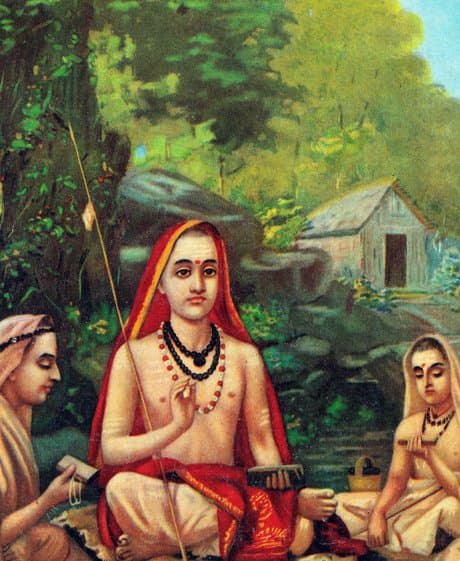
Ādi Śaṅkarācārya · Advaita
Sanskritयावत् यत् किञ्चित् सञ्जायते समुत्पद्यते सत्त्वं वस्तु; किम् अविशेषेण? नेत्याह -- स्थावरजङ्गमं स्थावरं जङ्गमं च क्षेत्रक्षेत्रज्ञसंयोगात् तत् जायते इत्येवं विद्धि जानीहि भरतर्षभ ॥ कः पुनः अयं क्षेत्रक्षेत्रज्ञयोः संयोगः अभिप्रेतः? न तावत् रज्ज्वेव घटस्य अवयवसंश्लेषद्वारकः सम्बन्धविशेषः संयोगः क्षेत्रेण क्षेत्रज्ञस्य सम्भवति, आकाशवत् निरवयवत्वात् । नापि समवायलक्षणः तन्तुपटयोरिव क्षेत्रक्षेत्रज्ञयोः इतरेतरकार्यकारणभावानभ्युपगमात् इति, उच्यते -- क्षेत्रक्षेत्रज्ञयोः विषयविषयिणोः भिन्नस्वभावयोः इतरेतरतद्धर्माध्यासलक्षणः संयोगः क्षेत्रक्षेत्रज्ञस्वरूप-विवेकाभावनिबन्धनः, रज्जुशुक्तिकादीनां तद्विवेकज्ञानाभावात् अध्यारोपितसर्परजतादिसंयोगवत् । सः अयं अध्यासस्वरूपः क्षेत्रक्षेत्रज्ञसंयोगः मिथ्याज्ञानलक्षणः । यथाशास्त्रं क्षेत्रक्षेत्रज्ञलक्षणभेदपरिज्ञानपूर्वकं प्राक् दर्शितरूपात् क्षेत्रात् मुञ्जादिव इषीकां यथोक्तलक्षणं क्षेत्रज्ञं प्रविभज्य ``न सत्तन्नासदुच्यते'' (भ. गी. १३-१२) इत्यनेन निरस्तसर्वोपाधिविशेषं ज्ञेयं ब्रह्मस्वरूपेण यः पश्यति, क्षेत्रं च मायानिर्मितहस्तिस्वप्नदृष्टवस्तुगन्धर्वनगरादिवत् ``असदेव सदिव अवभासते'' इति एवं निश्चितविज्ञानः यः, तस्य यथोक्तसम्यग्दर्शनविरोधात् अपगच्छति मिथ्याज्ञानम् । तस्य जन्महेतोः अपगमात् ``य एवं वेत्ति पुरुषं प्रकृतिं च गुणैः सह'' (भ. गी. १३-२३) इत्यनेन ``विद्वान् भूयः न अभिजायते'' इति यत् उक्तम्, तत् उपपन्नमुक्तम् ॥ ``न स भूयोऽभिजायते'' (भ. गी. १३-२३) इति सम्यग्दर्शनफलम् अविद्यादिसंसारबीजनिवृत्तिद्वारेण जन्माभावः उक्तः । जन्मकारणं च अविद्यानिमित्तकः क्षेत्रक्षेत्रज्ञसंयोगः उक्तः; अतः तस्याः अविद्यायाः निवर्तकं सम्यग्दर्शनं उक्तमपि पुनः शब्दान्तरेण उच्यते --
Ādi Śaṅkarācārya · Advaita
Hindiक्षेत्रज्ञ और ईश्वरकी एकताविषयक ज्ञान मोक्षका साधन है, यह बात 'यज्ज्ञात्वामृतमश्नुते' इस वाक्यसे कही, परंतु वह ज्ञान किस कारणसे मोक्षका साधन है? उस कारणको दिखानेके लिये यह श्लोक आरम्भ किया जाता है—
हे भरतश्रेष्ठ! जो कुछ भी वस्तु उत्पन्न होती है, क्या यहाँ समानभावसे वस्तुमात्रका ग्रहण है? इसपर कहते हैं कि जो कुछ स्थावर-जंगम यानी चर और अचर वस्तु उत्पन्न होती है, वह सब क्षेत्र और क्षेत्रज्ञके संयोगसे ही उत्पन्न होती है, इस प्रकार तू जान।
पू०—इस क्षेत्र और क्षेत्रज्ञके संयोगसे क्या अभिप्राय है? क्योंकि क्षेत्रज्ञ, आकाशके समान अवयवरहित है, इसलिये उसका क्षेत्रके साथ रस्सीसे घड़ेके सम्बन्धकी भाँति, अवयवोंके संसर्गसे होनेवाला सम्बन्धरूप संयोग नहीं हो सकता। वैसे ही आपसमें एक-दूसरेका कार्य-कारण-भाव न होनेसे सूत और कपड़ेकी भाँति, क्षेत्र और क्षेत्रज्ञका समवाय-सम्बन्धरूप संयोग भी नहीं बन सकता।
उ०—बताया जाता है, (सुनो)। क्षेत्र और क्षेत्रज्ञ, जो कि विषय और विषयी तथा भिन्न स्वभाववाले हैं, उनका, अन्यमें अन्यके धर्मोंका अध्यासरूप संयोग है, यह संयोग रज्जु और सीप आदिमें उनके स्वरूपसम्बन्धी ज्ञानके अभावसे अध्यारोपित सर्प और चाँदी आदिके संयोगकी भाँति, क्षेत्र और क्षेत्रज्ञके वास्तविक स्वरूपको न जाननेके कारण है।
ऐसा यह अध्यासस्वरूप क्षेत्र और क्षेत्रज्ञका संयोग मिथ्या ज्ञान है।
जो पुरुष शास्त्रोक्त रीतिसे क्षेत्र और क्षेत्रज्ञके लक्षण और भेदको जानकर पहले जिसका स्वरूप दिखलाया गया है, उस क्षेत्रसे मूँजमेंसे सींक अलग करनेकी भाँति पूर्वोक्त लक्षणोंसे युक्त क्षेत्रज्ञको अलग करके देखता है अर्थात् उस ज्ञेयस्वरूप क्षेत्रज्ञको 'न सत्त्वासदुच्यते' इस वाक्यानुसार समस्त उपाधिरूप विशेषताओंसे अतीत ब्रह्मस्वरूपसे देख लेता है।
तथा जो क्षेत्रको मायासे रचे हुए हाथी, स्वप्नमें देखी हुई वस्तु या गन्धर्वनगर आदिकी भाँति 'यह वास्तवमें नहीं है तो भी सत्की भाँति प्रतीत होता है', ऐसे
निश्चयपूर्वक जान लेता है, उसका मिथ्याज्ञान उपर्युक्त यथार्थ ज्ञानसे विरुद्ध होनेके कारण नष्ट हो जाता है।
पुनर्जन्मके कारणरूप उस मिथ्याज्ञानका अभाव हो जानेपर 'य एवं वेत्ति पुरुषं प्रकृतिं च गुणैः सह' इस श्लोकसे जो यह कहा गया है कि 'विद्वान् पुनः उत्पन्न नहीं होता' सो युक्तियुक्त ही है
Jñāneśvar · Vārkarī
Marathiतरी क्षेत्रज्ञ येणें बोलें । तुज आपणपें जें दाविलें । आणि क्षेत्रही सांगितलें । आघवें जें ॥ १०५१ ॥ तया येरयेरांच्या मेळीं । होईजे भूतीं सकळीं । अनिलसंगें सलिलीं । कल्लोळ जैसे ॥ १०५२ ॥ कां तेजा आणि उखरा । भेटी जालिया वीरा । मृगजळाचिया पूरा । रूप होय ॥ १०५३ ॥ नाना धाराधरधारीं । झळंबलिया वसुंधरी । उठिजे जेवीं अंकुरीं । नानाविधीं ॥ १०५४ ॥ तैसें चराचर आघवें । जें कांहीं जीवु नावें । तें तों उभययोगें संभवे । ऐसें जाण ॥ १०५५ ॥ इयालागीं अर्जुना । क्षेत्रज्ञा प्रधाना- । पासूनि न होती भिन्ना । भूतव्यक्ती ॥ १०५६ ॥
Jñāneśvar · Vārkarī
Hindi(13.1052) क्षेत्रज्ञ शब्द से हमने तुमसे जो आत्मस्वरूप व्यक्त किया और क्षेत्र नाम से जो सब वर्णन किया
(13.1053) उन एक-दूसरों के संयोग से सम्पूर्ण भूत उत्पन्न होते हैं। जैसे वायु के संग से जल में तरंग उत्पन्न होती हैं,
(13.1054) अथवा सूर्य-किरण और बंजर के संयोग से जैसे मृगजल की बाढ़ प्रकट होती है,
(13.1055) अथवा वर्षा की धाराओं से पृथ्वी के भीगते ही जैसे नानाविध अंकुर उगते हैं,
(13.1056) वैसे ही इस सम्पूर्ण चराचर में जो कुछ जीव-नाम से प्रसिद्ध है वह प्रकृति और पुरुष दोनों के संयोग से उत्पन्न होता है।
(13.1057) अतएव अर्जुन! भूतव्यक्तियाँ पुरुष और प्रकृति से भिन्न नहीं हैं।
Sri Udiya Baba · Modern
Hindiभावार्थ— हे भरतश्रेष्ठ! यह जो कुछ भी स्थावर-जंगम दृश्य उत्पन्न हुआ है उसे तुम क्षेत्र और क्षेत्रज्ञ के संयोग से ही उत्पन्न हुआ जानो।
व्याख्या— यह भगवान् ने कापिल सांख्य का सिद्धान्त कहा है। वे ही प्रकृति और पुरुष के संयोग से सृष्टि की उत्पत्ति मानते हैं तथा जतने क्षेत्र हैं उतने ही क्षेत्रज्ञ या पुरुष मानते हैं। वेदान्त प्रक्रिया में तो एक ही द्रष्टा और एक ही दृश्य माना गया है। तथा दृश्य की अपनी सत्ता नहीं मानी जाती उसकी उत्पत्ति स्वप्न के समान अनिर्वचनीय है, वास्तविक नहीं।
Swami Ramsukhdas · Modern
Hindi‘यावत्संजायते’—‘क्षेत्रक्षेत्रज्ञसंयोगात्’— स्थिर रहनेवाले वृक्ष, लता, दूब, गुल्म, त्वक्सार, बेत, बाँस, पहाड़ आदि जितने भी स्थावर प्राणी हैं और चलने-फिरनेवाले मनुष्य, देवता, पशु, पक्षी, कीट, पतंग, मछली, कछुआ आदि जितने भी जंगम (थलचर, जलचर, नभचर) प्राणी हैं, वे सब-के-सब क्षेत्र और क्षेत्रज्ञके संयोगसे ही पैदा होते हैं।
उत्पत्ति-विनाशशील पदार्थ ‘क्षेत्र’ हैं और जो इस क्षेत्रको जाननेवाला, उत्पत्ति-विनाशरहित एवं सदा एकरस रहनेवाला है, वह ‘क्षेत्रज्ञ’ है। उस क्षेत्रज्ञ-(प्रकृतिस्थ पुरुष-)का जो शरीरके साथ मैं-मेरेपनका सम्बन्ध मानना है—यही क्षेत्र और क्षेत्रज्ञका संयोग है। इस माने हुए संयोगके कारण ही इस जीवको स्थावर-जंगम योनियोंमें
जन्म लेना पड़ता है। इसी क्षेत्र-क्षेत्रज्ञके संयोगको पहले इक्कीसवें श्लोकमें ‘गुणसंगः’ पदसे कहा है। तात्पर्य यह हुआ कि निरन्तर परिवर्तनशील प्रकृति और प्रकृतिके कार्य शरीरादिके साथ तादात्म्य कर लेनेसे स्वयं जीवात्मा भी अपनेको जन्मने-मरनेवाला मान लेता है।
[ स्थावर-जंगम प्राणियोंके पैदा होनेकी बात तो यहाँ ‘संजायते’ पदसे कह दी और उनके मरनेकी बात आगेके श्लोकमें ‘विनश्यत्सु’ पदसे कहेंगे। ]
‘तद्विद्धि भरतर्षभ’—यह क्षेत्रज्ञ क्षेत्रके साथ अपना सम्बन्ध मानता है, इसीसे इसका जन्म होता है; परन्तु जब यह शरीरके साथ अपना सम्बन्ध नहीं मानता, तब इसका जन्म नहीं होता—इस बातको तुम ठीक समझ लो।
परिशिष्ट भाव— यहाँ ‘यावत्संजायते’ के अन्तर्गत जरायुज-अण्डज-उद्भिज्ज-स्वेदज, जलचर-नभचर-थलचर, मनुष्य, देवता, पितर, भूत, प्रेत, पिशाच आदि सम्पूर्ण प्राणी लेने चाहिये। सातवें अध्यायके छठे श्लोकमें भी ‘एतद्योनीनि भूतानि’ पदोंसे यही बात कही गयी है।
भक्तिके प्रकरणमें भगवान्ने परा और अपरा—दोनोंको अपनी प्रकृति बताकर कहा कि ‘इन दोनों प्रकृतियोंके संयोगसे ही सम्पूर्ण प्राणी उत्पन्न होते हैं और मैं ही सम्पूर्ण जगत्का प्रभव तथा प्रलय हूँ’ (गीता—सातवें अध्यायका छठा श्लोक)। परन्तु यहाँ ज्ञानके प्रकरणमें भगवान् कहते हैं कि सम्पूर्ण प्राणी क्षेत्र और क्षेत्रज्ञके संयोगसे उत्पन्न होते हैं। तात्पर्य है कि भक्तिके प्रकरणमें भगवान् अपनी तरफ दृष्टि कराते हैं; क्योंकि भक्तका भगवान्पर ही दृढ़ विश्वास होता है। उसके साधन और साध्य—दोनों भगवान् ही होते हैं। परन्तु ज्ञानमें भगवान् क्षेत्रज्ञ (स्वरूप)-की ओर दृष्टि कराते हैं कि क्षेत्रके साथ तादात्म्य करनेके कारण ही वह जन्म-मृत्युरूप बन्धनमें पड़ा है। यहाँ प्रश्न होता है कि आकर्षण एवं मिलन (संयोग) सजातीयतामें ही होता है, फिर विजातीय क्षेत्र (जड़) के साथ क्षेत्रज्ञ (चेतन)-का संयोग कैसे हुआ? इसका उत्तर है कि जैसे रात और दिनका संयोग नहीं हो सकता, ऐसे ही क्षेत्र और क्षेत्रज्ञका भी संयोग नहीं हो सकता। परन्तु परमात्माका अंश होनेके कारण क्षेत्रज्ञमें यह शक्ति है कि वह विजातीय वस्तुको भी पकड़ सकता है, उसके साथ अपना सम्बन्ध मान सकता है। उसको यह स्वतन्त्रता भगवान्ने ही दी है। परन्तु उसने इस स्वतन्त्रताका दुरुपयोग किया अर्थात् भगवान्के साथ सम्बन्ध न मानकर संसारके साथ सम्बन्ध मान लिया और जन्म-मरणके चक्रमें पड़ गया (गीता—तेरहवें अध्यायका इक्कीसवाँ श्लोक)।
सम्बन्ध—पूर्वश्लोकमें भगवान्ने बताया कि क्षेत्र-(शरीर-) के साथ सम्बन्ध रखनेसे, उसकी तरफ दृष्टि रखनेसे यह पुरुष जन्म-मरणमें जाता है, तो अब प्रश्न होता है कि इस जन्म-मरणके चक्करसे छूटनेके लिये उसको क्या करना चाहिये? इसका उत्तर भगवान् आगेके श्लोकमें देते हैं।
Lord Krishna states yāvat kiñcit whatsoever meaning anything mobile or immobile regardless of how grandiose or infinitesimal that exists in any dimension of creation is the mutual combination of matter and spirit.
It is always a compound existence with interdependence upon each other and never independence from each other.