

Bhagavad Gītā · Chapter 13 · Kṣetra Kṣetrajña Vibhāga Yoga
इति क्षेत्रं तथा ज्ञानं ज्ञेयं चोक्तं समासतः
मद्भक्त एतद्विज्ञाय मद्भावायोपपद्यते
iti kṣetraṃ tathā jñānaṃ jñeyaṃ coktaṃ samāsataḥ|madbhakta etadvijñāya madbhāvāyopapadyate||
Word meanings
इति = thus
क्षेत्रम् = the field
तथा = and likewise
ज्ञानम् = knowledge
च = and
ज्ञेयम् = the object of knowledge
समासतः = in brief
उक्तम् = has been described
मद्भक्तः = my devotee
एतत् = this (mind)
विज्ञाय = having known
मद्भावाय = my being
उपपद्यते = attains
Translation
Thus the truth of the Ksetra and knowledge, as well as of the object worth knowing, God has been briefly discussed; knowing this in reality, My devotee enters into My Being.
Commentary
The commentators seated around this verse

Rāmānuja · Viśiṣṭādvaita
English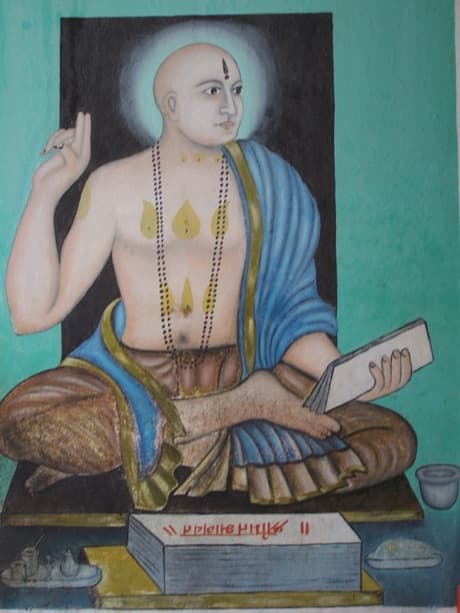
Madhvācārya · Dvaita
Madhva BhāṣyaSanskritEnglishOn verses 13.18–13.19
“यतश्च यद् इति वक्तुं प्रकृतिविकारपुरुषान् संक्षिप्याऽह । गुणः सत्वादयः । तेषामत्यल्पो विशेषो लयात् सर्ग इति विकाराः पृथगुक्ताः । कार्याकार्या गुणास्तिस्त्रो यतस्त्वल्पोद्भवो जनौ इति हि माधुच्छन्दशाखायाम् ॥” - Before he explains in detail the query यतश्च यद् (what is it and what are its powers), the modifications of Prakriti and Purusha are explained here in brief. The attributes are सत्, रज् and तम In dissolution of the creation whatever accumulation remains of the Prakriti, a small part of that will be on account of these attributes. In the Madhuchhanda section it has been mentioned that since there would remain some portion of the accumulation, these attributes will constitute action as well as in-action.
Madhvācārya · Dvaita
Gītā Tātparya NirṇayaSanskritEnglishOn verses 13.18–13.19
“मद्भावय मयि भावाय | प्रकृतिं पुरुषं च इत्यत्र पुरुषशब्देन जीवपरयोः प्रकृतिशब्देन चेतनाचेतनप्रकृत्योः स्वीकाराय उभवापि | उपद्रष्टानुमन्ता च | इत्यादि वक्षमाणत्वात् | गुणानां च विकारत्वेऽप्यधिकविकारत्वविक्षयाऽन्तोषां विकारांश्च गुणांश्च || इति पृथगुक्तिः ||” - मद्भावय means मयि भावाय – attuned to My own nature. In saying प्रकृतिं पुरुषं च, the insentient prakriti and sentient purusa are suggested to be distinct from one another, using the word उभवापि. The attributes and modifications (like desire etc) possible only in respect of the Prakriti, therefore they are said to be born of the Prakriti. The Supreme Lord alone is independent, उपद्रष्टा - the Witness, अनुमन्ता - the ordainer of thoughts. Even though attributes and modifications are born of Prakriti, since they are distinct from the Prakriti they have been separately referred to.

Jñāneśvar · Vārkarī
English18 "Thus, the Field of Knowledge, and the object to be known have been succinctly stated. My devotee, knowing this, attains oneness of essence with Me. (940)
Thus, I first made clear to you, by pointing out its differentia Oh you wise one, what is (called) Kshetra (field);. So also after Kshetra, I preached to you (the attributes of) knowledge, Oh Kiriti, in the way you can see it clearly. Then I narrated to you in detail all the symptoms of nescience, until you got contented and said, "Enough of it," and lastly I preached you elaborately, giving cogent reasoning (to establish its theory), what is called the object of knowledge. When this preaching, Oh Arjuna, is indelibly impressed on the intellect, an anxious yearning for attaining unto Me is engendered in my devotees. Those that have renounced their bodies and other paraphernalia, and have devoted their lives to my service-those devotees of mine, Oh Kiriti, know the essence of my Supreme Self, and at the end of their life forget their individuality and come and merge into Me. Oh! bear this chiefly in mind that to come and to get merged into me is the easy way prepared by me, in the way there should be prepared a series of steps to (ascend) a precipice, or a scaffolding is constructed for supporting men high up in the void or a small boat is floated for navigating deep waters. Otherwise, simply preaching to you, Oh Great warrior, that everything is Ātman would not have brought the truth home to you. We described to you one and the same Supreme in four different aspects to enable your intellect to grasp the totality (with ease). Just as one (big) morsel is split up into twenty small ones when feeding a small child, in that way, the (theme of) Brahman, although a single one, was preached to you in four different aspects — (i) the field, (ii) knowledge (iii) the object of knowledge and (iv) nescience — in these four divisions, realizing your mental capacity. If, in spite of all this, Oh Pārtha, your mind has not still grasped the preaching, I shall once again tell you about this arrangement. Now instead of making it into four parts, or treating the subject as a single one, I would consider, in a common measure, both the soul and the gross or material (part) of the compound person. You must only comply with one thing I demand of you, viz. you should name (treat) your ear as your 'self'. Hearing Lord Krishna talking in this way, there came over Pārtha's body tremor and horripilation, and seeing this, God said, (to himself) 'well, he appears to be highly excited;' seeing (Arjuna) in that (overwrought) state (Lord Krishna himself was profoundly overwhelmed but restraining himself), Shīrang said, 'I would now preach you, separating 'Purusha' from 'Prakriti' and hear it; that path which the ascetics describe as Sāṅkhya in this world, and for preaching the importance of which, I became, (incarnated myself as) the sage Kapila — that flawless discourse on Purusha and Prakriti, do now hear' said the Primeval Person (आदिपुरुष Lord of creation) to Arjuna.
Swami Ramsukhdas · Modern
English'Iti kṣetraṁ tathā jñānaṁ jñeyaṁ coktaṁ samāsataḥ'—The Kṣetra, has been described, in the fifth and sixth verses of this chapter; the twenty virtues which have been mentioned, from the seventh verse to the eleventh verse, have been declared knowledge and God, Who is the object of knowledge, has been discussed, from the twelfth verse to the seventeenth verse. Thus they have been briefly described, by the Lord.
'Madhhakta etadvijñāya madhhāvāyopapadyate'—A devotee, having known the Kṣetra, knowledge in the form of twenty virtues, and the knowable (God) in reality, attains the Lord or realizes his identity with Him. His assumed affinity, with the Kṣetra (body) is renounced, by knowing the true nature of Kṣetra, his sense of individuality vanishes, by having a deep insight into knowledge, consisting of the twenty virtues, and he attains God viz., realizes his identity with Him, by knowing the Knowable.
Link:—In the first and the second verses, the Kṣetra and the Kṣetrajña, were described in brief. The Lord reverts to the same
*topic, and describes these in detail under the name of prakṛti (Matter) and 'Puruṣa' (Spirit).*
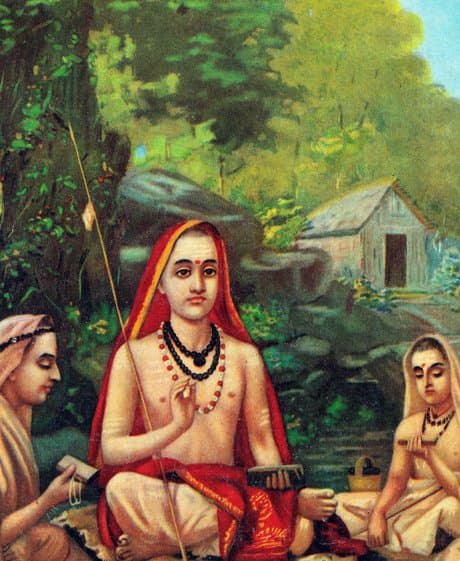
Ādi Śaṅkarācārya · Advaita
Sanskritइति एवं क्षेत्रं महाभूतादि धृत्यन्तं तथा ज्ञानं अमानित्वादि तत्त्वज्ञानार्थदर्शनपर्यन्तं ज्ञेयं च ``ज्ञेयं यत् तत्'' (भ. गी. १३-१२) इत्यादि ``तमसः परमुच्यते'' (भ. गी. १३-१७) इत्येवमन्तं उक्तं समासतः सङ्क्षेपतः । एतावान् सर्वः हि वेदार्थः गीतार्थश्च उपसंहृत्य उक्तः । अस्मिन् सम्यग्दर्शने कः अधिक्रियते इति उच्यते -- मद्भक्तः मयि ईश्वरे सर्वज्ञे परमगुरौ वासुदेवे समर्पितसर्वात्मभावः, यत् पश्यति शृणोति स्पृशति वा ``सर्वमेव भगवान् वासुदेवः'' इत्येवङ्ग्रहाविष्टबुद्धिः मद्भक्तः स एतत् यथोक्तं सम्यग्दर्शनं विज्ञाय, मद्भावाय मम भावः मद्भावः परमात्मभावः तस्मै मद्भावाय उपपद्यते मोक्षं गच्छति ॥ तत्र सप्तमे ईश्वरस्य द्वे प्रकृती उपन्यस्ते, परापरे क्षेत्रक्षेत्रज्ञलक्षणे; ``एतद्योनीनि भूतानि'' (भ. गी. ७-६) इति च उक्तम् । क्षेत्रक्षेत्रज्ञप्रकृतिद्वययोनित्वं कथं भूतानामिति अयमर्थः अधुना उच्यते --
Ādi Śaṅkarācārya · Advaita
Hindiउपर्युक्त समस्त अर्थका उपसंहार करनेके लिये यह श्लोक आरम्भ किया जाता है—
इस प्रकार यह महाभूतोंसे लेकर धृतिपर्यन्त क्षेत्रका स्वरूप, 'अमानित्व' आदिसे लेकर 'तत्त्वज्ञानार्थदर्शन' पर्यन्त ज्ञानका स्वरूप और 'ज्ञेयं यत्तत्' यहाँसे लेकर 'तमसः परमुच्यते' यहाँतक ज्ञेयका स्वरूप, संक्षेपसे कह दिया गया।
यह सब वेदोंका और गीताका अर्थ इकट्ठा करके कहा गया है। इस यथार्थ ज्ञानका अधिकारी कौन है, सो कहा जाता है—
मेरा भक्त अर्थात् मुझ सर्वज्ञ, परमगुरु, वासुदेव परमेश्वरमें अपने सारे भावोंको जिसने अर्पण कर दिया है। जिस किसी भी वस्तुको देखता, सुनता और स्पर्श करता है, उस सबमें 'सब कुछ भगवान् वासुदेव ही है' ऐसी निश्चित बुद्धिवाला जो मेरा भक्त है।
वह उपर्युक्त यथार्थ ज्ञानको समझकर मेरे भावको अर्थात् मेरा जो परमात्मभाव है, उसको प्राप्त करनेमें समर्थ होता है, अर्थात् मोक्ष-लाभ कर लेता है
Jñāneśvar · Vārkarī
Marathiएवं तुजपुढां । आदीं क्षेत्र सुहाडा । दाविलें फाडोवाडां । विवंचुनी ॥ ९४० ॥ तैसेंचि क्षेत्रापाठीं । जैसेनि देखसी दिठी । तें ज्ञानही किरीटी । सांगितलें ॥ ९४१ ॥ अज्ञानाही कौतुकें । रूप केलें निकें । जंव आयणी तुझी टेंके । पुरे म्हणे ॥ ९४२ ॥ आणि आतां हें रोकडें । उपपत्तीचेनि पवाडें । निरूपिलें उघडें । ज्ञेय पैं गा ॥ ९४३ ॥ हे आघवीच विवंचना । बुद्धी भरोनि अर्जुना । मत्सिद्धिभावना । माझिया येती ॥ ९४४ ॥ देहादि परिग्रहीं । संन्यासु करूनियां जिहीं । जीवु माझ्या ठाईं । वृत्तिकु केला ॥ ९४५ ॥ ते मातें किरीटी । हेंचि जाणौनियां शेवटीं । आपणपयां साटोवाटीं । मीचि होती ॥ ९४६ ॥ मीचि होती परी । हे मुख्य गा अवधारीं । सोहोपी सर्वांपरी । रचिलीं आम्हीं ॥ ९४७ ॥ कडां पायरी कीजे । निराळीं माचु बांधिजे । अथावीं सुइजे । तरी जैसी ॥ ९४८ ॥ एऱ्हवीं अवघेंचि आत्मा । हें सांगों जरी वीरोत्तमा । परी तुझिया मनोधर्मा । मिळेल ना ॥ ९४९ ॥ म्हणौनि एकचि संचलें । चतुर्धा आम्हीं केलें । जें अदळपण देखिलें । तुझिये प्रज्ञे ॥ ९५० ॥ पैं बाळ जैं जेवविजे । तैं घांसु विसा ठायीं कीजे । तैसें एकचि हेंचतुर्व्याजें । कथिलें आम्हीं ॥ ९५१ ॥ एक क्षेत्र एक ज्ञान । एक ज्ञेय एक अज्ञान । हे भाग केले अवधान । जाणौनि तुझें ॥ ९५२ ॥ आणि ऐसेनही पार्था । जरी हा अभिप्रावो तुज हाता । नये तरी हे व्यवस्था । एक वेळ सांगों ॥ ९५३ ॥ आतां चौठायीं न करूं । एकही म्हणौनि न सरूं । आत्मानात्मया धरूं । सरिसा पाडु ॥ ९५४ ॥ परि तुवां येतुलें करावें । मागों तें आम्हां देआवें । जे कानचि नांव ठेवावें । आपण पैं गा ॥ ९५५ ॥ या श्रीकृष्णाचिया बोला । पार्थु रोमांचितु जाहला । तेथ देवो म्हणती भला । उचंबळेना ॥ ९५६ ॥ ऐसेनि तो येतां वेगु । धरूनि म्हणे श्रीरंगु ।
Jñāneśvar · Vārkarī
Hindi(13.940) इस प्रकार हे सुहृद! हमने प्रथम तुम्हें क्षेत्र का स्पष्ट विवेचन कर बताया,
(13.941) और क्षेत्र के उपरान्त तुम्हारे स्पष्ट समझने-योग्य ज्ञान का वर्णन किया,
(13.942) और जब तक तुम्हारी इच्छा थक कर बस कहते की है। तब तक अज्ञान का भी खूब कुतूहल से निरूपण किया,
(13.943) और अब युक्ति के साथ ज्ञेय का भी स्पष्ट और विस्तृत निरूपण हो चुका।
(13.944) हे अर्जुन! यह सब विवेचन बुद्धि में रख कर जो मेरी भावना से मद्रूपता प्राप्त करते हैं,
(13.945) देह इत्यादि परिवार का त्याग कर जिन्होंने मुझे अपने अन्तःकरण की वृत्ति बना लिया है,
(13.946) वे पुरुष हे किरीटी! मुझे इस प्रकार जान कर अन्त में निज को मुझे समर्पित कर मद्रूप हो जाते हैं।
(13.947) यह हमने मद्रूप होने की मुख्य और सब प्रकार से सुलभ रीति रची है, (13.948) जैसे कि पर्वत के कगार पर चढ़ने के लिए सीढ़ियाँ बनाते हैं, आकाश में ऊपर चढ़ने के लिए मचान बाँधते हैं, अथवा अथाह पानी तय करने के लिए नाव में बैठते हैं;
(13.949) अन्यथा हे वीरोत्तम! यों कह देने से कि 'सब कुछ परमात्मा ही है' तुम्हारे मनोधर्म की समझ न पटेगी,
(13.950) इसलिए तुम्हारी बुद्धि की अशक्तता देख कर हमने एक ही व्यापक वस्तु के चार विभाग किये।
(13.951) बालक का जब भोजन कराते हैं तब एक कौर के बीस कौर करते हैं, वैसे ही हमने एक ही वस्तु का चार प्रकार से वर्णन किया है;
(13.952) अर्थात् तुम्हारा अवधान देख कर एक क्षेत्र, दूसरा ज्ञान, तीसरा ज्ञेय, और चौथा अज्ञान, ऐसे चार भाग किये हैं।
(13.943) हे पार्थ! इस रीति से भी यदि यह अभिप्राय तुम्हारे हाथ न आवे, तो इस व्यवस्था का हम और एक बार वर्णन करते हैं।
(13.954) अब चार विभाग न करेंगे। पर यों कह कर भी अलग नहीं हो जायेंगे कि सब कुछ एक है। अब आत्मा और अनात्मा (प्रकृति और पुरुष) की तुलना करते हैं, (13.955) परन्तु तुम्हें एक बात करनी चाहिए, हम माँगते हैं सो देना चाहिए; अर्थात् पूर्ण ध्यान से सुनना चाहिए।
(13.956) श्रीकृष्ण के इन वचनों से पार्थ रोमांचित हो गया। तब देव ने कहा — भला, उमंग मत आने दो।
(13.957) इस प्रकार आये हुए वेग को रोक कर श्रीकृष्ण ने कहा कि अब हम — प्रकृति और पुरुष — यह विभाग कर वर्णन करते हैं, सुनो।
(13.958) जिस मार्ग को संसार में योगी सांख्य कहते हैं, जिसका वर्णन करने के लिए मैं कपिल हुआ था,
(13.959) वह निर्मल प्रकृति-पुरुष-विवेक सुनो। इस प्रकार श्रीकृष्ण ने अर्जुन से कहा कि

Sri Udiya Baba · Modern
Hindiभावार्थ— इस प्रकार मैंने क्षेत्र तथा ज्ञान और ज्ञेय का संक्षेप से वर्णन किया। मेरा भक्त इन्हें जान लेने पर मेरे भाव (निर्विशेष-स्वरूप) को प्राप्त हो जाता है।
व्याख्या— भगवान् का सविशेषस्वरूप तो सम्मुख उपस्थित ही है, अतः यहाँ निर्विशेष-स्वरूप की प्राप्ति ही कही गयी है। तात्पर्य यह कि जैसे जल, जल में मिल जाता है उसी प्रकार वह स्वरूपतः मुझ से अभिन्न हो जाता है।
यहाँ भगवान् ने जो संक्षेप से निरूपण करने की बात कही है वह समय के संकोच के कारण है, क्योंकि युद्धस्थल में किसी भी विषय का विस्तार से वर्णन नहीं किया जा सकता।
Swami Ramsukhdas · Modern
Hindi'इति क्षेत्रं तथा ज्ञानं ज्ञेयं चोक्तं समासतः'—इसी अध्यायके पाँचवें और छठे श्लोकमें जिसका वर्णन किया गया है, वह 'क्षेत्र' है; सातवेंसे ग्यारहवें श्लोकतक जिस साधन-समुदायका वर्णन किया गया है, वह 'ज्ञान' है और बारहवेंसे सत्रहवें श्लोकतक जिसका वर्णन किया गया है, वह 'ज्ञेय' है। इस तरह मैंने क्षेत्र, ज्ञान और ज्ञेयका संक्षेपसे वर्णन किया है।
'मद्भक्त एतद्विज्ञाय मद्भावायोपपद्यते'—मेरा भक्त
क्षेत्रको, साधन-समुदायरूप ज्ञानको और ज्ञेय तत्त्व-(परमात्मा-) को तत्त्वसे जानकर मेरे भावको प्राप्त हो जाता है।
क्षेत्रको ठीक तरहसे जान लेनेपर क्षेत्रसे सम्बन्ध-विच्छेद हो जाता है। ज्ञानको अर्थात् साधन-समुदायको ठीक तरहसे जाननेसे, अपनानेसे देहाभिमान (व्यक्तित्व) मिट जाता है। ज्ञेय तत्त्वको ठीक तरहसे जान लेनेपर उसकी प्राप्ति हो जाती है अर्थात् परमात्मतत्त्वके साथ अभिन्नताका अनुभव हो जाता है।
**परिशिष्ट भाव**—यहाँ 'मद्भक्त एतद्विज्ञाय' पदोंका तात्पर्य है कि समग्र परमात्माका ज्ञान भक्तिसे ही हो सकता है*। अतः साधकको भक्त होना चाहिये।
इस श्लोकमें आये 'मद्भावायोपपद्यते' पदको गीतामें कई प्रकारसे कहा गया है; जैसे— 'मद्भावमागताः' (४।१०), 'मम साधर्म्यमागताः' (१४।२), 'मद्भावं सोऽधिगच्छति' (१४।१९)। 'मद्भाव' का अर्थ है—मुझ
* प्रेम भगति जल बिनु रघुराई। अभिअंतर मल कबहुँ न जाई ॥ (मानस, उत्तर० ४९।३)
परमात्माकी सत्ता। यह सिद्धान्त है कि सत्ता एक ही होती है, दो नहीं होती। भगवान्ने गीतामें ज्ञान और भक्ति—दोनोंमें ही अपने भावकी प्राप्ति बतायी है। 'ज्ञान' में इसका तात्पर्य है—ब्रह्मसे साधर्म्य होना अर्थात् जैसे ब्रह्म सत्-चित्-आनन्दरूप है, ऐसे ही ज्ञानी महापुरुषका भी सत्-चित्-आनन्दरूप होना। 'भक्ति' में इसका तात्पर्य है—भक्तकी भगवान्के साथ आत्मीयता अर्थात् अभिन्नता होना।
सम्बन्ध—इसी अध्यायके पहले और दूसरे श्लोकमें जिस क्षेत्र और क्षेत्रज्ञका संक्षेपसे वर्णन किया था, उसीका विस्तारसे वर्णन करनेके लिये आगेका प्रकरण आरम्भ करते हैं।
Previously a concise description of what is to be known as constituting the Kṣetra or field of activity has been given by Lord Krishna
beginning in verse six with mahā-bhūtāni meaning the five fundamental elements of material nature
and in verses 8 through 12 beginning with amānitvam or reverence the 20 excellent are enumerated as the means for acquiring the knowledge of ātma-tattva or soul realisation up to perception of the eternal spiritual reality, knowing the Supreme Lord reside within the etheric heart of all living beings.
Here Lord Krishna states mad bhakta meaning His devotees are knowledgeable of the reality regarding the Kṣetra,
knowledgeable of the means by which to realise the ātma or immortal soul which is of the nature of Kṣetrajña or knower of the sphere of activity and distinctly different from the Kṣetra.
Only His devotees are those situated in such knowledge and mad bhāvāyopapadyate meaning qualified to attain exclusive loving devotion to Him which is everlasting and eternal and which is different from samsāra or the perpetual cycle of birth and death.
Next Lord Krishna will explain the beginningless state of the two distinct natural verities of matter and soul conjoined together and the different functions each is engendered to perform as well as how these two verities came to be situated in this condition.