

Bhagavad Gītā · Chapter 13 · Kṣetra Kṣetrajña Vibhāga Yoga
यथा सर्वगतं सौक्ष्म्यादाकाशं नोपलिप्यते
सर्वत्रावस्थितो देहे तथाऽऽत्मा नोपलिप्यते
yathā sarvagataṃ saukṣmyādākāśaṃ nopalipyate|
sarvatrāvasthito dehe tathā''tmā nopalipyate||
Word meanings
यथा = just as
सर्वगतम् = all-pervading
आकाशम् = space
सौक्ष्म्यात् = due to its subtlety
न, उपलिप्यते = is not tainted
तथा = so too
सर्वत्र = everywhere
अवस्थितः = situated
आत्मा = the self
देहे = in the body
न, उपलिप्यते = is not tainted
Translation
As the all-pervading ether is not tainted by reason of its subtlety, so seated everywhere in the body, the Self is not affected by the attributes of the body due to its attributeless character.
Commentary
The commentators seated around this verse
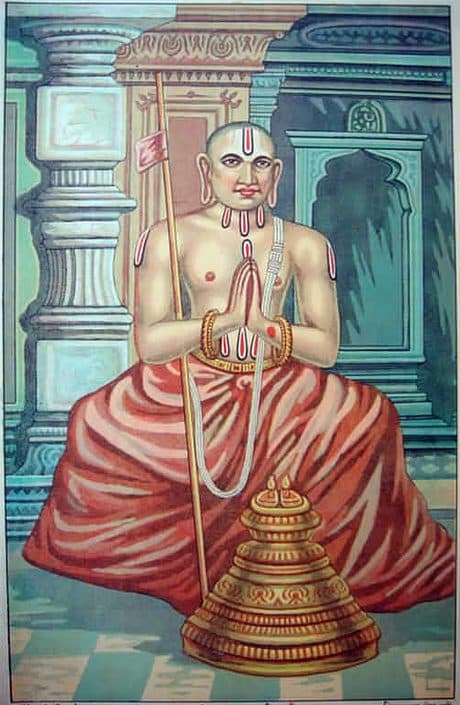
Rāmānuja · Viśiṣṭādvaita
English
Jñāneśvar · Vārkarī
English32 "Just as the all-permeating Ether, by reason of its subtility, is not (liable to be) affected, so, although abiding everywhere within the body, the Self is not (liable to be) affected. (1120)
It never happens that the sky does not exist in any place; yet it never gets defiled by the dirt (evils) of any place. In that way, although abiding in all bodies everywhere, the soul never gets besmeared in any way with the sin of the association. This is being clarified to you again and again, so that you should know that the Kshetrajna is kshetra-less.
Swami Ramsukhdas · Modern
English[In the previous verse, the Lord explained by the expression 'Na karoti' (neither acts), that the self is a non-doer, while by the expression 'Na lipyate' (nor is tainted), He explained that the self, is not an experiencer. But here in this verse, first He explains, how the self, is a non-experiencer, while in the next verse, He will explain how the self, is a non-doer. Why has He changed the order? The answer is, that a man performs actions in order to, receive its fruit. So, first he thinks of the reward,
and then performs actions. Thus, the Lord asks a striver, not to be an enjoyer. By renouncing the fruit of action, doership, is automatically renounced.]
**'Yathā sarvagataṁ saṅkṣmyādākāśaṁ nopalipyate'**—Ether equally, pervading the air, fire, water and earth is not tainted by their qualities and modifications, because of its subtle character.
**'Sarvatrāvasthito dehe tathātmā nopalipyate'**—As ether, equally pervading the gross elements, such as air etc., is not tainted, so the Self pervading, all bodies is not tainted, because it is eternal, omnipresent, immovable, constant, everlasting, unmanifest, unthinkable and immutable (Gītā 2/24-25) and the entire universe, is pervaded, by the imperishable Self (Gītā 2/17).
**Appendix**—Consciousness is one but because of ego, it appears diverse. The soul is called a fragment because it has identified itself with ego, a fragment of 'aparā prakṛti' (lower nature)—'mamavāmso jīvaloke jīvabhūtaḥ sanātanaḥ' (Gītā 15/7). If it does not identify itself with ego, there is only one consciousness. Besides that entity all is illusion. That divine entity is the base, support, illuminator and refuge of all illusions. That divine entity is not unipresent but that pervades everywhere. The entire creation (actions and objects) are within that entity. The creation is born and perishes but that entity remains the same. It means that the divine entity neither dwells in the body nor in prakṛti only but like the ether pervades everywhere within and without the entire creation including all the bodies. That all pervading entity is the self and that is Godhood. It means that the omnipresent entity is only one. That is Yoga of the Yogīs, that is wisdom of the wise and that is God of devotees. A striver should always aim at attaining that entity.
That entity seems to be unipresent because of ego. That ego is based on the desire for pleasure. While practising the spiritual discipline also, a striver starts enjoying pleasures—'sukhasaṅgena
badhnāti' (Gītā 14/6). This desire for pleasure lingers till a striver transcends the three guṇas (modes). Therefore a striver should be very cautious in order to ward off the desire for pleasure.
Link:—In the preceding verse, the Lord explained that the Self is not tainted i.e., the Self is not an enjoyer. In the next verse, He will explain, how the Self is not a doer.

Ādi Śaṅkarācārya · Advaita
Sanskritयथा सर्वगतं व्यापि अपि सत् सौक्ष्म्यात् सूक्ष्मभावात् आकाशं खं न उपलिप्यते न सम्बध्यते, सर्वत्र अवस्थितः देहे तथा आत्मा न उपलिप्यते ॥ किञ्च --
Ādi Śaṅkarācārya · Advaita
Hindiपरमात्मा किसीकी भाँति न करता है और न लिप्त होता है? इसपर यहाँ दृष्टान्त कहते हैं—
जैसे आकाश, सर्वत्र व्याप्त हुआ भी सूक्ष्म होनेके कारण लिप नहीं होता—सम्बन्धयुक्त नहीं होता, वैसे ही आत्मा भी शरीरमें सर्वत्र स्थित रहता हुआ भी (उसके गुण-दोषोंसे) लिप नहीं होता
Jñāneśvar · Vārkarī
Marathiअगा आकाश कें नाहीं ? । हें न रिघेचि कवणे ठायीं ? । परी कायिसेनि कहीं । गादिजेना ॥ ११२० ॥ तैसा सर्वत्र सर्व देहीं । आत्मा असतुचि असे पाहीं । संगदोषें एकेंही । लिप्त नोहे ॥ ११२१ ॥ पुढतपुढती एथें । हेंचि लक्षण निरुतें । जे जाणावें क्षेत्रज्ञातें । क्षेत्रविहीना ॥ ११२२ ॥ संसर्गें चेष्टिजे लोहें । परी लोह भ्रामकु नोहे । क्षेत्रक्षेत्रज्ञां आहे । तेतुला पाडु ॥ ११२३ ॥ दीपकाची अर्ची । राहाटी वाहे घरींची । परी वेगळीक कोडीची । दीपा आणि घरा ॥ ११२४ ॥ पैं काष्ठाच्या पोटीं । वन्हि असे किरीटी । परी काष्ठ नोहे या दृष्टी । पाहिजे हा ॥ ११२५ ॥ अपाडु नभा आभाळा । रवि आणि मृगजळा । तैसाचि हाही डोळां । देखसी जरी ॥ ११२६ ॥
Jñāneśvar · Vārkarī
Hindi(13.1121) अजी, आकाश कहाँ नहीं है? वह कहाँ नहीं प्रवेश करता? परन्तु जैसे उसे कभी किसी पदार्थ से पीड़ा नहीं होती,
(13.1122) वैसे आत्मा भी सर्वत्र सब देहों में बना ही रहता है, परन्तु किसी के संगदोष से कभी लिप्त नहीं होता। (13.1023) इस विषय में यही लक्षण यथार्थ है कि क्षेत्रज्ञ का क्षेत्रविहीन समझना चाहिए।
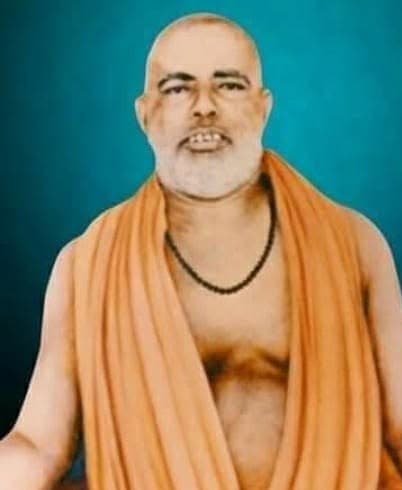
Sri Udiya Baba · Modern
Hindiभावार्थ— जिस प्रकार सम्पूर्ण भूतों में स्थिति होने पर भी आकाश सूक्ष्म होने के कारण उनसे लिप्त नहीं होता, उसी प्रकार देह में सर्वत्र स्थित होने पर भी आत्मा [उसके दोषों से] लिप्त नहीं होता।
व्याख्या— जैसे धूलि से आकाश मलिन नहीं होता उसी प्रकार शरीर की मलिनता से आत्मा मलिन नहीं होता। इसकी पुष्टि अगले श्लोक में करते हैं।
Swami Ramsukhdas · Modern
Hindi[पूर्वश्लोकमें भगवान्ने 'न करोति' पदोंसे पहले कर्तृत्वका और फिर 'न लिप्यते' पदोंसे भोक्तृत्वका अभाव बताया है। परन्तु उन दोनोंका विवेचन करते हुए इस श्लोकमें पहले भोक्तृत्वके अभावकी बात बतायी है और आगेके श्लोकमें कर्तृत्वके अभावकी बात बतायेंगे। अतः यहाँ ऐसा व्यक्तिक्रम रखनेमें भगवान्का क्या भाव है? इसका उत्तर यह है कि यद्यपि कर्तृत्वके बाद ही भोक्तृत्व होता है अर्थात् कर्म करनेके बाद ही उस कर्मके फलका भोग होता है, तथापि मनुष्य जो कुछ भी करता है, पहले किसी फल-(सिद्धि-) का उद्देश्य मनमें रखकर ही करता है। अतः मनमें पहले भोक्तृत्व आता है, फिर उसके अनुसार काम करता है अर्थात् फिर कर्तृत्व आता है। इस दृष्टिसे भगवान् यहाँ सबसे पहले भोक्तृत्वका निषेध करते हैं। भोक्तृत्व-(लिप्तता-) का त्याग होनेपर कर्तृत्वका त्याग स्वतः हो जाता है अर्थात् फलेच्छाका त्याग होनेपर क्रिया करनेपर भी कर्तृत्व नहीं होता।]
**'यथा सर्वगतं सौक्ष्म्यादाकाशं नोपलिप्यते'**—आकाशका कार्य वायु, तेज, जल और पृथ्वी है। अतः
**परिशिष्ट भाव**—चिन्मय सत्ता एक ही है, पर अहंताके कारण वह अलग-अलग दीखती है। अपरा प्रकृतिके अंश 'अहम्' को पकड़नेके कारण ही यह जीव 'अंश' कहलाता है—'**ममैवांशो जीवलोके जीवभूतः सनातनः**' (गीता १५। ७)। अगर यह अहमूको न पकड़े तो एक सत्ता-ही-सत्ता है। सत्ता (होनेपन)-के सिवाय सब कल्पना है। वह चिन्मय सत्ता सब कल्पनाओंका आधार, अधिष्ठान, प्रकाशक और आश्रय है। उस सत्तामें एकदेशीयपना नहीं है। वह चिन्मय सत्ता सर्वव्यापक है। सम्पूर्ण सृष्टि (क्रियाएँ और पदार्थ) उस सत्ताके अन्तर्गत हैं। सृष्टि तो उत्पन्न और नष्ट होती रहती है, पर सत्ता ज्यों-की-त्यों रहती है। तात्पर्य है कि चिन्मय सत्ता न शरीरस्थ है और न प्रकृतिस्थ है, प्रत्युत आकाशकी तरह सर्वत्र स्थित है अर्थात् वह सम्पूर्ण शरीरोंके, सृष्टिमात्रके बाहर-भीतर सर्वत्र परिपूर्ण है। वह सर्वव्यापी सत्ता ही हमारा स्वरूप है और वही परमात्मतत्त्व है। तात्पर्य है कि सर्वदेशीय सत्ता एक ही है। वही योगियोंका योग है, वही ज्ञानियोंका ज्ञान है और वही भक्तोंका भगवान् है। साधकका लक्ष्य निरन्तर उस सत्ताकी तरफ ही रहना चाहिये।
सत्तामें एकदेशीयता अहमूके कारण दीखती है। वह अहम् सुखलोलुपतापर टिका हुआ है। साधन करते हुए भी साधक जहाँ है, वहाँ सुख भोगने लग जाता है—'**सुखसंगेन बध्नाति**' (गीता १४। ६)। यह सुखलोलुपता गुणातीत होनेतक रहती है। अतः इसमें साधकको बहुत विशेष सावधान रहना चाहिये और सावधानीपूर्वक सुखलोलुपतासे बचना चाहिये।
**सम्बन्ध**—पूर्वश्लोकमें भगवान्ने आत्मामें भोक्तृत्वका अभाव बताया, अब आगेके श्लोकमें आत्मामें कर्तृत्वका अभाव बताते हैं।
Lord Krishna uses the word ākāśaṃ which means ether and denotes space.
As space prevails everywhere and encompasses all objects, yet by its extremely subtle nature, the properties of any object are not able to influence, taint or modify it.
In the same way the ātma or individual immortal soul being subatomic resides within the bodies of all Jīvas or embodied beings
but the physical properties, attributes and qualities that pertain to such bodies - be they devas, human, animal, etc. - are unable to influence, taint or modify it.