

Bhagavad Gītā · Chapter 13 · Kṣetra Kṣetrajña Vibhāga Yoga
ऋषिभिर्बहुधा गीतं छन्दोभिर्विविधैः पृथक्
ब्रह्मसूत्रपदैश्चैव हेतुमद्भिर्विनिश्चितैः
ṛṣibhirbahudhā gītaṃ chandobhirvividhaiḥ pṛthak|brahmasūtrapadaiścaiva hetumadbhirviniścitaiḥ||
Word meanings
ऋषिभिः = by the sages
बहुधा = in many ways
गीतम् = has been sung
छन्दोभिः = in Vedic hymns
विविधैः = various
पृथक् = separately
च = and
हेतुमद्भिः = reasoned
विनिश्चितैः = conclusive
ब्रह्मसूत्रपदैः = in the aphorisms of the Brahma-sūtra
एव = indeed
Translation
The truth about the Ksetra and the Ksetrajña has been expounded by the seers in manifold ways; again, it has been separately stated in different Vedic chants and also in the conclusive and reasoned texts of the Brahmasutras.
Commentary
The commentators seated around this verse
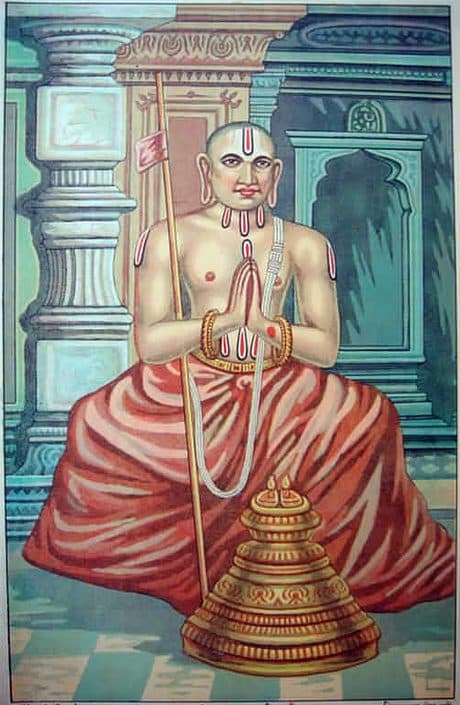
Rāmānuja · Viśiṣṭādvaita
English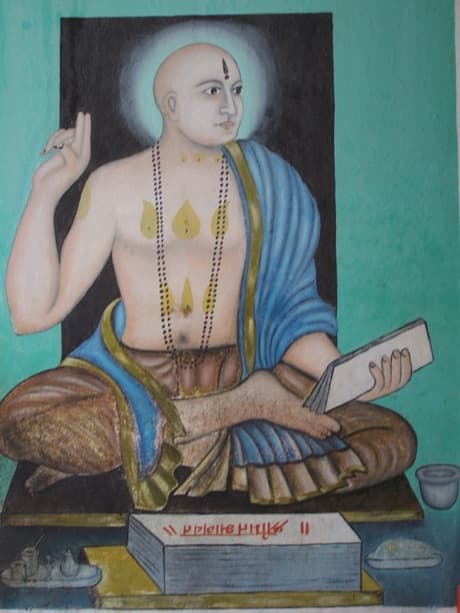
Madhvācārya · Dvaita
Madhva BhāṣyaSanskritEnglishOn verses 13.4–13.6
“ब्रह्मसूत्राणि शारीरिकम् |” - ब्रह्मसूत्राणि means शारीरिक मिमांसा. “इच्छादयो विकाराः” - Desire and such other modifications.
Madhvācārya · Dvaita
Gītā Tātparya NirṇayaSanskritEnglishOn verses 13.4–13.6
“चेतना चित्तव्याप्तिः | सङ्घातो देह उद्दिष्टश्चित्तव्याप्तिरतु चेतना इति च |” - चेतना means (awareness) the entirety of the mental faculties, not Consciousness. सङ्घात means the aggregate of body or organism and चेतना means the aggregate of the mental faculties.

Jñāneśvar · Vārkarī
English4 "By the Sages it is severally recited in manifold ways and in different metrical compositions, as also in the Brahmāsūtra-containing (cogent) reasonings and definite (in import). (27)
One (advocate of action) says that this field entirely belongs to the individual soul (जीव) and further that the main life-wind (प्राण) is its agent. In his house, labour his four brothers (the remaining four life-winds) while the farmer in the form of mind, manages the whole affair. He makes the pairs of bullocks in the form of the two sets of organs—five sense-organs and five organs of actions—work day and night and gets thoroughly ploughed the field of the objects (विषय). He fails to take advantage of the seasonal atmosphere of industry (i.e. fails to perform actions according to scriptural injunction) and sows seeds of injustice, and treats them with fertilizing manures (राब) in the form of evil actions. The crop of great sins flourishes abundantly from them, with the result that the individual soul has to suffer pain throughout crores of births. If, in the right atmosphere of seasonal industry, the seeds of good actions are sown, the soul would enjoy pleasures throughout crores of births. In regard to this, others (संख्यs—followers of the path of metaphysical knowledge) assert that this field (क्षेत्र) is not under the supremacy of soul (जीव), and that they themselves should be referred to for obtaining all information about this field. (They further say) "Know ye, this soul is simply apathetic, and only stays in the field like a way-farer (उखिता—थोड़े दिवस राहणारा), the life-wind (प्राण) remains all alert (जागे) having a vested interest in it (field), Prakriti (matter) whose fame is sung by the Sāṃkhya-preachers, is definitely the owner (with hereditary rights) of the field, and she, being always possessed of the necessary implements, herself cultivates the field at home. The three original tenants (of the field) viz. Satva, Rajas and Tamas (सत्त्व, रजस, तमस, of spiritual, material, and vicious or wayward tendencies respectively), from the time the universe was created, were born only of her (Prakriti). Whatever is sown by Rajas is protected by the Satva, while the Tamas alone collects the entire yield. Preparing the threshing ground of Mahat (महत् modified form of Primeval Matter), he gets the threshing done by the lusty bullock in the form of Time (काल), when there is formed a big heap of the unmanifest'. The talented ones resentfully opposed this, and retorted that this was all a modern idea. They argued how long could this Prakriti (matter) take a stand before the Supreme and asked that they should be heard about the entire position of this field. (They say) 'the powerful fancy was sleeping happily on the plank in the form of the Great void (सुलीनता) in the sleeping saloon in the form of illusion (माया). It suddenly awoke and being ever active in the performance of its duty, it secures the treasure (ठेवा of the world), in conformity with its desire. There was the habitation of qualityless aspect, as extensive as the universe, which having consorted with it (fancy) assumed name and form. Then the five great elements getting together coil round this unfertile land, with the result that four kinds of living beings [those born of embryo-sheath, those born of sweat, those born of eggs, and those born of soil, \*('जरायुज'-'स्वेदज'-'अंडज'-'उद्धिज') are created therefrom. Then in these living beings, speech and other objects of (action) organs arise. On both the sides of mankind, fortifications in the form of good and evil are erected, leaving a barren land (lower animals). Then fancy (illusion) constructs a path in the form of births and deaths for going to and fro constantly. Then the fancy forms close friendship with egoism, and through the agency of intellect occupies the entire universe. Thus shoots forth, from the sentient void a separate branch in the form of fancy, and therefore fancy is at the root of worldly existence'. Hearing this talk of the advocates of Māyā (illusion), the Sāmkhyas (advocates of Sāmkhya doctrine) get wrathful and retort, 'well, sir, you do not exhibit any discrimination at all! If your fancy can find an abode in the locality of the Supreme, why can the Prakriti (nature) of the Sāmkhyas not do the same? But this is not correct, you should keep away from such abstruse problem. We alone can give the right explanation and do hear it. Now say, who makes of the clouds in the sky full of water, and who supports the stars hanging in the sky? Who is he that stretches out the canopy of the sky? Who is he that has ordained that the wind should always blow? Who creates the tremor and horripilation? Who fills up the ocean with water? Who creates rain-showers? Like all these events the condition of the field is (only) natural. No one has got a proprietary right over it. Those who exert get the fruit, the idlers getting nothing'. On this, the advocates of the Kāla (destroyer) theory wrathfully say, 'Is it all you have learnt? If it is true, why has Kāla (the destroyer) kept his mastery over it (field)?' The attack of Kāla is very formidable and knowing this, these men, (opponents of Kāla theory) take pride in (sticking to) their own doctrines. This dreadful death is the very den of lions. Knowing this (they) indulge in their lofty but empty talk which avails them nothing. The Kāla (the destroyer lion) is such that he will in a moment hold in a coil (कब), even bigger than that of the great destructor as at the end of the world, (महा कल्पापरीती) the elephant in the form of the region of the God Brahmā. On reaching the heavenly woods, he destroys incessantly the eight guardians of the eight cardinal points (as they finish their term) (अष्टलोकपाळ), and also the (eight) elephants. Similarly he (it is) by whose breath, the deer in the form of living beings get nervous, whirl round and round and fall into the pit (cavity) of births and deaths. Just see how wide Kāla has spread out his palm and has held in it (the world form) as big as the elephant. And therefore the destroyer's supremacy is the whole and sole truth.' Thus there are different opinions about the field, Oh Son of Pandu. The old historical records (पुराणे) also prove that there were many controversial discussions over this amongst the sages in the 'Naimisha' Forest. Even the eight Chhandas in the Vedas have propounded over this in many ways and yet they (the different schools of opinion) continue to hold discussion over it on account of conceit. Even the 'Brihatsāmasūtra' in the Veda, which is so holy from the point of view of knowledge has not been able to know about this field. Many other talented great poets have laboured over the discussions of this field. But this being a very deep subject, none could know for certain anything about it. Now I tell you in detail about this field such as it is.
Swami Ramsukhdas · Modern
English'Ṛṣibhirbahudhā gītam'—The ancient seers, to whom the Vedic chants have been revealed, and who are authors of scriptures, jurisprudence and other religious texts, have expounded in detail, the true meaning of 'Kṣetra' and 'Kṣetrajña', by the terms, the insentient and the sentient, the unreal and the real, the body and the soul, and the perishable and imperishable, etc.
'Chandobhirvividhaiḥ pṛthak'—The term 'Chandobhiḥ' (Vedic chants), with the adjective 'Vividhaḥ' (Various), refers to the four Vedas—Rk, Yajuh, Sāma and Atharva, including their Saṃhitā (Hymnical texts), as well as Brāhmaṇa (the theological portion of
the Vedas) and Upaniṣads (the portions of the different branches of the Vedas which contain discourses on Divine knowledge), these have described the Kṣetra, and the Kṣetrajña, separately.
'Brahmasūtrapadaiścaiva hetumadbhirviniścitaiḥ'—There is also a reasoned exposition, of the truth about Kṣetra and Kṣetrajña, in the Brahmasūtras.
The Lord, means to say, that He is describing the Kṣetra and Kṣetrajña, in brief. But if anyone wants to go into details, he should consult the above-mentioned sacred scriptures.
Link:—In the third verse, Lord Kṛṣṇa ordered Arjuna to listen to the six points on Kṣetra and Kṣetrajña. Out of those six points, He describes the two points on Kṣetra 'What that Kṣetra is' and 'what its modifications are', in the next two verses.
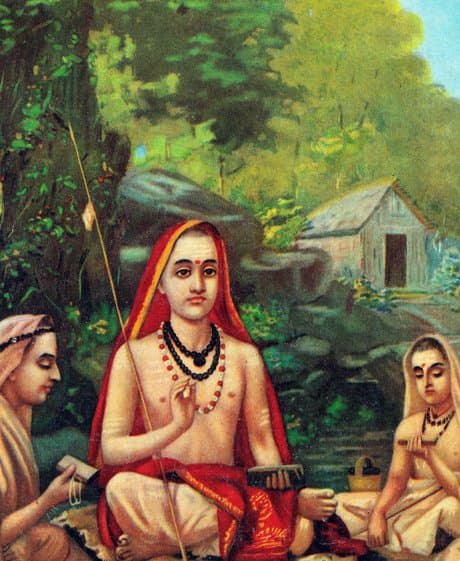
Ādi Śaṅkarācārya · Advaita
Sanskritऋषिभिः वसिष्ठादिभिः बहुधा बहुप्रकारं गीतं कथितम् । छन्दोभिः छन्दांसि ऋगादीनि तैः छन्दोभिः विविधैः नानाभावैः नानाप्रकारैः पृथक् विवेकतः गीतम् । किञ्च, ब्रह्मसूत्रपदैश्च एव ब्रह्मणः सूचकानि वाक्यानि ब्रह्मसूत्राणि तैः पद्यते गम्यते ज्ञायते इति तानि पदानि उच्यन्ते तैरेव च क्षेत्रक्षेत्रज्ञयाथात्म्यं ``गीतम्'' इति अनुवर्तते ।``आत्मेत्येवोपासीत'' (बृ. उ. १-४-७) इत्येवमादिभिः ब्रह्मसूत्रपदैः आत्मा ज्ञायते, हेतुमद्भिः युक्तियुक्तैः विनिश्चितैः निःसंशयरूपैः निश्चितप्रत्ययोत्पादकैः इत्यर्थः ॥ स्तुत्या अभिमुखीभूताय अर्जुनाय आह भगवान् --
Ādi Śaṅkarācārya · Advaita
Hindiश्रोताकी बुद्धिमें रुचि उत्पन्न करनेके लिये, उस कहे जानेवाले क्षेत्र और क्षेत्रज्ञके यथार्थ स्वरूपकी स्तुति करते हैं—
(यह क्षेत्र और क्षेत्रज्ञका तत्त्व) वसिष्ठादि ऋषियोंद्वारा बहुत प्रकारसे कहा गया है और ऋग्वेदादि नाना प्रकारके श्रुतिवाक्योंद्वारा भी पृथक्-पृथक्-विवेचनपूर्वक कहा गया है।
तथा संशयरहित निश्चित ज्ञान उत्पन्न करनेवाले; विनिश्चित और युक्तियुक्त ब्रह्मसूत्रके पदोंसे भी कहा गया है। जो वाक्य ब्रह्मके सूचक हैं उसका नाम 'ब्रह्मसूत्र' है, उनके द्वारा ब्रह्म पाया जाता है—जाना जाता है, इसलिये उनको 'पद' कहते हैं, उनसे भी क्षेत्र और क्षेत्रज्ञका तत्त्व कहा गया है; क्योंकि 'केवल आत्मा ही सब कुछ है' 'ऐसी उपासना करनी चाहिये' इत्यादि ब्रह्मसूचक पदोंसे ही आत्मा जाना जाता है
Jñāneśvar · Vārkarī
Marathiएक म्हणती हें स्थळ । जीवाचेंचि समूळ । मग प्राण हें कूळ । तयाचें एथ ॥ २७ ॥ जे प्राणाचे घरीं । अंगें राबती भाऊ चारी । आणि मना ऐसा आवरी । कुळवाडीकरु ॥ २८ ॥ तयातें इंद्रियबैलांची पेटी । न म्हणे अंवसीं पाहाटीं । विषयक्षेत्रीं आटी । काढी भली ॥ २९ ॥ मग विधीची वाफ चुकवी । आणि अन्यायाचें बीज वाफवी । कुकर्माचा करवी । राबु जरी ॥ ३० ॥ तरी तयाचिसारिखें । असंभड पाप पिके । मग जन्मकोटी दुःखें । भोगी जीवु ॥ ३१ ॥ नातरी विधीचिये वाफे । सत्क्रिया बीज आरोपे । तरी जन्मशताचीं मापें । सुखचि मवीजे ॥ ३२ ॥ तंव आणिक म्हणती हें नव्हे । हें जिवाचेंचि न म्हणावें । आमुतें पुसा आघवें । क्शेत्राचें या ॥ ३३ ॥ अहो जीवु एथ उखिता । वस्तीकरु वाटे जातां । आणि प्राणु हा बलौता । म्हणौनि जागे ॥ ३४ ॥ अनादि जे प्रकृती । सांख्य जियेतें गाती । क्षेत्र हे वृत्ती । तियेची जाणा ॥ ३५ ॥ आणि इयेतेंचि आघवा । आथी घरमेळावा । म्हणौनि ते वाहिवा । घरीं वाहे ॥ ३६ ॥ वाह्याचिये रहाटी । जे कां मुद्दल तिघे इये सृष्टीं । ते इयेच्याचि पोटीं । जहाले गुण ॥ ३७ ॥ रजोगुण पेरी । तेतुलें सत्त्व सोंकरी । मग एकलें तम करी । संवगणी ॥ ३८ ॥ रचूनि महत्तत्त्वाचें खळें । मळी एके काळुगेनि पोळें । तेथ अव्यक्ताची मिळे । सांज भली ॥ ३९ ॥ तंव एकीं मतिवंतीं । या बोलाचिया खंतीं । म्हणितलें या ज्ञप्ती । अर्वाचीना ॥ ४० ॥ हां हो परतत्त्वाआंतु । कें प्रकृतीची मातु । हा क्षेत्र वृत्तांतु । उगेंचि आइका ॥ ४१ ॥ शून्यसेजेशालिये । सुलीनतेचिये तुळिये । निद्रा केली होती बळियें । संकल्पें येणें ॥ ४२ ॥ तो अवसांत चेइला । उद्यमीं सदैव भला । म्हणौनि ठेवा जोडला । इच्छावशें ॥ ४३ ॥ निरालंबींची वाडी । होती त्रिभुवनायेवढी । हे तयाचिये जोडी । रूपा आली ॥ ४४ ॥ मग महाभूतांचें एकवाट । सैरा वेंटाळूनि भाट । भूतग्रामांचे आघाट । चिरिले चारी ॥ ४५ ॥ यावरी आदी । पांचभूतिकांची मांदी । बांधली प्रभेदीं । पंचभूतिकीं ॥ ४६ ॥ कर्माकर्माचे गुंडे । बांध घातले दोहींकडे । नपुंसकें बरडें । रानें केलीं ॥ ४७ ॥ तेथ येरझारेलागीं । जन्ममृत्यूची सुरंगी । सुहाविली निलागी । संकल्पें येणें ॥ ४८ ॥ मग अहंकारासि एकलाधी । करूनि जीवितावधी । वहाविलें बुद्धि । चराचर ॥ ४९ ॥ यापरी निराळीं । वाढे संकल्पाची डाहाळी । म्हणौनि तो मुळीं । प्रपंचा यया ॥ ५० ॥ यापरी मत्तमुगुतकीं । तेथ पडिघायिलें आणिकीं । म्हणती हां हो विवेकीं । कैसें तुम्ही ॥ ५१ ॥ परतत्त्वाचिया गांवीं । संकल्पसेज देखावी । तरी कां पां न मनावी । प्रकृति तयाची ? ॥ ५२ ॥ परि असो हें नव्हे । तुम्ही या न लगावें । आतांचि हें आघवें । सांगिजैल ॥ ५३ ॥ तरी आकाशीं कवणें । केलीं मेघाचीं भरणें । अंतरिक्ष तारांगणें । धरी कवण ? ॥ ५४ ॥ गगनाचा तडावा । कोणें वेढिला केधवां । पवनु हिंडतु असावा । हें कवणाचें मत ? ॥ ५५ ॥ रोमां कवण पेरी । सिंधू कवण भरी । पर्जन्याचिया करी । धारा कवण ? ॥ ५६ ॥ तैसें क्षेत्र हें स्वभावें । हे वृत्ती कवणाची नव्हे । हें वाहे तया फावे । येरां तुटे ॥ ५७ ॥ तंव आणिकें एकें । क्षोभें म्हणितलें निकें । तरी भोगिजे एकें । काळें केवीं हें ? ॥ ५८ ॥ तरी ययाचा मारु । देखताति अनिवारु । परी स्वमतीं भरु । अभिमानियां ॥ ५९ ॥ हें जाणों मृत्यु रागिटा । सिंहाडयाचा दरकुटा । परी काय वांजटा । पूरिजत असे ? ॥ ६० ॥ महाकल्पापरौतीं । कव घालूनि अवचितीं । सत्यलोकभद्रजाती । आंगीं वाजे ॥ ६१ ॥ लोकपाळ नित्य नवे । दिग्गजांचे मेळावे । स्वर्गींचिये आडवे । रिगोनि मोडी ॥ ६२ ॥ येर ययाचेनि अंगवातें । जन्ममृत्यूचिये गर्तें । निर्जिवें होऊनि भ्रमतें । जीवमृगें ॥ ६३ ॥ न्याहाळीं पां केव्हडा । पसरलासे चवडा । जो करूनियां माजिवडा । आकारगजु ॥ ६४ ॥ म्हणौनि काळाची सत्ता । हाचि बोलु निरुता । ऐसे वाद पंडुसुता । क्षेत्रालागीं ॥ ६५ ॥ हे बहु उखिविखी । ऋषीं केली नैमिषीं । पुराणें इयेविषीं । मतपत्रिका ॥ ६६ ॥ अनुष्टुभादि छंदें । प्रबंधीं जें विविधें । ते पत्रावलंबन मदें । करिती अझुनी ॥ ६७ ॥ वेदींचें बृहत्सामसूत्र । जें देखणेपणें पवित्र । परी तयाही हें क्षेत्र । नेणवेचि ॥ ६८ ॥ आणीक आणीकींही बहुतीं । महाकवीं हेतुमंतीं । ययालागीं मती । वेंचिलिया ॥ ६९ ॥ परी ऐसें हें एवढें । कीं अमुकेयाचेंचि फुडें । हें कोणाही वरपडें । होयचिना ॥ ७० ॥ आतां यावरी जैसें । क्षेत्र हें असे । तुज सांगों तैसें । साद्यंतु गा ॥ ७१ ॥
Jñāneśvar · Vārkarī
Hindi(13.27) कोई कहते हैं कि यह सम्पूर्ण स्थल जीव का ही खेत है और इस में जो प्राण है वह उस जीव का असामी है। (13.28) उस प्राण के घर स्वयं मेहनत करनेहारे चार भाई और हैं; और मन उसका किसानों नौकर है।
(13.29) उसके पास इन्द्रियरूपी बैलों की जोड़ी है, और वह रात को रात या दिन का दिन न समझ कर विषयरूपी क्षेत्र में खूब मेहनत करता है।
(13.30) वह जो कर्तव्यकर्मरूपी ऊब गँवा कर अन्यायरूपी बीज बोवे और उसमें कुकर्मरूपी खाद डाले
(13.31) तो तदनुरूप ही अघटित पाप उत्पन्न होता है और जीव को कोटि जन्म तक दुःख भोगना पड़ता है;
(13.32) अथवा जो वह शास्त्रज्ञा की ऊब में सत्कर्मरूपी बीज बोवे, तो कोटि जन्मों तक सुख ही प्राप्त करता है।
(13.33) इस पर और दूसरे कहते हैं कि ऐसी बात नहीं है। यह क्षेत्र जीव का न समझना चाहिए। इसका सब हाल हमसे पूछो।
(13.34) अजी, जीव यहाँ रास्ते से जानेहारा प्रवासी जैसा आ बसा है। प्राण पहरेवाला है इसलिए वह जागता रहता है।
(13.35) जिस अनादि प्रकृति का सांख्यशास्त्रवाले वर्णन करते हैं उसे उसकी क्षेत्रवृत्ति समझो। (13.36) और इस प्रकृति के घर खेती का सब समुदाय उपस्थित है, इस लिए वह इस क्षेत्र का आप ही जोतती है।
(13.37) इसके पेट से उत्पन्न हुए जो तीन गुण संसार में हैं वे इस खेती का व्यापार करने में मुख्य हैं।
(13.38) रजोगुण बोनी करता है, सत्त्व रखवाली करता है और योग्य समय आते ही तम कटाई करता है
(13.39) और महत्तत्वरूपी खलिहान में रच कर कालरूपी बैल से खुदावनी करवाता और अव्यक्तरूपी ढेर लगा देता है।
(13.40) इस पर कोई बुद्धिमान इन वचनों का तिरस्कार कर कहते हैं कि ये कल्पनाएँ अर्वाचीन हैं। (41) अजी, परतत्त्व में प्रकृति की वार्ता ही कहाँ है? इस क्षेत्र का हाल चुपचाप हमसे सुन लो।
(13.42) अव्यक्तरूपी शय्यागृह में लयरूपी शय्या पर संकल्प घोर निद्रा में सो रहा था।
(13.43) वह अकस्मात् जाग पड़ा और सदा अत्यन्त उद्यमी होने के कारण उसने इच्छानुसार धन प्राप्त किया।
(13.44) परब्रह्म की त्रिभुवनरूपी बाड़ी उसके उद्यम से हरी-भरी हो गई। (13.45) उसने चहुँओर से महाभूतरूपी बाँजर घेर कर भूतसमुदायरूपी चार भाग बना दिये।
(13.46) प्रथम पंचमहाभूतों के अलग-अलग पांचभौतिक भेदों की बँधिया बनाई,
(13.47) और फिर उसके दोनों ओर कर्म और अकर्मरूपी पत्थरों का जोड़ बाँध दिया और ऊसर, बंजर, जंगल, इत्यादि बना दिये।
(13.48) और यहाँ आने-जाने के लिए इस संकल्प ने निरालम्ब से यहाँ तक जन्ममृत्यु-रूपी एक सुन्दर सुरंग तैयार की है।
(13.49) और वह अहंकार और बुद्धि का ऐक्य कर जन्म भर बुद्धि से चराचर का व्यवहार कराता है।
(13.50) इस प्रकार इस जगन्मण्डल में संकल्प की शाखाएँ बड़ी हुई हैं। अतः वही इस प्रपंच की जड़ है।
(13.51) इन मत-वादियों का और दूसरे पराभव करते हैं। वे कहते हैं, अजी आप कैसे विवेकी हैं?
(13.52) परब्रह्म के यहाँ संकल्परूपी शय्या मानी जाय तो उस संकल्प को प्रकृति ही क्यों न मानना चाहिए?
(13.53) परन्तु रहने दो यह बात ऐसी नहीं है, तुम इसमें मत लगा। हम अभी सब बताये देते हैं। (13.54) आकाश में मेघों का कौन भरने जाता है? अन्तरिक्ष और तारों का कौन थॉमस रखता है?
(13.55) आकाश का चँदोवा किस ने और कब ताना था? वायु को घूमते रहने की कौन आज्ञा करता है?
(13.56) रोमों को कौन बोता है? समुद्र को कौन भरता है? वर्षा की धाराओं को कौन बनाता है?
(13.57) वैसे ही यह क्षेत्र भी स्वभावतः उत्पन्न हुआ है। यह किसी की वृत्ति नहीं। जो उसे जोतेगा उसे वह फलेगा, दूसरों का नहीं।
(13.58) इस पर और दूसरे क्रोध से कहते हैं कि तो फिर केवल काल ही इसे क्यों भागता है?
(13.59) इस काल का आघात हम अनिवार्य देखते हैं, तथापि ये अभिमानी जन अपने ही मत का अभिमान करते हैं।
(13.60) इस मृत्यु को क्रोधी सिंह की गुफा ही समझे। परन्तु क्या किया जाय, आपकी बक-बक के सामने क्या कुछ पूरा पड़ सकता है?
(13.61) यह काल महा-कल्प के परे भी लिपट कर एकदम सत्यलोक के उत्तम लोगों को भी वश कर लेता है। (13.62) स्वर्ग के अरण्य में जा कर वहाँ के नित्य-नये लोकपालों और दिग्गजों के समुदायों का नाश करता है,
(13.63) और अन्य जीव-रूपी मृग इसकी अंगवायु लगते ही निर्जीव हो जन्म-मृत्यु के गर्त में पड़े हुए घूमते हैं।
(13.64) देखे, इसने कितना बड़ा पंजा फैलाया और उसमें यह जगदाकार-रूपी हाथी पकड़ा है।
(13.65) अतएव सच्चा मत यही है कि इस क्षेत्र पर काल का अधिकार है। इस प्रकार हे पाण्डुसुत! इस क्षेत्र के विषय में अनेक वाद हैं।
(13.66) ऋषियों ने नैमिषारण्य में ऐसे बहुत वादविवाद किये हैं, और पुराणों में इस के विषय में अनेक अभिप्राय मिलते हैं
(13.67) जो गर्व से अनुष्टुप् इत्यादि छन्दों में और अनेक प्रबन्धों में — पोथियों में — अभी तक लिखे हैं।
(13.68) वेदों का जो वृहत् सामसूत्र है, जो ज्ञान दृष्टि से पवित्र है, उसे भी इस क्षेत्र का ज्ञान नहीं हुआ।
(13.69) और भी कई दूरदर्शी महा-कवियों ने इसके विषय में अपनी बुद्धियाँ खर्च की हैं (13.70) परन्तु यह ऐसा है, इतना है अथवा अमुक किसी का है, यह बात निश्चय से किसी के भी हाथ नहीं लगी।
(13.71) अब इस पर यह क्षेत्र जैसा है उसका हम तुमसे साघन्त वर्णन करते हैं।
Sri Udiya Baba · Modern
Hindiसंगति— अब अगले श्लोक में भगवान् कहते हैं कि यह मैं कोई नई बात नहीं कह रहा हूँ। ऋषि-मुनियों और शास्त्रों ने पहले ही इसी प्रकार निश्चय करके प्रतिपादन किया है—
भावार्थ— इस विषय का ऋषियों ने अनेक प्रकार से वर्णन किया है तथा अनेकों वेद-मन्त्रों ने और निश्चित अर्थवाले युक्तियुक्त ब्रह्मसूत्र के पदों ने भी तरह-तरह से प्रतिपादन किया है।
व्याख्या— यहाँ 'हेतुपद्विर्विनिश्चितैः' इन पदों का प्रयोग यह सूचित करने के लिये किया है कि आगे जिस तत्त्व का निरूपण किया जायगा वह पहले तर्क द्वारा निश्चित कर लिया गया है और सर्वसम्मत है। इससे यह भी सूचित होता है कि भगवान् जो कुछ कह रहे हैं वह परम्परा-प्राप्त और युक्तियुक्त है। कालक्रम से वह ज्ञान लुप्त हो गया था, उसी को प्रकट कर रहे हैं।
Swami Ramsukhdas · Modern
Hindi'ऋषिभिर्बहुधा गीतम्'—वैदिक मन्त्रोंके द्रष्टा तथा शास्त्रों, स्मृतियों और पुराणोंके रचयिता ऋषियोंने अपने-अपने (शास्त्र, स्मृति आदि) ग्रन्थोंमें जड़-चेतन, सत्-असत्, शरीर-शरीरी, देह-देही, नित्य-अनित्य आदि शब्दोंसे क्षेत्र-क्षेत्रज्ञका बहुत विस्तारसे वर्णन किया है।
'छन्दोभिर्विविधैः पृथक्'—यहाँ 'विविधैः'
जिससे जो पैदा हुआ—इन विषयोंपर भी क्यों नहीं कहा गया? इसका समाधान यह है कि एक क्षण भी एक रूपमें स्थिर न रहनेवाले क्षेत्रका प्रभाव हो ही क्या सकता है? प्रकृतिस्थ (संसारी) पुरुषके अन्तःकरणमें धनादि जड़ पदार्थोंका महत्त्व रहता है, इसीलिये उसको संसारमें क्षेत्रका (धनादि जड़ पदार्थोंका) प्रभाव दीखता है। वास्तवमें स्वतन्त्ररूपसे क्षेत्रका कुछ भी प्रभाव नहीं है। अतः उसके प्रभावका कोई वर्णन नहीं किया गया।
क्षेत्रज्ञका स्वरूप उत्पत्ति-विनाशरहित है, इसलिये उसका स्वभाव भी उत्पत्ति-विनाशरहित है। अतः भगवान्ने उसके स्वभावका अलगसे वर्णन न करके स्वरूपके अन्तर्गत ही कर दिया। क्षेत्रके साथ अपना सम्बन्ध माननेके कारण ही क्षेत्रज्ञमें इच्छा-द्वेषादि विकारोंकी प्रतीति होती है, अन्यथा क्षेत्रज्ञ (स्वरूपतः) सर्वथा निर्विकार ही है। अतः निर्विकार क्षेत्रज्ञके विकारोंका वर्णन सम्भव ही नहीं। क्षेत्रज्ञ अद्वितीय, अनादि और नित्य है। अतः इसके विषयमें 'कौन किससे पैदा हुआ'—यह प्रश्न ही नहीं बनता।
विशेषणसहित 'छन्दोभिः' पद ऋक्, यजुः, साम और अथर्व—इन चारों वेदोंके 'संहिता' और 'ब्राह्मण' भागोंके मन्त्रोंका वाचक है। इन्हींके अन्तर्गत सम्पूर्ण उपनिषद् और भिन्न-भिन्न शाखाओंको भी समझ लेना चाहिये। इनमें क्षेत्र-क्षेत्रज्ञका अलग-अलग वर्णन किया गया है।
'ब्रह्मसूत्रपदैश्चैव हेतुमद्भिर्विनिश्चितैः'—अनेक
युक्तियोंसे युक्त तथा अच्छी तरहसे निश्चित किये हुए ब्रह्म-सूत्रके पदोंद्वारा भी क्षेत्र-क्षेत्रके तत्त्वका वर्णन किया गया है। इस श्लोकमें भगवान्का आशय यह मालूम देता है कि
क्षेत्र-क्षेत्रका जो संक्षेपसे वर्णन में कर रहा हूँ, उसे अगर कोई विस्तारसे देखना चाहे तो वह उपर्युक्त ग्रन्थोंमें देख सकता है।
सम्बन्ध—तीसरे श्लोकमें क्षेत्र-क्षेत्रके विषयमें जिन छः बातोंको संक्षेपसे सुननेकी आज्ञा दी थी, उनमेंसे क्षेत्रकी दो बातोंका अर्थात् उसके स्वरूप और विकारोंका वर्णन आगेके दो श्लोकोंमें करते हैं।
The tattva or conclusive truth regarding the kṣetra or field of activity being matter and the Kṣetrajña being the knower or witness within the field of activity have been variously described by the Ṛṣis or holy sages such as Parāśara and Vasistha.
In the Viṣṇu Purāṇa II.XIII. verse LIXX we find:
“I and you and others O King, are composed of the elements; and the elements following the stream of the Guṇas, assume a physical shape,
But the Guṇas such as Sattva and the rest, O ruler of the earth, are dependent on Karma; and Karma, accumulated by nescience [which mistakes the non-self for the Self], influences the condition of all beings without exception.
The Self is [essentially] pure, imperishable, tranquil, transcends the Guṇas and is pre-eminent over Prakṛti” (V.P 2.13.69-71)
Yet in verse LXXI beginning ātma suddho we find revealed: That the immortal soul is purely spiritual, imperishable, sublime, devoid of material qualities and distinctly different from prakṛti or the material substratum pervading all physical existence.
Similarly the Viṣṇu Purāṇa II.XIII.IXC beginning pindah prithag meaning:
“The body, characterised by head, hands, feet and the like is different from Puruṣa. ”Which of these O King should I designate by the name "I"?” (Ibid., 2.13.89)
“Are you the head or chest, or else the belly? Are you indeed the feet and other limbs or do they belong to you, O King? You are distinct in your nature from all your bodily parts, O King, become intelligent and consider —"Who am I"“. (Ibid., 1, 3.102-3)
Both these examples postulate that matter, the physical body, and the spirit, soul, are distinctly different from each other.
Vāsudeva meaning the Supreme Lord Krishna is eulogised in innumerable Vedic scriptures.
In the Viṣṇu Sahasranāma verse CXXXVII beginning indiyani mano meaning:
“The senses, the manas, buddhi, ego, health, strength and spirit are all ensouled by Vāsudeva, both the kṣetra and Kṣetrajña.”
Distinctly by various mantras of the Rig Veda, Yajur Veda, Sāma Veda and Atharva Veda the distinctions between the bodily nature and the spiritual soul nature are sublimely sung.
An example is found in the Taittirīya Upaniṣad II.I.II beginning tasmad eva etasmadātmana akasah sambhutah meaning:
“From the ātma or eternal soul verily ākāśa or space has manifested, from space ether has manifested, from ether has come air, from air has come fire, from fire has come water, from water has come earth, from earth has come plants, from plants has come food, from food comes all embodied species headed by the human species”.
Thus the nature of the physical body has been stated. As well the subtle principle of prāṇas or life airs and the even subtler principle of manas or the mind and intellect have been stated in conclusion.
More than the principle of the manas is the supra-subtle principle of the vijñāna-māyā or the conscious soul and the source of all of the above is the Supreme Lord
in His localised form as paramātma, the Supreme Soul within all sentient beings,
and even more supra-subtle than even this is His transcendental body as the composite form of all ātmas in all living entities known as ānanda- māyā, as given in the Taittirīya Upaniṣad II.V.II beginning: tasyaisha eva sharira ātma which is “the witness and monitor of living entities”.
Categorically as well the distinct characteristics by which the kṣetra and Kṣetrajña exist and their manifestation by the Brāhman or spiritual substratum pervading all existence is revealed in many places in the Rig Veda and the Atharva Veda.
Also the Vedānta Sutra verses reveal in its sublimely concise aphorisms the nature of the Brāhman and its relationship with the Supreme Lord. It is also called the Sariraka Sutras because of its conclusive authoritative judgement on these esoteric topics.
For example in Vedanta Sutra II.III.I beginning no viyadasruteh meaning:
“The akasha or space is eternal because there is no Vedic evidence contrary to this” and thus all decisions regarding the nature of the kṣetra are formulated also in this way.
Another example is seen in II.III.XVIII beginning utcrantigatyagatinam meaning:
“The jīva or embodied soul is infinitesimal because the Vedic scriptures state that it goes out of an old body and returns to a new body”. The ātma or eternal soul is superlatively conscious and such a reality formulates decisions regarding the Kṣetrajña.
But in verse II.III.XXXX beginning kritaprayatnapekshastu vihita pratisiddha meaning:
“The Supreme Lord impels all jīvas to act in accordance with the nature and tendency of their own self enacted previous actions and effects”.
Everything is under the complete control and total dominion of the Supreme Lord but He does not interfere with the free will of the jīva although He is certainly the supreme soul of living entities.
So the evidence of the kṣetra and Kṣetrajña have been copiously expounded in various Vedic scriptures in numerous ways but now Lord Krishna will describe the same in a lucid and concise manner.