

Bhagavad Gītā · Chapter 13 · Kṣetra Kṣetrajña Vibhāga Yoga
कार्यकारणकर्तृत्वे हेतुः प्रकृतिरुच्यते
पुरुषः सुखदुःखानां भोक्तृत्वे हेतुरुच्यते
kāryakāraṇakartṛtve hetuḥ prakṛtirucyate|puruṣaḥ sukhaduḥkhānāṃ bhoktṛtve heturucyate||
Word meanings
for verses 13.19–13.20
प्रकृतिम् = prakṛti
च = and
पुरुषम् = puruṣa
उभी = both
एव = indeed
अनादी = beginningless
विद्धि = know
च = and
विकारान् = the modifications
च = and
गुणान् = the guṇas
अपि = also
प्रकृतिसम्भवान्, एव = born of prakṛti
विद्धि = know
कार्यकरणकर्तृत्वे = in the production of effect and instrument
प्रकृतिः = nature
हेतुः = the cause
उच्यते = is said
सुखदुःखानाम् = of pleasure and pain
भोक्तृत्वे = in the experience
पुरुषः = the puruṣa
हेतुः = the cause
उच्यते = is called
Translation
Prakrti is said to be responsible for bringing forth the evolutes and the instruments; while the individual soul is declared to be the cause of experience of joys and sorrows.
Commentary
The commentators seated around this verse

Rāmānuja · Viśiṣṭādvaita
English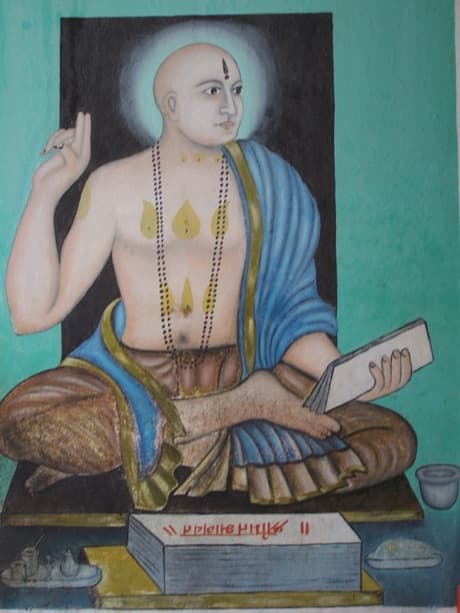
Madhvācārya · Dvaita
Madhva BhāṣyaSanskritEnglish“कार्यम् - शरीरम् | शरीरं कार्यमुच्यते इति ह्यधिधानम् | करणानि इन्द्रियाणि | भोगोऽनुभवः | स हि चिद्रूपत्वादनुभवति | प्रकृतिः च जडत्वात् परिणामिनी | कार्यकारणकर्तृत्वे कारणं प्रकृतिं विदुः | भोक्तृत्वे मुखदुःखानां पुरुषं प्रकृतेः परम् || इति भागवते ||” - कार्यम् - action is, verily, the body. The dictionary meaning also says that the body is said to be the medium of action, कारण means the instrument of actions and भोग is the experience. He, as the consciousness, experiences. Prakriti, being gross, is the result (of actions). “Know that the Prakriti is because of the action and the instrument of action. Being the enjoyer (experienter) of the pleasure and pains Purusha is superior to Prakriti”, thus in Bhagavat Puraana.
Madhvācārya · Dvaita
Gītā Tātparya NirṇayaSanskritEnglish“स्वदेहेन्द्रियहेतुत्वं यज्जीवस्य स्वकर्मभिः | आवृत्य विष्णुत्वं तद्वेतुश्चित्प्रकृतिर्मता | जीवस्य मुखदुःखानं भोगशक्तिप्रदः सदा | परमः पुरुषो विष्णुः सर्वकर्ताऽपि सन् सदा | विशेषकर्ता केशञ्चिदुक्तो तद्वद् विकृत्पः | उच्यते सर्वपालोऽपि विशेषेण स्वकर्मणा || इति च || परमेश्वरस्यैव सर्वकर्तृत्वेऽपि भोक्तृत्वादाने देव्या अल्पप्रवृत्तिरिति दर्शयितुं - उच्यते | इति स्थानद्वयेऽप्युक्तम् | कर्तृत्वेपि स एव मुख्यहेतुः | तथाऽपि भोक्तृत्वापेक्षया तस्या अधिक कर्तृत्वे हेतुः प्रकृतिरुच्यते || इति | सर्वहेतुत्वेऽपि विष्णोः प्रकृतेर्जीवं प्रति भोक्तृत्वादानेऽल्पप्रवृत्तिरिति | पुरुषो भोक्तृत्वे हेतुरुच्यते | इति विशेषहेतोरेवमुच्यते | एवं मुख्यवस्तु सर्वहेतुत्वविष्णोरेवेति भावः ||” - It is Prakriti which makes one to consider one's body to have been acquired by action and makes him oblivious of the true nature of Sri Vishnu. Being creator of all, all the times, it is the Supreme Person, Sri Vishnu who gives the power of enjoyment of pleasure and pain to the Jiva. Being the creator of everything, He is called the special creator, even as there being no other controller for Vaikuntha, Sri Vishnu is called the Special Controller.
Even though the Supreme Lord alone is the creator of everything, to show that the privilege of enjoyment has been given to Prakriti to a small extent, the word speaks – उच्चते has been used in two places. The purport is to show that He alone is the Principal Actor. Even then since Prakriti responds more through the instruments of action than in the enjoyment of action, “Prakriti is said to have been the instrument of action”. In fact the instrument of action is Sri Vishnu alone and Prakriti and Jiva even when have been granted the agency for enjoyment and to a little extent, Purusha is clarified to be the object, the (principal) enjoyer. Thus special instrument is indicated. Primarily, however, entire instrumentality is credited to Sri Vishnu alone.

Jñāneśvar · Vārkarī
English20 *“In the matter of the origination of the body and the sense-centres, the Prakriti is said to be the cause; the Purusha is said to be the cause in the matter of (the consciousness of) being the experiencer of all pleasure and pain.”* (969)
There then (Prakriti) creates desires and intellect along with egotism, and then she leads them on to willing (things). The thread (agency) that is used as the means for making successful the willing, is called, Oh Dhananjaya, the effect (कार्य). Then what makes the mind active (to rise up), through the intoxicated stage of desires and thus sets the senses to work, is capability (functioning). “Therefore,” the king among the perfected ones said, “the Prakriti is the origin of all the aggregate effects, capability, and the cause; (कार्य., कर्तृत्व., कारण). Through this triad, Prakriti gets into activism. But her nature conforms to that Guna which is dominant. The actions performed under the domination of ‘Satva-Guna’, are good ones; those performed under the domination of ‘Rajas’ are ordinary ones, those taking place under the domination of 'Tamas' are definitely those prohibited and irreligious ones. In this way take place actions, good or bad, through the agency of Prakriti, while the actions result in pleasure and pain. Wicked actions result in misery, while good actions create happiness, and Purusha experiences both these. Prakriti goes on performing actions and Purusha experiences their fruit, so long as pleasure and pain are created in a (normal) straight way. This arrangement of affairs between Prakriti and Purusha appears inconsistent in the narrative since whatever the wife earns, the husband simply enjoys. The wife and the husband do not associate with each other, nor do they agree (they are poles apart), yet the wife gives birth to the entire universe; and here is the wonder of the whole thing!
Swami Ramsukhdas · Modern
EnglishOn verses 13.19–13.20
[In the third verse, Lord Kṛṣṇa ordered Arjuna to hear from Him, what the Kṣetra is, what it is like, what its modifications are, and whence is what. Out of these four, the first and the third were, described in the fifth and the sixth verses, respectively. The second, will be described in the twenty-sixth and twenty-seventh verses. Now, while describing 'Whence is what' He says that all modifications and guṇas are born of prakṛti. Modifications were described, in the sixth verse. Here in this verse, He explains that guṇas are born of prakṛti—this is something new.
From the twelfth to eighteenth verses, there is a description of the knowable (God), while here, from the nineteenth to the thirty-fourth verses, there is a description of 'Puruṣa' (Kṣetrajñā). There, all are mentioned to be within God, while here all are mentioned to be within spirit. It means, that essentially God and individual spirit, are not two, but only one.]
'Prakṛtiṃ puruṣaṃ caiva viddhyanādi ubhāvapi'—The term, 'Prakṛtiṃ' stands for 'Primordial Matter', the cause of the entire Kṣetra (universe). Seven prakṛti-vikṛti (Five elements, ego and cosmic intelligence) and sixteen vikṛtis (ten senses, mind and five objects of senses)—all these are the evolutes of Matter and Prakṛti is their cause.
The term 'Puruṣaṃ', here stands for 'Kṣetrajñā', which has been called a knower of the Kṣetra, in the first verse of this chapter.
As the spirit, being a fraction of the Lord, is without beginning, so is Matter. But the spirit and matter, are different in other aspects. Matter is endowed with attributes, while the spirit is attributeless; Matter undergoes modifications, while the spirit, is free from modifications, Matter is the cause of the universe, while the spirit is the cause of nothing. There is a relationship of cause and effect, in Matter and its evolutes while the spirit is free from, this relationship.
The expression, 'Ubhāvapi' denotes that Prakṛti and Puruṣa, both are different. As both of them are beginningless the difference between them is also eternal.
As the terms 'Kṣetra' and 'Kṣetrajñā', used in the first verse of this chapter, stand for the individual body and the individual soul respectively. Here 'Prakṛti', stands for 'Primordial Matter' and its evolutes, while 'Puruṣaṃ' stands for all 'Kṣetrajñā' (Spirit).
The term 'Viddhi', in the second verse of this chapter, was used to know the identity of the individual soul, with the cosmic soul while here, points out that the two—'body' and 'spirit' or 'Prakṛti' (Primordial Matter) and 'Puruṣa' (spirit), are different. So the Lord advises Arjuna, to understand it well, that the two, are quite different, because a common man identifies, the body with self.
'Vikārāṃśca guṇāṃścaiva viddhi prakṛtisambhavān'—Know the seven modifications—desire, aversion, pleasure, pain, body, life-breath and firmness, as well as the three Guṇas—sattva, raja and tama are born of prakṛti. It means, that Puruṣa is free
from modifications and modes. In the seventh chapter, the Lord mentioned the *guṇas* to be evolved from Him, while here He says, that these are born of 'prakṛti'. There, because of the context of devotion, the Lord mentioned them to be evolved from Him, and He also explained that His wonderful divine potency of His, consisting of the three *Guṇas* can be overcome by taking refuge, in Him. But here, there is the context of knowledge, so the *guṇas* are said to be born of *prakṛti*. A striver, should not assume his affinity, with them. Thus he can get rid of them.
'*Kāryakaraṇa... prakṛtirucyate*'—Ether, air, fire, water, earth and sound, touch, sight, taste, smell—these ten, are *prakṛti*'s evolutes. Mind, intellect, ego, ear, skin, eye, tongue, (the sense of taste), nose, tongue (the organ of speech), hands, feet, generative organ and anus—these thirteen are included in the term, '*Karaṇa*' (instruments). *Prakṛti* alone, is the cause of activities effected by all of them. Whatever is born, is called '*Kārya*' (evolute), and the means by which the activities are performed, is called '*Karaṇa*' (instrument). These instruments are of three types—1. Organs of action 2. Sense-organs 3. Mind, intellect and ego. The organs of action, are gross, the sense-organs are subtle, and the mind, intellect and ego are, very subtle. The organs of action and the sense-organs, are external instruments and mind, intellect and ego, are internal instruments. Actions are performed by organs of action, while mind, intellect and ego, control the organs of actions, as well as, sense-organs. It means, that the sense-organs control, the organs of action, the mind controls, the sense-organs, intellect controls, the mind and ego controls, the intellect. The organs of action and the sense-organs do not function, without mind, intellect and ego. When the mind is connected with sense-organs, then the sense-objects are perceived. The intellect decides, which sense-objects, are approved (sanctioned) and which are improper (prohibited). Ego, controls the intellect.
Ego is of two kinds—1. Ego as *Vṛtti* and ego, as a doer.
The disposition of ego, is not defective. But, when a man (the self), identifies himself with this ego, being deluded he becomes the doer (agent) (Gītā 3/27).
Cosmic intelligence, is an evolute of Prakṛti, while ego is the evolute of intelligence, but a man by identifying himself with the ego, becomes the master i.e., becomes a doer and an enjoyer (Gītā 13/21). However when he realizes the self, he is neither a doer, nor an enjoyer (Gītā 13/31). The performance of these actions, have been mentioned in the Gītā in several ways as 'All actions are performed by Nature alone' (13/29); 'All actions are performed by the modes of Nature' (3/27); 'The modes are acting on the modes' (3/28); 'There is no agent, other than the modes' (14/19); 'Senses move among the sense-objects' (5/9) etc. It means, that all actions performed by the external and internal instruments, are performed by Prakṛti (Nature).
'Puruṣaḥ sukhaduḥkhānām...heturucyate'—It is the Puruṣa, that experiences, pleasure and pain; Prakṛti being insentient cannot experience, pleasure or pain. The Puruṣa, experiences these only, by being pleased and displeased, in favourable and unfavourable circumstances. If he is not pleased and displeased, in favourable and unfavourable circumstances, he can never be an enjoyer, of pleasure and pain.
In the fourth and the fifth verses of the seventh chapter, the Lord has described His lower (insentient) and higher (sentient), natures. Both natures are portions of God. So, they are naturally flowing towards God. The embodied soul, a fragment of God, has a natural inclination, to Him. But, being attracted by worldly enjoyments, he identifies himself with the body. Thus he creates his own distinct existence (Gītā 13/21). This is denoted as, 'I am'. It consists of two aspects—consciousness incarnate and inertness. Pleasure and pain, affect only the inert portion (Matter or body). But because of affinity with Matter, he assumes pleasure and pain, in the self. He feels 'I am happy', 'I am sad'. Thus a businessman,
regards loss in business, as his own loss. Similarly, when a body suffers from fever, he thinks that he suffers from fever. If the self, suffered once, it would continue suffering. It means that the self, neither suffers loss nor suffers, from fever.\*
A man (spirit), wants to be emancipated from pleasure and pain, because he assumed his identity with Matter, otherwise he himself being a portion of the Lord, always remains the same, without undergoing any modifications, in the form of pleasure and pain etc. It means, that in this identification of the self, with the body, the self has a desire for emancipation, while the body, has desire for worldly enjoyments. So at last, the sentient self, is emancipated, rather than the inert body.
All modifications are always in the non-self, not, in the self. So, to be an experiencer of pleasure and pain, is not natural, in the self. Being attached to the non-self, an embodied soul, becomes the experiencer of pleasure and pain. It means, that the pure self, can never experience pleasure and pain. The pure self cannot have two contrary states, because it is always changeless, uniform and constant. There can be two states, in the changing non-self. The self in spite of being uniform, having affinity with the changing non-self, thrusts upon itself, changes and modifications, which take place in the non-self. This is a common experience, that we remain the same, in pleasure and pain, we do not change. Pleasure and pain, are different from each other, but we ever remain, uniform. But by assuming relationship, with pleasure, we become happy, and by assuming relationship with pain, we become sad. In reality, we are neither happy, nor sad.
**Appendix**—The Lord describes the distinction between 'Kṣetra' and 'Kṣetrajñā' now by the names 'Prakṛti' and 'Puruṣa'. The description of 'Kṣetra' and 'Kṣetrajñā' is from the individual point of view while that of 'Prakṛti' and 'Puruṣa' is from the
\* If a man realizes that he is the self, why should he suffer from the fever or desire or craving?
Versc 19-20]
collective point of view.
There are two divisions—one is of ‘Prakṛti’ while the other is of ‘Puruṣa’. The body and the world are included in the Prakṛti division while the Self and God are included in the Puruṣa division. As ‘Prakṛti’ and ‘Puruṣa’ are beginningless, so is the knowledge of the distinction between the two viz., discrimination beginningless. Therefore from the discrimination point of view, these two divisions are totally unrelated with each other. Prakṛti is unreal, inert and embodiment of sufferings while Puruṣa is truth, consciousness and embodiment of bliss. Prakṛti is perishable, mutable and active while Puruṣa is imperishable, immutable and actionless. With Prakṛti there is ever disunion while with Puruṣa there is ever union. At the beginning of the Gītā the Lord has described this division between the body and its possessor by the terms—‘śarīra-śarīrī’, ‘deha-dehī’, the real and the unreal etc.* Therefore it is very essential for every striver to understand this division and it quickly leads to Self-realization. The reason is that identification of the Self with the body is bondage and the realization that the two are totally different from each other, is salvation.
Prakṛti is God’s potency and God is its master.† From the knowledge point of view potency and its master—both are different because there is change (increase and decrease) in potency but God remains the same. But from the devotion point of view both are one because potency can’t be separated from its possessor viz., potency has no independent existence without its master. In order to support the two views of knowledge and devotion, the Lord has neither stated Prakṛti as ‘endless’ nor ‘an ending one’ but has only stated it as ‘beginningless’. The reason is
* ‘Puruṣa’ on the acceptance of ‘ego’ is named ‘jīva, kṣetrajñā, śarīrī’ and ‘dehī’ etc.
† ‘māyām tu prakṛtim vidyānmāyīnām tu maheśvaram’ (Śvetāśvatara. 4/10).
that if Prakṛti is said to be endless (eternal), then the discipline of knowledge will be refuted because from that point of view Prakṛti has no existence at all—'nāsato vidyate bhāvaḥ' (Gītā 2/16). If Prakṛti is stated to be 'an ending one' (transient), the principle of devotion will be refuted because from the devotion point of view, Prakṛti being the potency of God is inseparable with Him—'sadasaccāham' (Gītā 9/19). If we perceive from the real point of view, it is clear that though the nature of Prakṛti is different from that of Puruṣa, yet both are integral.
In fact the form (nature) of God is 'entire'. It is not possible that there is no potency in God. If God is regarded to be totally powerless, then God will be proved to be unipresent. In Him power may change its form or may remain unmanifest but there can never be negation of power. Power abides in Him in its causal form, otherwise where will potency (Prakṛti) abide besides God? Therefore here both Prakṛti and Puruṣa have been called 'beginningless'.
*Link:—In the preceding verse, the Lord mentioned the Puruṣa, as the cause of the experience, of pleasure and pain. The question arises, how the Puruṣa, is the cause. The answer follows.*
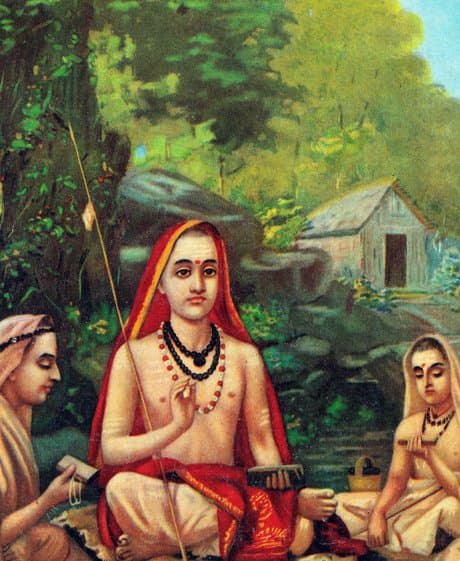
Ādi Śaṅkarācārya · Advaita
Sanskritकार्यकरणकर्तृत्वे -- कार्यं शरीरं करणानि तत्स्थानि त्रयोदश । देहस्यारम्भकाणि भूतानि पञ्च विषयाश्च प्रकृतिसम्भवाः विकाराः पूर्वोक्ताः इह कार्यग्रहणेन गृह्यन्ते । गुणाश्च प्रकृतिसम्भवाः सुखदुःखमोहात्मकाः करणाश्रयत्वात् करणग्रहणेन गृह्यन्ते । तेषां कार्यकरणानां कर्तृत्वं उत्पादकत्वं यत् तत् कार्यकरणकर्तृत्वं तस्मिन् कार्यकरणकर्तृत्वे हेतुः कारणं आरम्भकत्वेन प्रकृतिः उच्यते । एवं कार्यकरणकर्तृत्वेन संसारस्य कारणं प्रकृतिः । कार्यकारणकर्तृत्वे इत्यस्मिन्नपि पाठे, कार्यं यत् यस्य परिणामः तत् तस्य कार्यं विकारः विकारि कारणं तयोः विकारविकारिणोः कार्यकारणयोः कर्तृत्वे इति । अथवा, षोडश विकाराः कार्यं सप्त प्रकृतिविकृतयः कारणं तान्येव कार्यकारणान्युच्यन्ते तेषां कर्तृत्वे हेतुः प्रकृतिः उच्यते, आरम्भकत्वेनैव । पुरुषश्च संसारस्य कारणं यथा स्यात् तत् उच्यते -- पुरुषः जीवः क्षेत्रज्ञः भोक्ता इति पर्यायः, सुखदुःखानां भोग्यानां भोक्तृत्वे उपलब्धृत्वे हेतुः उच्यते ॥
कथं पुनः अनेन कार्यकरणकर्तृत्वेन सुखदुःखभोक्तृत्वेन च प्रकृतिपुरुषयोः संसारकारणत्वमुच्यते इति, अत्र उच्यते -- कार्यकरणसुखदुःखरूपेण हेतुफलात्मना प्रकृतेः परिणामाभावे, पुरुषस्य च चेतनस्य असति तदुपलब्धृत्वे, कुतः संसारः स्यात्? यदा पुनः कार्यकरणसुखदुःखस्वरूपेण हेतुफलात्मना परिणतया प्रकृत्या भोग्यया पुरुषस्य तद्विपरीतस्य भोक्तृत्वेन अविद्यारूपः संयोगः स्यात्, तदा संसारः स्यात् इति । अतः यत् प्रकृतिपुरुषयोः कार्यकरणकर्तृत्वेन सुखदुःखभोक्तृत्वेन च संसारकारणत्वमुक्तम्, तत् युक्तम् । कः पुनः अयं संसारो नाम? सुखदुःखसम्भोगः संसारः । पुरुषस्य च सुखदुःखानां सम्भोक्तृत्वं संसारित्वमिति ॥ यत् पुरुषस्य सुखदुःखानां भोक्तृत्वं संसारित्वं इति उक्तं तस्य तत् किन्निमित्तमिति उच्यते --
Ādi Śaṅkarācārya · Advaita
Hindiप्रकृतिसे उत्पन्न हुए वे विकार और गुण कौन- से हैं?—
कार्य शरीरको कहते हैं और उसमें स्थित (मन, बुद्धि, अहंकार तथा दस इन्द्रियाँ—ये) तेरह करण हैं। इनके कर्तापनमें (हेतु प्रकृति है)।
शरीरको उत्पन्न करनेवाले पाँच भूत और शब्द आदि पाँच विषय ये पहले कहे हुए प्रकृतिजन्य दस विकार तो यहाँ कार्यके ग्रहणसे ग्रहण किये जाते हैं और सुख-दुःख, मोह आदिके रूपमें परिणत हुए प्रकृतिजन्य समस्त गुण बुद्धि आदि करणोंके आश्रित होनेके कारण करणोंके ग्रहणसे ग्रहण किये जाते हैं।
‘उन कार्य और करणोंका जो कर्तापन अर्थात् उनको उत्पन्न करनेका भाव है उसका नाम कार्यकरण- कर्तृत्व है, उन कार्यकरणोंके कर्तृत्वमें आरम्भ करनेवाली होनेसे प्रकृति कारण कही जाती है। इस प्रकार कार्यकरणोंको उत्पन्न करनेवाली होनेसे प्रकृति संसारकी कारण है।
‘कार्यकारणकर्तृत्वे’ ऐसा पाठ माननेसे भी यही अर्थ होगा कि जो जिसका परिणाम है, वह उसका कार्य अर्थात् विकार है और कारण विकारी-विकृत होनेवाला-है। उन विकारी और विकाररूप कारण और कार्योंके उत्पन्न करनेमें (प्रकृति हेतु है)।
अथवा सोलह विकार तो कार्य और सात प्रकृति-विकृति कारण हैं, इस प्रकार ये (तेईस तत्त्व) ही कार्यकारणके नामसे कहे जाते हैं। इनके कर्तापनमें प्रारम्भकत्वसे ही प्रकृति हेतु कही जाती है।
पुरुष भी जिस प्रकार संसारका कारण होता है, सो कहा जाता है—
पुरुष अर्थात् जीव, क्षेत्रज्ञ, भोक्ता इत्यादि जिसके पर्याय शब्द हैं, वह सुख-दुःख आदि भोगोंके भोक्तापनमें अर्थात् उनका उपभोग करनेमें हेतु कहा जाता है।
पू०—परंतु इस कार्यकरणके कर्तापनसे और सुख-दुःखके भोक्तापनसे प्रकृति और पुरुष दोनोंको संसारका कारण कैसे बतलाया जाता है?
उ०—कार्यकरण और सुख-दुःखादिरूप हेतु और फलके आकारमें प्रकृतिका परिणाम न होनेपर तथा चेतन पुरुषमें उन सबका भोक्तापन न होनेसे संसार कैसे सिद्ध होगा। जब कार्यकरणरूप हेतु और फलके आकारमें परिणत हुई भोग्यरूपा प्रकृतिके साथ उससे विपरीत धर्मवाले पुरुषका, भोक्ता भावसे अविद्यारूप संयोग होगा, तभी संसार (प्रतीत) होगा।
इसलिये प्रकृतिके कार्यकरणविषयक कर्तापन और पुरुषके सुख-दुःखविषयक भोक्तापनको लेकर जो उन दोनोंका संसार-कारणत्व प्रतिपादन किया गया, वह उचित ही है।
पृ०—तो यह संसारनामक वस्तु क्या है ? उ०—सुख-दुःखोंका भोग ही संसार है और पुरुषमें जो सुख-दुःखोंका भोक्तृत्व है, यही उसका संसारित्व है
Jñāneśvar · Vārkarī
Marathiतेथ इच्छा आणि बुद्धि । घडवी अहंकारेंसीं आधीं । मग तिया लाविती वेधीं । कारणाच्या ॥ ९६९ ॥ तेंचि कारण ठाकावया । जें सूत्र धरणें उपाया । तया नांव धनंजया । कार्य पैं गा ॥ ९७० ॥ आणि इच्छा मदाच्या थावीं । लागली मनातें उठवी । तें इंद्रियें राहाटवी । हें कर्तृत्व पैं गा ॥ ९७१ ॥ म्हणौनि तीन्ही या जाणा । कार्यकर्तृत्वकारणा । प्रकृति मूळ हे राणा । सिद्धांचा म्हणे ॥ ९७२ ॥ एवं तिहींचेनि समवायें । प्रकृति कर्मरूप होये । परी जया गुणा वाढे त्राये । त्याचि सारिखी ॥ ९७३ ॥ जें सत्त्वगुणें अधिष्ठिजे । तें सत्कर्म म्हणिजे । रजोगुणें निफजे । मध्यम तें ॥ ९७४ ॥ जें कां केवळ तमें । होती जियें कर्में । निषिद्धें अधमें । जाण तियें ॥ ९७५ ॥ ऐसेनि संतासंतें । कर्में प्रकृतीस्तव होतें । तयापासोनि निर्वाळतें । सुखदुःख गा ॥ ९७६ ॥ असंतीं दुःख उपजे । सत्कर्मीं सुख निफजे । तया दोहींचा बोलिजे । भोगु पुरुषा ॥ ९७७ ॥ सुखदुःखें जंववरी । निफजती साचोकारीं । तंव प्रकृति उद्यमु करी । पुरुषु भोगी ॥ ९७८ ॥ प्रकृतिपुरुषांची कुळवाडी । सांगतां असंगडी । जे आंबुली जोडी । आंबुला खाय ॥ ९७९ ॥ आंबुला आंबुलिये । संगती ना सोये । कीं आंबुली जग विये । चोज ऐका ॥ ९८० ॥
Jñāneśvar · Vārkarī
Hindi(13.969) वह प्रथम अहंकार के संग इच्छा और बुद्धि उत्पन्न करती है और फिर उन्हें कारण की धुन लगा देती है। (13.970) वही कारण प्राप्त करने के लिए जिस उपाय का अवलम्ब किया जाय इसे हे धनंजय! कार्य कहते हैं।
(13.971) वही प्रकृति प्रबल इच्छा के सहाय से मन को जाग्रत करती है, और फिर मन इन्द्रियों के द्वारा जो व्यापार करता है सो कर्तृत्व है।
(13.972) अतएव, सिद्धों के राजा श्रीकृष्ण ने कहा कि इन तीनों कार्य, कारण और कर्तृत्व का मूल प्रकृति है;
(13.973) एवं इन तीनों के एकत्र होने से प्रकृति कर्मरूप होती है; परन्तु जिस गुण का अधिक बल हो उसी के समान वह आचरण करती है।
(13.974) जो सत्त्वगुण के आश्रय से निपजता है उसे सत्कर्म कहते हैं। जो रजोगुण से उत्पन्न होता है उसे मध्यम कर्म कहते हैं
(13.975) और जो कर्म केवल तम से उत्पन्न होते हैं वे निन्द्य और अधम कहाते हैं।
(13.976) इस प्रकार भले और बुरे कर्म प्रकृति के कारण उत्पन्न होते हैं और उन्हीं से सुख-दुःख का निर्णय किया जाता है।
(13.977) बुरे कर्मों से दुःख उपजता है, और भले कर्मों से सुख उत्पन्न होता है, और पुरुष इन दोनों का भोग लेता है। (13.978) जब तक सुख-दुःख उत्पन्न होते रहते हैं तब तक वास्तव में प्रकृति उद्यम करती है और पुरुष भोगता है।
(13.979) प्रकृति और पुरुष का कृषिव्यापार वर्णन करने में अघटित मालूम होता है, क्योंकि उन दोनों में स्त्री लाती है और पुरुष बैठा खाता है।
(13.980) इन स्त्री-पुरुषों का कभी संगम या सम्बन्ध नहीं होता, तथापि चमत्कार देखिए कि वह स्त्री जगत् को उत्पन्न करती है;

Sri Udiya Baba · Modern
Hindiसंगति— अब प्रकृति और पुरुष दोनों के पृथक्-पृथक् स्वभावों का वर्णन करते हैं। यह श्लोक कापिल सांख्य के अनुसार है।
भावार्थ— वीर्य, करण और कर्तापन में प्रकृति निमित्त कही जाती है तथा सुख-दुःख भोगने में पुरुष हेतु कहा जाता है।
व्याख्या— यहाँ पुरुष को जो भोक्ता कहा गया है वह प्रकृति का सङ्ग होने पर ही समझना चाहिये, क्योंकि अविवेक की अवस्था में ही पुरुष अपने को भोक्ता समझता है, विवेकख्याति हो जाने पर नहीं।
आकाशादि पञ्चभूत और उनके शब्दादि गुण ही कार्य कहे जाते हैं। पाँच कर्मेन्द्रिय, पाँच ज्ञानेन्द्रिय और मन ये ग्यारह करण हैं तथा अहंकारकर्ता है। ये सब प्रकृति के कार्य हैं, अतः प्रकृति ही इनकी निमित्त या हेतु है। तीनों गुणों की साम्यावस्था का नाम प्रकृति है। चेतन पुरुष का प्रकृति के साथ आध्यात्मिक सम्बन्ध होने से ही सब व्यवहार चल रहा है। किन्तु विवेकख्याति होने पर जब यह सम्बन्ध निवृत्त हो जाते हैं तो फिर पुरुष इस सब व्यापार से मुक्त हो जाता है और पुनः यह सम्बन्ध नहीं होता; जैसे कि दूध से निकला हुआ मक्खन पुनः दूध में नहीं मिलता। यह सांख्य और योग का सिद्धान्त है।
वेदान्त-सिद्धान्त तो अद्वैतवादी है। उसके अनुसार तो प्रकृति या माया की सत्ता ही नहीं है। जो भी कार्य-करण-कर्तृरूप प्रपञ्च देखा जाता है वह सब अविद्याजनित है। अविद्या की निवृत्ति होने पर यही अनुभव होता है कि इसका अत्यन्ताभाव है। यह केवल प्रतीतिमात्र
है, वास्तव में नहीं। यहाँ पुरुष को जो भोक्ता कहा गया है वह केवल जिज्ञासु को समझाने के लिए है वास्तव में वह भोक्ता नहीं है। यही बात अगले श्लोक में स्पष्ट करते हैं।
Swami Ramsukhdas · Modern
HindiOn verses 13.19–13.20
[इसी अध्यायके तीसरे श्लोकमें भगवान्ने क्षेत्रके विषयमें 'यच्च' (जो है), 'यादृक् च' (जैसा है), 'यद्विकारी' (जिन विकारोंवाला है) और 'यतश्च यत्' (जिससे जो उत्पन्न हुआ है)—ये चार बातें सुननेकी आज्ञा दी थी। उनमेंसे 'यच्च' का वर्णन पाँचवें श्लोकमें और 'यद्विकारी' का वर्णन छठे श्लोकमें कर दिया। 'यादृक् च' का वर्णन आगे इसी अध्यायके छब्बीसवें-सत्ताईसवें श्लोकोंमें करेंगे। अब 'यतश्च यत्' का वर्णन करते हुए प्रकृतिसे विकारों और गुणोंको उत्पन्न हुआ बताते हैं। इसमें भी देखा जाय तो विकारोंका वर्णन पहले छठे श्लोकमें 'इच्छा द्वेषः' आदि पदोंसे किया जा चुका है। यहाँ गुण प्रकृतिसे उत्पन्न होते हैं—यह बात नयी बतायी है।
बारहवेंसे अठारहवें श्लोकतक 'ज्ञेय तत्त्व'-(परमात्मा-) का वर्णन है और यहाँ उन्नीसवेंसे चौतीसवें श्लोकतक 'पुरुष'-(क्षेत्रज्ञ-) का वर्णन है। वहाँ तो ज्ञेय
तत्त्वके अन्तर्गत ही सब कुछ है और यहाँ पुरुषके अन्तर्गत सब कुछ है अर्थात् वहाँ ज्ञेय तत्त्वके अन्तर्गत पुरुष है और यहाँ पुरुषके अन्तर्गत ज्ञेय तत्त्व है। तात्पर्य यह है कि ज्ञेय तत्त्व (परमात्मा) और पुरुष (क्षेत्रज्ञ)—दोनों तत्त्वसे दो नहीं हैं, प्रत्युत एक ही हैं।]
'प्रकृतिं पुरुषं चैव विद्ध्यनादी उभावपि'—यहाँ 'प्रकृतिम्' पद सम्पूर्ण क्षेत्र-(जगत्-)की कारणरूप मूल प्रकृतिका वाचक है। सात प्रकृति-विकृति (पंचमहाभूत, अहंकार और महत्त्व) तथा सोलह विकृति (दस, इन्द्रियाँ, मन और पाँच विषय)—ये सभी प्रकृतिके कार्य हैं और प्रकृति इन सबकी मूल कारण है।
'पुरुषम्' पद यहाँ क्षेत्रज्ञका वाचक है, जिसको इसी अध्यायके पहले श्लोकमें क्षेत्रको जाननेवाला कहा गया है।
प्रकृति और पुरुष—दोनोंको अनादि कहनेका तात्पर्य है कि जैसे परमात्माका अंश यह पुरुष (जीवात्मा) अनादि
है, ऐसे ही यह प्रकृति भी अनादि है। इन दोनोंके अनादिपनेमें फर्क नहीं है; किन्तु दोनोंके स्वरूपमें फर्क है। जैसे—प्रकृति गुणोंवाली है और पुरुष गुणोंसे सर्वथा रहित है; प्रकृतिमें विकार होता है और पुरुषमें विकार नहीं होता; प्रकृति जगत्की कारण बनती है और पुरुष किसीका भी कारण नहीं बनता; प्रकृतिमें कार्य एवं कारण-भाव है और पुरुष कार्य एवं कारण-भावसे रहित है।
‘उभौ एव’ कहनेका तात्पर्य है कि प्रकृति और पुरुष—दोनों अलग-अलग हैं। अतः जैसे प्रकृति और पुरुष अनादि हैं, ऐसे ही उन दोनोंका यह भेद (विवेक) भी अनादि है।
इसी अध्यायके पहले श्लोकमें आये ‘इदं शरीरं क्षेत्रम्’ पदोंसे मनुष्य-शरीरकी तरफ ही दृष्टि जाती है अर्थात् व्यक्ति मनुष्य-शरीरका ही बोध होता है और ‘क्षेत्रज्ञः’ पदसे मनुष्य-शरीरको जाननेवाले व्यक्ति क्षेत्रज्ञका ही बोध होता है। अतः प्रकृति और उसके कार्यमात्रका बोध करानेके लिये यहाँ ‘प्रकृतिम्’ पदका और मात्र क्षेत्रज्ञोंका बोध करानेके लिये यहाँ ‘पुरुषम्’ पदका प्रयोग किया गया है।
इसी अध्यायके दूसरे श्लोकमें क्षेत्रज्ञकी परमात्माके साथ एकता जाननेके लिये ‘विद्धि’ पदका प्रयोग किया था और यहाँ पुरुषकी प्रकृतिसे भिन्नता जाननेके लिये ‘विद्धि’ पदका प्रयोग किया गया है। तात्पर्य है कि मनुष्य स्वयंको और शरीरको एक समझता है, इसलिये भगवान् यहाँ ‘विद्धि’ पदसे अर्जुनको यह आज्ञा देते हैं कि ये दोनों सर्वथा अलग-अलग हैं—इस बातको तुम ठीक तरहसे समझ लो।
‘विकाराश्च गुणाश्चैव विद्धि प्रकृतिसम्भवान्’—इच्छा, द्वेष, सुख, दुःख, संधात, चेतना और धृति—इन सात विकारोंको तथा सत्त्व, रज और तम—इन तीन गुणोंको प्रकृतिसे उत्पन्न हुए समझो। इसका तात्पर्य यह है कि पुरुषमें विकार और गुण नहीं हैं।
सातवें अध्यायके बारहवें श्लोकमें तो भगवान्ने गुणोंको अपनेसे उत्पन्न बताया है और यहाँ गुणोंको प्रकृतिसे उत्पन्न बताते हैं। इसका तात्पर्य यह है कि वहाँ भक्तिका प्रकरण होनेसे भगवान्ने गुणोंको अपनेसे उत्पन्न बताया है और गुणमयी मायासे तरनेके लिये अपनी शरणागति बतायी है। परन्तु यहाँ ज्ञानका प्रकरण होनेसे गुणोंको प्रकृतिसे उत्पन्न बताया है। अतः साधक गुणोंसे
अपना सम्बन्ध न मानकर ही गुणोंसे छूट सकता है।
‘कार्यकरणकर्तृत्वे हेतुः प्रकृतिरुच्यते’—आकाश, वायु, अग्नि, जल और पृथ्वी तथा शब्द, स्पर्श, रूप, रस और गन्ध—इन दस-(महाभूतों और विषयों-)का नाम ‘कार्य’ है। श्रोत्र, त्वचा, नेत्र, रसना, घ्राण, वाणी, हस्त, पाद, उपस्थ और गुदा तथा मन, बुद्धि और अहंकार—इन तेरह-(बहिःकरण और अन्तःकरण-)का नाम ‘करण’ है। इन सबके द्वारा जो कुछ क्रियाएँ होती हैं, उनको उत्पन्न करनेमें प्रकृति ही हेतु है।
जो उत्पन्न होता है, वह ‘कार्य’ कहलाता है और जिसके द्वारा कार्यकी सिद्धि होती है, वह ‘करण’ कहलाता है अर्थात् क्रिया करनेके जितने औजार (साधन) हैं, वे सब ‘करण’ कहलाते हैं। करण तीन तरहके होते हैं—(१) कर्मेन्द्रियाँ, (२) ज्ञानेन्द्रियाँ और (३) मन, बुद्धि एवं अहंकार। कर्मेन्द्रियाँ स्थूल हैं, ज्ञानेन्द्रियाँ सूक्ष्म हैं और मन, बुद्धि एवं अहंकार अत्यन्त सूक्ष्म हैं। कर्मेन्द्रियाँ और ज्ञानेन्द्रियाँको ‘बहिःकरण’ कहते हैं तथा मन, बुद्धि और अहंकारको ‘अन्तःकरण’ कहते हैं। जिनसे क्रियाएँ होती हैं, वे कर्मेन्द्रियाँ हैं और कर्मेन्द्रियाँ तथा ज्ञानेन्द्रियाँपर जो शासन करते हैं, वे मन, बुद्धि और अहंकार हैं। तात्पर्य है कि कर्मेन्द्रियाँपर ज्ञानेन्द्रियाँका शासन है, ज्ञानेन्द्रियाँपर मनका शासन है, मनपर बुद्धिका शासन है और बुद्धिपर अहंकारका शासन है। मन, बुद्धि और अहंकारके बिना कर्मेन्द्रियाँ और ज्ञानेन्द्रियाँ काम नहीं करतीं। ज्ञानेन्द्रियाँके साथ जब मनका सम्बन्ध हो जाता है, तब विषयोंका ज्ञान होता है। मनसे जिन विषयोंका ज्ञान होता है, उन विषयोंमेंसे कौन-सा विषय ग्राह्य है और कौन-सा त्याज्य है, कौन-सा विषय ठीक है और कौन-सा बेतीक है—इसका निर्णय बुद्धि करती है। बुद्धिके द्वारा निर्णीत विषयोंपर अहंकार शासन करता है।
अहंकार दो तरहका होता है—(१) अहंवृत्ति और (२) अहंकर्ता। अहंवृत्ति किसीके लिये कभी दोषी नहीं होती, पर उस अहंवृत्तिके साथ जब स्वयं (पुरुष) अपना सम्बन्ध जोड़ लेता है, तादात्म्य कर लेता है, तब वह अहंकर्ता बन जाता है। तात्पर्य है कि अहंवृत्तिसे मोहित होकर, उसके परवश होकर स्वयं उस अहंवृत्तिमें अपनी स्थिति मान लेता है तो वह कर्ता बन जाता है—‘अहंकार-विमूढात्मा कर्ताहमिति मन्यते’ (गीता ३। २७)।
प्रकृतिका कार्य बुद्धि (महत्त्व) है और बुद्धिका कार्य अहंवृत्ति (अहंकार) है। यह अहंवृत्ति है तो बुद्धिका कार्य,
पर इसके साथ तादात्म्य करके स्वयं बुद्धिका मालिक बन जाता है अर्थात् कर्ता और भोक्ता बन जाता है—‘पुरुषः प्रकृतिस्थो हि भुङ्क्ते प्रकृतिजान्गुणान्’ (गीता १३। २१)। परन्तु जब तत्त्वका बोध हो जाता है, तब स्वयं न कर्ता बनता है और न भोक्ता ही बनता है—‘शरीरस्थोऽपि कौन्तेय न करोति न लिप्यते’ (गीता १३। ३१)। फिर कर्तृत्व-भोकृतवरहित पुरुषके शरीरद्वारा जो कुछ क्रियाएँ होती हैं, वे सब क्रियाएँ अहंवृत्तिसे ही होती हैं। इसी अहंवृत्तिके द्वारा होनेवाली क्रियाओंको गीतामें कई तरहसे बताया गया है; जैसे—प्रकृतिके द्वारा ही सब क्रियाएँ होती हैं। (तेरहवें अध्यायका उन्नीसवाँ श्लोक); प्रकृतिके गुणोंद्वारा ही सब क्रियाएँ होती हैं (तीसरे अध्यायका सत्ताईसवाँ श्लोक); गुण ही गुणोंमें बरत रहे हैं (तीसरे अध्यायका अट्ठाईसवाँ श्लोक); गुणोंके सिवाय दूसरा कोई कर्ता नहीं है (चौदहवें अध्यायका उन्नीसवाँ श्लोक); इन्द्रियाँ ही अपने-अपने विषयोंमें बरत रही हैं (पाँचवें अध्यायका नवाँ श्लोक) आदि। तात्पर्य है कि बहिःकरण और अन्तःकरणके द्वारा जो क्रियाएँ होती हैं, वे सब प्रकृतिसे ही होती हैं।
‘पुरुषः सुखदुःखानां भोक्तृत्वे हेतुरुच्यते’—अनुकूल परिस्थितिके आनेपर सुखी (राजी) होना—यह सुखका भोग है और प्रतिकूल परिस्थितिके आनेपर दुःखी (नाराज) होना—यह दुःखका भोग है। यह सुख-दुःखका भोग पुरुष-(चेतन-)में ही होता है—प्रकृति-(जड-)में नहीं; क्योंकि जड प्रकृतिमें सुखी-दुःखी होनेकी सामर्थ्य नहीं है। अतः सुख-दुःखके भोक्तापनमें पुरुष हेतु कहा गया है। अगर पुरुष अनुकूल-प्रतिकूल परिस्थितियोंसे मिलकर राजी-नाराज न हो तो वह सुख-दुःखका भोक्ता नहीं बन सकता।
सातवें अध्यायके चौथे-पाँचवें श्लोकोंमें भगवान्ने अपरा (जड) और परा (चेतन) नामसे अपनी दो प्रकृतियोंका वर्णन किया है। ये दोनों प्रकृतियाँ भगवान्के स्वभाव हैं, इसलिये ये दोनों स्वतः ही भगवान्की ओर जा रही हैं। परन्तु परा प्रकृति (चेतन), जो परमात्माका अंश है और जिसकी स्वाभाविक रुचि परमात्माकी ओर जानेकी ही है, तात्कालिक सुखभोगमें आकर्षित होकर
अपरा प्रकृति-(जड-)के साथ तादात्म्य कर लेता है। इतना ही नहीं, प्रकृतिके साथ तादात्म्य करके वह ‘प्रकृतिस्थ पुरुष’के रूपमें अपनी एक स्वतन्त्र सत्ताका निर्माण कर लेता है (गीता—तेरहवें अध्यायका इक्कीसवाँ श्लोक), जिसको ‘अहम्’ कहते हैं। इस ‘अहम्’ में जड और चेतन दोनों हैं। सुख-दुःखरूप जो विकार होता है, वह जड-अंशमें ही होता है, पर जडसे तादात्म्य होनेके कारण उसका परिणाम ज्ञाता चेतनपर होता है अर्थात् जडके सम्बन्धसे सुख-दुःखरूप विकारको चेतन अपनेमें मान लेता है कि ‘मैं सुखी हूँ’, ‘मैं दुःखी हूँ’। जैसे, घाटा लगता है दूकानमें, पर दूकानदार कहता है कि मुझे घाटा लग गया। ज्वर शरीरमें आता है, पर मान लेता है कि मेरेमें ज्वर आ गया। स्वयंमें ज्वर नहीं आता*, यदि आता तो कभी मिटता नहीं।
सुख-दुःखका परिणाम चेतनपर होता है, तभी वह सुख-दुःखसे मुक्ति चाहता है। अगर वह सुखी-दुःखी न हो, तो उसमें मुक्तिकी इच्छा हो ही नहीं सकती। मुक्तिकी इच्छा जडके सम्बन्धसे ही होती है; क्योंकि जडको स्वीकार करनेसे ही बन्धन हुआ है। जो अपनेको सुखी-दुःखी मानता है, वही सुख-दुःखरूप विकारसे अपनी मुक्ति चाहता है और उसीकी मुक्ति होती है। तात्पर्य है कि तादात्म्यमें मुक्ति-(कल्याण-) की इच्छामें चेतनकी मुख्यता और भोगोंकी इच्छामें जडकी मुख्यता होती है, इसलिये अन्तमें कल्याणका भागी चेतन ही होता है, जड नहीं।
विकृतिमात्र जडमें ही होती है, चेतनमें नहीं। अतः वास्तवमें सुखी-दुःखी ‘होना’ चेतनका धर्म नहीं है, प्रत्युत जडके संगसे अपनेको सुखी-दुःखी ‘मानना’ ज्ञाता चेतनका स्वभाव है। तात्पर्य है कि चेतन सुखी-दुःखी होता नहीं, प्रत्युत (सुखाकार-दुःखाकार वृत्तिसे मिलकर) अपनेको सुखी-दुःखी मान लेता है। चेतनमें एक-दूसरेसे विरुद्ध सुख-दुःखरूप दो भाव हो ही कैसे सकते हैं? दो रूप परिवर्तनशील प्रकृतिमें ही हो सकते हैं। जो परिवर्तनशील नहीं है, उसके दो रूप नहीं हो सकते। तात्पर्य यह है कि सब विकार परिवर्तनशीलमें ही हो सकते हैं। चेतन स्वयं ज्यों-का-त्यों रहते हुए भी परिवर्तनशील प्रकृतिके संगसे उसके विकारोंको अपनेमें आरोपित करता रहता है। यह
* आत्मानं चेद् विजानीयादयमस्मीति पुरुषः। किमिच्छन् कस्य कामाय शरीरमनुसञ्चरेत्॥
(बृहदारण्यक ४। ४। १२)
‘यदि पुरुष आत्माको ‘मैं यही हूँ’ इस प्रकार विशेषरूपसे जान जाय, तो फिर क्या इच्छा करता हुआ और किस कामनासे शरीरके ज्वर-(ताप-) से अनुत्तत हो?’
सबका अनुभव भी है कि हम सुखमें दूसरे तथा दुःखमें हैं, पर हम एक ही रहते हैं; इसीलिये कभी सुखी होते दूसरे नहीं हो जाते। सुख और दुःख दोनों अलग-अलग हैं और कभी दुःखी होते हैं।
**परिशिष्ट भाव**—भगवान् क्षेत्र और क्षेत्रज्ञके विभागका ही प्रकृति और पुरुषके नामसे पुनः वर्णन करते हैं। क्षेत्र-क्षेत्रज्ञ व्यष्टि हैं और प्रकृति-पुरुष समष्टि हैं।
एक प्रकृति-विभाग है और एक पुरुष-विभाग है। शरीर तथा संसार प्रकृति-विभागमें हैं और आत्मा तथा परमात्मा पुरुष-विभागमें हैं। जैसे प्रकृति और पुरुष अनादि हैं, ऐसे ही इन दोनोंके भेदका ज्ञान अर्थात् विवेक भी अनादि है। अतः विवेक-दृष्टिसे देखें तो ये दोनों विभाग एक-दूसरेसे बिलकुल असम्बद्ध हैं अर्थात् दोनोंमें किंचिन्मात्र भी कोई सम्बन्ध नहीं है। प्रकृति तो असत्, जड़ तथा दुःखरूप है और पुरुष सत्, चित् तथा आनन्दरूप है। प्रकृति नाशवान्, विकारी तथा क्रियाशील है और पुरुष अविनाशी, निर्विकार तथा अक्रिय है। प्रकृतिकी नित्यनिवृत्ति है और पुरुषकी नित्यप्राप्ति है। गीताके आरम्भमें भी भगवान्ने इसी विभागका वर्णन शरीर और शरीरी, देह और देही, सत् और असत् आदि नामोंसे किया है। अतः इस विभागको ठीक-ठीक समझना प्रत्येक साधकके लिये बहुत आवश्यक तथा शीघ्र बोध करानेवाला है। कारण कि शरीर और शरीरीको एक मानना ही बन्धन है और इन दोनोंको बिलकुल अलग-अलग अनुभव करना ही मुक्ति है।
भगवान् शक्तिमान् हैं और प्रकृति उनकी शक्ति है। ज्ञानकी दृष्टिसे शक्ति और शक्तिमान्—दोनों अलग-अलग हैं, क्योंकि शक्तिमें तो परिवर्तन (घटना-बढ़ना) होता है, पर शक्तिमान् ज्यों-का-त्यों रहता है। परन्तु भक्तिकी दृष्टिसे शक्ति और शक्तिमान्—दोनों अभिन्न हैं, क्योंकि शक्तिको शक्तिमानसे अलग नहीं कर सकते अर्थात् शक्तिमानके बिना शक्तिकी स्वतन्त्र सत्ता नहीं है। ज्ञान और भक्ति—दोनोंकी बात रखनेके लिये ही भगवान्ने प्रकृतिको न अनन्त कहा है और न सान्त कहा है, प्रत्युत 'अनादि' कहा है। कारण कि अगर प्रकृतिको अनन्त (नित्य) कहें तो ज्ञानका खण्डन हो जायगा; क्योंकि ज्ञानकी दृष्टिसे प्रकृतिकी सत्ता ही नहीं है—'नासतो विद्यते भावः' (गीता २। १६)। अगर प्रकृतिको सान्त (अनित्य) कहें तो भक्तिका खण्डन हो जायगा; क्योंकि भक्तिकी दृष्टिसे प्रकृति भगवान्की शक्ति होनेसे भगवान्से अभिन्न हैं—'सदसच्चाहम्' (गीता ९। १९)। वास्तविक दृष्टिसे देखा जाय तो प्रकृति और पुरुषका स्वभाव अलग-अलग होते हुए भी दोनों परस्पर अभिन्न ही हैं।
वास्तवमें परमात्माका स्वरूप 'समग्र' है। परमात्मामें कोई शक्ति न हो—ऐसा सम्भव नहीं है। अगर परमात्माको सर्वथा शक्तिरहित मानें तो परमात्मा एकदेशीय ही सिद्ध होंगे। उनमें शक्तिका परिवर्तन अथवा अदर्शन तो हो सकता है, पर शक्तिका अभाव नहीं हो सकता। शक्ति कारणरूपसे उनमें रहती ही है, अन्यथा परमात्माके सिवाय शक्ति (प्रकृति) के रहनेका स्थान कहाँ होगा? इसलिये यहाँ प्रकृति और पुरुष दोनोंको 'अनादि' कहा गया है।
सम्बन्ध—पूर्वश्लोकमें भगवान्ने पुरुषको सुख-दुःखके भोगनेमें हेतु बताया। इसपर प्रश्न होता है कि कौन-सा पुरुष सुख-दुःखका भोक्ता बनता है? इसका उत्तर अब भगवान् आगेके श्लोकमें देते हैं।
**पुरुषः प्रकृतिस्थो हि भुङ्क्ते प्रकृतिजान्गुणान्।**
The word kārya meaning effect refers to the physical body.
The word kāraṇa means the instrument of action, denoting the senses of perception, the organs of action and the mind.
In the activation of both kārya and kāraṇa to function the ātma or immortal soul alone is the cause.
This confirms that all manifest activity by which the Jīva or embodied being experiences existence is dependent upon prakṛti or the material substratum pervading physical existence which is predicated by the impulses of the ātma.
The ātma merely performs its natural function as monitor and director of the Jīva in all respects.
Affirmation of this is given in the following Vedic aphorism found in the Vedānta Sutra II:III.XXXX beginning krita prayatna apekesah meaning:
“the Supreme Lord induces the ātma to act according to the effects experienced by the Jīva” so that there is no contradiction in the prohibitions and injunctions of the Vedic scriptures.
The function of the ātma is to witness the karma or reactions to one's actions and govern the Jīva effects of karma as they evolve and grow.
The ātma being embodied is the sole cause for a Jīva to experience joy and grief through the medium of matter.
Thus the difference in function in regard to both the ātma and the physical body has been briefly elaborated separately and in conjunction.
The process by which the inherently pure and spiritual ātma which is most blessed comes to experience pleasures and pain derived from contact with products of matter is through the three guṇas, being modes of goodness, passion and ignorance,
which are effects of prakṛti and figuratively symbolise all derivatives of matter, as all matter is within the purvey of the three guṇas.
Here in this verse the word Puruṣa is referring to His expansion as the ātma within the heart of all living entities which by its own intrinsic nature is liberated and blissful,
but by the influence of karma and prakṛti is entangled in the material existence undergoing experiences of enjoyment and suffering based on this relationship,
which manifest according to the dictates and constraints of the adventitiously and contrary circumstances of past actions from which arise effects known as karma. The word bhoktṛtve meaning the experience of happiness and distress confirms this.