

Bhagavad Gītā · Chapter 13 · Kṣetra Kṣetrajña Vibhāga Yoga
क्षेत्रज्ञं चापि मां विद्धि सर्वक्षेत्रेषु भारत
क्षेत्रक्षेत्रज्ञयोर्ज्ञानं यत्तज्ज्ञानं मतं मम
kṣetrajñaṃ cāpi māṃ viddhi sarvakṣetreṣu bhārata|
kṣetrakṣetrajñayorjñānaṃ yattajjñānaṃ mataṃ mama||
Word meanings
भारत = O Bhārata
सर्वक्षेत्रेषु = in all fields
क्षेत्रज्ञम् = the knower of the field
माम् = me
अपि = indeed
विद्धि = know
च = and
क्षेत्रक्षेत्रज्ञयोः = of the field and the knower of the field
यत् = which
ज्ञानम् = knowledge
तत् = that
मम = my
मतम् = teaching
ज्ञानम् = is knowledge
Translation
Know Myself to be the Ksetrajña (individual soul) also in all the Ksetras, Arjuna. And it is the knowledge of Ksetra and Ksetrajña (i.e., of Matter with its evolutes and the Spirit) which I consider as Wisdom.
Commentary
The commentators seated around this verse
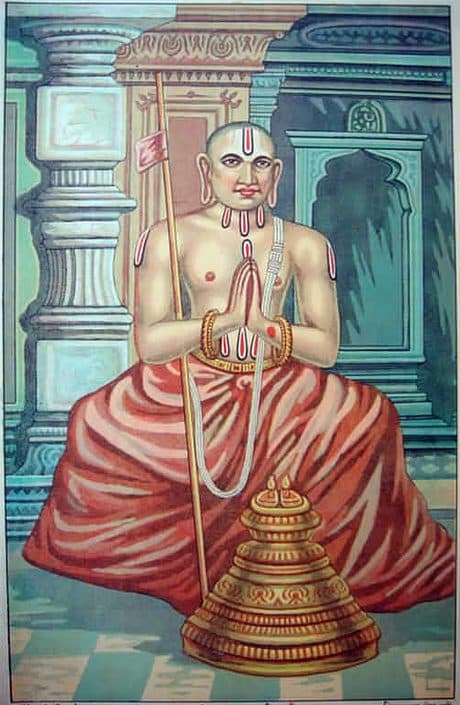
Rāmānuja · Viśiṣṭādvaita
English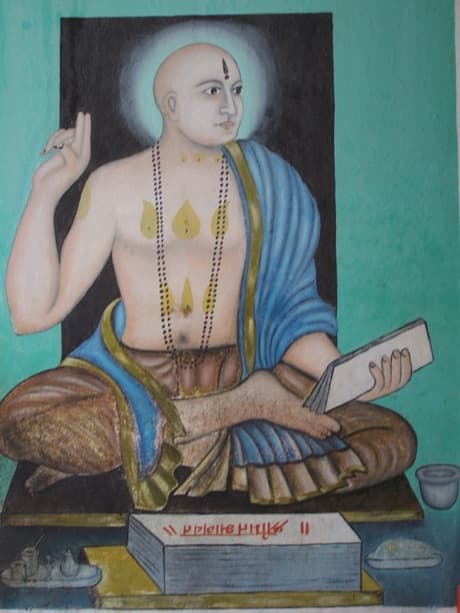
Madhvācārya · Dvaita
Madhva BhāṣyaSanskritEnglishOn verses 13.0–13.3
“यद्विकारी येन विकारेण युक्तम् | यतश्च यत् यतो याति वर्तते | न च प्रवर्तकः | यतश्च यदित्यस्मात् प्रवर्तते क्षेत्रम् इति वचनम् | स च य इति स्वरूपमात्रम् ||” - यतश्च यत् यतो याति वर्तते means by what modifications it is affected. यतश्च यत् means by Him alone the क्षेत्रम्, the field is energized by specifying, स च य इति His Form is indicated.
Madhvācārya · Dvaita
Gītā Tātparya NirṇayaSanskritEnglishOn verses 13.0–13.3
“हिंसाहेतुश्च जीवस्य परेण प्रेयते च यत् | अव्यक्तादि शरीरं तु तत्क्षेत्रं क्षीयतेऽत्र यत् | इच्छा द्वेषः सुखं दुःखं देहो व्याप्तिस्तु चेतसः | तद्विकारा इति ज्ञेयाश्चिद्वैच्छादिमिश्रिताः | विकारेच्छादिनिर्मुक्तश्चिन्मात्रेच्छादिसंयुतः | मुक्त इत्युच्यते जीवो मुक्तिश्च द्विविधा मता | चिन्मात्रद्वेषदुःखे च देहो मिथ्याद्गात्मकः | नियिद्धेच्छा च यत्र स्युर्नित्या सा मुक्तिरामुरी || चिन्मात्रा वैष्णवी भक्तिर्देहः साम्यग्द्गात्मकः | सुखमिच्छाऽनुकूला च मुक्तिर्देवीति सा मता || इति नारायणश्रुतिः |” - That which transcends the modifications caused by desires and illusions of sense attractions is able to unite with pure, spiritual consciousness is called the delivered one. The deliverance is two-fold. The superior form of liberation is one when pure Consciousness is attuned to be in devotion to Sri Vishnu or any of His authorized descents incarnations and as revealed in Vedic scriptures. The inferior form of liberation is one when consciousness is engaged in matters contrary to dharma or eternal righteousness, desiring perverse pleasures of the body, thus in Narayana Scripture.
“क्षेत्रज्ञो भगवान् विष्णुर्न ह्यन्य क्षेत्रमञ्जसा | वेच्यसौ भगवान् ज्ञेया व्यक्ताव्यक्तविलक्षणः | स तु जीवेषु सर्वेषु वहिश्चैव व्यवस्थितः | विलक्षणश्च जीवेभ्यः सर्वभ्योऽपि सदैव च | सर्वतः पाणिपादादिर्यतः पाण्यादिशक्तिमान् | केशदिष्वपि सर्वत्र कृष्णकेशो हि यादवः | अणोरणुत्तरे रूपैः पाणिपादादिसंयुतैः | सवत्र संस्थितत्वाद् वा सर्वतः पाणिपादवान् | सर्वेन्द्रियाणां विषयान् वेत्ति सोऽप्राकृतेन्द्रियः | यतोऽतोऽनन्दियः प्रोक्तो यन्न भिन्नेन्द्रियोऽथवा | गुणैः सच्चादिभिर्हीनः सर्वकल्याणमूर्तिमान् | अन्यथाभावरहित्यादचरश्चर एव च | चरणात् सर्वदेशेषु व्याप्तोऽणुमध्यमस्तथा | सर्वगत्वात् समीपे च दूरे चैवान्तरे च सः | अनन्ताव्ययशक्तित्वात् तदन्यत्र विरोधिनः | सन्ति सर्वे गुणस्तत्र न च तत्र विरोधिनः || इति च ||” - क्षेत्रज्ञ - the knower of the field is, verily, Sri Vishnu; no one else understands His nature. Know the supreme One to be distinct than the manifest and the un-manifest. He, verily, is established within and without all the Jivas. He is distinct from the Jiva always and in all respects. Possessed of accessibility and mobility on all directions, He is all-powerful. Even to the root of his hair, He, verily, is Sri Krishna Yadava. In the smallest of the small form He is secured, associated accessibility and mobility. Established in places, his accessibility and mobility remain extended on all direction. Even entering all the objects of senses, He is known as अप्राकृतः - the unmanifest, अनिन्द्रियः - inaccessible to senses since He is without sense organs, निर्गुण - without the attributes, with pure auspicious form, अचल - immovable, without any modifications, चर - moveable, manifests in all places, not only pervades everything but also abides within the centre of even the minutest of the atom, everywhere, near as well as far, of eternal power, even though displays seeming contradictory attributes, not contradictory to each other.
“न च जीवस्य क्षेत्रज्ञानम् - क्षेत्रज्ञ एता मनसो विभूतीर्जीवस्य मायारचिता अनित्याः | आविर्हिताश्चापि तिरोहिताच्च शुद्धो विचष्टे ह्यविशुद्धकर्तुः || इति हि भागवते ||” - क्षेत्रज्ञ is not in reference to the Jiva. क्षेत्रज्ञ is one who being pure and beyond modifications is capable of creating, with his Will, in the waking state the actual and in the dream and dreamless states, the experiences subject to modifications and hence not eternal. Thus, in Bhagavat Purana.
“अतः - एतद् यो वेत्ति इत्युक्ते जीवस्यापि किञ्चिज्ज्ञानात् तत्प्राप्तेः तन्निराकारणार्थं - क्षेत्रज्ञं चापि मां विद्धि इत्याह | अन्यथा एतत् यो वेत्ति इत्युक्तेनैव सिद्धत्वात् || क्षेत्रज्ञं चापि इति व्यर्थम् | भेदपक्षे तु नामनिरुक्त्यर्थ एताद् यो वेत्ति इति | सर्वाभेदामपि केचिद् वदन्तीति क्षेत्रं च ज्ञश्चेति व्युत्पत्ति निरारयति | क्षेत्रज्ञं मां यो वेत्ति इत्युक्त ईश्वरस्यापि क्षेत्रज्ञत्वं सिद्धमेव | सर्वाभेदविवक्षायां च सर्वे क्षेत्रमिति वक्तव्यम् | क्षेत्रेषु इति व्यर्थम् | न च तत्पक्षे मामित्यस्य कश्चिद् विशेषः | किन्त्येक एव क्षेत्रज्ञ इति वक्तव्यम् ||” - Therefore, एतद् यो वेत्ति - even though the Lord alone is known as क्षेत्रज्ञ, since Jiva has also some experience of the क्षेत्र, he is also sometimes referred to as क्षेत्रज्ञ. Otherwise referring Himself as क्षेत्रज्ञ - ‘क्षेत्रज्ञं चापि मां विद्धि’ immediately thereafter would have been useless. If it was otherwise, then having said that Jiva is क्षेत्रज्ञ earlier to say that He is the क्षेत्रज्ञ later would have been contradictory. Some, however, make distinction between क्षेत्र - the field and ज्ञ - the knower. (But that is not proper) because of the emphasis that He, the Lord, should be known as the क्षेत्रज्ञ, established in all the क्षेत्रज्ञ. If one understands in that manner, then it would make that the Jiva also the क्षेत्रज्ञ - knower of the field. In that case, all will be known as क्षेत्रज्ञ without any distinction at all. Without any distinction all will be spoken as the क्षेत्र - the field as well. But it is improper to consider both as क्षेत्रज्ञ. In that case, there would be nothing special calling Him as क्षेत्रज्ञ of all the क्षेत्रज्ञ Therefore He alone is the क्षेत्रज्ञ, thus has it been spoken.
“यतश्च यत् - यतः परमेश्वरानुमतिरिदं याति प्रवर्तते स चानुमन्ता यः | अनुसारिणी मतिरनुमतिः प्रेरणा | प्रेरणानुमतिः प्रोक्ता क्वचित् संवाद उच्यते | प्रेरकत्वात्तु भगवानमनुमन्ता प्रकीर्तितः || इति च | उपदृष्टानुमन्ता च | उत्वनेनेवानुमतिरमनुमन्ता चोक्तः | ज्ञेय यत् तत् इत्यादिना यत्प्रभावः इत्यादि ||” - यतश्च यत् - By whose energy. By the energy of the Supreme Lord all this is energized. He is the One who is the energizer. अनुसारिणी means by whom the mind is energized, encouraged. प्रेरणा means having the energized thoughts. संवाद is dialogue. Since the Lord energizes the thoughts of all, He is known as अनुमन्ता - the ordainer of thoughts, उपदृष्टा - the Witness. The one who induces, energizes to have thoughts is अनुमन्ता - the ordainer. ‘By whom known’, ‘which influences’ etc.
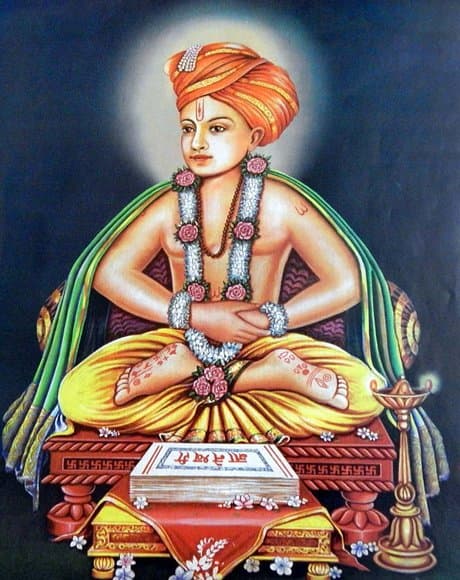
Jñāneśvar · Vārkarī
English2 “Know me to be likewise the Field-knower within all the Fields, O Scion of Bharata. The knowledge that relates to the Field and the Field-knower, that is of Me deemed the (true) knowledge. (8) "I am that 'Kshetrajna' referred to here, know ye definitely who protects all the fields (क्षेत्र). To know the field and the field-knower correctly, I consider as the (true) knowledge.
Swami Ramsukhdas · Modern
English'Kṣetrajñāṁ cāpi māṁ viddhi sarvakṣetreṣu bhārata'—In all Kṣetras (fields or bodies), 'I am', consists of two parts 'I', and 'am'. In 'I am' 'I' is Kṣetra (which has been mentioned as 'Etat', in the preceding verse), while 'am', the knower of Tness, is Kṣetrajñā (which has been called the knower, by the term, 'Yaḥ vetti'. It is called 'am', because of the use of the word 'I'. If it is not used with 'I', it will not remain 'am', but it will remain 'Is'. The reason is that, 'Is' is called 'am' because of its use with 'I'. Therefore, in fact, 'Kṣetrajñā' (am), has its affinity with God (Is). So the Lord declares, "Know Me, as Kṣetrajñā, in all Kṣetras."
The object, known is called 'Jñeya', and that 'Jñeya' is known, through an organ. There are two types of organs—outer and inner. A man, knows objects with outer organs (ears, eyes etc.,) and knows the outer organs with inner organs (mind, intellect etc.).
The inner organ, has four faculties—mind, intellect, cogitation and ego. Out of these ego is the subtlest. Ego is known by luminous 'Kṣetrajñā'. This 'Kṣetrajñā', is an embodiment of God.
Here the Lord, uses the term 'Viddhi' (know), to impress upon Arjuna, that he should know that he has his identity with Him, not with the body. As he identifies himself, with the body and regards the body as his own, so should he identify himself with Him (oversoul), and regard Him, as his own. As the self (soul), and the Lord, have been identified here, they have also been identified in the seventeenth verse of the second chapter, when the Lord declares, for the soul, 'Know that to be imperishable, by which all the universe is pervaded' and in the fourth verse of the ninth chapter, when He declares for Himself, 'All this universe is pervaded by Me.' Thus the Lord, identifies the Kṣetrajñā (His portion), with Himself. Further in the thirty-fourth verse of this chapter, he explains the identity of bodies and world (the evolutes of prakṛti), with prakṛti (matter). The Lord, exhorts Arjuna to have a disinclination for the body, which is a portion of prakṛti and an inclination instead for Him, because he is His portion.
In fact, a body has its identity with the world, while the soul (Kṣetrajñā), has its identity with the Lord. But the man (soul), by assuming his identity with the body, regards himself as separate, from the Lord. So the Lord, wants Arjuna to know the truth, about the body and the soul.
By the term 'Api' (also), the Lord emphasizes the significant fact, that in the scriptures He is described as, all pervasive. No doubt, an all pervasive God, He is. But, in different bodies as different souls also is He. The gist of this comment is, that the individual soul, is not different from, the oversoul. The individual soul is He Himself, and one should realize his identity, with Him.
Man, himself is different from the world, but he has his identity, with the Lord. So, he can know the world in reality,
when he observes the world, being detached from it. But, he can have a true knowledge of the Lord, by identifying himself, with Him.
'Kṣetrakṣetrajñāyorjñānaṁ yattajjñānaṁ mataṁ mama'—The Kṣetra (body), has its identity with the world, while the Kṣetrajñā (Soul) has its identity with the Lord—this is true knowledge. By the expression 'Mataṁ mama', He wants to lay emphasis upon the point that knowledge of several languages, scripts, arts and sciences etc., and even, of the whole world, is not, true knowledge, because this knowledge, entraps a man into the world, though it may be useful. True knowledge, enables him to renounce his affinity with the body, and be free, from the cycle of birth and death. The self, is different from the body and one, with the cosmic soul. This is true knowledge.
Appendix—Kṣetrajñā (soul) and Brahma (the Absolute) are one. Having relationship with one 'kṣetra', this soul is called 'kṣetrajñā' and when it is free from the relationship of all 'kṣetras', it is 'Brahma'.
'idaṁ śarīraṁ kaunteya kṣetram'—This expression proves that there is identification of the body (kṣetra) with infinite universes (the entire creation) and the expression 'kṣetrajñāṇ cāpi māṁ vidhi' proves that the Self is identified with the endless, boundless and limitless God. Therefore anything which is farthest from us (the Self) is the body and any entity which is nearest is God. It means that the body and the world are one and the Self and God are one (Gītā 15/7). This is knowledge.
The term 'mām' has been used for Brahma which means that Brahma and God are not two but only one—'mayā tatamidaṁ sarvaṁ jagadavyaktamūrtinā' (Gītā 9/4) 'all this universe is pervaded by Me in My unmanifest form'. The Supreme Reality, which pervades endless universes without being tainted, is Brahma and He, Who is the master of endless universes, is God.
*Link:—In the preceding verse, the Lord said that knowledge of Kṣetra and Kṣetrajña, is true knowledge. In the next verse, He further explains the distinction, between the two and asks Arjuna to listen to Him.*
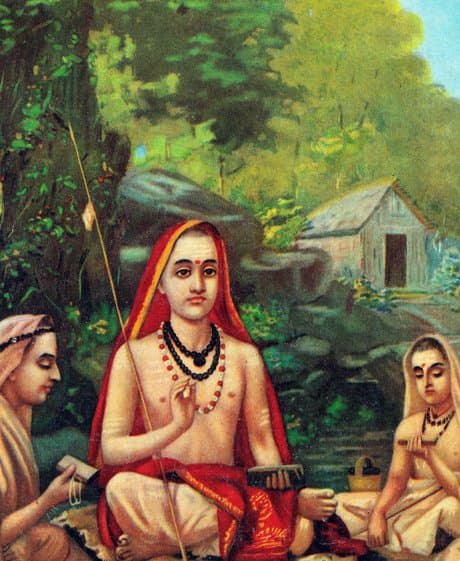
Ādi Śaṅkarācārya · Advaita
Sanskritक्षेत्रज्ञं यथोक्तलक्षणं चापि मां परमेश्वरम् असंसारिणं विद्धि जानीहि । सर्वक्षेत्रेषु यः क्षेत्रज्ञः ब्रह्मादिस्तम्बपर्यन्तानेकक्षेत्रोपाधिप्रविभक्तः, तं निरस्तसर्वोपाधिभेदं सदसदादिशब्दप्रत्ययागोचरं विद्धि इति अभिप्रायः । हे भारत, यस्मात् क्षेत्रक्षेत्रज्ञेश्वरयाथात्म्यव्यतिरेकेण न ज्ञानगोचरम् अन्यत् अवशिष्टं अस्ति, तस्मात् क्षेत्रक्षेत्रज्ञयोः ज्ञेयभूतयोः यत् ज्ञानं क्षेत्रक्षेत्रज्ञौ येन ज्ञानेन विषयीक्रियेते, तत् ज्ञानं सम्यग्ज्ञानं इति मतं अभिप्रायः मम ईश्वरस्य विष्णोः ॥
ननु सर्वक्षेत्रेषु एक एव ईश्वरः, न अन्यः तद्व्यतिरिक्तः भोक्ता विद्यते चेत्, ततः ईस्वरस्य संसारित्वं प्राप्तम्; ईश्वरव्यतिरेकेण वा संसारिणः अन्यस्य अभावात् संसाराभावप्रसङ्गः । तच्च उभयमनिष्टम्, बन्धमोक्षतद्धेतुशास्त्रानर्थक्यप्रसङ्गात्, प्रत्यक्षादिप्रमाणविरोधाच्च । प्रत्यक्षेण तावत् सुखदुःखतद्धेतुलक्षणः संसारः उपलभ्यते; जगद्वैचित्र्योपलब्धेश्च धर्माधर्मनिमित्तः संसारः अनुमीयते । सर्वमेतत् अनुपपन्नमात्मेश्वरैकत्वे ॥ न; ज्ञानाज्ञानयोः अन्यत्वेनोपपत्तेः -- ``दूरमेते विपरीते विषूची अविद्या या च विद्येति ज्ञाता'' (क. उ. १-२-४) । तथा तयोः विद्याविद्याविषययोः फलभेदोऽपि विरुद्धः निर्दिष्टः -- ``श्रेयश्च प्रेयश्च'' (क. उ. १-२-२) इति; विद्याविषयः श्रेयः, प्रेयस्तु अविद्याकार्यं इति । तथा च व्यासः -- ''द्वाविमावथ पन्थानौ'' (मो. ध. २४१-६) इत्यादि, ``इमौ द्वावेव पन्थानौ'' इत्यादि च । इह च द्वे निष्ठे उक्ते । अविद्या च सह कार्येण हातव्या इति श्रुतिस्मृतिन्यायेभ्यः अवगम्यते । श्रुतयः तावत् -- ``इह चेदवेदीदथ सत्यमस्ति न चेदिहावेदीन्महती विनष्टिः'' (के. उ. २-५) ''तमेवं विद्वानमृत इह भवति । नान्यः पन्था विद्यतेऽयनाय'' (तै. आ. ३-१३) ``विद्वान्न बिभेति कुतश्चन'' (तै. उ. २-९-१) । अविदुषस्तु --``अथ तस्य भयं भवति'' (तै. उ. २-७-१), ``अविद्यायामन्तरे वर्तमानाः'' (क. उ. १-२-५), ``ब्रह्म वेद ब्रह्मैव भवति''``अन्योऽसावन्योऽहमस्मीति न स वेद यथा पशुरेवं स देवानाम्'' (बृ. उ. १-४-१०) आत्मवित् यः ``स इदं सर्वं भवति'' (बृ. उ. १-४-१०) ; ``यदा चर्मवत्'' (श्वे. उ. ६-२०) इत्याद्याः सहस्रशः । स्मृतयश्च -- ``अज्ञानेनावृतं ज्ञानं तेन मुह्यन्ति जन्तवः'' (भ. गी. ५-१५) ``इहैव तैर्जितः सर्गो येषां साम्ये स्थितं मनः'' (भ. गी. ५-१९) ``समं पश्यन् हि सर्वत्र'' (भ. गी. १३-२८) इत्याद्याः । न्यायतश्च -- ''सर्पान्कुशाग्राणि तथोदपानं ज्ञात्वा मनुष्याः परिवर्जयन्ति । अज्ञानतस्तत्र पतन्ति केचिज्ज्ञाने फलं पश्य यथाविशिष्टम्'' (मो. ध. २०१-१७) । तथा च -- देहादिषु आत्मबुद्धिः अविद्वान् रागद्वेषादिप्रयुक्तः धर्माधर्मानुष्ठानकृत् जायते म्रियते च इति अवगम्यते; देहादिव्यतिरिक्तात्मदर्शिनः रागद्वेषादिप्रहाणापेक्षधर्माधर्म-प्रवृत्त्युपशमात् मुच्यन्ते इति न केनचित् प्रत्याख्यातुं शक्यं न्यायतः । तत्र एवं सति, क्षेत्रज्ञस्य ईश्वरस्यैव सतः अविद्याकृतोपाधिभेदतः संसारित्वमिव भवति, यथा देहाद्यात्मत्वमात्मनः । सर्वजन्तूनां हि प्रसिद्धः देहादिषु अनात्मसु आत्मभावः निश्चितः अविद्याकृतः, यथा स्थाणौ पुरुषनिश्चयः; न च एतावता पुरुषधर्मः स्थाणोः भवति, स्थाणुधर्मो वा पुरुषस्य, तथा न चैतन्यधर्मो देहस्य, देहधर्मो वा चेतनस्य सुखदुःखमोहात्मकत्वादिः आत्मनः न युक्तः; अविद्याकृतत्वाविशेषात्, जरामृत्युवत् ॥ न, अतुल्यत्वात्; इति चेत् -- स्थाणुपुरुषौ ज्ञेयावेव सन्तौ ज्ञात्रा अन्योन्यस्मिन् अध्यस्तौ अविद्यया; देहात्मनोस्तु ज्ञेयज्ञात्रोरेव इतरेतराध्यासः, इति न समः दृष्टान्तः । अतः देहधर्मः ज्ञेयोऽपि ज्ञातुरात्मनः भवतीति चेत्, न; अचैतन्यादिप्रसङ्गात् । यदि हि ज्ञेयस्य देहादेः क्षेत्रस्य धर्माः सुखदुःखमोहेच्छादयः ज्ञातुः भवन्ति, तर्हि, ``ज्ञेयस्य क्षेत्रस्य धर्माः केचित् आत्मनः भवन्ति अविद्याध्यारोपिताः, जरामरणादयस्तु न भवन्ति'' इति विशेषहेतुः वक्तव्यः । ``न भवन्ति'' इति अस्ति अनुमानं -- अविद्याध्यारोपितत्वात् जरामरणादिवत् इति, हेयत्वात्, उपादेयत्वाच्च इत्यादि । तत्र एवं सति, कर्तृत्वभोक्तृत्वलक्षणः संसारः ज्ञेयस्थः ज्ञातरि अविद्यया अध्यारोपितः इति, न तेन ज्ञातुः किञ्चित् दुष्यति, यथा बालैः अध्यारोपितेन आकाशस्य तलमलिनत्वादिना ॥ एवं च सति, सर्वक्षेत्रेष्वपि सतः भगवतः क्षेत्रज्ञस्य ईश्वरस्य संसारित्वगन्धमात्रमपि नाशङ्क्यम् । न हि क्वचिदपि लोके अविद्याध्यस्तेन धर्मेण कस्यचित् उपकारः अपकारो वा दृष्टः ॥ यत्तु उक्तं -- न समः दृष्टान्तः इति, तत् असत् । कथम्? अविद्याध्यासमात्रं हि दृष्टान्तदार्ष्टान्तिकयोः साधर्म्यं विवक्षितम् । तत् न व्यभिचरति । यत्तु ज्ञातरि व्यभिचरति इति मन्यसे, तस्यापि अनैकान्तिकत्वं दर्शितं जरादिभिः ॥ अविद्यावत्त्वात् क्षेत्रज्ञस्य संसारित्वं इति चेत्, न; अविद्यायाः तामसत्वात् । तामसो हि प्रत्ययः, आवरणात्मकत्वात् अविद्या विपरीतग्राहकः, संशयोपस्थापको वा, अग्रहणात्मको वा; विवेकप्रकाशभावे तदभावात्, तामसे च आवरणात्मके तिमिरादिदोषे सति अग्रहणादेः अविद्यात्रयस्य उपलब्धेः ॥
अत्र आह -- एवं तर्हि ज्ञातृधर्मः अविद्या । न; करणे चक्षुषि तैमिरिकत्वादिदोषोपलब्धेः । यत्तु मन्यसे -- ज्ञातृधर्मः अविद्या, तदेव च अविद्याधर्मवत्त्वं क्षेत्रज्ञस्य संसारित्वम्; तत्र यदुक्तं ``ईश्वर एव क्षेत्रज्ञः, न संसारी'' इत्येतत् अयुक्तमिति -- तत् न; यथा करणे चक्षुषि विपरीतग्राहकादिदोषस्य दर्शनात् । न विपरीतादिग्रहणं तन्निमित्तं वा तैमिरिकत्वादिदोषः ग्रहीतुः, चक्षुषः संस्कारेण तिमिरे अपनीते ग्रहीतुः अदर्शनात् न ग्रहीतुर्धर्मः यथा; तथा सर्वत्रैव अग्रहणविपरीतसंशयप्रत्ययास्तन्निमित्ताः करणस्यैव कस्यचित् भवितुमर्हन्ति, न ज्ञातुः क्षेत्रज्ञस्य । संवेद्यत्वाच्च तेषां प्रदीपप्रकाशवत् न ज्ञातृधर्मत्वं -- संवेद्यत्वादेव स्वात्मव्यतिरिक्तसंवेद्यत्वम्; सर्वकरणवियोगे च कैवल्ये सर्ववादिभिः अविद्यादिदोषवत्त्वानभ्युपगमात् । आत्मनः यदि क्षेत्रज्ञस्य अग्न्युष्णवत् स्वः धर्मः, ततः न कदाचिदपि तेन वियोगः स्यात् । अविक्रियस्य च व्योमवत् सर्वगतस्य अमूर्तस्य आत्मनः केनचित् संयोगवियोगानुपपत्तेः, सिद्धं क्षेत्रज्ञस्य नित्यमेव ईश्वरत्वम्; ``अनादित्वान्निर्गुणत्वात्'' (भ. गी. १३-३१) इत्यादीश्वरवचनाच्च ॥ ननु एवं सति संसारसंसारित्वाभावे शास्त्रानर्थक्यादिदोषः स्यादिति चेत्, न; सर्वैरभ्युपगतत्वात् । सर्वैर्हि आत्मवादिभिः अभ्युपगतः दोषः न एकेन परिहर्तव्यः भवति । कथं अभ्युपगतः इति? मुक्तात्मनां हि संसारसंसारित्वव्यवहाराभावः सर्वैरेव आत्मवादिभिः इष्यते । न च तेषां शास्त्रानर्थक्यादिदोषप्राप्तिः अभ्युपगता । तथा नः क्षेत्रज्ञानाम् ईश्वरैकत्वे सति, शास्त्रानर्थक्यं भवतु; अविद्याविषये च अर्थवत्त्वम् -- यथा द्वैतिनां सर्वेषां बन्धावस्थायामेव शास्त्राद्यर्थवत्त्वम्, न मुक्तावस्थायाम्, एवम् ॥
ननु आत्मनः बन्धमुक्तावस्थे परमार्थत एव वस्तुभूते द्वैतिनां सर्वेषाम् । अतः हेयोपादेयतत्साधनसद्भावे शास्त्राद्यर्थवत्त्वं स्यात् । अद्वैतिनां पुनः, द्वैतस्य अपरमार्थत्वात्, अविद्याकृतत्वात् बन्धावस्थायाश्च आत्मनः अपरमार्थत्वे निर्विषयत्वात्, शास्त्राद्यानर्थक्यं इति चेत्, न; आत्मनः अवस्थाभेदानुपपत्तेः । यदि तावत् आत्मनः बन्धमुक्तावस्थे, युगपत् स्याताम्, क्रमेण वा । युगपत् तावत् विरोधात् न सम्भवतः स्थितिगती इव एकस्मिन् । क्रमभावित्वे च, निर्निमित्तत्वे अनिर्मोक्षप्रसङ्गः । अन्यनिमित्तत्वे च स्वतः अभावात् अपरमार्थत्वप्रसङ्गः । तथा च सति अभ्युपगमहानिः । किञ्च, बन्धमुक्तावस्थयोः पौर्वापर्यनिरूपणायां बन्धावस्था पूर्वं प्रकल्प्या, अनादिमती अन्तवती च; तच्च प्रमाणविरुद्धम् । तथा मोक्षावस्था आदिमती अनन्ता च प्रमाणविरुद्धैव अभ्युपगम्यते । न च अवस्थावतः अवस्थान्तरं गच्छतः नित्यत्वं उपपादयितुं शक्यम् । अथ अनित्यत्वदोषपरिहाराय बन्धमुक्तावस्थाभेदो न कल्प्यते, अतः द्वैतिनामपि शास्त्रानर्थक्यादिदोषः अपरिहार्य एव; इति समानत्वात् न अद्वैतवादिना परिहर्तव्यः दोषः ॥ न च शास्त्रानर्थक्यम्, यथाप्रसिद्धाविद्वत्पुरुषविषयत्वात् शास्त्रस्य । अविदुषां हि फलहेत्वोः अनात्मनोः आत्मदर्शनम्, न विदुषाम्; विदुषां हि फलहेतुभ्याम् आत्मनः अन्यत्वदर्शने सति, तयोः अहमिति आत्मदर्शनानुपपत्तेः । न हि अत्यन्तमूढः उन्मत्तादिरपि जलाग्न्योः छायाप्रकाशयोर्वा ऐकात्म्यं पश्यति; किमुत विवेकी । तस्मात् न विधिप्रतिषेधशास्त्रं तावत् फलहेतुभ्यां आत्मनः अन्यत्वदर्शिनः भवति । न हि ``देवदत्त, त्वं इदं कुरु'' इति कस्मिंश्चित् कर्मणि नियुक्ते, विष्णुमित्रः ``अहं नियुक्तः'' इति तत्रस्थः नियोगं शृण्वन्नपि प्रतिपद्यते । वियोगविषयविवेकाग्रहणात् तु उपपद्यते प्रतिपत्तिः; तथा फलहेत्वोरपि ॥ ननु प्राकृतसम्बन्धापेक्षया युक्तैव प्रतिपत्तिः शास्त्रार्थविषया -- फलहेतुभ्यां अन्यात्मविषयदर्शनेऽपि सति -- इष्टफलहेतौ प्रवर्तितः अस्मि, अनिष्टफलहेतोश्च निवर्तितः अस्मीति; यथा पितृपुत्रादीनाम् इतरेतरात्मान्यत्वदर्शने सत्यपि अन्योन्यनियोगप्रतिषेधार्थप्रतिपत्तिः । न; व्यतिरिक्तात्म-दर्शनप्रतिपत्तेः प्रागेव फलहेत्वोः आत्माभिमानस्य सिद्धत्वात् । प्रतिपन्ननियोगप्रतिषेधार्थो हि फलहेतुभ्यां आत्मनः अन्यत्वं प्रतिपद्यते, न पूर्वम् । तस्मात् विधिप्रतिषेधशास्त्रम् अविद्वद्विषयं इति सिद्धम् ॥ ननु ''स्वर्गकामो यजेत'' ''न कलञ्जं भक्षयेत्'' इत्यादौ आत्मव्यतिरेकदर्शिनां अप्रवृत्तौ, केवलदेहाद्यात्मदृष्टीनां च; अतः कर्तुः अभावात् शास्त्रानर्थक्यमिति चेत्, न; यथाप्रसिद्धित एव प्रवृत्तिनिवृत्त्युपपत्तेः । ईश्वरक्षेत्रज्ञैकत्वदर्शी ब्रह्मवित् तावत् न प्रवर्तते । तथा नैरात्म्यवाद्यपि नास्ति परलोकः इति न प्रवर्तते । यथाप्रसिद्धितस्तु विधिप्रतिषेधशास्त्रश्रवणान्यथानुपपत्त्या अनुमितात्मास्तित्वः आत्मविशेषानभिज्ञः कर्मफलसञ्जाततृष्णः श्रद्दधानतया च प्रवर्तते । इति सर्वेषां नः प्रत्यक्षम् । अतः न शास्त्रानर्थक्यम् ॥ विवेकिनां अप्रवृत्तिदर्शनात् तदनुगामिनां अप्रवृत्तौ शास्त्रानर्थक्यं इति चेत्, न; कस्यचिदेव विवेकोपपत्तेः । अनेकेषु हि प्राणिषु कश्चिदेव विवेकी स्यात्, यथेदानीम् । न च विवेकिनं अनुवर्तन्ते मूढाः, रागादिदोषतन्त्रत्वात् प्रवृत्तेः, अभिचरणादौ च प्रवृत्तिदर्शनात्, स्वाभाव्याच्च प्रवृत्तेः -- ``स्वभावस्तु प्रवर्तते'' (भ. गी. ५-१४) इति हि उक्तम् ॥ तस्मात् अविद्यामात्रं संसारः यथादृष्टविषयः एव । न क्षेत्रज्ञस्य केवलस्य अविद्या तत्कार्यं च । न च मिथ्याज्ञानं परमार्थवस्तु दूषयितुं समर्थम् । न हि ऊषरदेशं स्नेहेन पङ्कीकर्तुं शक्नोति मरीच्युदकम् । तथा अविद्या क्षेत्रज्ञस्य न किञ्चित् कर्तुं शक्नोति । अतश्चेदमुक्तं -- ``क्षेत्रज्ञं चापि मां विद्धि'' (भ. गी. १३-२), ``अज्ञानेनावृतं ज्ञानम्'' (भ. गी. ५-१५) इति च ॥ अथ किमिदं संसारिणामिव ``अहमेवम्'' ``ममैवेदम्'' इति पण्डितानामपि? शृणु; इदं तत् पाण्डित्यम्, यत् क्षेत्रे एव आत्मदर्शनम् । यदि पुनः क्षेत्रज्ञं अविक्रियं पश्येयुः, ततः न भोगं कर्म वा आकाङ्क्षेयुः ``मम स्यात्'' इति । विक्रियैव भोगकर्मणी । अथ एवं सति, फलार्थित्वात् अविद्वान् प्रवर्तते । विदुषः पुनः अविक्रियात्मदर्शिनः फलार्थित्वाभावात् प्रवृत्त्यनुपपत्तौ कार्यकरणसङ्घातव्यापारोपरमे निवृत्तिः उपचर्यते ॥ इदं च अन्यत् पाण्डित्यं केषाञ्चित् अस्तु -- क्षेत्रज्ञः ईश्वर एव । क्षेत्रं च अन्यत् क्षेत्रज्ञस्यैव विषयः । अहं तु संसारी सुखी दुःखी च । संसारोपरमश्च मम कर्तव्यः क्षेत्रक्षेत्रज्ञविज्ञानेन, ध्यानेन च ईश्वरं क्षेत्रज्ञं साक्षात्कृत्वा तत्स्वरूपावस्थानेनेति । यश्च एवं बुध्यते, यश्च बोधयति, नासौ क्षेत्रज्ञः इति । एवं मन्वानः यः सः पण्डितापसदः, संसारमोक्षयोः शास्त्रस्य च अर्थवत्त्वं करोमीति; आत्महा स्वयं मूढः अन्यांश्च व्यामोहयति शास्त्रार्थसम्प्रदायरहितत्वात्, श्रुतहानिं अश्रुतकल्पनां च कुर्वन् । तस्मात् असम्प्रदायवित् सर्वशास्त्रविदपि मूर्खवदेव उपेक्षणीयः ॥ यत्तूक्तम् ``ईश्वरस्य क्षेत्रज्ञैकत्वे संसारित्वं प्राप्नोति, क्षेत्रज्ञानां च ईश्वरैकत्वे संसारिणः अभावात् संसाराभावप्रसङ्गः'' इति, एतौ दोषौ प्रत्युक्तौ ``विद्याविद्ययोः वैलक्षण्याभ्युपगमात्'' इति । कथम्? अविद्यापरिकल्पितदोषेण तद्विषयं वस्तु पारमार्थिकं न दुष्यतीति । तथा च दृष्टान्तः दर्शितः -- मरीच्यम्भसा ऊषरदेशो न पङ्कीक्रियते इति । संसारिणः अभावात् संसाराभावप्रसङ्गदोषोऽपि संसारसंसारिणोः अविद्याकल्पितत्वोपपत्त्या प्रत्युक्तः ॥ ननु अविद्यावत्त्वमेव क्षेत्रज्ञस्य संसारित्वदोषः । तत्कृतं च सुखित्वदुःखित्वादि प्रत्यक्षं उपलभ्यते इति चेत्, न; ज्ञेयस्य क्षेत्रधर्मत्वात्, ज्ञातुः क्षेत्रज्ञस्य तत्कृतदोषानुपपत्तेः । यावत् किञ्चित् क्षेत्रज्ञस्य दोषजातं अविद्यमानं आसञ्जयसि, तस्य ज्ञेयत्वोपपत्तेः क्षेत्रधर्मत्वमेव, न क्षेत्रज्ञधर्मत्वम् । न च तेन क्षेत्रज्ञः दुष्यति, ज्ञेयेन ज्ञातुः संसर्गानुपपत्तेः । यदि हि संसर्गः स्यात्, ज्ञेयत्वमेव नोपपद्येत । यदि आत्मनः धर्मः अविद्यावत्त्वं दुःखित्वादि च कथं भोः प्रत्यक्षं उपलभ्यते, कथं वा क्षेत्रज्ञधर्मः । ``ज्ञेयं च सर्वं क्षेत्रं ज्ञातैव क्षेत्रज्ञः'' इति अवधारिते, ``अविद्यादुःखित्वादेः क्षेत्रज्ञविशेषणत्वं क्षेत्रज्ञ धर्मत्वं तस्य च प्रत्यक्षोपलभ्यत्वम्'' इति विरुद्धं उच्यते अविद्यामात्रावष्टम्भात् केवलम् ॥ अत्र आह -- सा अविद्या कस्य इति । यस्य दृश्यते तस्य एव । कस्य दृश्यते इति । अत्र उच्यते -- ``अविद्या कस्य दृश्यते?'' इति प्रश्नः निरर्थकः । कथम्? दृश्यते चेत् अविद्या, तद्वन्तमपि पश्यसि । न च तद्वति उपलभ्यमाने ``सा कस्य?'' इति प्रश्नो युक्तः । न हि गोमति उपलभ्यमाने ``गावः कस्य?'' इति प्रश्नः अर्थवान् भवति । ननु विषमो दृष्टान्तः । गवां तद्वतश्च प्रत्यक्षत्वात् तत्सम्बन्धोऽपि प्रत्यक्ष इति प्रश्नो निरर्थकः । न तथा अविद्या तद्वांश्च प्रत्यक्षौ, यतः प्रश्नः निरर्थकः स्यात् । अप्रत्यक्षेण अविद्यावता अविद्यासम्बन्धे ज्ञाते, किं तव स्यात्? अविद्यायाः अनर्थहेतुत्वात् परिहर्तव्या स्यात् । यस्य अविद्या, सः तां परिहरिष्यति । ननु ममैव अविद्या । जानासि तर्हि अविद्यां तद्वन्तं च आत्मानम् । जानामि, न तु प्रत्यक्षेण । अनुमानेन चेत् जानासि, कथं सम्बन्धग्रहणम्? न हि तव ज्ञातुः ज्ञेयभूतया अविद्यया तत्काले सम्बन्धः ग्रहीतुं शक्यते, अविद्याया विषयत्वेनैव ज्ञातुः उपयुक्तत्वात् । न च ज्ञातुः अविद्यायाश्च सम्बन्धस्य यः ग्रहीता, ज्ञानं च अन्यत् तद्विषयं सम्भवति; अनवस्थाप्राप्तेः । यदि ज्ञात्रापि ज्ञेयसम्बन्धो ज्ञायते, अन्यः ज्ञाता कल्प्यः स्यात्, तस्यापि अन्यः, तस्यापि अन्यः इति अनवस्था अपरिहार्या । यदि पुनः अविद्या ज्ञेया, अन्यद्वा ज्ञेयं ज्ञेयमेव । तथा ज्ञातापि ज्ञातैव, न ज्ञेयं भवति । यदा च एवम्, अविद्यादुःखित्वाद्यैः न ज्ञातुः क्षेत्रज्ञस्य किञ्चित् दुष्यति ॥ ननु अयमेव दोषः, यत् दोषवत्क्षेत्रविज्ञातृत्वम्; न; विज्ञानस्वरूपस्यैव अविक्रियस्य विज्ञातृत्वोपचारात्; यथा उष्णतामात्रेण अग्नेः तप्तिक्रियोपचारः तद्वत् । यथा अत्र भगवता क्रियाकारकफलात्मत्वाभावः आत्मनि स्वत एव दर्शितः -- अविद्याध्यारोपितः एव क्रियाकारकादिः आत्मनि उपचर्यते; तथा तत्र तत्र ``य एवं वेत्ति हन्तारम्'' (भ. गी. २-१९),``प्रकृतेः क्रियमाणानि गुणैः कर्माणि सर्वशः'' (भ. गी. ३-२७), ``नादत्ते कस्यचित्पापम्'' (भ. गी. ५-१५)इत्यादिप्रकरणेषु दर्शितः । तथैव च व्याख्यातम् अस्माभिः । उत्तरेषु च प्रकरणेषु दर्शयिष्यामः ॥
हन्त । तर्हि आत्मनि क्रियाकारकफलात्मतायाः स्वतः अभावे, अविद्यया च अध्यारोपितत्वे, कर्माणि अविद्वत्कर्तव्यान्येव, न विदुषां इति प्राप्तम् । सत्यं एवं प्राप्तम्, एतदेव च ``न हि देहभृता शक्यम्'' (भ. गी. १८-११)इत्यत्र दर्शयिष्यामः । सर्वशास्त्रार्थोपसंहारप्रकरणे च ``समासेनैव कौन्तेय निष्ठा ज्ञानस्य या परा'' (भ. गी. १८-५०)इत्यत्र विशेषतः दर्शयिष्यामः । अलं इह बहुप्रपञ्चनेन, इति उपसंह्रियते ॥
``इदं शरीरम्'' इत्यादिश्लोकोपदिष्टस्य क्षेत्राध्यायार्थस्य सङ्ग्रहश्लोकः अयं उपन्यस्यते ``तत्क्षेत्रं यच्च'' इत्यादि, व्याचिख्यासितस्य हि अर्थस्य सङ्ग्रहोपन्यासः न्याय्यः इति --
Ādi Śaṅkarācārya · Advaita
Hindiइस प्रकार कहे हुए क्षेत्र और क्षेत्रज्ञ क्या इतने ज्ञानसे ही जाने जा सकते हैं? इसपर कहते हैं कि नहीं—
तू समस्त क्षेत्रोंमें उपर्युक्त लक्षणोंसे युक्त क्षेत्रज्ञ भी मुझ असंसारी परमेश्वरको ही जान। अर्थात् समस्त शरीरोंमें जो ब्रह्मासे लेकर स्तम्भपर्यन्त अनेक शरीररूप उपाधियोंसे विभक्त हुआ क्षेत्रज्ञ है, उसको समस्त उपाधि-भेदसे रहित एवं सत् और असत् आदि शब्द-प्रतीतिसे जाननेमें न आनेवाला ही समझ।
हे भारत! जब कि क्षेत्र, क्षेत्रज्ञ और ईश्वर—इनके यथार्थ स्वरूपसे अतिरिक्त अन्य कोई ज्ञानका विषय शेष नहीं रहता, इसलिये ज्ञेयस्वरूप क्षेत्र और क्षेत्रज्ञका जो ज्ञान है—जिस ज्ञानसे क्षेत्र और क्षेत्रज्ञ प्रत्यक्ष किये जाते हैं, वही ज्ञान यथार्थ ज्ञान है। मुझ ईश्वर—विष्णुका यही मत—अभिप्राय है।
पू०—यदि समस्त शरीरोंमें एक ही ईश्वर है, उससे अतिरिक्त अन्य कोई भोक्ता नहीं है, ऐसा मानें तो ईश्वरको संसारी मानना हुआ नहीं तो ईश्वरसे अतिरिक्त अन्य संसारीका अभाव होनेसे संसारके अभावका प्रसङ्ग आ जाता है। यह दोनों ही अनिष्ट हैं; क्योंकि ऐसा मान लेनेपर बन्ध, मोक्ष और उनके कारणका प्रतिपादन करनेवाले शास्त्र व्यर्थ हो जाते हैं और प्रत्यक्षादि प्रमाणोंसे भी इस मान्यताका विरोध है।
प्रत्यक्ष प्रमाणसे तो सुख-दुःख और उनका कारणरूप यह संसार दीख ही रहा है। इसके सिवा जगत्की विचित्रताको देखकर पुण्य-पापहेतुक संसारका होना अनुमानसे भी सिद्ध होता है, परंतु आत्मा और ईश्वरका एकता मान लेनेपर ये सब-के-सब अयुक्त ठहरते हैं।
उ०—यह कहना ठीक नहीं; क्योंकि ज्ञान और अज्ञानका भेद होनेसे यह सब सम्भव है।
(श्रुतिमें भी कहा है कि) ‘प्रसिद्ध जो अविद्या और विद्या हैं वे अत्यन्त विपरीत और भिन्न समझी गयी हैं’ तथा (उसी जगह) उन विद्या और अविद्याका फल भी श्रेय और प्रेय इस प्रकार परस्पर-विरुद्ध दिखलाया गया है, इसमें विद्याका फल श्रेय (मोक्ष) और अविद्याका प्रेय (इष्ट भोगोंकी प्राप्ति) है।
वैसे ही श्रीव्यासजीने भी कहा है कि ‘यह दोनों ही मार्ग हैं’ इत्यादि तथा ‘यह दो ही मार्ग हैं’ इत्यादि और यहाँ गीताशास्त्रमें भी दो निष्ठाएँ बतलायी गयी हैं।
इसके सिवा श्रुति, स्मृति और न्यायसे भी यही सिद्ध होता है कि विद्याके द्वारा कार्यसहित अविद्याका नाश करना चाहिये।
इस विषयमें ये श्रुतियाँ ‘यहाँ यदि जान लिया तो बहुत ठीक है और यदि यहाँ नहीं जाना तो बड़ी भारी हानि है’ ‘उसको इस प्रकार जाननेवाला यहाँ अमृत हो जाता है’ ‘परमपदकी प्राप्तिके लिये (विद्याके सिवा) अन्य मार्ग नहीं है’ ‘विद्वान् किसीसे भी भयभीत नहीं होता।’ किंतु अज्ञानीके विषयमें (कहा है कि) ‘उसको भय होता है’ ‘जो कि अविद्याके बीचमें ही पड़े हुए हैं’ ‘जो ब्रह्मको जानता है वह ब्रह्म ही हो जाता है’ ‘यह देव अन्य है और मैं अन्य हूँ इस प्रकार जो समझता है वह आत्मतत्त्वको नहीं जानता जैसे (मनुष्योंका) पशु होता है वैसे ही वह देवताओंका पशु है’ किंतु जो आत्मज्ञानी है (उसके विषयमें) ‘वह यह सब कुछ हो जाता है’ ‘यदि आकाशको चर्मके समान लपेटा जा सके’ इत्यादि सहस्रों श्रुतियाँ हैं।
तथा ये स्मृतियाँ भी हैं—‘ज्ञान अज्ञानसे ढँका हुआ है, इसलिये जीव मोहित हो रहे हैं’ ‘जिनका चित्त समतामें स्थित है उन्होंने यहाँ संसारको जीत लिया है’ ‘सर्वत्र समानभावसे देखता हुआ’ इत्यादि।
युक्तिसे भी यह बात सिद्ध है। जैसे कहा है कि ‘सर्प, कुश-कण्टक और तालाबको जान लेनेपर मनुष्य उनसे बच जाते हैं, किंतु बिना जाने कई एक उनमें गिर जाते हैं, इस न्यायसे ज्ञानका जो विशेष फल है उसको समझ।’
इस प्रकार उपर्युक्त प्रमाणोंसे यह ज्ञात होता है कि देहादिमें आत्मबुद्धि करनेवाला अज्ञानी राग-द्वेषादि दोषोंसे प्रेरित होकर धर्म-अधर्मरूप कर्मोंका अनुष्ठान करता हुआ जन्मता और मरता रहता है, किंतु देहादिसे अतिरिक्त आत्माका साक्षात् करनेवाले पुरुषोंके राग-द्वेषादि दोष निवृत्त हो जाते हैं, इससे उनकी धर्माधर्मविषयक प्रवृत्ति शान्त हो जानेसे वे मुक्त हो जाते हैं। इस बातका कोई भी न्यायानुसार विरोध नहीं कर सकता।
अतः यह सिद्ध हुआ कि जो वास्तवमें ईश्वर ही है उस क्षेत्रज्ञको अविद्याद्वारा आरोपित उपाधिके भेदसे संसारित्व प्राप्त-सा हो जाता है, जैसे कि जीवको देहादिमें आत्मबुद्धि हो जाती है; क्योंकि समस्त जीवोंका जो देहादि अनात्म-पदार्थोंमें आत्मभाव प्रसिद्ध है, वह निःसंदेह अविद्याकृत ही है।
जैसे स्तम्भमें मनुष्यबुद्धि हो जाती है, परंतु इतनेहीसे मनुष्यके धर्म स्तम्भमें और स्तम्भके धर्म मनुष्यमें नहीं आ जाते, वैसे ही चेतनके धर्म देहमें और देहके धर्म चेतनमें नहीं आ सकते।
जरा और मृत्युके समान ही अविद्याके कार्य होनेसे सुख-दुःख और अज्ञान आदि भी उन्हींकी भाँति आत्माके धर्म नहीं हो सकते।
पृ०—यदि ऐसा माने कि विषम होनेके कारण यह दृष्टान्त ठीक नहीं है अर्थात् स्तम्भ और पुरुष दोनों ज्ञेय वस्तु हैं, उनमें अविद्यावश ज्ञाताद्वारा एकमें एकका अध्यास किया गया है; परंतु देह और आत्मामें तो ज्ञेय और ज्ञाताका ही एक-दूसरेमें अध्यास होता है, इसलिये यह दृष्टान्त सम नहीं है, अतः यह सिद्ध होता है कि देहका ज्ञेयरूप (सुख- दुःखादि) धर्म भी ज्ञाता—आत्मामें होता है।
उ०—इसमें आत्माको जड़ मानने आदिका प्रसङ्ग आ जाता है, इसलिये ऐसा मानना ठीक नहीं है; क्योंकि यदि ज्ञेयरूप शरीरादि—क्षेत्रक सुख, दुःख, मोह और इच्छादि धर्म ज्ञाता (आत्मा)-के भी होते हैं, तो यह बतलाना चाहिये कि ज्ञेयरूप क्षेत्रके अविद्याद्वारा आरोपित कुछ धर्म तो आत्मामें होते हैं और कुछ—'जरा-मरणादि' नहीं होते, इस विशेषताका कारण क्या है?
बल्कि, ऐसा अनुमान तो किया जा सकता है कि जरा आदिके समान अविद्याद्वारा आरोपित और त्याज्य तथा ग्राह्य होनेके कारण ये सुख-दुःखादि (आत्माके धर्म) नहीं हैं।
न, अविद्यायाः तामसत्वात्। तामसो हि प्रत्यय आवरणात्मकत्वाद् अविद्या, विपरीत- ग्राहकः संशयोपस्थापको वा अग्रहणात्मको वा। विवेकप्रकाशभावे तदभावात्। तामसे च आवरणात्मके तिमिरादिदोषे सति अग्रहणादेः अविद्यात्रयस्य उपलब्धेः।
ऐसा होनेसे यह सिद्ध हुआ कि कर्तृत्व- भोक्तृत्वरूप यह संसार ज्ञेय वस्तुमें स्थित हुआ ही अविद्याद्वारा ज्ञातामें अध्यारोपित है, अतः उससे ज्ञाताका कुछ भी नहीं बिगड़ता, जैसे कि मूर्खोंद्वारा अध्यारोपित तल-मलिनतादिसे आकाशका (कुछ भी नहीं बिगड़ता)।
अतः सब शरीरोंमें रहते हुए भी भगवान् क्षेत्रज्ञ ईश्वरमें संसारीपनके गन्धमात्रकी भी शङ्का नहीं करनी चाहिये; क्योंकि संसारमें कहीं भी अविद्याद्वारा आरोपित धर्मसे किसीका भी उपकार या अपकार होता नहीं देखा जाता।
तुमने जो यह कहा था कि (स्तम्भमें मनुष्यके भ्रमका) दृष्टान्त सम नहीं है सो (यह कहना) भूल है।
पू०—कैसे?
उ०—अविद्याजन्य अध्यासमात्रमें ही दृष्टान्त और दाष्टान्तकी समानता विवक्षित है। उसमें कोई दोष नहीं आता। परंतु तुम जो यह मानते हो कि ज्ञातामें दृष्टान्त और दाष्टान्तकी विषमताका दोष आता है, तो उसका भी अपवाद, जरा-मृत्यु आदिके दृष्टान्तसे दिखला दिया गया है।
पू०—यदि ऐसा कहें कि अविद्या-युक्त होनेसे क्षेत्रज्ञको ही संसारित्व प्राप्त हुआ, तो?
उ०—यह कहना ठीक नहीं; क्योंकि अविद्या तामस प्रत्यय है। तामस प्रत्यय, चाहे विपरीत ग्रहण करनेवाला (विपर्यय) हो, चाहे संशय उत्पन्न करनेवाला (संशय) हो और चाहे कुछ भी ग्रहण न करनेवाला हो, आवरणरूप होनेके कारण वह अविद्या ही है; क्योंकि विवेकरूप प्रकाशके होनेपर वह दूर हो जाता है तथा आवरणरूप तमोमय तिमिरादि दोषोंके रहते हुए ही अग्रहण आदिरूप तीन प्रकारकी अविद्याका अस्तित्व उपलब्ध होता है।
पू०—यदि यह बात है तब तो अविद्या ज्ञाताका धर्म हुआ ?
उ०—यह कहना ठीक नहीं; क्योंकि तिमिर- रोगादिजन्य दोष चक्षु आदि करणोंमें ही देखे जाते हैं (ज्ञाता आत्मामें नहीं)। जो तुम ऐसा मानते हो कि 'अविद्या ज्ञाताका धर्म है और अविद्यारूप धर्मसे युक्त होना ही उसका संसारित्व है, इसलिये यह कहना ठीक नहीं है कि ईश्वर ही क्षेत्रज्ञ है और वह संसारी नहीं है' सो तुम्हारा ऐसा मानना युक्तियुक्त नहीं है; क्योंकि नेत्ररूप करणमें विपरीत ग्राहकता आदि दोष देखे जाते हैं तो भी वे विपरीतादि ग्रहण या उनके कारणरूप तिमिरादि दोष ज्ञाताके नहीं हो जाते (उसी प्रकार देहके धर्म भी आत्माके नहीं हो सकते)।
तथा जैसे आँखका संस्कार करके तिमिरादि प्रतिबन्धको हटा देनेपर ग्रहीता पुरुषमें वे दोष नहीं देखे जाते, इसलिये वे ग्रहीता पुरुषके धर्म नहीं हैं, वैसे ही अग्रहण, विपरीत-ग्रहण और संशय आदि प्रत्यय तथा उनके कारणरूप तिमिरादि दोष भी सर्वत्र किसी-न-किसी करणके ही हो सकते हैं—ज्ञाता पुरुषके अर्थात् क्षेत्रज्ञके नहीं।
इसके सिवा वे जाननेमें आनेवाले (ज्ञानके विषय) होनेसे भी दीपकके प्रकाशकी भाँति ज्ञाताके धर्म नहीं हो सकते; क्योंकि वे ज्ञेय हैं, इसलिये अपनेसे अतिरिक्त किसी अन्यद्वारा जाननेमें आनेवाले हैं।
सभी आत्मवादी समस्त करणोंसे आत्माका वियोग होनेके उपरान्त कैवल्य अवस्थामें आत्माको अविद्यादि दोषोंसे रहित मानते हैं, इससे भी (उपर्युक्त सिद्धान्त ही सिद्ध होता है); क्योंकि यदि अग्निकी उष्णताके समान ये (सुख-दुःखादि दोष) क्षेत्रज्ञ आत्माके अपने धर्म हों तो उनसे उसका कभी वियोग नहीं हो सकेगा।
इसके सिवा आकाशकी भाँति सर्वव्यापक, मूर्ति- रहित, निर्विकार आत्माका किसीके साथ संयोग- वियोग होना सम्भव नहीं है, इससे भी क्षेत्रज्ञकी नित्य ईश्वरता ही सिद्ध होती है।
तथा ‘अनादित्वाग्निर्गुणत्वात्’ इत्यादि भगवान्के वचनोसे भी क्षेत्रज्ञका नित्य ईश्वरत्व ही सिद्ध होता है।
पू०—ऐसा मान लेनेपर तो संसार और संसारित्वका अभाव हो जानेके कारण शास्त्रकी व्यर्थता आदि दोष उपस्थित होंगे ?
उ०—नहीं; क्योंकि यह दोष तो सभीने स्वीकार किया है। सभी आत्मवादियोंद्वारा स्वीकार किये हुए दोषका किसी एकके लिये ही परिहार करना आवश्यक नहीं है।
पू०—इसे सबने कैसे स्वीकार किया है ?
उ०—सभी आत्मवादियोंने मुक्त आत्मामें संसार और संसारीपनके व्यवहारका अभाव माना है, परंतु (इससे) उनके मतमें शास्त्रकी अनर्थकता आदि दोषोंकी प्राप्ति नहीं मानी गयी।
जैसे समस्त द्वैतवादियोंके मतसे बन्धावस्थामें ही शास्त्र आदिकी सार्थकता है मुक्त-अवस्थामें नहीं, वैसे ही हमारे मतमें भी जीवोंकी ईश्वरके साथ एकता हो जानेपर यदि शास्त्रकी व्यर्थता होती हो तो हो, अविद्यावस्थामें तो उसकी सार्थकता है ही।
पू०—हम सब द्वैतवादियोंके सिद्धान्तसे तो आत्माकी बन्धावस्था और मुक्तावस्था वास्तवमें ही सच्ची है। अतः वे हेय, उपादेय हैं और उनके सब साधन भी सत्य हैं। इस कारण शास्त्रकी सार्थकता हो सकती है। परंतु अद्वैतवादियोंके सिद्धान्तसे तो द्वैतभाव अविद्या-जन्य और मिथ्या है, अतः आत्मामें बन्धावस्था भी वास्तवमें नहीं है, इसलिये शास्त्रका कोई विषय न रहनेके कारण शास्त्र आदिकी व्यर्थताका दोष आता है।
उ०—यह कहना ठीक नहीं; क्योंकि आत्माके अवस्थाभेद सिद्ध नहीं हो सकते, यदि (आत्मामें इनका होना) मान भी लें तो आत्माकी ये बन्ध और मुक्त दोनों अवस्थाएँ एक साथ होनी चाहिये या क्रमसे ?
स्थिति और गतिकी भाँति परस्परविरोध होनेके कारण दोनों अवस्थाएँ एक साथ तो एकमें हो नहीं सकतीं। यदि क्रमसे होना मानें तो बिना निमित्तके बन्धावस्थाका होना माननेसे तो उससे कभी छुटकारा न होनेका प्रसङ्ग आ जायगा और किसी निमित्तसे उसका होना मानें तो स्वतः न होनेके कारण वह मिथ्या ठहरती है। ऐसा होनेपर स्वीकार किया हुआ सिद्धान्त कट जाता है।
इसके सिवा बन्धावस्था और मुक्तावस्थाका आगा- पीछा निरूपण किया जानेपर पहले बन्धावस्थाका होना माना जायगा तथा उसे आदिरहित और अन्तयुक्त मानना पड़ेगा; सो यह प्रमाणविरुद्ध है, ऐसे ही मुक्तावस्थाको भी आदियुक्त और अन्तरहित प्रमाणविरुद्ध ही मानना पड़ेगा।
तथा आत्माकी अवस्थावाला और एक अवस्थासे दूसरी अवस्थामें जानेवाला मानकर उसका नित्यत्व सिद्ध करना भी सम्भव नहीं है।
जब कि आत्मामें अनित्यत्वके दोषका परिहार करनेके लिये बन्धावस्था और मुक्तावस्थाके भेदकी कल्पना नहीं की जा सकती। इसलिये द्वैतवादियोंके मतसे भी शास्त्रकी व्यर्थता आदि दोष अबाध्य ही हैं। इस प्रकार दोनोंके लिये समान होनेके कारण इस दोषका परिहार केवल अद्वैतवादियोंद्वारा ही किया जाना आवश्यक नहीं है।
(हमारे मतानुसार तो वास्तवमें) शास्त्रकी व्यर्थता है भी नहीं; क्योंकि शास्त्र लोकप्रसिद्ध अज्ञानीका ही विषय है। अज्ञानियोंका ही फल और हेतुरूप अनात्म- वस्तुओंमें आत्मभाव होता है, विद्वानोंका नहीं।
क्योंकि विद्वान्की बुद्धिमें फल और हेतुसे आत्माका पृथक्त्व प्रत्यक्ष है, इसलिये उसका उन-(अनात्म- पदार्थों) में 'यह मैं हूँ' ऐसा आत्मभाव नहीं हो सकता।
जाति, आयु और भोगका नाम फल है और शुभाशुभ कर्म उसके हेतु यानी कारण हैं।
अत्यन्त मूढ और उन्मत्त आदि भी जल और अग्निकी या छाया और प्रकाशकी एकता नहीं मानते, फिर विवेकीकी तो बात ही क्या है ?
सुतरां फल और हेतुसे आत्माको भिन्न समझ लेनेवाले ज्ञानीके लिये विधि-निषेधविषयक शास्त्र नहीं है।
जैसे 'हे देवदत्त! तू अमुक कार्य कर' इस प्रकार किसी कर्ममें (देवदत्तके) नियुक्त किये जानेपर वहीं खड़ा हुआ विष्णुमित्र उस नियुक्तिको सुनकर भी, यह नहीं समझता कि मैं नियुक्त किया गया हूँ। हाँ, नियुक्तिविषयक विवेकका स्पष्ट ग्रहण न होनेसे तो ऐसा समझना ठीक हो सकता है, इसी प्रकार फल और हेतुमें भी (अज्ञानियोंकी आत्मबुद्धि हो सकती है)।
पू०—फल और हेतुसे आत्माके पृथक्त्वका ज्ञान हो जानेपर भी, स्वाभाविक सम्बन्धकी अपेक्षासे शास्त्रविषयक इतना बोध होना तो युक्तियुक्त ही है कि 'मैं शास्त्रद्वारा अनुकूल फल और उसके हेतुमें तो प्रवृत्त किया गया हूँ और प्रतिकूल फल और उसके हेतुसे निवृत्त किया गया हूँ', जैसे कि पिता-पुत्र आदिका आपसमें एक-दूसरेको भिन्न समझते हुए भी एक-दूसरेके लिये किये हुए नियोग और प्रतिषेधको अपने लिये समझना देखा जाता है।
उ०—यह कहना ठीक नहीं; क्योंकि आत्माके पृथक्त्वका ज्ञान होनेसे पहले-पहले ही फल और हेतुमें आत्माभिमान होना सिद्ध है। नियोग और प्रतिषेधके अभिप्रायको भली प्रकार जानकर ही मनुष्य फल और हेतुसे आत्माके पृथक्त्वको जान सकता है, उससे पहले नहीं। इससे सिद्ध हुआ कि विधिनिषेधरूप शास्त्र केवल अज्ञानीके लिये ही है।
पू०—(इस सिद्धान्तके अनुसार) 'स्वर्गकी कामनावाला यज्ञ करे' 'मांस भक्षण न करे' इत्यादि विधि-निषेध-बोधक शास्त्र-वचनोंमें आत्माका पृथक्त्व जाननेवालोंकी और केवल देहात्मवादियोंकी भी प्रवृत्ति
न होनेसे कर्ताका अभाव हो जानेके कारण शास्त्रके व्यर्थ होनेका प्रसङ्ग आ जायगा?
३०—यह कहना ठीक नहीं है; क्योंकि प्रवृत्ति और निवृत्तिका होना लोकप्रसिद्धिसे ही प्रत्यक्ष है।
ईश्वर और जीवात्माकी एकता देखनेवाला ब्रह्मवेत्ता कर्मोंमें प्रवृत्त नहीं होता तथा आत्मसत्ताको न माननेवाला देहात्मवादी भी 'परलोक नहीं है' ऐसा समझकर शास्त्रानुसार नहीं बर्तता यह ठीक है; परंतु लोकप्रसिद्धिसे यह तो हम सबको प्रत्यक्ष है ही कि विधि-निषेध-बोधक शास्त्र-श्रवणकी दूसरी तरह उपपत्ति न होनेके कारण जिसने आत्माके अस्तित्वका अनुमान कर लिया है एवं जो आत्माके असली तत्त्वका ज्ञाता नहीं है; जिसकी कर्मोंके फलमें तृष्णा है, ऐसा मनुष्य श्रद्धालुताके कारण (शास्त्रानुसार कर्मोंमें) प्रवृत्त होता है। अतः शास्त्रकी व्यर्थता नहीं है।
पू०—विवेकशील पुरुषोंकी प्रवृत्ति न देखनेसे उनका अनुकरण करनेवालोंकी भी (शास्त्रविहित कर्मोंमें) प्रवृत्ति नहीं होगी, अतः शास्त्र व्यर्थ हो जायगा।
३०—यह कहना ठीक नहीं; क्योंकि किसी एकको ही विवेक-ज्ञान प्राप्त होता है। अर्थात् अनेक प्राणियोंमेंसे कोई एक ही विवेकी होता है जैसा कि आजकल (देखा जाता है)।
इसके सिवा मूढ़लोग विवेकियोंका अनुकरण भी नहीं करते; क्योंकि प्रवृत्ति रागादि दोषोंके अधीन हुआ करती है। (प्रतिहिंसाके उद्देश्यसे किये जानेवाले जारण-मारण आदि) अभिचारोंमें भी लोगोंकी प्रवृत्ति देखी जाती है तथा प्रवृत्ति स्वाभाविक है। यह कहा भी है कि 'स्वभाव ही बर्तता है।'
सुतरां यह सिद्ध हुआ कि संसार अविद्यामात्र ही है और वह अज्ञानियोंका ही विषय है। केवल शुद्ध क्षेत्रज्ञमें अविद्या और उसके कार्य दोनों ही नहीं हैं।
तथा मिथ्याज्ञान परमार्थवस्तुको दूषित करनेमें समर्थ भी नहीं है। क्योंकि जैसे ऊसर भूमिको मृगत्पुष्पिकाका जल अपनी आर्द्रतासे कीचडयुक्त नहीं कर सकता, वैसे ही अविद्या भी क्षेत्रज्ञका कुछ भी (उपकार या अपकार) करनेमें समर्थ नहीं है, इसीलिये 'क्षेत्रज्ञं चापि मां विद्धि' और 'अज्ञानेनावृतं ज्ञानम्' यह कहा है।
पू०—तो फिर यह क्या बात है कि संसारी पुरुषोंकी भाँति पण्डितोंको भी 'मैं ऐसा हूँ' 'यह वस्तु मेरी ही है' ऐसी प्रतीति होती है।
उ०—सुनो, यह पाण्डित्य बस इतना ही है जो कि क्षेत्रमें ही आत्माको देखना है; परंतु यदि मनुष्य क्षेत्रज्ञको निर्विकारी समझ ले तो फिर 'मुझे अमुक भोग मिले' या 'मैं अमुक कर्म करूँ' ऐसी आकाङ्क्षा नहीं कर सकता, क्योंकि भोग और कर्म दोनों विकार ही तो हैं।
सुतरां यह सिद्ध हुआ कि फलेच्छुक होनेके कारण अज्ञानी कर्मोंमें प्रवृत्त होता है; परंतु विकाररहित आत्माका साक्षात् कर लेनेवाले ज्ञानीमें फलेच्छाका अभाव होनेके कारण, उसकी प्रवृत्ति सम्भव नहीं, अतः कार्य-करण-संघातके व्यापारकी निवृत्ति होनेपर उस (ज्ञानी)-में निवृत्तिका उपचार किया जाता है।
किसी-किसीके मतमें यह एक प्रकारकी विद्वत्ता और भी हो सकती है कि क्षेत्रज्ञ तो ईश्वर ही है और उस क्षेत्रज्ञके ज्ञानका विषय क्षेत्र उससे अलग है तथा मैं तो (उन दोनोंसे भिन्न) संसारी और सुखी-दुःखी भी हूँ। मुझे क्षेत्र-क्षेत्रज्ञके ज्ञान और ध्यानद्वारा ईश्वररूप क्षेत्रज्ञका साक्षात् करके उसके स्वरूपमें स्थित होनारूप साधनसे संसारकी निवृत्ति करनी चाहिये।
जो ऐसा समझता है या दूसरेको ऐसा समझता है कि 'वह (जीव) क्षेत्रज्ञ (ब्रह्म) नहीं है तथा जो यह मानता है कि मैं (इस प्रकारके सिद्धान्तसे) संसार, मोक्ष और शास्त्रकी सार्थकता सिद्ध करूँगा, वह पण्डितोंमें अधम है।'
तथा वह आत्महत्यारा, शास्त्रके अर्थकी सम्प्रदायपरम्परासे रहित होनेके कारण, श्रुतिविहित अर्थका त्याग और वेदविरुद्ध अर्थकी कल्पना करके स्वयं मोहित हो रहा है और दूसरोंको भी मोहित करता है।
सुतरां जो शास्त्रार्थकी परम्पराको जाननेवाला नहीं है, वह समस्त शास्त्रोंका ज्ञाता भी हो तो भी मूर्खोंके समान उपेक्षणीय ही है।
और जो यह कहा था कि ईश्वरकी क्षेत्रज्ञके साथ एकता माननेसे तो ईश्वरमें संसारीपन आ जाता है और क्षेत्रज्ञोंकी ईश्वरके साथ एकता माननेसे कोई संसारी न रहनेके कारण संसारके अभावका प्रसङ्ग आ जाता है, सो विद्या और अविद्याकी विलक्षणता- के प्रतिपादनसे इन दोनों दोषोंका ही परिहार कर दिया गया।
पू०—कैसे ?
उ०—‘अविद्याद्वारा कल्पित किये हुए दोषसे तद्विषयक पारमार्थिक (असली) वस्तु दूषित नहीं होती, इस कथनसे पहली शङ्काका निराकरण किया गया और वैसे ही यह दृष्टान्त भी दिखलाया कि मृगतृष्णिकाके जलसे ऊसर भूमि पङ्कयुक्त नहीं की जा सकती। तथा संसारीका अभाव होनेसे संसारके अभावके प्रसङ्गका जो दोष बतलाया था, उसका भी संसार संसारित्वकी अविद्याकल्पित उपपत्तिको स्वीकार करके निराकरण कर दिया गया।’
पू०—क्षेत्रज्ञका अविद्यायुक्त होना ही तो संसारित्वरूप दोष है, क्योंकि उससे होनेवाले दुःखित्व आदि दोष प्रत्यक्ष देखे जाते हैं।
उ०—यह कहना ठीक नहीं, क्योंकि जो कुछ ज्ञेय है—जाननेमें आता है, वह सब क्षेत्रका ही धर्म है, इसलिये उसके किये हुए दोष ज्ञाता क्षेत्रज्ञके नहीं हो सकते।
तू क्षेत्रज्ञपर वास्तवमें बिना हुए ही जो कुछ भी दोष लाद रहा है, वे सब ज्ञेय होनेके कारण क्षेत्रके ही धर्म हैं, क्षेत्रज्ञके नहीं। उनसे क्षेत्रज्ञ (आत्मा) दूषित नहीं हो सकता, क्योंकि ज्ञेयके साथ ज्ञाताका संसर्ग नहीं हो सकता। यदि उनका संसर्ग मान लिया जाय तो (ज्ञेयका) ज्ञेयत्व ही सिद्ध नहीं हो सकता।
अभिप्राय यह है कि यदि अविद्यायुक्त होना और दुःखी होना आदि आत्माके धर्म हैं तो वे प्रत्यक्ष कैसे दीखते हैं? और वे क्षेत्रज्ञके धर्म हो भी कैसे सकते हैं? क्योंकि जो कुछ भी ज्ञेय वस्तु है वह सब क्षेत्र है और क्षेत्रज्ञ ज्ञाता है, ऐसा सिद्धान्त स्थापित किये जानेपर फिर अविद्यायुक्त होना और दुःखी होना आदि दोषोंको क्षेत्रज्ञके धर्म बतलाना और उनकी प्रत्यक्ष उपलब्धि भी मानना, यह सब अज्ञानमात्रके आश्रयसे केवल विरुद्ध प्रलाप करना है।
पू०—वह अविद्या किसमें है?
उ०—जिसमें दीखती है उसीमें।
पू०—किसमें दीखती है?
उ०—‘अविद्या किसमें दीखती है’—यह प्रश्न ही निरर्थक है।
पू०—किस प्रकार?
उ०—यदि अविद्या दीखती है तो उससे जो युक्त है उसको भी तू अवश्य देखता ही होगा? फिर अविद्यावान्की उपलब्धि हो जानेपर वह अविद्या किसमें है, यह पूछना ठीक नहीं है। क्योंकि गौवालेको देख लेनेपर ‘यह गौ किसकी है?’ यह पूछना सार्थक नहीं हो सकता।
पू०—तुम्हारा यह दृष्टान्त विषय है। गौ और उसका स्वामी तो प्रत्यक्ष होनेके कारण उनका सम्बन्ध भी प्रत्यक्ष है, इसलिये (उनके सम्बन्धके विषयमें) प्रश्न निरर्थक है, परंतु उनकी भाँति अविद्यावान् और अविद्या तो प्रत्यक्ष नहीं हैं, जिससे कि यह प्रश्न निरर्थक माना जाय?
उ०—अप्रत्यक्ष अविद्यावानके साथ अविद्याका सम्बन्ध जान लेनेसे तुम्हें क्या मिलेगा?
पू०—अविद्या अनर्थकी हेतु है, इसलिये उसका त्याग किया जा सकेगा।
उ०—जिसमें अविद्या है, वह उसका स्वयं त्याग कर देगा।
पू०—मुझमें ही तो अविद्या है।
उ०—तब तो तू अविद्या और उससे युक्त अपने- आपको जानता है।
पू०—जानता तो हूँ; परंतु प्रत्यक्षरूपसे नहीं।
उ०—यदि अनुमानसे जानता है तो (तुझ ज्ञाता और अविद्याके) सम्बन्धका ग्रहण कैसे हुआ? क्योंकि उस समय (अविद्याको अनुमानसे जाननेके कालमें) तुझ ज्ञाताका ज्ञेयरूप अविद्याके साथ सम्बन्ध ग्रहण नहीं किया जा सकता, कारण यह है कि ज्ञाताका विषय मानकर ही अविद्याका उपयोग किया गया है।
तथा ज्ञाता और अविद्याके सम्बन्धको जो ग्रहण करनेवाला है वह तथा उस (अविद्या और ज्ञाताके सम्बन्ध)-को विषय करनेवाला कोई दूसरा ज्ञान ये दोनों ही सम्भव नहीं हैं। क्योंकि ऐसा होनेसे अनवस्थादोष प्राप्त होता है अर्थात् यदि ज्ञाता और ज्ञेय-ज्ञाताका सम्बन्ध ये भी (किसीके द्वारा) जाने जाते हैं, ऐसा माना जाय तो उसका ज्ञाता किसी औरको मानना होगा। फिर उसका भी दूसरा और उसका भी दूसरा ज्ञाता मानना होगा, इस प्रकार यह अनवस्था अनिवार्य हो जायगी।
परंतु ज्ञेय चाहे अविद्या हो अथवा और कुछ हो, ज्ञेय ज्ञेय ही रहेगा (ज्ञाता नहीं हो सकता) वैसे ही ज्ञाता भी ज्ञाता ही रहेगा, ज्ञेय नहीं हो सकता, जब कि ऐसा है तो अविद्या या दुःखित्व आदि दोषोंसे ज्ञाता—क्षेत्रज्ञका कुछ भी दूषित नहीं हो सकता।
पू०—यही उसका दोष है जो कि वह दोषयुक्त क्षेत्रका ज्ञाता है।
उ०—यह कहना ठीक नहीं; क्योंकि आत्मा विज्ञानस्वरूप और अविक्रिय है, उसमें (इस) ज्ञातापनका उपचारमात्र किया जाता है, जैसे कि उष्णतामात्र स्वभाव होनेसे अग्निमें तपानेकी क्रियाका उपचार किया जाता है।
जैसे भगवान्ने यहाँ (इस प्रकरणमें) यह दिखाया है कि आत्मामें स्वभावसे ही क्रिया, कारक और फलात्मत्वका अभाव है, केवल अविद्याद्वारा अध्यारोपित होनेके कारण क्रिया, कारक आदि आत्मामें उपचरित होते हैं, वैसे ही, 'जो इसे मारनेवाला जानता है' 'प्रकृतिके गुणोंद्वारा ही सब कर्म किये जाते हैं' '(वह विभु) किसीके पाप-पुण्यको ग्रहण नहीं करता' इत्यादि प्रकरणोंमें जगह-जगह दिखाया गया है और इसी प्रकार हमने व्याख्या भी की है, तथा आगेके प्रकरणोंमें भी हम दिखलायेंगे।
पू०—तब तो आत्मामें स्वभावसे क्रिया, कारक और फलात्मत्वका अभाव सिद्ध होनेसे तथा ये सब अविद्याद्वारा अध्यारोपित सिद्ध होनेसे यही निश्चय हुआ कि कर्म अविद्वान्को ही कर्तव्य है, विद्वान्को नहीं।
उ०—ठीक यही सिद्ध हुआ। इसी बातको हम 'न हि देहभूता शक्यम्' इस प्रकरणमें और सारे गीता-शास्त्रके उपसंहार-प्रकरणमें दिखलायेंगे। तथा 'समासेनैव कौन्तेय निष्ठा ज्ञानस्य या परा' इस श्लोकके अर्थमें विशेषरूपसे दिखायेंगे। बस, यहाँ अब और अधिक विस्तारकी आवश्यकता नहीं है, इसलिये उपसंहार किया जाता है
Jñāneśvar · Vārkarī
Marathiतरि क्षेत्रज्ञु जो एथें । तो मीचि जाण निरुतें । जो सर्व क्षेत्रांतें । संगोपोनि असे ॥ ८ ॥ क्षेत्र आणि क्षेत्रज्ञातें । जाणणें जें निरुतें । ज्ञान ऐसें तयातें । मानूं आम्ही ॥ ९ ॥
Jñāneśvar · Vārkarī
Hindi(13.8) यहाँ जिसे क्षेत्रज्ञ कहा है सो वास्तव में सब क्षेत्रों की रक्षा करनेहारे मुझे ही जानो।
(13.9) क्षेत्र और क्षेत्रज्ञ का अच्छी तरह जानना ही हम ज्ञान समझते हैं।
Sri Udiya Baba · Modern
Hindiसंगति— इस श्लोक में जड़-चेतन का पृथक्त्व बतलाकर पञ्चकोष को क्षेत्र और उसके द्रष्टा को क्षेत्रज्ञ कहा गया। यह व्यष्टि-साक्षी का प्रतिपादन या त्वंपद का शोधन हुआ। अब अगले श्लोक में पञ्चभूतों को क्षेत्र और उनके द्रष्टा को क्षेत्रज्ञ बतलाकर समष्टि-साक्षी का प्रतिपादन या तत्पद का शोधन करेंगे। यही ईश्वर का प्रतिपादन है। जब तक ईश्वर, जीव और प्रकृति तीनों के स्वरूप का ज्ञान न हो तब तक मोक्ष नहीं हो सकता। इसी से भगवान् कहते हैं—
भावार्थ— हे भारत! तू समस्त क्षेत्रों में मुझे ही क्षेत्रज्ञ जान यह जो क्षेत्र और क्षेत्रज्ञ का ज्ञान है, मेरे मत में यही [वास्तविक] ज्ञान है।
व्याख्या— 'भा' का अर्थ है प्रकाश या ज्ञान, उसमें जो रत है वह भारत। अर्जुन तीव्र जिज्ञासु है, इसलिये उसे 'भारत' कहकर सम्बोधन किया गया है।
गीता में 'माम्' शब्द की कहीं व्याख्या नहीं की है कि वह सगुणपरक है या निर्गुणपरक। केवल यहीं इतना विवेचन है कि मुझे तू क्षेत्रज्ञ जान। जीव एक शरीर को जानने वाला है और ईश्वर समस्त शरीरों को जानता है। जो जीव और सम्पूर्ण जड़ वर्ग को जानता है वही ईश्वर है। अतः भगवान् अपने को सम्पूर्ण क्षेत्रों में उनका ज्ञाता बतलाकर अपनी ईश्वरता का निर्देश कर रहे हैं।
इस श्लोक के पूर्वार्द्ध में भगवान् ने अपने को समष्टि साक्षी बतलाकर जड़वर्ग से अपना विवेक बतलाया है। फिर उत्तरार्द्ध में क्षेत्र और क्षेत्रज्ञ के ज्ञान को ही ज्ञान बतलाकर इसके तात्त्विक अभेद का प्रतिपादन किया है, क्योंकि जो वस्तु अपने से (साक्षी से) भिन्न है वह स्वतः सिद्ध न होने के कारण अध्यस्त है और अध्यस्त वस्तु की सत्ता अधिष्ठान से भिन्न नहीं होती। वह अधिष्ठान में ही कल्पित होती है। इससे निश्चय हुआ कि क्षेत्र की सत्ता नहीं है। अतः ऐसा अनुभव होना कि क्षेत्र का अत्यन्ताभाव है, यही ज्ञान है। इसी को भगवान् ने अपना मत कहा है। 'अपि' शब्द का प्रयोग करके भी भगवान् ने यह सूचित किया है कि पूर्वार्द्ध में उन्होंने विवेक का प्रतिपादन किया है और उत्तरार्द्ध में सिद्धान्त बतलाया है।
प्रश्न— हम यह कैसे समझें कि पहले श्लोक में भगवान् ने जीव के स्वरूप का ज्ञान कराया है और यहाँ अपना स्वरूप बतला रहे हैं।
उत्तर— प्रथम श्लोक में 'इदं शरीरम्' कहकर मानो वे अंगुलि-निर्देश से बतला रहे हैं कि यह व्यष्टि शरीर ही क्षेत्र है। यहाँ
व्यष्टि शरीर से स्थूल, सूक्ष्म, कारण तीनों शरीर समझने चाहिये। इनके साक्षी को ही क्षेत्रज्ञ कहा है। अतः व्यष्टि शरीरों का साक्षी होने के कारण वह जीव ही होना चाहिये। तथा यहाँ अपने को सम्पूर्ण क्षेत्रों का ज्ञाता बतलाया है। अतः समष्टि साक्षी होने के कारण यह अपने ईश्वर-स्वरूप का प्रतिपादन है।
इस प्रकार पहले श्लोक में व्यष्टि शरीर के ज्ञाता का वर्णन किया और यहाँ समष्टि शरीर के ज्ञाता का और इसी को ज्ञान बतलाया। जीव के तीनों शरीर क्षेत्र हैं और ईश्वर के तीनों शरीर भी क्षेत्र हैं। अतः इन क्षेत्रों की एकता है। इसी प्रकार व्यष्टि-साक्षी और समष्टि-साक्षी की भी एकता है। इन व्यष्टि-साक्षी और समष्टि-साक्षी दोनों का जिसको ज्ञान है वही शुद्ध चेतन है। इस प्रकार उसे सर्वातीत रूप में जानना ही व्यतिरेक ज्ञान है। तथा सब कुछ वही है, वही क्षेत्र है और वही क्षेत्रज्ञ है। इस प्रकार उसे सर्वरूप में जानना ही अन्वय-ज्ञान है, जैसा कि नवें अध्याय के १९ वें श्लोक में 'तपाम्यहमहं वर्षं निगृह्णाभ्युत्सृजामि च' तथा 'सदसच्चाहमर्जुन' कहकर वर्णन किया है।
इस श्लोक में जो भगवान् ने अपने को समस्त क्षेत्रों का साक्षी कहकर बतलाया है, यह कपिल सांख्य का सिद्धान्त नहीं है, क्योंकि यहाँ अनेक साक्षी नहीं कहे गये हैं। द्रष्टा भी एक है और दृश्य भी एक है, इसी प्रकार यहाँ भगवान् की ईश्वरता का भी निरूपण नहीं है, क्योंकि यह साक्षी-साक्ष्य के विवेकपूर्ण व्यतिरेक-ज्ञान का प्रकरण है।
Swami Ramsukhdas · Modern
Hindi'क्षेत्रज्ञं चापि मां विद्धि सर्वक्षेत्रेषु भारत'— सम्पूर्ण क्षेत्रों-(शरीरों-)में 'मैं हूँ'—ऐसा जो अहंभाव है, उसमें 'मैं' तो क्षेत्र है (जिसको पूर्वश्लोकमें 'एतत्' कहा
है) और 'हूँ' मैं-पनका ज्ञाता क्षेत्रज्ञ है (जिसको पूर्वश्लोकमें 'वेत्ति' पदसे जाननेवाला कहा है)। 'मैं' का सम्बन्ध होनेसे ही 'हूँ' है। अगर 'मैं' का सम्बन्ध
न रहे तो 'हूँ' नहीं रहेगा, प्रत्युत 'है' रहेगा। कारण कि 'है' ही 'मैं' के साथ सम्बन्ध होनेसे 'हूँ' कहा जाता है। अतः वास्तवमें क्षेत्रज्ञ-('हूँ') की परमात्मा-('है') के साथ एकता है। इसी बातको भगवान् यहाँ कह रहे हैं कि सम्पूर्ण क्षेत्रोंमें मेरेको ही क्षेत्रज्ञ समझो।
मनुष्य किसी विषयको जानता है, तो वह जाननेमें आनेवाला विषय 'ज्ञेय' कहलाता है। उस ज्ञेयको वह किसी करणके द्वारा ही जानता है। करण दो तरहका होता है—बहिःकरण और अन्तःकरण। मनुष्य विषयोंको बहिःकरण-(क्षेत्र, नेत्र आदि-) से जानता है और बहिःकरणको अन्तःकरण-(मन, बुद्धि आदि-) से जानता है। उस अन्तःकरणकी चार वृत्तियाँ हैं—मन, बुद्धि, चित्त और अहंकार। इन चारोंमें भी अहंकार सबसे सूक्ष्म है, जो कि एकदेशीय है। यह अहंकार भी जिससे देखा जाता है, जाना जाता है, वह जाननेवाला प्रकाशस्वरूप क्षेत्रज्ञ है। उस अहंभावके भी ज्ञाता क्षेत्रज्ञको साक्षात् मेरा स्वरूप समझो।
यहाँ 'विद्धि' पद कहनेका तात्पर्य है कि हे अर्जुन! जैसे तू अपनेको शरीरमें मानता है और शरीरको अपना मानता है, ऐसे ही तू अपनेको मेरेमें जान (मान) और मेरेको अपना मान। कारण कि तुमने शरीरके साथ जो एकता मान रखी है, उसको छोड़नेके लिये मेरे साथ एकता माननी बहुत आवश्यक है।
जैसे यहाँ भगवान्ने 'क्षेत्रज्ञं चापि मां विद्धि' पदोंसे क्षेत्रज्ञकी अपने साथ एकता बतायी है, ऐसे ही गीतामें अन्य जगह भी एकता बतायी है; जैसे—दूसरे अध्यायके सत्रहवें श्लोकमें भगवान्ने शरीरी-(क्षेत्रज्ञ-)के लिये कहा कि 'जिससे यह सम्पूर्ण संसार व्याप्त है, उसको तुम अविनाशी समझो'—'अविनाशि तु तद्विद्धि येन सर्वमिदं ततम्' और नवें अध्यायके चौथे श्लोकमें अपने लिये कहा कि 'मेरेसे यह सम्पूर्ण संसार व्याप्त है'—'मया ततमिदं सर्वं जगद्व्यक्तमूर्तिना।' यहाँ तो भगवान्ने क्षेत्रज्ञ-(अंश-) की अपने (अंशीके) साथ एकता बतायी है और आगे इसी अध्यायके चौतीसवें श्लोकमें शरीर-संसार-(कार्य-) की प्रकृति-(कारण-) के साथ एकता बतायेंगे। तात्पर्य है कि शरीर तो प्रकृतिका अंश है, इसलिये तुम इससे सर्वथा विमुख हो जाओ; और तुम मेरे अंश हो, इसलिये तुम मेरे सम्मुख हो जाओ।
शरीरकी संसारके साथ स्वाभाविक एकता है। परन्तु यह जीव शरीरको संसारसे अलग मानकर उसके साथ ही
अपनी एकता मान लेता है। परमात्माके साथ क्षेत्रज्ञकी स्वाभाविक एकता होते हुए भी शरीरके साथ एकता माननेसे यह अपनेको परमात्मासे अलग मानता है। शरीरको संसारसे अलग मानना और अपनेको परमात्मासे अलग मानना—ये दोनों ही गलत मान्यताएँ हैं। अतः भगवान् यहाँ 'विद्धि' पदसे आज्ञा देते हैं कि क्षेत्रज्ञ मेरे साथ एक है, ऐसा समझो। तात्पर्य है कि तुमने जहाँ शरीरके साथ अपनी एकता मान रखी है, वहीं मेरे साथ अपनी एकता मान लो, जो कि वास्तवमें है।
शास्त्रोंमें प्रकृति, जीव और परमात्मा—इन तीनोंका अलग-अलग वर्णन आता है; परन्तु यहाँ 'अपि' पदसे भगवान् एक विलक्षण भावकी ओर लक्ष्य कराते हैं कि शास्त्रोंमें परमात्माके जिस सर्वव्यापक स्वरूपका वर्णन हुआ है, वह तो मैं हूँ ही, इसके साथ ही सम्पूर्ण क्षेत्रोंमें क्षेत्रज्ञरूपसे पृथक्-पृथक् दीखनेवाला भी मैं ही हूँ। अतः प्रस्तुत पदोंका यही भाव है कि क्षेत्रज्ञरूपसे परमात्मा ही है—ऐसा जानकर साधक मेरे साथ अभिन्नताका अनुभव करे।
स्वयं संसारसे भिन्न और परमात्मासे अभिन्न है। इसलिये यह नियम है कि संसारका ज्ञान तभी होता है, जब उससे सर्वथा भिन्नताका अनुभव किया जाय। तात्पर्य है कि संसारसे रागरहित होकर ही संसारके वास्तविक स्वरूपको जाना जा सकता है। परन्तु परमात्माका ज्ञान उनसे अभिन्न होनेसे ही होता है। इसलिये परमात्माका यथार्थ ज्ञान प्राप्त करानेके लिये भगवान् क्षेत्रज्ञके साथ अपनी अभिन्नता बता रहे हैं। इस अभिन्नताको यथार्थरूपसे जाननेपर परमात्माका वास्तविक ज्ञान हो जाता है।
'क्षेत्रक्षेत्रज्ञयोज्ञानं यत्तज्ज्ञानं मतं मम'— क्षेत्र-(शरीर-)की सम्पूर्ण संसारके साथ एकता है और क्षेत्रज्ञ-(जीवात्मा-) की मेरे साथ एकता है—ऐसा जो क्षेत्र-क्षेत्रज्ञका ज्ञान है, वही मेरे मतमें यथार्थ 'ज्ञान' है।
'मतं मम' कहनेका तात्पर्य है कि संसारमें अनेक विद्याओंका, अनेक भाषाओंका, अनेक लिपियोंका, अनेक कलाओंका, तीनों लोक और चौदह भुवनोंका जो ज्ञान है, वह वास्तविक ज्ञान नहीं है। कारण कि वह ज्ञान सांसारिक व्यवहारमें काममें आनेवाला होते हुए भी संसारमें फँसाने-वाला होनेसे अज्ञान ही है। वास्तविक ज्ञान तो वही है, जिससे स्वयंका शरीरसे सम्बन्ध-विच्छेद हो जाय और फिर संसारमें जन्म न हो, संसारकी परतन्त्रता न हो। यही ज्ञान भगवान्के मतमें यथार्थ ज्ञान है।
**परिशिष्ट भाव**—क्षेत्रज्ञ (जीव) और ब्रह्म एक ही हैं। एक क्षेत्रके सम्बन्धसे वह 'क्षेत्रज्ञ' है और सम्पूर्ण क्षेत्रोंके सम्बन्धसे रहित होनेपर वह 'ब्रह्म' है।
'इदं शरीरं कौन्तेय क्षेत्रम्' पदोंसे यह सिद्ध हुआ कि शरीर (क्षेत्र)-की अनन्त ब्रह्माण्डों (सृष्टिमात्र)-के साथ एकता है और 'क्षेत्रज्ञं चापि मां विद्धि' पदोंसे यह सिद्ध हुआ कि स्वयं (क्षेत्रज्ञ)-की अनन्त-अपार-असीम परमात्माके साथ एकता है। अतः हमारेसे दूर-से-दूर कोई वस्तु है तो वह शरीर है और नजदीक-से-नजदीक कोई वस्तु है तो वह परमात्मा है। तात्पर्य है कि शरीर और संसार एक हैं तथा स्वयं और परमात्मा एक हैं (गीता—पन्द्रहवें अध्यायका सातवाँ श्लोक)। यही ज्ञान है।
ब्रह्मके लिये 'माम्' कहनेका तात्पर्य है कि ब्रह्म और ईश्वर दो नहीं हैं, प्रत्युत एक ही हैं— 'मया ततमिदं सर्वं जगदव्यक्तमूर्तिना' (गीता ९। ४) 'यह सब संसार मेरे निराकार स्वरूपसे व्याप्त है'। अनन्त ब्रह्माण्डोंमें जो निलिप्तरूपसे सर्वत्र परिपूर्ण चेतन है, वह ब्रह्म है और जो अनन्त ब्रह्माण्डोंका मालिक है, वह ईश्वर है।
सम्बन्ध—पूर्वश्लोकमें क्षेत्र और क्षेत्रज्ञके ज्ञानको ही अपने मतमें ज्ञान बताकर अब भगवान् क्षेत्र और क्षेत्रज्ञके विभागको सुननेकी आज्ञा देते हैं।
The Supreme Lord Krishna is explaining that He is in fact the kṣetrajñam or cognizant consciousness abiding within all jīvas or embodied souls
in its capacity of vivifying all tenements in deva, human, animal, bird, fish etc. and all living entities who are mad-ātmakam or ensouled by Him and in possession of a soul and not those artificially created or cloned who are without an ātma or eternal soul.
The adverb api meaning furthermore in the expression cāpi māṃ viddhi meaning “know me also”, infers that the kṣetra is also under Lord Krishna's complete control as well.
The actual purport is that just as the kṣetra or physical body is apprehended solely as the inseparable adjunct of the Kṣetrajña, which is designated as the ātma;
by the law of correlation of subject and predicate so are both the kṣetra and the Kṣetrajña of all sentient beings in creation to be understood as being inseparable adjuncts to the Supreme Lord Krishna.
It will be pointed out subsequently that Parabrahman who is the actual source of the Brāhman or the spiritual substratum pervading all existence and who is known as Vāsudeva, an expansion of Lord Krishna,
is a distinctly transcendental postulate of existence separate from even the Kṣetrajña which is the ātma and this is totally independent of the jīva in a state of mokṣa or baddha being liberation and bondage respectively, which are also known by kṣara or unliberated perishable souls and akṣara or liberated imperishable souls.
Later in chapter 15 verses 16, 17 and 18 Lord Krishna confirms that there are two kinds of ātmas in this world the fallible and the infallible:
The fallible refers to the kṣara and is the sum total of all unliberated souls in existence, the infallible refers to the akṣara and is the eternal, infinite and sovereign paramātmā or the Supreme Soul which enters into all beings and sustains them.
Since the Supreme Lord surpasses the kṣara and even excels the akṣara as well He is known as Puruṣottama the Supreme Personality.
The kṣetra is the composite of the material elements of earth, water, air, fire and ether.
The Kṣetrajña comprises the spiritual bodies of all souls in existence which qualitatively constitutes the transcendental body of the Supreme Lord Krishna who is the Supreme Soul of all.
The following Vedic scripture confirms: The Brihadāraṇyaka Upaniṣad V.VII.III beginning yah prithivyam tishthan meaning :
“Who is situated in the Earth, who is the interior of the Earth, whom the Earth knows not, to who the Earth is a body, who rules the Earth from within, such a one is He the ātma, eternal, immortal and sovereign”.
Further in the same scripture V.VII.XXII beginning ya ātmani tishthan meaning:
“Who is situated in the ātma, who is the interior of the ātma, whom the ātma knows not, to whom the ātma is a body, who rules the ātma from within, such a one is He as paramātma the Supreme Soul eternal, immortal and sovereign”.
Reference to the Supreme Lord in terms of kṣetrajñam etc. are justified in accordance with the law of correlation of subject and predicate evidenced before
with the predicate signifying the abidance of the Supreme Lord as the kṣetrajñam within all Kṣetrajña's as the paramātma within all ātma's, internally monitoring and governing at all times all beings in existence everywhere throughout all creation.
This law of correlation was evidence earlier in chapter 10 verse 20 where Lord Krishna reveals that He is the ātma situated within the etheric heart of all jīvas or embodied beings.
In verse 21 He proclaims that of the 12 Ādityas, He is Vishnu.
In verse 39 He declares that nothing in all creation which moves or is stationary can exist without Him and in verse 42 validates that He maintains and energizes the complete creation and total cosmic manifestation with but a mere fraction of His expansion.
So with this clearly in mind one should comprehend that the Supreme Lord Krishna highly esteems as worth knowing the knowledge concerning the distinction between the kṣetra and the Kṣetrajña and the knowledge that Lord Krishna is the ātma of all beings in existence.
Contrarily some scholars and pandits interpret this verse of knowing the Kṣetrajña to be the Supreme Lord as a means to establish unity by the rule of common reference.
In this case having to expound upon a united existence they postulate that the Supreme Lord is seen as the Kṣetrajña
by which through ignorance duality of the cognizant and the incognizant which is implied has to be acknowledged and that the inculcation of unity is to dispel this ignorance.
The explanation given is that the ignorance arising from the dualistic conception of the Kṣetrajña is dispelled by such instructors interpretations of the wisdom emanating from the mouth of the Supreme Lord Himself the same as the instructor who teaches that a rope touched in the darkness is not a snake and causes the imagined snake disappears.
Such interpretations must be seriously questioned as to their veracity:
1) If the instructor who teaches the unequivocal wisdom emanating directly from the Supreme Lord Himself in any of His incarnations or expansions and fully understands them,
then there is no question of ignorance arising from dualistic conceptions as they are dispelled at the root and ātma tattva or soul realization is soon forthcoming.
2) If the instructor whose ignorance supposedly has been dispelled on the dawning of ātma tattva then imagine that which is purely spiritual and nirvesa or without material qualities and which is pure consciousness
and postulate it to be a contrary reflection of dualistic antithesis is highly objectionable in the same way as considering rain and water as dualistic.
3) If the instructor adheres to the dualistic conception of the Supreme Lord does not perceive Him as the one absolute, omnipotent, omniscient and omnipresent reality perpetually manifest in all creation
then it is obvious that ātma tattva has not consummated and been achieve and therefore His ignorance has not been dispelled.
Therefore those who are in ignorance themselves have no qualification to impart knowledge of the ātma or eternal soul to others because they have not realized it either.
In chapter four, verse 34 Lord Krishna states: upadeksyanti te jñānam jnaninas tattva-darsinah meaning:
“saintly souls endowed with the wisdom of divine revelation will impart spiritual knowledge”.
So in conclusion it should be succinctly comprehended that all polemics of this nature which are opposed to the siddhānta or conclusive truth of all the Vedic scriptures as well as logic and reason and which instead ostentatiously imposes a degraded and erroneous hypothesis upon the world deserves not to be further addressed.
The factual reality of existence is found in the evidence and proofs found in Vedic scriptures which confirm distinctive characteristics of:
1) the experienced which is inherent deep within the nature of acit or non- sentient matter
2) the experiencer which is inherent deep within the nature of cit or consciousness
3) Parameśvara or the supreme controller inherent within every particle of creation
The Vedic scriptures themselves declare this as reality as the following examples illustrate from the Śvetāśvatara Upaniṣad:
In verse V.IX beginning asman mayi Śrījate visvam means that
“from matter the illusory nature constructs the creation”.
In verse V.X beginning mayantu prakritim vidyan mayinam tu maheshvaram means that:
“the illusory energy to be verily matter which the Supreme Lord is far beyond”.
In verse I.X beginning ksharam pradhanam amritaksharam means:
“that which is perishable is matter and that which is imperishable is the eternal soul and that which rules both is the Supreme Lord”.
In verse VI.II beginning sa kara jam karapadhipadhipo means:
“the Supreme Lord is the cause, He is the Lord of matter, He is the Lord of the soul, there is no other god above Him, He is the supreme ruler of all matter and all souls”.
In verse I.VI beginning prithag ātmanam preitaram and means:
“the soul and the Supreme Lord are distinct and different whom by serving the soul achieves immortality”.
In verse I.IX beginning jnanajnau dvav-ajav-isanisau means:
“the Supreme Lord is the omniscient one and the soul is not, both are eternal but only the Supreme Lord is the controller of all”.
In verse I.XII beginning bhokta bhogya preritaram means:
“one must have knowledge of matter, the soul and the Supreme Lord”.
In verse VI.XIII beginning nityo nityanam means:
“the Supreme Lord is the eternal Lord of all souls, the Supreme of the Supreme, who bequeaths desires”.
In Muṇḍaka Upaniṣad III.I.I beginning tayor anyah pippalalm svadvatti means:
“the individual soul reaps the results of actions while the Supreme Soul reaps not and illuminates everywhere”.
In the Taittirīya Upaniṣad X.V beginning ajam ekam lohita-sukla-krsnam means:
“verily, un-liberated jīva or embodied being embraces material existence in the form of matter and enjoys light and water and food and in answer to one's wishes bestows manifold progeny while a liberated jīva discards material existence after tasting its delights”.
Also in the Taittirīya Upaniṣad XI.I beginning patim visvasy atmesvaram sasvatam means:
“the Supreme Lord is the Lord of all creation, the Lord of all souls, eternal and everlasting”.
Again in the Śvetāśvatara Upaniṣad IV.VII beginning samane vrikshe purusho nimagno means:
“dwelling in the same field of activity as paramātma the Supreme Soul, the ātma or individual soul immersed in the machinations of material existence is suffering greatly oblivious;
but when the ātma perceives paramātma, the worshipable Supreme Lord's localized manifestation in all its glory within the etheric heart of all living entities, completely transcendental to material nature, above and beyond the machinations of material existence; then all suffering ceases.
The Supreme Lord is pradhāna –kṣetrajñam -patir gunesah meaning: “He is the lord of all attributes and qualities in all fields of activity”.
Many verses spoken by Lord Krishna in Bhagavad Gītā corroborate this:
Such as in VII.IV beginning bhumir apo'nalo vayuh referring to His eight fold energies of the material energy.
In VII. 5 beginning apareyam itas te anyam referring to the ātma or soul and His superior spiritual energies.
In IX.VII beginning sarva bhutani kaunteya explaining how all living entities are retracted back into His nature and later distinctly created and emitted again.
In IX.VIII beginning prakrtim svam avastabhya He continues explaining how His agency of material nature manifests the jīvas or embodied entities again and again millennium after millennium according to their karma or reactions to their actions.
In IX.X beginning mayadhyaksena prakrtih he further explains how His śakti or feminine potency creates all things mutable and immutable and thus creation is manifest again and again.
Then in XIII.IXX beginning prakṛtim Puruṣam He will confirm the eternality of the ātma or soul and that material nature is without beginning
and later in XIV.III beginning mama yonir mahad-brahma He explains that the complete material existence is the womb wherein He germinates all souls that exist from Brahma to the lowest one-celled living entity and impels their birth into being.
The yoni or womb is the vast cosmic manifestation and prakṛti is the supra-subtle material substratum pervading physical existence which is Acit or unconscious and inanimate.
Into this the Supreme Lord by His glance projects the infinitesimal embryonic seed which is Cit or conscious and animate.
Thereafter by His will they are united and by this compound alone all living beings created from matter are brought into existence from the highest deva to lower then a one-celled amoeba are al embodied in various corporeal and subtle bodies.
The word brahma or the spiritual substratum pervading all existence denotes the primal root source of all elements and is evidenced in the Vedic scripture Muṇḍaka Upaniṣad I.I.IX beginning tasmad etat brahma meaning:
“by the Supreme Lords will the unmanifested cosmic creation and the manifested cosmic creation arise”.
Similarly other Vedic scriptures solemnly declare that the animate and inanimate of Cit and Acit and all conditions existing in relation to the experience and the experiencer
both constitute the transcendental spiritual body of the Supreme Lord and subject to His will, relate to Him in an indissoluble dependent and subservient position eternally
and that an infinitesimal portion of the Supreme Lord is present as the ātma or immortal soul within all living entities.
Thus the Supreme Lord is the root cause and underlying basis for everything in existence and all living entities in both spiritual and material.
References from other Vedic scriptures confirming this are given as follows. In the Brihadaranyaka Upaniṣad V.VII.III beginning yah prithviyam tisthan meaning:
“Who is seated in the Earth, Whom the Earth knows not, To whom the Earth is the body, Who from inside of the Earth rules. It is the Supreme Soul, the ruler of all, immortal”.
Commencing thus in the same Upaniṣad in verse V.VII.XXII beginning ya ātmani tisthan meaning:
“Who seated in the soul. Whom the soul knows not. To whom the soul is the body. Who from inside of the soul rules. He is the Supreme Soul, the ruler of all, immortal”.
In chapter seven of the Subala Upaniṣad we find many examples beginning with: yah prithivim antare sancharan meaning:
“Who moving in the interior of the Earth. To whom Earth is the body. Whom the Earth knows not;”
and yo aksaram antare sancharam meaning:
“Who is moving in the interior of the soul, for whom the soul is the body, Whom the soul knows not;”
and yo mrityum antare sancharan meaning:
“who moving in the material substratum. To whom the material substratum is the body. Whom the material substratum knows not;”
and esa sarva bhut antar ātma meaning:
“the Supreme Lord is the Supreme Soul of all beings, immortal, immaculate, divine.”
The term mṛtyu quoted above refers to the subtle state of the material substratum within inanimate objects and substances known by the appellation tamas or darkness.
In chapter two of the Subala Upaniṣad beginning avaktyam aksara meaning:
“the unmanifest merges into the imperishable and the manifest merges into tamas.”
In the Taittirīya Āraṇyaka III.X beginning antah pravishta sasta jananam meaning:
“Existing within all, the ruler of all creatures, the Supreme Soul pervades all.”
Now will be given references from other Vedic scriptures as well which confirm and explicitly express the truth that the Supreme Lord alone is the subject,
predicated by the compounded bodies of all sentient beings and insentient elements existing in every condition
and that the Supreme Lord is solely existent as the potential and as the actual manifestation of all creation.
In the Chāṇḍogya Upaniṣad V1.II.I beginning sad eva somya meaning:
“This sat or eternal existence of the Supreme Lord was in the beginning all there was;”
and in VI.II.III beginning tad aikshata bahu shyam meaning:
“The Supreme Lord willed that He become many and multiplied and manifested illumination”;
and in VI.VIII.VI beginning san mulas somy emas sarvam meaning:
“Eternal existence of the Supreme is the root source manifesting all creation and its support and maintenance”;
and in VI.VIII.VII beginning aitad atmyam idam sarvam meaning:
“All creation is ensouled by the eternal existence of the Supreme Lord”.
In the Taittirīya Upaniṣad II.VI.II beginning so kama yata bahusyam meaning:
“The Supreme Lord willed may I be manifold and meditating thus He expanded creation with unlimited beings”,
also in II.VI.III of the aforementioned scripture beginning satyan chanritali ca meaning:
“Both the eternal soul as well as perishable matter emanate from the ultimate truth of the Supreme Lord”.
This confirms what has been described in the Chāṇḍogya Upaniṣad VI.III.II beginning hanta ham imas tisro devatas and means:
“The Supreme Lord as the Supreme Soul interpenetrates all existence and material principles being fire, earth, air, water and ether as well as manifesting names and forms”.
This clearly illustrates the distinct differences between cit being the ātma or eternal soul, acit being perishable matter and Īśvara being the Supreme Lord.
The Taittirīya Upaniṣad II.VI.II beginning tat Śrīsti tva declares:
“After creating the complete cosmic manifestation comprised of all things sentient and insentient and permeating all things sentient as the ātma or eternal soul and all things insentient as their eternal subatomic essence”.
- One being constant and immutable and the other being variable and mutable both being separate manifestations of the Supreme Lord.
With the consensus of the preceding Vedic references agreeing that the Supreme Lord is manifesting both the conscious imperishable soul and unconscious perishable matter with the embodiment of both as jīvas or embodied beings;
it can be ascertained that the principle being established throughout is the reality of immanent co-existence between the omnipresent ātma and unlimited living entities.
The manifestation of all the unlimited names and forms by the Supreme Lord is confirmed in the Brihadāraṇyaka Upaniṣad III.IV.VII beginning taddhedam tarhi meaning:
“Before all was unmanifest and later it was subsequently manifested by the Supreme Lord into names and forms.”
Thus it is established and clarified that the Supreme Lord alone is the originator of all whatever is chit or conscious and animate as well as whatever is achit or unconscious and inanimate.
He alone is the principle of cause when both chit and achit are unmanifest in an imperceptible supra- subtle state and He alone is the principle of effect when they are manifest in a perceptible physical state.
Therefore identifying the Supreme Lord as the sole source of everything and its ancillary causes and effects one can then comprehend that knowledge of Him is knowledge of both and that only knowledge of the Supreme Lord is complete knowledge.
In the Chāṇḍogya Upaniṣad VI.III.II mentioned previously beginning hanta ham imas tisro devatās the word hanta refers to the life force of the Supreme Soul.
The word devatās refers to the three states consisting of:
1) everything in masse that is achit or unconscious in substance,
2) all jīvas or embodied beings in whatever form they possess gross or subtle and
3) ātma being the immortal soul is a direct infinitesimal spark of the Supreme Lord Himself.
By understanding this it is evident that all names are sound symbols and have a direct relationship to the Supreme Lord activated by matter and spirit or body and soul.
Hence the rule of identity of substance with its adjuncts finds its primary application in terms correlating to the Supreme Lord as cause and such appellations give reference and signifies His mode as the source of effect as well.
Since the Brāhman or spiritual substratum pervading all existence, being a direct manifestation of the Supreme Lord is the cause containing both the ātmas and matter in their subtle state; as well as the effect containing both body and spirit in their physical manifestation; the Brāhman can be said to be the cause of the material manifestation of creation.
Although the Brāhman may be considered the material cause, the Brāhman is not in any way material and there is no intermingling or sharing of the essences of the Brāhman with matter or the ātma.
An example is a piece of colored cloth, the material cause is the combination of multicolored threads yellow, blue and red running through it.
Although the cloth is considered as a single substance constituted as a whole, the qualities of the different colored threads are confined to the area of the cloth where they occur.
In the same manner when the compound of matter, the ātma and the Brāhman is declared to be the material cause, the effect of this cause is the material creation.
So there should be no confusion concerning the distinctive characteristics of the experiencer, the experience, or the controller of all being three distinctive principles combining to manifest the entire cosmos and correlating to produce the effect of matter, soul and Supreme Lord.
Yet there is a difference between the colored cloth because all of the threads are able to be separated; whereas matter and the soul in all ways and all conditions constitute the transcendental body of the Supreme Lord.
It is a case where the indiscernible attributive character of matter and the imperceptible nature of the ātma or eternal soul as essences are integral parts of the transcendental substantive qualities of the Supreme Lord as a compound unit.
Thus the Supreme Lord alone is both the cause and effect of the conscious ātma as well as insentient matter and it is He alone upon whom every verbal symbol and annotation ultimately connotes.
As for the differences in the components of the Supreme Lords manifestations and their non-interchangeable natures the analogy of the separate threads of colored cloth is applicable.
When this is properly understood it is evident that the cause of all causes is the Supreme Lord Krishna and although as the source of all He enters His components into the effects there is no transformation of His essential essence and never any transmutation of His transcendental immutable nature.
That He is the effect as well is understandable by Him being the cause of the effect, for effect is actually the cause in a modified form.
The contention that the Supreme Lord is Nirguṇa-vāda or devoid of qualities is only valid and justified when referring to material qualities.
Another example is when the Supreme Lord is said to be immaculate or devoid of any sin.
This does not preclude that the Supreme Lord is without transcendental attributes and divine qualities it is just that His attributes and qualities are purely spiritual.
The Vedic scriptures confirm this. In the Chāṇḍogya Upaniṣad VIII.I-V beginning apa hata papana meaning:
“The Supreme Lord is destitute of sin, affliction, hunger, thirst, decrepitude and death”.
In the same passage beginning satya kamas satya sankalpah meaning:
“The Supreme Lord is without desires, self-sufficient, of infallible will and indomitable nature”.
So after expunging the lack of material deficiencies the virtues are expounded, affirmatively establishing the correct context of what is written in various Vedic scriptures about being devoid of qualities and that this factually means devoid of any material qualities.
Next the discrepancy that the Brāhman or spiritual substratum pervading all existence is not a conscious entity of the Supreme Lord
who is completely omniscient and omnipotent and who is endowed with all superlative qualities and sublime attributes of goodness and is the antithesis to all that is negative and evil which is defined by the primary attribute of consciousness which exclusively categorises Him and His authorised incarnations as being Self-Illuminated.
The Vedic scriptures confirm this such as: The Muṇḍaka Upaniṣad II.II.VII beginning yas sarvajnas meaning:
“The Supreme Lord is omniscient and all knowing”.
The Śvetāśvatara Upaniṣad IV.VIII beginning para sya śakti meaning:
“The transcendental nature of the Supreme Lord is manifold and so are His divine attributes of wisdom, power and activities”.
The Brihadāraṇyaka Upaniṣad IV.IV.XIV beginning vijnataram are meaning:
“By His transcendental qualities the Supreme Lord is to be known” and proclaims Him as the most conscious of all beings.
The Taittirīya Upaniṣad II.I.I beginning satyam jñānam meaning:
“The Supreme Lord is truth, wisdom and consciousness this is proclaimed by His being defined as the ultimate expression of truth and wisdom and the ultimate consciousness fully self-effulgent”.
In the Taittirīya Upaniṣad II.VI.II beginning sa kamayata meaning:
“The Supreme Lord willed that He become unlimitedly manifold”.
In the Chāṇḍogya Upaniṣad VI.II.III beginning tad aikshata meaning:
“The Supreme Lord contemplated that He expand and become unlimitedly multitudinous”.
In the Brihadaranyaka Upaniṣad III:IV:VII beginning tanama rupa bhyam meaning:
“The Supreme Lord fashioned the manifold into names and forms”.
Again in the Brihadaranyaka Upaniṣad VI.V.VI beginning ātmani khalv-are meaning:
“When the eternal soul within is perceived, experienced, witnessed, meditated upon and understood then all becomes known”.
Again in the Brihadaranyaka Upaniṣad VI.V.VII beginning sarvam tam paradat meaning:
“All that is witnessed is to be rejected except the witnessing of the eternal soul within”.
Again in the Brihadaranyaka Upaniṣad VI.V.XI beginning tasya ha meaning:
“What is the Rig Vedas except verily the breath of the Supreme Lord”.
This reveals that the Supreme Lord alone is Parabrahman, the Ultimate consciousness permeating the spiritual substratum pervading all existence and by His self-will alone He is existent in all forms movable and immovable.
Certainly it is impossible for any type of consciousness or existence singular or manifold to manifest without the Brāhman and the eternal soul.
There is absolutely no variation or configuration of any sentient being that could exist without the ātma or eternal soul and likewise nothing insentient can exist without the Brāhman or spiritual substratum pervading all existence.
This is declared and confirmed in the Vedic scriptures that follow:
In the Brihadāraṇyaka Upaniṣad IV.IV.XIX and also the Katha Upaniṣad IV.X:XI beginning mrityos sa mrityum meaning:
“Who perceives in the Brāhman the lack of diversity deserves to die and be bound in samsāra the perpetual cycle of birth and death”.
Again in the Brihadaranyaka Upaniṣad VI.IV.XIX beginning neha nana asti meaning:
“Nowhere in the Brāhman is there limited diversity”.
Again in the Brihadaranyaka Upaniṣad beginning yatra hi dvaitam meaning:
“Although in the Brāhman may appear to be duality”.
And finally in the Brihadaranyaka Upaniṣad VI.V.XV beginning tad itana itaram meaning:
“All appears separate to one who does not see the soul but to one who sees the soul all is seen”.
Nor is the multitudinous of forms manifesting from the Brāhman alone as is confirmed in such Vedic scriptures as the Chāṇḍogya Upaniṣad VI.II.III beginning bahu syam prajayoga meaning:
“May I be multitudinous, may I procreate”, which affirms the reality that the Supreme Lord by His own will manifests unlimited names and forms through His potency of the Brāhman.
So it can be comprehended that the Vedic scriptures have established:
1) The essential difference between the Supreme Lord and Brāhman, chit, achit and ātma.
2) The qualitative differences amongst them.
3) The law of cause and effect.
4) The relativity of cause and effect.
Thus it can be realized that a comprehensive harmony is existing amongst all the Vedic scriptures by the Vedic scriptures themselves and there is not the least contradiction to one who has received the knowledge of the Vedas.
Nor is there any necessity to hypothecate contrary conclusions or erroneous suppositions such as brahman- ajana-vada or duality of the Brāhman due to ignorance which was Śankara’s false contention
and aupadhior ka-brahma-bheda-vāda meaning the Brāhman becomes dualistic because of limiting conditions which was Bhāskara’s false contention.
So in conclusion let us take leave of such faulty tenets based on fallacy and which are opposed to the reality of the eternal Vedic scriptures.