

Bhagavad Gītā · Chapter 13 · Kṣetra Kṣetrajña Vibhāga Yoga
अनादित्वान्निर्गुणत्वात्परमात्मायमव्ययः
शरीरस्थोऽपि कौन्तेय न करोति न लिप्यते
anāditvānnirguṇatvātparamātmāyamavyayaḥ|śarīrastho'pi kaunteya na karoti na lipyate||
Word meanings
कौन्तेय = O son of Kuntī
अयम् = this
अनादित्वात् = because of beginninglessness
निर्गुणत्वात् = because of being without qualities
अव्ययः = imperishable
परमात्मा = the supreme self
शरीरस्थः = though seated in the body
अपि = also
न = nor
करोति = acts
न = nor
लिप्यते = is tainted
Translation
Arjuna, being without beginning and without attributes, this indstructible supreme Spirit, though dwelling in the body, in fact does nothing nor gets contaminated.
Commentary
The commentators seated around this verse

Rāmānuja · Viśiṣṭādvaita
English
Jñāneśvar · Vārkarī
English31 "As having no beginning and no Gunas, the Highest Self is not liable to mutation; (and so) although situate within the body, Oh Son of Kunti, He does nothing and is affected by nothing. (1094)
What is called Supreme Soul is like the Sun, who is not coated with water (even though getting reflected in it). The Sun has already been in existence, Oh Kīrīti, both before and after (his) reflection; only he appears to others reflected in water between these two (stages). In that way, it is not true to say that the soul exists in the body. He is permanently there where he is all by himself. Just as, what appears in the mirror as face is only its reflection there, in that way is the habitation of the soul in the body. It is a meaningless talk to affirm that the body and soul meet each other. Could the sand and wind ever meet together? How could fire and cotton be inwoven on a thread? How could the sky and earth be joined together? This connection (between the soul and the body) is like the meeting together of two . . . one going to the East and the other to the West. The common feature between the soul and the body is that existing between light and darkness, or between a dead and a living (standing) body. There is the same difference between the two (soul and body) as that existing between the night and the day or between gold and cotton. The body is formed of the five gross elements and is tied with the rope or thread in the form of actions (of the previous and present lives) and is ever revolving on the wheel of births and deaths. It (body) is (like) a small lump of butter placed in the mouth of the fire in the form of time (spirit — महाकाल) where it is consumed in a trice, that duration of time as is taken by a fly for shaking its wings. This (body) if it perchance falls into fire will be reduced to ashes; but if it gets into the jaws of a dog, it will be transformed into dung. Escaping both these (fates) it will get reduced to a cluster of germs and insects — in short whatever end it may meet with, would be quite repulsive. Such is the condition of the body; while the soul is such that being beginningless, he is eternal and self-same. (He) is neither possessed of quality nor qualityless, and is neither lean nor fat. He is neither felt nor unfelt, neither luminous nor non-luminous, neither minute nor extensive, and he transcends form. He is neither empty nor full, neither alone nor in company, neither with form nor without form and abides in the zero (void) state (which is the negation of all attributes). He is neither joyous nor joyless, neither singular nor plural, neither free nor fettered and exists as self-same. He is neither 'this much' nor 'that much', neither self-made nor made by any body else, neither talkative nor dumb and is above any characteristic mark. He is neither created along with the universe nor is he exhausted (finished) with the end of the world and is himself the constituent ground and source of both existence and non-existence. He could neither be measured nor described, he neither increases nor decreases, neither fades nor is finished being immutable. Such is the aspect of the soul and those that say, Oh dear, that he dwells in the body, talk of the sky as having the dimensions (as seen through) of a hut (hermitage). Thus his (soul's) all pervading nature makes the creation and the end of different bodies possible but he remains unaffected by their varying conditions; he exists (intact) as he is. The day and the night rotate in the sky, and in that way, bodies come and go under the Supremacy of the soul. Therefore even while abiding in the body he neither acts nor causes (any one) to act; nor does he take upon himself the responsibility of any actions confronting him, remaining quite neutral. Consequently, there is no change in his aspect and even though abiding in the body, is not affected by bodily attributes.
Swami Ramsukhdas · Modern
English'Anāditvānnirguṇatvātparamātmāyamavyayaḥ'—As has been mentioned in the nineteenth verse also, the self is without beginning. But there prakṛti has also been called, beginningless. So what is the difference between the two? In response to this question, the Lord explains, that the self is without attributes (guṇas), and their evolutes, while prakṛti, is full of three guṇas and modifications. The self, being free from guṇas and modifications, is the imperishable and untainted Supreme Soul.
'Śarīrastho'pi kaunteya na karoti na lipyate'—The self, in spite
of dwelling in a body, neither acts nor is tainted, it remains detached, from *prakṛti* and is attributeless and imperishable. It is, neither a doer, nor an enjoyer. But, when It identifies itself with a body, It assumes, that It is a doer as well as, the enjoyer of pleasure and pain. But, actually It is only an illuminator and spectator, It is never tainted, because of being a portion of the Lord. It ever rests in Him. The illuminator, here means, illumination incarnate. It is not an illuminator, in relation to the illumined.
Here the term 'Api', signifies that every embodied being, from an ant to Lord Brahmā since eternity, has been unattached and untainted, by its own intrinsic nature. He had never any identity with a body, as the two belong to two different classes. The body, being an evolute of *prakṛti*, remains seated in Matter, while the self being a fragment of God remains, identical with the Lord. However he may seem to be mixed up, with the body and feel identified with the body, his untaintedness, is never affected. He, ever remains untainted. He may not realize this fact, yet he undergoes no modifications. The self, did nothing, does nothing, was neither contaminated, nor gets contaminated.
Though the self, seated in *prakṛti*, becomes a doer and an enjoyer, yet in the twenty-first verse, the Lord announced, that the spirit seated in *prakṛti*, experiences pleasure and pain. While, here He declares, that the self (Spirit) in spite of dwelling in the body, is neither a doer nor an experiencer. Actually *prakṛti* and its evolute, body—both are one and the same. Actually, the self has no connection, either with the individual body, or the collective *prakṛti*. But, it assumes itself, as a doer and an experiencer, by identifying itself with a body, otherwise it is neither a doer, nor an enjoyer.
**Appendix**—The self is without beginning while the body has a beginning. The self is without 'guṇas' (attributes) while the body is an evolute of 'guṇas'. The self is the Supreme Soul but the body is the non-self. The self is imperishable while the body
is perishable. Therefore though an ignorant person holds that the self dwells in the body but in fact it does not rest in the body viz., it is totally detached from the body—'na karoti na lipyate'. The reason is that the body is related with the world but the self is related with the Supreme Soul (God). Therefore the self can never abide in the body. But without paying attention to this fact, a man assumes the self to be abiding in the body.
'Nirguṇatvāt'—Though the self is devoid of guṇas, yet it is bound by being attached to 'guṇas' (Gītā 13/21). Outwardly it appears that bondage is natural and salvation will be attained by making efforts. But the fact is that salvation is natural and a person himself paves the way to bondage. Guṇas are not at all related with the self but they are related with 'Prakṛti' (Gītā 13/23). Therefore the self is without beginning, without attributes, is the Supreme Soul, is imperishable and it neither acts nor is tainted—all this is quite natural. A striver has to realize this naturality of one's own.
As while residing in a house, we are different from the house, so are we (the self) assuming to be dwelling in the body, different from the body.
'Na karoti na lipyate'—The self neither acts nor is tainted—this fact is not a result of any spiritual practice, but it is so by nature. It means that in the self there is no doership-enjoyership—it is self-evident. It needs no effort viz., nothing is to be done for it. It means that doership and enjoyership are not to be wiped out but they are not to be accepted in the self; but a striver has to realize their absence because in fact they are not in the self. Therefore a striver should realize that he is neither a doer nor an enjoyer. Realization of freedom from doership and enjoyership in the self (disinterestedness and freedom from the sense of mine) is liberation from the worldly bondage. In the Gītā, this point has been declared in this way that the memory is gained—'naṣṭo mohah smṛtirlabdhā' (18/73).
If the self is not the doer and enjoyer, then who is the doer and
enjoyer? Let us reflect upon it. First think over—who is a doer? The body is not the doer because it is perishing every moment. Mind, intellect, citta (faculty of reflection) and ego—these four are instruments which are called internal instruments (antaḥkaraṇa). This ‘antaḥkaraṇa’ is also not the doer because the instrument depends upon the doer but the doer is independent—‘svatantraḥ kartā’ (Pāṇi. chap. 1/4/54). An instrument is very helpful in the accomplishment of an action (task)—‘sādhakatamam karaṇam’ (Pāṇi. chap. 1/4/42). Therefore without the instrument an action is not accomplished at all. As a pen does not write independently but that is merely an instrument for writing which depends upon the writer (doer). Therefore an instrument is not a doer and a doer is not an instrument. Secondly if there is doership in the instrument, why does the self feel happy and sad? If the instrument is happy and sad, what harm does it cause us? The true self is also not the doer because ‘I’ness is the evolute of ‘Prakṛti’, then how is this ‘I’ness possible in the self which transcends ‘Prakṛti’? Had there been doership in the self, it would have never been destroyed because the self is imperishable. Therefore here the Lord negated doership in the self—‘na karoti’.
In the eighteenth chapter also the Lord declares, “He who assumes the self as the doer, that man of perverse understanding does not see right because his mind is not pure” (Gītā 18/16). In fact he who is an enjoyer (experiencer) (who becomes happy and sad) is a doer.
Now let us reflect upon—who is an enjoyer? The enjoyer is neither real nor unreal. The real can’t be an enjoyer because the real lacks nothing—‘nābhāvo vidyate sataḥ’; while the enjoyership comes to an end—‘na lipyate’. The unreal can also not be an enjoyer because the unreal has no existence—‘nāsato vidyate bhāvaḥ’. In the unreal there is no consciousness. Therefore in the unreal there can’t be even an imagination of enjoyership. It means that doership and enjoyership are neither in the real nor in the unreal. In the union of the real and the unreal also there is neither doership nor enjoyership; because as the union of the
day and the night is impossible, so is the union of the real and the unreal impossible. Therefore doership and enjoyership are merely assumed—'kartāhamiti manyate' (3/27). When a striver discriminately, totally renounces attachment to the body viz., wipes out the sense of 'I' and 'mine' (which is actually not there), then he remains neither a doer nor an enjoyer but only a divine entity remains. In this way a striver, having realized the absence of doership and enjoyership in him, is liberated viz., he does not remain a doer or an enjoyer (experiencer) but remains the Pure Self (Divine Entity).
'Na karoti na lipyate'—The Lord has explained and discussed this expression in the thirty-second and thirty-third verses of this chapter.
Link:—How is the self dwelling in the body, not tainted? The answer ensues:—
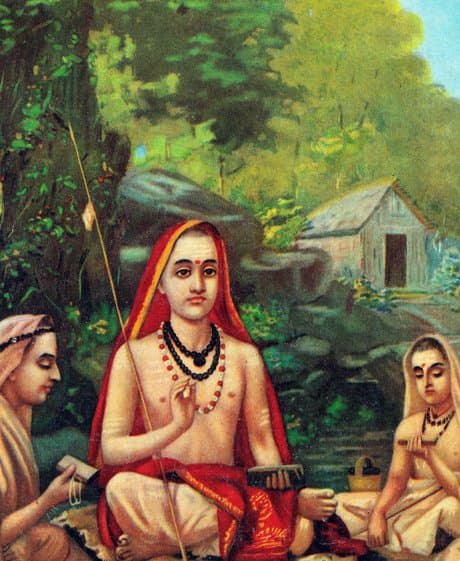
Ādi Śaṅkarācārya · Advaita
Sanskritअनादित्वात् अनादेः भावः अनादित्वम्, आदिः कारणम्, तत् यस्य नास्ति तत् आनादि । यद्धि आदिमत् तत् स्वेन आत्मना व्येति; अयं तु अनादित्वात् निरवयव इति कृत्वा न व्येति । तथा निर्गुणत्वात् । सगुणो हि गुणव्ययात् व्येति; अयं तु निर्गुणत्वाच्च न व्येति; इति परमात्मा अयं अव्ययः; न अस्य व्ययो विद्यते इति अव्ययः । यत एवमतः शरीरस्थोऽपि, शरीरेषु आत्मनः उपलब्धिः भवतीति शरीरस्थः उच्यते; तथापि न करोति । तदकरणादेव तत्फलेन न लिप्यते । यो हि कर्ता, सः कर्मफलेन लिप्यते । अयं तु अकर्ता, अतः न फलेन लिप्यते इत्यर्थः ॥ कः पुनः देहेषु करोति लिप्यते च? यदि तावत् अन्यः परमात्मनो देही करोति लिप्यते च, ततः इदं अनुपपन्नम् उक्तं क्षेत्रज्ञेश्वरैकत्वं ``क्षेत्रज्ञं चापि मां विद्धि'' (भ. गी. १३-२) इत्यादि । अथ नास्ति ईश्वरादन्यो देही, कः करोति लिप्यते च? इति वाच्यम्; परो वा नास्ति इति सर्वथा दुर्विज्ञेयं दुर्वाच्यं च इति भगवत्प्रोक्तं औपनिषदं दर्शनं परित्यक्तं वैशेषिकैः साङ्ख्यार्हतबौद्धैश्च । तत्र अयं परिहारो भगवता स्वेनैव उक्तः ``स्वभावस्तु प्रवर्तते'' (भ. गी. ५-१४)इति । अविद्यामात्रस्वभावो हि करोति लिप्यते इति व्यवहारो भवति, न तु परमार्थत एकस्मिन् परमात्मनि तत् अस्ति । अतः एतस्मिन् परमार्थसाङ्ख्यदर्शने स्थितानां ज्ञाननिष्ठानां परमहंसपरिव्राजकानां तिरस्कृताविद्याव्यवहाराणां कर्माधिकारो नास्ति इति तत्र तत्र दर्शितं भगवता ॥ किमिव न करोति न लिप्यते इति अत्र दृष्टान्तमाह --
Ādi Śaṅkarācārya · Advaita
Hindiएक ही आत्मा सब शरीरोंका आत्मा माना जानेसे, उसका उन सबके दोषोंसे सम्बन्ध होगा, ऐसी शंका होनेपर यह कहा जाता है—
आदि कारणको कहते हैं, जिसका कोई कारण न हो, उसका नाम अनादि है और अनादिके भावका नाम अनादित्व है यह परमात्मा अनादि होनेके कारण अव्यय है; क्योंकि जो वस्तु आदिमान् होती है, वही अपने स्वरूपसे क्षीण होती है। किंतु यह परमात्मा अनादि है, इसलिये अवयवरहित है। अतः इसका क्षय नहीं होता।
तथा निर्गुण होनेके कारण भी यह अव्यय है; क्योंकि जो वस्तु गुणयुक्त होती है, उसका गुणोंके क्षयसे क्षय होता है। परंतु यह (आत्मा) गुणरहित है, अतः इसका क्षय नहीं होता। सुतरां यह परमात्मा अव्यय है, अर्थात् इसका व्यय नहीं होता।
ऐसा होनेके कारण यह आत्मा शरीरमें स्थित हुआ भी—शरीरमें रहता हुआ भी कुछ नहीं करता है, तथा कुछ न करनेके कारण ही उसके फलसे भी लिप्त नहीं होता है। आत्माकी शरीरमें प्रतीति होती है, इसलिये शरीरमें स्थित कहा जाता है।
क्योंकि जो कर्ता होता है वही कर्मोंके फलसे लिप्त होता है। परंतु यह अकर्ता है, इसलिये फलसे लिप्त नहीं होता, यह अभिप्राय है।
पू०—तो फिर शरीरोंमें ऐसा कौन है जो कर्म करता है और उसके फलसे लिप्त होता है? यदि यह मान लिया जाय कि परमात्मासे भिन्न कोई शरीरी कर्म करता है और उसके फलसे लिप्त होता है तब तो 'क्षेत्रज्ञ भी तू मुझे ही जान' इस प्रकार जो क्षेत्रज्ञ और ईश्वरकी एकता कही है, वह अयुक्त ठहरेगी।
यदि यह माना जाय कि ईश्वरसे पृथक् अन्य कोई शरीरी नहीं है तो यह बतलाना चाहिये, फिर कौन करता और लिप्त होता है? अथवा यह कह देना चाहिये कि (इन सबसे) पर कोई ईश्वर ही नहीं है।
(बात तो यह है कि) भगवान्द्वारा कहा हुआ यह उपनिषदरूप दर्शन सर्वथा दुर्विज्ञेय और दुर्वाच्य है, इसीलिये वैशेषिक, सांख्य, जैन और बौद्ध- मतावलम्बियोंद्वारा यह छोड़ दिया गया है।
उ०—इसका उत्तर 'स्वभाव ही वर्तता है' ऐसा कहकर भगवान्ने स्वयं ही दे दिया है; क्योंकि अविद्यामात्र स्वभाववाला ही करता है और लिप्त होता है, इसीसे यह व्यवहार चल रहा है। वास्तवमें अद्वितीय परमात्ममें वे ('कर्तापन' और 'लिप्त होना' आदि) नहीं हैं।
सुतरां इस वास्तविक ज्ञानदर्शनमें स्थित हुए ज्ञाननिष्ठ, परमहंस परिव्राजक संन्यासियोंका जिन्होंने अविद्याकृत समस्त व्यवहारका तिरस्कार कर दिया है, कर्मोंमें अधिकार नहीं है—यह बात जगह-जगह भगवान्द्वारा दिखलायी गयी है
Jñāneśvar · Vārkarī
Marathiतरी परमात्मा म्हणिपे । तो ऐसा जाण स्वरूपें । जळीं जळें न लिंपे । सूर्यु जैसा ॥ १०९४ ॥ कां जे जळा आदीं पाठीं । तो असतुचि असे किरीटी । माजीं बिंबे तें दृष्टी । आणिकांचिये ॥ १०९५ ॥ तैसा आत्मा देहीं । आथि म्हणिपे हें कांहीं । साचें तरी नाहीं । तो जेथिंचा तेथें ॥ १०९६ ॥ आरिसां मुख जैसें । बिंबलिया नाम असे । देहीं वसणें तैसें । आत्मतत्त्वा ॥ १०९७ ॥ तया देहा म्हणती भेटी । हे सपायी निर्जीव गोठी । वारिया वाळुवे गांठी । केंही आहे ? ॥ १०९८ ॥ आगी आणि कापुसा । दोरा सुवावा कैसा । केउता सांदा आकाशा । पाषाणेंसी ? ॥ १०९९ ॥ एक निघे पूर्वेकडे । एक तें पश्चिमेकडे । तिये भेटीचेनि पाडें । संबंधु हा ॥ ११०० ॥ उजियेडा आणि अंधारेया । जो पाडु मृता उभेयां । तोचि गा आत्मया । देहा जाण ॥ ११०१ ॥ रात्री आणि दिवसा । कनका आणि कापुसा । अपाडु कां जैसा । तैसाचि यासी ॥ ११०२ ॥ देह तंव पांचांचें जालें । हें कर्माचें गुणीं गुंथले । भंवतसे चाकीं सूदलें । जन्ममृत्यूच्या ॥ ११०३ ॥ हें काळानळाच्या तोंडीं । घातली लोणियाची उंडी । माशी पांखु पाखडी । तंव हें सरे ॥ ११०४ ॥ हें विपायें आगींत पडे । तरी भस्म होऊनि उडे । जाहलें श्वाना वरपडें । तरी ते विष्ठा ॥ ११०५ ॥ या चुके दोहीं काजा । तरी होय कृमींचा पुंजा । हा परिणामु कपिध्वजा । कश्मलु गा ॥ ११०६ ॥ या देहाची हे दशा । आणि आत्मा तो एथ ऐसा । पैं नित्य सिद्ध आपैसा । अनादिपणें ॥ ११०७ ॥ सकळु ना निष्कळु । अक्रियु ना क्रियाशीळु । कृश ना स्थुळु । निर्गुणपणें ॥ ११०८ ॥ आभासु ना निराभासु । प्रकाशु ना अप्रकाशु । अल्प ना बहुवसु । अरूपपणें ॥ ११०९ ॥ रिता ना भरितु । रहितु ना सहितु । मूर्तु ना अमूर्तु । शून्यपणें ॥ १११० ॥ आनंदु ना निरानंदु । एक ना विविधु । मुक्त ना बद्धु । आत्मपणें ॥ ११११ ॥ येतुला ना तेतुला । आइता ना रचिला । बोलता ना उगला । अलक्शपणें ॥ १११२ ॥ सृष्टीच्या होणा न रचे । सर्वसंहारें न वेंचे । आथी नाथी या दोहींचें । पंचत्व तो ॥ १११३ ॥ मवे ना चर्चे । वाढे ना खांचे । विटे ना वेंचे । अव्ययपणें ॥ १११४ ॥ एवं रूप पैं आत्मा । देहीं जें म्हणती प्रियोत्तमा । तें मठाकारें व्योमा । नाम जैसें ॥ १११५ ॥ तैसें तयाचिये अनुस्यूती । होती जाती देहाकृती । तो घे ना सांडी सुमती । जैसा तैसा ॥ १११६ ॥ अहोरात्रें जैशी । येती जाती आकाशीं । आत्मसत्तें तैसीं । देहें जाण ॥ १११७ ॥ म्हणौनि इयें शरीरीं । कांहीं करवीं ना करी । आयताही व्यापारीं । सज्ज न होय ॥ १११८ ॥ यालागीं स्वरूपें । उणा पुरा न घेपे । हें असो तो न लिंपे । देहीं देहा ॥ १११९ ॥
Jñāneśvar · Vārkarī
Hindi(13.1095) जिसे परमात्मा कहते हैं उसे स्वरूपतः ऐसा जाना जैसा कि सूर्य — जो जल में रहता हुआ जल में लिप्त नहीं होता,
(13.1096) क्योंकि वह जल के आरम्भ में था, और जल के पश्चात् भी बना रहता है; और जल के बीच जो दिखाई देता है सो दूसरों की दृष्टि से, वस्तुतः नहीं है;
(13.1097) वैसे ही यह कहना सत्य नहीं है कि आत्मा शरीर में है। वह जहाँ का तहाँ है।
(13.1098) जैसे दर्पण में अपना मुख प्रतिबिम्बित होता हुआ दिखाई देता है, वैसे ही आत्मतत्त्व शरीर में बसता दिखाई देता है।
(13.1099) उसके और देह के सम्बन्ध की वार्ता सर्वथा निर्मूल है। वायु और बालू का कभी संयोग हो सकता है?
(13.1100) अग्नि और कपास की डोरी कैसे एकत्र हो सकती है? आकाश और पृथ्वी कैसे एक में मिलाये जा सकते हैं? (13.1101) एक पूर्व की ओर जानेहारा और दूसरा पश्चिम की ओर, ऐसे दो मनुष्यों की भेंट के समान ही यह सम्बन्ध है।
(13.1102) प्रकाश और अन्धकार का, मृत और जीवित का जो सम्बन्ध, वही इस आत्मा और देह का जानो।
(13.1103) जैसे रात और दिन का, सुवर्ण और कपास का साम्य नहीं हो सकता वैसे ही देह और आत्मा का हाल है।
(13.1104) देह पंचमहाभूतों से उत्पन्न हुआ है, कर्म की डोरियों से गुँथा हुआ है, और जन्म-मृत्यु के चक्के पर चढ़ाया हुआ घूमता है।
(13.1105) वह काल-रूपी अग्नि के कुण्ड में डाली हुई एक माखन की गाली है। मक्खी पंख झाड़ती है, बस इतनी ही देर में वह समाप्त हो जाता है।
(13.1106) कदाचित् अग्नि में पड़े तो भस्म हो कर नष्ट हो जाता है और यदि कुत्तों को मिले तो उसकी विष्टा ही बनती है।
(13.1107) यदि ये दोनों बातें न हों तो वह कीड़ों का समूह बन जाता है। इस प्रकार हे कपिध्वज इसका परिणाम बुरा होता है।
(13.1108) देह की ऐसी दुर्दशा होती है परन्तु आत्मा अनादि, सहज, नित्य और शुद्ध है। (13.1109) वह निर्गुण होने के कारण न पूर्ण है न अपूर्ण है, न क्रिया-रहित है न क्रिया-वान् है, और न सूक्ष्म है न स्थूल है।
(13.1110) निराकार रहने के कारण वह न भासमान है न भास-रहित है, न प्रकाशित है न अप्रकाशित है, न अल्प है न बहुतेरा है।
(13.1111) शून्यरूप होने के कारण न रीता है न भरा है, न रहित है न सहित है, और न व्यक्त है, न अव्यक्त है।
(13.1112) आत्मा होने के कारण वह न सानन्द है न आनन्द-रहित है, न एक है न अनेक है और न मुक्त है न बद्ध है।
(13.1113) लक्षण-रहित होने के कारण वह न इतना है न उतना है, न बना-बनाया है न बनाया जाता है, और न बोलनेहारा है न मौनी है।
(13.1114) सृष्टि की उत्पत्ति होने से न वह उत्पन्न होता और न सृष्टि के संहार से उसका नाश होता है। वह उत्पत्ति और नाश दोनों का लयस्थान है।
(13.1115) वह अव्यय होने के कारण न मापा जा सकता है न उसका वर्णन किया जा सकता है; वह न बढ़ता है न घटता है; न क्षीण होता और न खर्च होता है। (13.1116) हे प्रियोत्तम! इस प्रकार के आत्मा को देही समझना मानो आकाश का मठ के आकार का बतलाना है।
(13.1117) वैसे ही उसकी अखण्डता से देहाकार उत्पन्न होते और विलीन होते जाते हैं, परन्तु हे सुमति! वह ये आकार न धारण करता और न त्याग करता है, किन्तु जैसा का तैसा बना है।
(13.1118) आकाश में जैसे रात और दिन होते जाते हैं वैसे ही आत्मसत्ता में शरीर होते जाते हैं।
(13.1119) इसलिए इस शरीर में वह आत्मा न कुछ करता है न कराता है, और न किसी बने-बनाये व्यापार में आसक्त होता है।
(13.1120) अतएव स्वरूप से वह न्यून या पूर्ण नहीं कहा जा सकता तथा देह में रहता हुआ वह देह से लिप्त नहीं होता।
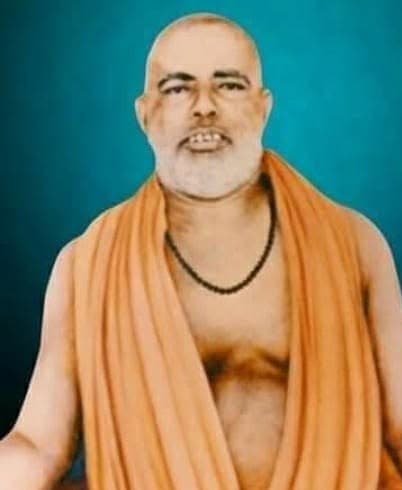
Sri Udiya Baba · Modern
Hindiभावार्थ— यह परमात्मा (शुद्ध आत्मा) अनादि और निर्गुण होने के कारण अविनाशी है। हे कुन्तीपुत्र! यह शरीर में रहने पर भी न कुछ करता है और न लिपायमान होता है।
व्याख्या— अनादि तो प्रकृति भी है, किन्तु वह निर्गुण नहीं है, इसलिये उसका अन्त होता है, किन्तु आत्मा अनादि और निर्गुण है इसलिए वह अविनाशी है।
Swami Ramsukhdas · Modern
Hindi‘अनादित्वान्निर्गुणत्वात्परमात्मायमव्ययः’— इसी अध्यायके उन्नीसवें श्लोकमें जिसको अनादि कहा है, उसीको यहाँ भी ‘अनादित्वात्’ पदसे अनादि कहा है अर्थात् यह पुरुष आदि-(आरम्भ-) से रहित है। अब प्रश्न होता है कि वहाँ तो प्रकृतिको भी अनादि कहा है, इसलिये प्रकृति और पुरुष—दोनोंमें क्या फरक रहा? इसके उत्तरमें भगवान् कहते हैं—‘निर्गुणत्वात्’ अर्थात् यह पुरुष गुणोंसे रहित है। प्रकृति अनादि तो है, पर वह गुणोंसे रहित नहीं है, प्रत्युत गुणों और विकारोंवाली है। उससे सात्त्विक, राजस और तामस—ये तीनों गुण तथा विकार पैदा होते हैं। परन्तु पुरुष इन तीनों गुणों और विकारोंसे सर्वथा रहित (निर्गुण और निर्विकार) है। ऐसा यह पुरुष साक्षात् अविनाशी परमात्मस्वरूप ही है अर्थात् यह पुरुष विनाशरहित परम शुद्ध आत्मा है।
**‘शरीरस्थोऽपि कौन्तेय न करोति न लिप्यते’—** यह पुरुष शरीरमें रहता हुआ भी न कुछ करता है और न किसी कर्मसे लिप्त ही होता है। तात्पर्य है कि इस पुरुष-(स्वयं-) ने न तो पहले किसी भी अवस्थामें कुछ किया है, न वर्तमानमें कुछ करता है और न आगे ही कुछ कर सकता है अर्थात् यह पुरुष सदासे ही प्रकृतिसे निलिप्त, असंग है तथा गुणोंसे रहित और अविनाशी है। इसमें कर्तृत्व और भोक्तृत्व है ही नहीं।
यहाँ ‘शरीरस्थोऽपि’ कहनेका तात्पर्य है कि यह पुरुष जिस समय अपनेको शरीरमें स्थित मानकर अपनेको कार्यका कर्ता और सुख-दुःखका भोक्ता मानता है, उस समय भी वास्तवमें यह तटस्थ, प्रकाशमात्र ही रहता है। सुख-दुःखका भान इसीसे होता है; अतः इसको प्रकाशक कह सकते हैं, पर इसमें प्रकाशक-धर्म नहीं है।
**परिशिष्ट भाव—** पुरुष अनादि है, पर शरीर आदिवाला है। पुरुष निर्गुण है, पर शरीर गुणमय है। पुरुष परमात्मा है, पर शरीर अनात्मा है। पुरुष अव्यय है, पर शरीर नाशवान् है। इसलिये अज्ञानी मनुष्यके द्वारा पुरुष (आत्मा)-को शरीरमें स्थित माननेपर भी वास्तवमें वह शरीरमें स्थित नहीं है अर्थात् शरीरसे सर्वथा असम्बद्ध है—‘न करोति न लिप्यते’। कारण कि शरीरका सम्बन्ध तो संसारके साथ है, पर पुरुषका सम्बन्ध परमात्माके साथ है। अतः वास्तवमें पुरुष कभी शरीरस्थ हो सकता ही नहीं। परन्तु इस वास्तविकताकी तरफ ध्यान न देनेके कारण मनुष्य उसको शरीरस्थ मान लेता है।
**‘निर्गुणत्वात्’—** पुरुष स्वयं निर्गुण होते हुए भी गुणोंका संग करके बँध जाता है (गीता—इसी अध्यायका इक्कीसवाँ श्लोक)। दीखता तो ऐसा ही है कि बन्धन स्वतः-स्वाभाविक है और मुक्ति कृतिसाध्य है, पर वास्तवमें मुक्ति स्वतः-स्वाभाविक है और बन्धन कृतिसाध्य है। गुणोंका सम्बन्ध पुरुषके साथ नहीं है, प्रत्युत प्रकृतिके साथ है (गीता १३। २३) इसलिये ‘अनादि, निर्गुण, परमात्मा, अव्यय’ और ‘न करोति न लिप्यते’— ये स्वतः-स्वाभाविक हैं। साधकको इस स्वाभाविकताका अनुभव करना है।
जैसे मकानमें रहते हुए भी हम मकानसे अलग हैं, ऐसे ही शरीरमें रहते हुए माननेपर भी हम शरीरसे अलग हैं।
यहाँ ‘अपि’ पदसे ऐसा मालूम होता है कि अनादिकालसे अपनेको शरीरमें स्थित माननेवाला हरेक (चींटीसे ब्रह्मापर्यन्त) प्राणी स्वरूपसे सदा ही निलिप्त, असंग है। उसकी शरीरके साथ एकता कभी हुई ही नहीं; क्योंकि शरीर तो प्रकृतिका कार्य होनेसे सदा प्रकृतिमें ही स्थित रहता है और स्वयं परमात्माका अंश होनेसे सदा परमात्मामें ही स्थित रहता है। स्वयं परमात्मासे कभी अलग हो सकता ही नहीं। शरीरके साथ एकात्मता माननेपर भी, शरीरके साथ कितना ही घुल-मिल जानेपर भी, शरीरको ही अपना स्वरूप माननेपर भी उसकी निलिप्तता कभी नष्ट नहीं होती, वह स्वरूपसे सदा ही निलिप्त रहता है। अपनी निलिप्तताका अनुभव न होनेपर भी उसके स्वरूपमें कुछ भी विकृति नहीं होती। अतः उसने अपने स्वरूपसे न कभी कुछ किया है और न करता ही है तथा वह स्वयं न कभी लिप्त हुआ है और न लिप्त होता ही है।
यद्यपि पुरुष अपनेको शरीरमें स्थित माननेसे ही कर्ता और भोक्ता बनता है, तथापि इक्कीसवें श्लोकमें भगवान्ने कहा है कि ‘प्रकृति’में स्थित पुरुष ही भोक्ता बनता है और यहाँ कहते हैं कि ‘शरीर’ में स्थित होनेपर भी पुरुष कर्ता-भोक्ता नहीं है। ऐसा कहनेका तात्पर्य यह है कि प्रकृति और उसका कार्य शरीर—दोनों एक ही हैं। अतः पुरुषको चाहे प्रकृतिमें स्थित कहो, चाहे शरीरमें स्थित कहो, एक ही बात है। एक शरीरके साथ सम्बन्ध होनेसे मात्र प्रकृतिके साथ, मात्र शरीरोंके साथ सम्बन्ध हो जाता है। वास्तवमें पुरुषका सम्बन्ध न तो व्यष्टि शरीरके साथ है और न समष्टि प्रकृतिके साथ ही है। अपना सम्बन्ध शरीरके साथ माननेसे ही वह अपनेको कर्ता-भोक्ता मान लेता है। वास्तवमें वह न कर्ता है और न भोक्ता है।
‘न करोति न लिप्यते’—यह साधनजन्य नहीं है, प्रत्युत स्वतः-स्वाभाविक है। तात्पर्य है कि स्वरूपमें लेशमात्र भी कर्तृत्व-भोक्तृत्व नहीं है—यह स्वतःसिद्ध बात है। इसमें कोई पुरुषार्थ नहीं है अर्थात् इसके लिये कुछ करना नहीं है। तात्पर्य है कि कर्तृत्व-भोक्तृत्वको मिटाना नहीं है, प्रत्युत इनको अपनेमें स्वीकार नहीं करना है, इनके अभावका अनुभव करना है; क्योंकि वास्तवमें ये अपनेमें हैं ही नहीं। इसलिये साधकको अपनेमें निरन्तर अकर्तृत्व और अभोक्तृत्वका अनुभव करना चाहिये। अपनेमें निरन्तर अकर्तृत्व और अभोक्तृत्व (निष्कामता-निर्ममता)-का अनुभव होना ही जीवन्मुक्ति है। इसीको गीताने स्मृति प्राप्त होना कहा है—‘नष्टो मोहः स्मृतिर्लब्धा’ (१८।७३)
अगर स्वरूप कर्ता और भोक्ता नहीं है तो फिर कर्ता और भोक्ता कौन है? यह विचार किया जाता है। पहले यह विचार करें कि कर्ता कौन है? शरीर कर्ता नहीं है; क्योंकि यह प्रतिक्षण अभावमें जा रहा है। मन, बुद्धि, चित्त तथा अहंकार—ये चार करण हैं, जिनको ‘अन्तःकरण’ कहते हैं। यह अन्तःकरण भी कर्ता नहीं है; क्योंकि करण कर्ताके अधीन होता है। परन्तु कर्ता स्वतन्त्र होता है—‘स्वतन्त्रः कर्ता’ (पाणि० अ० १।४।५४)। करण तो क्रियाकी सिद्धिमें अत्यन्त सहायक होता है—‘साधकतमं करणम्’ (पाणि० अ० १।४।४२), इसलिये करणके बिना किसी क्रियाकी सिद्धि होती ही नहीं। जैसे, कलम स्वतन्त्रतासे नहीं लिखती, प्रत्युत वह तो लिखनेका एक साधन (करण) है, जो लेखक (कर्ता)-के अधीन होता है। अतः करण कर्ता नहीं होता और कर्ता करण नहीं होता। दूसरी बात, यदि करणमें कर्तापन है तो फिर सुखी-दुःखी स्वयं क्यों होता है? यदि करण सुखी-दुःखी होता है तो हमें क्या नुकसान है? सत्-स्वरूप भी कर्ता नहीं है; क्योंकि मैंपन तो प्रकृतिका कार्य है, वह प्रकृतिसे अतीतमें कैसे सम्भव है? यदि स्वरूपमें कर्तापन होता तो वह कभी मिटता नहीं; क्योंकि स्वरूप अविनाशी है। इसलिये भगवान्ने यहाँ स्वरूपमें कर्तापनका निषेध किया है—‘न करोति’। आगे अठारहवें अध्यायमें भी भगवान्ने कहा है कि जो आत्माको कर्ता मानता है, वह दुर्मति ठीक नहीं समझता; क्योंकि उसकी बुद्धि शुद्ध नहीं है (गीता—अठारहवें अध्यायका सोलहवाँ श्लोक)। वास्तवमें जो भोक्ता (सुखी-दुःखी) होता है, वही कर्ता होता है।
अब यह विचार करें कि भोक्ता कौन है? भोक्ता न सत् है, न असत् है। सत् भोक्ता नहीं हो सकता; क्योंकि सत्में कभी अभाव नहीं होता—‘नाभावो विद्यते सतः’, जबकि भोक्तापनका अभाव होता है—‘न लिप्यते’। असत् भी भोक्ता नहीं हो सकता; क्योंकि असत्की सत्ता ही नहीं है—‘नासतो विद्यते भावः’। असत्में चेतनता भी नहीं है। अतः उसमें भोक्तापनकी कल्पना ही नहीं हो सकती। तात्पर्य यह हुआ कि कर्तापन और भोक्तापन न तो सत्में हैं और न असत्में ही हैं। सत्-असत्के संयोगमें भी कर्तापन और भोक्तापन नहीं है; क्योंकि जैसे दिन और रातका संयोग असम्भव है, ऐसे ही सत् और असत्का संयोग भी असम्भव है। अतः कर्तापन-भोक्तापन केवल माने हुए हैं—‘कर्ताहमिति मन्यते’ (३।२७)। जब साधक विवेकपूर्वक शरीरसे सर्वथा सम्बन्ध-विच्छेद कर लेता है अर्थात् मैं-मेरापनको मिटा देता है (जो कि वास्तवमें है नहीं), तब न कर्ता रहता है, न भोक्ता रहता है, प्रत्युत एक चिन्मय सत्ता रहती है। इस प्रकार अपनेमें कर्तापन और भोक्तापनके अभावका अनुभव होनेपर साधक मुक्त हो जाता है अर्थात् कर्ता-भोक्ता नहीं रहता, प्रत्युत शुद्ध स्वरूप (चिन्मय सत्ता) रह जाता है।
‘न करोति न लिप्यते’ पदोंका विवेचन भगवान्ने आगे बत्तीसवें-तैंतीसवें श्लोकोंमें किया है।
सम्बन्ध—पूर्वश्लोकमें कहा गया कि वह पुरुष न करता है और न लिप्त होता है, तो अब प्रश्न होता है कि वह कैसे लिप्त नहीं होता और कैसे नहीं करता? इसका उत्तर आगेके श्लोकमें देते हैं।
So now the eternal, omniscient and all-pervading nature of paramātma or the Supreme Soul is being revealed by Lord Krishna as being totally distinct from the physical body of the Jīva or embodied being.
Although residing within the exhaustible physical body which is perishable, paramātma is inexhaustible and imperishable due to it being anāditvān of eternality.
It is infinite in time and infinite beyond time. It is nirguṇatvāt or possessing no material qualities or attributes and neither performs any actions nor is affected or implicated by any actions the physical body performs.
Next it will be explained how the paramātma although having constant association within the physical body is not degraded by any of the bodily properties.