

Bhagavad Gītā · Chapter 9 · Rāja Vidyā Rāja Guhya Yoga
सर्वभूतानि कौन्तेय प्रकृतिं यान्ति मामिकाम्
कल्पक्षये पुनस्तानि कल्पादौ विसृजाम्यहम्
sarvabhūtāni kaunteya prakṛtiṃ yānti māmikām|
kalpakṣaye punastāni kalpādau visṛjāmyaham||
Word meanings
कौन्तेय = O son of Kuntī
कल्पक्षये = when the kalpa ends
सर्वभूतानि = all beings
कल्पादी = at the beginning of the kalpa
अहम् = I
पुनः = again
तानि = them
विसृजामि = I send forth
Translation
Arjuna, during the Final Dissolution all beings enter My Prakrti (the prime Cause), and at the beginning of creation, I send them forth again.
Commentary
The commentators seated around this verse

Rāmānuja · Viśiṣṭādvaita
English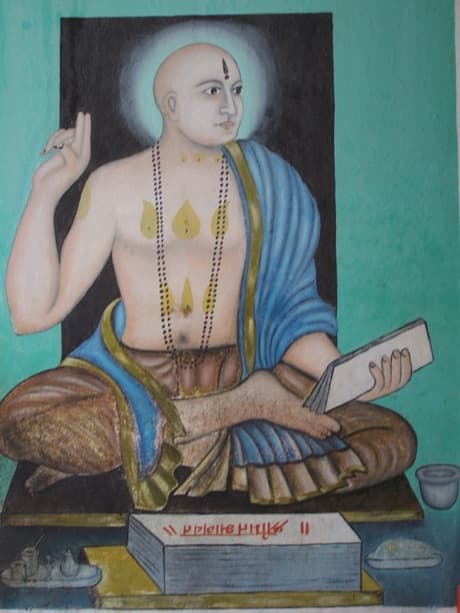
Madhvācārya · Dvaita
SanskritEnglish“ज्ञानप्रदर्शनार्थं प्रलयादि प्रपञ्चयति - सर्वभूतानि इत्यादिना ॥” - By way of clarification Sri Krishna speaks of the dissolution of all the beings.

Jñāneśvar · Vārkarī
English7 “All the beings, O Son of Kuntī, return within my Cosmic Nature at the close of a (Yuga-) cycle. The same once more, at the beginning of the (Yuga-) cycle I send forth into being. (98)
That Māyā is named Prakriti, and as was said before it splits into two: one appears in an eight-fold variety and the other higher one manifests itself as “individual soul” (जीवभूता). You did hear all about this subject. No need then to say it again. At the passing away of the world, all these separate beings merge into My Prakriti in its non-manifest form. Grass with its seed, is dissolved into the earth in the extreme heat of summer “Grishma” season; and do not the clouds surging in the monsoon melt into the autumnal sky? Or see, how the wind becomes calm and merges into the vault of the sky, or again see, the ripples disappear in water itself, or the scenes in the dream are dissolved in the mind itself on waking. Even so the beings created and made perceptible by the Māyā, merge into it (Māyā) at the close of the Kalpa (cycle). Then in the beginning of the new Kalpa (cycle), so goes the story, I create them all again. Let me tell you now the truth of this story.
Swami Ramsukhdas · Modern
English'Sarvabhūtāni kaunteya prakṛtiṁ yānti māmikām kalpakṣaye'—All beings, are God's fragments, and ever rest in Him. But, they identify themselves with Nature and its evolutes, body etc., by having an affinity of Tness and 'Mineness'. So, these are born and die, again and again. At the time of final dissolution, when Brahmā, the creator's life period of a hundred years, is over, the entire creation goes into an unmanifest state, with their actions.
'Punastāni kalpādau viṣṛjāmyaham'—When actions of those beings, become mature, to bear fruit, the Lord has His pursuit of mind, to become manifold from, one. This, is the beginning of a new creation. It has been mentioned, in the third verse of the eighth chapter, as follows—"This resolve, which brings forth the existence of beings, is called Ādikarma (Action)." In the fourteenth chapter, it is mentioned "I place the seed" (14/3) and "I am the seed-giving, Father" (14/4).
It means, that at the beginning of a new creation, when Brahmā emanates from the Lord, the Lord according to the actions of the beings, brings them forth, again. The Lord declares, it in the thirteenth verse of the fourth chapter, "The fourfold caste was
created by Me, according to their qualities and actions.'
Brahmā's day is called a 'Kalpa', which extends for a thousand fourfold Yugas (ages). His night, is also of the same duration. Brahmā, lives for a hundred years. When Brahmā's, life period is over, he merges into the Lord, which is called the end of a Kalpa, and when he emanates from the Lord, that is the beginning of a new Kalpa.
Here, it is mentioned that all beings go into His prakṛti, at the end of a Kalpa, but He generates them again at the beginning, of the next Kalpa. It means, that prakṛti being active, when it gets tired, merges into God itself, and beings having affinity with prakṛti also merge in it at the time of final dissolution. But at the time of a new creation, the Lord brings forth those beings, who had affinity with prakṛti again, by giving them the fruit of their mature actions, in order to, purify them. As a person, builds a house, but it slowly gets destroyed by itself whole, the Lord brings forth beings, but they die themselves. In the same way, a man (soul) being a portion of the Lord, has natural inclination for the Lord, but he has a fall himself, by having desires and attachment for the perishable body, and world. So, a striver by attaching importance to discrimination, by renouncing desires and attachment, should be inclined, towards the Lord.
**Appendix**—In the entire universe there are three important factors—origin, state of existence and dissolution. A striver has an eye only on the state of existence of the world, so the Lord in the preceding verse having described the existence, now in this verse mentions the origin, and dissolution. It means that the origin, existence and dissolution—all the three spring from the entire form of God.
In fact there is no state of existence of the world but the flow of its origin and dissolution is said to be the state of existence. If we perceive from the real point of view we find that there is not even the origin of the universe, but there is only dissolution
viz., it has no existence. Therefore in the world dissolution, non-existence or disunion is only predominant—'nāsato vidyate bhāvaḥ' (Gītā 2/16).
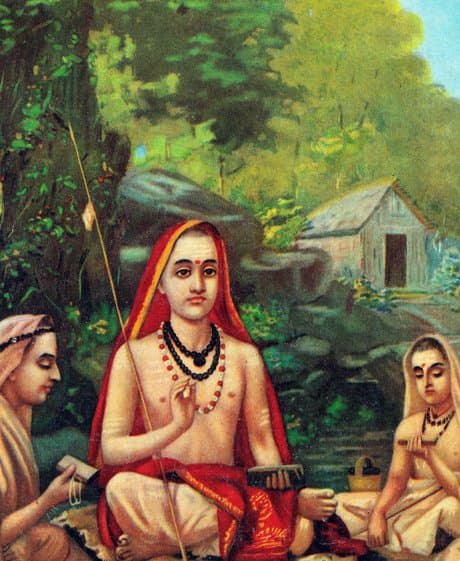
Ādi Śaṅkarācārya · Advaita
Sanskritसर्वभूतानि कौन्तेय प्रकृतिं त्रिगुणात्मिकां अपरां निकृष्टां यान्ति मामिकां मदीयां कल्पक्षये प्रलयकाले । पुनः भूयः तानि भूतानि उत्पत्तिकाले कल्पादौ विसृजामि उत्पादयामि अहं पूर्ववत् ॥
एवं अविद्यालक्षणां --
Ādi Śaṅkarācārya · Advaita
Hindiइस प्रकार जगत्के स्थितिकालमें, आकाशमें वायुकी भाँति, मुझमें स्थित जो समस्त भूत हैं वे—
सम्पूर्ण प्राणी, हे कुन्तीपुत्र! प्रलयकालमें मेरी त्रिगुणमयी—अपरा-निकृष्ट प्रकृतिको प्राप्त हो जाते हैं और फिर कल्पके आदिमें अर्थात् उत्पत्तिकालमें मैं पहलेकी भाँति पुनः उन प्राणियोंको रचता हूँ—उत्पन्न करता हूँ
Jñāneśvar · Vārkarī
Marathiजिये नांव गा प्रकृती । जे द्विविध सांगितली तुजप्रती । एकी अष्टधा भेदव्यक्ती । दुजी जीवरुपा ।। ९८ ॥
हा प्रकृतीविखो आघवा । तुंवा मागां परिसिलासे पांडवा । म्हणोनि असो काइ सांगावा । पुढतपुढती ॥ ९९ ॥
तरी ये माझिये प्रकृती । महाकल्पाचां अंती । सर्व भूतें अव्यक्तीं । ऐक्यासी येती ।। १०० ॥
ग्रीष्माचां अतिरसीं । सबीजे तृणें जैसीं । मागुती भूमीसी । सुलीनें होती ॥ १०१ ॥
कां वार्षिये ढेंढें फिटे । जेव्हां शारदीयेचा अनुघडु फुटे । तेव्हां घनजात आटे । गगनींचें गगनीं ॥ १०२ ॥
नातरी आकाशाचिये खोंपे । वायु निवांतुचि लोपे । कां तरंगता हारपे । जळीं जेवीं ॥ १०३ ॥
अथवा जागिनलिये वेळे । स्वप्न मनींचें मनीं मावळे । तैसें प्राकृत प्रकृती मिळे । कल्पक्षयीं ॥ १०४ ॥
मग कल्पादीं पुढती । मीचि सृजीं ऐसी वदंती । तरी इयेविषयीं निरुती । उपपत्ती आइक ॥ १०५ ॥
Jñāneśvar · Vārkarī
Hindi(9.98) जिसका नाम प्रकृति है और जो हमने तुम्हें दो प्रकार की बताई हैं — एक आठ प्रकार के भेदोंवाली और दूसरी जीवरूप।
(9.99) माया का सब विषय तुम पहले सुन ही चुके हो, इसलिए अब बारम्बार क्या वर्णन करें?
(9.100) तथापि मेरी इस प्रकृति के कारण महाकल्प के अन्त में सब प्राणी अव्यक्त में एकरूप हो जाते हैं।
(9.101) ग्रीष्म की अधिकाई के समय तृण जैसे बीज समेत भूमि में विलीन हो जाता है,
(9.102) अथवा जब वर्षाकाल का आडम्बर निकल जाता है और गुप्त शरद-काल प्रकट होता है तब जैसे मेघसमूह आकाश का आकाश में लुप्त हो जाता है, (9.103) अथवा आकाश के पोलेपन में जैसे वायु शान्त हो लुप्त हो जाती है, किंवा जैसे तरंगों का स्वरूप जल में लीन हो जाता है,
(9.104) अथवा जागृति के समय स्वप्न हुआ जगत् कल्पान्त के समय प्रकृति में मिल जाता है।
(9.105) अब, जो कहा जाता है कि कल्प के आरम्भ में मैं ही जगत् को उत्पन्न करता हूँ उसके विषय में भी सत्य विवेचन सुनो।

Sri Udiya Baba · Modern
Hindiसंगति— भगवान् ने श्लोक ४ और ५ में जो सिद्धान्त कहा था उसी को इस श्लोक में दृष्टान्त द्वारा समझाया है। किन्तु जब देखा कि अभी अर्जुन यह नहीं समझ सका कि यह संसार आत्मा से ही उत्पन्न हुआ तो पुनः अगले श्लोकों द्वारा उसकी पुष्टि करते हैं—
भावार्थ— हे कौन्तेय! कल्प का अन्त होने पर सम्पूर्ण भूत मेरी प्रकृति में लीन हो जाते हैं। उन्हें कल्प के आरम्भ में मैं पुनः उत्पन्न करता हूँ।
Swami Ramsukhdas · Modern
Hindi‘सर्वभूतानि कौन्तेय प्रकृतिं यान्ति मामिकां कल्पक्षये’—सम्पूर्ण प्राणी मेरे ही अंश हैं और सदा मेरेमें ही स्थित रहनेवाले हैं। परन्तु वे प्रकृति और प्रकृतिके कार्य शरीर आदिके साथ तादात्म्य (मैं-मेरेपनका सम्बन्ध) करके जो कुछ भी कर्म करते हैं, उन कर्मों तथा उनके फलोंके साथ उनका सम्बन्ध जुड़ता जाता है, जिससे वे बार-बार जन्मते-मरते रहते हैं। जब महाप्रलयका समय आता है (जिसमें ब्रह्माजी सौ वर्षकी आयु पूरी होनेपर लीन हो जाते हैं), उस समय प्रकृतिके परवश हुए वे सम्पूर्ण प्राणी प्रकृतिजन्य सम्बन्धको लेकर अर्थात् अपने-अपने कर्मोंको लेकर मेरी प्रकृतिमें लीन हो जाते हैं।
महासर्गके समय प्राणियोंका जो स्वभाव होता है, उसी स्वभावको लेकर वे महाप्रलयमें लीन होते हैं।
**‘पुनस्तानि कल्पादी विसृजाम्यहम्’**—महाप्रलयके समय अपने-अपने कर्मोंको लेकर प्रकृतिमें लीन हुए प्राणियोंके कर्म जब परिपक्व होकर फल देनेके लिये उन्मुख हो जाते हैं, तब प्रभुके मनमें **‘बहु स्यां प्रजायेय’** ऐसा संकल्प हो जाता है। यही महासर्गका आरम्भ है। इसीको आठवें अध्यायके तीसरे श्लोकमें कहा है—**‘भूतभावोद्भवकरो विसर्गः कर्मसञ्जितः’** अर्थात् सम्पूर्ण प्राणियोंका जो होनापन है, उसको प्रकट करनेके लिये भगवान्का जो संकल्प है, यही विसर्ग (त्याग) है और यही आदिकर्म है। चौदहवें अध्यायमें इसीको **‘गर्भं दधाम्यहम्’** (१४। ३) और **‘अहं बीजप्रदः पिता’** (१४। ४) कहा है।
तात्पर्य यह हुआ कि कल्पोंके आदिमें अर्थात् महासर्गके आदिमें ब्रह्माजीके प्रकट होनेपर मैं पुनः प्रकृतिमें लीन हुए, प्रकृतिके परवश हुए, उन जीवोंका उनके कर्मोंके अनुसार उन-उन योनियों-(शरीरों-) के साथ विशेष सम्बन्ध करा देता हूँ—यह मेरा उनको रचना है। इसीको भगवान्ने चौथे अध्यायके तेरहवें श्लोकमें कहा है—**‘चातुर्वर्ण्यं मया सृष्टं गुणकर्मविभागशः’** अर्थात् मेरे द्वारा गुणों और कर्मोंके विभागपूर्वक चारों वर्णोंकी रचना की गयी है।
**परिशिष्ट भाव—**सृष्टिमें तीन बातें मुख्य हैं—उत्पत्ति, स्थिति और प्रलय। साधककी दृष्टि संसारकी स्थितिकी तरफ ही रहती है, इसलिये पहले पूर्वश्लोकमें स्थितिकी बात कहकर अब भगवान् इस श्लोकमें उत्पत्ति और प्रलयकी बात कहते हैं। तात्पर्य है कि उत्पत्ति, स्थिति और प्रलय—तीनों ही समग्र परमात्मासे होते हैं।
ब्रह्माजीके एक दिनका नाम ‘कल्प’ है, जो मानवीय एक हजार चतुर्गुणीका होता है। इतने ही समयकी ब्रह्माजीकी एक रात होती है। इस हिसाबसे ब्रह्माजीकी आयु सौ वर्षोंकी होती है। ब्रह्माजीकी आयु समाप्त होनेपर जब ब्रह्माजी लीन हो जाते हैं, उस महाप्रलयको यहाँ **‘कल्पक्षये’** पदसे कहा गया है। जब ब्रह्माजी पुनः प्रकट होते हैं, उस महासर्गको यहाँ **‘कल्पादी’** पदसे कहा गया है।
यहाँ **‘सर्वभूतानि प्रकृतिं यान्ति’** महाप्रलयमें तो जीव स्वयं प्रकृतिको प्राप्त होते हैं और **‘तानि कल्पादी विसृजामि’** महासर्गके आदिमें मैं उनकी रचना करता हूँ—ये दो प्रकारकी क्रियाएँ देनेका तात्पर्य है कि क्रियाशील होनेसे प्रकृति स्वयं लयकी तरफ जाती है अर्थात् क्रिया करते-करते थकावट होती है तो प्रकृतिका परमात्मामें लय होता है। ऐसी प्रकृतिके साथ सम्बन्ध रखनेसे महाप्रलयके समय प्राणी भी स्वयं प्रकृतिमें लीन हो जाते हैं और प्रकृति परमात्मामें लीन हो जाती है। महासर्गके आदिमें उनके परिपक्व कर्मोंका फल देकर उनको शुद्ध करनेके लिये मैं उनके शरीरोंकी रचना करता हूँ। रचना उन्हीं प्राणियोंकी करता हूँ, जो कि प्रकृतिके परवश हुए हैं। जैसे मकानका निर्माण तो किया जाता है, पर वह धीरे-धीरे स्वतः गिर जाता है, ऐसे ही सृष्टिकी रचना तो भगवान् करते हैं, पर प्रलय स्वतः होता है। इससे सिद्ध हुआ कि प्रकृतिके कार्य-(संसार-शरीर-) की रचनामें तो भगवान्का हाथ होता है; पर प्रकृतिका कार्य हासकी तरफ स्वतः जाता है। ऐसे ही भगवान्का अंश होनेके कारण जीव स्वतः भगवान्की तरफ, उत्थानकी तरफ जाता है। परन्तु जब वह कामना, ममता, आसक्ति करके स्वतः पतन-(हास-) की तरफ जानेवाले नाशवान् शरीर-संसारके साथ अपना सम्बन्ध मान लेता है, तब वह पतनकी तरफ चला जाता है। इसलिये मनुष्यको अपने विवेकको महत्त्व देकर तत्परतासे अपना उत्थान करना चाहिये अर्थात् कामना, ममता, आसक्तिका त्याग करके केवल भगवान्के ही सम्मुख हो जाना चाहिये।
वास्तवमें संसारकी स्थिति है ही नहीं, प्रत्युत उत्पत्ति और प्रलयके प्रवाहको ही स्थिति कह देते हैं। तात्त्विक दृष्टिसे देखें तो संसारकी उत्पत्ति भी नहीं है, प्रत्युत प्रलय-ही-प्रलय अर्थात् अभाव-ही-अभाव है। अतः संसारका प्रलय, अभाव अथवा वियोग ही मुख्य है—‘नासतो विद्यते भावः’ (गीता २।१६)।
All the mobile and immobile entities enter into Krishna’s Being (Prakrti) at the end of a cycle, of Brahma’s life. This Prakrti (Nature), constituting the Divine Being, is described by the term Tamas, as it cannot be differentiated into name and form. Manu also concurs:
‘This universe became Tamas.... by an act of [divine] will. He produced it out of His body’ (Manu, 1.5.8).
The Vedas also declare this: —
‘He whose physical nature is Unmanifest’ (Sub. Up., 7);
‘The Unmanifest (avyakta) merges into the Imperishable (akṣara), the akṣara into (Darkness) Tamas’ (Ibid., 2);
and also —
‘There was Darkness (Tamas); consciousness was in the beginning concealed by Darkness (Tamas)’ (Tai. Br. ii:8-9)