

Bhagavad Gītā · Chapter 9 · Rāja Vidyā Rāja Guhya Yoga
मां हि पार्थ व्यपाश्रित्य येऽपि स्युः पापयोनयः
स्त्रियो वैश्यास्तथा शूद्रास्तेऽपि यान्ति परां गतिम्
māṃ hi pārtha vyapāśritya ye'pi syuḥ pāpayonayaḥ|
striyo vaiśyāstathā śūdrāste'pi yānti parāṃ gatim||
Word meanings
पार्थ = O Pārtha
ये = who
अपि = also
पापयोनयः = of sinful birth
स्युः = may be
स्त्रियः = women
वैश्याः = vaiśyas
तथा = and
शूद्राः = śūdras
ते = they
अपि = even
व्यपाश्रित्य = having taken refuge in
हि = indeed
पराम् = supreme
गतिम् = state
यान्ति = attain
Translation
Arjuna, women, Vaisyas (members of the trading and agricultruist classes) Sudras (those belonging to the labouring and artisan classes), as well as those of vile birth (such as the pariah), whoever they may be, taking refuge in Me they too attain the supreme goal.
Commentary
The commentators seated around this verse

Rāmānuja · Viśiṣṭādvaita
EnglishOn verses 9.32–33
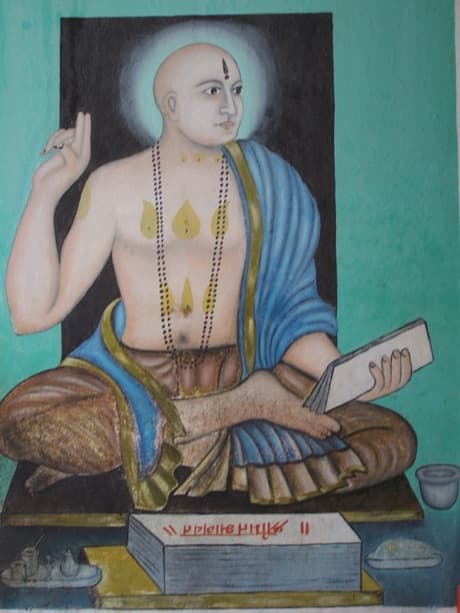
Madhvācārya · Dvaita
Madhva BhāṣyaSanskritEnglishOn verses 9.30–9.34
“न भवत्येव प्रायस्तदभक्तो दुराचारः | तथाऽपि बहुपुण्येन यदि कथञ्चिद् भवति, तर्हि साधुरेव मन्तव्यः |” - Normally, one who is of evil nature can never become His devotee. But because of many good merits, the evil ones should be considered to have become noble persons.
“कृतः? शिक्षे भवति धर्मात्मा | देवदेवांशादिष्वेव चैतद् भवति | उक्तं च शांडिल्यशाखायाम् - नाविरतो दुश्चरितान्नाभक्तो नासमहितः | सम्यग् भक्तो भवेत् कश्चिद् वासुदेवेऽमलाशयः | देवपयस्तदंशाश्च भवन्ति क्वच्च ज्ञानतः | इति | अतोऽन्यः क्वचिद् भवति चेत्, दाम्भिकत्वेन सोऽनुमेयः | साधारणपापानां तु सत्सङ्गान्महत्यपि कथञ्चिद् भक्तिर्भवति | साधारणभक्तिर्वैतरेषाम् | शटमतिरूपयति योऽर्थतुष्णां तमधमचेष्टमवैहि नास्य भक्तम् | इति हि श्रीविष्णुपुराणे ||” - How? Soon becomes a man of good soul which is possible only to those who have the divine essence in them. “The one who does not give up evil ways, one who is not devoted, one who has no equipoise cannot become the pure devotee of Sriman Narayana. But the gods and sages even though some time are evil minded become in due course best of the devotees, because they are aware of the essential nature of the Lord”, thus in Shandilya section. Therefore, those who fraudulently try to prove their devotion should be known in this manner. However those who have committed slight demerits may be devoted by association with saints. In others, simple devotion may be accepted. “those who seek sensual pleasures, they are, verily, the deceivers. They being the practitioners of low behavior, true devotion can never spring”, thus, in Vishnu Puraana.
“वेदास्त्वधीता मम लोकनाथ तप्तं तपो नानुतमुक्तपूर्वम् | पूजां गुरुणां सततं करोमि परस्य गुह्यं नच भिन्नपूर्वम् | गुप्तानि चत्वारि यथागमं मे शत्रो च मित्रे च समोऽस्मि नित्यम् | तं चापि देवं सततं प्रपन्नः एकान्तभावेन भजाम्यजसम् | एतैर्विशेषैः परिशुद्धसत्त्वः कस्मान् पश्येयमनन्तमेनम् || इति मोक्षधर्मे अचारस्य सधनत्वोक्तश्च ||” - “O Lord ! having studied Vedas, I am ever engaged in austerities. In have never spoken un-Truth ever in the past. I have always been worshipping my Teacher (Guru). I have never divulged the secret which is Supreme. The four Truths told in the scriptures are enshrined in me. I am always equal towards friends as well as towards enemies. Surrendering to the Lord, I have been ever propitiating Him with undistracted devotion. How then have I not been able to see the eternal Form which is pure and propitious ?” Thus in Moksha Dharma scripture.
“ज्ञानाभावे च साम्यग्भक्त्यभावात् | तथा हि गौतमखिलेषु - विना ज्ञानं कुतो भक्तिः कुतो भक्तिः विना च तत् | इति | भक्तिः परे स्वानुभवो विरक्तिरन्यत्र चैतत्त्रिकमेककालम् || इति भागवते ||” - Without right Wisdom true devotion is not possible. Thus in Gautam Section - “Without wisdom how can there be devotion ?” And if there is no devotion how could there be that (realization)?” “Devotion towards the Lord, Wisdom and aversion to all other things - all these three go together”, thus also in Bhagavat Puraana
Madhvācārya · Dvaita
Gītā Tātparya NirṇayaSanskritEnglishOn verses 9.30–9.34
“पापादिकारिताश्चैव पुंसां स्वाभाविका अपि | विप्रत्वाद्यास्तत्र पुण्याः स्वाभाव्याः एव मुक्तिगाः | यान्ति स्त्रीत्वं पुंसां सोऽपि पापतः कामतोऽपि वा | न स्त्रीयो यान्ति पुंसां तु स्वभावदेव याः स्त्रीयः || पुंसा सहैव पुं देहे स्थितिः स्याद् वरदानतः | तज्जन्मानि वराः पापजाताभ्यो निजसस्रीटवः || सर्वेषामपि जीवानामन्यदेहो यथा निजः | मुक्तौ च निजभावः स्यात् कर्मभोगास्ततोऽपि च || इति भविष्यत्यर्थवचनात् पापयोनयः पुण्या इति विशेषणम् ||” - The acts of merits and demerits of people being according to each one's attributes, the stage of a man of Wisdom and others are also normal according to their attributes and so is their deliverance. A male is born again as a female because of desires or some demerit. A female is never born as a male because of attributes but they reside within the male body alongside the male form in a spiritual female form. These spiritual female forms are unlimitedly superior to those who have taken female forms due to the demerit of desires. All Jivas attain the body of skin and flesh according to their attributes. In liberation, even after experiencing the effects of prior karmas, each one lives according to their true attribute, even the statement merits even for those born in evil-wombs can be accepted, because of the declaration in Bhavishya Purana.

Jñāneśvar · Vārkarī
English32 'For, *O Son of Parthā*, betaking themselves unto Me—even though they be the (so called) lowly-born: women, *Vyśyas* (producers and merchants) as also *Sudras* (menials)—yet shall even these attain the Goal Supreme. (443)
Many indeed are, Oh Kiriti! the souls that are born in families un-nameably low and the vilest of the vile. Being slow-witted, they are as good as stones; and yet they are of unflinching faith and devotion to Me. (There are) others: their speech is nothing but My praises; their vision is ever fixed on Me; their mind ever thinks of nothing but Me; their ears ever listen to my praises; nothing else than acts of worshipful service decorates their bodies; their knowledge is a stranger to sense-objects, and so their awareness divines the sole God in Me. Being thus in Me and for Me, life is worth living (for them); all else is death. Thus have they, Oh Kiriti, made Me, in entirety, the very life-breath of their life. May such as these be the lowest of the low and base-born, may (they) be reckoned unlearned, all the same, they are not a whit inferior to Me in greatness. Just consider the very demons (दैत्य): by the power of their devotion (to Me), they made their rivals, the Gods, sink into degradation. Born in the demon race, My devotee Prahlāda won his eternal glory by making Me incarnate as *Nrisinha*. That great Prahlāda suffered the worst tortures in God's name, and therefore, did by his mere word command all that I would give. Born though he was of the demon family, the very Indra could not equal him in rank and glory. The one crucible here, therefore, is devotion and passionate love to God; all else like race or caste is the merest trash. A scrap of leather has power to buy all things, if made to wear the royal insignia: without these even gold and silver fail as measure of things and the royal sign then becomes the proper measure of things; and a piece of leather bearing such royal insignia, is enough to buy all things. Even so does perfect virtue blossom into eternal life and infinite knowledge ripened into fulfilment. Only then, and not till then—entire soul and mind is filled with love for Me. Purity of race, family and caste is then all false and empty. Oh Arjuna, life's real meaning and vital essence lies in being possessed of My love and devotion. Take whatever path for your devotion, once the mind is filled with such devotion, the devotee enters into Me, and all his past sins and imperfections are wiped off. The brooks and streams run their impure, separate courses only till they meet the Ganges: and once they have joined the Ganges, they become one with the Ganges. Sandal wood and Khair (catachu) are differently named so long as they are not consumed by fire. Even so, men are separate in caste, race, family and sex till they are absorbed into My infinite eternal being. This feeling (of separation) of single man from caste and class becomes null and void, when caste and class are all merged into My essential being, like salt in the sea. Rivers and streams, large and small, are seen to flow eastwards and westwards, so long as they have not flown into the sea. Whichever be the path by which the soul is drawn to My being, once it enters into My divine life eternal, it of its own accord becomes one with Me. Iron changes into gold, the moment it touches the *Parīs*-stone, even if it be to break it. And did not the Gopis seeking to win Me for amorous passion become united with Me in My divine life? And did not Kamsa out of fear, Shishupāla and others seeking to be at feud with Me, become one with Me? The Yadavas were bound to Me by blood ties, and Vasudeva and others by filial love,—they reached My eternal abode. Nārada, Dhruva, Akrūra, Shuka, Sanantkumāra all won eternal life through their deep devotion for Me. In the same way the Gopis won My divine love through their amorous passion for Me, and Kamsa through the delusive passion of terror, while Shishupāla and others through their wickedness and enmity towards Me. Verily I am the eternal abode of Peace to all those that seek it, whatever be the channel of their feelings towards Me, be it devotion, renunciation, love, hatred. Therefore see, Oh Pārtha, pathways to enter into My divine home are manifold indeed. May be, the caste into which thou art born is the lowest, and may be, thy ruling passion be love or hatred; the love or hatred should turn to Me. Whichever then is the pathway by which thou seekest Me—being one with Me is the goal within thy reach. Therefore, Arjuna, all alike—men and women of whatever caste,—whether Vaishya or Shūdra, or the meanest shall enter into My divine home as soon as they love and worship Me.
Swami Ramsukhdas · Modern
English'Mām bi pārtha vyapāśritya ye'pi syuḥ pāpayonayaḥ striyo vaiśyāstathā śūdrāste'pi yānti parāth gatim'—The Lord, has called the man, who has been immoral, in this human birth, a sinner (9/30). But 'Pāpayonayaḥ' (born of the womb of sin), are those who were sinners in the previous birth, and are born of sinful wombs, as the fruit of their previous actions. The sinful-womb, is a very wide term, which includes demons, devils, animals, and birds etc.* Sage Śāṇḍilya declares, 'As men, deserve virtues such as, kindness, forgiveness, generosity etc., the beings, from the lowest womb to the highest womb can seek devotion, to the Lord' (Śāṇḍilya-Bhaktisūtra), because all of them, being a fraction of the Lord, are His, and so they are free, to have an inclination for Him. Therefore, even those, who are born of a womb of sin, by taking refuge in Him, attain Him.
Actually, a man becomes impure, by having a disinclination for the Lord. As coal, loses its lustre and becomes black, after leaving a fire and brightens again in the fire, the soul being a portion of the Lord, becomes impure by losing its lustre due to its disinclination from the Lord, but when it has inclination for the Lord, its impurity is wiped out, and it becomes so pure, that the Lord makes soul a jewel of His crown.
Capability and incapability, are judged in worldly life. But, in having affinity with God, these are not significant. Only he, who desires Him from his heart, is most capable, as for as, the Lord is concerned. For instance, a child serves his mother well, she loves it. Another child, does nothing but wails and invokes the mother's help, feeling afflicted. The mother, does not care, that it does nothing, how she should take the child in her lap. She can't bear affliction. Her heart melts. She takes the child into
* Cowherdesses, cows, trees, animals, snakes and other foolish creatures by having exclusive devotion suddenly attained Me (Śrīmadbhā. 11/12/8).
her lap, without caring for its purity or impurity. Similarly, when a sinful man possessing the worst conduct, being afflicted, wails and invokes God, God's heart melts and He accepts him as His, and loves him without paying attention, to his sinful conduct. It proves, that the present sins of a person who becomes a devotee, are not obstacles to God-realization. Then, how can sins of previous birth, be an obstacle, because these can bear fruit in the form of birth in low wombs, and under unfavourable circumstances? Only, they cannot create an obstacle, in adoration of God.
By the term womanfolk, He means that women of all castes, creeds, colours, classes, countries etc., by taking refuge in Him, become pure and attain Him. Devahūti, Śabari, Kuntī, Draupadī, Vraja's cowherdesses of the past, and Mīrā, Karamaitī, Karamābāī, Phūlibāī of the present, are women-devotees. Similarly, Samādhi and Tulādhāra, among Vaiśyas and Vidura, Sañjaya and Niṣādarāja Guha, among Śūdras, are examples of devotees.
An Exceptional Fact
The term 'Pāpayonayaḥ' (born of the womb of sin), is not an adjective qualifying womanfolk, Vaiśyas and Śūdras. If it qualifies womanfolk, it is unjustified, because women of the three castes Brāhmaṇa, Kṣatriya and Vaiśya, are authorized to perform Vedic actions, such as oblation etc., with their husbands.
The Lord, has mentioned womanfolk separately, besides the four castes. It means that they independently also, by taking refuge in Him, can attain Him. So, they should take refuge only in Him, without seeking help of any individual.
If it qualifies Vaiśyas, it is also unjustified because, they are fully authorized to study the Vedas and perform Vedic actions, such as oblation etc.*
If it qualifies Śūdras, it is also not reasonable, because they are included, among the people of the four castes. So, only people
* Those possessing good conduct are born as Brāhmaṇas, Kṣatriyas and Vaiśyas but those of bad conduct are born of the wombs of birches, pigs and pariahs.
of inferior birth such as Yavana, Hūṇa and Khasa etc., should be included, among those born of a womb of sin. There is no restriction, for any being to have an inclination to Him, because he is an integral part of Him. Moreover, animals, birds, trees and plants etc., can also be included among those, even though they have no discrimination to move towards Him, but, if because of past influence or any other reason, they have an inclination for Him, they can become devotees, like 'Gajendra', the elephant and 'Jaṭāyu', the bird.
A Vital Fact
Feelings, play a more important role, than birth, in the field of spiritualism. A man, born in a high family or caste, may be proud of his birth, because of his affinity with the body. But, actually he, being a fraction of the Lord, is His, and is different from a body. So, when he renounces his affinity with the body, he becomes one with Him, or attains Him. Similarly, a 'Jīva' is not converted into Brahma. But Brahma Himself realizes, Brahma. In Brahma, there is never such assumption—'I am the embodied soul,' while an embodied soul, is not Brahma. Due to affinity with vital force, a being, is called a 'Jīva'. In Brahma, there is no such vital force. Therefore, Brahma realizes Brahma. It means, 'I am limited'—this feeling is being destroyed and Brahma is realized.
A man, is different from the body. So long as, he identifies himself with a body, he remains, a slave to this body, which is an instrument made of flesh and bones, and to produce excrement and urine. This identification with a body, is the result of lack of discrimination. Without discrimination, a man can follow, neither the Discipline of Devotion, nor that of Action. So a devotee, who wants to attain devotion or salvation, should have a clear conception, that he is different from his body. He has identity with the Lord, while the body has its identity, with the world. So long as, he identifies himself with the body, he does not deserve, either devotion or knowledge. A devotee through
devotion, remains engrossed in the Lord and so automatically, he has no identity with body and thus sex, caste, creed and colour etc., do not remain obstacles, to God-realization. Similarly, a person following the Discipline of Knowledge, by applying his discrimination, realizes that he is different from the body, and thus he also attains the Lord and any distinction of caste, creed, colour, class and country etc., does not debar, a devotee from realizing God.
**Appendix**—These who don't take refuge in others besides God, their such exclusive refuge (dependence) here has been called 'vyapāśraya' viz., special refuge in God.
The sinner in this birth is more guilty than the sinner of the previous birth. Therefore the Lord first (in the thirtieth and thirty first verses) mentions the sinner of this birth and now in this verse He mentions the sinner of the previous birth—'ye'pi syuh pāpayonayaḥ'.
*Link:—In the next verse, Lord Kṛṣṇa describes the two kinds of persons, who are fully qualified to attain Him.*
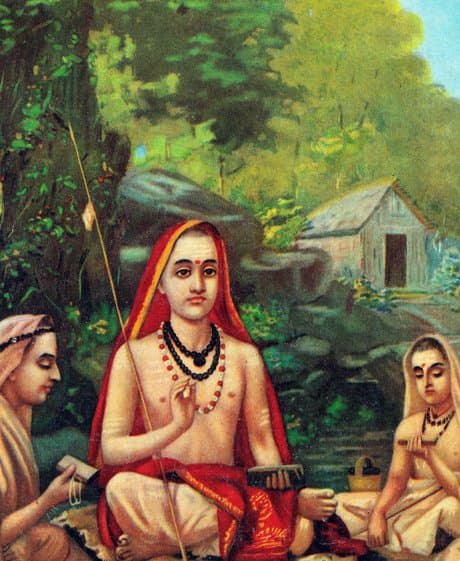
Ādi Śaṅkarācārya · Advaita
Sanskritमां हि यस्मात् पार्थ व्यपाश्रित्य मां आश्रयत्वेन गृहीत्वा येऽपि स्युः भवेयुः पापयोनयः पापा योनिः येषां ते पापयोनयः पापजन्मानः । के ते इति, आह -- स्त्रियः वैश्याः तथा शूद्राः तेऽपि यान्ति गच्छन्ति परां प्रकृष्टां गतिम् ॥
Ādi Śaṅkarācārya · Advaita
Hindiक्योंकि हे पार्थ! जो कोई पापयोनिवाले हैं अर्थात् जिनके जन्मका कारण पाप है ऐसे प्राणी हैं—वे कौन हैं? सो कहते हैं—वे स्त्री, वैश्य और शूद्र भी मेरी शरणमें आकर—मुझे ही अपना अवलम्बन बनाकर परम—उत्तम गतिको ही पाते हैं
Jñāneśvar · Vārkarī
Marathiअगा नांवें घेता वोखटीं । जे आघवेया अधमांचिये शेवटीं । तिये पापयोनीही किरीटी । जन्मले जे ॥ ४४३ ॥
ते पापयोनि मूढ । मूर्ख ऐसे जे दगड । परि माझां ठायीं दृढ । सर्वभावें ॥ ४४४ ॥
जयांचिये वाचे माझे आलाप । दृष्टी भोगी माझेंचि रुप । जयांचें मन संकल्प । माझाचि वाहे ॥ ४४५ ॥
माझिया कीर्तीविण । जयांचे रिते नाहीं श्रवण । जयां सर्वांगीं भूषण । माझी सेवा ॥ ४४६ ॥
जयांचें नाव विषो नेणे । जाणीव मजचि एकातें जाणे । जया ऐसें लाभे तरी जिणें । एऱ्हवीं मरण ॥ ४४७ ॥
ऐसा आघवाचि परि पांडवा । जिहीं आपुलिया सर्वभावा । जियावयालागीं वोलावा । मीचि केला ॥ ४४८ ॥
ते पापयोनीही होतु कां । ते श्रुताधीतही न होतुं कां । परि मजसीं तुकितां तुका । तुटी नाहीं ॥ ४४९ ॥
पाहें पां भक्तिचेनि आथिलेपणें । दैत्यीं देवां आणिलें उणें । माझें नृसिंहत्व लेणें । जयाचिये महिमे ॥ ४५० ॥
तो प्रल्हादु गा मजसाठीं । घेतां बहुतें सदा किरीटी । कां जें मियां द्यावें ते गोष्टी । तयाचिया जोडे ॥ ४५१ ॥
एऱ्हवीं दैत्यकुळ साचोकारें । परि इंद्रिही सरी न लाहे उपरें । म्हणोनि भक्ति गा एथ सरे । जाति अप्रमाण ॥ ४५२ ॥
राजाज्ञेचीं अक्षरें आहाती । तियें चामा एका जया पडती । तया चामासाठीं जोडती । सकळ वस्तु ॥ ४५३ ॥
वांचूनि सोनें रुपें प्रमाण नोहे । एथ राजाज्ञाचि समर्थ आहे । तेंचि चाम एक जैं लाहे । तेणें विकती आघवीं ॥ ४५४ ॥
तैसें उत्तमत्व तैंचि तरे । तैंचि सर्वज्ञता सरे । जैं मनोबुद्धि भरे । माझेनि प्रेमें ॥ ४५५ ॥
म्हणोनि कुळ जाति वर्ण । हें आघवेंचि गा अकारण । एथ अर्जुना माझेपण । सार्थक एक ॥ ४५६ ॥
तेंचि भलतेणें भावें । मन मजाआंतु येतें होआवें । आलें तरी आघवें । मागील वावो ॥ ४५७ ॥
जैसे तवंचि वहाळ वोहळ । जंव न पवती गंगाजळ । मग होऊनि ठाकती केवळ । गंगारुप ॥ ४५८ ॥
कां खैर चंदन काष्ठें । हे विवंचना तंवचि घटे । जंव न घापती एकवटें । अग्नीमाजीं ॥ ४५९ ॥
तैसे क्षत्री वैश्य स्त्रिया । कां शूद्र अंत्यादि इया । जाती तंवचि वेगळालिया । जंव न पवती मातें ॥ ४६० ॥
मग जाती व्यक्ती पडे बिंदुलें । जेव्हां भाव होती मज मीनले । जैसे लवणकण घातले । सागरामाजीं ॥ ४६१ ॥
तंववरी नदानदींचीं नांवें । तंवचि पूर्वपश्चिमेचे यावे । जंव न येती आघवे । समुद्रामाजीं ॥ ४६२ ॥
हेंचि कवणें एकें मिसें । चित्त माझां ठायीं प्रवेशे । येतुलें हो मग आपैसें । मी होणे असे ॥ ४६३ ॥
अगा वरी फोडावयाचि लागीं । लोहो मिळो कां परिसाचां आंगीं । कां जे मिळतिये प्रसंगीं । सोनेंचि होईल ॥ ४६४ ॥
पाहें पां वालभाचेनि व्याजें । तिया व्रजांगनांचीं निजें । मज मीनलिया काय माझें । स्वरुप नव्हतीचि ॥ ४६५ ॥
नातरी भयाचेनि मिसें । मातें न पविजेचि काय कंसें । कीं अखंड वैरवशें । चैद्यादिकीं ॥ ४६६ ॥
अगा सोयरेपणेंचि पांडवा । माझें सायुज्य यादवां । कीं ममत्वें वासुदेवा- । दिकां सकळां ॥ ४६७ ॥
नारदा ध्रुवा अक्रूरा । शुका हन सनत्कुमारा । यां भक्ती मी धनुर्धरा । प्राप्यु जैसा ॥ ४६८ ॥
तैसाचि गोपीसी कामें । तया कंसा भयसंभ्रमें । येरा घातकेयां मनोधर्में । शिशुपालादिकां ।। ४६९ ॥
अगा मी एकुलाणीचें खागें । मज येवों ये भलतेनि मार्गे । भक्ती कां विषयें विरागें । अथवा वैरें ॥ ४७० ॥
म्हणोनि पार्था पाहीं । प्रवेशावया माझां ठायीं । उपायांची नाहीं । केणि एथ ॥ ४७१ ॥
आणि भलतिया जाती जन्मावें । मग भजिजे कां विरोधावें । परि भक्त कां वैरिया व्हावें । माझियाचि ॥ ४७२ ॥
अगा कवणें एके बोलें । माझेपण जऱ्ही जाहालें । तरी मी होणें आलें । हाता निरुतें ।। ४७३ ॥
यापरि पापयोनीही अर्जुना । कां वैश्य शूद्र अंगना । मातें भजतां सदना । माझिया येती ॥ ४७४ ॥
Jñāneśvar · Vārkarī
Hindi(9.443) अजी, जिनका नाम लेना भी अनुचित है, जो सब अधमों में अधम हैं, उन पाप-योनियों में भी जिनका जन्म हुआ हो,
(9.444) जो पापोत्पन्न मूढ़ चाहे पत्थर जैसे मूर्ख हो, परन्तु मुझमें सर्वभावों से दृढ़ हो, (9.445) जिनकी वाचा से मेरे गुणानुवाद निकलते हो, जिनकी दृष्टि मेरा ही रूप भोगती हो, जिनका मन मेरा ही संकल्प धारण करता हो,
(9.446) जिनके श्रवण मेरी कीर्ति से रीते न रहते हों, मेरी सेवा ही जिनके सर्वांगों का अलंकार है,
(9.447) जिनका ज्ञान विषयों को नहीं जानता, जिनका ज्ञातृत्व मुझ एक को ही जानता हो, जो इस प्रकार का लाभ हो तो ही जीवन समझते हैं, अन्यथा मरण;
(9.448) हो पाण्डव! जो सब प्रकार से अपने सब भाव सजीव रखने के हेतु मुझको ही जीवन समझते हो,
(9.449) वे चाहे पापयोनि भी हो, चाहे वेद पढ़े हुए न हो, परन्तु मुझसे तुलना करते हुए उनकी योग्यता में कुछ न्यूनता नहीं रहती।।
(9.450) देखो, भक्ति की सम्पन्नता से दैत्यों ने देवों को हीनता में डाल दिया है। जिसकी महिमा के लिए मैंने नृसिंहरूप धारण किया (9.451) उस प्रह्लाद की मुझसे तुलना की जाय, तो वही श्रेष्ठ दिखाई देता है क्योंकि जो वस्तुएँ मैं उसे देना चाहूँ वे सब उसे उपलब्ध थीं।
(9.452) यों तो दैत्य का कुल था, परन्तु उसकी श्रेष्ठता की बराबरी इन्द्र भी नहीं कर सकता। अतएव इस विषय में अकेली भक्ति ही शोभा देती है और जाति अप्रमाण है।
(9.453) राजाज्ञा के अक्षरों का सिक्का जिस एक चमड़े पर पड़ता है उस चमड़े से सब वस्तुएँ मिल सकती हैं;
(9.454) एवं सोना-चाँदी प्रमाण नहीं है परन्तु राजाज्ञा ही समर्थ है। वही एक चमड़ा प्राप्त हो जाने से सम्पूर्ण सोना-चाँदी मोल मिल सकता है।
(9.455) वैसे ही उत्तमता तभी मिलती है, सर्वज्ञता तभी शोभती है जब मन और बुद्धि मेरे प्रेम से भर जाती हैं।
(9.456) अतएव कुल, जाति और वर्ण सब वृथा हैं। हे अर्जुन! संसार में मेरी भक्ति से ही कृतार्थता होती है।
(9.457) चाहे जिस भाव से हो, परन्तु मन का प्रवेश मुझमें होना चाहिए; और यदि यह बात हो जाय तो पिछले कर्म सब वृथा हो जाते हैं। (9.458) जैसे छोटे छोटे नाले तभी तक नाले कहते हैं जब तक गंगा के जल तक नहीं पहुँचते; वहाँ पहुँचते ही वे केवल गंगारूप हो जाते हैं।
(9.459) अथवा खैर-चन्दन इत्यादि काष्ठों का भेद तभी तक होता है जब तक वे इकट्ठे करके अग्नि में नहीं डाले जाते;
(9.460) वैसे ही क्षत्रिय-वैश्य-स्त्री अथवा शूद्र अन्त्यज इत्यादि जातियाँ तभी से भिन्न हैं जब तक मुझे नहीं प्राप्त होती।
(9.461) पर जब वे प्रेम से मुझमें मिल जाती हैं तब जाति और व्यक्ति का कुछ भी निशान नहीं बच रहता मानों लवण के कण समुद्र में मिला दिये गये हों।
(9.462) नद-नदियों के नाम तभी तक हैं, उनका पूर्व और पश्चिम के मार्ग से बहना तभी तक है, जब तक वे सब समुद्र में नहीं मिल जाती।
(9.463) वैसे ही किसी भी मिस से चित्त यदि मुझमें प्रवेश कर ले, तो उतने से ही वह अपने आप मद्रूप हो जाता है।
(9.464) अजी पारस फोड़ने से लिए भी, यदि लोहे का पारस से स्पर्श कराया जाय, तो स्पर्श करते ही वह सोना हो जावेगा। (9.465) देखो, पति के मिस से वुजपत्नियों के अन्तःकरण मुझ से मिलते ही क्या मत्स्वरूप नहीं हो गये?
(9.466) अथवा भय के बहाने क्या कंस ने, अथवा निरन्तर वैर के मिस से क्या शिशुपाल इत्यादिकों ने मुझे प्राप्त नहीं कर लिया?
(9.467) अजी हे पाण्डव! सगोत्र होने के कारण ही यादवों को, और ममता के कारण वसुदेव इत्यादिकों को मेरा सायुज्य प्राप्त हुआ है।
(9.468) नारद, ध्रुव, अकूर, शुक् औ सनत्कुमारों को जैसे मैं भक्ति से प्राप्त हूँ
(9.469) वैसे ही गोपिकाओं को विषय-बुद्धि में, कंस को भय से, और शिशुपाल इत्यादि घातकों को उनके अलग-अलग मनोधर्मों से प्राप्त हूँ।
(9.470) अजी, मैं एक निदान का स्थान हूँ। मेरी प्राप्ति चाहे जिस मार्ग से हो सकती है; भक्ति से, अथवा विषयों की विरक्तता से अथवा वैर से।
(9.471) अतएव हे पार्थ! मुझमें प्रवेश करने के लिए संसार में साधनों की न्यूनता नहीं है। (9.472) और चाहे जिस जाति में जन्म हो, और भक्ति हो अथवा विरोध हो, परन्तु भक्त अथवा वैरी मेरा ही हो।
(9.473) अजी, किसी भी प्रकार से यदि मेरी भक्ति हो तो वास्तव में मद्रूपता का ही लाभ होता है।
(9.474) इसलिए हे अर्जुन! पापयोनि अथवा वैश्य, शूद्र या स्त्री मेरा भजन करने से सब मेरे ही घर पहुँचते हैं।
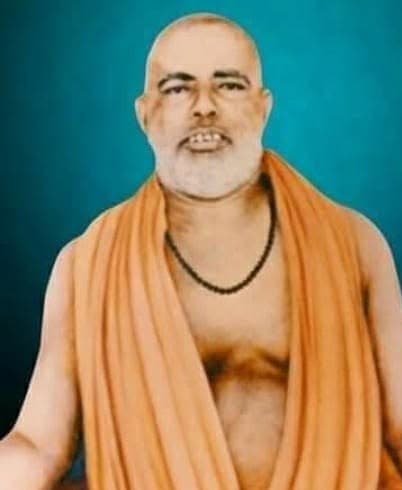
Sri Udiya Baba · Modern
Hindiसंगति— अगले श्लोक में भगवान् बतलाते हैं कि उनके भजन के सभी अधिकारी हैं—
भावार्थ— हे पार्थ! मेरा आश्रय लेने पर तो स्त्री वैश्य, शूद्र और जो पापयोनि वाले हैं वे भी परमगति को प्राप्त हो जाते हैं।
व्याख्या— चारों आचार्यों का विचार है स्त्री, वैश्य, शूद्र और पाप-योनि ये चारों अलग-अलग गिनाये गये हैं, और मेरा विचार भी यही है। परन्तु श्री शंकराचार्यजी का मत है कि भगवान् ने स्त्री, वैश्य और शूद्र को ही पाप-योनि कहा है। यह उनका पक्षपात ही जान पड़ता है, क्योंकि यदि स्त्री पाप-योनि है तो उसके हाथ का भोजन नहीं करना चाहिये, जबकि सभी करते हैं। तथा यज्ञ में भाग लेने का उसका अधिकार नहीं होना चाहिये, जबकि स्त्री के बिना कोई यज्ञ सम्पन्न ही नहीं होता। अतः स्त्री पाप-योनि नहीं हो सकती। पापयोनि तो वे हैं कि जिनकी स्वभाव से ही पाप में प्रवृत्ति होती है। किन्तु पाप-योनियों के साथ स्त्री को गिनाया इसलिये है कि उसमें लोभ, अशुद्धि और काम की अधिकता होती है। स्त्री की सब इच्छाएँ नष्ट हो जाने पर भी उसे पति-सुख की कामना बनी रहती है। साथ ही उसमें लोभ की मात्रा भी अधिक होती है। थोड़े से प्रलोभन से भी वह नीचसे नीच काम करने को तैयार हो जाती है।
वैश्य को पापयोनियों के साथ इसलिये गिनाया है कि उसका कर्म वाणिज्य है। वह वाणिज्य में झूठ बोलता है और व्याज लेता है। लोभ की इनमें प्रधानता होती है। इसी से शूद्र के साथ ही वैश्य को गिनाया है। वास्तव में यह शूद्र के समकक्ष नहीं है, क्योंकि शूद्र को तो यज्ञ मण्डप में जाने का भी अधिकार नहीं है और वैश्य यज्ञ कर सकता है। शूद्र दो प्रकार के होते हैं—सत् शूद्र और असत् शूद्र। ग्वाले, नाई, अहीर आदि सत् शूद्र हैं तथा चमार-धोबी आदि असत् शूद्र हैं, इन्हीं को अन्त्यज भी कहते हैं। शूद्रों में काम, क्रोध, लोभ आदि अधिक होते हैं तथा रहन-सहन में अपवित्रता रहती है। किन्तु इनसे भी निकृष्ट पापयोनि हैं। पापयोनियों की गणना करते हुए भगवदाश्रय से उनके उद्धार की बात श्रीमद्भागवत में भी इस श्लोक द्वारा कही गयी है—
किरातहूणान्धपुलिन्दपुल्कषा आभीरकंका यवनाः ख्यादयः। येऽन्ये च पापा यदुपाश्रयाश्रयाः शुद्धचन्ति तस्मै प्रभविष्णवे नमः॥
अर्थात् जिन जगदुत्पादक भगवान् की शरण लेने पर किरात, हूण, आन्ध्र, पुलिन्द, पुल्कष, आभीर, कंक, खश तथा अन्यान्य पापी भी शुद्ध हो जाते हैं, उनको नमस्कार है।
इन सभी को पाप योनियों के साथ इसलिये गिनाया है कि ये सब कामादि दोषों के वशीभूत होने पर भी यदि मेरा आश्रय लेते हैं तो शुद्ध हो जाते हैं। अर्थात् अपने स्वाभाविक दोषों से छूटकर मुझे प्राप्त कर लेते हैं। अतः जीव के उद्धार में या साधुता की प्राप्ति में भगवदाश्रय की ही प्रधानता है, जाति आदि की नहीं।
Swami Ramsukhdas · Modern
Hindi‘मां हि पार्थ व्यपाश्रित्य ... यान्ति परां गतिम्’—जिनके इस जन्ममें आचरण खराब हैं अर्थात् जो इस जन्मका पापी है, उसको भगवान्ने तीसवें श्लोकमें ‘दुराचारी’ कहा है। जिनके पूर्वजन्ममें आचरण खराब थे अर्थात् जो पूर्वजन्मके पापी हैं और अपने पुराने पापोंका फल भोगनेके लिये नीच योनियोंमें पैदा हुए हैं, उनको भगवान्ने यहाँ ‘पापयोनि’ कहा है।
यहाँ ‘पापयोनि’ शब्द ऐसा व्यापक है, जिसमें असुर, राक्षस, पशु, पक्षी आदि सभी लिये जा सकते हैं\* और ये सभी भगवद्भक्तिके अधिकारी माने जाते हैं। शाण्डिल्य ऋषिने कहा है—‘आनिन्द्ययोन्यधिक्रियते पारम्पर्यात्
सामान्यवत्।’ (शाण्डिल्य-भक्तिसूत्र ७८) अर्थात् जैसे दया, क्षमा, उदारता आदि सामान्य धर्मोंके मात्र मनुष्य अधिकारी हैं, ऐसे ही भगवद्भक्तिके नीची-से-नीची योनिसे लेकर ऊँची-से-ऊँची योनितकके सब प्राणी अधिकारी हैं। इसका कारण यह है कि मात्र जीव भगवान्के अंश होनेसे भगवान्की तरफ चलनेमें, भगवान्की भक्ति करनेमें, भगवान्के सम्मुख होनेमें अनधिकारी नहीं हैं। प्राणियोंकी योग्यता-अयोग्यता आदि तो सांसारिक कार्योंमें हैं; क्योंकि ये योग्यता आदि बाह्य हैं और मिली हुई हैं तथा बिछुड़नेवाली हैं। इसलिये भगवान्के साथ सम्बन्ध जोड़नेमें योग्यता-अयोग्यता कोई कारण नहीं है अर्थात् जिसमें योग्यता है, वह
* केवलेन हि भावेन गोप्यो गावो नगा मृगाः। येऽन्ये मूढधियो नागाः सिद्धा मामीयुरंजसा॥ (श्रीमद्भा० ११। १२। ८)
‘गोपियाँ, गायें, वृक्ष, पशु, नाग तथा इस प्रकारके और भी मूढबुद्धि प्राणियोंने अनन्यभावके द्वारा सिद्ध होकर अनायास ही मेरी प्राप्ति कर ली है।’
भगवानमें लग सकता है और जिसमें अयोग्यता है, वह भगवानमें नहीं लग सकता—यह कोई कारण नहीं है। प्राणी स्वयं भगवानके हैं; अतः सभी भगवानके सम्मुख हो सकते हैं। तात्पर्य हुआ कि जो हृदयसे भगवानको चाहते हैं, वे सभी भगवद्भक्तिके अधिकारी हैं। ऐसे पापयोनिवाले भी भगवानके शरण होकर परमगतिको प्राप्त हो जाते हैं, परम पवित्र हो जाते हैं।
लौकिक दृष्टिसे तो आचरण भ्रष्ट होनेसे अपवित्रता मानी जाती है, पर वास्तवमें जो कुछ अपवित्रता आती है, वह सब-की-सब भगवानसे विमुख होनेसे ही आती है। जैसे, अंगार अग्निसे विमुख होते ही कोयला बन जाता है। फिर उस कोयलेको साबुन लगाकर कितना ही धो लें, तो भी उसका कालापन नहीं मिटता। अगर उसको पुनः अग्निमें रख दिया जाय, तो फिर उसका कालापन नहीं रहता और वह चमक उठता है। ऐसे ही भगवानके अंश इस जीवमें कालापन अर्थात् अपवित्रता भगवानसे विमुख होनेसे ही आती है। अगर यह भगवानके सम्मुख हो जाय, तो इसकी वह अपवित्रता सर्वथा मिट जाती है और यह महान् पवित्र हो जाता है तथा दुनियामें चमक उठता है। इसमें इतनी पवित्रता आ जाती है कि भगवान भी इसे अपना मुकुटमणि बना लेते हैं!
जब स्वयं आर्त होकर प्रभुको पुकारता है, तो उस पुकारमें भगवानको द्रवित करनेकी जो शक्ति है, वह शक्ति शुद्ध आचरणोंमें नहीं है। जैसे, माँका एक बेटा अच्छा काम करता है तो माँ उससे प्यार करती है और एक बेटा कुछ भी काम नहीं करता, प्रत्युत आर्त होकर माँको पुकारता है, रोता है, तो फिर माँ यह विचार नहीं करती कि यह तो कुछ भी अच्छा काम नहीं करता, इसको गोदमें कैसे लूँ? वह उसके रोनेको सह नहीं सकती और चट उठाकर गोदमें ले लेती है। ऐसे ही खराब-से-खराब आचरण करनेवाला, पापी-से-पापी व्यक्ति भी आर्त होकर भगवानको पुकारता है, रोता है, तो भगवान उसको अपनी गोदमें ले लेते हैं, उससे प्यार करते हैं। इससे यह सिद्ध हुआ कि स्वयंके भगवानकी ओर लगनेपर जब इस जन्मके पाप भी बाधा नहीं दे सकते, तो फिर पुराने पाप बाधा कैसे दे
सकते हैं ?
कारण कि पुराने पाप-कर्मोंका फल जन्म और भोगरूप प्रतिकूल परिस्थिति है; अतः वे भगवानकी ओर चलनेमें बाधा नहीं दे सकते।
यहाँ 'स्त्रियः' पद देनेका तात्पर्य है कि किसी भी वर्णकी, किसी भी आश्रमकी, किसी भी देशकी, किसी भी वेशकी कैसी ही स्त्रियाँ क्यों न हों, वे सभी मेरे शरण होकर परम पवित्र बन जाती हैं और परमगतिको प्राप्त होती हैं। जैसे, प्राचीन कालमें देवहूति, शबरी, कुन्ती, द्रौपदी, ब्रजगोपियाँ आदि और अभीके जमानेमें मीरा, करमैती, करमाबाई, फूलीबाई आदि कई स्त्रियाँ भगवानकी भक्त हो गयी हैं। ऐसे ही वैश्योंमें समाधि, तुलाधार आदि और शूद्रोंमें विदुर, संजय, निषादराज गुह आदि कई भगवानके भक्त हुए हैं। तात्पर्य यह हुआ कि पापयोनि, स्त्रियाँ, वैश्य और शूद्र—ये सभी भगवानका आश्रय लेकर परमगतिको प्राप्त होते हैं।
विशेष बात
इस श्लोकमें 'पापयोनयः' पद स्वतन्त्ररूपसे आया है। इस पदको स्त्रियाँ, वैश्यों और शूद्रोंका विशेषण नहीं माना जा सकता; क्योंकि ऐसा माननेपर कई बाधाएँ आती हैं। स्त्रियाँ चारों वर्णोंकी होती हैं। उनमेंसे ब्राह्मणों, क्षत्रियों और वैश्योंकी स्त्रियोंको अपने-अपने पतियोंके साथ यज्ञ आदि वैदिक कर्मोंमें बैठनेका अधिकार है। अतः स्त्रियोंको पापयोनि कैसे कह सकते हैं? अर्थात् नहीं कह सकते। चारों वर्णोंमें आते हुए भी भगवानने स्त्रियोंका नाम अलगसे लिया है। इसका तात्पर्य है कि स्त्रियाँ पतिके साथ ही मेरा आश्रय ले सकती हैं, मेरी तरफ चल सकती हैं—ऐसा कोई नियम नहीं है। स्त्रियाँ स्वतन्त्रतापूर्वक मेरा आश्रय लेकर परमगतिको प्राप्त हो सकती हैं। इसलिये स्त्रियोंको किसी भी व्यक्तिका मनसे किंचिन्मात्र भी आश्रय न लेकर केवल मेरा ही आश्रय लेना चाहिये।
अगर इस 'पापयोनयः' पदको वैश्योंका विशेषण माना जाय, तो यह भी युक्तिसंगत नहीं बैठता। कारण कि श्रुतिके अनुसार वैश्योंको पापयोनि नहीं माना जा सकता*।
* 'तद्य इह रमणीयचरणा अभ्याशो ह यत्ते रमणीयां योनिमापद्येरन् ब्राह्मणयोनि वा क्षत्रिययोनि वा वैश्ययोनि वाथ य इह कपूयचरणा अभ्याशो ह यत्ते कपूयां योनिमापद्येरञ्जययोनि वा सूकरयोनि वा चाण्डालयोनि वा।' (छान्दोग्य० ५।१०।७)
'अर्थात् जो अच्छे आचरणोंवाले हैं, उनका जन्म तो ब्राह्मण, क्षत्रिय और वैश्योंमें होता है; परन्तु जो नीच आचरणोंवाले हैं, वे कुत्ते, सूकर तथा चाण्डालयोनिमें जन्म लेते हैं।'
वैश्योंको तो वेदोंके पढ़नेका और यज्ञ आदि वैदिक कर्मोंके करनेका पूरा अधिकार दिया गया है।
अगर इस 'पापयोनयः' पदको शूद्रोंका विशेषण माना जाय, तो यह भी युक्तिसंगत नहीं बैठता; क्योंकि शूद्र तो चारों वर्णोंमें आ जाते हैं। अतः चारों वर्णोंके अतिरिक्त अर्थात् शूद्रोंकी अपेक्षा भी जो हीन जातिवाले यवन, हूण, खस आदि मनुष्य हैं, उन्हींको 'पापयोनयः' पदके अन्तर्गत लेना चाहिये।
जैसे माँकी गोदमें जानेके लिये किसी भी बच्चेके लिये मनाही नहीं है; क्योंकि वे बच्चे माँके ही हैं। ऐसे ही भगवान्का अंश होनेसे प्राणिमात्रके लिये भगवान्की तरफ चलनेमें (भगवान्की ओरसे) कोई मनाही नहीं है। पशु, पक्षी, वृक्ष, लता आदिमें भगवान्की तरफ चलनेकी समझ, योग्यता नहीं है, फिर भी पूर्वजन्मके संस्कारसे या अन्य किसी कारणसे वे भगवान्के सम्मुख हो सकते हैं। अतः यहाँ 'पापयोनयः' पदमें पशु, पक्षी आदिको भी अपवादरूपसे ले सकते हैं। पशु-पक्षियोंमें गजेन्द्र, जटायु आदि भगवद्भक्त हो चुके हैं।
मार्मिक बात
भगवान्की तरफ चलनेमें भावकी प्रधानता होती है, जन्मकी नहीं। जिसके अन्तःकरणमें जन्मकी प्रधानता होती है, उसमें भावकी प्रधानता नहीं होती और उसमें भगवान्की भक्ति भी पैदा नहीं होती। कारण कि जन्मकी प्रधानता माननेवालेके 'अहम्' में शरीरका सम्बन्ध मुख्य रहता है, जो भगवान्में नहीं लगने देता अर्थात् शरीर भगवान्का भक्त नहीं होता और भक्त शरीर नहीं होता, प्रत्युत स्वयं भक्त होता है। ऐसे ही जीव ब्रह्मको प्राप्त नहीं हो सकता; किन्तु ब्रह्म ही ब्रह्मको प्राप्त होता है अर्थात् ब्रह्ममें जीवभाव नहीं होता और जीवभावमें ब्रह्मभाव नहीं होता। जीव तो प्राणोंको लेकर ही है और ब्रह्ममें प्राण नहीं होते। इसलिये ब्रह्म ही ब्रह्मको प्राप्त होता है अर्थात् जीवभाव मिटकर
**परिशिष्ट भाव**—जिसमें दूसरेका आश्रय नहीं है, ऐसे अनन्य आश्रयको यहाँ 'व्यपाश्रय' अर्थात् विशेष आश्रय कहा गया है।
पूर्वजन्मके पापीकी अपेक्षा वर्तमानका पापी विशेष दोषी होता है, इसलिये पहले (तीसवें-इकतीसवें श्लोकोंमें) वर्तमान (इस जन्मके) पापीकी बात कहकर अब इस श्लोकमें पूर्वजन्मके पापीकी बात कहते हैं—'येऽपि स्युः पापयोनयः'।
ही ब्रह्मको प्राप्त होता है—'ब्रह्मैव सन् ब्रह्माप्येति' (बृहदारण्यक० ४। ४। ६)।
स्वयंमें शरीरका अभिमान नहीं होता। जहाँ स्वयंमें शरीरका अभिमान होता है, वहाँ 'मैं शरीरसे अलग हूँ' यह विवेक नहीं होता, प्रत्युत वह हाड़-मांसका, मल-मूत्र पैदा करनेवाली मशीनका ही दास (गुलाम) बना रहता है। यही अविवेक है, अज्ञान है। इस तरह अविवेककी प्रधानता होनेसे मनुष्य न तो भक्ति-मार्गमें चल सकता है और न ज्ञानमार्गमें ही चल सकता है। अतः शरीरको लेकर जो व्यवहार है, वह लौकिक मर्यादाके लिये बहुत आवश्यक है और उस मर्यादाके अनुसार चलना ही चाहिये। परन्तु भगवान्की तरफ चलनेमें स्वयंकी मुख्यता है, शरीरकी नहीं।
तात्पर्य यह हुआ कि जो भक्ति या मुक्ति चाहता है, वह स्वयं होता है, शरीर नहीं। यद्यपि तादात्म्यके कारण स्वयं शरीर धारण करता रहता है; परन्तु स्वयं कभी भी शरीर नहीं हो सकता और शरीर कभी भी स्वयं नहीं हो सकता। स्वयं स्वयं ही है और शरीर शरीर ही है। स्वयंकी परमात्माके साथ एकता है और शरीरकी संसारके साथ एकता है। जबतक शरीरके साथ तादात्म्य रहता है, तबतक वह न भक्तिका और न ज्ञानका ही अधिकारी होता है तथा न सम्पूर्ण शंकाओंका समाधान ही कर सकता है। वह शरीरका तादात्म्य मिटता है—भावसे। मनुष्यका जब भगवान्की तरफ भाव होता है, तब शरीर आदिकी तरफ उसकी वृत्ति ही नहीं जाती। वह तो केवल भगवान्में ही तल्लीन हो जाता है, जिससे शरीरका तादात्म्य मिट जाता है। इसलिये उसको विवेक-विचार नहीं करना पड़ता और उसमें वर्ण-आश्रम आदिकी किसी प्रकारकी शंका पैदा ही नहीं होती। ऐसे ही विवेकसे भी तादात्म्य मिटता है। तादात्म्य मिटनेपर उसमें किसी भी वर्ण या आश्रमका अभिमान नहीं होता। कारण कि स्वयंमें वर्ण-आश्रम नहीं है, वह वर्ण-आश्रमसे अतीत है।
सम्बन्ध—अब भक्तिके शेष दो अधिकारियोंका वर्णन आगेके श्लोकमें करते हैं।
“Women, farmers and peasants, and even those who are born into marginalised social circumstances (pāpa-yoni), can attain the supreme state by taking refuge in Me. How much more then the well-born Brāhmaṇas and royal sages who are naturally devoted to me!
Therefore, royal sage that you are, having been born into this impermanent and unhappy world, stricken by the threefold affliction meditate upon Me, as you traverse the path of life.”
Śrī Krishna now describes the nature of Bhakti: