

Bhagavad Gītā · Chapter 9 · Rāja Vidyā Rāja Guhya Yoga
शुभाशुभफलैरेवं मोक्ष्यसे कर्मबन्धनैः
संन्यासयोगयुक्तात्मा विमुक्तो मामुपैष्यसि
śubhāśubhaphalairevaṃ mokṣyase karmabandhanaiḥ|
saṃnyāsayogayuktātmā vimukto māmupaiṣyasi||
Word meanings
एवम् = thus
कर्मबन्धनैः = from the bonds of action
शुभाशुभफलैः = bearing good and evil fruits
मोक्ष्यसे = you will be freed
विमुक्तः = fully liberated
संन्यासयोग-युक्तात्मा = whose self is united with the yoga of renunciation
माम् = me
उपैष्यसि = you shall attain (me)
Translation
With your mind thus established in the Yoga of renunciation (offering of all actions to Me), you will be freed from the bonds of Karma in the shape of good and evil consequences; and freed from them, you will attain Me.
Commentary
The commentators seated around this verse
Rāmānuja · Viśiṣṭādvaita
EnglishOn verses 9.28–29
Madhvācārya · Dvaita
Madhva BhāṣyaSanskritEnglishOn verses 9.24–9.28
“कारणमाह, अविधिपूर्वकत्वे - अहं हि इति ||” - Though not in the prescribed manner, the Supreme Lord himself is the ultimate goal of worship.
“फलं विविच्याऽह - यान्ति इति ||” - the devotee receives different kinds of fruits.
“दुर्बलैस्त्वं पूजयितुमशक्यो महत्वादित्याशङ्क्याऽह - पत्रम् इति | नत्वविहितपत्रादि | तस्यापराधत्वोक्तेवां राहादौ | भक्त्यैवाह तुष्ट इति भावः | भक्तप्रियं सकललोकनमस्कृतं च || इति भारते | एतावानेव लोकेऽस्मिन् पुंसः स्वार्थः परः स्मृतः | एकान्तभक्तिगोविन्दे यत् सर्वत्राऽस्मदर्शनम् || इति भागवते |” - For the weak worship is possible even by offering mere leaf to the Most Supreme of all the Gods, but not by unrighteous means thus says Sri Krishna. Unrighteous offerings do not bring desired good results, thus in Varaha Puraana. By communion (भक्ति) alone does the Lord become contented, this is the purport. “One who is in communion with the Lord is revered by all”, thus in Bharata. “By these means alone the man is considered in this world to be beyond his self-interest. Unified communion in Govinda, which is realisation of the all-pervading Self”.
“अतो यत् करोषि |” Whatever is offered (with devotion).
Madhvācārya · Dvaita
Gītā Tātparya NirṇayaSanskritEnglishOn verses 9.24–9.28
“मामिष्ट्वा प्रार्थयन्त इत्युक्तत्वाज्जानन्तोऽपि नाभितो जानन्ति तत्त्वेन । सर्वदेववरत्वेन यो न जानाति केशवम् । यस्य पुण्यानि मोघानि याति चान्यं तमो ध्रुवम् ॥ इति च । मोघाशा मोघकर्मणः इत्युक्तत्वाच्च न केवलाज्जविशयं मिथ्याज्जानिविषयं वा च्यवन्ति ते इत्यादि । अतः सर्वाधिक्यं विष्णोर्ज्ञात्वाऽपि ब्रह्मादिनां तत्परिवारत्वादिकमजानतामिदं फलम् ॥” – Even as they propitiate for His pleasure, they worship the Supreme Lord in true spirit, with or without proper knowledge, says Sri Krishna. He who does not experience Kehava on receiving the boons from other gods, the meritorious deeds of such one being full of delusion lead him to the eternal world of ignorance. मोघाशा मोघकर्मण means the deluded actions done by deluded men. Consequently they are not merely the result of non-awareness of the Lord but also of improper knowledge of the Lord. Therefore, without knowing the supremacy of the Sri Vishnu only knowing the members of his family-group, like Brahma and others, the propitiation of those other gods brings them again in this world.
Jñāneśvar · Vārkarī
English28 *“Thus wilt thou be free from the Karm-bonds which yield good as also evil fruits; and with thy soul attached to the (Path of) Renunciation (of fruits) no less than to that of (even-tempered) action, thou wilt, freed of bondage, come unto Me.”* (402)
Then, like seed roasted in a fire-pot that cannot sprout any longer, all actions done in My name bear no fruit either good or evil in the way of holding the doer in bondage of their fruit. Oh, an action done ripens into fruits of pleasure and pain that must be experienced by the Soul in this bodily life. But once an action sacrificed at My feet and in My name, wipes out all trace of bodily (future) birth and death, with this disappear all wordly distress and troubles. Here, Oh Arjuna, I initiate you into the path of true and easy renunciation. In following it no time is to be lost. So you need not fall into the shackles of bodily life nor need you drown yourself in the sea of pleasures and pains; by following this easy and simple path merge yourself in My blessful eternal being.
Swami Ramsukhdas · Modern
English'Śubhāśubhaphalairevaṁ mokṣyase karmabandhanaiḥ'—By offering all things and actions i.e., by offering himself, a devotee, becomes free from good and bad results, of actions performed in innumerable births. In human life, such a man does not perform evil actions. All his actions, are performed in accordance with the ordinance of scriptures and saints. But, by chance, if a forbidden action is performed by him, the Lord who is installed in his heart, destroys it.
All actions performed, with body, mind, intellect and senses etc., are external, and so their good or bad result, in the form of favourable or unfavourable circumstances, is also external. But if
a man by error accepts his affinity with those circumstances, and thus feels happy and sad, the feeling of sadness and happiness, is bondage which leads him, to the wheel of birth and death. On the other hand, a devotee, in all the favourable and unfavourable circumstances, regarding them as God's will, feels God's grace and becomes free from bondage.
'Sannyāsayogayuktatmā'—It means, that a devotee should offer all his actions to God. Here 'Samnyāsa', does not stand for the Discipline of Knowledge. It means, surrender to God, as is mentioned in 18/57 also.
As a Sāṅkhyayogī rests happily in the self, or in God, mentally relegating all actions to the body with nine doors (Gītā 5/13) a devotee, offers all his actions of innumerable births and their fruits, to God.
'Vimukto māmupaiṣyasī'—A devotee after becoming free, from bondage, attains God.
An Important Fact
What is, bondage of good* and evil actions?
Every action, whether good or evil, has a beginning and an end. Similarly, there is connection and disconnection of circumstances, as fruit of actions. It means, that if an action and its fruit are transitory, how can affinity with them, be lasting? But, when the eternal self assumes affinity with actions, he is connected with their fruits. Though his affinity with actions and their fruits, is not possible, yet he assumes this affinity. He (self) is eternal. So his assumed affinity, which he accepts in himself, also appears to be eternal.
He feels happy when good actions, bear fruit, in the form of favourable circumstances. But, this happiness does not persist
* As evil actions lead to bondage, so do good actions lead to bondage. As shackles whether of gold or iron bind a man, so do both virtuous and evil actions lead to bondage as they conduce a man to rebirth.
for a long time. So he has a desire for happiness. This desire, is the root of all sorrow. Before happiness, there was sorrow and again it will end in sorrow. It means, that so long as, he has a desire for happiness, he cannot escape sorrow.
When he surrenders himself to God, he realizes his real identity with God, (because he as a fraction of the Lord) and his assumed affinity, with the body perishes. Actually, he already had his identity with God, but he did not realize it because he performed actions with a selfish motive. But, when he offers actions, as well as himself to God, he attains His love, naturally. In that state, he feels the Lord's grace, in both the favourable and unfavourable circumstances. As a kind mother, shows her affection in rearing, as well as, in scolding a child, so does the Lord, by sending favourable and unfavourable circumstances to shower His grace, on devotees. A devotee, without paying any heed to favourable and unfavourable circumstance, meditates only on, God.
**Appendix**—The Lord, by the expression 'yānti madyājino'pi māṁ' (9/25) (those who worship Me, attain Me alone) whatever started saying, while concluding the same, He declares, 'By dedicating all actions and objects to Me, you will be free from the bondage of actions, having good and bad result; and freed from them, you yourself having completely surrendered to Me, shall attain Me.'
Actions are also good and bad and their fruit (result) is also good and bad. Actions which are done for the welfare of others, are good; and which are done for one's own self, are bad. Favourable circumstance is the good result and unfavourable circumstance is the bad result. A devotee of God dedicates good actions to God, he does not do bad actions and is not happy and sad in good and bad result viz., in favourable and unfavourable circumstances. His 'sañcita' (accumulated) actions of infinite lives are burnt to ashes in the same way as a burning piece of
grass burns the heap of grass to ashes.
By dedicating the actions, objects and the self to God, affinity (attachment) with the world is renounced and there remains relationship with only God, which has naturally ever been there—'mamaivāmso jīvaloke jīvabhūtuḥ sanātanaḥ' (Gītā 15/7). By regarding the mundane, which is not ours, as ours, we are ensnared in bondage. By regarding the things as ours, only bondage persists, the things don't persist. A devotee has no sense of mine (possession) with any object, person or action, so he is freed from the bondage.
Here 'Samarpaṇayoga' has been called 'Sannyāsayoga'.
The term 'māmupaiṣyasi' means that the devotee becomes 'abhinna' (one) with God, he loses his independent identity viz., he becomes verily the Lord's own self—'jñānī tvātmaiva me matam' (Gītā 7/18). This is called 'premādvaita' (non-dualism of devotion or love).
Link:—Now a doubt arises, that the Lord frees those from bondage, who surrender themselves to Him, it means that he does not free others, and so He is not gracious, and equanimous to all. The Lord clarifies this point.
Ādi Śaṅkarācārya · Advaita
Sanskritशुभाशुभफलैः शुभाशुभे इष्टानिष्टे फले येषां तानि शुभाशुभफलानि कर्माणि तैः शुभाशुभफलैः कर्मबन्धनैः कर्माण्येव बन्धनानि कर्मबन्धनानि तैः कर्मबन्धनैः एवं मदर्पणं कुर्वन् मोक्ष्यसे । सोऽयं सन्न्यासयोगो नाम, सन्न्यासश्च असौ मत्समर्पणतया कर्मत्वात् योगश्च असौ इति, तेन सन्न्यासयोगेन युक्तः आत्मा अन्तःकरणं यस्य तव सः त्वं सन्न्यासयोगयुक्तात्मा सन् विमुक्तः कर्मबन्धनैः जीवन्नेव पतिते चास्मिन् शरीरे मां उपैष्यसि आगमिष्यसि ॥ रागद्वेषवान् तर्हि भगवान्, यतो भक्तान् अनुगृह्णाति, न इतरान् इति । तत् न --
Ādi Śaṅkarācārya · Advaita
Hindiऐसा करनेसे तुझे जो लाभ होगा वह सुन—
इस प्रकार कर्मोंको मेरे अर्पण करके तू शुभाशुभ फलयुक्त कर्मबन्धनसे अर्थात् अच्छा और बुरा जिसका फल है ऐसे कर्मरूप बन्धनसे छूट जायगा। तथा इस प्रकार तू संन्यासयोगयुक्तात्मा होकर—मेरे अर्पण करके कर्म किये जानेके कारण जो 'संन्यास' है और कर्मरूप होनेके कारण जो 'योग' है उस संन्यासरूप योगसे जिसका अन्तःकरण युक्त है उसका नाम 'संन्यासयोगयुक्तात्मा है' ऐसा होकर—तू इस जीवितावस्थामें ही कर्मबन्धनसे मुक्त होकर इस शरीरका नाश होनेपर मुझे ही प्राप्त हो जायगा। अर्थात् मुझमें ही विलीन हो जायगा
Jñāneśvar · Vārkarī
Marathiमग अग्निकुंडी बीजें घातलीं । तियें अंकुरदशे जेविं मुकलीं । तेवि न फळतीचि मज अर्पिलीं । शुभाशुभें ॥ ४०२ ॥
अगा कर्मे जैं उरावें । तैं तिहीं सुखदुःखीं फळावें । आणि तयातें भोगावया यावें । देहा एका ॥ ४०३ ॥
तें उगाणिलें मज कर्म । तेव्हांचि पुसिलें मरण जन्म । जन्मासवें श्रम । वरचिलही गेले ॥ ४०४ ॥
म्हणऊनि अर्जुना यापरि । पाहेचा वेळु नव्हेल भारी । हे संन्यासयुक्ति सोपारी । दिधली तुज ॥ ४०५ ॥
या देहाचिया बांदोडी न पडिजे । सुखदुःखाचिया सागरीं न बुडिजे । सुखें सुखरुपा घडिजे । माझियाचि अंगा ॥ ४०६ ॥
Jñāneśvar · Vārkarī
Hindi(9.402) फिर जैसे अग्निकुण्ड में डाले हुए बीज अंकुरदशा से वंचित हो जाते हैं, वैसे ही मुझे अर्पण किये हुए शुभाशुभ कर्म निष्फल हो जावेंगे।
(9.403) अजी, कर्म बच रहे तो ही उनके सुखदुःखरूपी फल आते हैं और उन्हें भोगने के लिए शरीर में जन्म लेना पड़ता है।
(9.404) परन्तु वे कर्म जब मुझे समर्पित कर दिये गये तो समझ लो कि जन्म-मरण तत्काल मिट गये और जन्म के संग अगले कष्ट भी नहीं रहो
(9.405) अतएव हे अर्जुन! इस प्रकार हमने तुम्हें सुलभ संन्यास की ऐसी युक्ति बतलाई है कि जिससे शीघ्र ही आत्मानुभव हो जाता है। (9.406) इस युक्ति की बदौलत तुम इस देह के बन्धन में न पड़कर, सुख-दुःख के समुद्र में न डूब कर, मुझ सुखरूप में अनायास ही मिल जाओगे।
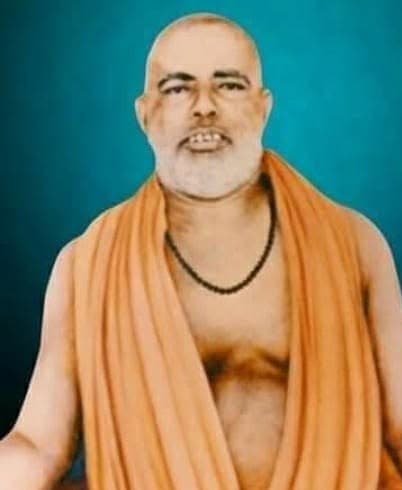
Sri Udiya Baba · Modern
Hindiसंगति— यह समष्टि-साक्षी या निराकार की उपासना है। इसका क्या लाभ होगा, सो आगे बतलाते हैं—
भावार्थ— इस प्रकार संन्यास से युक्त चित्त हो तुम शुभाशुभ फलरूप कर्मबन्धन से छूट जाओगे और मुक्त होकर मुझे ही प्राप्त होगे।
व्याख्या— संन्यासयोगयुक्तात्मा वही है जो क्रिया मात्र भगवान् को अर्पण कर देता है। अथवा सबको अध्यस्त देखता है। जिसकी ऐसी दृष्टि है कि सम्पूर्ण दृश्य मुझ से पृथक् है और उससे मेरा कोई सम्बन्ध नहीं है। इस प्रकार उसका दृश्य में तनिक भी राग नहीं रहता। तभी वह कर्मों के फलरूप बन्धन से छूट सकता है और मुझे प्राप्त कर सकता है, कोई अन्य नहीं।
यहाँ 'विमुक्त' शब्द का प्रयोग किया है क्योंकि मुक्त (जैसे आर्यसमाजियों की मुक्ति वाले) तो लौट आते हैं, किन्तु विमुक्त कभी नहीं लौटते; क्योंकि उनकी परब्रह्म से एकता हो जाती है।
Swami Ramsukhdas · Modern
Hindi‘शुभाशुभफलैरेवं मोक्ष्यसे कर्मबन्धनैः’—पूर्वोक्त प्रकारसे सब पदार्थ और क्रियाएँ मेरे अर्पण करनेसे अर्थात् तेरे स्वयंके मेरे अर्पित हो जानेसे अनन्त जन्मोंके जो शुभ-अशुभ कर्मोंके फल हैं, उन सबसे तू मुक्त हो जायगा। वे कर्मफल तेरेको जन्म-मरण देनेवाले नहीं होंगे।
यहाँ शुभ और अशुभ कर्मोंसे अनन्त जन्मोंके किये हुए संचित शुभ-अशुभ कर्म लेने चाहिये। कारण कि भक्त वर्तमानमें भगवदाज्ञाके अनुसार किये हुए कर्म ही भगवान्को अर्पण करता है। भगवदाज्ञाके अनुसार किये हुए कर्म शुभ ही होते हैं, अशुभ होते ही नहीं। हाँ, अगर किसी रीतिसे, किसी परिस्थितिके कारण, किसी पूर्वाभ्यासके प्रवाहके कारण भक्तके द्वारा कदाचित् किंचिन्मात्र भी कोई आनुषंगिक अशुभकर्म बन जाय, तो उसके हृदयमें विराजमान भगवान् उस अशुभकर्मको नष्ट कर देते हैं।
जितने भी कर्म किये जाते हैं, वे सभी बाह्य होते हैं अर्थात् शरीर, मन, बुद्धि, इन्द्रियों आदिके द्वारा ही होते हैं। इसलिये उन शुभ और अशुभकर्मोंका अनुकूल-प्रतिकूल परिस्थितिके रूपमें जो फल आता है, वह भी बाह्य ही होता है। मनुष्य भूलसे उन परिस्थितियोंके साथ अपना सम्बन्ध जोड़कर सुखी-दुःखी होता रहता है। यह सुखी-दुःखी होना ही कर्मबन्धन है और इसीसे वह जन्मता-मरता है। परन्तु भक्तकी दृष्टि अनुकूल-प्रतिकूल परिस्थितियोंपर न रहकर भगवान्की कृपापर रहती है अर्थात् भक्त उनको भगवान्का विधान ही मानता है, कर्मोंका फल मानता ही नहीं। इसलिये वह अनुकूल-प्रतिकूल परिस्थिति रूप कर्मबन्धनसे मुक्त हो जाता है।
**‘संन्यासयोगयुक्तात्मा’—**सम्पूर्ण कर्मोंको भगवान्के अर्पण करनेका नाम ‘संन्यासयोग’ है। इस संन्यासयोग
अर्थात् समर्पणयोगसे युक्त होनेवालेको यहाँ **‘संन्यासयोगयुक्तात्मा’** कहा गया है। ऐसे तो गीतामें बहुत जगह ‘संन्यास’ शब्द सांख्ययोगका वाचक आता है, पर इसका प्रयोग भक्तिमें भी होता है; जैसे—**‘मयि संन्यस्य’** (१८। ५७)।
जैसे सांख्ययोगी सम्पूर्ण कर्मोंको मनसे नवद्वारवाले शरीरमें रखकर स्वयं सुखपूर्वक अपने स्वरूपमें स्थित रहता है (गीता—पाँचवें अध्यायका तेरहवाँ श्लोक), ऐसे ही भक्त कर्मोंके साथ अपने माने हुए सम्बन्धको भगवान्में रख देता है। तात्पर्य यह हुआ कि जैसे कोई सज्जन अपनी धरोहरको कहीं रख देता है, ऐसे ही भक्त अपनेसहित अनन्त जन्मोंके संचित कर्मोंको, उनके फलोंको और उनके सम्बन्धको भगवान्में रख देता है। इसलिये इसको ‘संन्यासयोग’ कहा गया है।
**‘विमुक्तो मामुपैष्यसि’—**पूर्वश्लोकमें **‘तत्कुरुष्व मदर्पणम्’** कहकर अर्पण करनेकी आज्ञा दी। यहाँ कहते हैं कि ‘इस प्रकार अर्पण करनेसे तू शुभ-अशुभ कर्मफलोंसे मुक्त हो जायगा। शुभ-अशुभ कर्मफलोंसे मुक्त होनेपर तू मेरेको प्राप्त हो जायगा।’ तात्पर्य यह हुआ कि सम्पूर्ण कर्मफलोंसे मुक्त होना तो प्रेम-प्राप्तिका साधन है और भगवान्की प्राप्ति होना प्रेमकी प्राप्ति है।
विशेष बात
शुभ और अशुभ कर्मोंका बन्धन क्या है?
शुभ अथवा अशुभ किसी भी कर्मको किया जाय, उस कर्मका आरम्भ और अन्त होता है। ऐसे ही उन कर्मोंके फलस्वरूपमें जो परिस्थिति आती है, उसका भी संयोग और वियोग होता है। तात्पर्य यह हुआ कि जब कर्म और उनके फल निरन्तर नहीं रहते, तो फिर उनके साथ सम्बन्ध निरन्तर कैसे रह सकता है? परन्तु जब कर्ता (कर्म करनेवाला)
१-विकर्म यच्चोत्पतितं कथञ्चिद् धुनोति सर्वं हृदि सन्निविष्टः ॥ (श्रीमद्भगवद्गीता ११। ५। ४२)
२-जैसे अशुभकर्म बन्धनकारक हैं, ऐसे ही शुभकर्म भी बन्धनकारक हैं। जैसे, बेड़ी लोहेकी हो चाहे सोनेकी, पर बन्धन दोनोंसे ही होता है। शुभकर्म भी जन्मारम्भक होनेसे बन्धनकारक होता है और अशुभकर्म तो जबर्दस्ती बाँधनेवाला होता ही है।
कर्मोंके साथ अपनापन कर लेता है, तब उसका फलके साथ सम्बन्ध जुड़ जाता है। यद्यपि कर्म और फलके साथ सम्बन्ध कभी रह नहीं सकता, तथापि कर्ता उस सम्बन्धको अपनेमें मान लेता है। कर्ता स्वयं (स्वरूपसे) नित्य है, इसलिये उस सम्बन्धको अपनेमें स्वीकार करनेसे वह सम्बन्ध भी नित्य प्रतीत होने लगता है।
कर्ता शुभकर्मोंका फल चाहता है, जो कि अनुकूल परिस्थितिके रूपमें सामने आता है। उस परिस्थितिमें यह सुख मानता है। जबतक इस सुखकी चाहना रहती है, तबतक वह दुःखसे बच नहीं सकता। कारण कि सुखके आदिमें और अन्तमें दुःख ही रहता है तथा सुखसे भी प्रतिक्षण स्वाभाविक वियोग होता रहता है। जिसके वियोगको यह प्राणी नहीं चाहता, उसका वियोग तो हो ही जाता है, यह नियम है। तात्पर्य यह हुआ कि सुखकी इच्छाको यह नहीं छोड़ता और दुःख इसको नहीं छोड़ता।
जीव जब अपने-आपको प्रभुके समर्पित कर देता है, तब (साक्षात् परमात्माका ही अंश होनेसे) इसकी परमात्माके साथ स्वतः अभिन्नता हो जाती है; और शरीरके साथ भूलसे माना हुआ सम्बन्ध मिट जाता है। यह परमात्माके साथ अभिन्न तो पहलेसे ही था। केवल अपने लिये कर्म करनेसे इस अभिन्नताका अनुभव नहीं होता था। अब अपनेसहित कर्मोंको भगवान्के अर्पण करनेसे उसकी अपने लिये कर्म करनेकी मान्यता मिट जाती है, तो उसको स्वाभाविक प्रेमकी प्राप्ति हो जाती है। इसीको भगवान्ने
यहाँ 'विमुक्तो मामुपैष्यसि' कहा है।
जब यह जीव अपने-आपको भगवान्के समर्पित कर देता है तो फिर उसके सामने जो कुछ अनुकूल-प्रतिकूल परिस्थिति आती है, वह सब दया और कृपाके रूपमें परिणत हो जाती है। तात्पर्य है कि जब उसके सामने अनुकूल परिस्थिति आती है, तब वह उसमें भगवान्की 'दया' को मानता है और जब प्रतिकूल परिस्थिति आती है, तब वह उसमें भगवान्की 'कृपा' को मानता है। दया और कृपामें भेद यह है कि कभी भगवान् प्यार, स्नेह करके जीवको कर्मबन्धनसे मुक्त करते हैं—यह 'दया' है और कभी शासन करके, ताड़ना करके उसके पापोंका नाश करते हैं—यह 'कृपा' है। इस प्रकार दया और कृपा करके भगवान् भक्तको सबल, सहिष्णु बनाते हैं। परन्तु भक्त तो दोनोंमें ही प्रसन्न रहता है। कारण कि उसकी दृष्टि अनुकूलता-प्रतिकूलताकी तरफ न रहकर केवल भगवान्की तरफ ही रहती है। अतः उसकी दृष्टिमें भगवान्की दया और कृपा दो रूपसे नहीं होती, प्रत्युत एक ही रूपसे होती है। जैसा कि कहा है—
लालने ताड़ने मातुर्नाकारुण्यं यथार्थके।
तद्वदेव महेशस्य नियन्तुर्गुणदोषयोः ॥
'जिस प्रकार बालकका पालन करने और ताड़ना करने—दोनोंमें माँकी कहीं अकृपा नहीं होती, उसी प्रकार जीवोंके गुण-दोषोंका नियन्त्रण करनेवाले परमेश्वरकी कहीं किसीपर अकृपा नहीं होती।'
**परिशिष्ट भाव**—भगवान्ने 'यान्ति मद्याजिनोऽपि माम्' (९।२५) से जो बात कहनी आरम्भ की थी, उसीका उपसंहार करते हुए कहते हैं कि सम्पूर्ण क्रियाओं और पदार्थोंको अपनेसहित मेरे अर्पण करनेसे तू कर्मबन्धनसे तथा शुभ-अशुभ दोनों कर्मोंके फलोंसे मुक्त होकर मेरेको ही प्राप्त हो जायगा।
'कर्म' भी शुभ-अशुभ होते हैं और 'फल' भी शुभ-अशुभ होता है। दूसरोंके हितके लिये करना 'शुभकर्म' है और अपने लिये करना 'अशुभकर्म' है। अनुकूल परिस्थिति 'शुभ फल' है और प्रतिकूल परिस्थिति 'अशुभ फल' है। भगवान्का भक्त शुभकर्मोंको भगवान्के अर्पण कर देता है, अशुभकर्म करता ही नहीं और शुभ-अशुभ फलसे अर्थात् अनुकूल-प्रतिकूल परिस्थितिसे सुखी-दुःखी नहीं होता। उसके अनन्त जन्मोंके संचित शुभाशुभ-कर्म भस्म हो जाते हैं; जैसे—जलता हुआ घासका टुकड़ा फेंकनेसे सब घास जल जाता है!
भगवान्के अर्पण करनेसे संसारका सम्बन्ध (गुणसंग) नहीं रहता, केवल भगवान्का सम्बन्ध रह जाता है, जो कि स्वतः पहलेसे ही है—'ममैवांशो जीवलोके जीवभूतः सनातनः' (गीता १५।७)। जो अपना नहीं है, उसको अपना माननेसे सिवाय बन्धनके कुछ नहीं होता। अपना माननेसे वस्तु तो रहती नहीं, केवल बन्धन रह जाता है। भक्तका किसी भी वस्तु, व्यक्ति और क्रियामें अपनापन न रहनेसे वह 'विमुक्त' हो जाता है।
यहाँ समर्पणयोगको 'संन्यासयोग' नामसे कहा गया है।
'मामुपैष्यसि' पदका तात्पर्य है कि भक्त भगवान्से अभिन्न हो जाता है, उसकी अपनी स्वतन्त्र सत्ता नहीं रहती—'ज्ञानी त्वात्मैव मे मतम्' (गीता ७।१८)। इसीको प्रेमाद्वैत कहा गया है।
सम्बन्ध—अब एक शंका होती है कि जो भगवान्के समर्पित होते हैं, उनको तो भगवान् मुक्त कर देते हैं और जो भगवान्के समर्पित नहीं होते, उनको भगवान् मुक्त नहीं करते—इसमें तो भगवान्की दयालुता और समता नहीं हुई, प्रत्युत विषम-दृष्टि और पक्षपात हुआ? इसपर कहते हैं—
“Being the refuge for all, I am the same to all beings, be they gods, animals, humans or plants in their multitude of forms from the highest to the lowest, being differentiated according to birth, form, character and consciousness. With regard to those seeking refuge, none is offensive to Me because of inferiority in status, birth, form, character, consciousness etc. No one is discarded as an object of abhorrence. Likewise, those who do take refuge in Me are not esteemed on account of any consideration like birth, status etc. —the fact that one has surrendered toMe is the only consideration.”
The meaning is no one is chosen for Liberation for reasons like birth, status, character etc.
But Krishna appreciates those who adore Him as their only exceedingly beloved objective, and because they find it impossible to sustain themselves without worshipping Him. So they abide in Him, irrespective of their qualities such as high or low birth, etc. They remain with Krishna at ease, as if they possess qualities equal to His. He also abides in them, as if they are His superiors.