

Bhagavad Gītā · Chapter 9 · Rāja Vidyā Rāja Guhya Yoga
त्रैविद्या मां सोमपाः पूतपापा
यज्ञैरिष्ट्वा स्वर्गतिं प्रार्थयन्ते
ते पुण्यमासाद्य सुरेन्द्रलोक
मश्नन्ति दिव्यान्दिवि देवभोगान्
traividyā māṃ somapāḥ pūtapāpā
yajñairiṣṭvā svargatiṃ prārthayante|
te puṇyamāsādya surendraloka
maśnanti divyāndivi devabhogān||
Word meanings
त्रैविद्या = knowers of the three Vedas
सोमपाः = drinkers of soma
पूतपापाः = purified of sin
यज्ञैः = through sacrifices
माम् = me
इष्ट्वा = having worshipped
स्वर्गतिम् = attainment of heaven
प्रार्थयन्ते = seek
ते = they
पुण्यम् = merit
सुरेन्द्रलोकम् = the world of Indra
आसाद्य = having attained
दिवि = in heaven
देवभोगान् = the divine pleasures of the gods
अश्नन्ति = enjoy
Translation
Those who perform action with some interested motive as laid down in these three Vedas and drink the sap of the Soma plant, and have thus been purged of sin, worshipping Me through sacrifices, seek access to heaven; attaining Indra's paradise as the result of their virtuous deeds, they enjoy the celestial pleasures of gods in heaven.
Commentary
The commentators seated around this verse
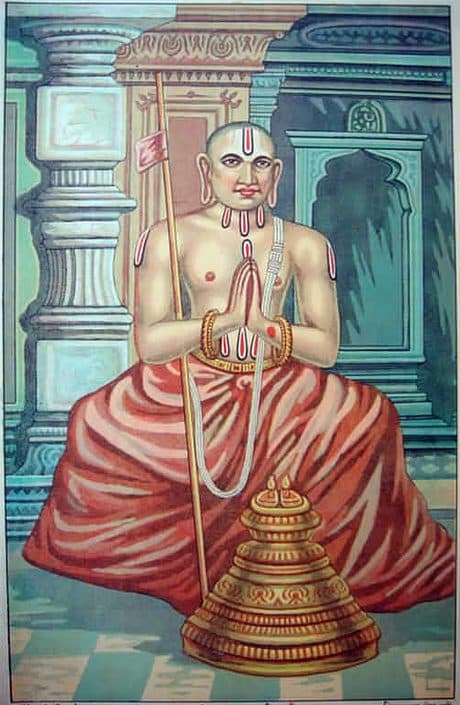
Rāmānuja · Viśiṣṭādvaita
English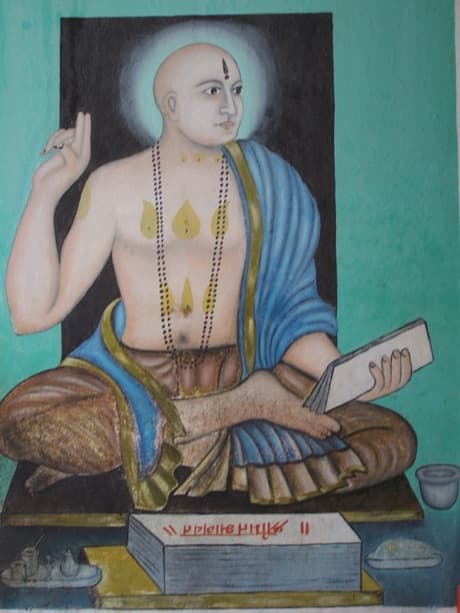
Madhvācārya · Dvaita
Madhva BhāṣyaSanskritEnglishOn verses 9.20–9.23
“तथापि मद्भजनमेवान्यदेवताभजनाद् वरम्, इति दर्शयति - त्रैविद्या इत्यादिना ||” - Even then he shows that worshipping the supreme Lord rather than propitiation of other gods is superior, thus Sri Krishna demonstrates here.
“अनन्याः अन्यदचिन्तयित्वा | तथा हि गौतमखिलेषु - सर्वे परित्यज्य मनोगतं यद् विना देवं केवलं शुद्धमाद्यम् | ये चिन्तयन्तीह तमेव धीरा अनन्यास्ते देवमेवाऽविशन्ति || इति | कामः कालेन महता एकान्तित्वात् समाहितैः | शक्यो द्रष्टुं स भगवान् प्रभासन्दृप्यमण्डलः || इति मोक्षधर्मे | नित्यमभितः सर्वतो युक्तानाम् ||” - अनन्य means those who do not think of anyone else, thus in Gautam Section: “Renouncing all the desires in mind, when nothing else than the Pure, Primal Lord is reflected upon, they the thinkers, verily, being ananya attain Me”. Thus in Moksha Dharma, “By desires which are superior to time, being in communion with all faculties concentrated, it is possible to see the Resplendent Lord, enveloped in the circle of the Light.” Ever, in all respects, with all equanimity.
“तर्हि अहं कृतुः इत्याद्यमसत्यम् इत्यत आह | येऽपि इति |” - To remove the doubt Sri Krishna explains that “He is the subject of all the sacrifices”.
Madhvācārya · Dvaita
Gītā Tātparya NirṇayaSanskritEnglishOn verses 9.20–9.23
“अनन्यदेवतायागाद् भक्त्युद्रेकादकामनात् | सदा योगाच्च वैशिष्ट्यं त्रैविद्याद् वैष्णवादपि || स्याद्वि भगवतस्यैव तेन ब्रह्मादयोऽखिलाः | अश्वमेधादिभिर्ज्ञैरपि केशवयाजिनः || वैष्णवा इति बुद्ध्यैव मानयन्त्यन्यदेवताः || इत्याग्नेये | सम्यग् गुणगणज्ञानादुपासा पर्युपासना || इति च |” - Superior to those who worship other gods through sacrifices mentioned in the three Vedas encouraged by the fruits thereof, are those Vaishnavas (devotees of Vishnu), who without any desires in mind, being equanimous with Me are in communion with Me. Therefore, the worship of Brahma and other gods, performance of ashwamedha (horse-sacrifice) etc., are also sacrifices to Keshava, since they have Sri Vishnu as the goal. Men of Wisdom consider such devotees as, verily, Vaishnavas, thus, in Agni Puraana. Performance of meditation (up asana) knowing such extensive attributes of the Supreme Self, is itself the supreme meditation.
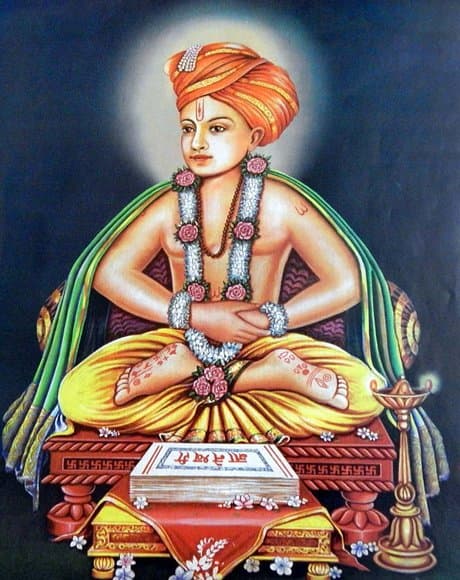
Jñāneśvar · Vārkarī
English20 "Knowers of the Three Lores, Soma-drinkers, of sin purified, worship Me with Sacrifices and aspire for Heaven (as) the goal. They reach the holy Region of (Indra), the Lord of the Gods, and partake in Heaven of the Heavenly enjoyments, meat for Gods. (307)
Oh Kiriti, behold! these Vedic Pandits learned in Sacrificial Lore, living in the path prescribed by the religion of castes,—they themselves furnish the very touch-stone for religious duties. The Vedas nod their admiration for the perfection of their sacrificial art, so that their works fructifying in merit stand by them ever and anon. Such sacrifices drinking the Soma drink become themselves the very incarnate image of Sacrifice. And yet verily have they earned only Sin under cover of merit, since with all the Lore of the three Vedas and the performance of hundreds of Sacrifices they choose a life of enjoyment in heavenly paradise, and thus lose Me, who am the goal of all Sacrifices. An unlucky wretch sits under the very shade of a Kalpataru (desire-fulfilling tree) knots a cloth into an alms-bowl and goes out to beg. Oh Kiriti! such indeed is the worshipping of Me by performing hundreds of Sacrifices, and wishing for enjoyment in Heaven. How can this be any thing but sinful greed of demerit? Attainment of heavenly enjoyment without Me, is a path of meritorious action for the ignorant; indeed the wise man looks upon it as the way of misery and distress. Albeit enjoyment in paradise is reckoned happiness when set off against the misery of hell, pure everlasting bliss is what My divine Essence brings. Along the pathway to the supreme divine happiness of my abode, there branch off these two misleading tracks of Paradise and Hell used by the robbers. One goes to Heavenly paradise by virtue of misdeeds in the guise of virtue, while evil actions that are sins as such, lead only to hell. But the purest way of spotless good life is that which brings the soul to Me. Better be a wretch, with the tongue torn away, than speak words that praise as meritorious action any way of life that leads men astray from My divine being in which they are rooted. Enough now of this: let us return to our theme. Behold, these sacrificers, in this way, worship Me by sacrifices and yet yearn for heavenly enjoyment. They come by Heavenly enjoyment, in virtue of rituals, which leads them away from My divine Bliss and therefore are sinful in a way. In Heaven's paradise, they are indeed enthroned on a state of being that is free from death, with the elephant Airavata to ride upon, and Amarāvatī, the city of Gods to dwell. Here they have at their service treasures of the eightfold occult-powers and cellars of nectars and herds of Kāmadhenus. The roads there are paved with jewels while there abound pleasure-gardens with rows of Kalpataru Trees. There the Gandharvas sing songs and the *Rambhas* (dancers in the court of Indra) dance, while on their pleasure attend celestial women of beauty headed by Urvashi. The God of love ministers to their needs in bed-chamber; and the Moon sprinkles water on the courtyards; while messengers as swift as wind are at their beck and call. There abide learned Brahmins with Brihaspati as the chief and they chant holy blessings and multitudes of Gods (सुरगण) sing as bards. Noble horse soldiers as protectors with the (high-mettle) horse 'Ucchais-shravas' (उच्चैश्च—Indra's horse said to be churned out of the ocean) dance attendance on them leading the front. The sacrificers in this way enjoy the highest pleasures which are the birthright of Indra; this enjoyment however lasts as long as they have at their credit, any (balance of) merit (पुण्यलेश).
Swami Ramsukhdas · Modern
English'Traividyā māṁ somapāḥ pūtapāpā yajñairiṣṭvā svargatiṁ
**prārthayante te puṇyamāsādyā surendralokamaśnanti divyāndīvi deyabhogān**—Worldly people, are generally engaged, in worldly pleasure. There are others, who attach value to perishable objects, aspire for heavenly pleasure and so perform actions with a selfish motive, as laid down in the three Vedas for them. The term 'Traividyā', has been used, for such people.
Soma is a plant about which it is said, that in the bright half of a lunar month, everyday, on it one leaf sprouts forth and upto the full-moon-day there are fifteen leaves, while in the dark half of a lunar month, everyday one leaf falls, and in fifteen days all the leaves fall.* Those who perform religious sacrifice, purify the sap of soma-plant with Vedic sacred formulas and then drink it. Thus, they are purged of sins which are obstacles, to heavenly enjoyment.
The Lord, in the preceding verse declared, that He is, being and non-being, both. So here, the term 'Mām' has been used for Indra, the lord of the gods, because when He is, being and non-being, both, He is also Indra. Moreover, persons who perform sacrifice, in order to reach heaven, worship Indra, and pray to him to grant them, an access to heaven.
With the view to attain heaven, they sing hymns in praise of Indra, and beg of him, residence in heaven—both for these are prayers. As a reward of the performance, of Vedic and Paurāṇika
* The Soma plant which has fifteen leaves, whose shape is like a serpent, whose knots are red from where the leaves sprout forth, with the five parts (root, branch, leaves, flower and fruit) brought on the full-moon-day binds mercury. The Soma tree also with five organs (root, bark, leaves, flower and fruit) binds mercury and makes its ash and so on. Out of the Soma climber and Soma tree the Soma climber possesses more properties. In the dark fortnight each day one leaf falls from this part while in the light fortnight each day one leaf sprouts forth. Thus this climber plant grows. If the root-fruit (Kanda) of this plant is taken out on the full-moon-day, it is very useful. The mercury bound in this root-fruit with thorn-apple makes the body iron-like strong and it has a hundred thousand times-more effect i.e., its one particle changes a hundred thousand particles of iron into gold. This Soma climber plant is very rarely found.
rituals, they are granted celestial enjoyments. Those heavenly pleasures, are far more attractive and singular, than those of the mortal world. There, they enjoy five sense-objects of sound, touch, form, taste and smell. Moreover, they also enjoy other luxuries, honour and glory etc.
**Appendix**—Here is the description of such people who strongly believe in the existence of the world and who value it and whose worship to God is a mistaken approach (Gītā 9/23). The fruit of the worship of such people is perishable (Gītā 7/23). Because of being within the entire form of God, all is God; therefore here for Indra (the lord of gods) the term 'mām' has been used. The term 'pūṇyam' has been used for Indra's paradise because it is purer than the human world.
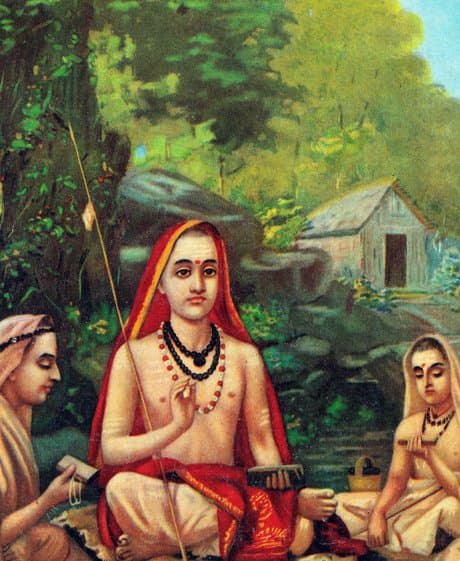
Ādi Śaṅkarācārya · Advaita
Sanskritत्रैविद्याः ऋग्यजुःसामविदः मां वस्वादिदेवरूपिणं सोमपाः सोमं पिबन्तीति सोमपाः, तेनैव सोमपानेन पूतपापाः शुद्धकिल्बिषाः, यज्ञैः अग्निष्टोमादिभिः इष्ट्वा पूजयित्वा स्वर्गतिं स्वर्गगमनं स्वरेव गतिः स्वर्गतिः ताम्, प्रार्थयन्ते । ते च पुण्यं पुण्यफलं आसाद्य सम्प्राप्य सुरेन्द्रलोकं शतक्रतोः स्थानं अश्नन्ति भुञ्जते दिव्यान् दिवि भवान् अप्राकृतान् देवभोगान् देवानां भोगान् ॥
Ādi Śaṅkarācārya · Advaita
Hindiपरंतु जो विषयवासनायुक्त अज्ञानी—
ऋक्, यजु और साम—इन तीनों वेदोंको जानने- वाले, सोमरसका पान करनेवाले और पापरहित हुए अर्थात् सोमरसका पान करनेसे जिनके पाप नष्ट हो गये हैं ऐसे सकाम पुरुष वसु आदि देवोंके रूपमें स्थित मुझ परमात्माका अग्निष्टोमादि यज्ञोंद्वारा पूजन करके स्वर्गप्राप्तिकी इच्छा करते हैं। वे अपने पुण्यके फलस्वरूप इन्द्रके स्थानको पाकर स्वर्गमें देवताओंके दिव्य भोगोंको भोगते हैं अर्थात् देवताओंके जो स्वर्गमें होनेवाले अप्राकृत भोग हैं उनको भोगते हैं
Jñāneśvar · Vārkarī
Marathiदेख पां गा किरीटी । आश्रमधर्माचिया राहाटी । विधिमार्गा कसवटी । जे आपणचि होती ॥ ३०७ ॥
यजन करितां कौतुकें । तिहीं वेदांचा माथा तुके । क्रिया फळेंसि उभी ठाके । पुढां जयां ॥ ३०८ ॥
ऐसे दीक्षित जे सोमप । जे आपणचि यज्ञाचें स्वरुप । तींहीं तया पुण्याचेनि नांवें पाप । जोडिलें देखें ॥ ३०९ ॥
जे श्रुतित्रयांते जाणोनि । शतवरी यज्ञ करुनि । यजिलिया मातें चुकोनि । स्वर्गु वरिती ॥ ३१० ॥
जैसें कल्पतरुतळवटीं । बैसोनि झोळिये पाडी गांठी । मग निदैव निघे किरीटी । दैन्यचि करुं ॥ ३११ ॥
तैसे शतक्रतूं यजिलें मातें । कीं ईप्सिताति स्वर्गसुखांतें । आतां पुण्य कीं हें निरुतें । पाप नोहे ॥ ३१२ ॥
म्हणोनि मजवीण पाविजे स्वर्गु । तो अज्ञानाचा पुण्यमार्गु । ज्ञानिये तयातें उपसर्गु । हानि म्हणती ॥ ३१३ ॥
एऱ्हवीं तरी नरकींचें दुःख । पावोनि स्वर्गा नाम कीं सुख । वांचूनि नित्यानंद गा निर्दोष । तें स्वरुप माझें ॥ ३१४ ॥
मज येतां पैं सुभटा । या द्विविधा गा अव्हांटा । स्वर्गु नरकु या वाटा । चोरांचिया ॥ ३१५ ॥
स्वर्गा पुण्यात्मकें पापें येईजे । पापात्मकें पापें नरका जाइजे । मग मातें जेणें पाविजे । तें शुद्ध पुण्य ॥ ३१६ ॥
आणि मजचिमाजीं असतां । जेणें मी दूरी होय पांडुसुता । तें पुण्य ऐसें म्हणतां । जीभ न तुटे काई ॥ ३१७ ॥
परि हें असो आतां प्रस्तुत । ऐकें यापरि ते दीक्षित । यजुनि मातें याचित । स्वर्गभोगु ॥ ३१८ ॥
मग मी न पविजे ऐसें । जें पापरुप पुण्य असे । तेणें लाधलेनि सौरसें । स्वर्गा येती ॥ ३१९ ॥
जेथ अमरत्व हेंचि सिंहासन । ऐरावतासारिखें वाहन । राजधानीभुवन । अमरावती ॥ ३२० ॥
जेथ महासिद्धींची भांडारें । अमृताचीं कोठारें । जियें गांवीं खिल्लारें । कामधेनूंचीं ॥ ३२१ ॥
जेथ वोळगे देव पाइका । सैघं चिंतामणीचिया भूमिका । विनोदवनवाटिका । सुरतरुंचिया ॥ ३२२ ॥
गंधर्वगान गाणीं । जेथ रंभेऐशिया नाचणी । उर्वशी मुख्य विलासिनी । अंतौरिया ॥ ३२३ ॥
मदन वोळगे शेजारे । जेथ चंद्र शिंपे सांबरें । पवना ऐसें म्हणियारें । धांवणें जेथ ॥ ३२४ ॥
पैं बृहस्पति आपण । ऐसे स्वस्तीश्रियेचे ब्राह्मण । ताटियेचे सुरगण । विकार जेथें ॥ ३२५ ॥
लोकपाळरांगेचे । राउत जिये पदीचे । उचैःश्रवा खांचे । खोलणिये ।। ३२६ ॥
हें बहु असो जे ऐसे । भोग इंद्रसुखासरिसे । ते भोगिजती जंव असे । पुण्यलेशु ॥ ३२७ ॥
Jñāneśvar · Vārkarī
Hindi(9.307) हे किरीटी! देखो जो आश्रमधर्म का व्यवहार करने के कारण आप ही विधिमार्ग की कसौटी बन जाते हैं,
(9.308) जिनके कुतूहल-पूर्वक यज्ञ करते समय तीनों वेदों का माथा डोलता है, और फल सहित कर्म जिनके सामने ही खड़ा है,
(9.309) ऐसे जो यज्ञ में सोमपान करनेवाले दीक्षित हैं, जो आप ही यज्ञ का स्वरूप हैं, उन्होंने पुण्य के नाम से पाप ही जोड़ा है, ऐसा समझो।
(9.310) क्योंकि वे तीनों वेद जानकर, सैकड़ों यज्ञ करके मुझ याज्य को भूलकर स्वर्गप्राप्ति की इच्छा करते हैं।
(9.311) जैसे कोई अभागा कल्पतरु के नीचे बैठा हुआ झोली को गाँठ लगा दे और अनन्तर भीख माँगने के लिए निकले,
(9.312) वैसे ही वे सौ यज्ञों से मेरा यजन कर स्वर्ग-सुख की इच्छा करते हैं। वह पुण्य क्या वास्तव में पाप नहीं है?
(9.313) अतएव मुझे छोड़ स्वर्ग की प्राप्ति अज्ञानी का पुण्य-मार्ग है। ज्ञानी उसे विघ्न समझते हैं। (9.314) यों भी यथार्थ में नरक के दुःखों की दृष्टि से ही स्वर्ग को सुख कहते हैं; अन्यथा निर्दोष नित्यानन्द तो केवल मेरा ही स्वरूप है।
(9.315) और, हे अर्जुन! मेरी ओर आते समय ये स्वर्ग और नरक नामक दो प्रकार के आड़े-टेढ़े चोरों के रास्ते लगते हैं।
(9.316) पुण्यरूपी पाप से स्वर्ग को पहुँचते हैं, तथा पापरूपी पाप से नरक को जाते हैं। परन्तु जिस मार्ग से मुझे पहुँचते हैं वह शुद्ध पुण्य है।
(9.317) फिर हे पाण्डुसुत! मुझ में रहते हुए जिसके कारण मुझसे वंचित रहना पड़े उसे पुण्य करनेहारी जीभ के टुकड़े क्यों नहीं हो जाते?
(9.318) परन्तु हाल में यह रहने दो। सुनो, वे दीक्षित उक्त प्रकार से मेरा यजन करके स्वर्ग-भोग की याचना करते हैं।
(9.319) जो ऐसा पापरूप पुण्य है, जिससे कि मैं नहीं प्राप्त होता, उसके प्राप्त होते की बड़ी अभिलाषा के साथ ऐसे स्वर्ग को जाते हैं
(9.320) जहाँ कि अमरत्व का सिंहासन है, ऐरावत जैसा वाहन है, और अमरावती राजधानी का नगर है; (9.321) जहाँ महासिद्धि के भाण्डार हैं, अमृत के कोठे हैं; जिस गाँव में कामधेनु के झुण्ड के झुण्ड हैं;
(9.322) जहाँ देव चाकर बन सेवकाई करते हैं, चहुँओर चिन्तामणि की धरती है, कल्पवृक्षों के क्रीडोपवन हैं;
(9.323) जहाँ गन्धर्व गायन करते हैं, रम्भा जैसा नृत्य करनेहारी है, और उर्वशी जिनमें मुख्य है, ऐसी विलासिनी स्त्रियाँ हैं;
(9.324) जहाँ शय्या पर सोइए तो मदन सेवा करता है; जहाँ चन्द्र आँगन सींचता है और पवन जैसे दौड़नेवाले आज्ञाकारी नौकर उपस्थित रहते हैं;
(9.325) स्वयं बृहस्पति जिनमें मुख्य हैं ऐसे स्वस्तिश्री इत्यादि वचनों से आशीर्वाद देनेवाले जहाँ ब्राह्मण हैं; तथा जहाँ बहुतेरे स्तुतिपाठक देवता रहते हैं;
(9.326) जहाँ लोकपालों की मालिका में बैठनेवाले सरदार हैं तथा उच्चैःश्रवा नामक इन्द्र का घोड़ा भी जहाँ के कोतवालों के घोड़ों के समान अल्प है।
(9.327) अब अधिक वर्णन रहने दो। जब तक पुण्य का लेश रहता है तब तक इन्द्र-सुख के समान ऐसे बहुतेरे भोग वे भोगते हैं।
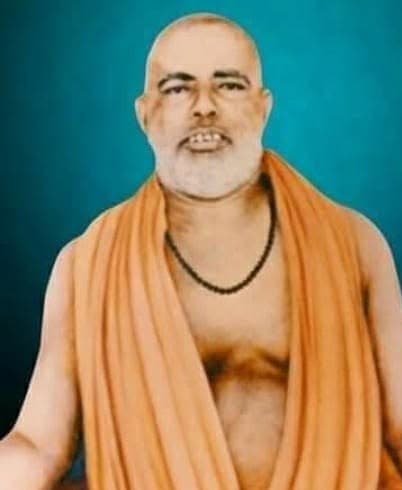
Sri Udiya Baba · Modern
Hindiसंगति— जो कर्मकाण्डी उपासना तो स्वर्ग की करते हैं, परन्तु चाहते भगवद्प्राप्ति हैं, उनको क्या फल मिलता है, यह बात अगले दो श्लोकों में बताते हैं—
भावार्थ— ऋक्, साम, यजु—इन तीनों वेदों के ज्ञाता, सोमरस का पान करने वाले जो निष्पाप पुरुष यज्ञों द्वारा मेरा यजन करके स्वर्ग-प्राप्ति की कामना करते हैं वे उस पवित्र देवलोक में पहुँचकर वहाँ के देवोचित दिव्य भोगों को भोगते हैं।
Swami Ramsukhdas · Modern
Hindi‘त्रैविद्या मां सोमपाः...दिव्यान्दिवि देवभोगान्’—संसारके मनुष्य प्रायः यहाँके भोगोंमें ही लगे रहते हैं। उनमें भी जो विशेष बुद्धिमान् कहलाते हैं, उनके हृदयमें भी उत्पत्ति-विनाशशील वस्तुओंका महत्त्व रहनेके कारण जब वे ऋक्, साम और यजुः—इन तीनों वेदोंमें कहे हुए सकाम कर्मोंका तथा उनके फलका वर्णन सुनते हैं, तब वे (वेदोंमें आस्तिकभाव होनेके कारण) यहाँके भोगोंकी इतनी परवाह न करके स्वर्गके भोगोंके लिये ललचा उठते हैं और स्वर्गप्राप्तिके लिये वेदोंमें कहे हुए यज्ञोंके अनुष्ठानमें लग जाते हैं। ऐसे मनुष्योंके लिये
ही यहाँ ‘त्रैविद्या’ पद आया है। सोमलता अथवा सोमवल्ली नामकी एक लता होती है। उसके विषयमें शास्त्रमें आता है कि जैसे शुक्लपक्षमें प्रतिदिन चन्द्रमाकी एक-एक कला बढ़ते-बढ़ते पूर्णिमाको कलाएँ पूर्ण हो जाती हैं और कृष्णपक्षमें प्रतिदिन एक-एक कला क्षीण होते-होते अमावस्याको कलाएँ सर्वथा क्षीण हो जाती हैं, ऐसे ही उस सोमलताका भी शुक्लपक्षमें प्रतिदिन एक-एक पत्ता निकलते-निकलते पूर्णिमाक पंद्रह पत्ते निकल आते हैं और कृष्णपक्षमें प्रतिदिन एक-एक पत्ता गिरते-गिरते अमावस्याक पूरे पत्ते गिर जाते हैं।\* उस सोमलताके
* पंचांगयुकृपचदशच्छदाद्या सर्पाकृतिः शोणितपर्वदेशा। सा सोमवल्ली रसबन्धकर्म करोति एकादिवसोपनीता ॥
करोति सोमवृक्षोऽपि रसबन्धवधादिकम्। पूर्णिमादिवसानीतस्तयोर्वल्ली गुणाधिकाः ॥
कृष्णो पक्षे प्रगलति दलं प्रत्यहं चैकमेकं शुक्लोऽप्येकं प्रभवति पुनर्लम्बमाना लताः स्युः।
तस्याः कन्दः कलयतितरां पूर्णिमायां गृहीतो बद्ध्वा सुतं कनकसहितं देहलोहं विधत्ते ॥
रसको सोमरस कहते हैं। यज्ञ करनेवाले उस सोमरसको वैदिक मन्त्रोंके द्वारा अभिमन्त्रित करके पीते हैं, इसलिये उनको 'सोमपाः' कहा गया है।
वेदोंमें वर्णित यज्ञोंका अनुष्ठान करनेवाले और वेदमन्त्रोंसे अभिमन्त्रित सोमरसको पीनेवाले मनुष्योंके स्वर्गके प्रतिबन्धक पाप नष्ट हो जाते हैं। इसलिये उनको 'पूतपापाः' कहा गया है।
भगवान्ने पूर्वश्लोकमें कहा है कि सत्-असत् सब कुछ मैं ही हूँ, तो इन्द्र भी भगवत्स्वरूप ही हुए। अतः यहाँ 'माम्' पदसे इन्द्रको ही लेना चाहिये; क्योंकि सकाम यज्ञका अनुष्ठान करनेवाले मनुष्य स्वर्गप्राप्तिकी इच्छासे स्वर्गके अधिपति इन्द्रका ही पूजन करते हैं और इन्द्रसे ही
**परिशिष्ट भाव**—यहाँ ऐसे मनुष्योंका वर्णन हुआ है, जिनके भीतर संसारकी सत्ता और महत्ता बैठी हुई है और जो भगवान्की अविधिपूर्वक उपासना करनेवाले हैं (गीता—नवें अध्यायका तेईसवाँ श्लोक)। ऐसी मनुष्योंकी उपासनाका फल नाशवान् ही होता है (गीता—सातवें अध्यायका तेईसवाँ श्लोक)।
समग्ररूपके अन्तर्गत होनेसे सब भगवान् ही हैं, इसलिये यहाँ इन्द्रके लिये भी 'माम्' पद आया है। मनुष्यलोककी अपेक्षा पवित्र होनेसे इन्द्रलोकके लिये 'पुण्यम्' पद आया है।
स्वर्ग-प्राप्तिकी प्रार्थना करते हैं।
स्वर्गप्राप्तिकी इच्छासे स्वर्गके अधिपति इन्द्रकी स्तुति करना और उस इन्द्रसे स्वर्गलोककी याचना करना—इन दोनोंका नाम 'प्रार्थना' है। वैदिक और पौराणिक विधि-विधानसे किये गये सकाम यज्ञोंके द्वारा इन्द्रका पूजन करने और प्रार्थना करनेके फलस्वरूप वे लोग स्वर्गमें जाकर देवताओंके दिव्य भोगोंको भोगते हैं। वे दिव्य भोग मनुष्यलोकके भोगोंकी अपेक्षा बहुत विलक्षण हैं। वहाँ वे दिव्य शब्द, स्पर्श, रूप, रस और गंध—इन पाँचों विषयोंका भोग (अनुभव) करते हैं। इनके सिवाय दिव्य नन्दनवन आदिमें घूमना, सुख-आराम लेना, आदर-सत्कार पाना, महिमा पाना आदि भोगोंको भी भोगते हैं।
ते तं भुक्त्वा स्वर्गलोकं विशालं- क्षीणे पुण्ये मर्त्यलोकं विशन्ति।
एवं त्रयीधर्ममनुप्रपन्ना-
The followers or knowers of the three Vedas are called Trai-vidyathey are to be distinguished from those who follow Vedanta (Trayyanta).
“Those who study the Vedanta (Science of the Self), know Me as the only subject to be known from the study of the Vedas. Considering Me as the highest goal of attainment, they adore Me through chanting My names etc., induced by deep devotion to Me, and also through spiritual study.”
But [in contrast] the followers of the three Vedas (Trai-vidya) drink the Soma beverage remaining from the sacrifices in honour of Indra and other devas, as prescribed by the Vedas.
They are thereby purified of the sins that stand in the way of attainment of heaven. In these
sacrifices, in which Indra and the other deities are regarded as God they actually worship Krishna through them. They however do not know that Krishna abides within these devas and so they pray for access to heaven. After attaining the world of Indra, which is free from suffering, they enjoy the divine pleasures in abundance.