

Bhagavad Gītā · Chapter 9 · Rāja Vidyā Rāja Guhya Yoga
महात्मानस्तु मां पार्थ दैवीं प्रकृतिमाश्रिताः
भजन्त्यनन्यमनसो ज्ञात्वा भूतादिमव्ययम्
mahātmānastu māṃ pārtha daivīṃ prakṛtimāśritāḥ|
bhajantyananyamanaso jñātvā bhūtādimavyayam||
Word meanings
तु = but
पार्थ = O Pārtha
दैवीम् = divine
प्रकृतिम् = nature
आश्रिताः = having taken refuge in
अनन्यमनसः = with undivided mind
महात्मानः = great souls
माम् = me
भूतादिम् = origin of all beings
अव्ययम् = imperishable
ज्ञात्वा = having known
भजन्ति = worship
Translation
On the other hand, Arjuna, great souls who have embraced the divine nature, knowing Me as the prime source of all lives and the imperishable eternal, worship Me constantly with none else in mind.
Commentary
The commentators seated around this verse
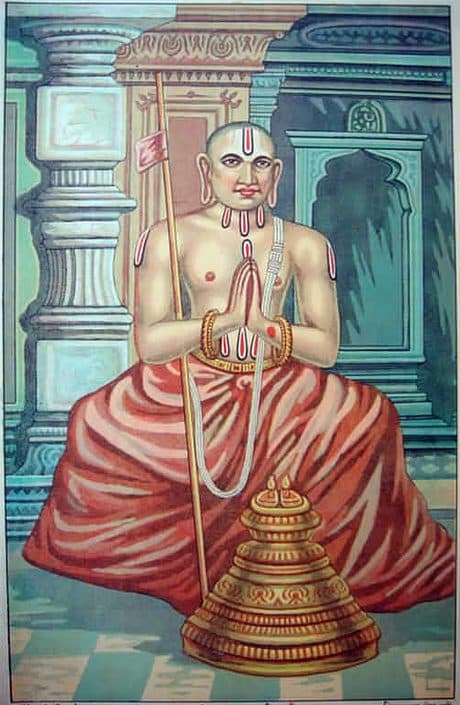
Rāmānuja · Viśiṣṭādvaita
EnglishOn verses 9.13–15
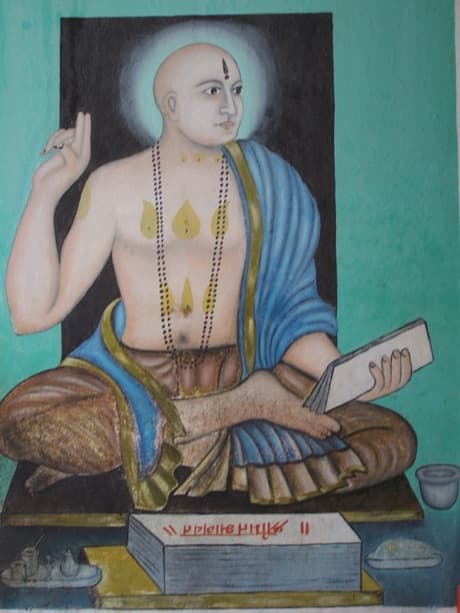
Madhvācārya · Dvaita
Madhva BhāṣyaSanskritEnglishOn verses 9.11–9.14
“तर्हि केचित् कथं त्वामवजानन्ति, का च तेषां गतिः ? इत्याह - अवजानन्ति इत्यादिना | मानुषी तनुम्, मूढानां मनुष्यवत् प्रतीताम् - न तु मनुष्यरूपाम् | उक्तं च मोक्षधर्म - यत्किञ्चिदि लोकेस्मिन् देहवद् विशाम्पते | सर्वे पञ्चभिराविष्टं भूयैश्वरवृद्धिजैः || ईश्वरो हि जगत्सृष्टा प्रभुनातायणो विराट् | भूतान्तरात्मा विज्ञेयः सगुणः निर्गुणोऽपि च | भूतप्रलयमव्यक्तं शुश्रुपुर्नृपसत्तम || इति |” - Therefore, how is He not known? What is their goal? For the deluded ones the human body makes them believe that they are like human forms, not in human form. Therefore, it is said – “In this world, O King, the things which are associated with the body are endowed with the five gross elements as willed by the Lord. The Lord, the Supreme Sriman Narayan alone is the creator of the world. Besides He is the indweller in the creatures, the giver of boons, with form as well as formless, one who is served by the un-manifest power which destroys the creation”, thus in Moksha Dharma.
“अवतारप्रसङ्गे चैतदुक्तम् | अतो नावतारश्च पृथक् शङ्काः | रूपाण्यनेकान्यसृजत् प्रादुर्भावभवाय सः | वाराहं नारसिंहं च वामनं मानुषं तथा || इति तत्रैव प्रथमसर्गकाल एवावताररूपविभक्त्युक्ते || अतो न तेषां मानुपत्वादिर्विना भान्तिम् | भूतं महादीश्वरं च | इति भूतमहेश्वरम् | इति वाभ्यवशाखायाम् - अनाद्यवन्तं परिपूर्ण रूपमीशं वरणामपि देववीर्यम् | अस्य महतो भूतस्य निश्चसितम् | इति च | ब्रह्मपुरोहितब्रह्मकायिक् महाराजिक् इति च मोक्षधर्मे ||” - In the case of descent it is thus spoken. There is cause for doubt between Lord's various forms of descent. Though diverse are his forms of descent no difference can be conceived between one and the other forms, in the forms of the Boar, Man-Lion, dwarf or as human being, which were ordained at the time of creation itself. There is therefore no reason for any delusion because of the difference between the original and the different forms of descent, because in all the forms there is the supreme Lord himself therefore known as भूतमहेश्वर, the Supreme Lord of the creatures. “Without beginning, without end, of complete form, the supreme, the progenitor of the gods like Brahma and others”, thus in the Babhravya section of Samaveda. “From His breath have come Rigveda etc. He is Brahman, the Leader, the performer of actions, the great ruler”.
“तेषां फलमाह | मोघाशा इति वृथाशाः | भगवद् द्वेषिभिराशितमामुष्मिकं न किञ्चिदाप्यते | यज्ञादिकर्माणि च तेषां वृथैव | ज्ञानं च - केनापि ब्रह्मरुद्रभक्त्याद्युपायेन न कश्चित् पुरुषार्थं आमुष्मिकस्तैराप्यत | इत्यर्थः | वक्ष्यति च - तानहं द्विपतः कुरान् इत्यादि | मोक्षधर्मे च - कर्मणा मनसा वाचा यो द्विप्याद् विष्णुमव्ययम् | मज्जन्ति पितरस्तस्य नरकं शश्वतीः समाः | यो द्विपाद् विवृधश्रेष्ठं देवं नरायणं प्रभुम् | कथं स भवेद् द्वेष्य आलोकान्तस्य न कस्यचित् || इति | सर्वोत्कृष्टो ज्ञानभक्ती ह यस्य नारायणे पुष्करविष्टराद्ये | सर्वावमो द्वेषयुतश्च तस्मिन् भूणान्तरघोऽप्यस्य समो नचैव || इति च सामवेदे शाण्डिल्यशाखायाम् ||” - The outcome of delusion is spoken here. For the deluded ones all hopes are worthless. For those who despise the Lord there is no deliverance. Their sacrifices and other actions also are worthless, even so is their Knowledge. Even their propitiation to Brahma, Rudra and others seeking life in the other worlds would not deliver them. “He sends the vicious ones again to this samsara”, thus in Moksha Dharma. “By performance of actions, by thoughts, by speech whoever despises the immutable Sri Vishnu, even their ancestors go to eternal perdition”, “Those who detest Sriman Narayan, best of the gods, how can they not deserve censure like that of the meanest of the human beings?”, thus in Shandilya section of Samaveda.
“द्वेषाच्चैद्यादयो नृपाः | वैरेण यन्नृपतयः शिशुपालपीडसाल्वादयो गतिविलासविलोकनाद्यैः | ध्यायन्त आकृतधियः शयनासनादौ तत्साम्यमापुरुरुक्ताधियः पुनः किम् || इत्यादि तु भगवतो भक्तपितृवज्ञापनार्थम्, स्वभक्तस्य नित्यध्यानस्तुत्यर्थं च स्वभक्तस्य कदाचिच्छापवलाद् एव च द्वेषिणोऽपि भक्तिफलमेवभगवान् ददातीति ||” - There are kings who were liberated through hatred, Through animosity the kings like Shishupala, Paundra, Salva and others imitating His special gait, enjoyment, look and even thinking ever in their sleep as well as in their normal life attained nearness to the Lord. Then, is it necessary to restate that those who are particularly attracted towards the Lord will surely be liberated? This is only for the purpose of eulogizing the Lord's compassion for those devotees who out of devotion have constant remembrance. For His devotee, even though due to the power of curses they have animosity, the Lord gives the fruits of devotion.
“भक्ता एव हि ते पूर्वं शिशुपालदायः | शापवलादेव द्वेषिणः | तत्प्रश्ने पूर्वपार्पं दत्वशापादिकथनाच्चैतज्जायते | अन्यथा किम् इति तदप्रस्तुतमुच्यते? भगवतः साम्यकथनं तु द्वेषिणामपि द्वेषमनिरूप्य पूर्वतनभक्तिफलमेव ददाति इति ज्ञापयितुम् | न मे भक्तः प्रणश्यति इति च वक्ष्यति | न च भावो हि भवकारणम् इत्यादि विरोधः | द्वेषभाविनां द्वेष एव भवति इति हि युक्तम् - अन्यथा गुरुद्वेषिणो गुरुत्वं भवति इत्यादि अनिष्टमापाद्येत ||” - Shishupala and others were the earlier devotees in this manner. They were full of hatred due to the power of curses. Therefore, by mentioning previous incidents the despisers of the Lord are liberated, thus is explained. Otherwise, why would there be reference to such unconcerned events ? This is to remind that the Lord is equally compassionate to those who despise and detest, taking into consideration their previous deeds of devotion. He assures, “My devotees will never perish”. Would not otherwise statements like remembrance in any manner be contradiction. It is quite natural that those who always cherish hatred will always hate. In which case it would be surmised that those who hate their teachers would also attain the greatness of their teachers.
“न च अकृतधीत्वे विशेषः | तेषामेव हिरण्यकशिप्यादीनां पापप्रतीतेः | इति | हिरण्यकशिपुश्चापि भगवन्निन्दया तमः | विवक्षुरत्यागात् मुनोः प्रह्लादस्यानुभावतः || इति भागवते | यदनिन्दत् पिता मह्यम् इत्यारभ्य, तस्मात् पिता मे पूयेत दुस्ताद दुस्तरादधात् | इति प्रह्लादेन भगवतो वरयाचनच्च |” - There is nothing special that since the Lord accepts both the devotees and those who hate, the fruits of their action also will be identical. People like Hiranyakashipu were released from the effect of the hatred towards the Lord because of his son Prahlaada's devotion to the Lord. Beginning with “I, the one who has been insulted” to “Therefore, pardon my father from departing to the world of darkness”, thus Prahlaada having prayed for Lord's Grace.
“बहुषु गन्धेषु निषेधः | कुत्रचिदेव तदुक्तिः इति विशेषः | यस्मिंस्तदुच्यते तत्रैव च निषेध उक्तः | महातात्पर्यविरोधश्चोक्तः पुरस्तात् | अयुक्तिमदभ्यो युक्तिमन्येव च बलवन्ति वाक्यानि | युक्तयोश्चोक्ता अन्येषाम् | नचैतेषां काचिद् गतिः | साम्येऽपि वाक्ययोः लोकानुकूलानानुकूलयोरनुकूलमेव बलवत् | लोकानुकूलं च भक्तप्रियत्व, नेतरत् ||” - Many texts disagree with the statement that hatred could be one of the means towards devotion. But it is significant that it (hatred as means towards devotion) has been mentioned only in some cases. Since in the very next cases it has been discounted. The final conclusion declares opposition to hatred as one of the means. Arguments supporting the opposition are more than those which assist this contention. The arguments which deny liberation for those who hate are more powerful and valid. Even though such arguments may find equal acceptance with those who oppose, the consideration of people's acceptance cannot be neglected. Because among those who hate, love cannot be accepted normally. Therefore those sentences do not meet the general acceptance.
“उक्तं च तेषां पूर्वभक्तत्वम् - मन्येऽसुरान् भागवतांश्चयधीशे संरम्भमार्गाभिनिविष्टचित्तान् | इत्यादि चित्तानीति || अतो, न भगवद् द्वेषिणां काचिद् गतिः इति सिद्धम् || द्वेषकारणमाह राक्षसीम् इति ||” - It has been previously stated in conclusion about devotion that “I consider these asura - un-divine devotees as having been of evil minded” etc. Therefore it is established that those who hate the Lord can never have liberation. This is because of special reference to them as raakshasi demonic.
“नेतरे द्विषन्ति इति दर्शयितुं देवानाह - महात्मान इत्यादिना |” - To show that the others do not hate Him, speaks of the great-souled ones in these verses.
Madhvācārya · Dvaita
Gītā Tātparya NirṇayaSanskritEnglishOn verses 9.11–9.14
“मानुषी मनुष्य सादृशीम् - तन्वा विष्णुरन्योऽपि स्वाधीनत्वात् तदाश्रितः ॥ इति च | ब्रह्मरुद्रमादीनां साम्यदृष्टिरन्यता | प्रादुर्भावगतस्यापि दोषदृष्टिरपूर्णता ॥ धर्मदेहावतारादेर्भेददृष्टिश्च सङ्करः | अवतारेष्विति ज्ञेयमवज्ञानं जनार्दने ॥ सर्वं मोघं शुभं तस्य योऽवजानाति केशवम् | अधरं याति च तमः प्रादुर्भावगतोऽप्यतः | ज्ञेयं केवलचिद्देहोनिर्दोषः पूर्णसद्गुणः ॥ इति भविष्यत्यर्थणि ॥ - मानुषी means having the form of human being. “Even though He is Sri Vishnu, by His own will he has taken shelter in the body”. But considering others as equal or considering them not as distinct or assuming incompleteness or defects in the Lord, considering difference between Lord’s Dharma and his descent in body etc. is like insulting the Lord Janaardana. All such unpropitious actions are worthless, who do not know Keshava. They attain the world of darkness. Therefore the Lord should always be considered of Pure Consciousness, without any defects and Complete in all attributes, thus in Bhavaisbya Parva.
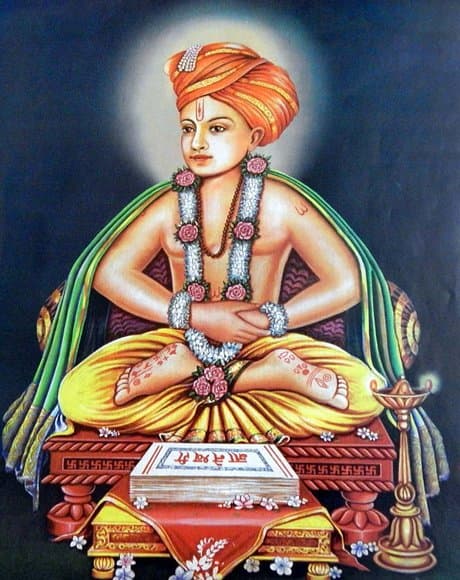
Jñāneśvar · Vārkarī
English13 “The high-souled ones, O Son of Pṛthā, partaking in the Divine nature, adore Me, single-minded, knowing Me as the Immutable Source of (all) beings. (188)
There are those whose pure hearts are the holy places, into which I—the Supreme Ascetic—retire and dwell; on them waits the spirit of renunciation even in sleep: in the realm of their intensely devout faith true religion reigns supreme. Their minds are the fountain springs that water the field of thought. Ablutions in the holy waters of the Ganges of Knowledge have purified them and have raised them to the Brahmic state of perfection. Through them appears the new foliage on the tree of ever lasting peace. Thus they flourish like blossoms protruding, as it were, from the Supreme Brahman, wherein matures the absolute end of Divine Existence. They are like pots dipped in and filled with the water of the ocean of bliss. The ecstasy of the love of God makes them spurn the very treasure of liberation, and out of their mere sport and play is born all goodness and love. Their bodily life is a vestment adorned with the beauties of perfect peace, and their heart becomes, as it were, a wrapper that encases My all-pervading being. Such high-souled ones realizing My divine nature are the very consummation into which My divine love blooms. They worship Me with infinitely growing devotion that is free from all touch of duality. They, Oh Son of Pandu, become one with the essence of divine-life and yet worship Me. There is, however, one more feature about this worship, which do hear.
Swami Ramsukhdas · Modern
English'Mahātmānastu māṁ pārtha daivīṁ prakṛtimāśritāḥ'—Here, the term 'Tu' (But), has been used to explain singularity of the devotees, possessing divine nature, which runs counter to delusive and demoniacal nature, mentioned in the previous verse.
'Daivīṁ prakṛtim'—Here, 'Daiva' stands for God (Paramātmā), and 'prakṛtim' stands for nature. God is 'Sat' (Real). So all the good qualities and conduct, are included, in divine nature.
The divine traits (Gītā 16/1—3) are common and everyman, has a full claim over them. It all depends upon him, whether he possesses them or not. Those, who by possessing these, have an inclination for God, attain salvation.
One is discovery, while the other is creation or compound. Discovery relates to the eternal entity which is ever-existent, and creation or compound relate to the things which are born and are perishable. Divine traits, belong to God and so they are, divine property. A human being, being a fragment of God, has these divine traits, as they are his inherent possession. This is discovery. They are not born, they are not his personal property.
Divine traits, are natural. If a man, thinks that he has cultivated these traits, with his effort, he feels proud of them. But, if he
feels that they are natural divine gift, he is not proud. A man's pride, is aroused only in imperfection. When a man has pride, by saying, 'I always speak the truth', it means, that sometimes he tells a lie also, otherwise he cannot be proud of that.
A man, may possess divine traits, only when his sole aim is to attain God. By depending on those traits, to realize God, he can have an inclination for Him, and then instead of having pride, he possesses politeness, simplicity and modesty, and has an ever enhancing zeal, in spiritual discipline.
Men, who having a disinclination for God, are engaged in perishable pleasures and prosperity, are small souls or deluded persons, while those, who have an inclination for God and depend only on Him, are great souls.
'Bhajantyananyamanaso jñātvā bhūtādimavyayam'—The Lord is imperishable, and is the prime cause of creation. He is without a beginning and an end. Infinite universes, emanate from Him, remain established in Him, and merge in Him, but He remains the same, without any change.
Out of worldly things, if a portion is taken out, it becomes less. For example, if an ornament is made out of a lump of gold, or a utensil from a lump of clay, the lump becomes smaller. But there is no change, in the Lord, even though infinite universes emanate, from Him, because He is the imperishable seed (Gītā 9/18). Those, who know Him as imperishable and the prime cause of creation, worship Him constantly, with undivided mind.
The more merits a man knows of something, the more devoted he is to it. Those, who come to know, that the Lord is the supreme, their minds are so much engrossed in Him, that they never think of pleasures, either of this world or the next. Their minds, are not attracted towards anything or anyone, besides the Lord. So they adore Him, with an undivided mind.
Worship of the Lord, in anyway is fruitful. But a devotee, who worships Him with exclusive devotion, by having affinity
'I am only God's and only God, is mine' is immensely benefited. A devotee, is engaged in worship for a few hours. His relationship with God, remains as long as he is, engaged in worship. But an other devotee, regards himself as God's and God as his. His relationship with God, is everlasting, because this eternal relationship is real and eternal. Whatever actions, mundane or spiritual, he performs with his body, senses, mind and intellect, are to please the Lord and so are different forms of worship, to Him. This is adoration with an undivided mind, which has been described in the Gītā, time and again (8/14; 9/22; 12/6; 14/26 etc.).
Appendix—In the preceding verse the Lord having described the ways of the worldly people, which lead them to min, now describes the ways of the uncommon devotees who have devotion for God. 'Daivī prakṛti' means—Divine nature.
The people depending on the demoniac nature neither believe in God nor follow His teachings (Gītā 3/32). But the people depending on the divine nature, believe in God and follow His teachings (Gītā 3/31).
'Jñātvā bhūtādimavyayam'—God is the imperishable seed of infinite universes (Gītā 7/10, 9/18)—this firm assumption is to know God the prime cause of the creation and also to know Him imperishable. 'Firm assumption' is similar to 'knowing'. God is the origin (prime cause) of the entire creation and He is imperishable—this has been described from the fourth verse to the eleventh verse of this chapter.
Link:—Having described His devotees, in the preceding verse, the Lord in the next verse, describes, how they worship Him.
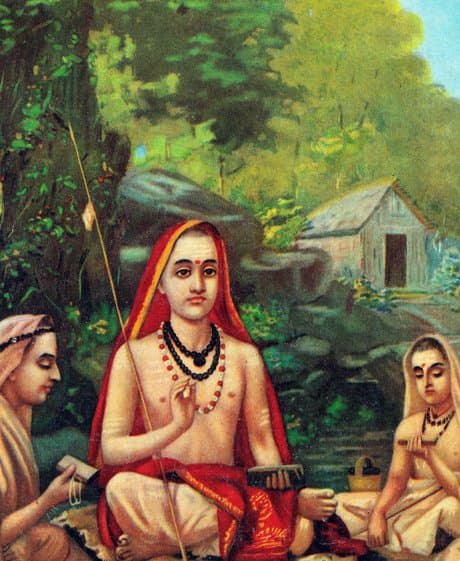
Ādi Śaṅkarācārya · Advaita
Sanskritमहात्मानस्तु अक्षुद्रचित्ताः मां ईश्वरं पार्थ दैवीं देवानां प्रकृतिं शमदमदयाश्रद्धादिलक्षणां आश्रिताः सन्तः भजन्ति सेवन्ते अनन्यमनसः अनन्यचित्ताः ज्ञात्वा भूतादिं भूतानां वियदादीनां प्राणिनां च आदिं कारणम् अव्ययम् ॥ कथम् ? --
Ādi Śaṅkarācārya · Advaita
Hindiपरंतु जो श्रद्धायुक्त हैं और भगवद्भक्तिरूप मोक्षमार्गमें लगे हुए हैं वे—
हे पार्थ! शम, दम, दया, श्रद्धा आदि सद्गुणरूप देवोंके स्वभावका अवलम्बन करनेवाले उदारचित्त महात्मा भक्तजन, मुझ ईश्वरको सब भूतोंका अर्थात् आकाशादि पञ्चभूतोंका और समस्त प्राणियोंका भी आदिकारण जानकर एवं अविनाशी समझकर, अनन्य मनसे युक्त हुए भजते हैं अर्थात् मेरा चिन्तन किया करते हैं
Jñāneśvar · Vārkarī
Marathiतरी जयांचिये चोखटे मानसीं । मी होऊनि असें क्षेत्रसंन्यासी । जयां निजेलियांतें उपासी । वैराग्य गा ॥ १८८ ॥
जयांचिया आस्थेचिया सद्भावा । आंतु धर्म करि राणिवा । जयांचें मन ओलावा । विवेकासी ॥ १८९ ॥
जे ज्ञानगंगे नाहाले । पूर्णता जेऊनि धाले । जे शांतीसि आले । पालव नवे ॥ १९० ॥
जे परिणामा निघाले कोंभ । जे धैर्यमंडपाचे स्तंभ । जे आंनदसमुद्रीं कुंभ । चुबकळोनि भरिले ॥ १९१ ॥
जयां भक्तीची येतुली प्राप्ती । जे कैवल्यातें परौतें सर म्हणती । जयांचिये लीलेमाजीं नीति । जियाली दिसे ॥ १९२ ॥
जे आघवांचि करणीं । लेइले शांतीची लेणीं । जयांचें चित्त गवसणी । व्यापका मज ॥ १९३ ॥
ऐसे जे महानुभाव । जे दैविये प्रकृतीचें दैव । जे जाणोनियां सर्व । स्वरुप माझे ॥ १९४ ॥
मग वाढतेनि प्रेमें । मातें भजती जे महात्मे । परि दुजेपण मनोधर्में । शिवतलें नाही ॥ १९५ ॥
ऐसें मीच होऊनि पांडवा । करिती माझी सेवा । परि नवलावो तो सांगावा । असे आइक ॥ १९६ ॥
Jñāneśvar · Vārkarī
Hindi(9.188) मैं जिनके निर्मल मन में क्षेत्रसंन्यासी होकर रहता हूँ, जिन सोये हुए पुरुषों की वैराग्य सेवा करता है,
(9.189) जिनकी श्रद्धा के सद्भाव में धर्म राज्य करता है, जिनका मन विवेक का जीवन है,
(9.190) जो ज्ञानरूपी गंगा में नहाये हैं, पूर्णता-रूपी भोजन कर तृप्त हुए हैं, जो शान्ति रूपी वृक्ष में उत्पन्न हुए नूतन पल्लव हैं,
(9.191) जो ब्रह्मरूपी परिणाम के निकले हुए अंकुर हैं, जो धैर्य-मण्डल के खम्भे हैं, जो आनन्दरूपी समुद्र में डुबाकर भरे हुए कुम्भ हैं,
(9.192) जिनको भक्ति जहाँ तक प्राप्त हो गई है कि वे मोक्ष को भी 'पीछे हट' ऐसा कहते हैं, जिनकी क्रीड़ाओं में भी नीति जागृत दिखाई देती है, (9.193) जिन्होंने सम्पूर्ण इन्द्रियों में शान्ति के अलंकार पहने हैं, जिनका चित्त मुझ व्यापक का आच्छादन बन गया है,
(9.194) ऐसे जो महानुभाव दैवी प्रकृति के भाग्य-रूप हैं, जो मेरा सम्पूर्ण स्वरूप जानते हैं,
(9.195) तथापि जो महात्मा बढ़ते हुए प्रेम से मेरा भजन करते हैं, परन्तु जिनका मनोधर्म द्वैत का स्पर्श भी नहीं करता,
(9.196) वे हे पाण्डव! मद्रूप ही होकर मेरी सेवा करते हैं। परन्तु और भी नया वर्णन करता हूँ, सुनो।
Sri Udiya Baba · Modern
Hindiसंगति— यहाँ यह बतलाया कि आसुरी प्रकृति वाले मुझे नहीं जान पाते। अगले श्लोक में यह बतलाते हैं कि दैवी प्रकृति वाले मुझे जानकर मेरा ही भजन करते हैं—
भावार्थ— परन्तु हे पार्थ! दैवी प्रकृति का आश्रय लेने वाले महात्मा मुझे सब भूतों का आदिकारण और अविनाशी जानकर अनन्य मन से मेरा भजन करते हैं।
व्याख्या— जो परमात्मा से प्रेम करने वाले, उदारचित्त, दैवी सम्पत्ति से सम्पन्न, सबमें भगवददृष्टि रखने वाले, परदुःखकातर, स्वभाव से ही सहनशील, अहिंसक और किसी से भी द्रोह करने वाले नहीं होते, वे ही 'महात्मा' कहे गये हैं। वे भगवदीय गुणों से सम्पन्न होते हैं। वे अनन्य मन से अर्थात् संसार की सब इच्छाओं को छोड़कर, एकाग्रचित्त से अव्यभिचारिणी भक्ति द्वारा मुझे भजते हैं अर्थात् निरन्तर आत्माकार वृत्ति करते हैं। इस श्लोक में 'ज्ञात्वा' पद से बोध और 'भजन्ति' से ज्ञानाभ्यास समझना चाहिये। अर्थात् वे तत्त्वज्ञान के पश्चात् निरन्तर ब्रह्माभ्यास करते हैं।
प्रश्न— आप कहते हैं कि बोध होने के पश्चात् निरन्तर अभ्यास करते हैं सो अभ्यास या निदिध्यासन आत्मसाक्षात्कार से पहले किया जाता है या पीछे?
उत्तर— आत्मा को खोजना भी अभ्यास ही है और यह बोध से पहले किया जाता है। बोध होने पर जो ब्रह्माकार वृत्ति की आवृत्ति की जाती है वह तो जीवन्मुक्ति के आनन्द के लिए है आत्मप्राप्ति के लिए नहीं और यह कर्तृजन्य भी नहीं है।
प्रश्न— आप कहते हैं कि यह कर्तृजन्य नहीं है। यह कैसे हो सकता है? यह क्रिया है तो कर्तृजन्य ही होनी चाहिये।
उत्तर— जिस प्रकार ईश्वर सृष्टि का कर्ता होने पर भी अकर्ता है तथा सम्पूर्ण संसार उसी में होने पर भी वह अभोक्ता है, इसी प्रकार जीवन्मुक्त पुरुष सब कुछ करते हुए भी अकर्ता, अभोक्ता और नित्यमुक्त है, क्योंकि बोधवान् की दृष्टि में उसकी स्वरूप-सत्ता से भिन्न कुछ भी नहीं होता।
Swami Ramsukhdas · Modern
Hindi'महात्मानस्तु मां पार्थ दैवीं प्रकृति-माश्रिताः'—पूर्वश्लोकमें जिन आसुरी, राक्षसी और मोहिनी स्वभावके आश्रित मूढ़लोगोंका वर्णन किया था, उनसे दैवी-सम्पत्तिके आश्रित महात्माओंकी विलक्षणता बतानेके लिये ही यहाँ 'तु' पद आया है।
'दैवीं प्रकृतिम्'—अर्थात् दैवी सम्पत्तिमें 'देव' नाम परमात्माका है और परमात्माकी सम्पत्ति दैवी सम्पत्ति कहलाती है। परमात्मा 'सत्' हैं; अतः परमात्माकी प्राप्ति करानेवाले जितने गुण और आचरण हैं, उनके साथ 'सत्' शब्द लगता है अर्थात् वे सद्गुण और सदाचार कहलाते हैं। जितने भी सद्गुण-सदाचार हैं, वे सब-के-सब भगवत्स्वरूप हैं अर्थात् वे सभी भगवान्के ही स्वभाव हैं और स्वभाव होनेसे ही उनको 'प्रकृति' कहा गया है। इसलिये दैवी प्रकृतिका आश्रय लेना भी भगवान्का ही आश्रय लेना है।
दैवी सम्पत्तिके जितने भी गुण हैं (गीता—सोलहवें अध्यायके पहलेसे तीसरे श्लोकतक), वे सभी सामान्य गुण हैं और स्वतःसिद्ध हैं अर्थात् इन गुणोंपर सभी मनुष्योंका पूरा अधिकार है। अब कोई इन गुणोंका आश्रय ले या न ले—यह तो मनुष्योंपर निर्भर है; परन्तु जो इनका आश्रय लेकर परमात्माकी तरफ चलते हैं, वे अपना कल्याण कर लेते हैं।
एक खोज होती है और एक उत्पत्ति होती है। खोज नित्यतत्त्वकी होती है, जो कि पहलेसे ही है। जिस वस्तुकी उत्पत्ति होती है, वह नष्ट होनेवाली होती है। दैवी सम्पत्तिके जितने सद्गुण-सदाचार हैं, उनको भगवान्के और भगवत्-स्वरूप समझकर धारण करना, उनका आश्रय लेना 'खोज' है। कारण कि ये किसीके उत्पन्न किये हुए नहीं हैं अर्थात् ये किसीकी व्यक्तिगत उपज, बपौती नहीं हैं। जो इन गुणोंको अपने पुरुषार्थके द्वारा उपार्जित मानता है अर्थात्
स्वाभाविक न मानकर अपने बनाये हुए मानता है, उसको इन गुणोंका अभिमान होता है। यह अभिमान ही वास्तवमें प्राणीकी व्यक्तिगत उपज है, जो नष्ट होनेवाली है।
जब मनुष्य देवी गुणोंको अपने बलके द्वारा उपार्जित मानता है और 'मैं सत्य बोलता हूँ, दूसरे सत्य नहीं बोलते'—इस तरह दूसरोंकी अपेक्षा अपनेमें विशेषता मानता है, तब उसमें इन गुणोंका अभिमान पैदा हो जाता है। परन्तु इन गुणोंको केवल भगवान्के ही गुण माननेसे और भगवत्स्वरूप समझकर इनका आश्रय लेनेसे अभिमान पैदा नहीं होता।
देवी सम्पत्तिके अधूरेपनमें ही अभिमान पैदा होता है। देवी सम्पत्तिके (अपनेमें) पूर्ण होनेपर अभिमान पैदा नहीं होता। जैसे, किसीको 'मैं सत्यवादी हूँ'—इसका अभिमान होता है, तो उसमें सत्यभाषणके साथ-साथ आंशिक असत्यभाषण भी है। अगर सर्वथा सत्यभाषण हो तो 'मैं सत्य बोलनेवाला हूँ'—इसका अभिमान नहीं हो सकता, प्रत्युत उसका यह भाव रहेगा कि 'मैं सत्यवादी हूँ तो मैं असत्य कैसे बोल सकता हूँ!'
मनुष्यमें देवी सम्पत्ति तभी प्रकट होती है, जब उसका उद्देश्य केवल भगवत्प्राप्तिका हो जाता है। भगवत्प्राप्तिके लिये देवी गुणोंका आश्रय लेकर ही वह परमात्माकी तरफ बढ़ सकता है। देवी गुणोंका आश्रय लेनेसे उसमें अभिमान नहीं आता; प्रत्युत नम्रता, सरलता, निरभिमानता आती है और साधनमें नित्य नया उत्साह आता है।
जो मनुष्य भगवान्से विमुख होकर उत्पत्ति-विनाशशील भोगों और उनके संग्रहमें लगे हुए हैं, वे 'अल्पात्मा' हैं अर्थात् मूढ़ हैं; परन्तु जिन्होंने भगवान्का आश्रय लिया है, जिनकी मूढ़ता चली गयी है और जिन्होंने केवल प्रभुके साथ अपना सम्बन्ध जोड़ लिया है, तो महान्के साथ सम्बन्ध जोड़नेसे, सत्य-तत्त्वकी तरफ ही लक्ष्य होनेसे वे 'महात्मा' हैं।
'भजन्यन्यमनसो ज्ञात्वा भूतादिमव्ययम्'—मैं सम्पूर्ण प्राणियोंका आदि हूँ और अविनाशी हूँ। तात्पर्य है कि संसार उत्पन्न नहीं हुआ था, उस समयमें मैं था और सब संसार लीन हो जायगा; उस समयमें भी मैं रहूँगा—ऐसा मैं अनादि-अनन्त हूँ। अनन्त ब्रह्माण्ड, अनन्त सृष्टियाँ, अनन्त स्थावर-जंगम प्राणी मेरेसे उत्पन्न होते हैं, मेरेमें ही स्थित रहते हैं, मेरे द्वारा ही पालित होते हैं और मेरेमें ही लीन होते हैं; परन्तु मैं ज्यों-का-त्यों निर्विकार रहता हूँ
अर्थात् मेरेमें कभी किंचिन्मात्र भी कमी नहीं आती। सांसारिक वस्तुओंका यह नियम है कि किसी वस्तुसे कोई चीज उत्पन्न होती है, तो उस वस्तुमें कमी आ जाती है; जैसे—मिट्टीसे घड़े पैदा होनेपर मिट्टीमें कमी आ जाती है; सोनेसे गहने पैदा होनेपर सोनेमें कमी आ जाती है, आदि। परन्तु मेरेसे अनन्त सृष्टियाँ पैदा होनेपर भी मेरेमें किंचिन्मात्र भी कमी नहीं आती; क्योंकि मैं सबका अव्यय बीज हूँ (गीता—नवें अध्यायका अठारहवाँ श्लोक)। जिन मनुष्योने मेरेको अनादि और अव्यय जान लिया है, वे अनन्य मनसे मेरा ही भजन करते हैं।
जो जिसके महत्त्वको जितना अधिक जानता है, वह उतना ही अधिक उसमें लग जाता है। जिन्होंने भगवान्को सर्वोपरि जान लिया है, वे भगवान्में ही लग जाते हैं। उनकी पहचानके लिये यहाँ 'अनन्यमनसः' पद आया है। उनका मन भगवान्में ही लीन हो जानेसे उनकी वृत्ति इस लोकके और परलोकके भोगोंकी तरफ कभी नहीं जाती। भोगोंमें उनकी महत्त्वबुद्धि नहीं रहती।
'अनन्य मनवाला' होनेका तात्पर्य है कि उनके मनमें अन्यका आश्रय नहीं है, सहारा नहीं है, भरोसा नहीं है, अन्य किसीमें आकर्षण नहीं है और केवल भगवान्में ही अपनापन है। इस प्रकार अनन्य मनसे वे भगवान्का भजन करते हैं।
भगवान्का भजन किसी तरहसे किया जाय, उससे लाभ ही होता है। परन्तु भगवान्के साथ अनन्य होकर 'मैं भगवान्का हूँ और भगवान् मेरे हैं' ऐसा सम्बन्ध जोड़कर थोड़ा भी भजन किया जाय तो उससे बहुत लाभ होता है। कारण कि अपनेपनका सम्बन्ध (भावरूप होनेसे) नित्य-निरन्तर रहता है, जब कि क्रियाका सम्बन्ध नित्य-निरन्तर नहीं रहता, क्रिया छूटते ही उसका सम्बन्ध छूट जाता है। इसलिये सबके आदि और अविनाशी परमात्मा मेरे हैं और मैं उनका हूँ—ऐसा जिसने मान लिया है, वह अपने-आपको भगवान्के चरणोंमें अर्पित करके शरीर-इन्द्रियाँ-मन-बुद्धिसे जो कुछ भी शारीरिक, व्यावहारिक, लौकिक, वैदिक, पारमार्थिक कार्य करता है, वह सब भजनरूपसे प्रभुकी प्रसन्नताके लिये ही होता है—यही उसका अनन्य मनसे भजन करना है। इसका वर्णन गीतामें जगह-जगह हुआ है (जैसे, आठवें अध्यायका चौदहवाँ, नवें अध्यायका बाईसवाँ, बारहवें अध्यायका छठा और चौदहवें अध्यायका छब्बीसवाँ श्लोक)।
**परिशिष्ट भाव**—पूर्वश्लोकमें पतनकी तरफ जानेवाले संसारी मनुष्योंका वर्णन करके अब उनसे विलक्षण भगवान्की तरफ जानेवाले मनुष्यों-(भक्तों-)का वर्णन करते हैं। 'दैवी प्रकृति' का अर्थ है—भगवान्का स्वभाव।
आसुरी प्रकृतिके आश्रित मनुष्य न तो भगवान्को मानते हैं और न उनकी आज्ञाको ही मानते हैं (गीता—तीसरे अध्यायका बत्तीसवाँ श्लोक)। परन्तु दैवी प्रकृतिके आश्रित मनुष्य भगवान्को भी मानते हैं और उनकी आज्ञाको भी मानते हैं (गीता—तीसरे अध्यायका इकतीसवाँ श्लोक)।
**'ज्ञात्वा भूतादिमव्ययम्'**—अनन्त ब्रह्माण्डोंके अविनाशी बीज भगवान् ही हैं (गीता—सातवें अध्यायका दसवाँ और नवें अध्यायका अठारहवाँ श्लोक)—इस प्रकार दृढ़तापूर्वक मानना ही भगवान्को आदि और अविनाशी जानना है। दृढ़ मान्यता भी जाननेके समान होती है। भगवान् सबके आदि और अविनाशी हैं—इसका वर्णन इसी अध्यायके चौथे श्लोकसे ग्यारहवें श्लोकतक हुआ है।
*सम्बन्ध—पीछेके श्लोकमें भजन करनेवालोंका वर्णन करके अब भगवान् आगेके श्लोकमें उनके भजनका प्रकार बताते हैं।*
The purport is this: —the Lord Vasudeva, [in the state of Cosmic Dissolution] takes a form (śarīra) comprised of all the Jīvas and material substance of the universe in an extremely subtle state, incapable of being distinguished by name and form. He then resolves by His perfect power of will: —
“May I become embodied in gross animate and inanimate entities, distinguished variously by name and form.” He then transmogrifies into the variegated cosmos comprised of gods, animals, humans and insentient matter —which exists as His corporeal manifestation (śarīra). Adoration of Krishna [through the sacrifice of wisdom] is done by contemplating in this manner.
Therefore Śrī Krishna declares:—‘I, having the universe for My body, alone abide’.