

Bhagavad Gītā · Chapter 9 · Rāja Vidyā Rāja Guhya Yoga
ज्ञानयज्ञेन चाप्यन्ये यजन्तो मामुपासते
एकत्वेन पृथक्त्वेन बहुधा विश्वतोमुखम्
jñānayajñena cāpyanye yajanto māmupāsate|
ekatvena pṛthaktvena bahudhā viśvatomukham||
Word meanings
अन्ये = others
ज्ञानयज्ञेन = through the sacrifice of knowledge
एकत्वेन = in oneness
माम् = Me
यजन्तः = worshipping
उपासते = worship
च = and
अपि = also
पृथक्त्वेन = as separate (from me)
विश्वतोमुखम् = facing every side
बहुधा = in many ways
Translation
Other (who follow the path of Knowledge) betake themselves to Me through their offering of Knowledge, worshipping Me (in My absolute, formless aspect) as one with themselves; while still others worship Me in My Universal Form in many ways, taking Me to be diverse in diverse celestial forms.
Commentary
The commentators seated around this verse

Rāmānuja · Viśiṣṭādvaita
EnglishOn verses 9.13–15
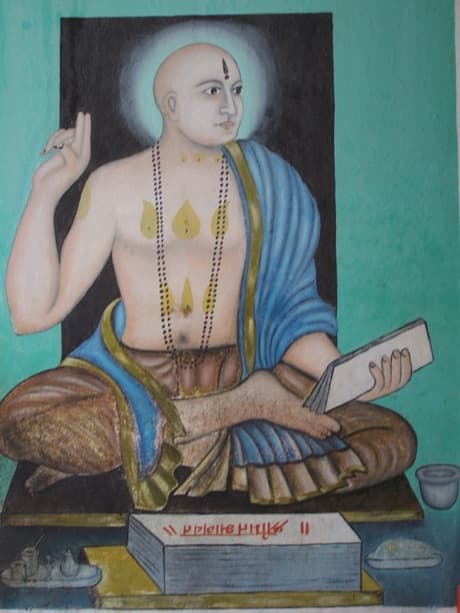
Madhvācārya · Dvaita
Madhva BhāṣyaSanskritEnglish“सर्वत्रैक एव नारायणः स्थितः। इति एकत्वेन | पृथक्त्वेन सर्वतोवैश्वस्येन ॥ बहुधा तस्य रूपम् - आभाति शुल्कमिव लोहितमिवाथो नीलमथार्जुनम् | इति हि सन्त्युजाते ॥ देवमेवापरे इत्युक्तप्रकारेण बहवो बहुधाः |” - In all places Sriman Narayan alone exists, this conclusive acknowledgment and worshipped in various forms having special attributes, in distinct manner and in the manifold forms as well. “Like white, like red, similarly as the dark one, O Arjuna”, thus in Sanatsujatiya text. ‘As the Supreme Divinity’ in this manner extensively in many ways.
Madhvācārya · Dvaita
Gītā Tātparya NirṇayaSanskritEnglish“एकमूर्तिश्चतुमूर्तिरथवा पञ्चमूर्तिकः | द्वादशादिप्रभेदो वा पूज्यते सज्जनैर्हरिः ॥ इति च |” - The noble minded people worship Me either in one form (as Sriman Narayana) or in four forms (as Vasudeva, Sankarshana, Pradyumna and Aniruddha) or in five forms (as Narayan, Vasudeva, Sankarshana, Pradyumna and Aniruddha) or in twelve forms (as Keshava, Narayana, Madhava, Govinda, Vishnu, Madhusudana, Trivikrama, Vamana, Sreedhara, Hrishikesha, Padmanabha, Damodara, or in twelve forms as Sankarshana, Vasudeva, Pradyumna, Aniruddha, Purushottama, Adhokshaja, Narasimha, Achyuta, Janardana, Upendra, Hari and Sri Krishna).

Jñāneśvar · Vārkarī
English15 *'Others likewise, worshipping Me with the Sacrifice (consisting) of knowledge, in diverse ways direct meditation upon Me, possessing multifarious faces, in my unitary aspect or in my distributive aspect.* (239)
Now listen to what I say about sacrifice that is performed through knowledge. The primeval will is the very pillar of this sacrifice, while the five gross elements are the sacrificial hall (मंडप—temporarily erected open-shed). The separation between the individual Soul and God is a sacrificial beast (fit to be offered). The special qualities of the five gross elements or the senses and the life-breath are the very materials (साहित्य) of the sacrifice. Ignorance is the ghee for oblation and the mind and the intellect are the altar (कुंडे—pits) in which the fire of knowledge is to be kindled. Equanimity is platform of the altar (Vedi—वेदी). Reason—power to grasp self and not self—is the very sacrificial Mantras (Vedic Hymns), while high regard for knowledge and mental peace are a sacrificial ladle (सुकसुव): the soul is the sacrificer and he destroys duality (distinction between the Jiva and Shiva—the being and the God), offering it in oblation to the sacrificial fire at the altar of Knowledge, using the sacrificial vessels in the form of experience of Supreme Brahman and chanting the Vedic hymns in the shape of right thinking. Ignorance then is at an end, there remaining neither the sacrificer nor the sacrifice, while the soul gets the final ablutions (अवभूथ) at the conclusion of the sacrifice, in the waters of the blissful state of union of the soul and the sacrificial spirit. Then ceases the awareness of the distinctions of separate beings, the objects of the senses as also the senses themselves, all merging in the Supreme Unity of the Brahman, revealed in the complete intuition of the Self. Just as, Oh Arjuna, one awaking from slumber says, 'I myself became the wonderful army I saw while in sleep: now that I am awake, the army in the dream was all a delusion: at bottom I am all myself the underlying unity now.' In the same way, the sacrificer in the sacrifice (consisting) of knowledge, realizes the truth that the entire universe is all inseparable from the Supreme Brahman. Then ends the talk of the existence of all (separate) beings and all existence high and good is pervaded by the unitary experience of the Supreme Brahman. In this way they adore Me through the path of sacrifice (consisting) of knowledge that terminates in the vision of undivided being. Others there are who grant that the universe is beginningless; and in it things separate and dormant are like one another; but to them the differences are due to names and forms. This makes the universe contain difference of separate things; and yet this plurality does not affect the unity of knowledge. Just as the different senses all belong to one and the same body, or many branches big and small have their life in one and the same tree, or again immeasurable rays all of one and the same Sun—in that way many separate things having diverse names and different forms are yet known by them to be united in the supreme unity. In this way, Oh son of Pandu, those self-seers that keep their inner vision of the unity of the supreme self unbroken by separateness of created things, do perform a superior kind of sacrificial worship by knowledge of unity in diversity. For, have they not realized the highest awareness that whatever they meet, at any time and place—all in fact—is seen to be nought without Me—the supreme Brahman. Just see, whichever way a bubble floats, it is all in water, and whether it bubbles or bursts, it has its being in water: dust raised in the air by wind does not cease to be earthy: and when it (dust) falls down, it must fall on the earth. In that way, whatever the being and whatever the place, and whatever happens to it or does not happen—all that is in Me, for they have realized themselves and all in Me. As far spread is their consciousness as My universal existence, and being one with all, they live in everything. As the sun's disc is face to face with every one's eyes, so does their knowledge mirror in their realized self the entire mass of existence. There is nothing like 'a here' or 'a there' in their knowledge, Oh Arjuna, since it envelopes the entire universe, like the wind, which is here, there and every-where. The tether of their knowledge-being is so entire and whole as My own complete Being; hence their love and devotion to Me as complete without the least effort. Since I am all in all, can there be a creature that does not worship Me? Since I am the life of everything every creature worships Me. Only the creatures not knowing this, fail to reach Me. Let this suffice: I have said enough of them that worship Me through sacrifice in the shape of knowledge. Whatever actions are done by created beings are verily, without further ado, dedicated to Me: the fools however fail to reach My real self because they lack this knowledge.
Swami Ramsukhdas · Modern
English[As hunger of the hungry persons, is the same and similar is the satisfaction, after having meals, but their relish is different. Similarly strivers have the same need to realize God, and they attain the same Lord, but according to their faith, interests and taste, their methods of worship are different. However, there is one important difference. Those who want to seek satisfaction in perishable and worldly things, are never satisfied. Those who having a disinclination for the world, are inclined towards spiritualism, are perfectly satisfied, after attaining God, and then, for them nothing remains—to be done, to be known, and to be achieved.]
'Jñānayajñena cāpyanye yajanto māmupāsate ekatvena'—Several strivers, following the Discipline of Knowledge, by renouncing the unreal, through discrimination, worship His
'O Lord Śiva! my walk and movement etc., is your circumambience and all words are your hymns. Whatever actions I perform, all that is your worship.'
attributeless formless aspect, and regarding the pure consciousness, as his very self.
They regard, the kaleidoscopic world, as non-existent, because it neither existed in the past, nor will exist in future and at present, also it is continuously perishing. So, it seems to exist, in the light of the Lord, Who really exists. So they behold the cosmic consciousness, constantly.
Here the term 'Yajantah', means that they have reverence only for God—this is their worship.
'Pṛthaktvena bahudhā viśvatomukham'—Some strivers, following the Discipline of Action, regarding themselves as servants, and the world as an Universal Form of the Lord, serve it with their bodies, senses, minds, intellects, possessions, resources and actions. They, ever serve the Lord, in the form of common men and by God's grace, attain perfection.
Appendix—All strivers according to their tastes, ability, faith and belief, following their spiritual disciplines, whomsoever they worship, that is the worship of the entire form of God. In this chapter from the sixteenth verse to the nineteenth verse there is the description of the Lord's entire form.
Link:—How can, the divergent and conflicting forms of worship, reach the same Lord? The Lord, gives the answer, in the next four verses.
अहं क्रतुरहं यज्ञः स्वधाहमहमौषधम् । मन्त्रोऽहमहमेवाज्यमहमग्निरहं हुतम् ॥ १६ ॥* पिताहमस्य जगतो माता धाता पितामहः । वेद्यं पवित्रमोङ्कार ऋक्साम यजुरेव च ॥ १७ ॥
* The Lord from the seventh to the twelfth chapter while describing divergent forms of worship, has used the term 'I' again and again. In the sixteenth verse He has used the term eight times, more than in any other verse.
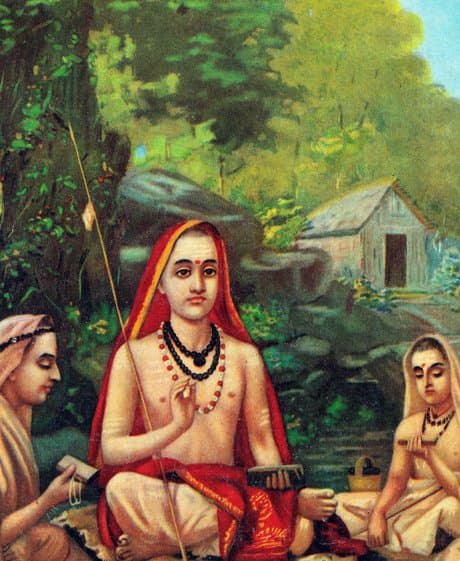
Ādi Śaṅkarācārya · Advaita
Sanskritज्ञानयज्ञेन ज्ञानमेव भगवद्विषयं यज्ञः तेन ज्ञानयज्ञेन, यजन्तः पूजयन्तः मां ईश्वरं च अपि अन्ये अन्यां उपासनां परित्यज्य उपासते । तच्च ज्ञानम् -- एकत्वेन ``एकमेव परं ब्रह्म'' इति परमार्थदर्शनेन यजन्तः उपासते । केचिच्च पृथक्त्वेन ``आदित्यचन्द्रादिभेदेन स एव भगवान् विष्णुः अवस्थितः'' इति उपासते । केचित् ``बहुधा अवस्थितः स एव भगवान् सर्वतोमुखः विश्वरूपः'' इति तं विश्वरूपं सर्वतोमुखं बहुधा बहुप्रकारेण उपासते ॥ यदि बहुभिः प्रकारैः उपासते, कथं त्वामेव उपासते इति, अत आह --
Ādi Śaṅkarācārya · Advaita
Hindiवे किस-किस प्रकारसे उपासना करते हैं सो कहते हैं—
कुछ (ज्ञानीजन) दूसरी उपासनाओंको छोड़कर भगवद्विषयक ज्ञानरूप यज्ञसे मेरा पूजन करते हुए उपासना किया करते हैं अर्थात् परमब्रह्म परमात्मा एक ही है, ऐसे एकत्वरूप परमार्थज्ञानसे पूजन करते हुए मेरी उपासना करते हैं।
और कोई-कोई पृथक्भावसे अर्थात् आदित्य, चन्द्रमा आदिके भेदसे इस प्रकार समझकर उपासना करते हैं कि वही भगवान् विष्णु, सूर्य आदिके रूपमें स्थित हुए हैं।
तथा कितने ही भक्त ऐसा समझकर कि वही सब ओर मुखवाले विश्वमूर्ति भगवान् अनेक रूपसे स्थित हो रहे हैं। उन विश्वरूप विराट् भगवान्हीकी विविध प्रकारसे उपासना करते हैं
Jñāneśvar · Vārkarī
Marathiतरी ज्ञानयज्ञु तो एवंरुपु । तेथ आदिसंकल्पु हा यूपु । महाभूतें मंडपु । भेदु तो पशु ॥ २३९ ॥
मग पांचांचे जे विशेष गुण । अथवा इंद्रियें आणि प्राण । हेचि यज्ञोपचारभरण । अज्ञान धृत ॥ २४० ॥
तेथ मनबुद्धीचिया कुंडा- । आंतु ज्ञानाग्नि धडफुडा । साम्य तेचि सुहाडा । वेदि जाणें ॥ २४१ ॥
सविवेकमतिपाटव । तेचि मंत्रविद्यागौरव । शांति स्त्रुकस्त्रुव । जीव यज्वा ।। २४२ ॥
तो प्रतीतीचेनि पात्रें । विवेकमहामंत्रें । ज्ञानाग्निहोत्रें । भेदु नाशी ॥ २४३ ॥
तेथ अज्ञान सरोनि जाये । आणि यजिता यजन हें ठाये । आत्मसमरसीं न्हाये । अवभृथीं जेव्हां ॥ २४४ ॥
तेव्हां भूतें विषय करणें । हें वेगळालें काहीं न म्हणे । आघवें एकचि ऐसें जाणे । आत्मबुद्धी ॥ २४५ ॥
जैसा चेइला तो अर्जुना । म्हणे स्वप्नींची हें विचित्र सेना । मीचि जाहालों होतों ना । निद्रावशें ॥ २४६ ॥
आतां सेना ते सेना नव्हे । हें मीच एक आघवें । ऐसें एकत्वें मानवे । विश्व तया ॥ २४७ ॥
मग तो जीवु हे भाष सरे । आब्रह्म परमात्मबोधें भरे । ऐसे भजती ज्ञानाध्वरें । एकत्वें येणें ॥ २४८ ॥
अथवा अनादि हें अनेक । जे आनासारिखें एका एक । आणि नामरुपादिक । तेंही विषम ॥ २४९ ॥
म्हणोनि विश्व भिन्न । परि न भेदे तयांचें ज्ञान । जैसे अवयव तरी आन आन । परि एकेचि देहींचे ॥ २५० ॥
कां शाखा सानिया थोरा । परि आहाति एकाचिये तरुवरा । बहु रश्मि परि दिनकरा । एकाचे जेवीं ॥ २५१ ॥
तेविं नानाविधा व्यक्ती । आनानें नामें आनानी वृत्ती । ऐसें जाणती भेदलां भूतीं । अभेदा मातें ॥ २५२ ॥
येणें वेगळालेपणें पांडवा । करिती ज्ञानयज्ञु बरवा । जे न भेंदतीं जाणिवा । जाणते म्हणउनि ॥ २५३ ॥
ना तरी जेधवां जिये ठायीं । देखती कां जें जें कांहीं । तें मीवांचूनि नाहीं । ऐसाचि बोधु ॥ २५४ ॥
पाहें पां बुडबुडा जेउता जाये । तेउतें जळचि एक तया आहे । मग विरे अथवा राहे । तऱ्ही जळाचिमाजि ॥ २५५ ॥
कां पवनें परमाणु उचलले । ते पृथ्वीपणावेगळे नाहीं गेले । आणि माघौतें जरी पडले । तरी पृथ्वीचिवरी ॥ २५६ ॥
तैसें भलतेथ भलतेणें भावें । भलतेंही न हो अथवा होआवें । परि तें मी ऐसें आघवें । होऊनि ठेलें ॥ २५७ ॥
अगा हे जेव्हडी माझी व्याप्ति । तेव्हडीचि तयांचि प्रतीति । ऐसे बहुधाकारीं वर्तती । बहुचि होउनि ॥ २५८ ॥
हें भानुबिंब आवडेतया । सन्मुख जैसें धनंजया । तैसें ते विश्वा या । समोर सदा ॥ २५९ ॥
अगा तयांचिया ज्ञाना । पाठी पोट नाहीं अर्जुना । वायु जैसा गगना । सर्वांगी असे ॥ २६० ॥
तैसा मी जेतुला आघवा । तेंचि तुक तयांचिया सद्भावा । तरी न करितां पांडवा । भजन जहालें ॥ २६१ ॥
एऱ्हवीं तरी सकळ मीचि आहें । तरी कवणीं कें उपासिला नोहें । एथ एकें जाणणेवीण ठाये । अप्राप्तासी ॥ २६२ ॥
परि तें असो येणें उचितें । ज्ञानयज्ञें यजितसांते । उपासिती मातें । ते सांगितले ॥ २६३ ॥
अखंड सकळ हें सकळां मुखीं । सहज अर्पत असे मज एकीं । कीं नेणणेयासाठीं मूर्खीं । न पविजेचि मातें ॥ २६४ ॥
Jñāneśvar · Vārkarī
Hindi(9.239) ज्ञानयज्ञ उसे कहते हैं कि जहाँ आदि-संकल्प ही यज्ञ-स्तम्भ है, पंचमहाभूत मण्डप है, द्वैत पशु है,
(9.240) पाँचों महाभूतों के जा विशेष गुण अथवा इन्द्रियाँ और प्राण हैं वही यज्ञ की सामग्री है, अज्ञान घृत है,
(9.241) और मन-बुद्धि रूपी कुण्ड में ज्ञानाग्नि प्रदीप्त होती है। वहाँ साम्य को ही सुन्दर वेदी जानो।
(9.242) विवेक-युक्त बुद्धि की कुशलता ही मन्त्र हैं, विद्या की महिमा और शान्ति सुक् और सुवा हैं, और जीव यज्ञ करनेहारा है।
(9.243) वह अनुभवरूपी पात्र से विवेकरूपी महामन्त्र के द्वारा ज्ञानाग्निहोत्र करके भेद का नाश करता है।
(9.244) तब अज्ञान समाप्त हो जाता है और यज्ञ करनेहारा और यजन-क्रिया का भेद नहीं रहता और जीव एकरस रूपी अवभूथ में नहाता है।
(9.245) तब भूत, विषय और इन्द्रियाँ अलग अलग नहीं दिखाई देतीं, आत्मबुद्धि के कारण सब कुछ एक ही जान पड़ता है। (9.246) हे अर्जुन! जागृत होने पर मनुष्य को जैसे ज्ञान हो जाता है कि जो विचित्र सेना स्वप्न में दिखाई दे रही थी वह निद्रा के वश हो मैं ही बन गया था,
(9.247) तथा वह सेना यथार्थ में सेना नहीं थी, किन्तु वह सब अकेला मैं ही बना था' वैसे ही वह ज्ञानी मनुष्य सब विश्व में एकत्व ही मानता है।
(9.248) फिर वह भाव भी नहीं रहता कि यह जीव है; ब्रह्मा पर्यन्त उसे परमात्म-ज्ञान ही भर जाता है। इस प्रकार कोई ज्ञानयज्ञ के द्वारा मेरी भक्ति करते हैं।
(9.249) अथवा यद्यपि जगत् अनादि और भिन्न भी है क्योंकि पदार्थ एक दूसरे से भिन्न दिखाई देते हैं और नाम-रूप, इत्यादि भी अलग अलग हैं.
(9.250) अतएव विश्व भिन्न भिन्न है, तथापि उन भक्तों का ज्ञान भिन्न नहीं होता। जैसे अवयव जुदे जुदे होते हैं तथापि वे एक ही शरीर के होते हैं,
(9.251) अथवा शाखाएँ छोटी बड़ी होती हैं परन्तु एक ही वृक्ष की होती हैं; किरणें बहुतेरी तो होती हैं परन्तु वे जैसे एक ही सूर्य की होती हैं, (9.252) वैसे ही व्यक्ति अनेक हैं, नाम जुदे जुदे हैं और वृत्तियाँ अलग अलग हैं — पर उन्हें भिन्न भूतों में मुझ अभिन्न का ही ज्ञान होता है।
(9.253) हे पाण्डव! इस भिन्नता से वे भक्त उत्तम ज्ञानयज्ञ करते हैं क्योंकि वे अभिन्नता के ज्ञान को जानते हैं।
(9.254) अथवा उन्हें ऐसा बोध हो जाता है कि जिस समय जिस स्थान में जो कुछ दिखाई देता है वह मेरे सिवा कुछ नहीं है।
(9.255) देखो, बुलबुला जहाँ जाय वहाँ उसे एक ही जल ही रहता है और वह गले अथवा रहे तथापि जल में ही रहता है;
(9.256) अथवा पवन से परमाणु उड़ते हैं तो वे पृथ्वीत्व से जुदे नहीं होते हैं और फिर नीचे गिरते हैं तो भी पृथ्वी पर ही रहते हैं;
(9.257) वैसे ही उन्हें ऐसी प्रतीति हो जाती है कि चाहे जिस भावना से कुछ भी उत्पन्न हो अथवा नष्ट हो तथापि वह सब में हूँ।
(9.258) अजी, जितनी मेरी व्याप्ति है उतनी ही उनकी प्रतीति है। इस प्रकार वे बहुधाकार विश्व में मद्रूप होकर ही व्यवहार करते हैं। (9.259) हे धनंजय! जैसे यह सूर्यबिम्ब चाहे जिनके सम्मुख है वैसे ही वे सर्वदा इस विश्व के सम्मुख रहते हैं।
(9.269) हे अर्जुन! जैसे वायु आकाश के सर्वांग में भरी हुई रहती है वैसे ही उनके ज्ञान में भीतर-बाहर का भेद नहीं रहता;
(9.261) तथा मैं जितना सम्पूर्ण हूँ वही प्रमाण उनके सद्भाव का है। इससे हे पाण्डव! उन्हें कुछ न करते हुए मेरा भजन हो जाता है।
(9.262) यों तो वास्तव में मैं ही सब कुछ हूँ, मैं उपासना कब और किसने नहीं की है? परन्तु ज्ञान के सिवा मेरी अप्रतीति का ही ठौर है अर्थात् जिन्हें मैं अप्राप्त हूँ उनकी उपासना, मेरा यथार्थ ज्ञान न होने से, बन्द सी हो गई है।
(9.263) परन्तु अधिक वर्णन रहने दो। ऐसे उचित ज्ञानयज्ञ का यजन करते हुए जो मेरी उपासना करते हैं उनका यह वर्णन हुआ।
(9.264) यह सब कर्म निरन्तर सब ओर से मुझ एक को ही पहुँचता है। परन्तु मूर्ख जन नहीं जानते इसलिए वे मुझे नहीं प्राप्त होते।

Sri Udiya Baba · Modern
Hindiभावार्थ— दूसरे लोग मुझ सर्वस्वरूप की ज्ञानयज्ञ द्वारा पूजन करते हुए एकत्व भाव से उपासना करते हैं और कोई भेददृष्टि से भी उपासना करते हैं।
व्याख्या— कोई ज्ञानयज्ञ द्वारा आत्मा-अनात्मा का विवेक करके अनात्मा को त्याग कर आत्माकार वृत्ति करते हैं। कोई मुझ अनन्तस्वरूप को एक सत्ता में लाकर अभेद भाव से अहंग्रह उपासना करते हैं और कोई राम, कृष्ण, दुर्गा आदि विभिन्न रूपों में मेरी प्रतीकोपासना करते हैं। इसी प्रकार साकार-निराकार आदि अनेकों भावों में मेरी उपासना की जाती है।
Swami Ramsukhdas · Modern
Hindiजैसे, भूखे आदमियोंकी भूख एक होती है और भोजन करनेपर सबकी तृप्ति भी एक होती है; परन्तु उनकी भोजनके पदार्थोंमें रुचि भिन्न-भिन्न होती है। ऐसे ही परिवर्तनशील अनित्य संसारकी तरफ लगे हुए लोग कुछ भी करते हैं, पर उनकी तृप्ति नहीं होती, वे अभावग्रस्त ही रहते हैं। जब वे संसारसे विमुख होकर केवल परमात्माकी तरफ ही चलते हैं, तब परमात्माकी प्राप्ति होनेपर उन सबकी तृप्ति हो जाती है अर्थात् वे कृतकृत्य, ज्ञात-ज्ञातव्य और प्राप्त-प्राप्तव्य हो जाते हैं। परन्तु उनकी रुचि, योग्यता, श्रद्धा, विश्वास आदि भिन्न-भिन्न होते हैं। इसलिये उनकी उपासनाएँ भी भिन्न-भिन्न होती हैं।]
**‘ज्ञानयज्ञेन चाप्यन्ते यजन्तो मामुपासते एकत्वेन’**—कई ज्ञानयोगी साधक ज्ञानयज्ञसे अर्थात् विवेकपूर्वक असत्का त्याग करते हुए सर्वत्र व्यापक परमात्मतत्त्वको और अपने वास्तविक स्वरूपको एक मानते हुए मेरे निर्गुण-निराकार स्वरूपकी उपासना करते हैं।
इस परिवर्तनशील संसारकी कोई स्वतन्त्र सत्ता नहीं है;
**परिशिष्ट भाव**—सभी साधक अपनी रुचि, योग्यता और श्रद्धा-विश्वासके अनुसार अलग-अलग साधनोंसे जिसकी भी उपासना करते हैं, वह भगवान्के समग्ररूपकी ही उपासना होती है। आगे सोलहवेंसे उन्नीसवें श्लोकतक इसी समग्ररूपका वर्णन हुआ है।
क्योंकि यह संसार पहले अभावरूपसे था और अब भी अभावमें जा रहा है। अतः यह अभावरूप ही है। जिससे संसार उत्पन्न हुआ है, जिसके आश्रित है और जिससे प्रकाशित होता है, उस परमात्माकी सत्तासे ही इसकी सत्ता प्रतीत हो रही है। उस परमात्माके साथ हमारी एकता है—इस प्रकार उस परमात्माकी तरफ नित्य-निरन्तर दृष्टि रखना ही एकीभावसे उपासना करना है।
यहाँ ‘यजन्तः’ पदका तात्पर्य है कि उनके भीतर केवल परमात्मतत्त्वका ही आदर है—यही उनका पूजन है।
**‘पृथक्त्वेन बहुधा विश्वतोमुखम्’**—ऐसे ही कई कर्मयोगी साधक अपनेको सेवक मानकर और मात्र संसारको भगवान्का विराटरूप मानकर अपने शरीर, इन्द्रियाँ, मन, बुद्धि आदिकी सम्पूर्ण क्रियाओंको तथा पदार्थोंको संसारकी सेवामें ही लगा देते हैं। इन सबको सुख कैसे हो, सबका दुःख कैसे मिटे, इनकी सेवा कैसे बने—ऐसी विचारधारासे वे अपने तन, मन, धन आदिसे जनता-जनार्दनकी सेवामें ही लगे रहते हैं, भगवत्कृपासे उनको पूर्णताकी प्राप्ति हो जाती है।
सम्बन्ध—जब सभी उपासनाएँ अलग-अलग हैं, तो फिर सभी उपासनाएँ आपकी कैसे हुईं? इसपर आगेके चार श्लोक कहते हैं।
The purport is this: —the Lord Vasudeva, [in the state of Cosmic Dissolution] takes a form (śarīra) comprised of all the Jīvas and material substance of the universe in an extremely subtle state, incapable of being distinguished by name and form. He then resolves by His perfect power of will: —
“May I become embodied in gross animate and inanimate entities, distinguished variously by name and form.” He then transmogrifies into the variegated cosmos comprised of gods, animals, humans and insentient matter —which exists as His corporeal manifestation (śarīra). Adoration of Krishna [through the sacrifice of wisdom] is done by contemplating in this manner.
Therefore Śrī Krishna declares:—‘I, having the universe for My body, alone abide’.