

Bhagavad Gītā · Chapter 9 · Rāja Vidyā Rāja Guhya Yoga
अनन्याश्चिन्तयन्तो मां ये जनाः पर्युपासते
तेषां नित्याभियुक्तानां योगक्षेमं वहाम्यहम्
ananyāścintayanto māṃ ye janāḥ paryupāsate|
teṣāṃ nityābhiyuktānāṃ yogakṣemaṃ vahāmyaham||
Word meanings
ये = who
अनन्याः = with no other thought
जनाः = people
माम् = Me
चिन्तयन्तः = thinking of me
पर्युपासते = worship devotedly
युक्तानाम् = constantly united with me
तेषाम् = of those devotees
योगक्षेमम् = their gain and security
अहम् = I
वहामि = I carry
Translation
The devotees, however, who loving no one else constantly think of Me, and worship Me in a disinterested spirit, to those ever united in thought with Me I bring full security and personally attend to their needs.
Commentary
The commentators seated around this verse
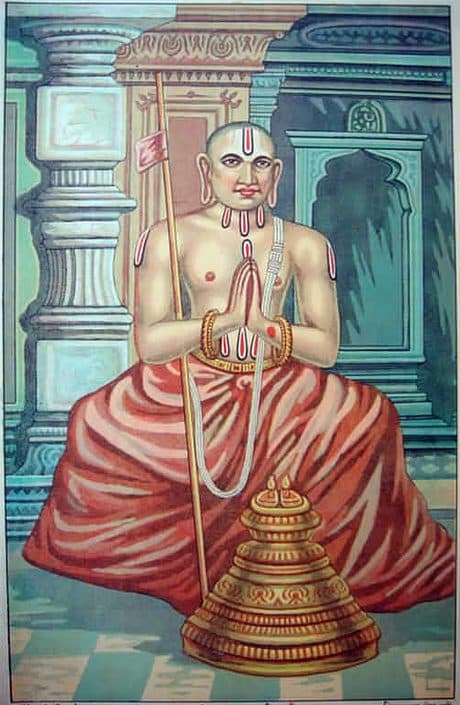
Rāmānuja · Viśiṣṭādvaita
English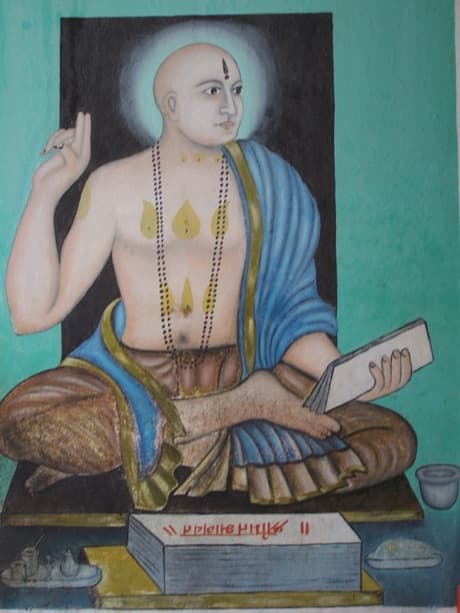
Madhvācārya · Dvaita
Madhva BhāṣyaSanskritEnglishOn verses 9.20–9.23
“तथापि मद्भजनमेवान्यदेवताभजनाद् वरम्, इति दर्शयति - त्रैविद्या इत्यादिना ||” - Even then he shows that worshipping the supreme Lord rather than propitiation of other gods is superior, thus Sri Krishna demonstrates here.
“अनन्याः अन्यदचिन्तयित्वा | तथा हि गौतमखिलेषु - सर्वे परित्यज्य मनोगतं यद् विना देवं केवलं शुद्धमाद्यम् | ये चिन्तयन्तीह तमेव धीरा अनन्यास्ते देवमेवाऽविशन्ति || इति | कामः कालेन महता एकान्तित्वात् समाहितैः | शक्यो द्रष्टुं स भगवान् प्रभासन्दृप्यमण्डलः || इति मोक्षधर्मे | नित्यमभितः सर्वतो युक्तानाम् ||” - अनन्य means those who do not think of anyone else, thus in Gautam Section: “Renouncing all the desires in mind, when nothing else than the Pure, Primal Lord is reflected upon, they the thinkers, verily, being ananya attain Me”. Thus in Moksha Dharma, “By desires which are superior to time, being in communion with all faculties concentrated, it is possible to see the Resplendent Lord, enveloped in the circle of the Light.” Ever, in all respects, with all equanimity.
“तर्हि अहं कृतुः इत्याद्यमसत्यम् इत्यत आह | येऽपि इति |” - To remove the doubt Sri Krishna explains that “He is the subject of all the sacrifices”.
Madhvācārya · Dvaita
Gītā Tātparya NirṇayaSanskritEnglishOn verses 9.20–9.23
“अनन्यदेवतायागाद् भक्त्युद्रेकादकामनात् | सदा योगाच्च वैशिष्ट्यं त्रैविद्याद् वैष्णवादपि || स्याद्वि भगवतस्यैव तेन ब्रह्मादयोऽखिलाः | अश्वमेधादिभिर्ज्ञैरपि केशवयाजिनः || वैष्णवा इति बुद्ध्यैव मानयन्त्यन्यदेवताः || इत्याग्नेये | सम्यग् गुणगणज्ञानादुपासा पर्युपासना || इति च |” - Superior to those who worship other gods through sacrifices mentioned in the three Vedas encouraged by the fruits thereof, are those Vaishnavas (devotees of Vishnu), who without any desires in mind, being equanimous with Me are in communion with Me. Therefore, the worship of Brahma and other gods, performance of ashwamedha (horse-sacrifice) etc., are also sacrifices to Keshava, since they have Sri Vishnu as the goal. Men of Wisdom consider such devotees as, verily, Vaishnavas, thus, in Agni Puraana. Performance of meditation (up asana) knowing such extensive attributes of the Supreme Self, is itself the supreme meditation.
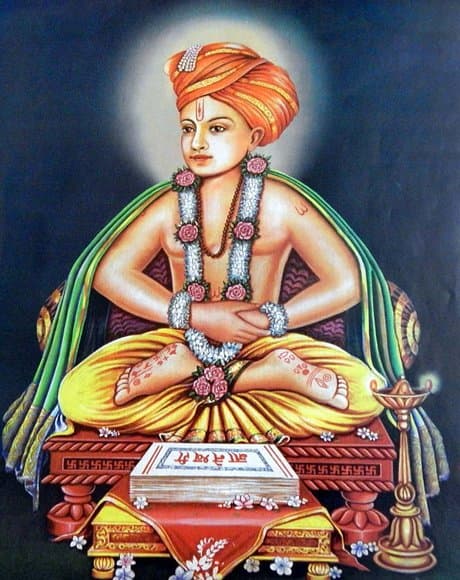
Jñāneśvar · Vārkarī
English22 "Those people who, thinking on Me with singleness of purpose, offer service unto Me, and who are constantly putting forth effort (in that service); for their sake I take upon myself (the burthen of all) earning, and saving. (335)
There are those, that have, staking their full faith in Me dedicated their entire life to Me; like the poor life-mass in the womb, that does not know of stirring into action, they hold nothing dearer than Me. Their very life they call by Me—supreme God. Thus they live in Me with their entire being, and worship Me in this way with singleness of purpose: of such, indeed, I am in turn the never-failing servant. The moment they are one with My being and live in My path of devotion, all their cares and worries become Mine; and like the mother-bird striving for the offspring, their duties and tasks become My own tasks and duties. Unmindful of her own hunger and thirst, she always keeps on doing things that conduce for the well-being of her young one. So am I required to provide for the comforts of those that have staked their whole life on my devotion, keeping full faith in Me in all ways. Be it a yearning for union with Me, and I fulfill it; or if they choose to spend their time in serving and worshipping me, I give them the life of Divine love. In this way, I provide for and fulfil whatever they desire and also preserve intact whatever is given them. Thus for them that live by My divine support, I provide whatever they desire and preserve whatever they need for their life.
Swami Ramsukhdas · Modern
English'Ananyāścintayanto mām ye janāḥ paryupāsate'—Those, who admit, that the entire universe is the Lord's manifestation, and all the activities and changes are His sport, and do not attach importance to anything else, besides the Lord, because everything except the Lord, is perishable. They have no desire,
even for the maintenance of their bodies. So, they have exclusive devotion, for Him. Whatever action, moving, eating, drinking or talking etc., they perform, is in order to, please God. By regarding the Lord, as loving and glorious, the memory, of the Lord in devotees, is constant and natural. These devotees are called 'Ananya' (exclusively devoted), because for them, the Lord is both the means and an end. They have a firm conviction, that they have to take refuge in God only, they have to adore and think of Him only, and they have to attain Him, only. They do not harbour any other desire, except that of the Lord.
'Teṣām nityābhiyuktānām'—'Nityābhiyuktānām' (of those ever united), are those, who having undivided devotion, think of Him and perform all actions, to please Him. They, have a disinclination for the world, an inclination for the Lord, and perform actions by depending on Him. In other words, their disinclination for the world, is their 'Ananyatā' (exclusive devotion), their inclination for the Lord is their 'Cintana' (constant memory), and in all active and inactive conditions, circumstances whatever, he does, is their 'Upāsanā' (worship). Those devotees, who possess these three traits, are 'Nityābhiyuktā' (ever devout).
'Yogakṣemaṃ vahāmyaham'—'Yoga' means, the provision of the means required, and 'Kṣema' means, security of what has been gained.
But, the fact is that 'Yoga' means, either to attend or not to attend to the needs of devotees, because the Lord is a disinterested friend, of devotees, so He remains engrossed, in their welfare. He provides only those means, which are useful, for their welfare. Similarly, He protects what has been provided, only if its security, is a means in their spiritual progress. Otherwise, He will destroy it. Destruction of harmful things, is 'Kṣema' (security). Therefore, His devout devotees, remain pleased and satisfied, in all circumstances, because they believe that those circumstances have been created by God's will, and so they will
enable them to attain, salvation. They, become puppets in the hands of the Lord, and God's will, becomes their will.
In fact 'Yoga' means, affinity with God and 'Kṣema' means salvation. From this view-point, the Lord strengthens a devotee's affinity with Him, and tries to lead him to salvation. Therefore, Lord Kṛṣṇa, in the forty-fifth verse of the second chapter, orders Arjuna. 'Don't worry about 'Yoga' and 'Kṣema''. It means that a devotee should be free, from any care for gain and security.
**'Vahāmyaham'**—It means, that as a mother, looks after her small son and provides him cheerily with all necessities, similarly the Lord provides, all the means required by the devotees.
**Appendix**—The Lord here mentions the superiority of His devotees to those, who perform actions with interested motive, enjoined by the Vedas as described in the preceding verse, and also to those who worship other gods. The devotees, who have exclusive devotion for God, neither believe in Indra, who has been described in the preceding verse nor believe in other gods as is described in the next verse. Those who worship Indra etc., reap the limited fruit for their worship, according to their desire. But the worshippers of God receive limitless fruit. The worshippers of gods are like paid labours (servants) while the worshippers of God are like the members of the family. If a labour works, he is paid the limited amount of money as wages according to his labour (work), but if a member of the house works, he is the master of the entire wealth (money) of the family.
The 'ananya bhaktas' (devotees with exclusive devotion) are those who hold that there is no other entity besides God—'Uttama ke asa basa mana māhīm, sapanehū āna puruṣa jaga nāhīm' (Mānasa, Araṇya 5/6).
**'Yogakṣemaṃ vahāmyaham'**—The Lord provides the devotee all the necessary means required by him and provides security of what has been gained—this is the Lord's 'yogakṣemaṃ vahāmyaham'. Though the Lord provides gain and security to
all strivers, yet he specially provides gain and security to those devotees who have exclusive devotion for Him in the same way as a mother brings up her loving child herself instead of leaving it under the care (supervision) of a servant
As a devotee attains bliss by serving God, similarly God takes delight in serving His devotee—'ye yathā māṃ prapadyante tāṃstathaiva bhajāmyaham' (Gītā 4/11).
*Link:—After explaining the position of those devotees who depend only on the Lord, He describes in the next verse those devotees who worship other gods.*
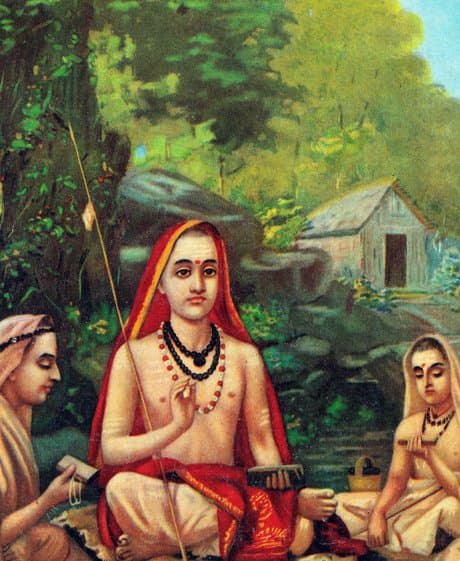
Ādi Śaṅkarācārya · Advaita
Sanskritअनन्याः अपृथग्भूताः परं देवं नारायणं आत्मत्वेन गताः सन्तः चिन्तयन्तः मां ये जनाः सन्न्यासिनः पर्युपासते, तेषां परमार्थदर्शिनां नित्याभियुक्तानां सतताभियोगिनां योगक्षेमं योगः अप्राप्तस्य प्रापणं क्षेमः तद्रक्षणं तदुभयं वहामि प्रापयामि अहम् ; ``ज्ञानी त्वात्मैव मे मतम्'' (भ. गी. ७-१८) ``स च मम प्रियः'' (भ. गी. ७-१७) यस्मात्, तस्मात् ते मम आत्मभूताः प्रियाश्च इति ॥ ननु अन्येषामपि भक्तानां योगक्षेमं वहत्येव भगवान् । सत्यं वहत्येव ; किन्तु अयं विशेषः -- अन्ये ये भक्ताः ते आत्मार्थं स्वयमपि योगक्षेमं ईहन्ते ; अनन्यदर्शिनस्तु न आत्मार्थं योगक्षेमं ईहन्ते ; न हि ते जीविते मरणे वा आत्मनः गृद्धिं कुर्वन्ति ; केवलमेव भगवच्छरणाः ते ; अतः भगवानेव तेषां योगक्षेमं वहतीति ॥ ननु अन्या अपि देवताः त्वमेव चेत्, तद्भक्ताश्च त्वामेव यजन्ते । सत्यमेवं --
Ādi Śaṅkarācārya · Advaita
Hindiपरंतु जो निष्कामी—पूर्ण ज्ञानी हैं—
जो संन्यासी अनन्यभावसे युक्त हुए अर्थात् परमदेव मुझ नारायणको आत्मरूपसे जानते हुए मेरा निरन्तर चिन्तन करते हुए मेरी श्रेष्ठ—निष्काम उपासना करते हैं, निरन्तर मुझमें ही स्थित उन परमार्थज्ञानियोंका योग- क्षेम मैं चलाता हूँ। अप्राप्त वस्तुकी प्राप्तिका नाम योग है और प्राप्त वस्तुकी रक्षाका नाम क्षेम है, उनके ये दोनों काम मैं स्वयं किया करता हूँ।
क्योंकि ‘ज्ञानीको तो मैं अपना आत्मा ही मानता हूँ’ और ‘वह मेरा प्यारा है’ इसलिये वे उपर्युक्त भक्त मेरे आत्मारूप और प्रिय हैं।
पू०—अन्य भक्तोंका योगक्षेम भी तो भगवान् ही चलाते हैं ?
उ०—यह बात ठीक है, अवश्य भगवान् ही चलाते हैं; किंतु उसमें यह भेद है कि जो दूसरे भक्त हैं वे स्वयं भी अपने लिये योगक्षेम-सम्बन्धी चेष्टा करते हैं, पर अनन्यदर्शी भक्त अपने लिये योगक्षेम-सम्बन्धी चेष्टा नहीं करते। क्योंकि वे जीने और मरनेमें भी अपनी वासना नहीं रखते, केवल भगवान् ही उनके अवलम्बन रह जाते हैं। अतः उनका योगक्षेम स्वयं भगवान् ही चलाते हैं
Jñāneśvar · Vārkarī
Marathiपैं सर्वभावेंसी उखितें । जे वोपिले मज चित्तें । जैसा गर्भगोळु उद्यमातें । कोणाही नेणे ॥ ३३५ ॥
तैसा मीवाचूनि कांही । आणिक गोमटेंचि नाहीं । मजचि नाम पाहीं । जिणेया ठेविलें ॥ ३३६ ॥
ऐसे अनन्यगतिकें चित्तें । चिंतितसांते मातें । जे उपासिती तयांतें । मीचि सेवीं ॥ ३३७ ॥
ते एकवटूनि जिये क्षणीं । अनुसरले गा माझिये वाहणी । तेव्हांचि तयांची चिंतवणी । मजचि पडली ॥ ३३८ ॥
मग तीहीं जें जें करावे । तें मजचि पडिलें आघवें । जैशी अजातपक्षांचेनि जीवें । पक्षिणी जिये ॥ ३३९ ॥
आपुली तहानभूक नेणे । तान्हया निकें तें माउलीसीचि करणें । तैसे अनुसरले जे मज प्राणें । तयांचेन काइसेनिहि न लजें मी ॥ ३४० ॥
तया माझिया सायुज्याची चाड । तरि तेंचि पुरवीं कोड । कां सेवा म्हणती तरी आड । प्रेम सुयें ॥ ३४१ ॥
ऐसा मनीं जो जो भावो । तो तो पुढां पुढां लागें तयां देवों । आणि दिधलियाचा निर्वाहो । तोहि मीचि करीं ॥ ३४२ ॥
हा योगक्षेमु आघवा । तयांचा मजचि पडिला पांडवा । जयांचियां सर्वभावां । आश्रयो मी ॥ ३४३ ॥
Jñāneśvar · Vārkarī
Hindi(9.335) जो सम्पूर्ण मनोभावों से मुझे चित्त अर्पण करते हैं, जैसे गर्भ का गोला कोई भी व्यापार नहीं जानता
(9.336) वैसे ही जिन्हें मेरे बिना और कुछ भला नहीं दिखाई देता, और जिन्होंने अपने जीवन को मद्रूप ही कर लिया है,
(9.337) ऐसे जो एकनिष्ठ चित्त से मेरा चिन्तन करते हुए मेरी भक्ति करते हैं, उनकी मैं भी सेवा करता हूँ।
(9.338) वे जिस समय एकाग्र चित्त से मेरे भजन में लगते हैं उसी समय मुझे भी उनकी चिन्ता उत्पन्न होती है।
(9.339) उनका जो जो कार्य हो वह सब मुझे ही करना पड़ता है। जैसे पक्षिनी पंख न फूटे हुए बच्चों के जीवन के लिए ही अपना जीवन रखती है, (9.340) अपनी भूख-प्यास नहीं जानती और उस चिरौटे की हित ही उस माता का कार्य रहता है, वैसे ही जो प्राणों-सहित मेरा अनुसरण करते हैं उनका सब कुछ कार्य मैं ही करता हूँ।
(9.341) उन्हें मेरे सायुज्य की इच्छा हो तो मैं उनका वही हेतु पूर्ण करता हूँ, अथवा सेवा की इच्छा हो तो प्रेम सम्मुख रख देता हूँ।
(9.342) इस प्रकार वे मन में जो जो भाव रखते हैं वह मैं बारम्बार पूर्ण करता हूँ और उन्हें दी हुई वस्तु की रक्षा भी मैं ही करता हूँ।
(9.343) हे पाण्डव! जिनके सब भावों का मैं आश्रय हूँ उनका इस प्रकार सब योगक्षेम मुझी को करना पड़ता है।
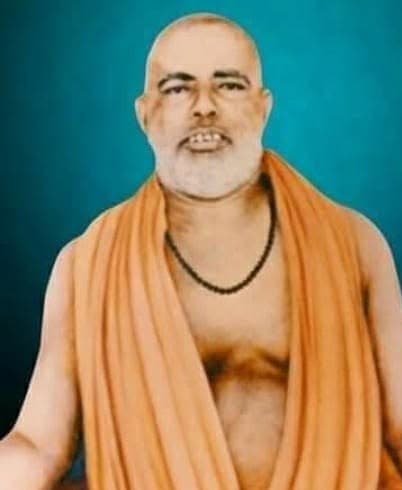
Sri Udiya Baba · Modern
Hindiसंगति— अब अगले श्लोक द्वारा भक्ति की पुष्टि करते हैं—
भावार्थ— जो लोग अनन्य भाव से चिन्तन करते हुए सब प्रकार मेरी ही उपासना करते हैं उस निरन्तर समाहित चित्तवालों के योग-क्षेम का भार मैं स्वयं धारण करता हूँ।
व्याख्या— अप्राप्त वस्तु की प्राप्ति का नाम योग है। साधक को तो भक्ति या आत्मरति ही अभीष्ट है अन्य वस्तुओं की तो उसे आवश्यकता ही नहीं होती। अतः भक्ति या आत्मरति की प्राप्ति करा देना ही 'योग' है। तथा प्राप्त वस्तु की रक्षा करना ही क्षेम है। अतः प्राप्त हुई भक्ति या आत्मरति को स्थायी रूप से बनाये रखना ही यहाँ 'क्षेम' समझना चाहिए।
यहाँ भगवान् का अभिप्राय यह है कि जो अनन्य भाव से मेरी उपासना करते हैं उन्हें मैं अपनी भक्ति देता हूँ। अथवा यदि वे आत्मनिष्ठ हैं तो उन्हें आत्माकार वृत्ति से च्युत नहीं होने देता। उनकी यह वृत्ति बढ़ती रहे यही मेरी कृपा है। भजन करने वालों को अधिक धन की तो इच्छा ही नहीं होती। यदि इच्छा हो भी तो मैं उन्हें अधिक धन नहीं देता। केवल निर्वाहमात्र की ही व्यवस्था करता हूँ, जिससे वे उसमें आसक्त न हों। बस यही मेरे द्वारा उनके योग-क्षेम का निर्वाह है।
Swami Ramsukhdas · Modern
Hindi‘अनन्याश्चिन्तयन्तो मां ये जनाः पर्युपासते’—जो कुछ देखने, सुनने और समझनेमें आ रहा है, वह सब-का-सब भगवान्का स्वरूप ही है और उसमें जो कुछ परिवर्तन तथा चेष्टा हो रही है, वह सब-की-सब भगवान्की लीला है—ऐसा जो दृढ़तासे मान लेते हैं, समझ लेते हैं, उनकी फिर भगवान्के सिवाय कहीं भी महत्त्वबुद्धि नहीं होती। वे भगवान्में ही लगे रहते हैं। इसलिये वे ‘अनन्य’ हैं। केवल भगवान्में ही महत्ता और प्रियता होनेसे उनके द्वारा स्वतः भगवान्का ही चिन्तन होता है।
‘अनन्या:’ कहनेका दूसरा भाव यह है कि उनके साधन और साध्य केवल भगवान् ही हैं अर्थात् केवल भगवान्के ही शरण होना है, उन्हींका चिन्तन करना है, उन्हींकी उपासना करनी है और उन्हींको प्राप्त करना है—ऐसा उनका दृढ़ भाव
है। भगवान्के सिवाय उनका कोई अन्य भाव है ही नहीं; क्योंकि भगवान्के सिवाय अन्य सब नाशवान् है। अतः उनके मनमें भगवान्के सिवाय अन्य कोई इच्छा नहीं है; अपने जीवन-निर्वाहकी भी इच्छा नहीं है। इसलिये वे अनन्य हैं।
वे खाना-पीना, चलना-फिरना, बातचीत करना, व्यवहार करना आदि जो कुछ भी काम करते हैं, वह सब भगवान्की ही उपासना है; क्योंकि वे सब काम भगवान्की प्रसन्नताके लिये ही करते हैं।
‘तेषां नित्याभियुक्तानाम्’—जो अनन्य होकर भगवान्का ही चिन्तन करते हैं और भगवान्की प्रसन्नताके लिये ही सब काम करते हैं, उन्हींके लिये यहाँ ‘नित्याभि-युक्तानाम्’ पद आया है।
इसको दूसरे शब्दोंमें इस प्रकार समझें कि वे संसारसे
विमुख हो गये—यह उनकी 'अनन्यता' है, वे केवल भगवान्के सम्मुख हो गये—यह उनका 'चिन्तन' है और सक्रिय-अक्रिय सभी अवस्थाओंमें भगवत्सेवापरायण हो गये—यह उनकी 'उपासना' है। ये तीनों बातें जिनमें हो जाती हैं, वे ही 'नित्याभियुक्त' हैं।
**'योगक्षेमं वहाम्यहम्'**—अप्राप्त वस्तुकी प्राप्ति करा देना 'योग' है और प्राप्त सामग्रीकी रक्षा करना 'क्षेम' है। भगवान् कहते हैं कि मेरेमें नित्य-निरन्तर लगे हुए भक्तोंका योगक्षेम में वहन करता हूँ।
वास्तवमें देखा जाय तो अप्राप्त वस्तुकी प्राप्ति करानेमें भी 'योग' का वहन है और प्राप्ति न करानेमें भी 'योग' का वहन है। कारण कि भगवान् तो अपने भक्तका हित देखते हैं और वही काम करते हैं, जिसमें भक्तका हित होता हो। ऐसे ही प्राप्त वस्तुकी रक्षा करनेमें भी 'क्षेम' का वहन है और रक्षा न करनेमें भी 'क्षेम' का वहन है। अगर भक्तकी भक्ति बढ़ती हो, उसका कल्याण होता हो तो भगवान् प्राप्तकी रक्षा करेंगे; क्योंकि इसीमें उसका 'क्षेम' है। अगर प्राप्तकी रक्षा करनेसे उसकी भक्ति न बढ़ती हो, उसका हित न होता हो तो भगवान् उस प्राप्त वस्तुकी नष्ट कर देंगे; क्योंकि नष्ट करनेमें ही उसका 'क्षेम' है। इसलिये भगवान्के भक्त अनुकूल और प्रतिकूल—दोनों परिस्थितियोंमें परम प्रसन्न रहते हैं। भगवान्पर निर्भर रहनेके कारण उनका यह दृढ़ विश्वास हो जाता है कि जो भी परिस्थिति आती है, वह भगवान्की ही भेजी हुई है। अतः 'अनुकूल परिस्थिति ठीक है और प्रतिकूल परिस्थिति बेठीक है'—उनका यह भाव मिट जाता है। उनका भाव रहता है कि
**परिशिष्ट भाव**—भगवान् यहाँ पूर्वश्लोकमें वर्णित वैदिक सकामी मनुष्यों और आगेके श्लोकमें वर्णित अन्य देवताओंके उपासकोंकी अपेक्षा अपने भक्तोंकी विशेषता बताते हैं। भगवान्के अनन्यभक्त न तो पूर्वश्लोकमें वर्णित इन्द्रको मानते हैं और न आगेके श्लोकमें वर्णित अन्य देवताओंको मानते हैं। इन्द्रादिकी उपासना करनेवालोंको तो कामनाके अनुसार सीमित फल मिलता है। परन्तु भगवान्की उपासना करनेवालेको असीम फल मिलता है। देवताओंका उपासक तो मजदूर (नौकर) की तरह है और भगवान्की उपासना करनेवाला घरके सदस्यकी तरह है। मजदूर काम करता है तो उसको मजदूरीके अनुसार सीमित पैसे मिलते हैं, पर घरका सदस्य काम करता है तो सब कुछ उसीका होता है।
अनन्यभक्त वे हैं, जिनकी दृष्टिमें एक भगवान्के सिवाय अन्यकी सत्ता ही नहीं है—**'उत्तम के अस बस मन माहीं। सपनेहुँ आन पुरुष जग नाहीं॥'** (मानस, अरण्य० ५। ६)।
**'योगक्षेमं वहाम्यहम्'**—भगवान् साधकको उसके लिये आवश्यक साधन-सामग्री प्राप्त कराते हैं और प्राप्त साधन-सामग्रीकी रक्षा करते हैं—यही भगवान्का योगक्षेम वहन करना है। यद्यपि भगवान् सभी साधकोंका योगक्षेम वहन करते हैं, तथापि अनन्यभक्तोंका योगक्षेम विशेषरूपसे वहन करते हैं; जैसे—प्यारे बच्चेका पालन माँ स्वयं करती है, नौकरोंसे नहीं करवाती।
जैसे भक्तको भगवान्की सेवामें आनन्द आता है, ऐसे ही भगवान्को भी भक्तकी सेवामें आनन्द आता है—**'ये यथा मां प्रपद्यन्ते तांस्तथैव भजाम्यहम्'** (गीता ४। ११)।
'भगवान्ने जो किया है, वही ठीक है और भगवान्ने जो नहीं किया है, वही ठीक है, उसीमें हमारा कल्याण है'।
'ऐसा होना चाहिये और ऐसा नहीं होना चाहिये'—यह सोचनेकी हमें किंचिन्मात्र भी आवश्यकता नहीं है। कारण कि हम सदा भगवान्के हाथमें ही हैं और भगवान् सदा ही हमारा वास्तविक हित करते रहते हैं। इसलिये हमारा अहित कभी हो ही नहीं सकता। तात्पर्य है कि भक्तका मनचाहा हो जाय तो उसमें भी कल्याण है और मनचाहा न हो तो उसमें भी कल्याण है। भक्तका चाहा और न चाहा कोई मूल्य नहीं रखता, मूल्य तो भगवान्के विधानका है। इसलिये अगर कोई अनुकूलतामें प्रसन्न और प्रतिकूलतामें खिन्न होता है, तो वह भगवान्का दास नहीं है, प्रत्युत अपने मनका दास है।
वास्तवमें तो 'योग' नाम भगवान्के साथ सम्बन्धका है और 'क्षेम' नाम जीवके कल्याणका है। इस दृष्टिसे भगवान् भक्तके सम्बन्धको अपने साथ दृढ़ करते हैं—यह तो भक्तका 'योग' हुआ और भक्तके कल्याणकी चेष्टा करते हैं—यह भक्तका 'क्षेम' हुआ। इसी बातको लेकर दूसरे अध्यायके पैतालीसवें श्लोकमें भगवान्ने अर्जुनके लिये आज्ञा दी कि 'तू नियोगक्षेम हो जा' अर्थात् तू योग और क्षेम-सम्बन्धी किसी प्रकारकी चिन्ता मत कर।
**'वहाम्यहम्'** का तात्पर्य है कि जैसे छोटे बच्चेके लिये माँ किसी वस्तुकी आवश्यकता समझती है, तो बड़ी प्रसन्नता और उत्साहके साथ स्वयं वह वस्तु लाकर देती है। ऐसे ही मेरेमें निरन्तर लगे हुए भक्तोंके लिये मैं किसी वस्तुकी आवश्यकता समझता हूँ, तो वह वस्तु मैं स्वयं ढोकर लाता हूँ अर्थात् भक्तोंके सब काम मैं स्वयं करता हूँ।
सम्बन्ध—पूर्वश्लोकमें अपनी उपासनाकी बात कह करके अब भगवान् अन्य देवताओंकी उपासनाकी बात कहते हैं।
येऽप्यन्यदेवता भक्ता यजन्ते श्रद्धयान्विताः ।
“Those who, excluding everything else and having no other purpose, meditate on Me as their only goal, because without Me they are unable to sustain themselves. In the case of such devotees aspiring after eternal unification with Me, I Myself undertake the responsibility of bringing them to Myself — Yoga(prosperity) and of preserving them in that state for ever —Kṣema (welfare).” The meaning is that they do not return to Samsara.