

Bhagavad Gītā · Chapter 9 · Rāja Vidyā Rāja Guhya Yoga
अपि चेत्सुदुराचारो भजते मामनन्यभाक्
साधुरेव स मन्तव्यः सम्यग्व्यवसितो हि सः
api cetsudurācāro bhajate māmananyabhāk|
sādhureva sa mantavyaḥ samyagvyavasito hi saḥ||
Word meanings
चेत् = if
सुदुराचारः = one of the vilest conduct
अपि = also
अनन्यभाक् = with exclusive devotion
माम् = Me
भजते = worships
सः = he
साधुः = a saint
एव = indeed
मन्तव्यः = should be regarded
हि = for
सः = he
व्यवसितः = has resolved rightly
Translation
Even if the vilest sinner worship Me with exclusive devotion, he should be accounted a saint; for he has rightly resolved. (He is positive in his belief that there is nothing like devoted worship of God.)
Commentary
The commentators seated around this verse

Rāmānuja · Viśiṣṭādvaita
English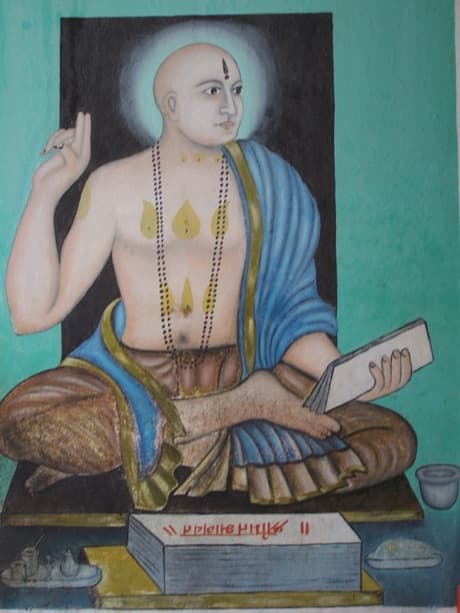
Madhvācārya · Dvaita
Madhva BhāṣyaSanskritEnglishOn verses 9.30–9.34
“न भवत्येव प्रायस्तदभक्तो दुराचारः | तथाऽपि बहुपुण्येन यदि कथञ्चिद् भवति, तर्हि साधुरेव मन्तव्यः |” - Normally, one who is of evil nature can never become His devotee. But because of many good merits, the evil ones should be considered to have become noble persons.
“कृतः? शिक्षे भवति धर्मात्मा | देवदेवांशादिष्वेव चैतद् भवति | उक्तं च शांडिल्यशाखायाम् - नाविरतो दुश्चरितान्नाभक्तो नासमहितः | सम्यग् भक्तो भवेत् कश्चिद् वासुदेवेऽमलाशयः | देवपयस्तदंशाश्च भवन्ति क्वच्च ज्ञानतः | इति | अतोऽन्यः क्वचिद् भवति चेत्, दाम्भिकत्वेन सोऽनुमेयः | साधारणपापानां तु सत्सङ्गान्महत्यपि कथञ्चिद् भक्तिर्भवति | साधारणभक्तिर्वैतरेषाम् | शटमतिरूपयति योऽर्थतुष्णां तमधमचेष्टमवैहि नास्य भक्तम् | इति हि श्रीविष्णुपुराणे ||” - How? Soon becomes a man of good soul which is possible only to those who have the divine essence in them. “The one who does not give up evil ways, one who is not devoted, one who has no equipoise cannot become the pure devotee of Sriman Narayana. But the gods and sages even though some time are evil minded become in due course best of the devotees, because they are aware of the essential nature of the Lord”, thus in Shandilya section. Therefore, those who fraudulently try to prove their devotion should be known in this manner. However those who have committed slight demerits may be devoted by association with saints. In others, simple devotion may be accepted. “those who seek sensual pleasures, they are, verily, the deceivers. They being the practitioners of low behavior, true devotion can never spring”, thus, in Vishnu Puraana.
“वेदास्त्वधीता मम लोकनाथ तप्तं तपो नानुतमुक्तपूर्वम् | पूजां गुरुणां सततं करोमि परस्य गुह्यं नच भिन्नपूर्वम् | गुप्तानि चत्वारि यथागमं मे शत्रो च मित्रे च समोऽस्मि नित्यम् | तं चापि देवं सततं प्रपन्नः एकान्तभावेन भजाम्यजसम् | एतैर्विशेषैः परिशुद्धसत्त्वः कस्मान् पश्येयमनन्तमेनम् || इति मोक्षधर्मे अचारस्य सधनत्वोक्तश्च ||” - “O Lord ! having studied Vedas, I am ever engaged in austerities. In have never spoken un-Truth ever in the past. I have always been worshipping my Teacher (Guru). I have never divulged the secret which is Supreme. The four Truths told in the scriptures are enshrined in me. I am always equal towards friends as well as towards enemies. Surrendering to the Lord, I have been ever propitiating Him with undistracted devotion. How then have I not been able to see the eternal Form which is pure and propitious ?” Thus in Moksha Dharma scripture.
“ज्ञानाभावे च साम्यग्भक्त्यभावात् | तथा हि गौतमखिलेषु - विना ज्ञानं कुतो भक्तिः कुतो भक्तिः विना च तत् | इति | भक्तिः परे स्वानुभवो विरक्तिरन्यत्र चैतत्त्रिकमेककालम् || इति भागवते ||” - Without right Wisdom true devotion is not possible. Thus in Gautam Section - “Without wisdom how can there be devotion ?” And if there is no devotion how could there be that (realization)?” “Devotion towards the Lord, Wisdom and aversion to all other things - all these three go together”, thus also in Bhagavat Puraana
Madhvācārya · Dvaita
Gītā Tātparya NirṇayaSanskritEnglishOn verses 9.30–9.34
“पापादिकारिताश्चैव पुंसां स्वाभाविका अपि | विप्रत्वाद्यास्तत्र पुण्याः स्वाभाव्याः एव मुक्तिगाः | यान्ति स्त्रीत्वं पुंसां सोऽपि पापतः कामतोऽपि वा | न स्त्रीयो यान्ति पुंसां तु स्वभावदेव याः स्त्रीयः || पुंसा सहैव पुं देहे स्थितिः स्याद् वरदानतः | तज्जन्मानि वराः पापजाताभ्यो निजसस्रीटवः || सर्वेषामपि जीवानामन्यदेहो यथा निजः | मुक्तौ च निजभावः स्यात् कर्मभोगास्ततोऽपि च || इति भविष्यत्यर्थवचनात् पापयोनयः पुण्या इति विशेषणम् ||” - The acts of merits and demerits of people being according to each one's attributes, the stage of a man of Wisdom and others are also normal according to their attributes and so is their deliverance. A male is born again as a female because of desires or some demerit. A female is never born as a male because of attributes but they reside within the male body alongside the male form in a spiritual female form. These spiritual female forms are unlimitedly superior to those who have taken female forms due to the demerit of desires. All Jivas attain the body of skin and flesh according to their attributes. In liberation, even after experiencing the effects of prior karmas, each one lives according to their true attribute, even the statement merits even for those born in evil-wombs can be accepted, because of the declaration in Bhavishya Purana.

Jñāneśvar · Vārkarī
English30 "Even if a person of extremely evil conduct were to be taken himself unto Me, seeking refuge in none else, he is to be reckoned as quite a good person, for he has taken the right resolution. (415)
One that worships Me with such undivided devotion never returns to fleshly existence again, albeit he belongs to the lowest caste. Oh great warrior, even the worst of sinners betaking himself to the path of devotion at the close of his life, ascends to the raised seat of devotion. Indeed life to come hereafter is shaped by the Soul's condition at the end of past life. Therefore, one who at the end of his life, gives himself up in devotional surrender to Me, though he be of evil ways in the past, is regenerated thereby (on account of the sanctifying power of his devotion). Like one drowned in floods and (subsequently) emerging safe from them, are they who were really drowned, but washed their sins and evil life by their devotional state at the end (of past life). Therefore, one of corrupt ways, taking bath in the holy waters of repentance, and surrendering himself unto My being in complete devotion, has indeed been joined to Me. The race of such a one is pure and holy: so his family is made spotless and he himself has realized the highest goal of his life. He is to Me a person learned, he has practised religious austerities, and the eight-fold Yoga-discipline. Enough of this now, Oh Pārtha. Indeed whoever is full of devotion and love for Me, is purged of all taint of worldly life and action, for all his mind's acts and reason are rolled into an unflinching faith in Me and surrendered unto Me.
Swami Ramsukhdas · Modern
English[If a multimillionaire says, that he will help anyone, whosoever seeks his help with money, his charity will be testified when he actually helps the man who is his enemy. To prove the veracity of His statement here, the Lord first mentions the vilest sinner.]
'Api cet'—In the seventh chapter, the Lord declares, "Evil-doers do not worship Me" (7/15) but here He declares, "The vilest sinners worship Me." There seems, to be a contradiction in these two statements. To remove this doubt, the Lord has used the terms 'Api cet' (even if). It means, that in the seventh chapter, the Lord has described their evil nature. Swayed by that nature, they generally do not take refuge in God. But it does not mean, that there is any restriction imposed by the Lord upon the sinners, that they should not worship, Him. If they want to worship Him, they can. The Lord, has no ill-will against, any being.
'Sudurācāro bhajate māmananyabhāk'—Even the sinners of the worst conduct, by worshipping the Lord with exclusive
devotion, attain salvation. Even, at present, sins may be committed sometimes by them, because of their past influences. But, they are firmly determined with exclusive devotion, to attain the Lord. Now, they do not aim at riches, honour, respect, happiness and comforts etc. Their only aim, is exclusive devotion.
Now a question arises, how the vilest sinner can worship, the Lord. The answer is that, there can be several reasons:
(i) When, in adversity, he gets no worldly support from any quarter, he surrenders himself, to the Lord.
(ii) The atmosphere and the company of saints convert him.
(iii) Any past virtuous influence, may be aroused somehow or the other, as was aroused in Bālmīki, Ajāmila and Sadana the butcher etc., who were converted, into devotees though they were sinners.
(iv) If a person, escapes some mortal danger somehow or the other, he may start believing in the Lord's, singular power.
(v) By beholding saints and by the grace of saints, like Vālmīki and Ajāmila, may start worshipping the Lord.
Several thieves, robbers, murderers and other vilest sinners, became devout devotees, of the Lord.
Now a doubt arises, how can the vilest sinner worship the Lord, continuously, when even the devotees, who have been engaged in the worship of God for several years, cannot worship Him continuously. Here, importance has been attached, to exclusive and undivided devotion, rather than continuous devotion. As a chaste wife, has her relationship only with her husband, that sinner has his affinity, only with God.
'Ananyabhāk'—A person, can have exclusive devotion, by admitting his relationship with the Lord i.e., by changing his egoism. He should admit, that He is the Lord's and the Lord is his. He is more purified, by changing his egoism, than by performing action, such as sacrifice, charity, penance and chanting
the Lord's name etc.
There are three factors in connection with, changing egoism:—
(i) **To root it out:**—A devotee, following the Discipline of Knowledge, realizes that his self is different from egoism, and so he remains established in the self. Thus, his ego is eliminated.
(ii) **To purify it:**—By following the Discipline of Action, a devotee discharges his duty for others, without expecting any fruit for his duty. For example, a son should discharge his duty towards his father, without bothering whether the father treats him as a son or not, or whether he troubles him. He should discharge his duty under all circumstances, without laying any claim on him. He should not expect his father, to be favourable to him. He should cherish no desire, for his own comfort or gain. Thus, having no desire of his own, his egoism is purified.
(iii) **To change it:**—In the Discipline of Devotion, ego is changed. For example—a chaste wife by changing her ego, becomes only of her husband. She regards her husband's house, as hers, his Gotra as hers, and she does not regard her relation with parents, in-laws and children. But she does serve all of them, for the sake of her husband. Similarly, the ego of a devotee changes. By following the Discipline of Devotion, just like a chaste wife, who becomes only her husband's, a devotee becomes God's and only God becomes his. Thus, he changes his egoism. This change of egoism, is denoted by the expression, 'Ananyabhāk'.
'Sādhureva sa mantavyah'—He should be considered a saint. This is the Lord's, special behest. Though he does not possess all the virtues of a saint, yet he should be regarded as a saint, because he has admitted that he is only God's and only God is his. Thus by changing his egoism, he will become a saint, in no time.
Now the question arises why the Lord has to say, that he should be considered a saint. The answer is, that generally, people judge a man by his actions. Where saintliness is not manifest,
and some trace of poor conduct is observed, then only it is said, that he should be considered a saint. With change of ego, he has accepted himself as God's. Therefore, his feelings and conduct will become pure, in no time. So, the Lord says, that such a person should be considered, a saint.
A man is a devout devotee, but if any day, he is seen with a prostitute, people regard him as immoral, though he may have gone there to reform her. Similarly, a sinner, may be regarded religious-minded and virtuous, if he is seen by people, counting the beads of a rosary, on the bank of the Ganges. Worldly people, generally, view actions of other people. But the Lord instead of paying heed to their actions, pays attention to their, feelings.
'Samyagvyavasito hi saḥ'—In the second chapter of the Gītā in connection with the Discipline of Action, the Lord says that in this path the intellect is determinate, while here He says that, he himself has rightly resolved. There, the determination is by intellect, while here he himself is determined. Whatever, is determined by one-self is permanent, while that what is determined by intellect, is short-lived, because intellect can be attracted towards worldly pleasures etc., when one does not live in spiritual atmosphere, as that of listening to divine discourses, or studying the scriptures.
As a girl, after her marriage changes her egoism, and becomes her husband's and she even without making any effort, always remembers that she is her husband's, a devotee, after becoming the Lord's once, becomes His, forever, because he has rightly so resolved. So the Lord says, that he should be considered, a saint. By doing so, he speedily becomes virtuous (Gītā 9/31).
A person, may be evil and a sinner so long as, he has a disinclination for the Lord, but when he has an inclination for the Lord, by having exclusive devotion to Him, all his evils and sins, are rooted out.
Appendix—In Jñānayoga and Karmayoga there is predominance of intellect 'eṣā te'bhihītā sāṅkhye buddhiryoge tvimāni śrṇu'
(Gītā 2/39). Therefore the intellect of a Jñānayogī and a Karmayogī is determinate 'vyavasāyātmikā buddhirekeha' (Gītā 2/41), 'vyavasāyātmikā buddhiḥ' (Gītā 2/44). But in Bhaktiyoga there is predominance of one's own, therefore a devotee himself is determined viz., he has rightly resolved—'Samyagvyavasito hi saḥ'.
Whatever is determined by mind and intellect, can be forgotten but whatever is determined by the self, can't be forgotten. The reason is that the mind and intellect don't stay with us always, in sound sleep we realize that they don't stay with us viz., we lack them, but the self ever exists. Whatever happens in the self, that remains permanent. Therefore the acceptance 'I am God's and God is mine' is one's own, not of the mind and intellect. Once there is this acceptance, then it does not change into non-acceptance because the self, at the root being a fragment of God, is inseparable from God. But by mistake the self accepts its affinity with Prakṛti (Gītā 15/7). Therefore in fact only the mistake is rectified. As soon as the mistake is rectified, the eternal union with God is naturally manifested 'naṣṭo mohaḥ snuṭṭirlabdhā' (Gītā 18/73). The acceptance of affinity with others was the mistake, it was the delusion.
*Link:—In the next verse the Lord declares the result of right resolution.*
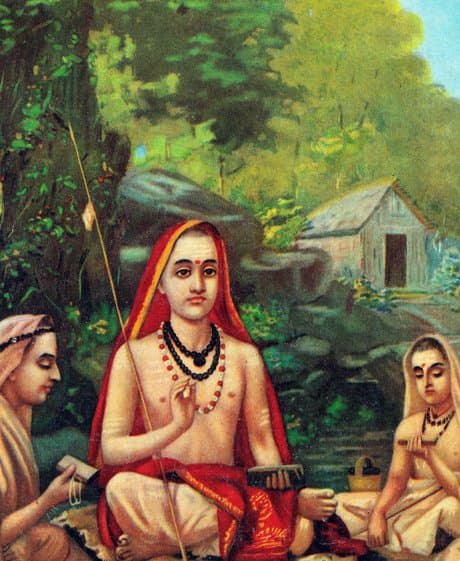
Ādi Śaṅkarācārya · Advaita
Sanskritअपि चेत् यद्यपि सुदुराचारः सुष्ठु दुराचारः अतीव कुत्सिताचारोऽपि भजते मां अनन्यभाक् अनन्यभक्तिः सन्, साधुरेव सम्यग्वृत्त एव सः मन्तव्यः ज्ञातव्यः ; सम्यक् यथावत् व्यवसितो हि सः, यस्मात् साधुनिश्चयः सः ॥ उत्सृज्य च बाह्यां दुराचारतां अन्तः सम्यग्व्यवसायसामर्थ्यात् --
Ādi Śaṅkarācārya · Advaita
Hindiयदि कोई सुदुराचारी अर्थात् अतिशय बुरे आचरणवाला मनुष्य भी अनन्य प्रेमसे युक्त हुआ मुझ (परमेश्वर)-को भजता है तो उसे साधु ही मानना चाहिये अर्थात् उसे यथार्थ आचरण करनेवाला ही समझना चाहिये; क्योंकि वह यथार्थ निश्चययुक्त हो चुका है—उत्तम निश्चयवाला हो गया है
Jñāneśvar · Vārkarī
Marathiऐसें भजतेनि प्रेमभावें । जयां शरीरही पाठीं न पवे । तेणें भलतया व्हावें । जातीचिया ॥ ४१५ ॥
आणि आचरण पाहातां सुभटा । तो दुष्कृताचा सेल वांटा । परि जीवित वेचिलें चोहटां । भक्तीचिया कीं ॥ ४१६ ॥
अगा अंतींचिया मती । साचपण पुढिले गती । म्हणोनि जीवित जेणें भक्ती । दिधलें शेखीं ॥ ४१७ ॥
तो आधीं जरी अनाचारी । तरी सर्वोत्तमुचि अवधारीं । जैसा बुडाला महापूरीं । न मरतु निघाला ॥ ४१८ ॥
तयाचें जीवित ऐलथडिये आलें । म्हणोनि बुडालेपण जेवीं वायां गेलें । तेवीं नुरेचि पाप केलें । शेवटलिये भक्ती ॥ ४१९ ॥
यालागीं दुष्कृती जऱ्ही जाहला । तरि अनुतापतीर्थीं न्हाला । न्हाऊनि मजआंतु आला । सर्वभावें ॥ ४२० ॥
तरि आतां पवित्र तयाचेंचि कुळ । अभिजात्य तेंचि निर्मळ । जन्मलेया फळ । तयासीच जोडलें ॥ ४२१ ॥
तो सकळही पढिन्नला । तपें तोचि तपिन्नला । अष्टांग अभ्यासिला । योगु तेणें ॥ ४२२ ॥
हें असो बहुत पार्था । तो उतरला कर्मे सर्वथा । जयाची अखंड गा आस्था । मजचिलागीं ॥ ४२३ ॥
अवघिया मनोबुद्धीचिया राहटी । भरोनि एकनिष्ठेचिया पेटी । जेणें मजमाजीं किरीटी । निक्षेपिली ॥ ४२४ ॥
Jñāneśvar · Vārkarī
Hindi(9.415) भजन के ऐसे प्रेम-भाव के कारण जो फिर से शरीर नहीं पाते वे किसी भी जाति के रह सकते हैं।
(9.416) और हे सुभट! देखने में किसी का आचरण वस्तुतः परले सिरे का खराब हो, परन्तु यदि उसने अपना जीवन भक्ति के मार्ग में समर्पित कर दिया हो —
(9.417) अजी, मृत्यु के समय की मति के अनुसार अगली गति होती है इसलिए जिसने अपना जीवन निदान में भक्ति के अर्पण कर दिया हो — (9.418) तो वह यद्यपि प्रथम दुराचारी भी हो तथापि उसे सर्वोत्तम ही जानो। जैसे जो बड़ी बाढ़ में डूबे और बिना मरे निकल आवे।
(9.419) तो वह जीता हुआ किनारे पर पहुँच गया इसलिए उसका डूबना वृथा हो जाता है वैसे ही अन्त में भक्ति करने से पूर्वकृत पाप भी मिट जाते हैं।
(9.420) क्योंकि यद्यपि दुष्कृति भी हो तथापि वह पश्चात्ताप-रूपी तीर्थ में नहाता है और नहाकर सर्व भावों से मुझ में प्रवेश करता है,
(9.421) इससे उसका कुल पवित्र हो जाता है, उसकी कुलीनता निर्मल हो जाती है और जन्म का फल उसी को प्राप्त होता है।
(9.422) वह मानों सब कुछ पढ़ चुका, सब तप तप चुकता और अष्टांग योग का अभ्यास कर चुका।
(9.423) बहुत क्या हे पार्थ! वह सर्वथा सब कर्मों के पार उतर चुका। जिसकी आस्था निरन्तर मेरे लिए ही होती है,
(9.424) जिसने सम्पूर्ण मन और बुद्धि के व्यापार से एक-निष्ठारूपी पिटारा भर कर हे किरीटी! मुझ में ही रख दिया है —

Sri Udiya Baba · Modern
Hindiसंगति— अगले श्लोक में भगवान् भजन का प्रभाव दिखलाते हैं। अब अन्त तक यही प्रसंग चलेगा।
भावार्थ— यदि कोई अत्यन्त दुराचारी भी अनन्य भाव से मेरा भजन करता है, तो उसे साधु ही मानना चाहिए, क्योंकि उसने यथार्थ निश्चय कर लिया है।
व्याख्या— पहले जो पापी होते हैं वे धीरे-धीरे भजन के प्रभाव से पुण्यात्मा हो जाते हैं; जैसे बाल्मीकि, बिल्वमंगल इत्यादि। वास्तव में दुराचारी ही को भजन करने की झूठे को ही सत्यभाषण की और अज्ञानी को ही शास्त्राध्ययन की आवश्यकता है। भजन इस
प्रकार करना चाहिये कि इष्टदेव के अतिरिक्त और किसी का सहारा न रहे। जैसे लड़की ससुराल में सेवा तो सबकी करती है परन्तु प्रेम तो निरन्तर पति ही में रहता है। इसी प्रकार जिसे सारा संसार प्रतीत होते हुए भी गन्धर्वनगरवत् जान पड़े, सबके बीच में रहते हुए भी कामादि विकार न हों और निरन्तर आत्माकार वृत्ति रहे, उसे साधु ही समझना चाहिए। वह तत्काल धर्मात्मा हो जाता है और परम शान्ति को प्राप्त होता है। यही बात अगले श्लोक में बतलाते हैं।
Swami Ramsukhdas · Modern
Hindi[कोई करोड़पति या अरबपति यह बात कह दे कि मेरे पास जो कोई आयेगा, उसको मैं एक लाख रुपये दूँगा, तो उसके इस वचनकी परीक्षा तब होगी, जब उससे सर्वथा ही विरुद्ध चलनेवाला, उसके साथ वैर रखनेवाला, उसका अनिष्ट करनेवाला भी आकर उससे एक लाख रुपये माँगे और वह उसको दे दे। इससे सबको यह विश्वास हो जायगा कि यह जो माँगे, उसको दे देता है। इसी भावको लेकर भगवान् सबसे पहले दुराचारीका नाम लेते हैं।]
‘अपि चेत्’—सातवें अध्यायके पन्द्रहवें श्लोकमें आया है कि जो पापी होते हैं, वे मेरे शरण नहीं होते और यहाँ कहा है कि दुराचारी-से-दुराचारी भी अनन्यभावसे मेरा भजन करता है—इन दोनों बातोंमें आपसमें विरोध प्रतीत होता है। इस विरोधको दूर करनेके लिये ही यहाँ
‘अपि’ और ‘चेत्’ ये दो पद दिये गये हैं। तात्पर्य है कि सातवें अध्यायमें ‘दुष्कृती मनुष्य मेरे शरण नहीं होते’ ऐसा कहकर उनके स्वभावका वर्णन किया है। परन्तु वे भी किसी कारणसे मेरे भजनमें लगना चाहें तो लग सकते हैं। मेरी तरफसे किसीको कोई मना नहीं है*; क्योंकि किसी भी प्राणीके प्रति मेरा द्वेष नहीं है। ये भाव प्रकट करनेके लिये ही यहाँ ‘अपि’ और ‘चेत्’ पदोंका प्रयोग किया है।
‘सुदुराचारो भजते मामनन्यभाक्’—जो सुष्ठु दुराचारी है, सांगोपांग दुराचारी है अर्थात् दुराचार करनेमें कोई कमी न रहे, दुराचारका अंग-उपांग न छूटे—ऐसा दुराचारी है, वह भी अनन्यभाक् होकर मेरे भजनमें लग जाय तो उसका उद्धार हो जाता है।
यहाँ ‘भजते’ क्रिया वर्तमानकी है, जिसका कर्ता
* कोटि बिप्र बध लागहिं जाहू। आई सरन तजउँ नहिं ताहू॥
सनमुख होइ जीव मोहि जबहीं। जन्म कोटि अय नासहिं तबहीं॥ (मानस ५। ४४। १)
है—सांगोपांग दुराचारी। इसका तात्पर्य हुआ कि पहले भी उसके दुराचार बनते आये हैं और अभी वर्तमानमें वह अनन्यभावसे भजन करता है, तो भी उसके द्वारा दुराचार सर्वथा नहीं छूटे हैं अर्थात् कभी-कभी किसी परिस्थितिमें आकर पूर्वसंस्कारवश उसके द्वारा पाप-क्रिया हो सकती है। ऐसी अवस्थामें भी वह मेरा भजन करता है। कारण कि उसका ध्येय (लक्ष्य) अन्यका नहीं रहा है अर्थात् उसका लक्ष्य अब धन, सम्पत्ति, आदर-सत्कार, सुख-आराम आदि प्राप्त करनेका नहीं रहा है। उसका एकमात्र लक्ष्य अनन्यभावसे मेरेमें लगनेका ही है।
अब शंका यह होती है कि ऐसा दुराचारी अनन्यभावसे भगवान्के भजनमें कैसे लगेगा? उसके लगनेमें कई कारण हो सकते हैं; जैसे—
(१) वह किसी आफतमें पड़ जाय और उसको कहीं किंचिम्पात्र भी कोई सहारा न मिले। ऐसी अवस्थामें अचानक उसको सुनी हुई बात याद आ जाय कि 'भगवान् सबके सहायक हैं और उनकी शरणमें जानेसे सब काम ठीक हो जाता है' आदि।
(२) वह कभी किसी ऐसे वायुमण्डलमें चला जाय, जहाँ बड़े-बड़े अच्छे सन्त-महापुरुष हुए हैं और वर्तमानमें भी हैं, तो उनके प्रभावसे भगवान्में रुचि पैदा हो जाय।
(३) वाल्मीकि, अजामिल, सदन कसाई आदि पापी भी भगवान्के भक्त बन चुके हैं और भजनके प्रभावसे उनमें विलक्षणता आयी है—ऐसी कोई कथा सुन करके पूर्वका कोई अच्छा संस्कार जाग उठे, जो कि सम्पूर्ण प्राणियोंमें रहता है*।
(४) कोई प्राणी ऐसी आफतमें आ गया, जहाँ उसके बचनेकी कोई सम्भावना ही नहीं थी, पर वह बच गया। ऐसी घटनाविशेषको देखनेसे उसके भीतर यह भाव पैदा हो जाय कि कोई ऐसी विलक्षण शक्ति है, जो ऐसी आफतसे बचाती है। वह विलक्षण शक्ति भगवान् ही हो सकते हैं; इसलिये अपनेको भी उनके परायण हो जाना चाहिये।
(५) उसको किसी सन्तके दर्शन हो जायें और उसका पतन करनेवाले दुष्कर्मोंको देखकर उसपर सन्तकी कृपा हो जाय; जैसे—वाल्मीकि, अजामिल आदि पापियोंपर सन्तोंकी कृपा हुई।
—ऐसे कई कारणोंसे अगर दुराचारीका भाव बदल जाय, तो वह भगवान्के भजनमें अर्थात् भगवान्की तरफ
लग सकता है। चोर, डाकू, लुटेरे, हत्या करनेवाले बधिक आदि भी अचानक भाव बदल जानेसे भगवान्के अच्छे भक्त हुए हैं—ऐसी कई कथाएँ पुराणोंमें तथा भक्तमाल आदि ग्रन्थोंमें आती हैं।
अब एक शंका होती है कि जो वर्षोंसे भजन-ध्यान कर रहे हैं, उनका मन भी तत्परतासे भगवान्में नहीं लगता, फिर जो दुराचारी-से-दुराचारी है, उसका मन भगवान्में तैलधारावत् कैसे लगेगा? यहाँ 'अनन्यभाक्' का अर्थ 'वह तैलधारावत् चिन्तन करता है'—यह नहीं है, प्रत्युत इसका अर्थ है—'न अन्यं भजति' अर्थात् वह अन्यका भजन नहीं करता। उसका भगवान्के सिवाय अन्य किसीका सहारा, आश्रय नहीं है, केवल भगवान्का ही आश्रय है। जैसे पतिव्रता स्त्री केवल पतिका चिन्तन ही करती हो—ऐसी बात नहीं है। वह तो हरदम पतिकी ही बनी रहती है, स्वप्नमें भी वह दूसरोंकी नहीं होती। तात्पर्य है कि उसका तो एक पतिसे ही अपनापन रहता है। ऐसे ही उस दुराचारीका केवल भगवान्से ही अपनापन हो जाता है और एक भगवान्का ही आश्रय रहता है।
'अनन्यभाक्' होनेमें खास बात है 'मैं भगवान्का हूँ और भगवान् मेरे हैं' इस प्रकार अपनी अहंताको बदल देना। अहंता-परिवर्तनसे जितनी जल्दी शुद्धि आती है, जप, तप, यज्ञ, दान आदि क्रियाओंसे उतनी जल्दी शुद्धि नहीं आती। इस अहंताके परिवर्तनके विषयमें तीन बातें हैं—
(१) अहंताको मिटाना—ज्ञानयोगसे अहंता मिट जाती है। जिस प्रकाशमें 'अहम्' (मैं-पन)-का भान होता है, वह प्रकाश मेरा स्वरूप है और एकदेशीयरूपमें प्रतीत होनेवाला 'अहम्' मेरा स्वरूप नहीं है। कारण यह है कि 'अहम्' दृश्य होता है, और जो दृश्य होता है, वह अपना स्वरूप नहीं होता। इस प्रकार दोनोंका विभाजन करके अपने ज्ञापितामात्र स्वरूपमें स्थित होनेसे 'अहंता' मिट जाती है।
(२) अहंताको शुद्ध करना—कर्मयोगसे अहंता शुद्ध हो जाती है। जैसे, पुत्र कहता है कि 'मैं पुत्र हूँ और ये मेरे पिता हैं' तो इसका तात्पर्य है कि पिताकी सेवा करनामात्र मेरा कर्तव्य है; क्योंकि पिता-पुत्रका सम्बन्ध केवल कर्तव्य-पालनके लिये ही है। पिता मेरेको पुत्र न मानें, मेरेको दुःख दें, मेरा अहित करें, तो भी मेरेको उनकी सेवा करनी है, उनको सुख पहुँचाना है। ऐसे ही माता, भाई, भौजाई, स्त्री, पुत्र, परिवारके प्रति भी मेरेको केवल अपने
* सुमति कुमति सब के उर रहहीं। नाथ पुरान निगम अस कहहीं॥ (मानस ५। ४०। ३)
कर्तव्यका ही पालन करना है। उनके कर्तव्यकी तरफ मेरेको देखना ही नहीं है कि वे मेरे प्रति क्या करते हैं, दुनियाके प्रति क्या करते हैं। उनके कर्तव्यको देखना मेरा कर्तव्य नहीं है; क्योंकि दूसरोंके कर्तव्यको देखनेवाला अपने कर्तव्यसे च्युत हो जाता है। अतः उनका तो मेरेपर पूरा अधिकार है, पर वे मेरे अनुकूल चले—ऐसा मेरा किसीपर भी अधिकार नहीं है। इस प्रकार दूसरोंका कर्तव्य न देखकर केवल अपना कर्तव्य-पालन करनेसे अहंता शुद्ध हो जाती है। कारण कि अपने सुख-आरामकी कामना होनेसे ही अहंता अशुद्ध होती है।
(३) **अहंताका परिवर्तन करना**—भक्तियोगसे अहंता बदल जाती है। जैसे, विवाहमें पतिके साथ सम्बन्ध होते ही कन्याकी अहंता बदल जाती है और वह पतिके घरको ही अपना घर, पतिके धर्मको ही अपना धर्म मानने लग जाती है। वह पतिव्रता अर्थात् एक पतिकी ही हो जाती है, तो फिर वह माता-पिता, सास-ससुर आदि किसीकी भी नहीं होती। इतना ही नहीं, वह अपने पुत्र और पुत्रीकी भी नहीं होती; क्योंकि जब वह सती होती है, तब पुत्र-पुत्रीके, माता-पिताके स्नेहकी भी परवाह नहीं करती। हाँ, वह पतिके नाते सेवा सबकी कर देती है, पर उसकी अहंता केवल पतिकी ही हो जाती है। ऐसे ही मनुष्यकी अहंता 'मैं भगवान्का हूँ और भगवान् मेरे हैं' इस प्रकार भगवान्के साथ हो जाती है, तो उसकी अहंता बदल जाती है। इस अहंताके बदलनेको ही यहाँ '**अनन्यभाक्**' कहा है।
'**साधुरेव स मन्तव्यः**'—अब यहाँ एक प्रश्न होता है कि वह पहले भी दुराचारी रहा है और वर्तमानमें भी उसके आचरण सर्वथा शुद्ध नहीं हुए हैं, तो दुराचारोंको लेकर उसको दुराचारी मानना चाहिये या अनन्यभावको लेकर साधु ही मानना चाहिये? तो भगवान् कहते हैं कि उसको तो साधु ही मानना चाहिये। यहाँ '**मन्तव्यः**' (मानना चाहिये) विधि-वचन है अर्थात् यह भगवान्की विशेष आज्ञा है।
माननेकी बात वहीं कही जाती है, जहाँ साधुता नहीं दीखती। अगर उसमें किंचिन्मात्र भी दुराचार न होते, तो भगवान् 'उसको साधु ही मानना चाहिये' ऐसा क्यों कहते? तो भगवान्के कहनेसे यही सिद्ध होता है कि उसमें अभी दुराचार हैं। वह दुराचारोंसे सर्वथा रहित नहीं हुआ है। इसलिये भगवान् कहते हैं कि वह अभी सांगोपांग साधु नहीं हुआ है, तो भी उसको साधु ही मानना चाहिये अर्थात्
बाहरसे उसके आचरणोंमें, क्रियाओंमें कोई कमी भी देखनेमें आ जाय, तो भी वह असाधु नहीं है। इसका कारण यह है कि वह '**अनन्यभाक्**' हो गया अर्थात् 'मैं केवल भगवान्का ही हूँ और केवल भगवान् ही मेरे हैं; मैं संसारका नहीं हूँ और संसार मेरा नहीं है' इस प्रकार वह भीतरसे ही भगवान्का हो गया, उसने भीतरसे ही अपनी अहंता बदल दी। इसलिये अब उसके आचरण सुधरते देरी नहीं लगेगी; क्योंकि अहंताके अनुसार ही सब आचरण होते हैं।
उसको साधु ही मानना चाहिये—ऐसा भगवान्को क्यों कहना पड़ रहा है? कारण कि लोगोंमें यह रीति है कि वे किसीके भीतरी भावोंको न देखकर बाहरसे जैसा आचरण देखते हैं, वैसा ही उसको मान लेते हैं। जैसे, एक आदमी वर्षोंसे परिचित है अर्थात् भजन करता है, अच्छे आचरणोंवाला है—ऐसा बीसों, पचीसों वर्षोंसे जानते हैं। पर एक दिन देखा कि वह रात्रिके समय एक वेश्याके यहाँसे बाहर निकला, तो उसे देखते ही लोगोंके मनमें आता है कि देखो! हम तो इसको बड़ा अच्छा मानते थे, पर यह तो वैसा नहीं है, यह तो वेश्यागामी है! ऐसा विचार आते ही उनका जो अच्छेपनका भाव था, वह उड़ जाता है। जो कई दिनोंकी श्रद्धा-भक्ति थी, वह उठ जाती है। इसी तरहसे लोग वर्षोंसे किसी व्यक्तिको जानते हैं कि वह अन्यायी है, पापी है, दुराचारी है और वही एक दिन गंगाके किनारे स्नान किये हुए, हाथमें गोमुखी लिये हुए बैठा है। उसका चेहरा बड़ा प्रसन्न है। उसको देखकर कोई कहता है कि देखो भगवान्का भजन कर रहा है, बड़ा अच्छा पुरुष है, तो दूसरा कहता है कि अरे! तुम इसको जानते नहीं, मैं जानता हूँ; यह तो ऐसा-ऐसा है, कुछ नहीं है, केवल पाखण्ड करता है। इस प्रकार भजन करनेपर भी लोग उसको वैसा ही पापी मान लेते हैं और उधर साधन-भजन करनेवालेको भी वेश्याके घरसे निकलता देखकर खराब मान लेते हैं। उसको न जाने किस कारणसे वेश्याने बुलाया था, क्या पता वह दयापरवश होकर वेश्याको शिक्षा देनेके लिये गया हो, उसके सुधारके लिये गया हो—उस तरफ उनकी दृष्टि नहीं जाती। जिनका अन्तःकरण मैला हो, वे मैलापनकी बात करके अपने अन्तःकरणको और मैला कर लेते हैं। उनका अन्तःकरण मैलापनकी बात ही पकड़ता है। परन्तु उपर्युक्त दोनों प्रकारकी बातें होनेपर भी भगवान्की दृष्टि मनुष्यके
भावपर ही रहती है, आचरणोंपर नहीं—
‘रहति न प्रभु चित चूक किए की।
करत सुरति सय बार हिए की॥’
(मानस १। २९। ३)
क्योंकि भगवान् भावग्राही हैं—‘भावग्राही जनार्दनः।’
‘सम्यग्व्यवसितो हि सः’—दूसरे अध्यायमें कर्मयोगके प्रकरणमें ‘व्यवसायात्मिका बुद्धि’ की बात आयी है (इकतालीसवाँ श्लोक) अर्थात् वहाँ पहले बुद्धिमें यह निश्चय होता है कि ‘मेरेको राग-द्वेष नहीं करने हैं, कर्तव्य-कर्म करते हुए सिद्धि-असिद्धिमें सम रहना है।’ अतः कर्मयोगीकी बुद्धि व्यवसायात्मिका होती है और यहाँ कर्ता स्वयं व्यवसित है—‘सम्यग्व्यवसितः।’ कारण कि ‘मैं केवल भगवान्का ही हूँ, अब मेरा काम केवल भजन करना ही है’—यह निश्चय स्वयंका है, बुद्धिका नहीं। अतः सम्यक् निश्चयवालेकी स्थिति भगवान्में है। तात्पर्य यह हुआ कि वहाँ निश्चय ‘करण’-(बुद्धि-) में है और यहाँ निश्चय ‘कर्ता’-(स्वयं-) में है। करणमें निश्चय होनेपर भी जब कर्ता परमात्मतत्त्वसे अभिन्न हो जाता है, तो फिर कर्तामें निश्चय होनेपर करणमें भी निश्चय हो जाय—इसमें तो कहना ही क्या है!
जहाँ बुद्धिका निश्चय होता है, वहाँ वह निश्चय तबतक एकरूप नहीं रहता, जबतक स्वयं कर्ता उस निश्चयके साथ मिल नहीं जाता। जैसे; सत्संग-स्वाध्यायके समय मनुष्योंका ऐसा निश्चय होता है कि अब तो हम केवल भजन-स्मरण ही करेंगे। परन्तु यह निश्चय सत्संग-
परिशिष्ट भाव—ज्ञानयोग और कर्मयोगमें बुद्धिकी प्रधानता रहती है—‘एषा तेऽभिहिता साङ्ख्ये बुद्धियोगे त्विमां शृणु’ (गीता २। ३९)। इसलिये ज्ञानयोगी और कर्मयोगीकी बुद्धि व्यवसित होती है—‘व्यवसायात्मिका बुद्धिरेकेह’ (गीता २। ४१), ‘व्यवसायात्मिका बुद्धिः’ (गीता २। ४४)। परन्तु भक्तियोगमें स्वयंकी प्रधानता रहती है, इसलिये भक्त स्वयं व्यवसित होता है—‘सम्यग्व्यवसितो हि सः।’
मन-बुद्धिमें बैठी हुई बातकी विस्मृति हो सकती है, पर स्वयंमें बैठी हुई बातकी विस्मृति नहीं हो सकती। कारण कि मन-बुद्धि अपने साथ निरन्तर नहीं रहते, सुषुप्तिमें हमें उनके अभावका अनुभव होता है, पर स्वयंके अभावका अनुभव कभी किसीको नहीं होता। उस स्वयंमें जो बात होती है, वह अखण्ड रहती है। इसलिये ‘मैं भगवान्का हूँ और भगवान् मेरे हैं’—यह स्वीकृति स्वयंमें होती है, मन-बुद्धिमें नहीं। एक बार यह स्वीकृति होनेपर फिर कभी अस्वीकृति होती ही नहीं; क्योंकि स्वयं मूलमें भगवान्का ही अंश होनेसे भगवान्से अभिन्न है। परन्तु भूलसे यह प्रकृतिके साथ अपना सम्बन्ध स्वीकार कर लेता है (गीता—पन्द्रहवें अध्यायका सातवाँ श्लोक)। अतः वास्तवमें केवल अपनी भूल ही मिटती है। भूल मिटते ही भगवान्के नित्य-सम्बन्धकी स्वतः जागृति हो जाती है—‘नष्टो मोहः स्मृतिर्लब्धा’ (गीता १८। ७३)। दूसरेके साथ सम्बन्ध माना था, यही भूल थी, मोह था।
स्वाध्यायके बाद स्थिर नहीं रहता। इसमें कारण यह है कि उनकी स्वयंकी स्वाभाविक रुचि केवल परमात्माकी तरफ चलनेकी नहीं है, प्रत्युत साथमें संसारका सुख-आराम आदि लेनेकी भी रुचि रहती है। परन्तु जब स्वयंका यह निश्चय हो जाता है कि अब हमें परमात्माकी तरफ ही चलना है, तो फिर यह निश्चय कभी मिटता नहीं; क्योंकि यह निश्चय स्वयंका है।
जैसे, कन्याका विवाह होनेपर ‘अब मैं पतिकी हो गयी, अब मेरेको पतिके घरका काम ही करना है’ ऐसा निश्चय स्वयंमें हो जानेसे यह कभी मिटता नहीं, प्रत्युत बिना याद किये ही हरदम याद रहता है। इसका कारण यह है कि उसने स्वयंको ही पतिका मान लिया। ऐसे ही जब मनुष्य यह निश्चय कर लेता है कि ‘मैं भगवान्का हूँ और अब केवल भगवान्का ही काम (भजन) करना है, भजनके सिवाय और कोई काम नहीं, किसी कामसे कोई मतलब नहीं, तो यह निश्चय स्वयंका होनेसे सदाके लिये पक्का हो जाता है, फिर कभी मिटता ही नहीं।’ इसलिये भगवान् कहते हैं कि उसको साधु ही मानना चाहिये। केवल माननेकी ही बात नहीं, स्वयंका निश्चय होनेसे वह बहुत जल्दी धर्मात्मा बन जाता है—‘क्षिप्रं भवति धर्मात्मा’ (१। ३१)।
भक्तियोगकी दृष्टिसे सम्पूर्ण दुर्गुण-दुराचार भगवान्की विमुखतापर ही टिके रहते हैं। जब प्राणी अनन्यभावसे भगवान्के सम्मुख हो जाता है, तब सभी दुर्गुण-दुराचार मिट जाते हैं।
सम्बन्ध—अब आगेके श्लोकमें सम्यक् निश्चयका फल बताते हैं।
“Even though one has transgressed the rules pertaining to one’s social situation or failed to avoid forbidden things; if one has begun to adore Me in the manner described above with undivided devotion, namely, worship as an end in itself —such a person must be considered highly righteous. He is pre-eminent among devotees and must be esteemed as worthy of honour.”
The meaning is that such a person is equal to those enlightened ones [Jñanins] mentioned earlier.
What can be the reason for this? The reason is that, he has rightly resolved, ie. his resolve is in the proper direction —
“The Lord who is the exclusive Cause of the entire universe, is the Supreme Brahman, Nārāyaṇa, the Lord of all that is mobile and immobile. He is my master, my teacher, and my friend, my highest object of enjoyment,”
—such a resolve is difficult to be made by most people. Its consequence; perpetual adoration of Krishna as an end in itself, will naturally arise in one who has made this resolve. Hence he is righteous and is to be highly honoured irrespective of the transgression of social rules which is trifling compared to this kind of excellence. Such a devotee is not to be treated with disdain but esteemed: such is the meaning.
Now, if it be claimed that the transgression of rules will completely obstruct the flow of meditation, as declared in the Vedic passages like:—
‘One who has not ceased from wrong conduct, is not tranquil, is not composed and also not calm in mind, cannot obtain Him through meditation.’ (Ka. Up. 1:2:24),
Śrī Krishna replies: —