

Bhagavad Gītā · Chapter 10 · Vibhūti Yoga
मच्चित्ता मद्गतप्राणा बोधयन्तः परस्परम्
कथयन्तश्च मां नित्यं तुष्यन्ति च रमन्ति च
maccittā madgataprāṇā bodhayantaḥ parasparam|
kathayantaśca māṃ nityaṃ tuṣyanti ca ramanti ca||
Word meanings
मच्चित्ताः = with minds fixed on me
मद्गतप्राणाः = whose life-breath is given to me
परस्परम् = with one another
बोधयन्तः = enlightening (one another about my glory)
कथयन्तः = speaking (of me)
नित्यम् = constantly
Translation
With their mind fixed on Me, and their lives surrendered to Me, enlightening one another about My greatness and speaking of Me, My devotees ever remain contented and take delight in Me.
Commentary
The commentators seated around this verse
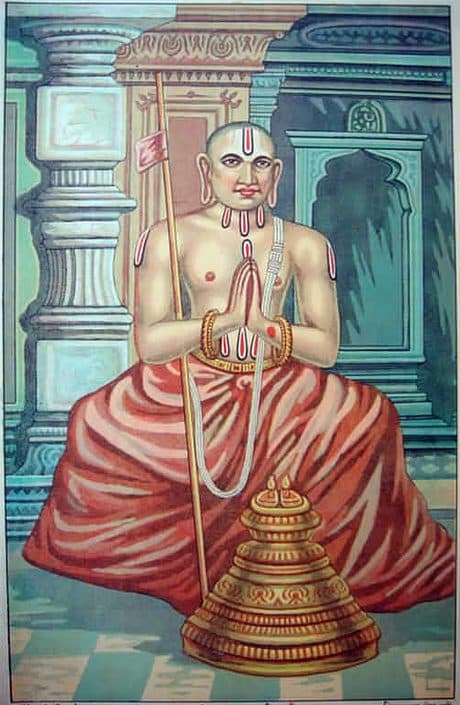
Rāmānuja · Viśiṣṭādvaita
English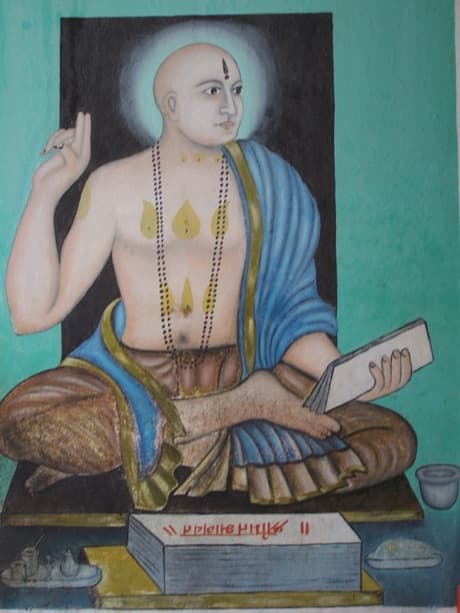
Madhvācārya · Dvaita
SanskritEnglishOn verses 10.9–10.17
“ब्रह्म परिपूर्णम् - अथ कसमुद्भूते परं ब्रह्म | बृहति बृहयन्ति च इति हि श्रुतिः | बृह बृह बृहि बृहौ इति पठन्ति | परमं यो महद् ब्रह्म इति च | विविधमासीद् इति विभुः | तथाहि वारुणशाखायाम् - विभु प्रभु प्रथमं मेहवानत इति | स ह्येव प्राभवद् विविधोऽभवत् इति | सोऽकामयत बहु स्यां प्रजयेय इत्यदेशः ||” - Brahman is entirely complete. Why is Brahman called the supreme? Because, He is complete and makes others also complete, say the Scriptures. बृह बृहि from these roots to suggest to expand. “Supreme is the Great Brahman”, thus it is said. Since it assumes various forms, it is said to be all-pervading, thus in Varuna section. “All pervading, Energiser the First among all. He, verily, expands to become the many”. “He willed, Let Me be many”. “विविधभूतयो विभूतयः |” विभूतयः means विविधभूतयः various manifest forms.
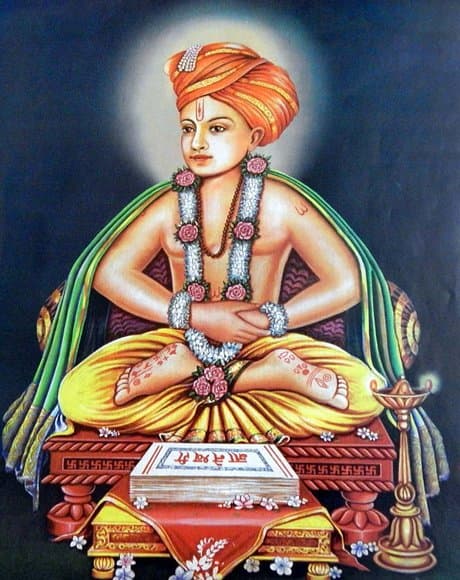
Jñāneśvar · Vārkarī
English9 "With their mind rivetted on Me—with their life absorbed in Me—enlightening each other (by mutual instruction)—and ever recounting tales of Me: (such men) find (therein) contentment and joy. (119) Those that in heart and soul are fully united to Me and have found their highest contentment in Me, have by lure of self-knowledge unlearnt all sense of life and death. And in the sheer ecstasy of self-knowledge, they dance with the joy of converse that gives and takes self-knowledge. When two close-lying lakes are heavily flooded to overflowing into each other, the breakers are joined in mutual embrace: so in the union of souls waking up the self-vision, the surgings of Divine ecstasy are woven into the harmony of the purest joy, whereby the grandeur of self-vision displays itself in the lustrous beauties of self-vision. As if one sun goes out to dance himself into rapturous worship of another sun; or as if one moon holds another in embrace; or again as if two streams of equal might have rushed into each other; in that way, the coming together of such blessed souls reveals a confluence of sacred streams of Divine life, throwing up on its surface dross of the eight-fold bodily flushing and the suffusion of Sattwa. Then they (the devotees—men of God-seeing wisdom) become, as it were, the presiding deities, on the high road of dialogue of soul and soul. Overflowing with this Supreme bliss of self-vision and the rapturous transport of being one with Me, they outrun the precincts of their bodily life and shout for joy of having seen God, in a thundrous voice, proclaiming to the whole world the secret and mystic word of truth, which only the master discloses in solitude to the initiated one. As the blooming bud of a lotus unable to hold its sweet smell in itself, wafts it liberally to all, high and low, those devotees extol Me to the world, and extolling, are hushed into eternal silence of soul's joy, and lose their earthly body and mind in that eternal silence. Utterly oblivious of time's flow day and night, in the bliss of this overflow of God's love, they are settled in the enjoyment of everlasting bliss in union with Me.
Swami Ramsukhdas · Modern
English[Those who have realized, that the Lord is the origin and source of inspiration of all things and creatures, for them nothing remains to be done, to be known and to be acquired. They have ever, to be engrossed in Him. The same fact, has been explained in this verse.]
'Maccittā'—Their minds are fixed on the Lord. There are two things—one is the fixation of the mind on the Lord, and the second is fixation of the self on the Lord. When a devotee, by admitting the fact that he is the Lord's, is absorbed in Him, his mind, intellect etc., are automatically absorbed in Him, because, these organs depend on the doer. So, if a devotee worships the Lord and wants to fix his mind on Him, by thinking, that he is a worldly householder, it is very difficult for him to fix his mind. It means, that if he himself remains devoted to the world, and attempts to absorb his mind in God, it is practically impossible.
Secondly, a person can fix his mind on what he likes the most, and he likes the most a thing or person with whom he has affinity. So, a devotee should admit the fact, that he is only the Lord's and the Lord is only, his. The body and the world, are not his. So he surrenders himself to Him and His will, becomes his will. Such devotees, are said to have fixed their minds on God.
things himself—to fix his mind on Him and to surrender himself to Him. The next two points—enlightening each other and ever speaking of Him, occur when two devotees meet and the last two—contentment and the delight are the fruits of the first four.
In the Gītā 'Mana' and 'Citta', have been used in different senses (6/14) as well as, in the same sense. Here, it has been used in the same sense as in 7/4. It means that it includes both 'Mana' and 'Citta'.
**'Madgatapraṇā'**—They surrender their life and actions, spiritual as well as mundane to the Lord. Just like cowherdesses, they surrender their lives to Him. They are not attached to their vital force. They have, neither a desire to live, nor are afraid of death, because they know that they are different, from life and have no affinity with it, while their affinity with the Lord is axiomatic. So, a striver's only aim, should be to realize God without caring for favourable and unfavourable circumstances, such as health and sickness, respect, insult and pleasure and pain etc.
**'Bodhayantaḥ parasparam'**—When two devotees meet, they talk about the sport, secrets, qualities and glories of the Lord. Thus, they share His devotion, with each other and are more absorbed in Him.* They are enlightened, with the help of each other, in the same way, as darkness is dispelled from under two lighted earthen lamp, if they are placed, facing each other. Such devotion and enlightenment is not possible while concentrating alone.
**'Kathayantaśca mām'**—When they meet, any devotee who is interested in listening to, a divine discourse, they hold the discourse. As Sanaka etc., all the four hold divine discourses, and also listen to them. One of them, becomes a speaker and the other three become, the listeners. But the speaker is not proud of his talent, and the listener is not ashamed of his becoming, a listener.
**Nityam tuṣyanti ca'**—Thus the exchange of those divine
* It is the nature of devotees that their organs of speech, ears and minds are applied respectively in uttering, hearing and thinking of the Lord's sports only. As lustful men relish sex talks, so do devotees relish the Lord's sports and stories (Śrīmadbhā, 10/13/2).
discourses relating to various sports, qualities, glories and secret etc., of the Lord, creates contentment. They get contentment, only in Him.
'Ramanti ca'—They take delight in him. In that state, they become one with Him, there is no difference in them. Sometimes, a devotee has devotion to the Lord, while at times the Lord, becomes a devotee to His own devotee. In this way, the sport of love, between the Lord and his devotee, continues for infinite ages and this love, enhances every moment.
Thus a striver should direct all his feelings and actions, towards the Lord.
Appendix—Here the Lord describes the unfaltering Yoga of devotion described in the seventh verse. The mind of devotees ever remains absorbed in God, it does not wander anywhere. From their view-point, when there is no other entity besides God, then where will their mind wander, how will it wander and why will it wander? Those devotees live alive only for God and all their actions are also surrendered to God. If anyone wants to listen to the Lord's qualities, glories, life history and sports etc., they narrate the extraordinary facts of the Lord's life to him, being absorbed in them (glories etc.,) and if anyone is interested in narrating them, the devotees listen to him by getting engrossed in them in a loving manner. In it neither the narrator nor the listener is contented. There is no contentment—this is disunion; and there is even new relish—this is union. Because of this disunion and union, the love is enhanced every moment. In the 'Nārādabhaktisūtra' it is mentioned—
'Kanthāvarodha romāñcāśrubhiḥ parasparam lapamānāḥ pāvayanti kulāni pṛthivīṃ ca' (68)
'Such devotees having exclusive devotion, with choking throat, being thrilled, eyes filled with tears, talking about the glories of the Lord, sanctify their families and the entire earth.'
Link:—By explaining the way of the worship of devotees in the previous verse, now in the next two verses the Lord explains how He responds to devotional activities, of the devotees.
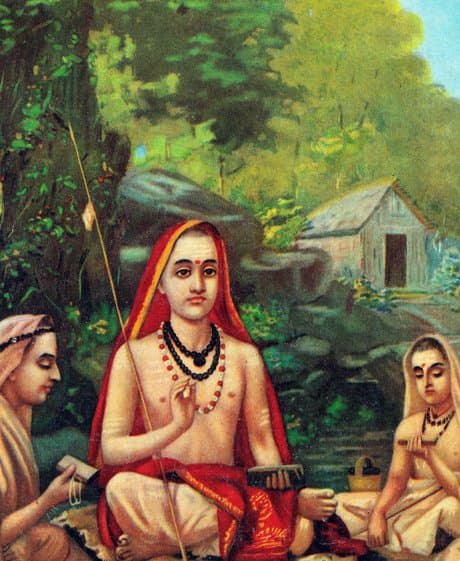
Ādi Śaṅkarācārya · Advaita
Sanskritमत्-चित्ताः, मयि चित्तं येषां ते मत्-चित्ताः, मत्-गत-प्राणाः मां गताः प्राप्ताः चक्षुः-आदयः प्राणाः येषां ते मत्-गत-प्राणाः, मयि उपसंहृत-करणाः इति अर्थः । अथवा, मत्-गत-प्राणाः मत्-गत-जीवनाः इति एतत् । बोधयन्तः अवगमयन्तः परस्परं अन्योन्यम्, कथयन्तः च ज्ञान-बल-वीर्य-आदि-धर्मैः विशिष्टं माम्, तुष्यन्ति च परितोषम् उपयान्ति च रमन्ति च रतिं च प्राप्नुवन्ति प्रिय-सङ्गति एव ॥ ये यथोक्तैः प्रकारैः भजन्ते मां भक्ताः सन्तः --
Ādi Śaṅkarācārya · Advaita
Hindiमुझमें ही जिनका चित्त है वे मच्चित्त हैं तथा मुझमें ही जिनके चक्षु आदि इन्द्रियरूप प्राण लगे रहते हैं—मुझमें ही जिन्होंने समस्त करणोंका उपसंहार कर दिया है वे मद्गतप्राण हैं अथवा जिन्होंने मेरे लिये ही अपना जीवन अर्पण कर दिया है वे मद्गतप्राण हैं।
ऐसे मेरे भक्त आपसमें एक-दूसरेको (मेरा तत्त्व) समझाते हुए एवं ज्ञान, बल और सामर्थ्य आदि गुणोंसे युक्त मुझ परमेश्वरके स्वरूपका वर्णन करते हुए सदा संतुष्ट रहते हैं अर्थात् संतोषको प्राप्त होते हैं और रमण करते हैं अर्थात् मानो कोई अपना अत्यन्त प्यारा मिल गया हो उसी तरह रतिको प्राप्त होते हैं
Jñāneśvar · Vārkarī
Marathiचित्तें मीचि जाहाले । मियांचि प्राणें धाले । जीवों मरों विसरले । बोधाचिया भुली ॥ ११९ ॥
मग तया बोधाचेनि माजे । नाचती संवादसुखाचीं भोजें । आतां एकमेकां घेपे दीजे । बोधचि वरी ॥ १२० ॥
जैशीं जवळिकेंचीं सरोवरें । उचंबळलिया कालवती परस्परें । मग तरंगासि धवळारें । तरंगचि होती ॥ १२१ ॥
तैसी येरयेरांचिये मिळणी । पडत आनंदकल्लोळांची वेणी । तेथ बोध बोधाचीं लेणीं । बोधेंचि मिरवी ॥ १२२ ॥
जैसें सूर्यें सूर्यातें वोंवाळिलें । कीं चंद्रें चंद्रम्या क्षेम दिधलें । ना तरी सरिसेनि पाडें मीनले । दोनी वोघ ॥ १२३ ॥
तैसें प्रयाग होत सामरस्याचें । वरी वोसाण तरत सात्त्विकाचें । ते संवादचतुष्पथींचे । गणेश जाहले ॥ १२४ ॥
तेव्हां तया महासुखाचेनि भरें । धांवोनि देहाचिये गांवाबाहेरें । मियां धाले तेणें उद्गारें । लागती गाजों ॥ १२५ ॥
पैं गुरुशिष्यांचां एकांतीं । जे अक्षरा एकाची वदंती । ते मेघाचियापरी त्रिजगतीं । गर्जती सैंघ ॥ १२६ ॥
जैसी कमळकळिका जालेपणें । हृदयींचिया मकरंदातें राखों नेणें । दे राया रंका पारणें । आमोदाचें ॥ १२७ ॥
तैसेंचि मातें विश्वीं कथित । कथितेनि तोषें कथूं विसरत । मग तया विसरामाजीं विरत । आंगें जीवें ॥ १२८ ॥
ऐसें प्रेमाचेनि बहुवसपणें । नाहीं राती दिवो जाणणें । केलें माझें सुख अव्यंगवाणें । आपणपेयां जिहीं ॥ १२९ ॥
Jñāneśvar · Vārkarī
Hindi(10.119) वे भक्त चित्त से मद्दत हो जाते हैं, मुझसे ही उनके प्राण सन्तुष्ट रहते हैं, और ज्ञानरूपी भ्रम के कारण वे जन्म-मरण भूल जाते हैं
(10.120) तथा उस ज्ञान के नशे में वे परस्पर संवादसुख के सन्तोष से नाचते हैं; आपस में ज्ञान का ही लेन-देन करते हैं।
(10.121) जैसे दो सरोवर पास पास हों तो उनकी तरंग उछलती हुई आपस में मिल जाती हैं, और तरंग ही मानों तरंगों की आश्रयभूत मन्दिर बन जाती हैं (10.122) वैसे ही एक दूसरे के सम्मेलन से उन भक्तों की आनन्द-तरंगों की वेणी बन जाती है और उसमें ज्ञान स्वयं ज्ञानरूप हो। ज्ञान के ही अलंकार पहनता है।
(10.123) जैसे सूर्य सूर्य की आरती करे, अथवा चन्द्र चन्द्र को आलिंगन दे, अथवा दो समान प्रवाह ही मिल जाये,
(10.124) वैसे ही उनकी एकरूपता का प्रयाग बन जाता है और उसमें सात्विक भाव कचरा-सा बहता है। वे मानो संवादरूपी चौराहे में स्थापित किये हुए गणेश हो जाते हैं
(10.125) और महासुख के अतिरेक द्वारा देहरूपी गाँव के बाहर आकर मेरी प्राप्ति के तृप्तिसूचक उद्धारों से गरजने लगते हैं।
(10.126) गुरु-शिष्यों के एकान्त में जो एकाक्षरी मन्त्र कहा जाता है उसी का वे तीनों जगतों में चहुँओर मेघ के समान गर्जना कर कहते हैं।
(10.127) जैसे कमल की कली विकसित होने पर मकरन्द को हृदय में नहीं रख सकती और राव-रंक को आमोद की भेंट दे देती है (10.128) वैसे ही विश्व में वे मेरा वर्णन करते हैं, कथा के सन्तोष से कथा में ही भूल जाते हैं, और उसी भूल में तन-मन से रममाण हो जाते हैं।
(10.129) इस प्रकार प्रेम की अधिकाई के कारण जो दिन और रात नहीं जानते, जिन्होंने मेरा पूर्ण सुख पा लिया है,
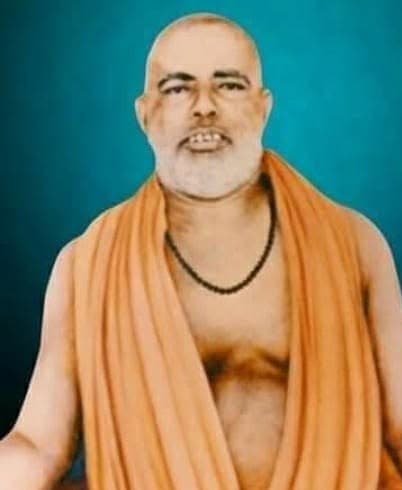
Sri Udiya Baba · Modern
Hindiसंगति— अगला श्लोक भक्ति की सिद्धावस्था का है—
भावार्थ— मुझमें ही चित्त और मुझमें ही प्राण लगाने वाले, भक्तजन परस्पर मेरा ही विवेचन और मेरा ही कथन करते हुए सर्वदा सन्तुष्ट होते और स्मरण करते हैं।
व्याख्या— जिनका चित्त भगवान् के चित्त में मिल गया है, वे मच्चित है और जिनके प्राण भगवान् के प्राणों में मिल गये हैं वे मद्गतप्राण हैं। अर्थात् जिन्होंने निरन्तर अपने चित्त और प्राणों को भगवान् में लगा रखा है। अथवा 'मच्चिताः' से जिसकी ज्ञानेन्द्रियाँ और 'मद्गतप्राणाः' से जिनकी कर्मेन्द्रियाँ भगवान् में अर्पित हो गयी हैं ऐसे आपस में भगवान् का गुणानुवाद करते हुए सन्तुष्ट होते हैं और सर्वदा भगवान् में ही रमण करते हैं। निरन्तर इष्ट-चिन्तन ही रमण है।
इस श्लोक का ज्ञान-परक अर्थ इस प्रकार होगा कि वे बोधवान् परस्पर चर्चा करते हुए अपने अनुभव के अनुसार तत्त्व का विवेचन करके आत्मा में सन्तुष्ट रहते और निरन्तर आत्मा में ही रमण करते हैं। परन्तु वास्तव में यह प्रकरण भक्ति का ही है। जो भगवद्भक्ति से सन्तुष्ट है उसे ज्ञान की क्या आवश्यकता है। सम्पूर्ण गीता में यह तथा अध्याय ७ का २३ वाँ श्लोक शुद्ध भक्ति का प्रतिपादन करने वाले हैं। अन्यत्र तो ज्ञान के साधन रूप से ही भक्ति का प्रतिपादन हुआ है, परन्तु इन दो श्लोकों में भक्ति स्वतन्त्र है।
Swami Ramsukhdas · Modern
Hindi[इस श्लोकमें छः बातें हैं। उनमेंसे ‘मच्चित्ताः’ और ‘मद्गतप्राणाः’ ये दो बातें स्वयं करनेकी हैं अर्थात् भक्त स्वयं स्वतन्त्रतापूर्वक ऐसे बन जाते हैं, ‘बोधयन्तः’ और ‘कथयन्तः’—ये दो बातें आपसमें मिलनेपर होती हैं तथा ‘तुष्यन्ति और रमन्ति’—ये दो बातें फलरूपमें होती हैं।
भगवान्से ही सब उत्पन्न हुए हैं और भगवान्से ही सबकी चेष्टा हो रही है अर्थात् सबके मूलमें परमात्मा है—यह बात जिनको दृढ़तासे और निःसन्देहपूर्वक जँच गयी है, उनके लिये कुछ भी करना, जानना और पाना बाकी नहीं रहता। बस, उनका एक ही काम रहता है—सब प्रकारसे भगवान्में ही लगे रहना। यही बात इस श्लोकमें बतायी गयी है। ]
‘मच्चित्ताः’—वे मेरेमें चित्तवाले हैं। एक स्वयंका भगवान्में लगना होता है और एक चित्तको भगवान्में लगाना होता है। जहाँ ‘मैं भगवान्का हूँ’ ऐसे स्वयं भगवान्में लग जाता है, वहाँ चित्त, बुद्धि आदि सब स्वतः भगवान्में लग जाते हैं। कारण कि कर्ता-(स्वयं-) के लगनेपर करण (मन, बुद्धि आदि) अलग थोड़े ही रहेंगे! वे भी लग जायेंगे। करणोंके लगनेपर तो कर्ता अलग रह सकता है, पर कर्ताके लगनेपर करण अलग नहीं रह सकते। जहाँ कर्ता रहेगा, वहाँ करण भी रहेंगे। कारण कि करण कर्ताके ही अधीन होते हैं। कर्ता स्वयं जहाँ लगता है, करण भी वहाँ लगते हैं। जैसे, कोई मनुष्य परमात्मप्राप्तिके लिये सच्चे हृदयसे साधक बन जाता है, तो साधनमें उसका मन स्वतः लगता है। उसका मन साधनके सिवाय अन्य
किसी कार्यमें नहीं लगता और जिस कार्यमें लगता है, वह कार्य भगवान्का ही होता है। कारण कि स्वयं कर्ताके विपरीत मन-बुद्धि आदि नहीं चलते। परन्तु जहाँ स्वयं भगवान्में नहीं लगता, प्रत्युत ‘मैं तो संसारी हूँ’, ‘मैं तो गृहस्थ हूँ’—इस प्रकार स्वयंको संसारमें लगाकर चित्तको भगवान्में लगाना चाहता है, उसका चित्त भगवान्में निरन्तर नहीं लगता। तात्पर्य है कि स्वयं तो संसारी बना रहे और चित्तको भगवान्में लगाना चाहे, तो भगवान्में चित्त लगना असम्भव-सा है।
दूसरी बात, चित्त वहाँ लगता है, जहाँ प्रियता होती है। प्रियता वहाँ होती है, जहाँ अपनापन होता है, आत्मीयता होती है। अपनापन होता है—भगवान्के साथ स्वयंका सम्बन्ध जोड़नेसे। ‘मैं केवल भगवान्का हूँ और केवल भगवान् ही मेरे हैं, शरीर-संसार मेरा नहीं है। मेरेपर प्रभुका पूरा अधिकार है, इसलिये वे मेरे प्रति चाहे जैसा बर्ताव या विधान कर सकते हैं। परन्तु मेरा प्रभुपर कोई अधिकार नहीं है अर्थात् वे मेरे हैं तो मैं जैसा चाहूँ, वे वैसा ही करें—ऐसा कोई अधिकार नहीं है’—इस प्रकार जो स्वयंको भगवान्का मान लेता है, अपने-आपको भगवान्के अर्पित कर देता है, उसका चित्त स्वतः भगवान्में लग जाता है। ऐसे भक्तोंको ही यहाँ ‘मच्चित्ताः’ कहा गया है।
यहाँ ‘मच्चित्ताः’ पदमें चित्तके अन्तर्गत ही मन है अर्थात् मनोवृत्ति अलग नहीं है। गीतामें चित्त और मनको एक भी कहा है और अलग-अलग भी; जैसे ‘भूमिरापोऽनलो वायुः खं मनो बुद्धिरेव च’ (७।४)—यहाँ मनके अन्तर्गत ही चित्त है और ‘मनः संयम्य मच्चित्तः’
(६।१४)—यहाँ मन और चित्त अलग-अलग हैं। परन्तु इस श्लोकमें आये 'मच्चित्ताः' पदमें मन और चित्त एक ही हैं, दो नहीं।
'मद्गतप्राणाः'—उनके प्राण मेरे ही अर्पण हो गये हैं। प्राणोंमें दो बातें हैं—जीना और चेष्टा। उन भक्तोंका जीना भी भगवान्के ही लिये है और शरीरकी सम्पूर्ण चेष्टाएँ (क्रियाएँ) भी भगवान्के लिये ही हैं। शरीरकी जितनी क्रियाएँ होती हैं, उनमें प्राणोंकी ही मुखरता होती है। अतः उन भक्तोंकी यज्ञ, अनुष्ठान आदि शास्त्रीय; भजन-ध्यान, कथा-कीर्तन आदि भगवत्सम्बन्धी; खाना-पीना आदि शारीरिक; खेती, व्यापार आदि जीविका-सम्बन्धी; सेवा आदि सामाजिक आदि-आदि जितनी क्रियाएँ होती हैं, वे सब भगवान्के लिये ही होती हैं। उनकी क्रियाओंमें क्रियाभेद तो होता है, पर उद्देश्यभेद नहीं होता। उनकी मात्र क्रियाएँ एक भगवान्के उद्देश्यसे ही होती हैं। इसलिये वे 'भगवद्गतप्राण' होते हैं।
जैसे गोपिकाओंने 'गोपीगीत' में भगवान्से कहा है कि हमने अपने प्राणोंको आपमें अर्पण कर दिया है—'त्वयि धृतासवः' (श्रीमद्भा० १०।३१।१), ऐसे ही भक्तोंके प्राण केवल भगवान्में रहते हैं। उनका जितना भगवान्से अपनापन है, उतना अपने प्राणोंसे नहीं। हरेक प्राणीमें 'किसी भी अवस्थामें मेरे प्राण न छूटें' इस तरह जीनेकी इच्छा रहती है। यह प्राणोंका मोह है, स्नेह है। परन्तु भगवान्के भक्तोंका प्राणोंमें मोह नहीं रहता। उनमें 'हम जीते रहें' यह इच्छा नहीं होती और मरनेका भय भी नहीं होता। उनको न जीनेसे मतलब रहता है और न मरनेसे। उनको तो केवल भगवान्से मतलब रहता है। कारण कि वे इस बातको अच्छी तरहसे जान जाते हैं कि मरनेसे तो प्राणोंका ही वियोग होता है, भगवान्से तो कभी वियोग होता ही नहीं। प्राणोंके साथ हमारा सम्बन्ध नहीं है, पर भगवान्के साथ हमारा स्वतःसिद्ध घनिष्ठ सम्बन्ध है। प्राण प्रकृतिके कार्य हैं और हम स्वयं भगवान्के अंश हैं।
ऐसे 'मद्गतप्राणाः' होनेके लिये साधकको सबसे पहले यह उद्देश्य बनाना चाहिये कि हमें तो भगवत्प्राप्ति
ही करनी है। सांसारिक चीजें प्राप्त हों या न हों, हम स्वस्थ रहें या बीमार, हमारा आदर हो या निरादर, हमें सुख मिले या दुःख—इनसे हमारा कोई मतलब नहीं है। हमारा मतलब तो केवल भगवान्से है। ऐसा दृढ़ उद्देश्य बननेपर साधक 'भगवद्गतप्राण' हो जायगा।
'बोधयन्तः परस्परम्'—उन भक्तोंको भगवद्भाववाले, भगवद्भाववाले मिल जाते हैं तो उनके बीच भगवान्की बात छिड़ जाती है। फिर वे आपसमें एक-दूसरेको भगवान्के तत्त्व, रहस्य, गुण, प्रभाव आदि जानते हैं तो एक विलक्षण सत्संग होता है। जब वे आपसमें भावपूर्वक बातें करते हैं, तब उनके भीतर भगवत्सम्बन्धी विलक्षण-विलक्षण बातें स्वतः आने लगती हैं। जैसे दीपकके नीचे अँधेरा रहता है, पर दो दीपक एक-दूसरेके सामने रख दें तो दोनों दीपकोंके नीचेका अँधेरा दूर हो जाता है। ऐसे ही जब दो भगवद्भक्त एक साथ मिलते हैं और आपसमें भगवत्-सम्बन्धी बातें चल पड़ती हैं, तब किसीके मनमें किसी तरहका भगवत्सम्बन्धी विलक्षण भाव पैदा होता है तो वह उसे प्रकट कर देता है तथा दूसरेके मनमें और तरहका भाव पैदा होता है तो वह भी उसे प्रकट कर देता है। इस प्रकार आदान-प्रदान होनेसे उनमें नये-नये भाव प्रकट होते रहते हैं। परन्तु अकेलेमें भगवान्का चिन्तन करनेसे उतने भाव प्रकट नहीं होते। अगर भाव प्रकट हो भी जायें तो अकेले अपने पास ही रहते हैं, उनका आदान-प्रदान नहीं होता।
'कथयन्तश्च माम्'—उनको भगवान्की कथा-लीला सुननेवाला कोई भगवद्भक्त मिल जाता है, तो वे भगवान्की कथा-लीला कहना शुरू कर देते हैं। जैसे सनकादि चारों भगवान्की कथा कहते हैं और सुनते हैं। उनमें कोई एक वक्ता बन जाता है और तीन श्रोता बन जाते हैं। ऐसे ही भगवान्के प्रेमी भक्तोंको कोई सुननेवाला मिल जाता है तो वे उसको भगवान्की कथा, गुण, प्रभाव, रहस्य आदि सुनाते हैं और कोई सुनानेवाला मिल जाता है तो स्वयं सुनने लग जाते हैं। परन्तु उनमें सुनाते समय 'वक्ता' बननेका अभिमान नहीं होता और सुनते समय 'श्रोता' बननेकी लज्जा नहीं होती।
* सतामयं सारभूतां निसर्गो यदर्थवाणीश्रुतिचेतसामपि। प्रतिक्षणं नव्यवदच्युतस्य यत् स्त्रिया विटानामिव साधुवातां॥
(श्रीमद्भा० १०।१३।२)
'सार-तत्त्वको धारण करनेवाले पुरुषोंका यह स्वभाव होता है कि उनकी वाणी, कान और अन्तःकरण भगवान्की लीलाओंको गाने, सुनने और चिन्तन करनेके लिये ही होते हैं। जैसे लम्पट पुरुषोंको स्त्रियोंकी चर्चामें नयापन मालूम देता है, ऐसे ही भक्तोंको भगवान्की लीलाओंमें, कथाओंमें नित्य नयापन मालूम देता है।
‘नित्यं तुष्यन्ति च’—इस तरह भगवान्की कथा, लीला, गुण, प्रभाव, रहस्य आदिको आपसमें एक-दूसरेको जनाते हुए और उनका ही कथन तथा चिन्तन करते हुए वे भक्त नित्य-निरन्तर सन्तुष्ट रहते हैं। तात्पर्य है कि उनकी सन्तुष्टिका कारण भगवान्के सिवाय दूसरा कोई नहीं रहता, केवल भगवान् ही रहते हैं।
‘रमन्ति च’—वे भगवान्में ही रमण अर्थात् प्रेम करते हैं। इस प्रेममें उनमें और भगवान्में भेद नहीं रहता—
**परिशिष्ट भाव**—यहाँ भगवान् सातवें श्लोकमें वर्णित अविचल भक्तियोगका वर्णन करते हैं। भगवान्के भक्तोंका चित्त एक भगवान्को छोड़कर कहीं नहीं जाता। उनकी दृष्टिमें जब एक भगवान्के सिवाय और कुछ है ही नहीं तो फिर उनका चित्त कहीं जायगा, कैसे जायगा और क्यों जायगा? वे भक्त भगवान्के लिये ही जीते हैं और उनकी सम्पूर्ण चेष्टाएँ भी भगवान्के लिये ही होती हैं। कोई सुननेवाला आ जाय तो वे भगवान्के गुण, प्रभाव आदिकी विलक्षण बातोंका ज्ञान कराते हैं, भगवान्की कथा-लीलाका वर्णन करते हैं और कोई सुनानेवाला आ जाय तो प्रेमपूर्वक सुनते हैं। न तो कहनेवाला तृप्त होता है और न सुननेवाला ही तृप्त होता है! तृप्ति नहीं होती—यह वियोग है और नित नया रस मिलता है—यह योग है। इस वियोग और योगके कारण प्रेम प्रतिक्षण वर्धमान होता है। नारदभक्तिसूत्रमें आया है—
**कण्ठावरोधरोमांचाश्रुभिः परस्परं लपमानाः पावयन्ति कुलानि पृथिवीं च ॥ ६८ ॥**
‘ऐसे अनन्य भक्त कण्ठावरोध, रोमांच और अश्रुयुक्त नेत्रवाले होकर परस्पर सम्भाषण करते हुए अपने कुलोंको और पृथ्वीको पवित्र कर देते हैं।’
**सम्बन्ध**—पूर्वश्लोकमें भक्तोंके द्वारा होनेवाले भजनका प्रकार बताकर अब आगेके दो श्लोकोंमें भगवान् उनपर विशेष कृपा करनेकी बात बताते हैं।
The words mac-citta means those who devote their hearts on Lord Krishna. The words mad-gata-prāṇa means those whose lives cannot exist without Lord Krishna.
Such great beings constantly enlighten each other about His transcendental attributes and extraordinary Līlā’s or divine pastimes and exchange bliss by relating the realisations they have experienced from such.
The sense of satisfaction from the mere conversation about Lord Krishna makes them so blissful that their contentment is permanent and needs nothing else to complete it.
Furthermore simply hearing about Lord Krishna's Līlā’s causes these devotees to become ecstatic, exhibiting a rapturous and exultant glow of love.