

Bhagavad Gītā · Chapter 10 · Vibhūti Yoga
बुद्धिर्ज्ञानमसंमोहः क्षमा सत्यं दमः शमः
सुखं दुःखं भवोऽभावो भयं चाभयमेव च
buddhirjñānamasaṃmohaḥ kṣamā satyaṃ damaḥ śamaḥ|
sukhaṃ duḥkhaṃ bhavo'bhāvo bhayaṃ cābhayameva ca||
Word meanings
for verses 10.4–10.5
बुद्धिः = intellect
ज्ञानम् = knowledge
असम्मोहः = freedom from delusion
क्षमा = forbearance
सत्यम् = truthfulness
दमः = control of the senses
शमः = control of the mind
एव = and
सुखम् = happiness
दुःखम् = sorrow
भवः = coming into being
अभावः = ceasing to be
भयम् = fear
अभयम् = fearlessness
च = and
अहिंसा = non-violence
समता = equanimity
तुष्टिः = contentment
तपः = austerity
दानम् = charity
यशः = fame
च = and
अयशः = infamy
भूतानाम् = of beings
पृथग्विधाः = of various kinds
भावाः = states
मत्तः = from Me
एव = indeed
भवन्ति = arise
Translation
Reason, right knowledge, unclouded understanding, forbearance, veracity, control over the senses and mind, joy and sorrow, evolution and dissolution, fear and fearlessness, non-violence, equanimity, contentment, austerity, charity fame and obloquy,—these diverse traits of creatures emanate from me alone.
verses 4–5
Commentary
The commentators seated around this verse
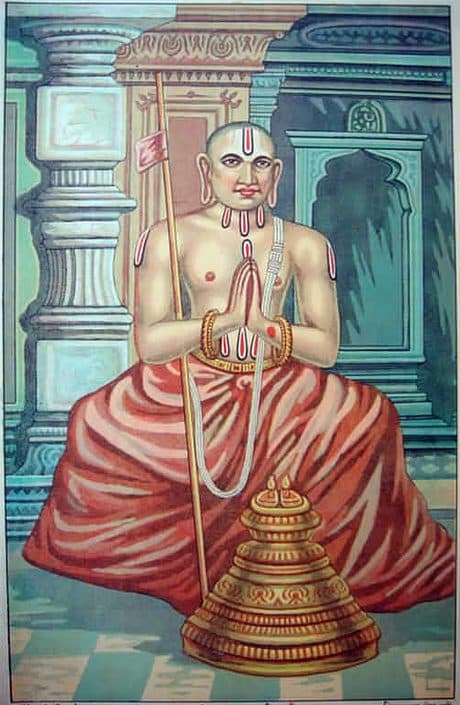
Rāmānuja · Viśiṣṭādvaita
EnglishOn verses 10.4–5
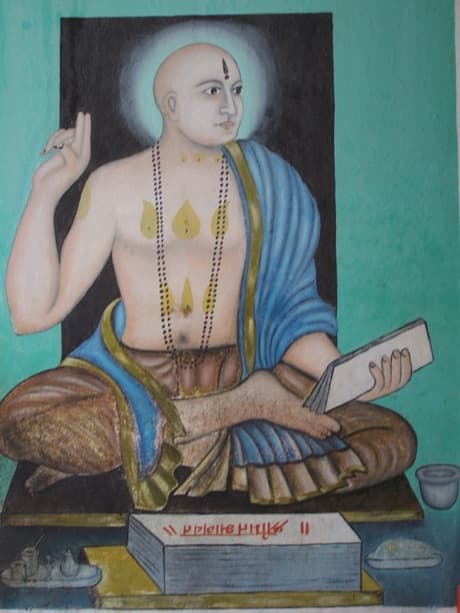
Madhvācārya · Dvaita
Madhva BhāṣyaSanskritEnglishOn verses 10.4–10.5
“त प्रथयति - बुद्धिः इत्यदिना | कार्याकार्यविनिश्चयो बुद्धिः | ज्ञानम् प्रतीतिः - ज्ञानं प्रतीतिर्बुद्धिस्तु कार्याकार्यविनिर्णयः इति अभिधानम् | दम इन्द्रियनिग्रहः | शमः परमात्मनिष्ठा - शमो मन्मिष्ठता बुद्धेर्दम इन्द्रियनिग्रहः इति भागवते || तुष्टिः अलम्बुद्धिः - अलम्बुद्धिस्तथा तुष्टिः इत्याभिधानात् ||” — Sri Krishna clarifies intelligence about performance and non-performance of action. Wisdom is awareness through intelligent experience about performance and non-performance of action. दम means restraint of the senses, शम concentrated abidance in Lord. “शम is unreserved abidance in the Lord and दम is restraint on senses, thus in Bhagavat Puraana. तुष्टि is contentment arising from the acceptance of the limitation of sense objects. “Feeling of limitation of the sense objects is contentment”, thus having been said.
Madhvācārya · Dvaita
Gītā Tātparya NirṇayaSanskritEnglishOn verses 10.4–10.5
“बुद्धिबोधिनिश्चितत्वात् तदन्तःकारणमुच्यते | इति शब्दनिषेधे ||” - Intelligence being enshrined in wisdom, the inner consciousness is also known as intelligence”, thus in Shabda Nirnaya.
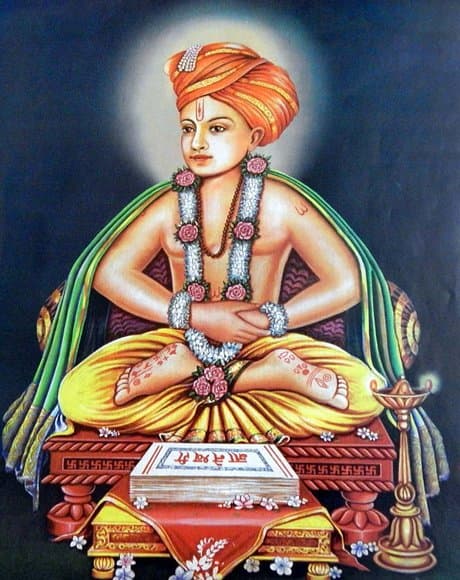
Jñāneśvar · Vārkarī
EnglishOn verses 10.4–10.5
4 "Discrimination, knowledge, (and) undeluded vision; unruffled temper, truthfulness, self-restraint, inward calm; so also, pleasure and pain, elation and depression, fear and fearlessness; 5 "Non-injury, equanimity, contentment, austerity, (and) charity, (and the resulting) success (or) failure (therefrom); all these diverse dispositions of beings proceed from Me alone. (82)
The first and the foremost amongst these is intellect (बुद्धि). Next come unbounded knowledge (ज्ञान), unerring vision and truth (असमोह), endurance (सहनशीलता), forgiveness (क्षमा), truthfulness (सत्य), then both inward calm and self-restraint (शमदम), as also, Oh Arjuna, pleasure, pain, birth and death; these too—are among the emanations. Then fear and fearlessness, non-injury, equanimity, contentment, and austerity, Oh Son of Pandu, so also charity, and fame and obloquy—these qualities that show themselves in created things have emanated indeed from no other source than My eternal being. Individual created beings are different; so too are my manifold emanations. (Of these) some take their origin in the knowledge of My divine being; others are rooted in ignorance. Light that bursts at sunrise and darkness that spreads at sunset—both are caused by the sun. So, are knowing Me and not knowing Me the fruit of actions of past births and hence emanations become different in diverse created beings.
In this way the entire universe of living beings is wrought up within My emanations, Oh Son of Pandu. Now then, let me speak of the eleven emanations that are the guardians of creation. By their command the created beings do live and move.
Swami Ramsukhdas · Modern
EnglishOn verses 10.4–10.5
'Buddhiḥ'—It is the faculty, of deciding something, with an aim.
'Jñānam'—It is discrimination, between the real and the unreal, the proper and the improper, the imperishable and the perishable etc. This discrimination, has been bestowed upon every human being, by God.
'Asammohaḥ'—It is non-delusion. To have a feeling of 'Tness and 'Mincness', with a perishable body and the world, is delusion and its absence, is non-delusion.
'Kṣamā'—Whatever harm, a man may cause, if we bear it in spite of possessing power, to punish him and we have a sentiment, that he should not be punished by God, here or hereafter. This sentiment is called 'Kṣamā'.
'Satyam'—Truth, is the accurate presentation for the welfare of all of what one has heard, seen and known, without selfishness and pride.
'Damaḥ śamaḥ'—By having, the aim of God-realization, control over senses is called 'Damaḥ' and control over the mind, so that it may not think of mundane pleasures is called 'Śamaḥ'.
'Sukhaṃ duḥkham'—Feelings of pleasure in favourable circumstances, is 'Sukham', and feelings of pain, in unfavourable circumstances, is 'Duḥkham'.
'Bhavo'bhāvaḥ'—'Bhava', means birth or evolution of a thing, being and incident etc., while 'Abhāva', means their death or dissolution.
'Bhayaṃ cābhayameva ca'—A feeling of possibility of some undesired result as a fruit of actions, against the saints, scriptures or the social customs is 'Bhaya' (Fear), and lack of fear is 'Abhaya' (Fearlessness).
'Ahiṃsā'—To hurt others, with body, mind and speech etc., in all climes, times and circumstances, is violence and absence
of violence is 'Ahiṁsā' (Non-violence).
'Samatā'—Evenness of mind or temper, in favourable and unfavourable circumstances, is 'samatā' (equanimity).
'Tuṣṭiḥ'—Contentment, in all circumstances, is 'Tuṣṭiḥ'.
'Tapaḥ'—To bear all circumstances happily while performing one's duty is 'Tapaḥ', (austerity). To observe a fast on 'ekādaśī' etc., is also, austerity.
'Dānam'—It is a gift of objects or money, earned by honest means, which is made to a deserving person happily, without having any desire, for the fruit of action (Gītā 17/20).
'Yaśo'yaśaḥ'—Fame, that a man receives as an outcome of his good qualities, feelings and actions, is 'Yaśa' while 'Ayaśaḥ' is ill-fame or disrepute, that a man acquires as outcome of his bad conduct, feelings and deeds.
'Bhavanti bhāvā bhūtānām matta eva pṛthagvidhāḥ'—Diverse feelings, of creatures emanate, from the Lord i.e., He is the base and the root, of all of them.
Here 'Mattaḥ', stands for Lord's power and influence, while 'Pṛthagvidhāḥ' stands, for His divine glories.
One who knows, that all of the good or bad actions and feelings, in the world are nothing but the sport of the Lord gets firmly established in Him, (Gītā 10/7).
Out of the twenty diverse feelings mentioned here, twelve have been called as single and they are all born in the mind. Besides these fearlessness, which makes a pair with fear, is also born in the mind. The remaining seven feelings, are contradictory. Out of these evolution and dissolution, fame and disrepute—these four are fruits of previous actions, while pleasure, pain and fear—these three, are an outcome of folly. A man, is free in wiping out this folly.
The Lord, is the base and root of all these twenty feelings. In the twelfth verse of the seventh chapter also, He declares
that whatever entities there are born of sattva (goodness), of rajas (passion) and tamas (ignorance), know them all, as evolved from Him, alone.
Therefore, the purpose of the Lord is to draw attention towards Him. Who is the source of all divine glories and feelings.
An Important Fact
Whatever a striver, beholds in the world, is the Lord's manifestation, and His sport. His sport, includes His pranks of boyhood at Ayodhyā where He incarnates as Rāma, there He is loved by His father, mother and other people. He is received and shown hospitality, by His father-in-law and mother-in-law, and other people of Janakapurī. Then, His sport continues in the woods, where He comes across, both devotees and demons. Afterwards, in Laṅkā his sport, includes battle and bloodshed. Thus, all these sport have been included in the Rāmāyaṇa. Similarly, all the feelings, actions, whether similar or dissimilar, are the sports of the Lord. So a striver should always behold him, only in various persons, things, incidents and feelings etc., because, He is at the root of all of them.
**Appendix**—From the point of view of knowledge, all feelings emanate from prakṛti, but from the view-point of devotion, all feelings emanate from God. If these feelings are regarded of the self, the self being the 'parā prakṛti' (higher nature) of God, is inseparable (one) with God, therefore these feelings are also of God only. In God these feelings ever persist but in the self they appear and disappear because of its attachment to the aparā (lower nature). As these feelings emanate from God, so they are all the manifestations of God.
'Pṛthagvidhāḥ'—This expression means that as a hand is one but in it there are different fingers, similarly God is one but the feelings, which emanate from Him, are different. Though the
Lord is the same yet different types of opposite feelings persist simultaneously in Him.
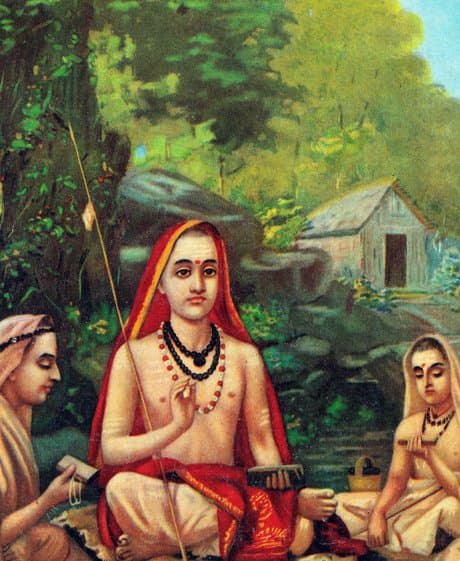
Ādi Śaṅkarācārya · Advaita
Sanskritबुद्धिः अन्तःकरणस्य सूक्ष्म-आदि-अर्थ-अवबोधन-सामर्थ्यम्, तद्वन्तं बुद्धिमान् इति हि वदन्ति । ज्ञानं आत्मा-आदि-पद-अर्थानाम्-अवबोधः । असम्मोहः प्रति-उत्पन्नेषु बोद्धव्येषु विवेक-पूर्विका प्रवृत्तिः । क्षमा आक्रुष्टस्य ताडितस्य वा अविकृत-चित्तता । सत्यं यथा-दृष्टस्य यथा-श्रुतस्य च आत्म-अनुभवस्य पर-बुद्धि-सङ्क्रान्तये तथा एव उच्चार्यमाणा वाक् सत्यं उच्यते । दमः बाह्य-इन्द्रिय-उपशमः । शमः अन्तःकरणस्य उपशमः । सुखं आह्लादः । दुःखं सन्तापः । भवः उद्भवः । अभावः तत्-विपर्ययः । भयं च त्रासः, अभयं एव च तत्-विपरीतम् ॥
Ādi Śaṅkarācārya · Advaita
Hindiइसलिये भी मैं लोकोंका महान् ईश्वर हूँ—
सूक्ष्म, सूक्ष्मतर आदि पदार्थोंको समझनेवाली अन्तःकरणकी ज्ञानशक्तिका नाम बुद्धि है। उससे युक्त मनुष्यको ही 'बुद्धिमान्' कहते हैं।
ज्ञान—आत्मा आदि पदार्थोंका बोध, असम्मोह— जाननेयोग्य पदार्थ प्राप्त होनेपर उनमें विवेकपूर्वक प्रवृत्ति, क्षमा—किसीके द्वारा अपनी निन्दा की जाने या ताड़ना दी जानेपर भी चित्तमें विकार न होना, सत्य—देखने और सुननेसे जिस प्रकारका अपनेको अनुभव हुआ हो, उसको दूसरेकी बुद्धिमें पहुँचानेके लिये उसी प्रकार कही जानेवाली वाणी 'सत्य' कहलाती है, दम—बाह्य इन्द्रियोंको वशमें कर लेना, शम—अन्तःकरणकी उपरति, सुख—आह्लाद, दुःख— सन्ताप, भव—उत्पत्ति, अभाव—उत्पत्तिके विपरीत (विनाश) तथा भय—त्रास और अभय—उसके विपरीत जो निर्भयता है वह भी
Jñāneśvar · Vārkarī
MarathiOn verses 10.4–10.5
ते प्रथम जाण बुद्धी । मग ज्ञान जें निरवधी । असंमोह सहनसिद्धी । क्षमा सत्य ॥ ८३ ॥
मग शम दम दोन्ही । सुख दुःख वर्तत जनीं । अर्जुना भावाभाव मानीं । भावाचिमाजीं ॥ ८४ ॥
आतां भय आणि निर्भयता । अहिंसा आणि समता । हे मम रुपची पांडुसुता । ओळख तू ॥ ८५ ॥
दान यश अपकीर्ती । ते जे भाव सर्वत्र वसती । ते मजचि पासूनि होती । भूतांचा ठायीं ॥ ८६ ॥
जैसीं भूतें आहाति सिनानीं । तैसेचि हेही वेगळाले मानीं । एक उपजती माझां ज्ञानीं । एक नेणती मातें ॥ ८७ ॥
अगा प्रकाश आणि कडवसें । हें सूर्याचिस्तव जैसें । प्रकाश उदयीं दिसे । तम अस्तुसीं ॥ ८८ ॥
आणि माझें जे जाणणें नेणणें । तें तंव भूतांचिया दैवाचें करणें । म्हणौनि भूतीं भावाचें होणें । विषम पडे ॥ ८९ ॥
यापरी माझां भावीं । हे जीवसृष्टि आहे आघवी । गुंतली असे जाणावी । पंडुकुमरा ॥ ९० ॥
आतां इये सृष्टीचे पालक । तयां आधीन वर्तती लोक । ते अकरा भाव आणिक । सांगेन तुज ॥ ९१ ॥
Jñāneśvar · Vārkarī
HindiOn verses 10.4–10.5
(10.83) उनमें प्रथम बुद्धि जानो, और फिर ज्ञान जो निःसीम है, निर्मोहता जो सहनशीलता की सिद्धि है, क्षमा, सत्य,
(10.84) फिर मनोनिग्रह और इन्द्रियनिग्रह, सुख-दुःख जो जगत् में व्यापार करते हैं, और हे अर्जुन! जन्म और नाश जो जगत् में हो रहे हैं;
(10.85) और हे पाण्डुसुत! भय और निर्भयता, अहिंसा और समानता, सन्तोष और तप
(10.86) तथा दान, यश और अपयश आदि जो भाव सर्वत्र प्राणियों में दिखाई देते हैं वे मुझसे ही उत्पन्न होते हैं।
(10.87) जैसे प्राणी भिन्न हैं वैसे ही ये भाव भी अलग अलग जाना। कोई मेरे ज्ञान के समय उत्पन्न होते हैं और कोई अज्ञान के, (10.88) जैसे प्रकाश और अन्धकार दोनों सूर्य के ही कारण होते हैं। प्रकाश सूर्य के उदय के समय होता है और अन्धकार अस्त के समय।
(10.89) मेरा ज्ञान अथवा अज्ञान प्राणियों के भावों का फल है। अतएव भावों के कारण ही प्राणियों में विषमता दिखाई देती है।
(10.90) इस प्रकार हे पाण्डुकुँवर! यह सम्पूर्ण जीव-सृष्टि मेरे भावों से बँधी हुई समझो।
(10.91) अब इस सृष्टि के जो पालक हैं, जिनके अधीन हो लोक व्यवहार करते हैं, उन ग्यारह भावों का और वर्णन कर बताते हैं।
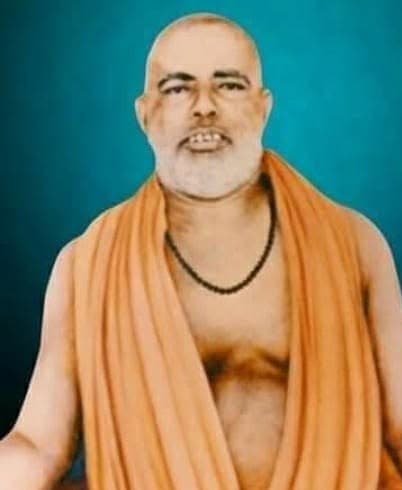
Sri Udiya Baba · Modern
HindiOn verses 10.4–10.5
संगति— आगे के चार श्लोकों में भगवान् अपनी विभूतियों का उल्लेख करते हैं—
भावार्थ— बुद्धि (विवेकवती बुद्धि) ज्ञान, असंमोह (मोहरहित होना), क्षमा, सत्य, दम (इन्द्रिय-निग्रह), शम, सुख, दुःख, उत्पत्ति, नाश, भय, अभय, अहिंसा, समता, सन्तोष, तप, (एकाग्रता) दान (क्षमादान आदि) यश और अपयश—ये भूतों के अलग-अलग जितने भान हैं मुझसे ही होते हैं। अर्थात् मेरी योगमाया से ही होते हैं।
व्याख्या— यहाँ सृष्टि की उत्पत्ति प्रकृति से नहीं भगवान् से ही बतायी है। और जिससे जिसकी उत्पत्ति होती है वह उसी का स्वरूप होता है। जहाँ ऐसा माना जाय कि भगवान् (पुरुष) की सत्ता से प्रकृति सृष्टि-रचना करती है वहाँ सांख्य और योग का सिद्धान्त समझना चाहिये। किन्तु भगवान् से तो सृष्टि उसी प्रकार होती है जैसे स्वप्नद्रष्टा से स्वप्न। वहाँ स्वप्न तो केवल प्रतीतिमात्र है, वास्तव में तो स्पन्दद्रष्टा
ही है। इसी प्रकार आत्मा से भिन्न जगत् नहीं है। वहाँ तो यह दिखलाया है कि ज्ञान और अज्ञान भी भगवान् से भिन्न नहीं है। यही बात भगवान् ने अध्याय ९ श्लोक १९ में कही है तथा अध्याय १५ श्लोक १५ में भी कहेंगे—‘मत्तः स्मृतिर्ज्ञानमपोहनं च’ इत्यादि।
Swami Ramsukhdas · Modern
HindiOn verses 10.4–10.5
‘बुद्धिः’—उद्देश्यको लेकर निश्चय करने-वाली वृत्तिका नाम ‘बुद्धि’ है।
‘ज्ञानम्’—सार-असार, ग्राह्य-अग्राह्य, नित्य-अनित्य, सत्-असत्, उचित-अनुचित, कर्तव्य-अकर्तव्य—ऐसा जो विवेक अर्थात् अलग-अलग जानकारी है, उसका नाम ‘ज्ञान’ है। यह ज्ञान (विवेक) मानवमात्रको भगवान्से मिला है।
‘असम्मोहः’—शरीर और संसारको उत्पत्ति-विनाशशील जानते हुए भी उनमें ‘मैं’ और ‘मेरा’-पन करनेका नाम सम्मोह है और इसके न होनेका नाम ‘असम्मोह’ है।
‘क्षमा’—कोई हमारे प्रति कितना ही बड़ा अपराध करे, अपनी सामर्थ्य रहते हुए भी उसे सह लेना और उस अपराधीको अपनी तथा ईश्वरकी तरफसे यहाँ और परलोकमें कहीं भी दण्ड न मिले—ऐसा विचार करनेका नाम ‘क्षमा’ है।
‘सत्यम्’—सत्यस्वरूप परमात्माकी प्राप्तिके लिये सत्यभाषण करना अर्थात् जैसा सुना, देखा और समझा है, उसीके अनुसार अपने स्वार्थ और अभिमानका त्याग करके दूसरोंके हितके लिये न ज्यादा, न कम—वैसा-का-वैसा
कह देनेका नाम ‘सत्य’ है।
‘दमः शमः’—परमात्मप्राप्तिका उद्देश्य रखते हुए इन्द्रियोंको अपने-अपने विषयोंसे हटाकर अपने वशमें करनेका नाम ‘दम’ है, और मनको सांसारिक भोगोंके चिन्तनसे हटानेका नाम ‘शम’ है।
‘सुखं दुःखम्’—शरीर, मन, इन्द्रियोंके अनुकूल परिस्थितिके प्राप्त होनेपर हृदयमें जो प्रसन्नता होती है, उसका नाम ‘सुख’ है और प्रतिकूल परिस्थितिके प्राप्त होनेपर हृदयमें जो अप्रसन्नता होती है, उसका नाम ‘दुःख’ है।
‘भवोऽभावः’—सांसारिक वस्तु, व्यक्ति, घटना, परिस्थिति, भाव आदिके उत्पन्न होनेका नाम ‘भव’ है और इन सबके लीन होनेका नाम ‘अभाव’ है।
‘भयं चाभयमेव च’—अपने आचरण, भाव आदि शास्त्र और लोक-मर्यादाके विरुद्ध होनेसे अन्तःकरणमें अपना अनिष्ट होनेकी जो एक आशंका होती है, उसको ‘भय’ कहते हैं। मनुष्यके आचरण, भाव आदि अच्छे हैं, वह किसीको कष्ट नहीं पहुँचाता, शास्त्र और सन्तोंके सिद्धान्तसे विरुद्ध कोई आचरण नहीं करता, तो उसके हृदयमें अपना अनिष्ट होनेकी आशंका नहीं रहती अर्थात्
उसको किसीसे भय नहीं होता। इसीको 'अभय' कहते हैं।
'अहिंसा'—अपने तन, मन और वचनसे किसी भी देश, काल, परिस्थिति आदिमें किसी भी प्राणीको किंचिन्मात्र भी दुःख न देनेका नाम 'अहिंसा' है।
'समता'—तरह-तरहकी अनुकूल और प्रतिकूल वस्तु, व्यक्ति, घटना, परिस्थिति आदिके प्राप्त होनेपर भी अपने अन्तःकरणमें कोई विषमता न आनेका नाम 'समता' है।
'तुष्टि'—आवश्यकता ज्यादा रहनेपर भी कम मिले तो उसमें सन्तोष करना तथा और मिले—ऐसी इच्छाका न रहना 'तुष्टि' है। तात्पर्य है कि मिले अथवा न मिले, कम मिले अथवा ज्यादा मिले आदि हर हालतमें प्रसन्न रहना 'तुष्टि' है।
'तप'—अपने कर्तव्यका पालन करते हुए जो कुछ कष्ट आ जाय, प्रतिकूल परिस्थिति आ जाय, उन सबको प्रसन्नतापूर्वक सहनेका नाम 'तप' है। एकादशी-व्रत आदि करनेका नाम भी तप है।
'दानम्'—प्रत्युपकार और फलकी किंचिन्मात्र भी इच्छा न रखकर प्रसन्नतापूर्वक अपनी शुद्ध कमाईका हिस्सा सत्यानको देनेका नाम 'दान' है (गीता—सत्रहवें अध्यायका बीसवाँ श्लोक)।
'यशोऽयशः'—मनुष्यके अच्छे आचरणों, भावों और गुणोंको लेकर संसारमें जो नामकी प्रसिद्धि, प्रशंसा आदि होते हैं, उनका नाम 'यश' है। मनुष्यके बुरे आचरणों, भावों और गुणोंको लेकर संसारमें जो नामकी निन्दा होती है, उसको 'अयश' (अपयश) कहते हैं।
'भवन्ति भावा भूतानां मत्त एव पृथग्विधाः'—प्राणियोंके ये पृथक्-पृथक् और अनेक तरहके भाव मेरेसे ही होते हैं अर्थात् उन सबको सत्ता, स्फूर्ति, शक्ति, आधार और प्रकाश मुझ लोकमहेश्वरसे ही मिलता है। तात्पर्य है कि तत्त्वसे सबके मूलमें मैं ही हूँ।
यहाँ 'मत्तः' पदसे भगवान्का योग, सामर्थ्य, प्रभाव और 'पृथग्विधाः' पदसे अनेक प्रकारकी अलग-अलग विभूतियाँ जाननी चाहिये।
संसारमें जो कुछ विहित तथा निषिद्ध हो रहा है; शुभ तथा अशुभ हो रहा है और संसारमें जितने सद्भाव तथा दुर्भाव हैं, वह सब-की-सब भगवान्की लीला है—इस प्रकार भक्त भगवान्की तत्त्वसे समझ लेता है तो उसका भगवान्में अविकम्प (अविचल) योग हो जाता है (गीता—दसवें अध्यायका सातवाँ श्लोक)।
यहाँ प्राणियोंके जो बीस भाव बताये गये हैं, उनमें बारह भाव तो एक-एक (अकेले) हैं और वे सभी अन्तःकरणमें उत्पन्न होनेवाले हैं और भयके साथ आया हुआ अभय भी अन्तःकरणमें पैदा होनेवाला भाव है तथा बचे हुए सात भाव परस्परविरोधी हैं। उनमेंसे भव (उत्पत्ति), अभाव, यश और अयश—ये चार तो प्राणियोंके पूर्वकृत कर्मोंके फल हैं और सुख, दुःख तथा भय—ये तीन मूर्खताके फल हैं। इस मूर्खताको मनुष्य मिटा सकता है।
यहाँ प्राणियोंके बीस भावोंको अपनेसे पैदा हुए और अपनी विभूति बतानेमें भगवान्का तात्पर्य है कि ये बीस भाव तो पृथक्-पृथक् हैं, पर इन सब भावोंका आधार मैं एक ही हूँ। इन सबके मूलमें मैं ही हूँ, ये सभी मेरेसे ही होते हैं एवं मेरेसे ही सत्ता-स्फूर्ति पाते हैं। सातवें अध्यायके बारहवें श्लोकमें भी भगवान्ने 'मत्त एव' पदोंसे बताया है कि सात्त्विक, राजस और तामस भाव मेरेसे ही होते हैं अर्थात् उनके मूलमें मैं ही हूँ, वे मेरेसे ही होते हैं और मेरेसे ही सत्ता-स्फूर्ति पाते हैं। अतः यहाँ भी भगवान्का आशय विभूतियोंके मूल तत्त्वकी तरफ साधककी दृष्टि करानेमें ही है।
विशेष बात
साधक संसारको कैसे देखे? ऐसे देखे कि संसारमें जो कुछ क्रिया, पदार्थ, घटना आदि है, वह सब भगवान्का रूप है। चाहे उत्पत्ति हो, चाहे प्रलय हो; चाहे अनुकूलता हो, चाहे प्रतिकूलता हो; चाहे अमृत हो, चाहे मृत्यु हो; चाहे स्वर्ग हो, चाहे नरक हो; यह सब भगवान्की लीला है। भगवान्की लीलामें बालकाण्ड भी है, अयोध्याकाण्ड भी है, अरण्यकाण्ड भी है और लंकाकाण्ड भी है। पुरियोंमें देखा जाय तो अयोध्यापुरीमें भगवान्का प्राकट्य है; राजा, रानी और प्रजाका वात्सल्यभाव है। जनकपुरीमें रामजीके प्रति राजा जनक, महारानी सुनयना और प्रजाके विलक्षण-विलक्षण भाव हैं। वे रामजीको दामादरूपसे खिलाते हैं, खेलाते हैं, विनोद करते हैं। वनमें (अरण्यकाण्डमें) भक्तोंका मिलना भी है और राक्षसोंका मिलना भी। लंकापुरीमें युद्ध होता है, मार-काट होती है, खूनकी नदियाँ बहती हैं। इस तरह अलग-अलग पुरियोंमें, अलग-अलग काण्डोंमें भगवान्की तरह-तरहकी लीलाएँ होती हैं। परन्तु तरह-तरहकी लीलाएँ होते हुए भी रामायण एक है और ये
सभी लीलाएँ एक ही रामायणके अंग हैं तथा इन अंगोंसे रामायण सांगोपांग होती है। ऐसे ही संसारमें प्राणियोंके तरह-तरहके भाव हैं, क्रियाएँ हैं। कहींपर कोई हँस रहा है तो कहींपर कोई रो रहा है, कहींपर विद्वद्गोष्ठी हो रही है तो कहींपर आपसमें लड़ाई हो रही है, कोई जन्म ले
रहा है तो कोई मर रहा है, आदि-आदि जो विविध भौतिकी चेष्टाएँ हो रही हैं, वे सब भगवान्की लीलाएँ हैं। लीलाएँ करनेवाले ये सब भगवान्के रूप हैं। इस प्रकार भक्तकी दृष्टि हरदम भगवान्पर ही रहनी चाहिये; क्योंकि इन सबके मूलमें एक परमात्मतत्त्व ही है।
**परिशिष्ट भाव**—ज्ञानकी दृष्टिसे तो सभी भाव प्रकृतिसे होते हैं, पर भक्तिकी दृष्टिसे सभी भाव भगवान्से होते हैं। अगर इन भावोंको जीवका मानें तो जीव भी भगवान्की ही परा प्रकृति होनेसे भगवान्से अभिन्न है; अतः ये भाव भगवान्के ही हुए। भगवान्में तो ये भाव निरन्तर रहते हैं, पर जीवमें अपराके संगसे आते-जाते रहते हैं। भगवान्से उत्पन्न होनेके कारण सभी भाव भगवत्स्वरूप ही हैं।
**‘पृथग्विधाः’** कहनेका तात्पर्य है कि जैसे हाथ एक ही होता है, पर उसमें अँगुलियाँ अलग-अलग होती हैं, ऐसे ही भगवान् एक ही हैं, पर उनसे प्रकट होनेवाले भाव अलग-अलग हैं। एक ही भगवान्में अनेक प्रकारके परस्परविरुद्ध भाव एक साथ रहते हैं!
The various moods, temperaments and dispositions of mankind all emanate from the Supreme Lord Krishna for He is the one who bestows them according to merit.
1) buddhi is the power of the mind to discriminate between the spiritual and the material 2) jñānam is exact knowledge relating to spiritual and non-spiritual matters. 3) asammohah is absence of false conceptions and correct perception of reality. 4) samah is maintaining equilibrium while amidst disturbing elements. 5) satyam is having the veracity to stand up and declare truth for the good of all beings. 6) damah is restraining the external organs from sense gratification. 7) samah is controlling the mind. 8) sukham is experiencing happiness and delightful emotions. 9) duḥkham is experiencing affliction and unhappy emotions. 10) bhāvāḥ is birth of the blissful glow arising from a happy experience. 11) abhavam is the dire sorrow one feels which an unpleasant experience engenders. 12) bhayam is the dreadful fear one has in anticipation of some impending misfortune. 13) abhayam is the absence of fear for whatever may be impending. 14) ahimsa is non-violence to any being by thought, word, or deed. 15) samata is equanimity in whatever situation one finds their self whether good or bad. 16) tuṣṭi is contentment and amiability with all. 17) tapo is bodily austerities such as fasting for spiritual benefit according to the Vedas. 18) dānaṁ is beneficence or the giving in charity to one who is worthy. 19) yaso is fame and renown for possessing excellent qualities. 20) ayasyah is infamy and notoriety for possessing bad qualities.
The subjects discussed here are the descriptions of mental states and imply the state of mind arising from activities designated by these dispositions.
Such temperaments are the active and passive expressions which give impetus to engage in activities or lethargy to remain passive and refrain from engaging in activities.
Yet all these mental states are bequeathed by the Supreme Lord to each of them according to merit accrued.
The next verse will explain the active agents involved in the creating, sustaining and preservation of all of creation as all beings in all existences derive their impulses solely from the will and desire of Lord Krishna.