

Bhagavad Gītā · Chapter 10 · Vibhūti Yoga
बृहत्साम तथा साम्नां गायत्री छन्दसामहम्
मासानां मार्गशीर्षोऽहमृतूनां कुसुमाकरः
bṛhatsāma tathā sāmnāṃ gāyatrī chandasāmaham|
māsānāṃ mārgaśīrṣo'hamṛtūnāṃ kusumākaraḥ||
Word meanings
साम्नाम् = among the sung hymns
बृहत्साम = the Bṛhatsāma
तथा = and
छन्दसाम् = among Vedic metres
गायत्री = the Gāyatrī
अहम् = I am
मासानाम् = among months
मार्गशीर्षः = Mārgaśīrṣa
ऋतूनाम् = among seasons
कुसुमाकरः = spring
अहम् = I am
Translation
Likewise among the Srutis that can be sung, I am the variety known as Brhatsama; while among the Vedic hymns, I am the hymn known as Gayatri. Again, among the twelve months of the Hindu calendar; I am the month known as 'Margasirsa' (corresponding approximately to November); (and) among the six seasons (successively appearing in India in course of a year) I am the vernal season.
Commentary
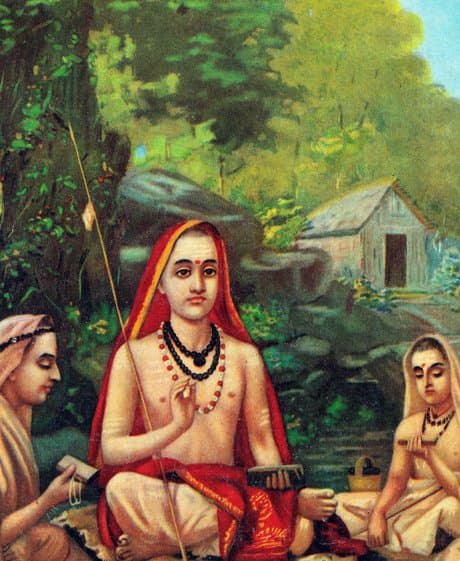
The commentators seated around this verse

Rāmānuja · Viśiṣṭādvaita
English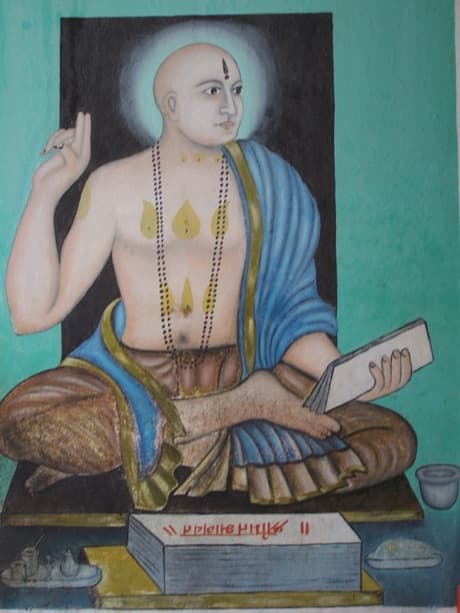
Madhvācārya · Dvaita
SanskritEnglishOn verses 10.31–10.36
“आनन्दरूपत्वात् पूर्णत्वात् लोकरमणत्वाच्च रामः - आनन्दरूपो निष्परिणाम एष लोकश्चैतस्माद् रमते तेन रामः | इति शाण्डिल्यशाखायाम् | रश्च अमश्च इति व्युत्पत्तिः ||” - Being of the form of Bliss, being complete, being the delighter of the people, He is known as Rama. thus in Shandilya section - “Of the blissful form, unlimitable, from whom the world revels, He is Raama”, thus in Shandilya section. र and अम is the root (र + अम = रामः).

Jñāneśvar · Vārkarī
English35 “So too, of the Psalms, I am the Bṛhatsāman, of metres I am the Gāyatri; of months I am the Mārgaśīrsa, of seasons the Flower-abounding (Spring). (281)
I am, O my dear friend, Bṛhatsāman, of the psalms (Vedas). I am also the Gāyatri amongst the metres ( छं ) without doubt. I am (the month of) Mārgaśīrsa amongst the months and the Vasanta (Spring) the flourisher of flowers—amongst the seasons of the year.
Swami Ramsukhdas · Modern
English'Bṛhatsāma tathā sāmnām'—Bṛhatsāma, is a psalm in the
Sāmaveda, devoted to the praise of God, under the name of Indra. In 'Atirātrayāga' it is a 'Prṣṭhastotra' (endorsed hymn). It is regarded as the most prominent and best of psalms, in the Sāmaveda. So the Lord speaks of it, as His divine glory.*
'Gāyatrī chandasāmaham'—The Gāyatrī, is the most important of all the metres, contained in the Vedas. The Gāyatrī, is said to be the mother of the Vedas, because the Vedas have emanated from it. It consists of the trio of God—His form, His prayer and meditation on Him. Therefore, its chanting leads a striver to God-realization. So the Lord, speaks of it, as His very self.
'Māsānām mārgasīrṣo'ham'—The crop, which supplies food to the people is harvested in the month of Mārgasīrṣa. Religious sacrifice, is also performed with the newly harvested crop, in this month. In the days of Mahābhārata, the new year commenced with this month. Hence the Lord declares it to be, His divine glory.
'Rtūnām kusumākaraḥ'—In the spring season, the plant kingdom gets reanimated with fresh leaves and flowers, even without water. The weather is neither too hot nor too cold. So the Lord declares it, to be His divine glory.
Whatever excellence is observed in these divine glories is the Lord's. So a striver, should think only of the Lord, in all divine glories.
Ādi Śaṅkarācārya · Advaita
Sanskritबृहत्-साम तथा साम्नां प्रधानं अस्मि । गायत्री च्छन्दसां अहं गायत्रि-आदि-छन्दो-विशिष्टानां ऋचां गायत्री ऋक् अहं अस्मि इति अर्थः । मासानां मार्गशीर्षः अहम्, ऋतूनां कुसुमाकरः वसन्तः ॥
Ādi Śaṅkarācārya · Advaita
Hindiतथा सामवेदके प्रकरणोंमें जो बृहत्साम नामक प्रधान प्रकरण है वह में हूँ। छन्दोंमें मैं गायत्री छन्द हूँ अर्थात् जो गायत्री आदि छन्दोबद्ध ऋचाएँ हैं उनमें गायत्री नामक ऋचा में हूँ। महीनोंमें मार्गशीर्ष नामक महीना और ऋतुओंमें वसन्त- ऋतु में हूँ
Jñāneśvar · Vārkarī
Marathiवेदराशीचिया सामा- । आंत बृहत्साम जें प्रियोत्तमा । तें मी म्हणे रमा- । प्राणेश्वरु ॥ २८१ ॥
गायत्रीछंद जें म्हणिजे । तें सकळां छंदांमाजीं माझें । स्वरूप हें जाणिजे । निभ्रांत तुवां ॥ २८२ ॥
मासांआंत मार्गशीरु । तो मी म्हणे शारङ्गधरु । ऋतूंमाजीं कुसुमाकरु । वसंतु तो मी ॥ २८३ ॥
Jñāneśvar · Vārkarī
Hindi(10.281) श्रीरमापति ने कहा कि हे प्रियोत्तम! वेदों के समुदाय में जो बृहत्साम हैं
(10.282) वह मैं हूँ। और यह निश्चय जाना कि सब छन्दों में जिसे गायत्री छन्द कहते हैं वह मेरा स्वरूप है। (10.283) शार्ङ्गधर कहते हैं कि मासों में जो मार्गशीर्ष है वह मैं हूँ, और ऋतुओं में पुष्पों की खानि जो वसन्त है वह मैं हूँ।

Sri Udiya Baba · Modern
Hindiभावार्थ— मैं सामवेद के सूक्तों में बृहत्साम हूँ, छन्दों में गायत्री हूँ, महीनों में मार्गशीर्ष हूँ और ऋतुओं में वसन्त हूँ।
Swami Ramsukhdas · Modern
Hindi'बृहत्साम तथा साम्नाम्'—सामवेदमें बृहत्साम नामक एक गीति है। इसके द्वारा इन्द्ररूप परमेश्वरकी स्तुति की गयी है। अतिरात्रयागमें यह एक पृष्ठस्तोत्र है। सामवेदमें सबसे श्रेष्ठ होनेसे इस बृहत्सामको भगवान्ने अपनी विभूति बताया है*।
'गायत्री छन्दसामहम्'—वेदोंकी जितनी छन्दोबद्ध ऋचाएँ हैं, उनमें गायत्रीकी मुख्यता है। गायत्रीको वेद-जननी कहते हैं; क्योंकि इसीसे वेद प्रकट हुए हैं। स्मृतियों और शास्त्रोंमें गायत्रीकी बड़ी भारी महिमा गायी गयी है। गायत्रीमें स्वरूप, प्रार्थना और ध्यान—तीनों परमात्माके ही होनेसे इससे परमात्मतत्त्वकी प्राप्ति होती है। इसलिये भगवान्ने गायत्रीको अपनी विभूति बताया है।
'मासानां मार्गशीर्षोऽहम्'—जिस अन्नसे सम्पूर्ण
प्रजा जीवित रहती है, उस (वर्षासे होनेवाले) अन्नकी उत्पत्ति मार्गशीर्ष महीनेमें होती है। इस महीनेमें नये अन्नसे यज्ञ भी किया जाता है। महाभारत-कालमें नया वर्ष मार्गशीर्षसे ही आरम्भ होता था। इन विशेषताओंके कारण भगवान्ने मार्गशीर्षको अपनी विभूति बताया है।
'ऋतूनां कुसुमाकरः'—वसन्त-ऋतुमें बिना वर्षाके ही वृक्ष, लता आदि पत्र-पुण्योंसे युक्त हो जाते हैं। इस ऋतुमें न अधिक गरमी रहती है और न अधिक सरदी। इसलिये भगवान्ने वसन्त-ऋतुको अपनी विभूति कहा है।
इन सब विभूतियोंमें जो महत्ता, विशेषता दीखती है, वह केवल भगवान्की ही है। अतः चिन्तन केवल भगवान्का ही होना चाहिये।
* इस (दसवें) अध्यायके बाईसवें श्लोकमें भगवान्ने वेदोंमें 'सामवेद' को अपनी विभूति बताया है और यहाँ (पैंतीसवें श्लोकमें) भगवान्ने सामवेदमें भी 'बृहत्साम' को अपनी विभूति बताया है।
Lord Krishna reveals that among the hymns in His vibhūti or His divine, transcendental opulence the Sāma Veda, His foremost vibhūti is the Brihat- sama which is a special prayer that is indicated in the Rig Veda VI.XXXXVI.I beginning tvam rddhim havamahe and glorifies the post of Indra the ruler of all the devas during the time when the Supreme Lord Himself assumes that position as He did in the case of His manavatara incarnation of Dharmasetu.
The word mārga-śīrṣo refers to harvesting month of grains which is His vibhūti and the word ṛtūnāṃ means season and the word kusumākaraḥ means flowery which means His vibhūti is the springtime.