

Bhagavad Gītā · Chapter 10 · Vibhūti Yoga
एतां विभूतिं योगं च मम यो वेत्ति तत्त्वतः
सोऽविकम्पेन योगेन युज्यते नात्र संशयः
etāṃ vibhūtiṃ yogaṃ ca mama yo vetti tattvataḥ|
so'vikampena yogena yujyate nātra saṃśayaḥ||
Word meanings
यः = he who
मम = my
एताम् = this
विभूतिम् = glory
च = and
योगम् = yogic power
तत्त्वतः = in truth
वेत्ति = knows
सः = that
अविकम्पेन = unwavering
योगेन = through the yoga of devotion
युज्यते = becomes united
अत्र = in this
संशयः = doubt
न = not
Translation
He who knows in reality this supreme divine glory and supernatural power of Mine gets established in Me through unfaltering Devotion; of this there is no doubt.
Commentary
The commentators seated around this verse
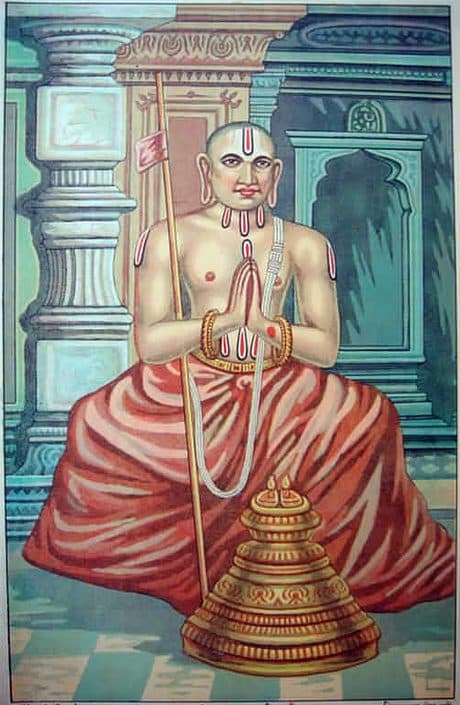
Rāmānuja · Viśiṣṭādvaita
English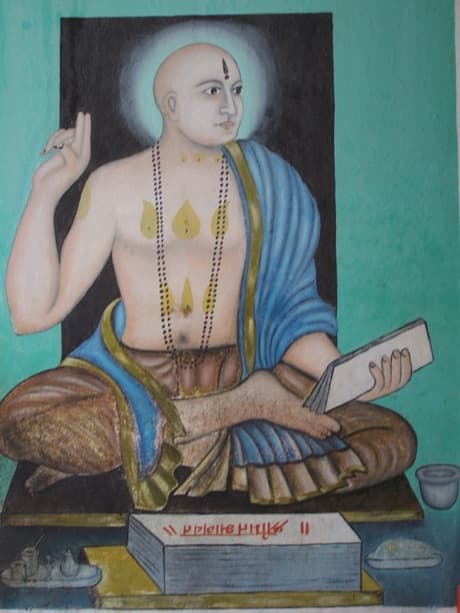
Madhvācārya · Dvaita
Madhva BhāṣyaSanskritEnglishOn verses 10.6–10.7
“पूर्वसप्तपयः - मरीचिरत्रयडिगरसी पुलस्त्यः पुलहः कृतुः वशिष्ठश्च महातेजाः | इति मोक्षधर्मोक्ताः | ते हि सर्वे पुराणमुच्यन्ते | चत्वारः प्रथमाः स्वायम्भुवाद्याः | तेषां हि इमाः प्रजाः | नहि भविष्यतामिमाः प्रजा इति युक्तम् | विभागः प्राधान्यं च प्राथमिकत्वादेव भवति | ताच्योक्तम् गौतमखिलेषु - स्वायम्भुवं स्वारोचिषं रैवतं च तथोत्तमम् | वेद यः स प्रजावान् इति | पूर्वेभ्यो ह्युत्तरा जायन्त इति च तेषां प्राधान्यम् | अजातेषु च ज्येष्ठ्यम् तापसस्य भगवदवतारत्वादनुक्तिः | तच्च भागवते प्रसिद्धम् | मानसत्वं च सवेषां मनुनामुक्तं भागवते — ततो मनुन् ससर्जान्ते मनसा लोकभावनान् इति | अन्यपुत्रत्वं परित्यज्यापि शरीरं तद् भवति | प्रमाणं चोभयवाक्यान्यथानुपपत्तिरेव | पूर्व इति विशेषणाच्चैतत्सिद्धिः | मत्तो भावो येषां ते मद्भावाः | ये ते ब्राह्मणो मनसा जातास्ते मत्त एवाभिजाता इति भावः ||” - Earlier the seers were seven - Marichi, Atri, Angiras, Pulastya, Pulah, Kratu and Vashishtha of the great splendor, thus, in Moksha Dharma and in Puraanaas. Among the four yugas, the first were Svayambhu and others. From them are born these creatures, therefore the reference इमाः प्रजाः is not for the future creatures to be born. This is proper interpretation. These four yugas are mentioned as the primary ones. “Those who know Svayambhu, Svarochita, Raivata and similarly Uttam, for them are assured good progeny...”, thus even in Gautam section. Since from the earlier Manus the subsequent are born, the earlier were the primary ones. Even though Tapasama is senior to Svarochita, his name is not mentioned here because he is one of the descents of the Lord and it would be incongruous with the statement मद्भाव मनसा जातः, thus in Bhagavat Puraana. In Bhagavat Puraana all the Manus have also been enumerated. At the end (four-faced Brahma) created from his mental impulse Manus, as the progenitors. Since they (the Manus) were created without renouncing the body it was possible for them to be born as Priyavrata's sons. Both interpretations are possible to be drawn. This is proved by the use of the word पूर्वे by Sri Krishna. मद्भावः - from My nature., Even though they were born from Brahma's mental impulse they were integrally born of मद्भावः.
Madhvācārya · Dvaita
Gītā Tātparya NirṇayaSanskritEnglishOn verses 10.6–10.7
“मरीचिरत्रयाङ्गिरसी पुलस्त्यः पुलहः कृतुः | वसिष्ठश्च महातेजाः पूर्वे सप्तर्षयः स्मृताः || इति ब्राह्मे | मनवो बोधवैशेष्याद देवा ब्रह्मादयः स्मृताः | विप्रादिवर्णभेदेन चत्वारो बहावेऽपि ते || दीनत्वाद देवनामानस्त्वन्ये ब्रह्मादिनामकाः | अवैष्णवकृतो यज्ञो दीनदेवैस्तु भुज्यते || वैष्णवस्तु कृतो यज्ञो देवैर्हि मनुनामकैः | मरीच्यादास्तु तत्पुत्रा मानवा नामतः स्मृताः || तत्पुत्रपौत्रा मुनयस्तथा मानवमानवाः | तेभ्यो मनुष्या इत्येषा मृष्टिर्विष्णोः समुत्थिताः || इति महाविष्णुपुराणे ||” - Marichi, Atri, Angiras, Pulastya, Pulaha, Kratu and Vashishtha of the great splendour were known as the earlier seven seers. Because of the exceptional intelligence, Brahma and other divinities were also called Manus. Even though these (gods) were many, these were referred to as four Manus, because of the fourfold division like Brahmins etc. Because of their weakness, some of the gods were called as dina - frail gods, while the others as Brahma, Rudra etc. The gods in whose favour sacrifices were performed, but not according to the rules recommended for Sri Vishnu, such ones were known as dina - frail gods. The sacrificial acts towards Sri Vishnu were done only by those gods who were known as Manus. The progeny of Marichi and others were known as maanavas, human beings. Their sons and grandsons thus became the humans, maanavas. These human beings formed part of the creation by Sri Vishnu, thus in Maha Vishnu Puraana.
“युज्यते येन योगोऽसावुपायः शक्तिरेव च | इति च | विशिष्टं भवनं विभूतिः | महत्त्वम् | विविधभवनं वा | योगः सामर्थ्यम् ||” - The method by which desires are enjoined is known as योग. योग primarily empowers differently the different manifestations. योग is the Power, Shakti.
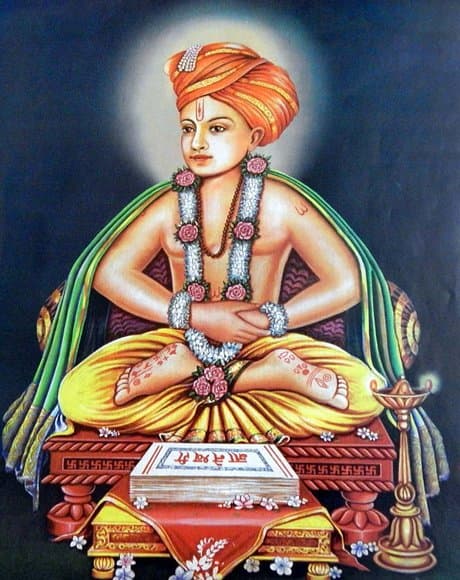
Jñāneśvar · Vārkarī
English7 "This Creative-manifestation of Me, and my even-tempered activism, he who realises in its true-nature, he becomes linked (with Me) in unswerving union; of this there is no doubt. (104)
Therefore, Oh Son of Pandu, these emanations and their specific manifestations are My own reflexions that have pervaded the entire universe. Hence right from the very God Brahmadev, down to the tiny ant, verily there is nothing (in this universe) except My divine self. One who realises this, has indeed awakened to see the light of illumination into which evaporate the bad dream that causes the error of plurality and distinction of better and worse. Through his insight born of Yogic illumination, he sees the unity in My divine being of these created manifestations, as also all created individuals, born of these manifestations. Being free from all doubt and error, through his yogic experience of unity, his mind becomes one with My spirit and undoubtedly he has become completely purified and perfect. And there in the sanctuary that such a yogin builds out of his devotional strains coming from his vision of God's Pure Unity, I would fain make My home. I have already said enough in Chapter six how the devotional path that starts from the yoga of God's unity, must bring him to Me unswervingly, even if he drops his body on the way. To satisfy your yearning to know more of this devotional yoga of God's unity, I speak these words which you hear.
Swami Ramsukhdas · Modern
English'Etām vibhūtim yogam ca mama'—'Etām', stands for 'the near most'—His divine glories and Yoga power, described from the fourth to the sixth verses. 'Vibhūti', stands for His divine manifestations in the form of feeling and persons, glories and 'Yoga', stands for His singular infinite power. All His divine glories, are born of Him. Through the power with which these manifestations take place is His divine Yoga (Gītā 9/5). The same has been called, His supreme Yoga (Gītā 11/8) while, the Lord shows His macrocosmic form to Arjuna.
An Important Fact
When a man enjoys worldly pleasures, his power is mitigated, and the things are destroyed. Thus, there is a double loss. But, if he uses the things without deriving pleasure out of them, his power is not mitigated. Actually, there is no real joy, in enjoying sense-objects. Real joy, comes out of restraint. This self-control, can be classified into two kinds (i) Control over others (ii) Self-control. The first means, that the sorrows of others may be annihilated and they may become happy—with this sentiment to direct them, towards a virtuous path by deviating them from a wrong path. The second one, means, to renounce selfishness and pride, totally and not to enjoy pleasures, in the least. This twofold self-control,
is known as 'Yoga' or 'power'. This Yoga or power, is innate in the Lord, while in other creatures, it is a result of practice.
When a man controls others, with egoistic and selfish feelings, he experiences a sort of joy. In this joy, his power is mitigated and he, whom he controls, becomes a slave. Therefore, instead of this control, there should be such control, in which there is no selfish or egoistic feeling, it involves welfare of others and their freedom from suffering since eternity and attainment of supreme bliss—this is excellent and is supreme control. At the top of it, stands the Lord's control, and that is called 'Yoga'.
The term 'Yoga', also stands for equanimity, union with God and power. The Lord is all-powerful. All power, comes from Him only. This power is partly revealed in man, if he becomes desireless. On having desires, the power decreases, and on effacement of desires, power is accumulated. By working continuously, this power is exhausted and by repose, it is gained, as a man gets tired, by speaking continuously, he regains power by silence. Power is lost in creation, and gained, in dissolution. It means, that power is mitigated by affinity with Nature, and regained by renunciation.
'Yo vetti tattvataḥ'—A discerning man, knows that whatever singularity is seen in the universe, is the power and glory of the Lord. As a goldsmith, while making ornaments of different kinds, always keeps in mind, that in them there is nothing besides gold, a striver should behold every person, object or action, as a manifestation of the Lord, because all persons and objects etc., are kaleidoscopic and perishable; so they have no singularity of their own. Whatever, singularity is seen in them, is the reflection of the Lord, Who is eternal and imperishable. Therefore, an onlooker should behold the Lord everywhere. This is real knowledge.*
* In this context of devotion 'Tattvataḥ vetti' (Knows in truth) should mean 'Assumption (Supposition) in truth.' When a man assumes that he belongs to a
'So'vikampena yogena yujyate'—He is endowed with, unfaltering devotion to the Lord i.e., he is attracted only towards, the Lord.
'Nātra saṃśayaḥ'—There is no doubt. It means, that after knowing the Lord in reality, a striver instead of paying attention to the divine glory and power, etc., beholds these only as a manifestation of the Lord i.e., he beholds only God. No worldly grandeur, can influence him. Thus, it fosters his devotion, to Him.
Appendix—Whatever singularity (speciality) is observed in the world, that is all the Lord's yoga viz., Lord's uncommon influence and power. The speciality which evolves from that uncommon influence, is 'vibhūti' (manifestation)—thus he who knows, in reality, this divine glory and power of God, is endowed with unfaltering devotion, of this there is no doubt. 'There is no other existence at all besides God'—this firm and doubtless acceptance is 'to know God in reality'. The Lord has called such a man, who knows in reality the divine glory and power of God, the man of wisdom viz., 'Jñānavān' (Gītā 7/19).
The Lord by the expression 'Avikampayoga' means to say that this 'Bhaktiyoga' neither shakes itself, nor anyone can shake it, because in it there is nothing else besides God.
All things can be bought by paying money—by thinking so, a common man values money and so he is attracted towards money. Similarly when a man holds that whatever majesty or value appears, that is all only God's, he is naturally attracted toward God and is endowed with unfaltering devotion for God.
The expression 'nātra saṃśayaḥ' means that when there is no other entity at all besides God, then how can there be any doubt in it? There is no room for doubt at all because a doubt
particular caste his assumption continues so long as he does not renounce it. That assumption is not true because that depends on affinity with the body and so can perish. But the assumption that the Lord is the root and origin of the entire universe is real. So it can never perish but changes into knowledge.
can arise only when there are two entities. When there is no one else besides God, then where will a striver have his inclination, why will he have it, in whom will he have it and how will he have it? Therefore the striver is endowed with unfaltering devotion in God—there is no doubt about it.
*Link:—In the previous verse, Lord Kṛṣṇa explained that he who knows in reality His divine glory and power, is endowed with unfaltering Yoga of devotion. What is meant by unfaltering Yoga of devotion? The answer comes in the next verse.*
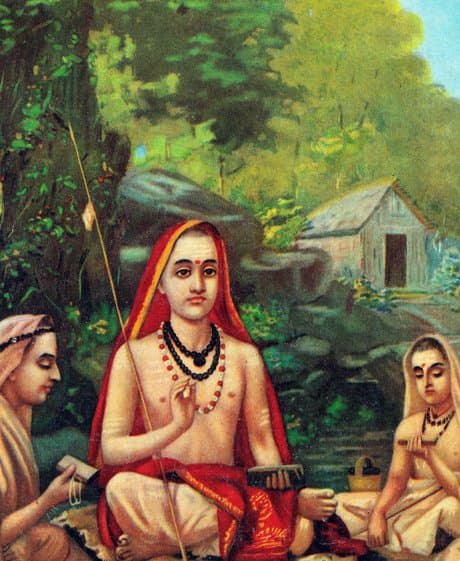
Ādi Śaṅkarācārya · Advaita
Sanskritएतां यथोक्तां विभूतिं विस्तारं योगं च युक्तिं च आत्मनः घटनम्, अथवा योग-ऐश्वर्य-सामर्थ्यं सर्वज्ञत्वं योगजं योगः उच्यते, मम मदीयं योगं यः वेत्ति तत्त्वतः तत्त्वेन यथावत् इति एतत्, सः अविकम्पेन अप्रचलितेन योगेन सम्यग्-दर्शन-स्थैर्य-लक्षणेन युज्यते सम्बध्यते । न अत्र संशयः न अस्मिन् अर्थे संशयः अस्ति ॥
कीदृशेन अविकम्पेन योगेन युज्यते इति उच्यते --
Ādi Śaṅkarācārya · Advaita
Hindiमेरी इस उपर्युक्त विभूतिको अर्थात् विस्तारको और योग—युक्तिको अर्थात् अपनी मायिक घटनाको, अथवा योगसे उत्पन्न हुई सर्वज्ञतारूप सामर्थ्यको जो कि योग—शब्दसे कही जाती है, जो तत्त्वसे—यथार्थ जानता है।
१—भृगु, मरीचि, अत्रि, पुलस्त्य, पुलह, ऋतु और वसिष्ठ—ये सात महर्षि हैं।
२—मनु १४ हैं, पर चार मनु सावर्ण नामसे प्रसिद्ध हैं—सावर्णि, धर्मसावर्णि, दक्षसावर्णि और सावर्ण।
वह पुरुष पूर्ण ज्ञानकी स्थिरतारूप निश्चल योगसे युक्त हो जाता है, इस विषयमें (कुछ भी) संशय नहीं है
Jñāneśvar · Vārkarī
Marathiयालागीं सुभद्रापती । हे भाव इया माझिया विभूती । आणि यांचिया व्याप्ती । व्यापिलें विश्व ॥ १०४ ॥
म्हणोनि गा यापरी । ब्रह्मादिपिपीलिकावरी । मीवांचूनि दुसरी । गोठी नाहीं ॥ १०५ ॥
ऐसें जाणे जो साचें । तया चेइरें जाहालें ज्ञानाचें । म्हणोनि उत्तम मध्यम भेदाचें । दुःस्वप्न तयां ॥ १०६ ॥
मी माझिया विभूती । विभूतीं अधिष्ठिलिया व्यक्ती । हें आघवें योगप्रतीती । एकचि मानी ॥ १०७ ॥
म्हणोनि निःशंकें येणें महायोगें । मज मीनला मनाचेनि आंगें । एथ संशय करणें न लगे । तो त्रिशुद्धी जाहला ॥ १०८ ॥
कां जे ऐसें किरीटी । मातें भजे जो अभेदा दिठी । तयाचिये भजनाचिये नाटीं । सूती मज ॥ १०९ ॥
म्हणऊनि अभेदें जो भक्तियोगु । तेथ शंका नाहीं नये खंगु । करितां ठेला तरी चांगु । तें सांगितलें षष्ठीं ॥ ११० ॥
तोचि अभेदु कैसा । हें जाणावया मानसा । साद जाली तरी परियेसा । बोलिजेल ॥ १११ ॥
Jñāneśvar · Vārkarī
Hindi(10.104) और हे सुभद्रापति! ये भाव मेरी विभूतियाँ हैं और जगत् इनकी व्याप्ति से भरा है।
(10.105) अतएव इस प्रकार ब्रह्मा से लेकर चिउँटी तक मेरे सिवाय दूसरी वस्तु नहीं है।
(10.106) यह जो यथार्थ में जाने उसको ज्ञान की जागृति होती है। इसलिए उसे भले बुरे भेद का स्वप्न दिखाई नहीं देता।
(10.107) वह मुझे और मेरी विभूतियों का और विभूतियों के आश्रय में रहनेवाले सब व्यक्तियों को योग के अनुभव द्वारा एक ही मानता है।
(10.108) इसलिए इसमें कुछ सन्देह नहीं कि इस महायोग के द्वारा वह अन्तःकरण से मुझमें मिल जाता है। वह निश्चय से कृतार्थ हो चुकता है। (10.109) क्योंकि हे किरीटी! वह मुझे उक्त प्रकार की अभेददृष्टि से भजता है, अतः उस भजन में उसे मेरी ही प्राप्ति होती है।
(10.110) अतएव अभिन्नता से जो भक्तियोग किया जाता है उसमें निःसन्देह कुछ न्यूनता नहीं रहती। अथवा यदि अभ्यास करते करते भक्तियोग बन्द हो जाय तो भी कुछ हानि नहीं होती। यह बात हम छठे अध्याय में कह चुके हैं।
(10.111) यह अभिन्नता किस प्रकार की है सो जानने की यदि तुम्हारे अन्तःकरण में इच्छा हुई हों तो सुनो। हम वर्णन करते हैं।
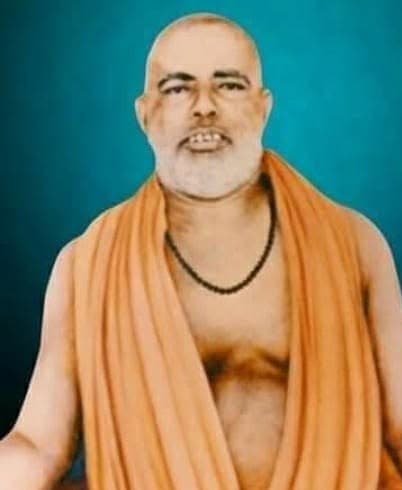
Sri Udiya Baba · Modern
Hindiभावार्थ— जो मेरे इस विभूतियोग को तत्त्वतः जानता है वह निश्चल योग से युक्त होता है, इसमें संशय नहीं।
व्याख्या— भगवान् को इस सम्पूर्ण प्रपञ्च का अधिष्ठान जानना, अर्थात् सृष्टि नहीं है केवल भगवत्सत्ता ही है—ऐसा जानना ही निश्चल योग है। अथवा सम्पूर्ण जगत् को भगवान् का स्वरूप जानना और अपने को उसका साक्षीमात्र उससे पृथक देखना। अथवा
जैसे स्वप्न-पुरुष स्वप्न-द्रष्टा से भिन्न हैं ही नहीं, केवल प्रतीतिमात्र हैं, इसी प्रकार सम्पूर्ण प्रपञ्च अपने से भिन्न है ही नहीं—ऐसा जानना ही तत्त्व से जानना है और यही निश्चल योग है।
Swami Ramsukhdas · Modern
Hindi‘एतां विभूतिं योगं च मम’—‘एताम्’ सर्वनाम अत्यन्त समीपका लक्ष्य कराता है। यहाँ यह शब्द चौथेसे छठे श्लोकतक कही हुई विभूति और योगका लक्ष्य कराता है।
बात है।
‘मद्भावाः’—ये सभी मेरेमें ही भाव अर्थात् श्रद्धा-प्रेम रखनेवाले हैं।
‘येषां लोकमिमाः प्रजाः’—संसारमें दो तरहकी प्रजा है—स्त्री-पुरुषके संयोगसे उत्पन्न होनेवाली और शब्दसे (दीक्षा, मन्त्र, उपदेश आदिसे) उत्पन्न होनेवाली। संयोगसे उत्पन्न होनेवाली प्रजा ‘बिन्दुज’ कहलाती है और शब्दसे उत्पन्न होनेवाली प्रजा ‘नादज’ कहलाती है। बिन्दुज प्रजा पुत्र-परम्परासे और नादज प्रजा शिष्य-परम्परासे चलती है।
सप्तर्षियों और चौदह मनुओंने तो विवाह किया था; अतः उनसे उत्पन्न होनेवाली प्रजा ‘बिन्दुज’ है। परन्तु सनकादिकोंने विवाह किया ही नहीं; अतः उनसे उपदेश प्राप्त करके पारमार्थिक मार्गमें लगनेवाली प्रजा ‘नादज’ है। निवृत्तिपरायण होनेवाले जितने सन्त-महापुरुष पहले हुए हैं, अभी हैं और आगे होंगे, वे सब उपलक्षणसे उनकी ही नादज प्रजा हैं।
‘विभूति’ नाम भगवान्के ऐश्वर्यका है और ‘योग’ नाम भगवान्की अलौकिक विलक्षण शक्ति, अनन्त सामर्थ्यका है। तात्पर्य यह हुआ कि भगवान्की शक्तिका नाम ‘योग’ है और उस योगसे प्रकट होनेवाली विशेषताओंका नाम
* ( श्रीमद्भागवतके आठवें स्कन्धके पहले, पाँचवें और तेरहवें अध्यायमें इनका विस्तारसे वर्णन आया है। )
ब्रह्माजीका एक दिन एक हजार चतुर्थीका होता है। उसमें एक मनुका राज्य इकहत्तर चतुर्थीसे कुछ ज्यादा समयका माना गया है। इस समय ब्रह्माजीकी आयुका इक्यावनवाँ वर्ष चल रहा है और इसमें सातवें मनु ‘वैवस्वत’का राज्य चल रहा है।
‘विभूति’ है। चौथेसे छठे श्लोकतक कही हुई भाव और व्यक्तिके रूपमें जितनी विभूतियाँ हैं, वे तो भगवान्के सामर्थ्यसे, प्रभावसे प्रकट हुई विशेषताएँ हैं और ‘मेरेसे पैदा होते हैं’ (‘मत्तः’; ‘मानसा जाताः’ )—यह भगवान्का योग है, प्रभाव है। इसीको नवें अध्यायके पाँचवें श्लोकमें ‘पश्य मे योगमैश्वरम्’ (मेरे इस ईश्वरीय योगको देख) पदोंसे कहा गया है। ऐसे ही आगे ग्यारहवें अध्यायके आठवें श्लोकमें अर्जुनको विश्वरूप दिखाते समय भगवान्ने ‘पश्य मे योगमैश्वरम्’ पदोंसे अपना ऐश्वर्यमय योग देखनेके लिये कहा है।
विशेष बात
जब मनुष्य भोग-बुद्धिसे भोग भोगता है, भोगोंसे सुख लेता है, तब अपनी शक्तिका ह्रास और भोग्य वस्तुका विनाश होता है। इस प्रकार दोनों तरफसे हानि होती है। परन्तु जब वह भोगोंको भोगबुद्धिसे नहीं भोगता अर्थात् उसके भीतर भोग भोगनेकी किंचिन्मात्र भी लालसा उत्पन्न नहीं होती, तब उसकी शक्तिका ह्रास नहीं होता। उसकी शक्ति, सामर्थ्य निरन्तर बनी रहती है।
वास्तवमें भोगोंके भोगनेमें सुख नहीं है। सुख है—भोगोंके संयममें। यह संयम दो तरहका होता है—(१) दूसरोंपर शासनरूप संयम और (२) अपनेपर शासनरूप संयम। दूसरोंपर शासनरूप संयमका तात्पर्य है—‘दूसरोंका दुःख मिट जाय और वे सुखी हो जायँ’—इस भावसे दूसरोंको उन्मार्गसे बचाकर सन्मार्गपर लगाना। अपनेपर शासनरूप संयमका तात्पर्य है—‘अपने स्वार्थ तथा अभिमानका त्याग करना और स्वयं किंचिन्मात्र भी सुख न भोगना।’ इन्हीं दोनों संयमोंका नाम ‘योग’ अथवा ‘प्रभाव’ है। ऐसा योग अथवा प्रभाव सर्वोपरि परमात्मामें स्वतः-स्वाभाविक होता है। दूसरोंमें यह साधन-साध्य होता है।
स्वार्थ और अभिमानपूर्वक दूसरोंपर शासन करनेसे, अपना हुक्म चलानेसे दूसरा वशमें हो जाता है तो शासन करनेवालेको एक सुख होता है। इस सुखमें शासककी शक्ति, सामर्थ्य क्षीण हो जाती है और जिसपर वह शासन करता है, वह पराधीन हो जाता है। इसलिये स्वार्थ और अभिमानपूर्वक दूसरोंपर शासन करनेकी अपेक्षा स्वार्थ और अभिमानका सर्वथा त्याग करके ‘दूसरोंका हित हो, मनुष्य नश्वर भोगोंमें न फँसें, मनुष्य अनादिकालसे अनन्त दुःखोंको भोगते आये हैं; अतः वे सदाके लिये इन दुःखोंसे
छूटकर महान् आनन्दको प्राप्त हो जायँ’—ऐसी बुद्धिसे दूसरोंपर शासन करना बहुत श्रेष्ठ और विलक्षण शासन (संयम) है। इस शासनकी आखिरी हद है—भगवान्का शासन अर्थात् संयमन। इसीका नाम ‘योग’ है।
‘योग’ नाम समता, सम्बन्ध और सामर्थ्यका है। जो स्थिर परमात्मतत्त्व है, उसीसे अपार सामर्थ्य आती है। कारण कि वह निर्विकार परमात्मतत्त्व महान् सामर्थ्यशाली है। उसके समान सामर्थ्य किसीमें हुई नहीं, होगी नहीं और हो सकती भी नहीं। मनुष्यमें आंशिकरूपसे वह सामर्थ्य निष्काम होनेसे आती है। कारण कि कामना होनेसे शक्तिका क्षय होता है और निष्काम होनेसे शक्तिका संचय होता है।
आदमी काम करते-करते थक जाता है तो विश्राम करनेसे फिर काम करनेकी शक्ति आ जाती है, बोलते-बोलते थक जाता है तो चुप होनेसे फिर बोलनेकी शक्ति आ जाती है। जीते-जीते आदमी मर जाता है तो फिर जीनेकी शक्ति आ जाती है। सर्गमें शक्ति क्षीण होती है और प्रलयमें शक्तिका संचय होता है। तात्पर्य यह हुआ कि प्रकृतिके सम्बन्धसे शक्ति क्षीण होती है और उससे सम्बन्ध-विच्छेद होनेपर महान् शक्ति आ जाती है।
‘यो वेत्ति तत्त्वतः’—विभूति और योगको तत्त्वसे जाननेका तात्पर्य है कि संसारमें कारणरूपसे मेरा जो कुछ प्रभाव, सामर्थ्य है और उससे कार्यरूपमें प्रकट होनेवाली जितनी विशेषताएँ हैं अर्थात् वस्तु, व्यक्ति आदिमें जो कुछ विशेषता दीखनेमें आती है, प्राणियोंके अन्तःकरणमें प्रकट होनेवाले जितने भाव हैं और प्रभावशाली व्यक्तियोंमें ज्ञान-दृष्टिसे, विवेक-दृष्टिसे तथा संसारकी उत्पत्ति और संचालनकी दृष्टिसे जो कुछ विलक्षणता है, उन सबके मूलमें मैं ही हूँ और मैं ही सबका आदि हूँ। इस प्रकार जो मेरेको समझ लेता है, तत्त्वसे ठीक मान लेता है, तो फिर वह उन सब विलक्षणताओंके मूलमें केवल मेरेको ही देखता है। उसका भाव केवल मेरेमें ही होता है, व्यक्तियों, वस्तुओंकी विशेषताओंमें नहीं। जैसे, सुनारकी दृष्टि गहनोंपर जाती है तो गहनोंके नाम, आकृति, उपयोगपर दृष्टि रहते हुए भी भीतर यह भाव रहता है कि तत्त्वसे यह सब सोना ही है। ऐसे ही जहाँ-कहीं जो कुछ भी विशेषता दीखे, उसमें दृष्टि भगवान्पर ही जानी चाहिये कि उसमें जो कुछ विशेषता है, वह भगवान्की ही है; वस्तु, व्यक्ति, क्रिया
आदिकी नहीं।
संसारमें क्रिया और पदार्थ निरन्तर परिवर्तनशील हैं। इनमें जो कुछ विशेषता दीखती है, वह स्थायीरूपसे व्यापक परमात्माकी ही है। जहाँ-जहाँ विलक्षणता, अलौकिकता आदि दीखे, वहाँ-वहाँ वस्तु, व्यक्ति आदिकी ही विलक्षणता माननेसे मनुष्य उसीमें उलझ जाता है और मिलता कुछ नहीं। कारण कि वस्तुओंमें जो विलक्षणता दीखती है, वह उस अपरिवर्तनशील परमात्मतत्त्वकी ही झलक है, परिवर्तनशील वस्तुकी नहीं। इस प्रकार उस मूल तत्त्वकी तरफ दृष्टि जाना ही उसे तत्त्वसे जानना अर्थात् श्रद्धासे दृढ़तापूर्वक मानना है।
यहाँ जो विभूतियोंका वर्णन किया गया है, इसका तात्पर्य इनमें परिपूर्णरूपसे व्यापक परमात्माके ऐश्वर्यसे है। विभूतियोंके रूपमें प्रकट होनेवाला मात्र ऐश्वर्य परमात्माका है। वह ऐश्वर्य प्रकट हुआ है परमात्माकी योगशक्तिसे। इसलिये जिस-किसीमें जहाँ-कहीं विलक्षणता दिखायी दे, वह विलक्षणता भगवान्की योगशक्तिसे प्रकट हुए ऐश्वर्य-(विभूति-) की ही है, न कि उस वस्तुकी। इस प्रकार योग और विभूति परमात्माकी हुई तथा उस योग और
विभूतिको तत्त्वसे जाननेका तात्पर्य यह हुआ कि उसमें विलक्षणता परमात्माकी है। अतः द्रष्टाकी दृष्टि केवल उस परमात्माकी तरफ ही जानी चाहिये। यही इनको तत्त्वसे जानना अर्थात् मानना है।*
‘सोऽविकम्पेन योगेन युज्यते’—उसकी मेरेमें दृढ़ भक्ति हो जाती है। दृढ़ कहनेका तात्पर्य है कि उसकी मेरे सिवाय कहीं भी किंचिन्मात्र भी महत्त्वबुद्धि नहीं होती। अतः उसका आकर्षण दूसरेमें न होकर एक मेरेमें ही होता है।
‘नात्र संशयः’—इसमें कोई संदेहकी बात नहीं—ऐसा कहनेका तात्पर्य है कि अगर उसको कहीं भी किंचिन्मात्र भी संदेह होता है तो उसने मेरेको तत्त्वसे नहीं माना है। कारण कि उसने मेरे योगको अर्थात् विलक्षण प्रभावको और उससे उत्पन्न होनेवाली विभूतियोंको (ऐश्वर्यको) मेरेसे अलग मानकर महत्त्व दिया है।
मेरेको तत्त्वसे जान लेनेके बाद उसके सामने लौकिक दृष्टिसे किसी तरहकी विलक्षणता आ जाय, तो वह उसपर प्रभाव नहीं डाल सकेगी। उसकी दृष्टि उस विलक्षणताकी तरफ न जाकर मेरी तरफ ही जायगी। अतः उसकी मेरेमें स्वाभाविक ही दृढ़ भक्ति होती है।
**परिशिष्ट भाव**—संसारमें जो कुछ विलक्षणता (विशेषता) देखनेमें आती है, वह सब भगवान्का ‘योग’ अर्थात् विलक्षण प्रभाव, सामर्थ्य है। उस विलक्षण प्रभावसे प्रकट होनेवाली विशेषता ‘विभूति’ है—इस प्रकार जो मनुष्य भगवान्की विभूति और योगको तत्त्वसे जान लेता है, उसकी भगवान्में दृढ़ भक्ति हो जाती है। एक भगवान्के सिवाय दूसरी सत्ता है ही नहीं—ऐसा सन्देहरहित दृढ़तापूर्वक स्वीकार कर लेना ही तत्त्वसे जानना है। इस प्रकार तत्त्वसे जाननेवालेको भगवान्ने ‘ज्ञानवान्’ कहा है (गीता—सातवें अध्यायका उन्नीसवाँ श्लोक)।
‘अविकम्प (अविचल) योग’ कहनेका तात्पर्य है कि वह भक्तियोग खुद भी नहीं हिलता और उसको कोई हिला भी नहीं सकता; क्योंकि इसमें एक भगवान्के सिवाय दूसरी कोई वस्तु ही नहीं है।
जैसे रुपयोंसे सब वस्तुएँ मिल जाती हैं—ऐसा मानकर साधारण मनुष्य रुपयोंको ही महत्त्व देता है और उसका रुपयोंमें आकर्षण हो जाता है। ऐसे ही जो कुछ प्रभाव, महत्त्व दीखता है, वह सब भगवान्का ही है—ऐसा जाननेपर मनुष्यकी भगवान्में ही दृढ़ भक्ति हो जाती है।
‘नात्र संशयः’ कहनेका तात्पर्य है कि जब भगवान्के सिवाय दूसरी सत्ता ही नहीं है तो फिर इसमें संशय कैसे हो?
* भक्तिका प्रकरण होनेसे यहाँ ‘तत्त्वतः वेत्ति’ (तत्त्वतः जानना) का अर्थ ‘तत्त्वतः मानना’ ही लेना चाहिये। कारण कि यहाँ भगवान्ने ‘तत्त्वतः वेत्ति’ का फल अपनेमें दृढ़ भक्ति होना बताया है और आगेके श्लोकमें भी ‘संसारमात्रका मूल कारण मैं ही हूँ और सब संसार मेरेसे ही चेष्टा करता है’ ऐसा मानकर (इति मत्वा) भजन करनेकी बात कही है।
जैसे जानना दृढ़ होता है, ऐसे ही मानना भी दृढ़ होता है अर्थात् दृढ़ मान्यता तत्त्वज्ञानकी तरह ही फल देती है। जैसे, ‘मैं हिन्दू हूँ’ ‘मैं अमुक वर्णवाला हूँ’ आदि मान्यताओंको जबतक स्वयं नहीं छोड़ता, तबतक ये मान्यताएँ छूटती नहीं। इसी तरह ‘इन सब विभूतियोंके मूलमें भगवान् ही हैं, यह मान्यता कभी मिटती नहीं। वर्ण, सम्प्रदाय आदिकी मान्यता सच्ची नहीं है, प्रत्युत शरीरको लेकर होनेसे प्राकृत है और मिटनेवाली है। परन्तु सबके मूलमें परमात्मा हैं’ यह मान्यता सच्ची है, वास्तविक है। अतः यह मान्यता कभी मिटती नहीं, प्रत्युत ज्ञान (तत्त्वसे जानना)-में परिणत होकर ज्ञानस्वरूप हो जाती है।
इसमें संशय होनेका अवकाश ही नहीं है; क्योंकि जहाँ दो सत्ता होती है, वहीं संशय होता है। एक भगवान्के सिवाय और कोई है ही नहीं तो फिर वृत्ति कहाँ जायगी, क्यों जायगी, किसमें जायगी और कैसे जायगी? इसलिये एक भगवान्में ही अविचल भक्ति हो जाती है—इसमें सन्देह नहीं है।
सम्बन्ध—पूर्वश्लोकमें भगवान्ने बताया कि मेरी विभूति और योगको तत्त्वसे जाननेवाला अविचल भक्तिसे युक्त हो जाता है। अतः विभूति और योगको तत्त्वसे जानना क्या है? इसका विवेचन आगेके श्लोकमें करते हैं।
The word vibhūti means transcendental potencies of majestic opulence such as displayed in all of the phenomenal activities manifest in creation, preservation and sustenance and all of the wondrous workings of unlimited universes.
The word yogam or the science of the individual consciousness attaining communion with the ultimate consciousness denotes the consensus of all glorious attributes with the exemption of all that is evil and unrighteous.
Whosoever comprehensively understands the preceding and realises the Supreme Lord Krishna through these two components of His character being vibhūti and yoga will succeed in acquiring unwavering and rapt bhakti or exclusive loving devotion.
This means that the knowledge of respecting and honouring His vibhūti and yoga by observing, pondering and reflecting how they manifest and operate as phenomenal material activities and divine attributes will assist and facilitate the awakening of bhakti and this can be practically experienced by all who think of Lord Krishna in this way.
Next will be explained how the development of bhakti is a direct result of knowledge of Lord Krishna's vibhūti.