

Bhagavad Gītā · Chapter 10 · Vibhūti Yoga
द्यूतं छलयतामस्मि तेजस्तेजस्विनामहम्
जयोऽस्मि व्यवसायोऽस्मि सत्त्वं सत्त्ववतामहम्
dyūtaṃ chalayatāmasmi tejastejasvināmaham|
jayo'smi vyavasāyo'smi sattvaṃ sattvavatāmaham||
Word meanings
छलयताम् = among deceivers
घृतम् = gambling
तेजस्विनाम् = of the glorious
तेजः = brilliance
अहम् = I
अस्मि = I am
जयः = victory
अस्मि = I am
व्यवसायः = resolve
सत्त्ववताम् = of the virtuous
सत्त्वम् = goodness
अहम् = I
अस्मि = I am
Translation
I am gambling among deceitful practices, and the glory of the glorious. I am the victory of the victorious, the resolve of the resolute, the goodness of the good.
Commentary
The commentators seated around this verse
Rāmānuja · Viśiṣṭādvaita
English
Madhvācārya · Dvaita
SanskritEnglishOn verses 10.31–10.36
“आनन्दरूपत्वात् पूर्णत्वात् लोकरमणत्वाच्च रामः - आनन्दरूपो निष्परिणाम एष लोकश्चैतस्माद् रमते तेन रामः | इति शाण्डिल्यशाखायाम् | रश्च अमश्च इति व्युत्पत्तिः ||” - Being of the form of Bliss, being complete, being the delighter of the people, He is known as Rama. thus in Shandilya section - “Of the blissful form, unlimitable, from whom the world revels, He is Raama”, thus in Shandilya section. र and अम is the root (र + अम = रामः).
Jñāneśvar · Vārkarī
EnglishOn verses 10.36–10.37
36 “Of deceivers I am the Gamble of the Throw. The Glory of the glorious I am. I am, of the Sattva-possessing stalwarts, their Success, their Perseverance, as also their Sāttvic nature.
37 “Of the Vṛṣṇis I am Vāsudeva, of the Pandavas, Dhananjaya (Arjuna); of the Sages likewise I am Vyāsa, of Seers the Seer Uśanas. (284) I am the Gamble of the throw, amongst the deceitful arts that beguile men. Thus it is that a victim of a highway robbery by gambling cannot be saved. I am in sooth the Splendour ( तेज ) of the luminaries. I am also the Success in all undertakings. The endeavour in all acts that moves in the path of righteousness is indeed my manifestation”, said the Supreme Lord of all Gods. “I am the righteousness in the righteous, also the most prosperous among the Yadavas; coming into the world for Vasudeva and Devaki, and then being removed to Gokula to take the place of the daughter of Yashodā, I sucked in (milk of) Pūtanā to her death: and even while childhood’s bud was half-blown, cleared the whole earth of Daityas (demons) and measured power with the great might of Indra by lifting on the palm of my hand the mountain Govardhana. I pulled out cobra Kāliā that was the thorn in the bosom of the river Yamunā, and preserved the entire Gokula unscathed in burning flames; and out-juggling the plunder of calves and kine by replacing them, outwitted the very creator and sent him off. And who, at the very dawn of his childhood, crushed out for mere sport, formidable foes and invulnerable enemies like Kamsa? Why wax tedious over all this? You have seen and heard all about this. That Krishna in all the Yadavas is My divine manifestation. I am the Arjuna amongst you Pāndavas, born of the lunar race (चंद्रवंशी) and therefore it is that our love knows naught of a break or a breach. Feigning to be ascetic, you did indeed steal away my sister; yet doubts as to thy virtue never touched my mind, we both being one and the same soul in two bodies. I am Vyāsa amongst Great Sages,” said the King of Yādavās “and Sage Ushanāchārya the most courageous amongst the wisest of men.”
Swami Ramsukhdas · Modern
English'Dyūtuṁ chalayatāmasmi'—The game of chance played for money, property or kingdom etc., is called gambling. The Lord has called it His divine glory.
**Question:—**If gambling is the Lord's divine glory, it means that there is no harm in gambling and then it should be justified. But then why is it forbidden, according to the ordinance of scriptures?
**Answer:—**In this context, there is description of the Lord's divine glories, not of sanction and prohibition. Arjuna put the question, 'In what various aspects are you to be thought of, by me?' So the Lord is answering his question by telling him, that he should think of Him only, whatever he beholds in the form of His divine glories, because He declares, 'All this universe is pervaded by Me' (Gītā 9/4).
Suppose a striver, in the past had the habit of gambling. Now he is busy with adoration. By chance, he is reminded of gambling. So he should think of God in it. Thus by beholding the Lord in gambling, and the loss and gain involved in it, a striver, will think only of the Lord.
The man (soul), is a fragment of the Lord but by error he has assumed his affinity with the body and the world. If he notices the excellences and the glories in the world, as the Lord's and thinks of Him, it will lead him to God-realization (Gītā 8/14). On the other hand, if he regards the glories as belonging to the world and thinks of the world, it will lead him to complete ruin (Gītā 2/62-63). These glories have been described so that a striver by thinking of the Lord, may know Him, in reality.
'Tejastejasvināmaham'—Tejas, is the glory or splendour of great souls, who possess divine traits. In front of great men who possess this glory, even sinners hesitate to commit sins. So it
has been considered as the Lord's divine glory.
'Jayo'smī'—Everyone, likes victory. So, victory is the glory of the Lord.
A striver should not enjoy the pleasure of his victory by regarding it, as the manifestation of his power, but he should regard it, as the manifestation of the Lord.
'Vynvasāyo'smī'—Resolution or determination, is the Lord's divine glory. A lot of importance, has been attached to it in the Gītā, "The determination is one pointed" (2/41); "Those who are deeply attached to pleasure and worldly prosperity do not have the determinate intellect" (2/44); "Even, if the vilest sinner worships Me, with exclusive devotion, he should be considered a saint for he has rightly resolved" (9/30).
A striver, should not regard this resolution (determination), as his virtue but should consider it as Lord's glory, which he could cultivate only by, His grace.
'Sattvam sattvavatāmaham'—The goodness of good persons, is Lord's glory. The quality of sattva (goodness) which prevails, suppressing rājasa (passion) and tāmasa (ignorance), should not be regarded, by a striver, as his own, but as the Lord's.
All virtues and achievements, such as glory, victory, resolution and goodness, really belong to the Lord. So a striver, instead of considering these his own, should consider them as the Lord's, and so he should think of Him, only.
Ādi Śaṅkarācārya · Advaita
Sanskritद्यूतम् अक्षदेवन-आदि-लक्षणं छलयतां छलस्य कर्तॄणां अस्मि । तेजस्विनां तेजः अहम् । जयः अस्मि जेतॄणाम्, व्यवसायः अस्मि व्यवसायिनाम्, सत्त्वं सत्त्व-वतां सात्त्विकानां अहम् ॥
Ādi Śaṅkarācārya · Advaita
Hindiछल करनेवालोंमें जो पासोंसे खेलना आदि द्यूत है वह में हूँ। तेजस्वियोंका मैं तेज हूँ। जीतनेवालोंका मैं विजय हूँ। निश्चय करनेवालोंका निश्चय (अथवा उद्यमशीलोंका उद्यम) हूँ और सत्त्वयुक्त पुरुषोंका अर्थात् सात्त्विक पुरुषोंका मैं सत्त्वगुण हूँ
Jñāneśvar · Vārkarī
MarathiOn verses 10.36–10.37
छळितयां विंदाणा- । माजीं जूं तें मी विचक्षणा । म्हणोनि चोहटां चोरी परी कवणा । निवारूं न ये ॥ २८४ ॥
अगा अशेषांही तेजसां- । आंत तेज तें मी भरंवसा । विजयो मी कार्योद्देशां । सकळांमाजीं ॥ २८५ ॥
जेणें चोखाळत दिसे न्याय । तो व्यवसायांत व्यवसाय । माझें स्वरूप हें राय । सुरांचा म्हणे ॥ २८६ ॥
सत्त्वाथिलियांआंतु । सत्त्व मी म्हणे अनंतु । यादवांमाजीं श्रीमंतु । तोचि तो मी ॥ २८७ ॥
जो देवकी-वसुदेवास्तव जाहला । कुमारीसाठीं गोकुळीं गेला । तो मी प्राणासकट पियाला । पूतनेतें ॥ २८८ ॥
नुघडतां बाळपणाची फुली । जेणें मियां अदानवीं सृष्टि केली । करीं गिरि धरूनि उमाणिली । महेंद्रमहिमा ॥ २८९ ॥
कालिंदीचें हृदयशल्य फेडिलें । जेणें मियां जळत गोकुळ राखिलें । वासरुवांसाठीं लाविलें । विरंचीस पिसें ॥ २९० ॥
प्रथमदशेचिये पहांटे- । माजीं कंसा ऐशीं अचाटें । महाधेंडीं अवचटें । लीळाचि नासिलीं ॥ २९१ ॥
हें काय कितीएक सांगावें । तुवांही देखिलें ऐकिलें असे आघवें । तरि यादवांमाजीं जाणावें । हेंचि स्वरूप माझें ॥ २९२ ॥
आणि सोमवंशीं तुम्हां पांडवां- । माजीं अर्जुन तो मी जाणावा । म्हणोनि एकमेकांचिया प्रेमभावा । विघडु न पडे ॥ २९३ ॥
संन्यासी तुवां होऊनि जनीं । चोरूनि नेली माझी भगिनी । तऱ्ही विकल्पु नुपजे मनीं । मी तूं दोन्ही स्वरूप एक ॥ २९४ ॥
मुनीआंत व्यासदेवो । तो मी म्हणे यादवरावो । कवीश्वरांमाजीं धैर्या ठावो । उशनाचार्य तो मी ॥ २९५ ॥
Jñāneśvar · Vārkarī
HindiOn verses 10.36–10.37
(10.284ः) हे विद्वान्! छल करनेहारों में कुशल जो घृत है वह भी मैं इस लिए यद्यपि वह खुली हुई चोरी है तथापि उसका निवारण न करना चाहिए।
(10.285) सम्पूर्ण तेजस्वी पदार्थों में जो तेज है वह मैं हूँ, और सम्पूर्ण कर्मफलों में मैं विजय हूँ।
(10.286) देवों के राजा श्रीकृष्ण ने कहा कि व्यापारों में वह व्यापार मैं हूँ जिससे न्याय निर्मल दिखाई दे।
(10.287) सात्विक लोगों में मैं सत्त्व हूँ। यादवों में जो श्रीमन्त है वह मैं हूँ।
(10.288) जो देवकी और वसुदेव से उत्पन्न हुआ, जो गोपियों के हेतु गोकुल में गया सो मैं हूँ; जिसने पूतना का स्तनपान कर उसके प्राण हर लिये; (10.289) बाल्यावस्था की कली न खुली थी तभी जिसने पृथ्वी दैत्यरहित कर डाली और हाथ में पर्वत धारण कर इन्द्र की महिमा की माप कर डाली;
(10.290) जिसने कालिन्दी के हृदय में सलने-वाला दुःख मिटा दिया; जिसने जलते हुए गोकुल की रक्षा की और बछड़ों के विषय में ब्रह्मा को पागल बना दिया;
(10.291) जिसने बाल्यावस्था के प्रथम भाग में ही कंस जैसे बड़े बड़े महापुरुषों का तत्काल सहज ही नाश कर दिया —
(10.292) ये बातें कहाँ तक वर्णन करें, तुमने भी ये सब सुनी हैं — तात्पर्य यह कि यादवों में ऐसा मेरा यही स्वरूप है।
(10.293) सोमवंशी पाण्डवों में मुझे अर्जुन जानो। इसलिए हमारे पारस्परिक प्रेम में त्रुटि नहीं होती।
(10.294) तुम संन्यासी का भेष धर कर हमारी भगिनी का चुरा कर ले गये तथापि हमारे मन में भेद उत्पन्न नहीं हुआ। तुम और हम दोनों एकरूप हैं।
(10.295) यादवों के राजा श्रीकृष्ण ने और भी कहा कि मुनियों में मैं व्यासदेव हूँ और कवीश्वरों में जो धैर्य का आश्रयस्थान शुक्राचार्य है वह मैं हूँ।
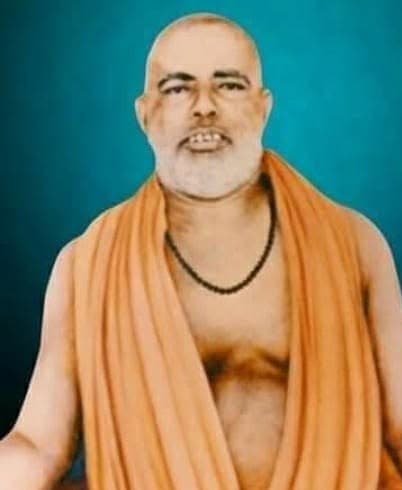
Sri Udiya Baba · Modern
Hindiभावार्थ— मैं छल के साधनों में द्यूत (जुआ) हूँ, तेजस्वियों में तेज हूँ (विजेताओं में) जय हूँ, (उद्यमियों में) व्यवसाय (निश्चय) हूँ और सात्त्विकों में सत्त्वगुण हूँ।
Swami Ramsukhdas · Modern
Hindi‘घृतं छलयतामस्मि’—छल करके दूसरोंके राज्य, वैभव, धन, सम्पत्ति आदिका (सर्वस्वका) अपहरण करनेकी विशेष सामर्थ्य रखनेवाली जो विद्या है, उसको जूआ कहते हैं। इस जूएको भगवान्ने अपनी विभूति बताया है।
**शंका**—यहाँ भगवान्ने छल करनेवालोंमें जूएको अपनी विभूति बताया है तो फिर इसके खेलनेमें क्या दोष है? अगर दोष नहीं है तो फिर शास्त्रोंने इसका निषेध क्यों किया है।
**समाधान**—‘ऐसा करो और ऐसा मत करो’—यह शास्त्रोंका विधि-निषेध कहलाता है। ऐसे विधि-निषेधका वर्णन यहाँ नहीं है। यहाँ तो विभूतियोंका वर्णन है। ‘मैं आपका चिन्तन कहाँ-कहाँ करूँ?’—अर्जुनके इस प्रश्नके अनुसार भगवान्ने विभूतियोंके रूपमें अपने चिन्तनकी बात ही बतायी है अर्थात् भगवान्का चिन्तन सुगमतासे हो जाय, इसका उपाय विभूतियोंके रूपमें बताया है। अतः जिस समुदायमें मनुष्य रहता है, उस समुदायमें जहाँ दृष्टि पड़े, वहाँ संसारको न देखकर भगवान्को ही देखे; क्योंकि भगवान् कहते हैं कि यह सम्पूर्ण जगत् मेरेसे व्याप्त है अर्थात् इस जगत्में मैं ही व्याप्त हूँ, परिपूर्ण हूँ (गीता—नवें अध्यायका चौथा श्लोक)।
जैसे किसी साधकका पहले जूआ खेलनेका व्यसन रहा हो और अब वह भगवान्के भजनमें लगा है। उसको कभी जूआ याद आ जाय तो उस जूएका चिन्तन छोड़नेके लिये वह उसमें भगवान्का चिन्तन करे कि इस जूएके खेलमें हार-जीतकी जो विशेषता है, वह भगवान्की ही
है। इस प्रकार जूएमें भगवान्को देखनेसे जूएका चिन्तन तो छूट जायगा और भगवान्का चिन्तन होने लगेगा। ऐसे ही किसी दूसरेको जूआ खेलते देखा और उसमें हार-जीतकी देखा, तो हराने और जितानेकी शक्तिको जूएकी न मानकर भगवान्की ही माने। कारण कि खेल तो समाप्त हो रहा है और समाप्त हो जायगा, पर परमात्मा उसमें निरन्तर रहते हैं और रहेंगे। इस प्रकार जूआ आदिको विभूति कहनेका तात्पर्य भगवान्के चिन्तनमें है।
जीव स्वयं साक्षात् परमात्माका अंश है, पर इसने भूलसे असत् शरीर-संसारके साथ अपना सम्बन्ध मान लिया है। अगर यह संसारमें दीखनेवाली महत्ता, विशेषता, शोभा आदिको परमात्माकी ही मानकर परमात्माका चिन्तन करेगा तो यह परमात्माकी तरफ जायगा अर्थात् इसका उद्धार हो जायगा (गीता—आठवें अध्यायका चौदहवाँ श्लोक); और अगर महत्ता, विशेषता, शोभा आदिको संसारकी मानकर संसारका चिन्तन करेगा तो यह संसारकी तरफ जायगा अर्थात् इसका पतन हो जायगा (गीता—दूसरे अध्यायका बासठवाँ-तिरसठवाँ श्लोक)। इसलिये परमात्माका चिन्तन करते हुए परमात्माको तत्त्वसे जाननेके उद्देश्यसे ही इन विभूतियोंका वर्णन किया गया है।
‘तेजस्तेजस्विनामहम्’—महापुरुषोंके उस दैवी-सम्पत्तिवाले प्रभावका नाम तेज है, जिसके सामने पापी पुरुष भी पाप करनेमें हिचकते हैं। इस तेजको भगवान्ने अपनी विभूति बताया है।
‘जयोऽस्मि’—विजय प्रत्येक प्राणीको प्रिय लगती है। विजयकी यह विशेषता भगवान्की है। इसलिये विजयको
१-किसी ग्रन्थके किसी अंशपर शंका हो, तो उस ग्रन्थका आदिसे अन्ततक अध्ययन करके उसमें वक्ताके उद्देश्यको, लक्ष्यको और आशयको समझनेसे उस शंकाका समाधान हो जाता है।
२-सातवें अध्यायमें जहाँ भगवान्ने कारणरूपसे विभूतियोंका वर्णन किया है, वहाँ भी यही पद आया है—‘तेजस्तेजस्विनामहम्’ (७।१०)।
भगवानने अपनी विभूति बताया है।
अपने मनके अनुसार अपनी विजय होनेसे जो सुख होता है, उसका उपभोग न करके उसमें भगवद्बुद्धि करनी चाहिये कि विजयरूपसे भगवान आये हैं।
‘व्यवसायोऽस्मि’—व्यवसाय नाम एक निश्चयका है। इस एक निश्चयकी भगवानने गीतामें बहुत महिमा गायी है; जैसे—कर्मयोगीकी निश्चयात्मिका बुद्धि एक होती है (दूसरे अध्यायका इकतालीसवाँ श्लोक); भोग और ऐश्वर्यमें आसक्त पुरुषोंकी निश्चयात्मिका बुद्धि नहीं होती (दूसरे अध्यायका चौवालीसवाँ श्लोक)। अब तो मैं केवल भगवानका भजन ही करूँगा।—इस एक निश्चयके बलपर दुराचारी-से-दुराचारी मनुष्यको भी भगवान साधु बताते हैं (नवें अध्यायका तीसवाँ श्लोक)। इस प्रकार भगवानकी तरफ चलनेका जो निश्चय है, उसको भगवानने अपनी विभूति बताया है।
निश्चयको अपनी विभूति बतानेका तात्पर्य है कि साधकको ऐसा निश्चय तो रखना ही चाहिये, पर इसको अपना गुण नहीं मानना चाहिये, प्रत्युत ऐसा मानना चाहिये कि यह भगवानकी विभूति है और उन्हींकी कृपासे मुझे प्राप्त हुई है।
‘सत्त्वं सत्त्ववतामहम्’—सात्त्विक मनुष्योमें जो सत्त्व गुण है, जो सात्त्विक भाव और आचरण है, वह भी भगवानकी विभूति है। तात्पर्य है कि रजोगुण और तमोगुणको दबाकर जो सात्त्विक भाव बढ़ता है, उस सात्त्विक भावको साधक अपना गुण न मानकर भगवानकी विभूति माने।
तेज, व्यवसाय, सात्त्विक भाव आदि अपनेमें अथवा दूसरोंमें देखनेमें आये तो साधक इनको अपना अथवा किसी वस्तु-व्यक्तिका गुण न माने, प्रत्युत भगवानका ही गुण माने। उन गुणोंकी तरफ दृष्टि जानेपर उनमें तत्त्वतः भगवानको देखकर भगवानको ही याद करना चाहिये।
वृष्णीनां वासुदेवोऽस्मि पाण्डवानां धनञ्जयः ।
Lord Krishna reveals that of cheaters His vibhūti or divine, transcendental opulence is gambling the art of plundering those who cheat. His vibhūti is victory for the victorious and His vibhūti is perseverance for the enterprising.
The word sattvam refers to goodness and of those who are good, His vibhūti is the magnanimity and goodness they possesses.