

Bhagavad Gītā · Chapter 10 · Vibhūti Yoga
अहमात्मा गुडाकेश सर्वभूताशयस्थितः
अहमादिश्च मध्यं च भूतानामन्त एव च
ahamātmā guḍākeśa sarvabhūtāśayasthitaḥ|
ahamādiśca madhyaṃ ca bhūtānāmanta eva ca||
Word meanings
गुडाकेश = O Guḍākeśa, conqueror of sleep
भूतानाम् = of all beings
आदिः = the beginning
मध्यम् = the middle
च = and
अन्तः = the end
अहम् = I
एव = indeed
च = and
स्थितः = seated
आत्मा = the self
अहम् = I alone am
Translation
Arjuna I am the universal Self seated in the heart of all beings; so I alone am the beginning and middle and also the end of all beings.
Commentary
The commentators seated around this verse

Rāmānuja · Viśiṣṭādvaita
English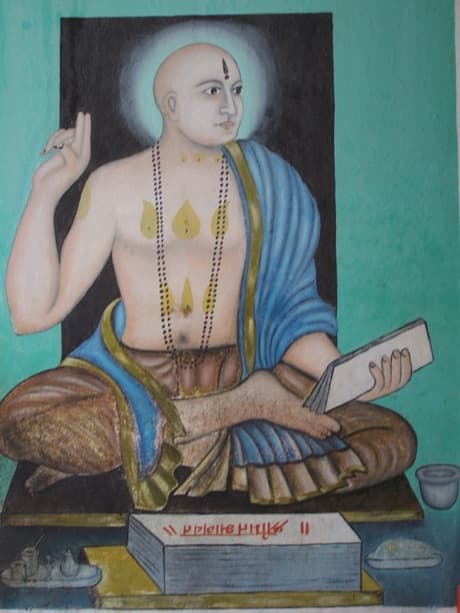
Madhvācārya · Dvaita
Madhva BhāṣyaSanskritEnglishOn verses 10.18–10.20
“न जायतेऽर्दयति च सम्सार, इति जनार्दनः | तथा च वामव्यशाखायाम् - स भूतः स जनर्दन इति स ह्यसीत् स नाऽसीत् सोऽर्दयति || इति |” - Though unborn yet He removes the miseries of life, therefore, is known as Janaardana, thus in Baabhravya section – “He is the Being; He is Janardana, i.e. not born, yet removing the afflictions”.
Madhvācārya · Dvaita
Gītā Tātparya NirṇayaSanskritEnglishOn verses 10.18–10.20
“मद्गतप्राणाः मद्विपयचेष्टाः |” – response towards Me means reflection and meditation about Me.

Jñāneśvar · Vārkarī
English20 *'I am the soul, O Gudākeśa, abiding within the heart of all the beings; I am, of the (animate—) beings, the origin, the mid-stay, as also the end.* (215)
Hear thou, who wear the curly black hair on thy head, who art the very Shiva amongst archers. I abide as the eternal 'Ātman' in each and every living being. Inside, I am the Supreme Soul in the heart of hearts of these beings; outside too their lives are wrapped up in My being. I am indeed the very beginning, the absolute end, as also the life that lives in the mid-stream of existence. To the clouds, up and down, inside and outside—the sky is every-where. Born of the vault of space, they float and move in it, and melting they return into it. Even so, I am the creator, the support, and the destroyer of all the living beings. Thou shalt know by this unitary vision of emanations, the boundless infinitude and all-filling quality of My essence. Therefore, hear thou ye, being all ears with the soul! Now let me speak of the principal emanations of My Divine Being.
Swami Ramsukhdas · Modern
English[The Lord can be thought of, in two ways (1) As of one's favourite Deity only. In case the mind deviates, it should again be fixed on God. (2) Whatever thought, comes to the mind, should be considered as His manifestation. With this second view-point the Lord, is describing His divine glories.]
'Ahamādiśca madhyam ca bhūtānāmanta eva ca'* —Here, by saying that He is the beginning, the middle and the end of all beings, the Lord has given the gist of His divine glories. As in ornaments made of gold, there is nothing but gold, though in between they may have different names and shapes, as ornaments, in the same way, all beings are born of Him, they live in Him, in different forms and they merge in Him.
* Here the term 'Ādi' (Beginning) and 'Anta' (End) are used in masculine gender while the term 'Madhyam' (Middle) is used in common gender. It means that at the beginning He remains. I am the prime cause of the gods and great sects, (Gītā 10/2) and at the end also He remains (Śrīmadbhāgavata 10/3/25). But in the middle at the time of creation persons, creatures and objects etc., of masculine, feminine and common gender live in the universe. Thus the common gender includes all the three genders. Therefore the Lord here as well as in the thirty-second verse has used the term 'Madhya' in common gender.
It means, that there is nothing else, at the beginning, in the middle and at the end, besides the Lord. The Lord pointed out this fact, first in the twentieth verse then in the middle in the thirty-second verse and at last in the thirty-ninth verse, by declaring Himself as the seed of all beings. It means, that all is God (Gītā 7/19). He has also declared that He becomes manifold in different forms (Chāndogya. 6/2/3) and He remains at the end, also (Śrīmadbhā. 10/3/25). It means that He is in the middle also. In this verse, in the thirty-second and thirty-ninth verses, the Lord has mentioned His main glories, referring to Himself. In other verses, His glories have been mentioned as the head of a class, the controller of the group, or due to some special characteristic of that glory. So, a striver should always think, that all the divine glories are nothing, besides manifestations of the Lord. He should behold only God, in all of these, because Arjuna put the question, 'In what aspects are You to be thought of, by me' (Gītā 10/17).
'Ahamātmā guḍākeśa sarvabhūtāsayasthitaḥ'—How should a striver make use, of these divine glories? A striver, should think, that the Lord has manifested Himself in all beings. He is the beginning, the middle and the end of the whole universe. He is the seed of all of them. It means, that in the whole universe there is nothing, besides Him.
**Appendix**—God is the beginning, the middle and the end of all beings—it means that there is nothing else besides God viz., all is God.
Lord Kṛṣṇa is entire and the soul (self) is His divine glory. The soul is the Lord's 'parā prakṛti' and 'antaḥkaraṇa' (internal instrument viz., mind) is the Lord's 'aparā prakṛti' (Gītā 7/4-5). Parā and Aparā—both are inseparable with God.
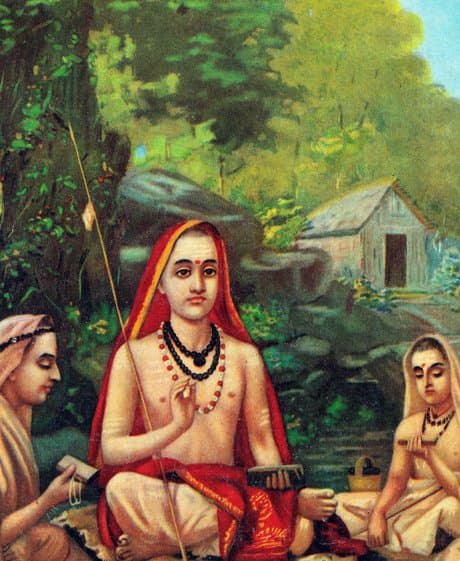
Ādi Śaṅkarācārya · Advaita
Sanskritअहं आत्मा प्रत्यग्-आत्मा गुडाकेश, गुडाका निद्रा तस्याः ईशः गुडाकेशः, जित-निद्रः इति अर्थः; घन-केशः इति वा । सर्व-भूत-आशय-स्थितः सर्वेषां भूतानां आशये अन्तर्-हृदि स्थितः अहं आत्मा प्रत्यग्-आत्मा नित्यं ध्येयः । तत्-अशक्तेन च उत्तरेषु भावेषु चिन्त्यः अहम्; यस्मात् अहं एव आदिः भूतानां कारणं तथा मध्यं च स्थितिः अन्तः प्रलयः च ॥ एवं च ध्येयः अहं --
Ādi Śaṅkarācārya · Advaita
Hindiउनमें तू पहली विभूतिको ही सुन—
गुडाका—निद्रा उसका स्वामी यानी निद्राजयी होनेके कारण अथवा घनकेश होनेके कारण अर्जुनका नाम गुडाकेश है। हे गुडाकेश! समस्त भूतोंके आशयमें यानी आन्तरिक हृदयदेशमें स्थित सबका अन्तरात्मा मैं हूँ (ऊँचे अधिकारियोंको तो) मेरा ध्यान सदा इस प्रकार करना चाहिये।
अर्द धातुके दो अर्थ होते हैं—गमन और याचना। यहाँ पहले गमन अर्थ स्वीकार करके उसके अनुसार व्युत्पत्ति दिखलाई गयी है, फिर 'अथवा' कहकर पक्षान्तरमें याचना अर्थ भी स्वीकार किया गया है।
परंतु जो ऐसा ध्यान करनेमें असमर्थ हों उन्हें आगे कहे हुए भावोंमें मेरा चिन्तन करना चाहिये, अर्थात् उनके द्वारा (इन अगले भावोंमें) मेरा चिन्तन किया जा सकता है; क्योंकि मैं ही सब भूतोंका आदि, मध्य और अन्त हूँ अर्थात् उनकी उत्पत्ति, स्थिति और प्रलयरूप में ही हूँ
Jñāneśvar · Vārkarī
Marathiआइकें कुटिलालकमस्तका । धनुर्वेदत्र्यंबका । मी आत्मा असें एकैका । भूतमात्राचां ठायीं ॥ २१५ ॥
आंतुलीकडे मीचि यांचा अंतःकरणीं । भूतांबाहेरी माझीच गंवसणी । आदि मी निर्वाणीं । मध्यही मीचि ॥ २१६ ॥
जैसें मेघां या तळीं वरी । एक आकाशचि आंत बाहेरी । आणि आकाशींचि जाले अवधारीं । असणेंही आकाशीं ॥ २१७ ॥
पाठीं लया जे वेळीं जाती । ते वेळीं आकाशचि होऊनि ठाती । तेवीं आदि स्थिती अंतगती । भूतांसि मी ॥ २१८ ॥
ऐसें बहुवस आणि व्यापकपण । माझें विभूतियोगें जाण । तरी जीवचि करूनि श्रवण । आइकोनि आइक ॥ २१९ ॥
याहीवरी त्या विभूती । सांगणें ठेलें तुजप्रति । सांगेन म्हणितलें तुज प्रीती । त्या प्रधाना आइकें ॥ २२० ॥
Jñāneśvar · Vārkarī
Hindi(10.215) घुँघरवाले बाल धारण करनेहारे, हे धनुर्विद्या के शंकर! सुनो, मैं हर एक प्राणी का आत्मा हूँ।
(10.216) भीतर की ओर मैं भूतमात्र के अन्तःकरण में हूँ और बाहर की ओर उन पर मेरा ही आच्छादन है। आदि में मैं हूँ, अन्त में मैं हूँ, और मध्य में भी मैं ही हूँ। (10.217) जैसे मेघों के लिए नीचे-ऊपर और अन्तर्बाह्य एक आकाश ही है, और वे आकाश में ही उत्पन्न होते और उसी में रहते हैं,
(10.218) और अनन्तर जब विलीन होते हैं तब आकाशरूप ही हो रहते हैं, वैसे ही प्राणियों की उत्पत्ति, स्थिति और नाश में हूँ।
(10.219) इस प्रकार मेरा विस्तार और मेरी व्यापकता मेरे विभूति-योग के द्वारा जान ले। हृदय को श्रवणरूप कर बारम्बार सुनो।
(10.220) अब हे सुभद्रापति! जो विभूतियाँ बताने की हमने प्रतिज्ञा की थी उनका वर्णन करना रहा है। वे मुख्य मुख्य विभूतियाँ सुनो।
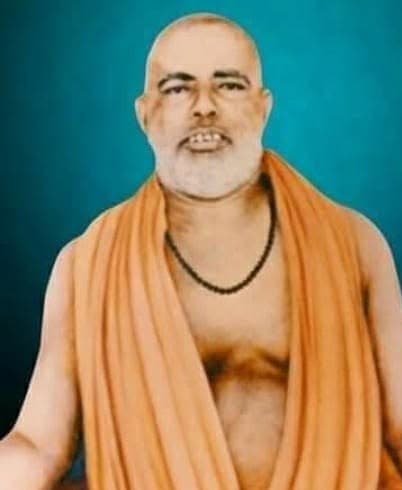
Sri Udiya Baba · Modern
Hindiसंगति— अगले श्लोक में भगवान् अपनी सर्वात्मता प्रकट करते हैं। यह श्लोक इस अध्याय में सबसे श्रेष्ठ है।
भावार्थ— हे गुडाकेश! मैं प्रत्यगात्मा (शुद्ध ब्रह्म सच्चिदानन्द श्रीकृष्ण) सभी प्राणियों के अन्तःकरण में स्थित हूँ। तथा मैं ही सबका आदि (कारण) मध्य (स्थूल-सूक्ष्म शरीर तथा विराट और हिरण्यगर्भ) और अन्त (ईश्वर या माया विशिष्ट ब्रह्म) हूँ।
व्याख्या— भगवान् ने पहले अपने को सबका आत्मा अर्थात् शुद्ध ब्रह्म कहा। फिर सब भूतों का मध्य बतलाया और फिर सबका अन्त। इस प्रकार सर्वरूप होने के कारण किसी भी विभूति की उपासना करने से मेरी ही उपासना होती है। मैं ही सविशेष हूँ और मैं ही निर्विशेष हूँ। मुझ ही से सब उत्पन्न हुए हैं, मुझ ही में स्थित हैं और मुझ ही में लीन होते हैं। इस प्रकार सभी मेरी विभूति हैं, क्योंकि मुझसे भिन्न कुछ भी नहीं है।
प्रश्न— भगवान् ने कहा कि मैं सब भूतों के हृदय में स्थित हूँ, इससे तो जान पड़ता है कि भूतों के हृदय और भगवान् भिन्न-भिन्न हैं।
उत्तर— नहीं, क्योंकि सबकी उत्पत्ति, स्थिति और प्रलय करने वाले भगवान् ही हैं, अतः सर्वरूप में वे ही हैं, जैसे स्वप्न स्वप्नद्रष्टा से भिन्न नहीं होता। अतः भूतों के हृदय और भगवान् दोनों एक ही वस्तु हैं।
Swami Ramsukhdas · Modern
Hindi[भगवानका चिन्तन दो तरहसे होता है—(१) साधक अपना जो इष्ट मानता है, उसके सिवाय दूसरा कोई भी चिन्तन न हो। कभी हो भी जाय तो मनको वहाँसे हटाकर अपने इष्टदेवके चिन्तनमें ही लगा दे; और (२) मनमें सांसारिक विशेषताको लेकर चिन्तन हो, तो उस विशेषताको भगवानकी ही विशेषता समझे। इस दूसरे चिन्तनके लिये ही यहाँ विभूतियोंका वर्णन है। तात्पर्य है कि किसी विशेषताको लेकर जहाँ-कहीं वृत्ति जाय, वहाँ भगवानका ही चिन्तन होना चाहिये, उस वस्तु-व्यक्तिका नहीं। इसीके लिये भगवान विभूतियोंका वर्णन कर रहे हैं।]
**‘अहमादिश्च मध्यं च भूतानामन्त एव च’**—यहाँ भगवानने अपनी सम्पूर्ण विभूतियोंका सार कहा है कि सम्पूर्ण प्राणियोंके आदि, मध्य तथा अन्तमें मैं ही हूँ। यह नियम है कि जो वस्तु उत्पत्ति-विनाशशील होती है, उसके आरम्भ और अन्तमें जो तत्त्व रहता है, वही तत्त्व उसके मध्यमें भी रहता है (चाहे दीखे या न दीखे) अर्थात् जो वस्तु जिस तत्त्वसे उत्पन्न होती है और जिसमें लीन होती है, उस वस्तुके आदि, मध्य और अन्तमें (सब समयमें) वही तत्त्व रहता है। जैसे, सोनेसे बने गहने पहले सोनारूप होते हैं और अन्तमें (गहनोंके सोनेमें लीन होनेपर) सोनारूप ही रहते हैं तथा बीचमें भी सोनारूप ही रहते हैं। केवल नाम, आकृति, उपयोग, माप, तौल आदि अलग-अलग होते हैं; और इनके अलग-अलग होते हुए भी गहने सोना ही रहते हैं। ऐसे ही सम्पूर्ण प्राणी आदिमें भी परमात्मस्वरूप थे और अन्तमें लीन होनेपर भी परमात्मस्वरूप रहेंगे तथा मध्यमें नाम, रूप, आकृति, क्रिया, स्वभाव आदि अलग-अलग होनेपर भी तत्त्वतः
परमात्मस्वरूप ही हैं—यह बतानेके लिये ही यहाँ भगवानने अपनेको सम्पूर्ण प्राणियोंके आदि, मध्य और अन्तमें कहा है।
भगवानने विभूतियोंके इस प्रकरणमें आदि, मध्य और अन्तमें—तीन जगह साररूपसे अपनी विभूतियोंका वर्णन किया है। पहले इस बीसवें श्लोकमें भगवानने कहा कि ‘सम्पूर्ण प्राणियोंके आदि, मध्य और अन्तमें मैं ही हूँ;’ बीचके बत्तीसवें श्लोकमें कहा कि ‘सम्पूर्ण सर्गोंके आदि, मध्य और अन्तमें मैं ही हूँ;’ और अन्तके उनतालीसवें श्लोकमें कहा कि ‘सम्पूर्ण प्राणियोंका जो बीज है, वह मैं ही हूँ; क्योंकि मेरे बिना कोई भी चर-अचर प्राणी नहीं है।’ चिन्तन करनेके लिये यही विभूतियोंका सार है। तात्पर्य यह है कि किसी विशेषता आदिको लेकर जो विभूतियाँ कही गयी हैं, उन विभूतियोंके अतिरिक्त भी जो कुछ दिखायी दे, वह भी भगवानकी ही विभूति है—यह बतानेके लिये भगवानने अपनेको सम्पूर्ण चराचर प्राणियोंके आदि, मध्य तथा अन्तमें विद्यमान कहा है। तत्त्वसे सब कुछ परमात्मा ही है—**‘वासुदेवः सर्वम्’**—इस लक्ष्यको बतानेके लिये ही विभूतियाँ कही गयी हैं।
इस बीसवें श्लोकमें भगवानने प्राणियोंमें जो आत्मा है, जीवोंका जो स्वरूप है, उसको अपनी विभूति बताया है। फिर बत्तीसवें श्लोकमें भगवानने सृष्टिरूपसे अपनी विभूति बतायी कि जो जड़-चेतन, स्थावर-जंगम सृष्टि है, उसके आदिमें ‘मैं एक ही बहुत रूपोंमें हो जाऊँ’ (**‘बहु स्यां प्रजायेयेति’** छान्दोग्य० ६।२।३)—ऐसा संकल्प करता हूँ और अन्तमें मैं ही शेष रहता हूँ—**‘शिष्यते शेषसंज्ञः’** (श्रीमद्भा० १०।३।२५)। अतः बीचमें भी सब कुछ मैं ही हूँ—**‘वासुदेवः सर्वम्’** (गीता ७।१९) **‘सदसच्चाहमर्जुन’**
* यहाँ ‘आदि:’ और ‘अन्त:’ शब्दका प्रयोग पुल्लिंगमें और ‘मध्यम्’ शब्दका प्रयोग नपुंसकलिंगमें किया गया है। इसका तात्पर्य है कि आदिमें अकेले परमपुरुष भगवान रहते हैं—**‘अहमादिहि देवानां महर्षिणां च सर्वशः’** (गीता १०।२), और अन्तमें भी अकेले परमपुरुष भगवान रहते हैं—**‘शिष्यते शेषसंज्ञः’** (श्रीमद्भा० १०।३।२५)। इसलिये भगवानने ‘आदि’ और ‘अन्त’ शब्दका प्रयोग पुल्लिंगमें किया है। परन्तु मध्यमें अर्थात् सृष्टिके समय पुल्लिंग, स्त्रीलिंग और नपुंसकलिंग तीनों लिंगोंवाले व्यक्ति, वस्तु, पदार्थ, क्रिया, भाव आदि रहते हैं। अतः इन तीनों लिंगोंमें नपुंसकलिंग ही शेष रहता है अर्थात् नपुंसकलिंगके अन्तर्गत ही तीनों लिंग आ जाते हैं। इसलिये भगवानने यहाँ और आगे बत्तीसवें श्लोकमें भी ‘मध्य’ शब्दका प्रयोग नपुंसकलिंगमें किया है।
(गीता ९। १९); क्योंकि जो तत्त्व आदि और अन्तमें होता है, वही तत्त्व बीचमें होता है। अन्तमें उन्तालीसवें श्लोकमें भगवान्ने बीज-(कारण-) रूपसे अपनी विभूति बतायी कि मैं ही सबका बीज हूँ, मेरे बिना कोई भी प्राणी नहीं है। इस प्रकार इन तीन जगह-तीन श्लोकोंमें मुख्य विभूतियाँ बतायी गयी हैं और अन्य श्लोकोंमें जो समुदायमें मुख्य हैं, जिनका समुदायपर आधिपत्य है, जिनमें कोई विशेषता है, उनको लेकर विभूतियाँ बतायी गयी हैं। परन्तु साधकको चाहिये कि वह इन विभूतियोंकी महत्ता, विशेषता, सुन्दरता, आधिपत्य आदिकी तरफ खयाल न करे, प्रत्युत ये सब विभूतियाँ भगवान्से ही प्रकट होती हैं, इनमें जो महत्ता आदि है, वह केवल भगवान्की है; ये विभूतियाँ भगवत्स्वरूप ही हैं—इस तरफ खयाल रखे। कारण कि अर्जुनका प्रश्न भगवान्के चिन्तनके विषयमें है
**परिशिष्ट भाव**—सम्पूर्ण प्राणियोंके आदि, मध्य तथा अन्तमें भगवान् ही हैं—इसका तात्पर्य यह है कि एक भगवान्के सिवाय और कुछ है ही नहीं अर्थात् सब कुछ भगवान् ही हैं।
भगवान् श्रीकृष्ण समग्र हैं और आत्मा उनकी विभूति है। आत्मा भगवान्की 'परा प्रकृति' है और अन्तःकरण 'अपरा प्रकृति' है (गीता—सातवें अध्यायका चौथा, पाँचवाँ श्लोक)। परा और अपरा—दोनों ही भगवान्से अभिन्न हैं।
Within the etheric hearts of all living entities is enthroned the ātma or eternal soul which comprises the spiritual body of the Supreme Lord Krishna.
To be the eternal ātma is to be in every respect the support, the ruler and controller of the living entities and to be blessed with the ātma is to be eternally connected to the Supreme Lord lifetime after lifetime forever.
The Brihadāraṇyaka Upaniṣad V.VII.XV beginning yas sarvashu bhuteshu tishthan sarvebhyo bhutebhyo states:
“He who is enthroned in the heart of all beings, Who is the inner bg-skymost of all beings, Whom all the beings know not, Whom all beings form His spiritual body, Who rules the interior of all beings, is the ātma, the Antaryāmī - the immortal inner bg-sky ruler.“
In the same Upaniṣad V.VII.XXII beginning ya ātmani tisthan ātmano it states:
He who is enthroned within the ātma, Who resides within the interior of the ātma, Whom even the ātma does not know, Whom all ātma's are the spiritual body, Who rules the interior of the ātma is paramātma the Supreme ātma of all.”
So enthroned as such within the ātma of all living entities as paramātma the Supreme Lord is the beginning, the middle and the end of all beings and their cause, their evolution and their dissolution.
So now that it has been shown how the Supreme Lord abides within all His manifested beings as the ātma and how all terms regarding the ātma in their ultimate reference samanadhi-kāraṇya which means two or more terms signifying different ideas but referring to a singular object connotes the Supreme Lord Himself.
Such references concerning the relationship between the Supreme Lord and His manifested creation will be illustrated by many notable examples.
Verily only then do all such terms have the ultimate connotation as referring to the Supreme Lord when He is residing within as the eternal ātma.
For example the terms of deva, human, animal, tree etc. although denotative of the corporeal exterior, is connotative of the eternal soul which indwells within those exterior forms.
The same rule holds true in regard to terms ultimately connotative in referring to the Supreme Lord in His aspect as the eternal soul of all living things as well.
Movable or immovable nothing exists without the Supreme Lord Krishna and so all are dependent upon the Him.