

Bhagavad Gītā · Chapter 10 · Vibhūti Yoga
आयुधानामहं वज्रं धेनूनामस्मि कामधुक्
प्रजनश्चास्मि कन्दर्पः सर्पाणामस्मि वासुकिः
āyudhānāmahaṃ vajraṃ dhenūnāmasmi kāmadhuk|
prajanaścāsmi kandarpaḥ sarpāṇāmasmi vāsukiḥ||
Word meanings
आयुधानाम् = among weapons
वज्रम् = the thunderbolt
धेनूनाम् = among cows
कामधुक् = the wish-fulfilling cow
अहम् = I
अस्मि = I am
प्रजनः = the cause of procreation
कन्दर्पः = Kandarpa, the god of love
अस्मि = I am
च = and
सर्पाणाम् = among serpents
वासुकिः = Vāsuki
अस्मि = I am
Translation
Among weapons, I am the thunderbolt; among cows, I am the celestial cow Kamadhenu (the cow of plenty). I am the sexual desire which leads to procreation (as enjoined by the scriptures); among serpents, I am Vasuki.
Commentary
The commentators seated around this verse
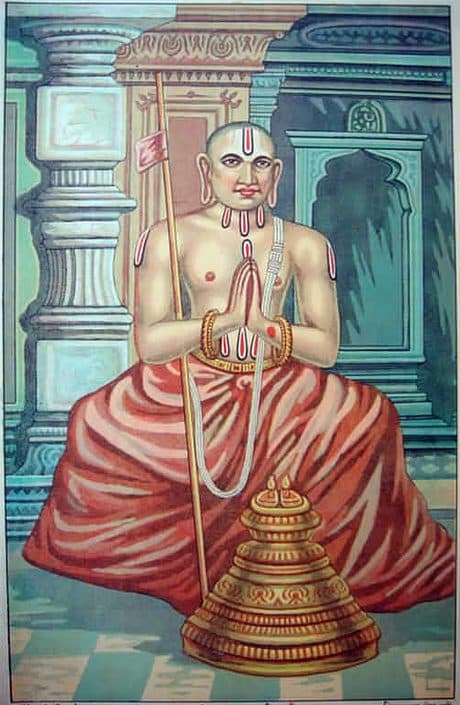
Rāmānuja · Viśiṣṭādvaita
English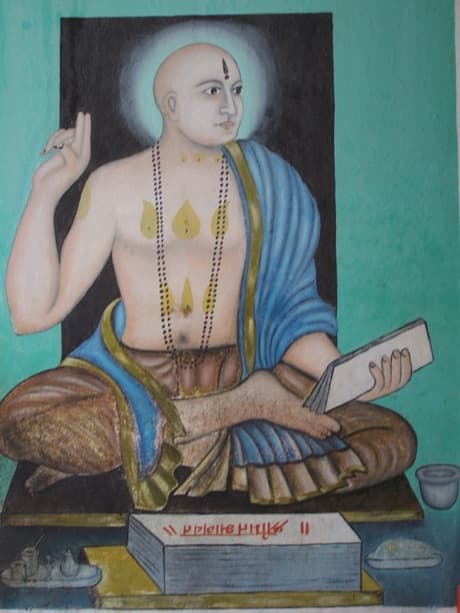
Madhvācārya · Dvaita
SanskritEnglishOn verses 10.26–10.30
“सुखरूपः पाल्यते लीयते च जगदनेन, इति कपिलः | प्रीतिः सुख कमानन्दः इत्यभिदानात् | प्राणो ब्रह्म कं ब्रह्म खं ब्रह्म इति च | ऋषिं प्रसूतं कपिलं यस्तमग्रे ज्ञानेर्विभति जायमानं च पश्येत् | सुखादनन्तात् पालानल्लापनाच्च यं वै देवं कपिलमुदाहरन्ति || इति वाभव्यशाखकयाम् ||” - क - having pleasant form, पि - to nourish and ल is to absorb the worlds, hence कपिलः. प्रीतिः is Love, सुखं is pleasure. क and आनन्दः meaning bliss are corresponding words. Similarly, प्राण is Brahman, कं is Brahman and खं is Brahman. “The Seer Kapila who knows through awareness what was born earlier, what is being born now, and what will be born hereafter, through immeasurable pleasure, through Bliss, through sustenance and through absorption, should be known as the Lord”, thus in Babhravya section.

Jñāneśvar · Vārkarī
EnglishOn verses 10.28–10.29
28 "Of missiles I am the Vajra (thunderbolt), of milch-cows I am the Wish-milching (cow). I am Love the procreator. Of serpents I am Vāsuki. 29 "Ananta I am of the Nāgas (dragons), and I am Varuna of the aquatics; of the Manes I am Aryaman, I am Abstention (Yama) amongst the (mind) curbing (Yogic-aids). (240) Amongst the weapons, I am, Oh Dhanurdhara, the thunderbolt, that is flourished in the hands of Indra, the performer of a hundred sacrifices; *Kamadhenu* amongst cows. I am the God of Love amongst those that procreate. I am *Vāsuki* the chief of the serpent race; I am *Ananta* (Shesha) amongst the Nāgas (dragons-serpents-semi-gods having bodies of serpents and faces of men). I am *Varuṇa* the master beloved of the Maiden—“West-sky”—amongst the maids,” said *Ananta*. “I am *Aryama*, the Chief *Pitara* amongst Manes (Pitaras—ancestors or departed progenitors of human families). And I am that *Yama* (the chief of the arbiters of men who set down all good and evil actions of souls, keep vigil over the searching of the hearts of all beings and requite them for their actions by strict rules). I am then the (*Yama*) *Dharma*, the great judge of all actions,” said *Rāma*, the husband of *Ramā* (रमापती).
Swami Ramsukhdas · Modern
English'Āyudhānāmaham vajram'—Of all the weapons, the thunderbolt, which was made of the bones of sage Dadhīci, who gave up his body, is the best one. It involved the willing self-sacrifice of sage Dadhīci. So, the Lord has named the thunderbolt as His glory.
'Dhenūnāmasmi kāmadhuk'—The celestial cow Kāmadhenu came out of the ocean while churning it. This cow has the power to supply all the requirements of the gods and men. So she is said to be the Lord's divine glory.
'Prajanaścāsmi kandarpaḥ'—Kandarpa is Cupid, the god of sexual urge in beings. Progeny is possible because of this urge. This progenitive instinct is to be revered if it is utilized for progeny by renouncing the sensuous pleasures. This urge is His divine glory. In the eleventh verse of the seventh chapter also the Lord declared, "I am sexual desire not in conflict with virtue or scriptural injunction."
'Sarpāṇāmasmi vāsukiḥ'—Vāsuki is the lord of all serpents and is a devotee of the Lord. It was used as the rope to rotate the Mount Meru in the act of churning the ocean. So the Lord speaks of this serpent as His divine glory.
The singularity seen in these divine glories is the Lord's.

Ādi Śaṅkarācārya · Advaita
Sanskritआयुधानां अहं वज्रं दधीचि-अस्थि-सम्भवम् । धेनूनां दोग्ध्रीणां अस्मि काम-धुक् वसिष्ठस्य सर्व-कामानां दोग्ध्री, सामान्या वा काम-धुक् । प्रजनः प्रजनयिता अस्मि कन्दर्पः कामः सर्पाणां सर्प-भेदानां अस्मि वासुकिः सर्प-राजः ॥
Ādi Śaṅkarācārya · Advaita
Hindiशस्त्रोंमें मैं दधीचि ऋषिकी अस्थियोंसे बना हुआ वज्र हूँ। दूध देनेवाली गौओंमें कामधेनु—वसिष्ठको सब कामनारूप दूध देनेवाली अथवा सामान्य भावसे जो भी कामधेनु है वह मैं हूँ। प्रजाको उत्पन्न करनेवाला कामदेव मैं हूँ और सर्पोंमें अर्थात् सर्पोंके नाना भेदोंमें सर्पराज वासुकि मैं हूँ
Jñāneśvar · Vārkarī
MarathiOn verses 10.28–10.29
पैं आघवेयां हातियेरां । आंत वज्र तें मी धनुर्धरा । जें शतमखोत्तीर्णकरा । आरूढोनि असे ॥ २४० ॥
धेनूंमध्यें कामधेनु । तें मी म्हणे विष्वक्सेनु । जन्मवितयांआंत मदनु । तो मी जाणें ॥ २४१ ॥
सर्पकुळाआंत अधिष्ठाता । वासुकी गा मी कुंतीसुता । नागांमाजीं समस्तां । अनंतु तो मी ॥ २४२ ॥
अगा यादसांआंतु । जो पश्चिमप्रमदेचा कांतु । तो वरुण मी हें अनंतु । सांगत असे ॥ २४३ ॥
आणि पितृगणां समस्तां- । माजीं अर्यमा जो पितृदेवता । तो मी हें तत्त्वता । बोलत आहें ॥ २४४ ॥
जगाचीं शुभाशुभें लिहिती । प्राणियांच्या मानसांचा झाडा घेती । मग केलियानुरूप होती । भोगनियम जे ॥ २४५ ॥
तयां नियमितयांमाजीं यमु । जो कर्मसाक्षी धर्मु । तो मी म्हणे रामु । रमापती ॥ २४६ ॥
Jñāneśvar · Vārkarī
HindiOn verses 10.28–10.29
(10.240) हे धनुर्धर। सब हथियारों में मैं वज्र हूँ जो सौ यज्ञ करके कृतार्थ होनेहारे इन्द्र के हाथ में रहता है।
(10.241) श्रीकृष्ण कहते हैं कि गौओं में जो कामधेनु है वह मैं हूँ, जन्म देनेहारों में जो मदन है वह मैं हूँ। (10.242) हे कुन्तीसुत! सर्पकुल का नायक वासुकी मैं हूँ और सम्पूर्ण नागों में मैं अनन्त हूँ।
(10.243) श्रीअनन्त कहते हैं कि जलचरों में जो पश्चिम दिशा का स्वामी वरुण है वह मैं हूँ।
(10.244) और मैं यथार्थ कह रहा हूँ कि सम्पूर्ण पितृगणों में जो पितृदेवता अर्यमा है वह मैं हूँ।
(10.245) जग के जो शुभाशुभ लिखनेहारे, प्राणियों के मन का खोज लेनेहारे और कर्मानुसार भोगों के देनेहारे हैं
(10.246) उन शासन करनेहारों में जो यम है, जो कर्म का साक्षिभूत धर्म है, वह मैं हूँ। इस प्रकार श्रीरमापति आत्माराम ने निरूपण किया और फिर कहा —
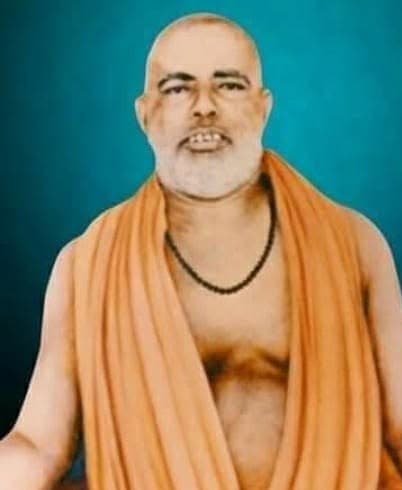
Sri Udiya Baba · Modern
Hindiभावार्थ— शस्त्रों में 'मैं' वज्र हूँ, गौओं में कामधेनु हूँ, प्रजोत्पत्ति के कारणों में 'मैं' कामदेव हूँ, और सर्पों में वासुकि हूँ।
Swami Ramsukhdas · Modern
Hindi‘आयुधानामहं वज्रम्’—जिनसे युद्ध किया जाता है, उनको आयुध (अस्त्र-शस्त्र) कहते हैं। उन
आयुधोंमें इन्द्रका वज्र मुख्य है। यह दधीचि ऋषिकी हड्डियोंसे बना हुआ है और इसमें दधीचि ऋषिकी तपस्याका
* यहाँ वर्तमान मन्वन्तरे मनुको भी राजा मान सकते हैं।
तेज है। इसलिये भगवान्ने वज्रको अपनी विभूति कहा है। ‘धेनूनामस्मि कामधुक्’—नयी ब्यायी हुई गायको धेनु कहते हैं। सभी धेनुओंमें कामधेनु मुख्य है, जो समुद्र-मन्थनसे प्रकट हुई थी। यह सम्पूर्ण देवताओं और मनुष्योंकी कामनापूर्ति करनेवाली है। इसलिये यह भगवान्की विभूति है।
‘प्रजनश्चास्मि कन्दर्पः’—संसारमात्रकी उत्पत्ति कामसे ही होती है। धर्मके अनुकूल केवल सन्तानकी उत्पत्तिके लिये सुखबुद्धिका त्याग करके जिस कामका उपयोग किया जाता है, वह काम भगवान्की विभूति है। सातवें
अध्यायके ग्यारहवें श्लोकमें भी भगवान्ने कामको अपनी विभूति बताया है—‘धर्माविरुद्धो भूतेषु कामोऽस्मि भरतर्षभ’ अर्थात् सब प्राणियोंमें धर्मके अनुकूल काम में हूँ।
‘सर्पाणामस्मि वासुकिः’—वासुकि सम्पूर्ण सर्पोंके अधिपति और भगवान्के भक्त हैं। समुद्र-मन्थनके समय इन्हींकी मन्थन-डोरी बनायी गयी थी। इसलिये भगवान्ने इनको अपनी विभूति बताया है।
इन विभूतियोंमें जो विलक्षणता दिखायी देती है, वह प्रतिक्षण परिवर्तनशील संसारकी हो ही कैसे सकती है! वह तो परमात्माकी ही है।
Lord Krishna's vibhūti or divine, transcendental opulence known as Kāmadhuk refers to Kāmadhenu or the divine and sacred Surabhi cow the fulfiller of all desires.
Kandarpa is His vibhūti which is the primal force that motivates procreation and causes progeny.
Sarpaanam refers to poisonous single headed serpents of which Vāsuki is king of them all.