

Bhagavad Gītā · Chapter 16 · Daivāsura Sampad Vibhāga Yoga
तस्माच्छास्त्रं प्रमाणं ते कार्याकार्यव्यवस्थितौ
ज्ञात्वा शास्त्रविधानोक्तं कर्म कर्तुमिहार्हसि
tasmācchāstraṃ pramāṇaṃ te kāryākāryavyavasthitau|jñātvā śāstravidhānoktaṃ karma kartumihārhasi||
Word meanings
तस्मात् = therefore
ते = to you
कार्याकार्य-व्यवस्थितौ = in determining what to do and not do
शास्त्रम् = the scripture
प्रमाणम् = is the authority
ज्ञात्वा = having known
इह = in this world
शास्त्र-विधानोक्तम् = enjoined by scripture
कर्म = action
कर्तुम् = to do
अर्हसि = you ought
Translation
Therefore, the scripture alone is your guide in determining what should be done and what should not be done. Knowing this, you ought to perform only such action as is ordained by the scriptures.
Commentary
The commentators seated around this verse
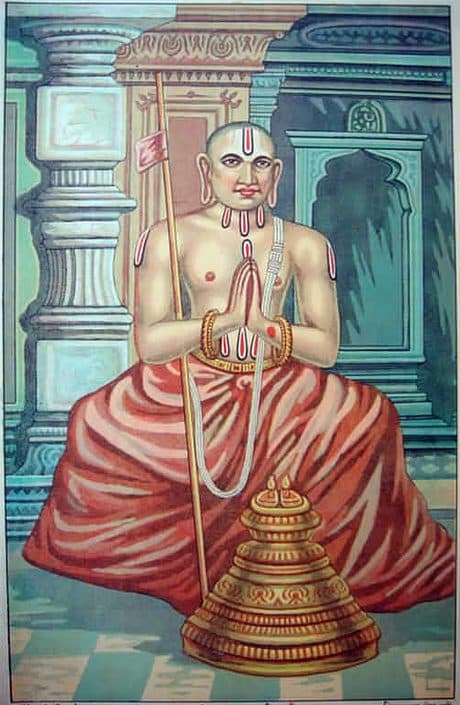
Rāmānuja · Viśiṣṭādvaita
English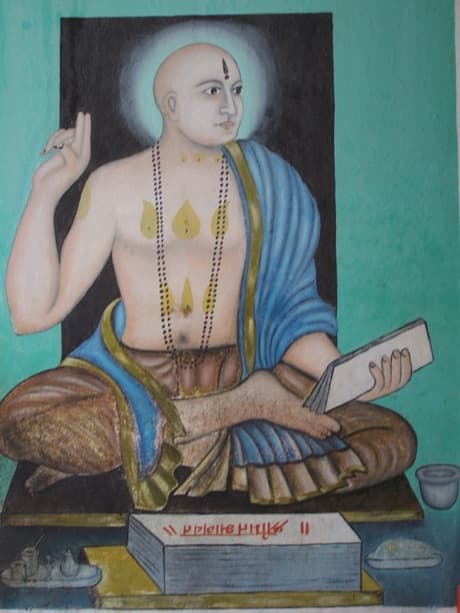
Madhvācārya · Dvaita
SanskritEnglishOn verses 16.21–16.24
“मामात्मपरदेहेषु इति | न कस्यचिद् विष्णुः कारयिता, यदि स्यान्मामपीदानीं कारयतु - इत्यादि | ईश्वरो यदि सर्वस्य कारकः कारयीत माम् | अद्येति वादिनं वृथात् सदाऽधो यास्यसीति तु || इति हि सामवेदे यास्कश्रुतिः ||” - मामात्मपरदेहेषु means when the actions are not motivated by the Lord. “None of them are the actions prompted by Sri Vishnu. If that were not so, then He would not have said ‘I have not prompted these actions’. “If all the actions are said to be His, then let my actions be performed by Him, such ones would be required to be told that they will go to eternal hell, thus according to Yaska scripture of Samaveda.”
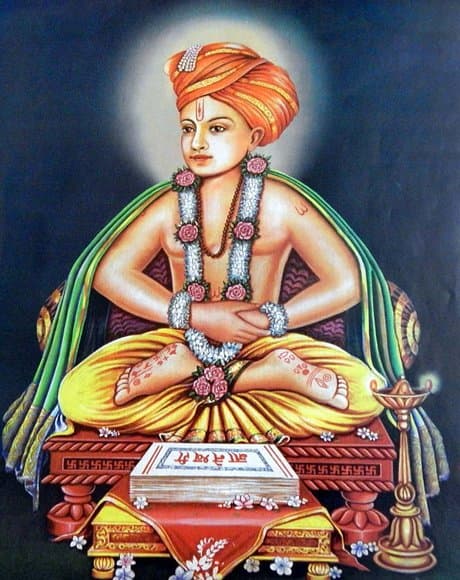
Jñāneśvar · Vārkarī
English24 "Therefore, the Shāstra is thine authority in determining what to do and what not to do. So, after knowing what is declared by the Shāstric prescription, thou wilt here do well to perform the act." (455)
For this reason, one who feels any pity for his own self, should not show any disregard for the dictates of the Vedas. A loyal wife follows (respects) the inclinations of her husband and automatically secures self-good: or a disciple who keeps an attentive eye on the observance of the preceptor's words, secures a seat in the mansion of the Self; or one has to hold out light with great care (regard), should he wish to get back his own hoard kept hidden in a dark place. In that way, one who desires to have a mastery over all the (Four) Objects of Life (of a human being), must hold in high respect the dicta of the Shruti and Smriti Scriptures. He should renounce what is forbidden by the Scriptures, and should hold it as mere straw even though it might happen to be a kingdom; and he should accept such as is enjoined by the Scriptures, even though it be damned poison. With such a staunch faith in Vedic Scriptures, could one ever be confronted by any evil, Oh Warrior? There is no mother in the world greater than the Shruti Scriptures, who protects her child from evil influences and saves and brings (it) up by giving wholesome things. One should not therefore abandon the Shruti, which leads to the attainment of the Supreme, and you too should worship it with special devotion. You are, Oh Arjuna, born in this world, on the strength of your religious acts (in the preceding lives) for making the scriptures significant (by furnishing a direct proof of their validity). You have, in natural sequence, won for yourself the designation "younger brother" of religion (धर्मानुज—the follower of धर्म: note the pun on the word धर्म meaning religion, and Arjuna's eldest brother) and so you should not act adversely. You should take decisions strictly as authorised by the Scriptures, while considering the fitness and propriety of actions, and you should absolutely avoid doing things definitely adjudged as evil acts. You should then carry out to its completion, with great regard and using all your strength, that which may be declared as the true duty. There is in your possession, (lit. hand), Oh Great Talent, the signet ring in the form of pure intellect with which to set the seal of absolute-universal-validity (on actions good and evil) and (so) you are perfectly qualified to guide and direct people. Thus the Lord preached to the Son of Pāṇḍu, the signs of the demoniacal disposition and how one should escape from it. Next, the Son of Pāṇḍu (will) ask questions about the “good faith” on the part of the beings: (मद्भावो जिवींचा), which you do hear through ears in the form of sentience. Sanjaya narrated to the King (Dhritarāshtra) what the Sage Vyāsa wrote down (निरोपा) and I shall tell it to you through the favour of the preceptor, Nivrittināth. O saints, if you shower down on me your kind glances, I shall also be as great (and able an orator) as you will like me to be. You should therefore give me your attention by way of charity, (as a token of your grace—पसायदान) and then I shall be really blessed,” said Jnānadev. (473)
दैवामुरसंपद्विभागयोगो नाम षोडशोऽध्यायः ॥ १६ ॥
Swami Ramsukhdas · Modern
English'Tasmācchāstram pramāṇam te kāryākāryavyavasthitau'— Those, who are attached to their life-breath, do not know what should be done, and what should be refrained from. So, they are specially inclined towards demoniac nature. Therefore, Lord Kṛṣṇa, advises Arjuna to act according to the ordinance of scripture.
The conduct and words, of saints and great souls, are also based on scripture. So obedience to these, is also obedience to the ordinances of the scripture, because they have become saints and great souls, by following the ordinances of scripture. In fact, the ordinances of scriptures are the ideas, precepts, and principles, and acts of God-realized souls.
The expression 'Śāstram pramāṇam', means that a person, who wants to attain eternal bliss, should readily renounce whatever is prohibited by the scripture, and accept what is ordained by it.
'Jñātvā śāstravidhānoktaṁ karma kartumihārhasī'— People of demoniac nature, do not know, what to do and what to refrain from (Gītā 16/7). So, they do not attain perfection. Lord Kṛṣṇa says to Arjuna, that he should act, according to ordinances of the scripture, because he possesses the divine nature.
First, Arjuna thought, that sin alone would accrue to him, by killing his kinsmen in the battle. So the Lord declared, 'Happy are the Kṣatriyas (members of the warrior class), who are called upon to fight, in such a battle that comes of itself, as an open door to heaven' (Gītā 2/32). Here, the Lord says that he should discharge his duty, according to the ordinance of the scripture, because it cannot lead him to bondage. An act, which
* The term 'Iha' here means that a man should avail of the human life which has been bestowed upon him in order to realize God by performing noble actions.
is performed with selfishness and pride, leads to bondage while the action which is performed in an arbitrary way against the ordinance of scriptures, leads to ruin.
One's own duty of fighting in the battle, seems one of cruelty and violence, but actually a Kṣatriya doing his duty incurs no sin (Gītā 18/47). It means, that a person who discharges his duty in accordance with the ordinance of scriptures, incurs no sin. He incurs sin, only when he performs actions, with selfishness and pride, in order to harm others.
Human life, is successful only, when a person without being attached to the body and life-breath, performs actions according to ordinances of scriptures, for God-realization.
**Appendix**—The Lord in the seventh verse declared that the people of demoniac nature don't know what to do and what to refrain from. Here the Lord declares that their demoniac nature will be wiped out by acting according to the ordinance of the scripture.
Here a doubt may arise how will the people, who have not studied the scripture, know what to do? The clarification is that if they aim at salvation, they themselves will know what to do, because necessity is the mother of invention. But if they don't aim at salvation, even having studied the scripture, they will not know what to do; on the contrary their ignorance will thrive on the assumption that they have a very good knowledge of scriptures.
ॐ तत्सदिति श्रीमद्भगवद्गीतासूपनिषत्सु ब्रह्मविद्यायां योगशास्त्रे
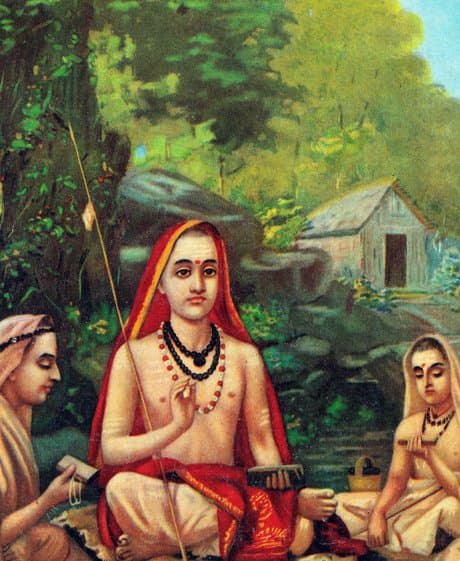
Ādi Śaṅkarācārya · Advaita
Sanskritतस्मात् शास्त्रं प्रमाणं ज्ञानसाधनं ते तव कार्याकार्यव्यवस्थितौ कर्तव्याकर्तव्यव्यवस्थायाम् । अतः ज्ञात्वा बुद्ध्वा शास्त्रविधानोक्तं विधिः विधानं शास्त्रमेव विधानं शास्त्रविधानं ``कुर्यात्, न कुर्यात्'' इत्येवंलक्षणम्, तेन उक्तं स्वकर्म यत् तत् कर्तुं इह अर्हसि, इह इति कर्माधिकारभूमिप्रदर्शनार्थं इति ॥
Ādi Śaṅkarācārya · Advaita
Hindiसुतरां कर्तव्य और अकर्तव्यकी व्यवस्थामें तेरे लिये शास्त्र ही प्रमाण है, अर्थात् ज्ञान प्राप्त करनेका साधन है। अतः शास्त्र-विधानसे कही हुई बातको समझकर यानी आज्ञाका नाम विधान है। शास्त्रद्वारा जो ऐसी आज्ञा दी जाय कि 'यह कार्य कर, यह मत कर' वह शास्त्र-विधान है, उससे बताये हुए स्वकर्मको जानकर तुझे इस कर्मक्षेत्रमें कार्य करना उचित है। 'इह' शब्द जिस भूमिमें कर्मोंका अधिकार है उसका लक्ष्य करवानेवाला है
Jñāneśvar · Vārkarī
MarathiOn verses 16.23–16.24
ना हें नावडोनि कांहीं । कामादिकांच्याचि ठायीं । दाटिली जेणें डोई । आत्मचोरें ॥ ४४५ ॥ जो जगीं समान सकृपु । हिताहित दाविता दीपु । तो अमान्यु केला बापु । वेदु जेणें ॥ ४४६ ॥ न धरीचि विधीची भीड । न करीचि आपली चाड । वाढवीत गेला कोड । इंद्रियांचें ॥ ४४७ ॥ कामक्रोधलोभांची कास । न सोडीच पाळिली भाष । स्वैराचाराचें असोस । वळघला रान ॥ ४४८ ॥ तो सुटकेचिया वाहिणीं । मग पिवों न लाहे पाणी । स्वप्नींही ते कहाणी । दूरीचि तया ॥ ४४९ ॥ आणि परत्र तंव जाये । हें कीर तया आहे । परी ऐहिकही न लाहे । भोग भोगूं ॥ ४५० ॥ तरी माशालागीं भुलला । ब्राह्मण पाणबुडां रिघाला । कीं तेथही पावला । नास्तिकवादु ॥ ४५१ ॥ तैसें विषयांचेनि कोडें । जेणें परत्रा केलें उबडें । तंव तोचि आणिकीकडे । मरणें नेला ॥ ४५२ ॥ एवं परत्र ना स्वर्गु । ना ऐहिकही विषयभोगु । तेथ केउता प्रसंगु । मोक्षाचा तो ? ॥ ४५३ ॥ म्हणौनि कामाचेनि बळें । जो विषय सेवूं पाहे सळें । तया विषयो ना स्वर्गु मिळे । ना उद्धरे तो ॥ ४५४ ॥
Jñāneśvar · Vārkarī
Hindi(16.455) इसलिए हे तात! जिसे निज पर करूणा हो उसे वेदों के सन्देश की अवज्ञा न करनी चाहिए।
(16.456) पतिव्रता स्त्री जैसे पति की सम्मति के अनुसार चल अनायास आत्महित प्राप्त कर लेती है,
(16.457) अथवा शिष्य जैसे श्रीगुरु के वचनों की ओर ध्यान रखता हुआ प्रयत्न से आत्मारूपी घर में प्रवेश कर लेता है,
(16.458) अथवा अपना रक्खा हुआ धन प्राप्त करना हो तो जैसे दीपक आगे कर देखना चाहिए,
(16.459) वैसे ही जो सब पुरुषार्थों का स्वामी होना चाहता है उसे हे पार्थ! श्रुति-स्मृति के शिर पर धारण करना चाहिए।
(16.460) शास्त्र जिसका त्याग कहता है वह राज्य हो तथापि उसे तृणवत् समझना चाहिए, तथा शास्त्र जिसका ग्रहण कहता है वह विष भी हो तो भी उसे विरुद्ध न समझना चाहिए।
(16.461) ऐसी वेदनिष्ठा हो जाय तो हे सुभट! कौन-सा अनिष्ट प्राप्त हो सकता है?
(16.462) अहित से बचानेवाली और हितोपदेश कर समृद्धि करनेवाली संसार में श्रुति से बढ़ कर दूसरी माता नहीं है। (16.463) अतएव जब तक ब्रह्म से एकरूपता न हो जाय तब तक किसी को श्रुति न छोड़नी चाहिए। तुम्हें भी इसकी ऐसी ही विशेष सेवा करनी चाहिए।
(16.464) क्योंकि हे अर्जुन! सम्प्रति तुमने, धर्मबल से युक्त हो, शास्त्र और उनका अर्थ चरितार्थ करने के लिए जन्म लिया है।
(16.465) फिर स्वभावतः तुम धर्मराज के भ्राता हे इसलिए वेद के विपरीत न चलना चाहिए।
(16.466) कर्तव्याकर्तव्य का जब विचार करना हो तब शास्त्रों के द्वारा ही परीक्षा करती चाहिए, और जो अकृत्य ठहरे इसे बुरा समझ कर त्याग देना चाहिए।
(16.467) और जो सत्य कर्तव्य ठहराया जाय उसका, अपने शरीर से अच्छी तरह, प्रेम से आचरण करना चाहिए;
(16.468) क्योंकि हे सुबुद्धि! सम्पूर्ण विश्व की प्रामाणिकता के सिक्के की मुहर आज तुम्हारे हाथ में है। लोक-संग्रह के लिए तुम निश्चय से योग्य हो।
(16.469) इस प्रकार से श्रीकृष्ण ने सम्पूर्ण आसुरवर्ग का वर्णन कर वहाँ से मुक्त होने का मार्ग भी अर्जुन को दिखा दिया। (16.470) इस पर अर्जुन जो अन्तःकरण का भाव पूछेगा उसे सावधानता के कानों से सुनिए।
(16.471) संजय ने श्रीव्यास के आज्ञानुसार जैसे धृतराष्ट्र का समय व्यतीत कराया, वैसे मैं भी श्रीनिवृत्ति की कृपा से आपके सन्मुख निवेदन करता हूँ।
(16.472) आप सन्त मुझ पर्वत पर अपनी कृपादृष्टि की वर्षा करें तो मैं भी, जितना आप चाहें, योग्य हो जाऊँगा।
(16.472) अतएव मैं, ज्ञानदेव, कहता हूँ कि अपना अवधान मुझे प्रसाद में दीजिए। इससे मैं सनाथ हो जाऊँगा।
इति श्रीज्ञानदेवकृत भावार्थदीपिकायां षोडशोऽध्यायः ॥

Sri Udiya Baba · Modern
Hindiभावार्थ— अतः कर्तव्य और अकर्तव्य की व्यवस्था में तुम्हारे लिए शास्त्र ही प्रमाण है। तुम शास्त्रविधि से बतलाये हुए कर्म को जानकर ही इस लोक में कर्म करो।
Swami Ramsukhdas · Modern
Hindi'तस्मात् शास्त्रं प्रमाणं ते कार्याकार्य-व्यवस्थितौ'—जिन मनुष्योंको अपने प्राणोंसे मोह होता है, वे प्रवृत्ति और निवृत्ति अर्थात् कर्तव्य और अकर्तव्यको न जाननेसे विशेषरूपसे आसुरी-सम्पत्तिमें प्रवृत्त होते हैं। इसलिये तू कर्तव्य और अकर्तव्यका निर्णय करनेके लिये शास्त्रको सामने रख।
जिनकी महिमा शास्त्रोंने गायी है और जिनका बर्ताव शास्त्रीय सिद्धान्तके अनुसार होता है, ऐसे संत-महापुरुषोंके आचरणों और वचनोंके अनुसार चलना भी शास्त्रोंके अनुसार ही चलना है। कारण कि उन महापुरुषोंने शास्त्रोंको आदर दिया है और शास्त्रोंके अनुसार चलनेसे ही वे श्रेष्ठ पुरुष बने हैं। वास्तवमें देखा जाय तो जो महापुरुष परमात्मतत्त्वको प्राप्त हुए हैं, उनके आचरणों, आदर्शों, भावों आदिसे ही शास्त्र बनते हैं।
'शास्त्रं प्रमाणम्' का तात्पर्य यह है कि लोक-
परलोकका आश्रय लेकर चलनेवाले मनुष्योंके लिये कर्तव्य-अकर्तव्यकी व्यवस्थामें शास्त्र ही प्रमाण है।
'ज्ञात्वा शास्त्रविधानोक्तं कर्म कर्तुमिहार्हसि*'—प्राणपोषण-परायण मनुष्य शास्त्रविधिको (कि किसमें प्रवृत्त होना है और किससे निवृत्त होना है) नहीं जानते (गीता— सोलहवें अध्यायका सातवाँ श्लोक); इसलिये उनको सिद्धि आदिकी प्राप्ति नहीं होती। भगवान् अर्जुनसे कहते हैं कि तू तो दैवी-सम्पत्तिको प्राप्त है; अतः तू शास्त्रविधिको जानकर कर्तव्यका पालन करनेयोग्य है।
अर्जुन पहले अपनी धारणासे कहते थे कि युद्ध करनेसे मुझे पाप लगेगा, जबकि भाग्यशाली श्रेष्ठ क्षत्रियोंके लिये अपने-आप प्राप्त हुआ युद्ध स्वर्गको देनेवाला है (गीता—दूसरे अध्यायका बत्तीसवाँ श्लोक)। भगवान् कहते हैं कि भैया! तू पाप-पुण्यका निर्णय अपने मनमाने ढंगसे कर रहा है; तुझे तो इस विषयमें शास्त्रको प्रमाण
* यहाँ 'इह' पद देनेका तात्पर्य है कि इस संसारमें मनुष्य-शरीर केवल श्रेष्ठ कर्म करके परमात्माको प्राप्त करनेके लिये ही मिला है। अतः यह अवसर कभी वृथा न जाने दे।
रखना चाहिये। शास्त्रकी आज्ञा समझकर ही तुझे कर्तव्य-कर्म करना चाहिये। इसका तात्पर्य यह है कि युद्धरूप क्रिया बाँधनेवाली नहीं है, प्रत्युत स्वार्थ और अभिमान रखकर की हुई शास्त्रीय क्रिया (यज्ञ, दान आदि) ही बाँधनेवाली होती है; और मनमाने ढंगसे (शास्त्र-विपरीत)-की हुई क्रिया तो पतन करनेवाली होती है।
स्वतः प्राप्त युद्धरूप क्रिया क्रूर और हिंसारूप दीखती हुई भी पापजनक नहीं होती (गीता-अठारहवें अध्यायका सैंतालीसवाँ श्लोक)। तात्पर्य है कि
**परिशिष्ट भाव**—सातवें श्लोकमें भगवान्ने कहा था कि आसुर स्वभाववाले मनुष्य कर्तव्य-अकर्तव्यको नहीं जानते। यहाँ भगवान् बताते हैं कि वह आसुर स्वभाव शास्त्रके अनुसार आचरण करनेसे ही मिटेगा।
यहाँ शंका हो सकती है कि जो शास्त्र पढ़े हुए नहीं हैं, उनको कर्तव्यका ज्ञान कैसे होगा? इसका समाधान है कि अगर उनका अपने कल्याणका उद्देश्य होगा तो अपने कर्तव्यका ज्ञान स्वतः होगा; क्योंकि आवश्यकता आविष्कारकी जननी है। अगर अपने कल्याणका उद्देश्य नहीं होगा तो शास्त्र पढ़नेपर भी कर्तव्यका ज्ञान नहीं होगा, उल्टे अज्ञान बढ़ेगा कि हम अधिक जानते हैं!
Hence, the Śāstra is to be regarded as the only authority in deciding what ought to be accepted and what ought to be rejected. You should try to understand, neither more nor less than what constitutes the Truth and act according to the injunctions of the Śāstras.
The Highest Truth which is revealed in the Vedas is the Supreme Being; and the Vedic ordinances which are supplemented by the instructions of the Dharma-Śāstras, the Epics (Rāmāyana and Mahābhārata) and the Purāṇas, are the acts which are the means for reaching Him and for pleasing Him.
Having learnt them, you should accept them alone and act accordingly.