

Bhagavad Gītā · Chapter 16 · Daivāsura Sampad Vibhāga Yoga
असौ मया हतः शत्रुर्हनिष्ये चापरानपि
ईश्वरोऽहमहं भोगी सिद्धोऽहं बलवान्सुखी
asau mayā hataḥ śatrurhaniṣye cāparānapi|īśvaro'hamahaṃ bhogī siddho'haṃ balavānsukhī||
Word meanings
असौ = that
शत्रुः = enemy
मया = by me
हतः = slain
च = and
अपरान् = others
अपि = also
हनिष्ये = I shall kill
अहम् = I
ईश्वरः = lord, master
अहम् = I
भोगी = enjoyer
अहम् = I
सिद्धः = accomplished, perfected
बलवान् = powerful
सुखी = happy
Translation
That enemy has been slain by me and I shall kill those others too. I am the Lord of all, the enjoyer of all power; I am endowed with all supernatural powers, and am mighty and happy.
Commentary
The commentators seated around this verse
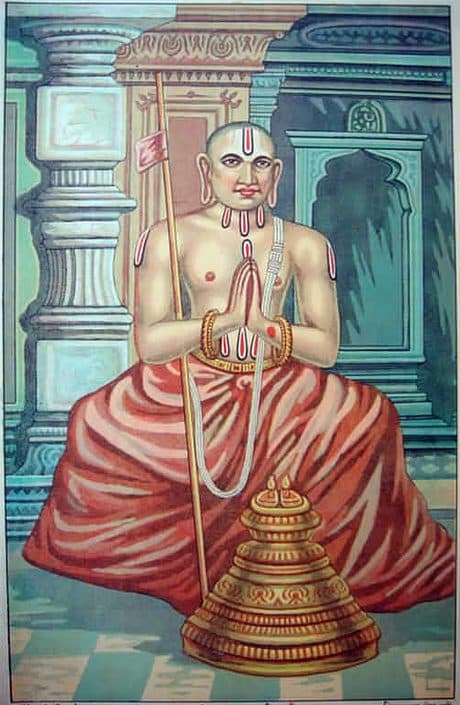
Rāmānuja · Viśiṣṭādvaita
EnglishOn verses 16.13–15
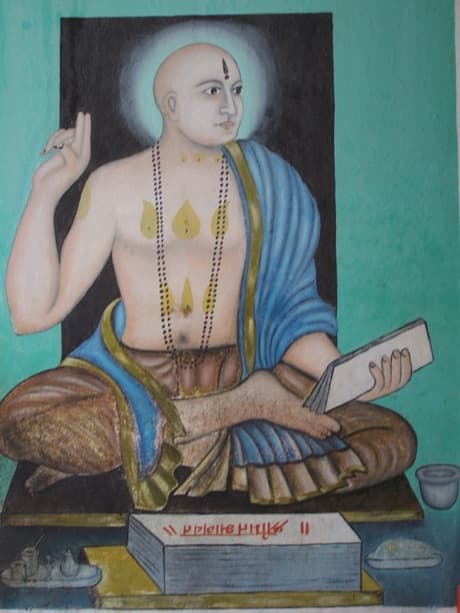
Madhvācārya · Dvaita
SanskritEnglishOn verses 16.10–16.17
“दुष्पुरो हि कामः | पाताल इव दुष्पुरो मां हि क्लेशयसे सदा | इति हि मोक्षधर्मः ||” - Desires are difficult to be satisfied. “Like the netherworlds desires are difficult to be fulfilled. They create for me great distress” thus in Moksha Dharma Text.
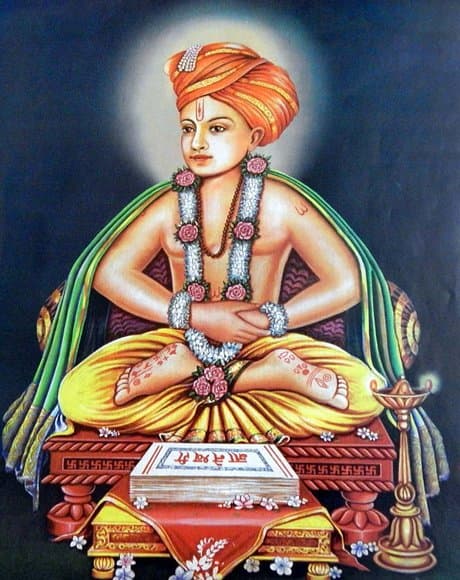
Jñāneśvar · Vārkarī
English14 "This enemy has been (already) killed by me:" 'I will kill the others likewise.'—'I am the master—the one whose lot is enjoyment:' 'I have achieved success;' 'I am endowed with strength and happiness.' (352)
"The enemies I have killed already are very few: I shall kill still more of these and then my own fame alone will resound throughout the world. I shall then kill all excepting those that would be my servants, and then shall I myself be God of the entire universe. I shall be the king of this earth of enjoyment, and the home of all pleasures, so that even Indra might look insignificant before my glory. How could it be, that whatever I might be prepared to (plan and) do in mind, speech and body would not be executed to its completion? And there is none else beside me whose commands are implicitly obeyed. The destructor might parade himself as powerful, so long as he has not seen my prowess. I am the sole repository of the cream of all happiness (in this world).
Swami Ramsukhdas · Modern
EnglishPeople of demoniac nature, out of anger, imagine that they have killed a foe and they will kill other people, who are their enemy and act against them. They think, that none is equal to them, because they possess all the luxuries of life, and they are very powerful and happy. They hold, that they are endowed with a prophetic vision, and future events which they foretell, come true. They declare, that they possess accomplishments, such as 'Aṇimā and 'Garimā' etc., and can burn anyone to ashes, in a moment. They ridicule those, who are engaged in adoration, and meditation etc. They regard themselves, as lords of wealth, power and intellect etc., and think that they will always be successful, in their undertakings. They boast of their victory, because they are powerful, but they never talk, of their defeat.
Actually, such people, have an internal fiery sensation, but outwardly, they boast of their power, happiness and achievements.
Appendix—Here the Lord explains the expression 'kāmakrodha-parāyaṇāḥ' (who are given to desire and anger).
The people endowed with demoniac nature feel that they are happy but this is their only pride. In fact they are not happy. Happy are in fact those who are not swayed by favourable and unfavourable circumstances (Gītā 5/23).
The people endowed with demoniac nature, take pride in power of desire and anger. They regard them as powerful because
of their affinity with the perishable. Like Hiranyakaśipu etc., they regard themselves as the Supreme because other people appear wretched to them.
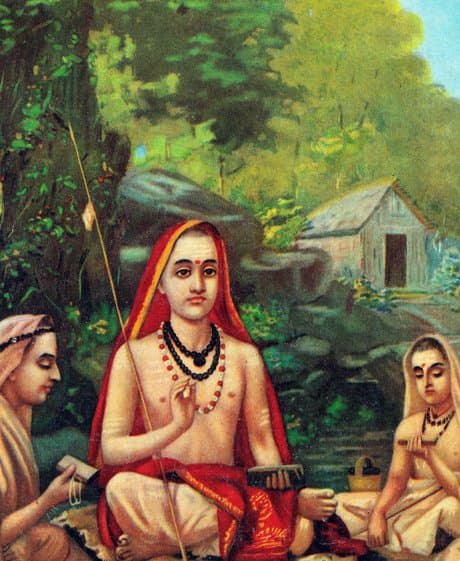
Ādi Śaṅkarācārya · Advaita
Sanskritअसौ देवदत्तनामा मया हतः दुर्जयः शत्रुः । हनिष्ये च अपरान् अन्यान् वराकान् अपि । किं एते करिष्यन्ति तपस्विनः; सर्वथापि नास्ति मत्तुल्यः । कथम्? ईश्वरः अहम्, अहं भोगी । सर्वप्रकारेण च सिद्धः अहं सम्पन्नः पुत्रैः नप्तृभिः, न केवलं मानुषः, बलवान् सुखी च अहमेव; अन्ये तु भूमिभारायावितीर्णाः ॥
Ādi Śaṅkarācārya · Advaita
Hindiअमुक देवदत्त नामक दुर्जय शत्रु तो मेरे द्वारा मारा जा चुका, अब दूसरे पामर निर्बल शत्रुओंको भी मैं मार डालूँगा, यह बेचारे गरीब मेरा क्या करेंगे जो किसी तरह भी मेरे समान नहीं हैं। मैं ईश्वर हूँ, भोगी हूँ, सब प्रकारसे सिद्ध हूँ तथा पुत्र-पौत्र और नातियोंसे सम्पन्न हूँ। मैं केवल साधारण मनुष्य ही नहीं हूँ, बल्कि बड़ा बलवान् और सुखी भी मैं ही हूँ, दूसरे सब तो भूमिपर भाररूप ही उत्पन्न हुए हैं
Jñāneśvar · Vārkarī
Marathiहे मारिले वैरी थोडे । आणीकही साधीन गाढे । मग नांदेन पवाडें । येकलाचि मी ॥ ३५२ ॥ मग माझी होतील कामारीं । तियेंवांचूनि येरें मारीं । किंबहुना चराचरीं । ईश्वरु तो मी ॥ ३५३ ॥ मी भोगभूमीचा रावो । आजि सर्वसुखासी ठावो । म्हणौनि इंद्रुही वावो । मातें पाहुनि ॥ ३५४ ॥ मी मनें वाचा देहें । करीं ते कैसें नोहे । कें मजवांचूनि आहे । आज्ञासिद्ध आन ? ॥ ३५५ ॥ तंवचि बळिया काळु । जंव न दिसें मी अतुर्बळु । सुखाचा कीर निखिळु । रासिवा मीचि ॥ ३५६ ॥
Jñāneśvar · Vārkarī
Hindi(16.352) ये शत्रु जिनका हमने वध किया है थोड़-से है; और भी अनेकों को मारेंगे और फिर हमीं अकेले प्रतिष्ठा के साथ रहेंगे।
(16.353) फिर हमारे जो आज्ञाधारक होंगे उनके अतिरिक्त अन्यों का नाश कर डालेंगे। बहुत क्या कहें, संसार में ईश्वर हमीं हैं।
(16.354) हम भोगरूपी राज्य के राजा हैं। आज हम सब सुखों के आश्रय हैं, अतएव इन्द्र भी हमारे सन्मुख तुच्छ है।
(16.355) हम काया-वाचा-मन से जो करना चाहें वह कैसे न होगा? आज हमारे अतिरिक्त आज्ञा-पालन करानेहारा दूसरा कौन है?
(16.356) काल तभी तक बलवान् समझना चाहिए जब तक उसे महाबलवान् हम नहीं दिखाई दिये। सच तो यह है कि सुख की एकमात्र राशि हमीं हैं।
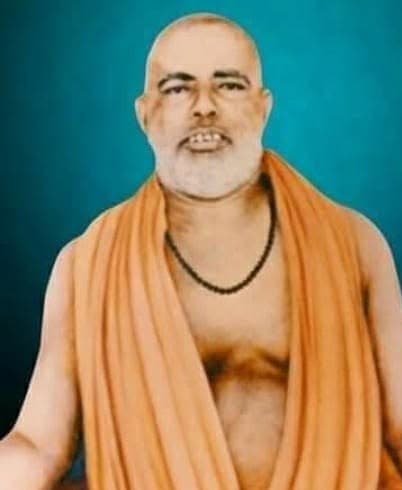
Sri Udiya Baba · Modern
Hindiभावार्थ— मैंने इस शत्रु को तो मार डाला, अब दूसरों को भी समाप्त कर दूँगा। मैं बड़ा ईश्वर (समर्थ) हूँ, भोगी हूँ, सिद्ध हूँ, बलवान् हूँ और सुखी हूँ।
व्याख्या— प्रश्न—‘मैं ईश्वर हूँ’ क्या यह भी आसुरी सम्पद् का लक्षण है। तब तो अहंकारोपासना भी आसुरी मानी जायगी।
उत्तर— ईश्वरपने का परिच्छिन्न-अभिमान दुःखदायी है और आसुरी सम्पत्ति है, किन्तु अपरिच्छिन्न-अभिमान तो संसार से छुड़ाने वाला है।
Swami Ramsukhdas · Modern
Hindiआसुरी-सम्पदावाले व्यक्ति क्रोधके परायण होकर इस प्रकारके मनोरथ करते हैं—'असौ मया हतः शत्रुः'—वह हमारे विपरीत चलता था, हमारे साथ वैर रखता था, उसको तो हमने मार दिया है और 'हनिष्ये चापरानपि'—दूसरे जो भी हमारे विपरीत चलते हैं, हमारे साथ वैर रखते हैं, हमारा अनिष्ट सोचते हैं, उनको भी हम मजा चखा देंगे, मार डालेंगे। 'ईश्वरोऽहम्'—हम धन, बल, बुद्धि आदिमें सब तरहसे समर्थ हैं। हमारे पास क्या नहीं है? हमारी बराबरी कोई कर सकता है क्या? 'अहं भोगी'—हम भोग भोगनेवाले हैं। हमारे पास स्त्री, मकान, कार आदि कितनी भोग सामग्री है! 'सिद्धोऽहम्'—हम सब तरहसे सिद्ध हैं। हमने तो पहले ही कह दिया था न? वैसा हो गया कि नहीं? हमारेको तो पहलेसे ही ऐसा दीखता है; ये जो लोग भजन, स्मरण, जप, ध्यान आदि
करते हैं, ये सभी किसीके बहकावेमें आये हुए हैं। अतः इनकी क्या दशा होगी, उसको हम जानते हैं। हमारे समान सिद्ध और कोई है संसारमें? हमारे पास अणिमा, गरिमा आदि सभी सिद्धियाँ हैं। हम एक फूँकमें सबको भस्म कर सकते हैं। 'बलवान्'—हम बड़े बलवान् हैं। अमुक आदमीने हमारेसे टक्कर लेनी चाही, तो उसका क्या नतीजा हुआ? आदि। परन्तु जहाँ स्वयं हार जाते हैं, वह बात दूसरोंको नहीं कहते, जिससे कि कोई हमें कमजोर न समझ ले। उन्हें अपने हारनेकी बात तो याद भी नहीं रहती, पर अभिमानकी बात उन्हें याद रहती है। 'सुखी'—हमारे पास कितना सुख है, आराम है। हमारे समान सुखी संसारमें कौन है?
ऐसे व्यक्तियोंके भीतर तो जलन होती रहती है, पर ऊपरसे इस प्रकारकी डींग हाँकते हैं।
**परिशिष्ट भाव**—यहाँ भगवान् बारहवें श्लोकमें कहे 'कामक्रोधपरायणाः' पदकी व्याख्या करते हैं।
आसुर स्वभाववाले मनुष्योंमें 'हम सुखी हैं'—यह केवल अभिमान होता है। वास्तवमें वे सुखी नहीं होते। सुखी वास्तवमें वही है, जिसपर अनुकूलता-प्रतिकूलताका असर नहीं पड़ता (गीता—पाँचवें अध्यायका तेईसवाँ श्लोक)।
आसुर स्वभाववाले मनुष्योंके पास काम और क्रोधका ही बल होता है। वे नाशवान्के सम्बन्धसे अपनेको बलवान् मानते हैं। हिरण्यकशिपु आदिकी तरह वे अपनेको ही सर्वोपरि मानते हैं; क्योंकि दूसरे लोग उनको निकृष्ट दीखते हैं।
Lord Krishna uses the word idam meaning this. The idam He is talking about refers to possessions such as wealth, property, family, etc.
The demoniac mentality is that all my possessions have been acquired by me alone, by my own efforts and exertions. They believe there is no other power or subtle unseen cause involved.
The word manoratham means desirable object, and whatever is desirable the demoniac feel it is their right to enjoy regardless of morality.
The wealth that they gain by any means lawful or unlawful, or by cheating and stealing they see as moral and rightful as it was gained by their own brain and brawn over others brain and brawn.
The demoniac follow the idea that might is right and do not believe in any subjective force or higher power.
They forcefully take whatever they desire and are totally unconcerned of any consequences, oblivious to even the possibility that a god or supreme force sanctioning their endeavours could exist.
The demoniac feel that they are so powerful that they themselves are gods because they can destroy their enemies as a whim and consider everyone except themselves to be of unimportance.
The demoniac think like the following examples illustrate:
I am the most powerful. I was born into a dynasty of aristocracy and wealth. Who else in this world is equal to me? Who else by dint of their exertions have acquired every pleasure there is to enjoy and secured so much happiness and stability?
I will eat, drink and be merry, enjoying sense gratification to the maximum without restraint. There is no need for me to believe in any god or supreme power;
but anyway I will perform some pseudo rituals and imitate some pious activities by ostentatious donations for charity to gain renown so others will think that I am also a great religious personality as well.
This is how the demoniac think.
The demoniac see themselves as the enjoyers, the manipulators and the controllers,
The demoniac believe that they are all powerful, independent, masters of their own destinies and independent of any supreme and unseen power;
but so deluded are they that they completely ignore the reality that death will come and indiscriminately abduct them from all their possessions. This is mysteriously completely imperceptible to them.