

Bhagavad Gītā · Chapter 16 · Daivāsura Sampad Vibhāga Yoga
आत्मसम्भाविताः स्तब्धा धनमानमदान्विताः
यजन्ते नामयज्ञैस्ते दम्भेनाविधिपूर्वकम्
ātmasambhāvitāḥ stabdhā dhanamānamadānvitāḥ|yajante nāmayajñaiste dambhenāvidhipūrvakam||
Word meanings
आत्म- = self-
सम्भाविताः = self-conceited
मदान्विताः = intoxicated with pride
स्तब्धाः = haughty, stubborn
ते = they
दम्भेन = with hypocrisy
पूर्वकम् = without proper rules
नामयज्ञैः = with nominal sacrifices
यजन्ते = they worship, perform sacrifice
Translation
Intoxicated by wealth and honour, those self-conceited and haughty men worship God through nominal sacrifices for ostentation without following the sacred rituals.
Commentary
The commentators seated around this verse
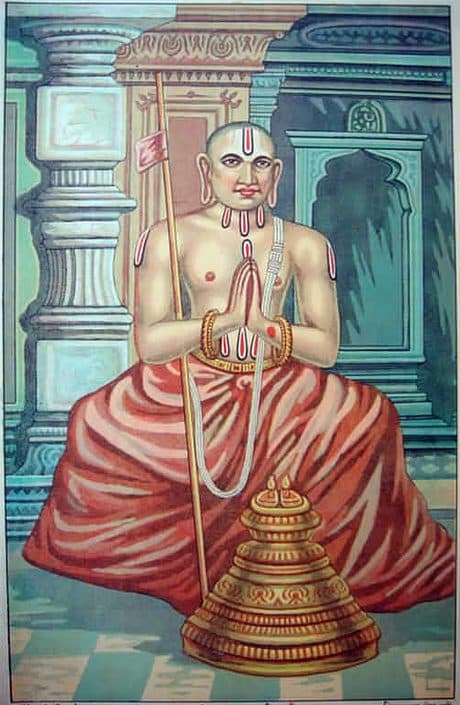
Rāmānuja · Viśiṣṭādvaita
English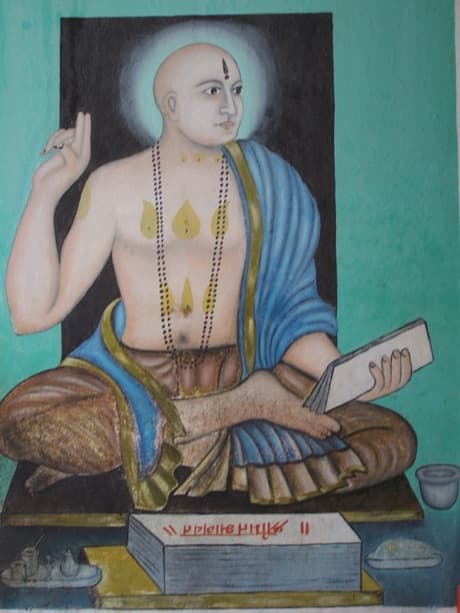
Madhvācārya · Dvaita
SanskritEnglishOn verses 16.10–16.17
“दुष्पुरो हि कामः | पाताल इव दुष्पुरो मां हि क्लेशयसे सदा | इति हि मोक्षधर्मः ||” - Desires are difficult to be satisfied. “Like the netherworlds desires are difficult to be fulfilled. They create for me great distress” thus in Moksha Dharma Text.
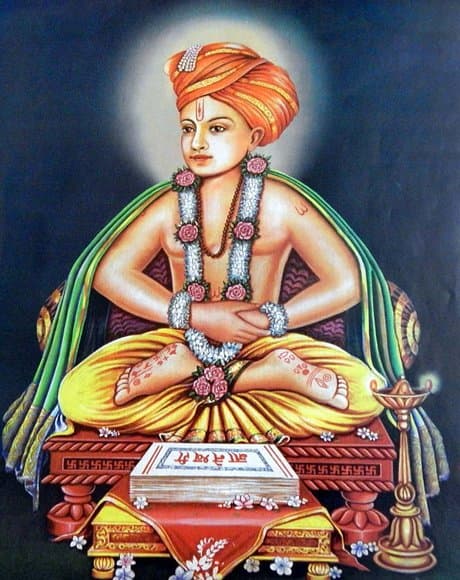
Jñāneśvar · Vārkarī
English17 “Honoured (but) in their own conceit, stiff, swayed by wealth, pride, and arrogance, they perform sacrifices which are the (mere) pageants of sacrifices, with ostentation, and NOT in the prescribed mode. (378)
In that way (that of the prostitute) they assume greatness and get puffed up with extraordinary pride. In that state, they do not know how to bend down like a cast iron pillar or like piles of (mountain) rock rising high up in the sky. So also they are fully satisfied and convinced (in their mind) that they are the best-behaved persons, and consequently they treat all others as if (they are) more worthless than even grass. Over and above this they get so much intoxicated under the influence of liquor in the form of riches, Oh Dhananjaya, that they do not even look to what is proper and what is not. How could such a mentality rooted in them be expected to take to sacrifices? There is no knowing what such demoniacal madmen would not do! Thus at times, out of mischievous tendencies, they do think of performing (sham) sacrifices, under the influence of liquor in the form of foolishness. They need neither Kunda ( कुंड — open receptacle in the ground), nor shed ( मंडप ): they need neither altar ( वेदी ) nor the usual assemblage of materials required for sacrifices: they are ever in opposition to the injunctions of Scriptures. They cannot bear even the breeze that carries with it the (sound of) names of Gods or Brahmins (uttered by any). Who would then like to go near such a place (of sacrifice)? Intelligent men stuff the skin of a dead calf by padding of grass, making it look like a live calf, stand it in front of the cow and then milk the cow; in that way under the pretext of issuing invitations to the sacrifice, they bring together a big concourse of people greedily and exact from them levies in the form of presents (अहेर). In this way, they perform sacrifices at times with an eye to profit and desire and total ruin to several beings.
Swami Ramsukhdas · Modern
English'Ātmasambhāvitāḥ'—They are puffed up with unbounded pride, of their wealth, honour, praise, name and fame etc. They have a very high opinion, of their caste, social order, intellect, learning, rank and position etc. Regarding themselves as superior to others, they consider themselves worthy of their adoration.
* In the hells a being attains the body which has to suffer tortures. If that body is broken into pieces or boiled in oil or burnt in fire, it does not die so long as the being does not reap the fruit of his evil actions.
'Stabdhā'—They are too arrogant, to behave politely even with saints and an incarnation of God and to bow to these. If under unavoidable circumstances, they have to bow to their superiors, they bow to them haughtily.
'Dhanamānamadānvitāḥ'—They remain intoxicated with, the wine of wealth and pride. They are proud of their acquaintance, with people who hold high ranks and positions. They rely on riches and on their status. They think, that they have such resources, that they can acquire anything they desire, and they can destroy anyone, as they have an approach, with high officials and ministers.
'Yajante nāmayajñāiste dambhena'—They perform ostentatious sacrifices, in order to, win honour, name and fame. They feed people of the priestly class, with meagre food, and show that they have fed them with rich and delicious dishes.
They perform sacrifices, and offer charity, without paying attention to scriptural ordinances, only to influence people. They decorate temples and conduct special religious celebrations, for pomp and show, and self advertisement, when some distinguished dignitaries visit a temple. This sort of worship, in temples is actually, not for adoration but for gaining name and fame, or for pleasing officers, for their own self-interest.
The operators of cowpens feed the healthy cows properly, but underfeed the crippled, disabled and dry cows. Moreover, they misuse funds, for their selfish motive. They make a lot of collections, but spend only little, to run religious institutions and use such funds for their own family expenses.
Even strivers, observe hypocrisy. They engage themselves in meditation, adoration and telling the beads of a rosary etc., when they see anyone coming, otherwise, they remain engaged in playing cards and worldly gossips etc. All this hypocrisy, is to win honour, name, praise and money.
When there is ostentation, even in strivers, what can be said,
about ostentation of people possessing demoniac nature?
'Avidhipūrvaṅkāṁ'—They act against scriptural ordinances. They perform sacrifices, without reverence and faith. Similarly, they offer charity to the, undeserving. They view, all things in a perverted way (Gītā 18/32).
Appendix—The people, endowed with the demoniac nature, are jealous of others and they perform sacrifices in order to show that they are in no way inferior to others, rather they are superior to them. They perform sacrifices in order to win name and fame, they don't believe in its reward. If anyone else performs a sacrifice, they think that he also does it in order to win name and fame. Having no faith in God and in the other world, they disregard scriptural ordinances. Only those people who believe in God and in the next world and also believe that a particular action will bring a particular result, care for the scriptural ordinance.
All the activities of the demoniac natured people are ostentatious. But they take the pride within, that their sacrifice will be far better than that of others. Being proud of their learning they consider themselves as learned and wise and regard others as foolish and ignorant. In fact they live in a fool's paradise.
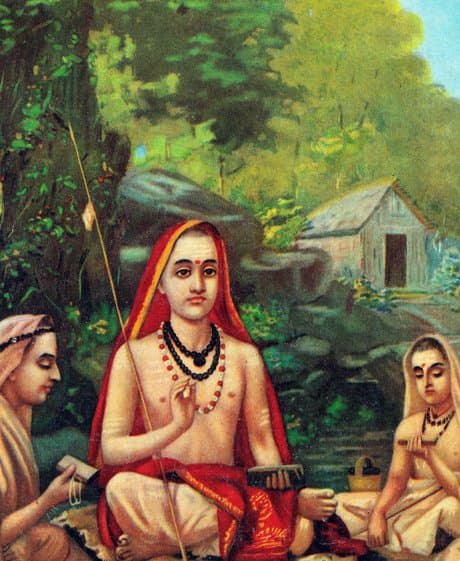
Ādi Śaṅkarācārya · Advaita
Sanskritआत्मसम्भाविताः सर्वगुणविशिष्टतया आत्मनैव सम्भाविताः आत्मसम्भाविताः, न साधुभिः । स्तब्धाः अप्रणतात्मानः । धनमानमदान्विताः धननिमित्तः मानः मदश्च, ताभ्यां धनमानमदाभ्यां अन्विताः । यजन्ते नामयज्ञैः नाममात्रैः यज्ञैः ते दम्भेन धर्मध्वजितया अविधिपूर्वकं विधिविहिताङ्गेतिकर्तव्यतारहितम् ॥
Ādi Śaṅkarācārya · Advaita
Hindiऔर वे अपने-आपको सर्वगुणसम्पन्न मानकर, आप ही अपनेको बड़ा माननेवाले, साधु पुरुषोंद्वारा श्रेष्ठ न माने हुए, स्तब्ध—विनयरहित, धनमान- मदान्वित—धनहेतुक मान और मदसे युक्त पुरुष पाखण्डसे अर्थात् धर्मध्वजीपनसे, अविधिपूर्वक— विहित अंगकी कर्तव्यताके ज्ञानसे रहित केवल नाममात्रके यज्ञोंद्वारा पूजन किया करते हैं
Jñāneśvar · Vārkarī
Marathiतैसें आपणयां आपण । मानितां महंतपण । फुगती असाधारण । गर्वें तेणें ॥ ३७८ ॥ मग लवों नेणती कैसे । आटिवा लोहाचे खांब जैसे । कां उधवले आकाशें । शिळाराशी ॥ ३७९ ॥ तैसें आपुलिये बरवे । आपणचि रिझतां जीवें । तृणाहीहूनि आघवें । मानिती नीच ॥ ३८० ॥ वरी धनाचिया मदिरा । माजूनि धनुर्धरा । कृत्याकृत्यविचारा । सवतें केलें ॥ ३८१ ॥ जया आंगीं आयती ऐसी । तेथ यज्ञाची गोठी कायसी । तरी काय काय पिसीं । न करिती गा ? ॥ ३८२ ॥ म्हणौनि कोणे एके वेळे । मौढ्यमद्याचेनि बळें । यागाचींही टवाळें । आदरिती ॥ ३८३ ॥ ना कुंड मंडप वेदी । ना उचित साधनसमृद्धी । आणि तयांसी तंव विधी । द्वंद्वचि सदा ॥ ३८४ ॥ देवां ब्राह्मणांचेनि नांवें । आडवारेनहि नोहावें । ऐसें आथी तेथ यावें । लागे कवणा ? ॥ ३८५ ॥ पैं वासरुवाचा भोकसा । गाईपुढें ठेवूनि जैसा । उगाणा घेती क्षीररसा । बुद्धिवंत ॥ ३८६ ॥ तैसें यागाचेनि नांवें । जग वाऊनि हांवें । नागविती आघवें । अहेरावारी ॥ ३८७ ॥ ऐशा कांहीं आपुलिया । होमिती जे उजरिया । तेणें कामिती प्राणिया । सर्वनाशु ॥ ३८८ ॥
Jñāneśvar · Vārkarī
Hindi(16.378) – वैसे ही वे आप ही निज को श्रेष्ठ समझ कर असामान्य गर्व से फूलते हैं। (16.379) गलाये हुए लोहे के खम्भे अथवा आकाश में ऊँचे बढ़े हुए पर्वत जैसे नम्र होना नहीं जानते वैसा ही उनका भी हाल समझो।
(16.380) वे अपनी भलाई से आप ही अन्तःकरण में सन्तुष्ट हो और सब का तृण से भी तुच्छ समझते हैं।
(16.381) हे धनुर्धर! इसके अतिरिक्त वे धनरूपी मदिरा से मत्त हो कर्तव्याकर्तव्य के विचार को अलग कर देते हैं।
(16.382) जिनके समीप उपयुक्त सामग्रियाँ हैं उनके पास यज्ञ की वार्ता ही क्या पूछना है! तथापि पागल क्या नहीं करते!
(16.383) एवं किसी समय वे मूर्खता-रूपी मदिरा की धुन में यज्ञों की भी अवहेलना आरम्भ कर देते हैं।
(16.384) न कुण्ड बनाते हैं, न वेदी, न मण्डप, और न योग्य साधन-सामग्री रखते हैं तथा विधि से और उनसे तो सदा ही विरोध रहता है।
(16.385) देव या ब्राह्मण का नाम लिये हुए तो हवा भी आड़ी नहीं जा सकती — ऐसी जहाँ स्थिति है तहाँ देव या ब्राह्मण कौन आने लगा? (16.386) पर चतुर लोग जैसे कृत्रिम बछड़ा बना कर गाय के सन्मुख रख दूध दुह लेते हैं
(16.387) वैसे ही वे आसुर जन बड़ी महत्वाकांक्षा रख कर यज्ञ के नाम से सम्पूर्ण जगत् का निमन्त्रण कर व्यवहार के बहाने सब को लूटते हैं।
(16.388) एवं जो कुछ वे अपने उत्कर्ष के लिए हवन करते हैं उससे मानों सर्वशः प्राणियों के नाश की इच्छा करते हैं।
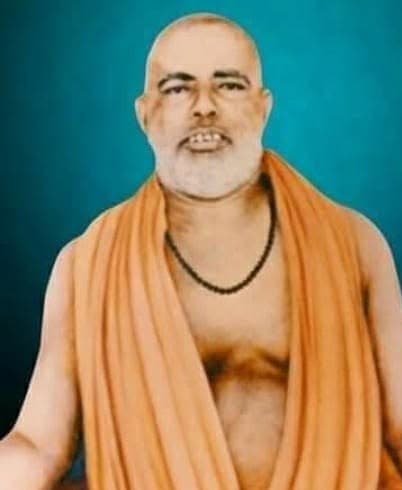
Sri Udiya Baba · Modern
Hindiभावार्थ— अपने को ही सर्वश्रेष्ठ समझने वाले, अविनीत तथा धन के मद से भरे हुए ये लोग दम्भपूर्वक विधिविहीन नाममात्र के यज्ञों का आयोजन करते हैं।
Swami Ramsukhdas · Modern
Hindi‘आत्मसम्भाविताः’—वे धन, मान, बड़ाई, आदर आदिकी दृष्टिसे अपने मनसे ही अपने-आपको बड़ा मानते हैं, पूज्य समझते हैं कि हमारे समान कोई नहीं है; अतः हमारा पूजन होना चाहिये, हमारा आदर होना चाहिये,
* नरकोंमें जानेवाले प्राणीको ‘यातनाशरीर’ की प्राप्ति होती है। उस यातनाशरीरके टुकड़े-टुकड़े कर दिये जायें, तेलमें डालकर उबाला जाय, आगमें फेंककर जलाया जाय, तो भी वह मरता नहीं। प्राणी जबतक अपने पापकर्मोंका फल (दण्ड) न भोग ले, तबतक भयंकर यातना देनेपर भी वह शरीर मरता नहीं।
हमारी प्रशंसा होनी चाहिये। वर्ण, आश्रम, विद्या, बुद्धि, पद, अधिकार, योग्यता आदि में हम सब तरहसे श्रेष्ठ हैं; अतः सब लोगोंको हमारे अनुकूल चलना चाहिये।
‘स्तब्धाः’—वे किसीके सामने नम्र नहीं होते, नमते नहीं। कोई सन्त-महात्मा या अवतारी भगवान् ही सामने क्यों न आ जायें, तो भी वे उनको नमस्कार नहीं करेंगे। वे तो अपने-आपको ही ऊँचा समझते हैं, फिर किसके सामने नम्रता करें और किसको नमस्कार करें! कहीं किसी कारणसे परवश होकर लोगोंके सामने झुकना भी पड़े, तो अभिमानसहित ही झुकेंगे। इस प्रकार उनमें बहुत ज्यादा ऐंठ-अकड़ रहती है।
‘धनमानमदान्विताः’—वे धन और मानके मदसे सदा चूर रहते हैं। उनमें धनका, अपने जनोंका, जमीन-जायदाद और मकान आदिका मद (नशा) होता है। इधर-उधर पहचान हो जाती है, तो उसका भी उनके मनमें मद होता है कि हमारी तो बड़े-बड़े मिनिस्टरोंतक पहचान है। हमारे पास ऐसी शक्ति है, जिससे चाहे जो प्राप्त कर सकते हैं और चाहे जिसका नाश कर सकते हैं। इस प्रकार धन और मान ही उनका सहारा होता है। इनका ही उन्हें नशा होता है, गरमी होती है। अतः वे इनको ही श्रेष्ठ मानते हैं।
‘यजन्ते नामयज्ञैस्ते दम्भेन’—वे लोग (पन्द्रहवें श्लोकमें आये ‘यश्चे दास्यामि’ पदोंके अनुसार) दम्भपूर्वक नाममात्रके यज्ञ करते हैं। वे केवल लोगोंको दिखानेके लिये और अपनी महिमाके लिये ही यज्ञ करते हैं तथा इस भावसे करते हैं कि दूसरोंपर असर पड़ जाय और वे हमारे प्रभावसे प्रभावित हो जायें; उनकी आँख खुल जाय कि हम क्या हैं, उन्हें चेत हो जाय आदि।
लोगोंमें हमारा नाम हो जाय, प्रसिद्धि हो जाय, आदर हो जाय—इसके लिये वे यज्ञके नामपर अपने नामका खूब प्रचार करेंगे, अपने नामका छापा (पैम्फलेट) छपवायेंगे। ब्राह्मणोंके लिये भोजन करेंगे, तो खीरमें कपूर डाल देंगे, जिससे वे अधिक न खा सकें; क्योंकि उससे खर्चा भी अधिक नहीं होगा और नाम भी हो जायगा। ऐसे ही पंक्तिमें भोजनके लिये दो-दो, चार-चार, पाँच-पाँच सकोरे और पत्तलें एक साथ परोस देंगे, जिससे उन सकोरे और पत्तलोंको बाहर फेंकनेपर उनका ढेर लग जाय और लोगोंको यह पता चल जाय कि ये कितने अच्छे व्यक्ति हैं, जिन्होंने इतने ब्राह्मणोंको भोजन कराया है। इस प्रकार ये आसुरी-सम्पदावालोंके भीतरके भाव होते
हैं और भावोंके अनुसार ही उनके आचरण होते हैं। आसुरी-सम्पत्तिवाले व्यक्ति शास्त्रोक्त यज्ञ, दान, पूजन आदि कर्म तो करते हैं और उनके लिये पैसे भी खर्च करते हैं, पर करते हैं शास्त्रविधिकी परवाह न करके और दम्भपूर्वक ही।
मन्दिरोंमें जब कोई मेला-महोत्सव हो और ज्यादा लोगोंके आनेकी उम्मीद हो तथा बड़े-बड़े धनी लोग आनेवाले हों, तब मन्दिरको अच्छी तरह सजायेंगे, ठाकुरजीको खूब बढ़िया-बढ़िया गहने-कपड़े पहनायेंगे, जिससे ज्यादा लोग आ जायें और खूब भेंट-चढ़ावा इकट्ठा हो जाय। इस प्रकार ठाकुरजीका तो नाममात्रका पूजन होता है, पर वास्तवमें पूजन होता है लोगोंका। ऐसे ही कोई मिनिस्टर या अफसर आनेवाला हो, तो उनको राजी करनेके लिये ठाकुरजीको खूब सजायेंगे और जब वे मन्दिरमें आयेंगे, तब उनका खूब आदर-सत्कार करेंगे, उनको ठाकुरजीकी माला देंगे, प्रसाद (जो उनके लिये विशेषरूपसे तैयार रखा रहता है) देंगे, इसलिये कि वे राजी हो जायेंगे, तो हमारे व्यापारमें, घरेलू कामोंमें हमारी सहायता करेंगे, मुकदमे आदिमें हमारा पक्ष लेंगे, आदि। इन भावोंसे वे ठाकुरजीका जो पूजन करते हैं, वह तो नाममात्रका पूजन है। वास्तवमें पूजन होता है—अपने व्यापारका, घरेलू कामोंका, लड़ाई-झगड़ोंका; क्योंकि उनका उद्देश्य ही वही है।
गौ-सेवी-संस्था-संचालक भी गोशालाओंमें प्रायः दूध देनेवाली स्वस्थ गायोंको ही रखेंगे और उनको अधिक चारा देंगे; पर लूली-लँगड़ी, अपाहिज, अन्धी और दूध न देनेवाली गायोंको नहीं रखेंगे तथा किसीको रखेंगे भी तो उसको दूध देनेवाली गायोंकी अपेक्षा बहुत कम चारा देंगे। परन्तु हमारी गोशालामें कितना गोपालन हो रहा है, इसकी असलियतकी तरफ खयाल न करके केवल लोगोंको दिखानेके लिये उसका झूठा प्रचार करेंगे। छापा, लेख, विज्ञापन, पुस्तिका आदि छपवाकर बाँटेंगे, जिससे पैसा तो अधिक-से-अधिक आये, पर खर्चा कम-से-कम हो।
धार्मिक संस्थाओंमें भी जो संचालक कहलाते हैं, वे प्रायः उन धार्मिक संस्थाओंके पैसोंसे अपने घरका काम चलायेंगे। अपनेको नफा किस प्रकार हो, हमारी दूकान किस तरह चले, पैसे कैसे मिलें—इस प्रकार अपने स्वार्थको लेकर केवल दिखावटीपनसे सारा काम करेंगे।
प्रायः साधन-भजन करनेवाले भी दूसरेको आता देखकर
आसन लगाकर बैठ जायेंगे, भजन-ध्यान करने लग जायेंगे, माला घुमाने लग जायेंगे। परन्तु कोई देखनेवाला न हो तो बातचीतमें लग जायेंगे, ताश-चौपड़ खेलेंगे अथवा सो जायेंगे। ऐसा जो साधन-भजन होता है, वह केवल इसलिये कि दूसरे मुझे अच्छा मानें, भक्त मानें और मेरी प्रशंसा करें, मेरा आदर-सम्मान करें, मुझे पैसे मिलें, लोगोंमें मेरा नाम हो जाय, आदि। इस प्रकार यह साधन-भजन भगवान्का तो नाममात्रके लिये होता है, पर वास्तवमें साधन-भजन होता है अपने नामका, अपने शरीरका, पैसोंका। इस प्रकार आसुरी
**परिशिष्ट भाव**—आसुर स्वभाववाले मनुष्य दूसरोंसे प्रतिस्पर्धा रखते हैं और इसलिये यज्ञ करते हैं कि दूसरोंकी अपेक्षा हमारेमें कोई कमी न रह जाय, कोई हमारेको यज्ञ करनेवालोंकी अपेक्षा नीचा न मान ले। वे केवल लोगोंमें अपनी प्रसिद्धि करनेके लिये यज्ञ करते हैं, फलपर विश्वास नहीं रखते। दूसरा व्यक्ति यज्ञ करता है तो वे ऐसा समझते हैं कि वह भी अपनी प्रसिद्धिके लिये ही यज्ञ करता है। ईश्वर और परलोकपर विश्वास न होनेके कारण उनकी दृष्टि विधिपर नहीं रहती। विधिका विचार वही करते हैं, जो ईश्वर और परलोकको मानते हैं कि अमुक कर्मका अमुक फल होगा।
आसुर मनुष्योंकी सब चेष्टाएँ दिखावटी होती हैं। परन्तु उनके भीतरमें अभिमान होता है कि हम दूसरोंसे भी बढ़िया यज्ञ करेंगे। उनमें अपनी जानकारीका भी अभिमान होता है कि हम समझदार हैं, दूसरे सब मूर्ख हैं, समझते नहीं। वास्तवमें उनमें कोरी मूर्खता भरी होती है।
Lord Krishna describes tell-tale signs and characteristics of the demoniac.
Saṃbhāvitāḥ means conceited, self-aggrandizing. The demoniac flatter themselves.
Stabdhā means impertinent, pompous. Thinking they are the better than all others.
dhana-māna-mada-anvitāḥ means inebriated and puffed up by wealth, bloodlines, etc.
Avidhi- pūrvakam means the demoniac do pseudo rituals condemned by the Vedas.
The pseudo-rituals enacted by the demoniac are nothing more than pretentious exhibitions of ostentatious decadence,
regardless of the opulence they are always void of devotion to the Supreme Lord and are performed contrary to the injunctions and ordinances of the Vedic scriptures.