

Bhagavad Gītā · Chapter 16 · Daivāsura Sampad Vibhāga Yoga
दम्भो दर्पोऽभिमानश्च क्रोधः पारुष्यमेव च
अज्ञानं चाभिजातस्य पार्थ सम्पदमासुरीम्
dambho darpo'bhimānaśca krodhaḥ pāruṣyameva ca|ajñānaṃ cābhijātasya pārtha sampadamāsurīm||
Word meanings
पार्थ = O Pārtha
दम्भः = hypocrisy
दर्पः = arrogance
च = and
अभिमानः = conceit
क्रोधः = anger
च = and
पारुष्यम् = harshness
च = and
अज्ञानम् = ignorance
एव = indeed
आसुरीम् = demoniac
सम्पदम् = endowment, nature
अभिजातस्य = of one born with
Translation
Hypocrisy, arrogance and pride, and anger, sternness and ignorance too,—these are marks of him, who is born with demoniac properties.
Commentary
The commentators seated around this verse
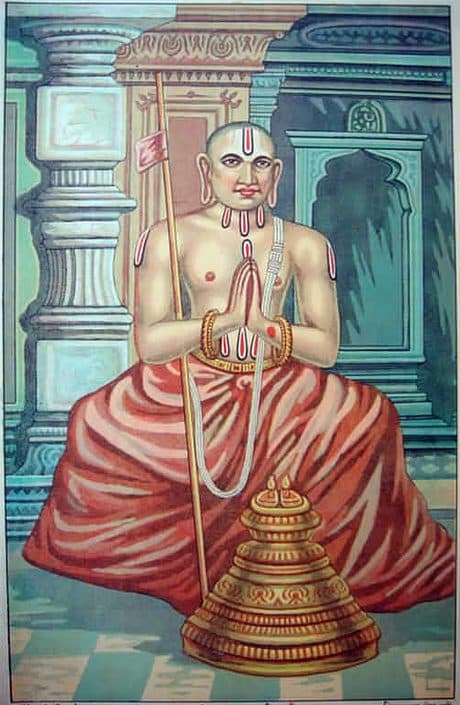
Rāmānuja · Viśiṣṭādvaita
English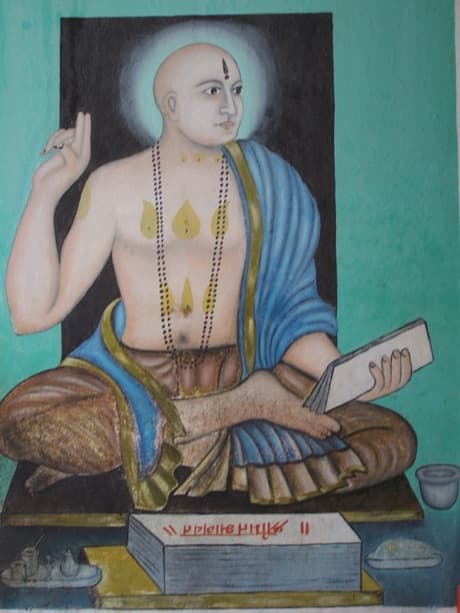
Madhvācārya · Dvaita
SanskritEnglishOn verses 16.4–16.7
“देवीम्, सम्पदमभिजातः, प्रतिजातः |” - Associated with divine endowments. This is the purport.
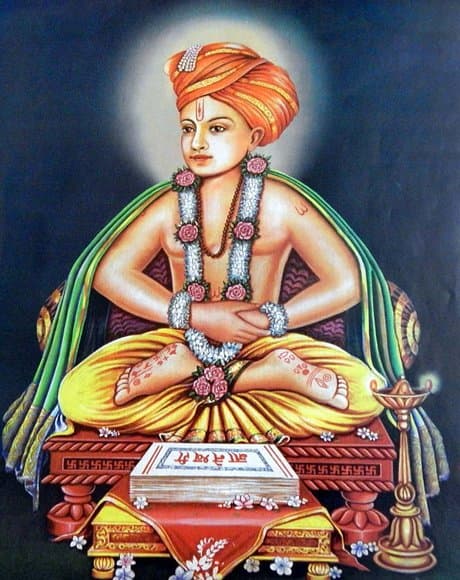
Jñāneśvar · Vārkarī
English4 "Hypocrisy, Arrogance, excessive Self-conceit, Wrath, Harshness, and (above all) Nescience, belong, O Son of Pāṇḍu, to one born to the Demoniac Estate. (217)
Of the demerits of the Demoniacal Estate the one that is most notorious for its power is 'hypocrisy' (दंभ), which I describe first. One's mother although as sacred as holy waters, becomes the cause of taking one to hell if displayed in public in a naked condition; the preceptor's (esoteric) teaching even though leading to good results, produces evil consequences if proclaimed publicly. Just as a boat rescues a drowning person caught in a great flood and quickly carries him safe to the (other) bank; but the same boat, if (it is) fastened to his head, drowns him. Or it is like food, which although known as the means of subsistence (of life) becomes poison, if taken in excess because it is good and palatable. Therefore, religion (religious acts) which is a friend, in this as also in the next world, if made the subject of tom-toming by a person (blowing his own trumpet), becomes the cause of blame (sin) even though religion by itself is protective. If the religious acts performed by one, are given wide publicity by means of copious and eloquent words, they become impious, Oh Warrior, and that is what is called hypocrisy (दभ). (Now hear about arrogance-दर्प). A fool whose tongue has hardly learnt the very ABC (of general education) treats with contempt the conference of persons knowing the Brahmic Lore. The horse of an expert horseman scoffs at the very “Airāvata” (Indra’s elephant); or the chameleon over the thorny hedge considers the very Heaven as too low (in height). The fire (flames) of burning grass reach even the sky or a fish in a small pond does not count much even the sea. One (of arrogance) is intoxicated with the possession of women, riches, education, praise and great honour, in the way a mendicant thinks himself very great being possessed of (surplus) food given by others, that would suffice for one day. (It is as if) an unfortunate one should dismantle his own house because of the cool shade of clouds, or a fool should destroy a cistern of water after looking at and depending upon the water of a mirage. In short to be stiff and overweening at the acquisition of riches, is arrogance दर्प, and make no exception to this. (Now hear about excessive Self-conceit-अभिमान). The world has got full faith in the Vedas and in this faith God is held in high reverence: and that God is the Sun who gives light to the universe. The world aspires for the sovereignty over the entire universe: the world (also) likes that it should not meet death, what wonder is there then if the world (with these motives) begins to sing zealously the praises of God and worships Him. But even the hearing of such praise creates jealousy in one of the demoniacal tendencies and that feeling of jealousy goes on increasing. He says he would swallow and digest God, and poison the Vedas; he tries to annihilate His protection (which people secure) through laudation. He does not tolerate (to hear) even the name of God, through illusion or conceit in the way the moth dislikes the lamp-flame or a glow-worm hates the Sun, or the lapwing bears enmity towards the Sea. He considers even his own father a rival (co-wife सबत) (because he would be a sharer in the estate). One stiff with self-sufficiency, self-conceited and overbearing should be known as the trodden (royal) road leading to Hell. (Now hear about wrath—*कोध*.) The mind of a Demoniac person is saturated with the fiery poison of anger simply because he happens to see others enjoying happiness. Adding a drop of water to boiling oil, makes the oil burst into flames; or the jackal suffers from heart-burning at seeing the Moon; or the sinful owl loses its vision at the rise of the Sun; or the morning time which is so very cool and refreshing to the ordinary world, is more painful than death to a thief; or the milk is turned into subtle poison in the stomach of a serpent; or the submarine fire gets more wild with the drink of sea water and does not cool down. In that way, when one's wrath (inward burning) is greatly increased at seeing the learning, good humour and prosperity (happiness) of others that emotion is called 'Wrath' (*कोध*). (Now hear about harshness—*पारुष*.) One whose mind is just like the hidden hole of serpents, whose vision is fiery as sharp-pointed arrows, whose speech is like a shower of live coal, while all other actions of his are like a rugged saw possessing sharp teeth—one with such fierce temperament is the most heinous of all the human beings, and is also harshness incarnate. (Now hear the signs of Nescience—*अज्ञान*.) A rock knows no sense of touch such as cold or heat, or a person born blind knows no distinction such as day or night. The fire while it rages wild, makes no distinction between things consumable or otherwise, or the *Paris* (an imaginary thing, the touch of which converts iron into gold) knows no distinction between iron and gold: or a ladle although immersed into dishes of diverse tastes, itself knows not their taste: or the wind cannot distinguish between a fine road or a crooked one. In that way utter ignorance (blindness) in regard to choice of actions, from among the mass of right and wrong ones, or the putting into its mouth, on the part of a child, anything that it sees, (lays its hands on), without knowing if such a thing is clean or unclean, or the state of the mind in which it cannot, while consuming, taste the sweetness or the bitterness of the mixture made up of merits and sins—that state is called 'Nescience' and there is no doubt about it. Thus I have explained to you the signs of all the six demerits. Even though only six in number, these add great strength to the 'Demoniacal Estate', in the way the cobra although he has a small body, has very subtle poison in it, or in the way the three kinds of fire. 1) the one at the time of world dissolution, 2) the lightning and 3) the (fabulous) submarine fire, although constituting a small row (of figures) find that even the whole universe is not sufficient to form the tiny morsel (taken at the commencement of a meal as a ritual offering to *Prāṇa*—one of the five deities) i.e. the universe barely satisfies an infinitesimal requirement of their—(fires')—hunger when they get into full play. When the three (deranged) humours in the body (Phlegm-windbile) combine in one, he cannot escape death, even were he to surrender himself completely to God Brahmadev and seek protection. These six (constituting the Demoniacal Estate) are twice in number of that triad. The Demoniacal Estate is founded on these six demerits and consequently, it never in any way gets weak. The evil—fierce—planets (at times) should cluster together in some single sign of the Zodiac (राशी), or all the sins should come to the slanderer, or all sorts of diseases should occupy the body of a dying person, or all the inauspicious astrological combinations (योग) should concentrate at some ill-omened time, or one reposing full trust should be delivered up to the thieves, or an exhausted person should be pushed into high flood — in all these ways, these six demerits put a person into evil situations. All these six amass themselves in a human being in the way a seven-stinged scorpion should sting a dying sheep. These six combine together and add to the strength of such as sink into worldly affairs, and say that they would not take to the path of liberation (even though inclined a bit in that direction); and such persons are ultimately forced to occupy a position on a plane lower than that of immovables (such as stones and trees), descending (meanwhile) gradually step by step and taking births in heinous orders one after another. Thus we have made clear to you distinctly the different signs of the two Estates.
Swami Ramsukhdas · Modern
English'Dambhaḥ'—'Dambha', consists in making a show of one's virtues, in order to gain honour, fame and praise etc., even when, one does not possess, those virtues. It can be of two kinds:—
(i) A person may pose as a righteous, virtuous, scholarly, wise person, even though he has no such virtues. To show more than he possesses, to show himself as an ascetic, in spite of being sensuous and ostentatious in, feelings and actions—this is hypocrisy. (ii) He may conceal his good conduct, eat forbidden food, and perform forbidden actions, in the company of evil persons, in order to, win respect and praise, by pleasing them.
When a person, attaches too much importance, to his body, life-breath, wealth, property, honour, praise and fame, he pretends, to be what he is not and hypocrisy appears in him.
'Darpaḥ'—It means arrogance, pride of possessions of riches, property, family, rank and position etc., is known as 'Darpaḥ'. Because of this feeling, a man is proud of the things, he possesses.
'Abhimānaḥ'—A man, has pride because of his 'egoism'. A person may regard himself superior and exalted, because of superiority of his physical (gross), subtle and causal bodies. He regards himself superior, to others, because of his high caste, high
social order (Āśrama), learning, influence and accomplishment, (Siddhis such as Aṇimā, Mahimā and Garimā etc.). Because of this egoism (pride),* he thinks he can put the entire world upside down.
'Krodhaḥ'—Excitement or burning sensation, caused in the mind, in order to do wrong to others, is 'Krodha' (anger). It appears, when one does something, against a man's wishes. There is difference between 'Krodha' (anger) and 'Kṣobha' (agitation, commotion). When a child does a mischief, and does not obey the parents, they scold him out of 'Kṣobha', so that it may not repeat the mischief again, while in anger, there is tendency to do wrong, to the person with whom one is angry.
A man, has to repent for wrong actions which he performs, overpowered by anger. When he is angry, he harms not only others, but also himself. Moreover, he can do wrong to others, only if they have to suffer it, as fruit of their wrong actions. But, he commits a sin, and spoils his nature. His spoiled nature, will lead him to hell and painful forms of lives.
Anger, is the foremost enemy of a person because it, abiding in the body, destroys the body, in the same way as fire abiding in wood, burns the wood. Everyone including the nearest and the dearest one, is afraid of an angry man. In the twenty-first verse of this chapter, anger has been called, as the gateway to hell. When a man's desire is not fulfilled, anger ensues. From anger, arises delusion; from delusion, a confusion of memory; from which comes, loss of reason; and from loss of reason, one goes to complete ruin (Gītā 2/62-63).
'Pāruṣyam'—It means, harshness or sternness, or a total
* Out of the two terms 'Abhimāna' (pride) and 'Darpa' (arrogance) if one is used, it includes the other term also. But when both are used together independently 'Abhimāna' denotes the feeling of superiority, because of the internal qualities (egoism) while 'Darpa' because of the external possessions (attachment).
negation of mildness. Swaggering or walking with an arrogant air, is bodily harshness. Seeing with harsh eyes, is harshness of eyes. Speaking bitter, taunting and harsh words, constitute harshness of speech. Getting pleased by not helping other creatures, in their adversity is harshness of heart. Vengeance, is harshness in dealings.
A man, with a selfish motive, wants to fulfil his desire by fair means or foul, without thinking, of the trouble of others. So there remains, harshness in his mind, speech, body and behaviour. Out of selfishness, he even commits violence, without thinking of its consequences. With the predominance of self-interest, a man even commits violence. Thus he develops cruelty, in his nature. With cruelty, the serenity of his heart goes away. In the absence of serenity, his dealings become harsh. Thus he engages himself, in extorting money, and harassing others, without caring for the result.
'Ajñānam'—Here 'Ajñāna', denotes ignorance or lack of discrimination. An ignorant man cannot distinguish, the real from the unreal, virtue from sin, and duty from forbidden actions, because he hankers after perishable worldly pleasures and prosperity, without thinking of the consequences. Such ignorant people, like beasts, are given to gratify their life. What ought to be done and what ought not to be done—they cannot know and they do not want to know.
They regard momentary pleasures, which are born of sense contacts, as real pleasure and so make effort to enjoy them. But their fruit, is negative. Instead of pleasure one gets pain.* Even then, he is not warned. He performs forbidden actions, in order to get honour, praise, comfort, wealth and property etc. But,
* O King! people bound by husband-wife relationship etc., perform actions in order to derive pleasure and be free from pain. But those who want to cross the illusion, should think that their actions bear contrary fruits. Instead of enjoying pleasures, they suffer pain; and instead of getting rid of the pain, their pain goes on increasing (Śrīmadbhāga. 11/3/18).
their fruit is disastrous for him, as well as, for the entire world.
'Abhijātasya pārtha sampadamāsurim'—O Pārtha, these are the marks of a person, who is endowed with demoniac nature.* A person, by identifying himself with the body, has desire to remain alive forever, and enjoy worldly pleasure. The marks of demoniac nature, are seen, in such a person.
In the fortieth verse of the eighteenth chapter, the Lord declares, that there is no creature which is free from the three modes of nature. It proves, that every person in spite of being a fragment of the Lord, is born having affinity with nature (prakṛti). He has the affinity of 'Tness and mineness with the body, an evolute of Nature; and the affinity of 'Mineness', with things, objects and persons etc., evolutes of Nature. This feeling of, 'Tness or 'Mineness', is the fundamental mark, of demoniac nature.
A man's relationship with prakṛti, is merely assumed. So he can renounce it. The reason is, that he (the self), is sentient and immutable, while prakṛti is insentient and kaleidoscopic. So, there is no real relationship between the two, it is merely an assumed one. As soon as this relationship is renounced, the demoniac nature, is rooted out. A man, is fully capable of rooting out, demoniac nature.
The more, a man is attached to his life-breath, the more, demoniac traits he possesses. When wicked traits, are on the increase, he harms others, in order to maintain his life-breath, and to enjoy pleasure. He does not, even hesitate to commit murder.
When a man regards, the temporary as permanent, and the unreal as real, all the demoniac traits naturally appear, in him without any effort and they having developed a disinclination for God, lead him to degradation.
* Here the term 'Asura' (Demon) denotes those persons who are engrossed in the pleasures born of sense-contacts. It means that such persons instead of having the aim of God-realization hanker after worldly pleasures. Such persons are 'Asura' (Demons) and their nature is demoniac nature.
*Link:—The Lord in the next verse, refers the fruit of both the divine and the demoniac natures, and cheers Arjuna by declaring, that he is born with divine nature.*
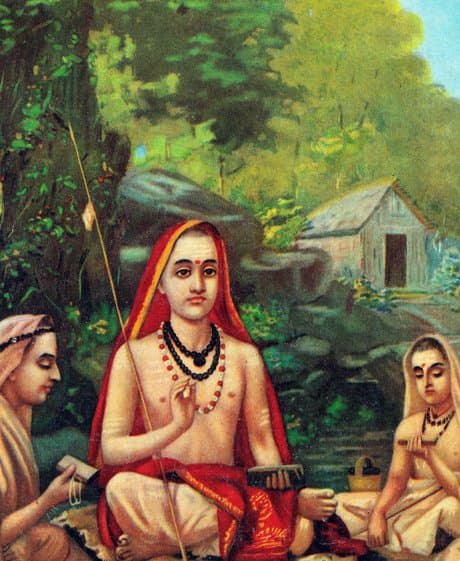
Ādi Śaṅkarācārya · Advaita
Sanskritदम्भः धर्मध्वजित्वम् । दर्पः विद्याधनस्वजनादिनिमित्तः उत्सेकः । अतिमानः पूर्वोक्तः । क्रोधश्च । पारुष्यमेव च परुषवचनम् -- यथा काणं ``चक्षुष्मान्'' विरूपं ``रूपवान्'' हीनाभिजनं ``उत्तमाभिजनः'' इत्यादि । अज्ञानं च अविवेकज्ञानं कर्तव्याकर्तव्यादिविषयमिथ्याप्रत्ययः । अभिजातस्य पार्थ । किम् अभिजातस्येति, आह -- सम्पदं आसुरीं असुराणां सम्पत् आसुरी तां अभिजातस्य इत्यर्थः ॥ अनयोः सम्पदोः कार्यं उच्यते --
Ādi Śaṅkarācārya · Advaita
Hindiअब आगे आसुरी सम्पत्ति कही जाती है—
दम्भ—धर्मध्वजीपन, दर्प—धन—परिवार आदिके निमित्तसे होनेवाला गर्व, अतिमान—पहले कही हुई अपनेमें अतिशय पूज्य भावना तथा क्रोध और पारुष्य यानी कठोर वचन जैसे (आक्षेपसे) कानेको अच्छे नेत्रोंवाला, कुरूपको रूपवान् और हीन जातिवालेको उत्तम जातिवाला बतलाना इत्यादि।
अज्ञान अर्थात् अविवेक—कर्तव्य और अकर्तव्यादिके विषयमें उलटा निश्चय करना। हे पार्थ! ये सब लक्षण, आसुरी सम्पत्तिको ग्रहण करके उत्पन्न हुए मनुष्यके हैं, अर्थात् जो असुरोंकी सम्पत्ति है उससे युक्त होकर उत्पन्न हुए मनुष्यके चिह्न हैं
Jñāneśvar · Vārkarī
Marathiतरी तयाचि असुरां । दोषांमाजीं जया वीरा । वाडपणाचा डांगोरा । तो दंभु ऐसा ॥ २१७ ॥ जैसी आपुली जननी । नग्न दाविलिया जनीं । ते तीर्थचि परी पतनीं । कारण होय ॥ २१८ ॥ कां विद्या गुरूपदिष्टा । बोभाइलिया चोहटां । तरी इष्टदा परी अनिष्टा । हेतु होती ॥ २१९ ॥ पैं आंगें बुडतां महापूरीं । जे वेगें काढी पैलतीरीं । ते नांवचि बांधिलिया शिरीं । बुडवी जैसी ॥ २२० ॥ कारण जें जीविता । तें वानिलें जरी सेवितां । तरी अन्नचि पंडुसुता । होय विष ॥ २२१ ॥ तैसा दृष्टादृष्टाचा सखा । धर्मु जाला तो फोकारिजे देखा । तरी तारिता तोचि दोखा- । लागीं होय ॥ २२२ ॥ म्हणौनि वाचेचा चौबारा । घातलिया धर्माचा पसारा । धर्मुचि तो अधर्मु होय वीरा । तो दंभु जाणे ॥ २२३ ॥ आतां मूर्खाचिये जिभे । अक्षरांचा आंबुखा सुभे । आणि तो ब्रह्मसभे । न रिझे जैसा ॥ २२४ ॥ कां मादुरी लोकांचा घोडा । गजपतिही मानी थोडा । कां कांटियेवरिल्या सरडा । स्वर्गुही नीच ॥ २२५ ॥ तृणाचेनि इंधनें । आगी धांवे गगनें । थिल्लरबळें मीनें । न गणिजे सिंधु ॥ २२६ ॥ तैसा माजे स्त्रिया धनें । विद्या स्तुती बहुतें मानें । एके दिवसींचेनि परान्नें । अल्पकु जैसा ॥ २२७ ॥ अभ्रच्छायेचिया जोडी । निदैवु घर मोडी । मृगांबु देखोनि फोडी । पणियाडें मूर्ख ॥ २२८ ॥ किंबहुना ऐसैसें । उतणें जें संपत्तिमिसें । तो दर्पु गा अनारिसें । न बोलें घेईं ॥ २२९ ॥ आणि जगा वेदीं विश्वासु । आणि विश्वासीं पूज्य ईशु । जगीं एक तेजसु । सूर्युचि हा ॥ २३० ॥ जगस्पृहे आस्पद । एक सार्वभौमपद । न मरणें निर्विवाद । जगा पढियें ॥ २३१ ॥ म्हणौनि जग उत्साहें । यातें वानूं जाये । कीं तें आइकोनि मत्सरु वाहे । फुगों लागे ॥ २३२ ॥ म्हणे ईश्वरातें खायें । तया वेदा विष सूयें । गौरवामाजीं त्राये । भंगीत असे ॥ २३३ ॥ पतंगा नावडे ज्योती । खद्योता भानूची खंती । टिटिभेनें आपांपती । वैरी केला ॥ २३४ ॥ तैसा अभिमानाचेनि मोहें । ईश्वराचेंही नाम न साहे । बापातें म्हणे मज हे । सवती जाली ॥ २३५ ॥ ऐसा मान्यतेचा पुष्टगंडु । तो अभिमानी परमलंडु । रौरवाचा रूढु । मार्गुचि पै ॥ २३६ ॥ आणि पुढिलांचें सुख । देखणियाचें होय मिख । चढे क्रोधाग्नीचें विख । मनोवृत्ती ॥ २३७ ॥ शीतळाचिये भेटी । तातला तेलीं आगी उठी । चंद्रु देखोनि जळे पोटीं । कोल्हा जैसा ॥ २३८ ॥ विश्वाचें आयुष्य जेणें उजळे । तो सूर्यु उदैला देखोनि सवळे । पापिया फुटती डोळे । डुडुळाचे ॥ २३९ ॥ जगाची सुखपहांट । चोरां मरणाहूनि निकृष्ट । दुधाचें काळकूट । होय व्याळीं ॥ २४० ॥ अगाधें समुद्रजळें । प्राशितां अधिक जळे । वडवाग्नी न मिळे । शांति कहीं ॥ २४१ ॥ तैसा विद्याविनोदविभवें । देखे पुढिलांचीं दैवें । तंव तंव रोषु दुणावे । क्रोधु तो जाण ॥ २४२ ॥ आणि मन सर्पाची कुटी । डोळे नाराचांची सुटी । बोलणें ते वृष्टी । इंगळांची ॥ २४३ ॥ येर जें क्रियाजात । तें तिखयाचें कर्वत । ऐसें सबाह्य खसासित । जयाचें गा ॥ २४४ ॥ तो मनुष्यांत अधमु जाण । पारुष्याचें अवतरण । आतां आइक खूण । अज्ञानाची ॥ २४५ ॥ तरी शीतोष्णस्पर्शा । निवाडु नेणें पाषाणु जैसा । कां रात्री आणि दिवसा । जात्यंधु तो ॥ २४६ ॥ आगी उठिला आरोगणें । जैसा खाद्याखाद्य न म्हणे । कां परिसा पाडु नेणें । सोनया लोहा ॥ २४७ ॥ नातरी नानारसीं । रिघोनि दर्वी जैसी । परी रसस्वादासी । चाखों नेणें ॥ २४८ ॥ कां वारा जैसा पारखी । नव्हेचि गा मार्गामार्गविखीं । तैसे कृत्याकृत्यविवेकीं । अंधपण जें ॥ २४९ ॥ हें चोख हें मैळ । ऐसें नेणोनियां बाळ । देखे तें केवळ । मुखींचि घाली ॥ २५० ॥ तैसें पापपुण्याचें खिचटें । करोनि खातां बुद्धिचेष्टे । कडु मधुर न वाटे । ऐसी जे दशा ॥ २५१ ॥ तिये नाम अज्ञान । या बोला नाहीं आन । एवं साही दोषांचें चिन्ह । सांगितलें ॥ २५२ ॥ इहींच साही दोषांगीं । हे आसुरी संपत्ति दाटुगी । जैसें थोर विषय सुभगे अंगीं । अंग सानें ॥ २५३ ॥ कां तिघा वन्हींच्या पांती । पाहतां थोडे ठाय गमती । परी विश्वही प्राणाहुती । करूं न पुरे ॥ २५४ ॥ धातयाही गेलिया शरण । त्रिदोषीं न चुके मरण । तया तिहींची दुणी जाण । साही दोष हे ॥ २५५ ॥ इहीं साही दोषीं संपूर्णीं । जाली इयेचि उभारणी । म्हणौनि आसुरी उणी । संपदा नव्हे ॥ २५६ ॥ परी क्रूरग्रहांची जैसी । मांदी मिळे एकेचि राशी । कां येती निंदकापासीं । अशेष पापें ॥ २५७ ॥ मरणाराचें आंग । पडिघाती अवघेचि रोग । कां कुमुहूर्तीं दुर्योग । एकवटती ॥ २५८ ॥ विश्वासला आतुडवीजे चोरा । शिणला सुइजे महापुरा । तैसें दोषीं इहीं नरा । अनिष्ट कीजे ॥ २५९ ॥ कां आयुष्य जातिये वेळे । शेळिये सातवेउळी मिळे । तैसे साही दोष सगळे । जोडती तया ॥ २६० ॥ मोक्षमार्गाकडे । जैं यांचा आंबुखा पडे । तैं न निघे म्हणौनि बुडे । संसारीं तो ॥ २६१ ॥ अधमां योनींच्या पाउटीं । उतरत जो किरीटी । स्थावरांही तळवटीं । बैसणें घे ॥ २६२ ॥ हें असो तयाच्या ठायीं । मिळोनि साही दोषीं इहीं । आसुरी संपत्ति पाहीं । वाढविजे ॥ २६३ ॥ ऐसिया या दोनी । संपदा प्रसिद्धा जनीं । सांगितलिया चिन्हीं । वेगळाल्या ॥ २६४ ॥
Jñāneśvar · Vārkarī
Hindi(16.217) अब, इन आसुरी-दोषों में जिस वीर की श्रेष्ठता की कीर्ति है वह दम्भ ऐसा है।
(16.218) जैसे संसार में अपनी माता का नग्न कर दिखाने से, तीर्थ-रूपिणी होने पर भी, वह पतन का कारण होती है, (16.219) अथवा जैसे गुरुपदिष्ट विद्या को चौरस्ते में चिल्ला कर प्रकट करने से वह इष्टदा होने पर भी अनिष्ट का हेतु बनती है,
(16.220) अथवा जैसे बाढ़ में डूबते हुए को जो तुरन्त ही बचा कर परतीर पर पहुँचा देती है उस नाव को यदि कोई सिर से बाँध ले तो वही डुबा देती है,
(16.221) हे पाण्डुसुत! जैसे जीवन का कारण जो अन्न है उसी का सेवन करते समय यदि कोई उसका वर्णन करे तो वह विपरूप हो जाता है,
(16.222) वैसे ही इह-परलोक का सखा जो धर्म है उसके लिए यदि घमण्ड किया जाय तो तारनेहारा होने पर भी वह पाप का हेतु हो जाता है।
(16.223) इसलिए धर्म के विस्तार को वाणी के चौरस्ते पर दिखाने से धर्म का अधर्म बन जाना ही दम्भ जानो।
(16.224) अब, मूर्ख की जिह्वा पर चार अक्षरों के छींटे पड़ते ही वह जैसे तत्त्वज्ञानियों की सभा को कुछ नहीं समझता,
(16.225) अथवा चाबुक-सवारों का घोड़ा जैसे ऐरावत को भी तुच्छ मानता है, अथवा कँटीली बाड़ी (बाड़) पर चढ़ा हुआ गिरगिट जैसे स्वर्ग को भी तुच्छ समझता है, (16.226) तृणरूपी ईधन प्राप्त होते हो अग्नि जैसे आकाश की ओर दौड़ती है, डबरे का जल पा कर ही मीन जैसे समुद्र को कुछ नहीं समझती,
(16.227) वैसे ही स्त्री, धन, विद्या, स्तुति इनकी अधिकाई से ऐसा मत हो जाना, जैसे कि कोई दरिद्री एक दिन परात्र मिलने से मत हो जावे,
(16.228) अथवा अभ्र की छाया मिलते ही जैसे कोई अभागी घर तोड़ डाले, अथवा जैसे कोई मूर्ख मृगजल को देख जलाशय तोड़ डाले,
(16.229) बहुत क्या कहें, सम्पत्ति के कारण इस-इस प्रकार से उन्मत्त होना दर्प है। ये वचन अन्यथा मत समझे।
(16.230) और जगत् को वेदों में विश्वास है, और ईश्वर श्रद्धा से पूज्य है, तथा जगत् में प्रकाश देनेहारा एक सूर्य ही है,
(16.231) संसार में स्पृहणीय वस्तु एक सार्वभौमपद है, और जीवित रहना ही निश्चय से सबों का प्रिय है,
(16.232) इसलिए यदि उत्साह से इनका वर्णन करने जाइए तो उसे सुन कर जो मत्सर करता और फूलने लगता (16.233) और कहता है कि खा डालो उस ईश्वर को, विष दो उस वेद को जो मेरी महिमा की मर्यादा का भंग करता है;
(16.234) पतंग को जैसे ज्योति नहीं भाती, खद्योत का जैसे सूर्य से घृणा उत्पन्न होती है, एक टिटहरी ने जैसे समुद्र से भी स्पर्धा की थी,
(16.235) वैसे ही जो अभिमान के मोह के कारण ईश्वर का नाम भी नहीं सहता; पिता को कहता है कि यह मेरा सौत जैसा बैरी है,
(16.236) ऐसा जो मान्यता से फूला हुआ हो वह उन्मत्त अभिमानी मानों नरक का एक रूढ़ मार्ग है।
(16.237) दूसरों का सुख देखने का बहाना होते ही जो मनोवृत्ति को क्रोधगिरूपी विष चढ़ जाता है,
(16.238) तपे हुए तेल को ठण्डे जल की भेंट होते ही जैसे अग्नि भड़कती है, चन्द्रमा को देखते ही जैसे सियार मन में जलता है,
(16.239) विश्व की अवस्था जिससे प्रकाशित होती है उस सूर्य का उदय देख कर प्रातःकाल ही जैसे पापी घुग्घू की आँखें फूट जाती हैं, (16.240) जैसे संसार के लिए सुख-कारी प्रातःकाल चारों का मृत्यु से भी निकृष्ट मालूम होता है, अथवा जैसे सर्प-द्वारा पिया गया दूध भी विष हो जाता है,
(16.241) अथवा बड़वाग्नि जैसे अगाध समुद्र-जल का पान करने पर भी जलती है और कभी शान्ति नहीं पाती,
(16.242) वैसे ही ज्यों-ज्यों दूसरों के विद्या, विनोद, ऐश्वर्य इत्यादि सौभाग्य दिखाई दें त्यों-त्यों जो रोष दुगना हो उसे क्रोध जानो।
(16.243) जिसका मन सर्प की बाँबी हो?, आँखें छूटे हुए बाण हों, भाषण विच्छुओं की वर्षा हो,
(16.244) और अन्य क्रियासमूह फौलादी आरा हो, इस प्रकार जिसका बहिरन्तर तीक्ष्ण हैं
(16.245) उसे मनुष्यों में अधम, पारुष्य का अवतार ही जाना। अब अज्ञान का लक्षण सुनो।
(16.246) शीतल या उष्ण स्पर्श का भेद जैसे पत्थर नहीं जानता, अथवा जन्मान्ध जैसे रात और दिन नहीं पहचानता,
(16.247) पेट में आग लग रही हो तो जैसे कोई खाने के विषय खाद्याखाद्य का विचार नहीं करता, अथवा पारस जैसे यह भेद नहीं करता कि यह सोना है अथवा लोहा, (16.248) अथवा करच्छी जैसे अनेक रसों में प्रवेश करती है परन्तु स्वयं रसस्वाद चाखना नहीं जानती,
(16.249) अथवा वायु जैसे भले-बुरे मार्ग की परीक्षा नहीं करती, वैसे ही कर्तव्याकर्तव्य के विषय में अन्धत्व होना
(16.250) बालक जैसे स्वच्छ या मलिन न देख कर जो दीखे उसे केवल मुँह में ही डाल लेता है
(16.251) वैसे ही पाप-पुण्य की खिचड़ी कर खाने पर बुद्धि को कड़वी या मधुर न मालूम होना, ऐसी जो दशा है
(16.252) उसका नाम अज्ञान है। ये वचन अन्यथा नहीं हैं। इस प्रकार हम छहों दोषों के लक्षण कह चुके।
(16.253) इन छहों दोषों के आश्रय से यह आसुरी सम्पत्ति बलवती हुई है। जैसे सर्प का शरीर छोटा-सा पर विष बड़ा होता है,
(16.254) अथवा जैसे तीनों अग्नियों की पंक्ति देखने में छोटी-सी मालूम होती है परन्तु उसकी प्राणाहुति के लिए विश्व भी पूरा नहीं पड़ता,
(16.255) अथवा त्रिदोष हो जाने पर जैसे ब्रह्मदेव की शरण जाने से भी मृत्यु नहीं टलती, वैसे ही ये उन तीनों के दूने छः दोष जानो। (16.256) इन सम्पूर्ण छहों से यह आसुरी सम्पत्ति उभराई हुई है इसलिए वह न्यून नहीं है।
(16.257) परन्तु जैसे कभी दुष्टग्रहों का समुदाय एक ही राशि में स्थित हो जाता है, अथवा जैसे निन्दा करनेहारे के समीप सम्पूर्ण पाप पहुँच जाते हैं,
(16.258) मरनेहारे के शरीर को जैसे सभी रोग व्याप्त कर लेते हैं, अथवा जैसे बुरे मुहूर्त पर बुरे योग आ मिलते हैं,
(16.259) अथवा जैसे कोई विश्वास करनेहारा चोरों के हाथ लग जाता है, अथवा कोई थका हुआ मनुष्य बाद में आ पड़ता है, वैसे ही ये दोष मनुष्य का अनिष्ट करते हैं,
(16.260) अथवा मृत्यु के समय बकरी को जैसे सात डंकों का बिच्छू मार देता है वैसे ही मनुष्य का ये छहों दोष आ लगते हैं।
(16.261) मोक्षमार्ग की ओर जिसने पानी छोड़ दिया है, जो संसार से निकलता नहीं चाहता, इसी लिए उसमें डूबा रहता है
(16.262) अधम योनियों से उतरते हुए हे किरीटी! जो स्थावरों के नीचे आ बैठता है,
(16.263) और वर्णन रहने दो, उस मनुष्य में ये छहों दोष आसुरी सम्पत्ति को बढ़ाते हैं यह जानो। (16.264) इस प्रकार ये दोनों सम्पत्तियाँ जो संसार में प्रसिद्ध हैं हमने अलग-अलग लक्षणों-सहित कह बताई।
Sri Udiya Baba · Modern
Hindiसंगति— अब अगले श्लोकों में आसुरी सम्पत्ति वालों के लक्षण बताते हैं—
भावार्थ— हे पार्थ! आसुरी सम्पत्ति में जन्म लेने वाले पुरुष में दम्भ, दर्प, अभिमान, क्रोध, कठोरता और अज्ञान रहते हैं।
व्याख्या— दम्भ—दूसरों के सामने अपने जप-ध्यानादि को प्रकट करना दम्भ है। अर्थात् कुछ बनना ही दम्भ है।
दर्प—दूसरों को तुच्छ समझना, सबका निरादर करना, दयालुता न होना दर्प है।
अभिमान—विद्या, बुद्धि, बल, रूप आदि में अपने को सब से बड़ा मानना अभिमान है।
क्रोध—जो स्वार्थसिद्धि में बाधक हो उससे बदला लेने की भावना क्रोध है। वह इतनी उग्र हो जाती है कि बदला लेकर ही चैन पड़ता है। इसके लिये अनेकों अवगुणों का आश्रय लेना पड़ता है।
पारुष्य—कठोर या निष्ठुर भाषण पारुष्य है।
अज्ञान—सत्-असत्-विचारशून्य अर्थात् हानि-लाभ की परवाह न करते हुए मनमाना आचरण करना अज्ञान है।
ये सब आसुरी सम्पत्ति लेकर उत्पन्न हुए पुरुषों के लक्षण हैं।
Swami Ramsukhdas · Modern
Hindi'दम्भः'—मान, बड़ाई, पूजा, ख्याति आदि प्राप्त करनेके लिये, अपनी वैसी स्थिति न होनेपर भी वैसी स्थिति दिखानेका नाम 'दम्भ' है। यह दम्भ दो प्रकारसे होता है—
(१) सद्गुण-सदाचारोंको लेकर—अपनेको धर्मात्मा, साधक, विद्वान्, गुणवान् आदि प्रकट करना अर्थात् अपनेमें वैसा आचरण न होनेपर भी अपनेमें श्रेष्ठ गुणोंको लेकर वैसा आचरण दिखाना, थोड़ा होनेपर भी ज्यादा दिखाना, भोगी होनेपर भी अपनेको योगी दिखाना आदि दिखावटी भावों और क्रियाओंका होना—यह सद्गुण-सदाचारोंको लेकर 'दम्भ' है।
(२) दुर्गुण-दुराचारोंको लेकर—जिसका आचरण, खान-पान स्वाभाविक अशुद्ध नहीं है, ऐसा व्यक्ति भी जिनके आचरण, खान-पान अशुद्ध हैं—ऐसे दुर्गुणी-दुराचारी लोगोंमें जाकर उनको राजी करके अपनी इज्जत जमानेके लिये, मान-आदर आदि प्राप्त करनेके लिये, अपने मनमें बुरा लगनेपर भी वैसा आचरण, खान-पान
कर बैठता है—यह दुर्गुण-दुराचारोंको लेकर 'दम्भ' है। तात्पर्य यह है कि जब मनुष्य प्राण, शरीर, धन, सम्पत्ति, आदर, महिमा आदिको प्रधानता देने लगता है, तब उसमें दम्भ आ जाता है।
'दर्पः'—घमण्डका नाम 'दर्प' है। धन-वैभव, जमीन-जायदाद, मकान-परिवार आदि ममतावाली चीजोंको लेकर अपनेमें जो बड़प्पनका अनुभव होता है, वह 'दर्प' है। जैसे—मेरे पास इतना धन है; मेरा इतना बड़ा परिवार है; मेरा इतना राज्य है; मेरे पास इतनी जमीन-जायदाद है; मेरे पीछे इतने आदमी हैं; मेरी आवाजके पीछे इतने आदमी बोलते हैं; मेरे पक्षमें बहुत आदमी हैं; धन-सम्पत्ति-वैभवमें मेरी बराबरी कौन कर सकता है? मेरे पास ऐसे-ऐसे पद हैं, अधिकार हैं; संसारमें मेरा कितना यश, प्रतिष्ठा हो रही है! मेरे बहुत अनुयायी हैं; मेरा सम्प्रदाय कितना ऊँचा है! मेरे गुरुजी कितने प्रभावशाली हैं! आदि-आदि।
'अभिमानः'—अहंतावाली चीजोंको लेकर अर्थात् स्थूल, सूक्ष्म और कारण-शरीरको लेकर अपनेमें जो
बड़प्पनका अनुभव होता है, उसका नाम 'अभिमान' है। जैसे—मैं जाति-पाँतिमें कुलीन हूँ; मैं वर्ण-आश्रममें ऊँचा हूँ; हमारी जातिमें हमारी प्रधानता है; गाँवभरमें हमारी बात चलती है अर्थात् हम जो कह देंगे, उसको सभी मानेंगे; हम जिसको सहारा देंगे, उस आदमीसे विरुद्ध चलनेमें सभी लोग भयभीत होंगे और हम जिसके विरोधी होंगे, उसका साथ देनेमें भी सभी लोग भयभीत होंगे; राजदरबारमें भी हमारा आदर है, इसलिये हम जो कह देंगे, उसे कोई टालेगा नहीं; हम न्याय-अन्याय जो कुछ भी करेंगे, उसको कोई टाल नहीं सकता, उसका कोई विरोध नहीं कर सकता; मैं बड़ा विद्वान् हूँ, मैं अणिमा, महिमा, गरिमा आदि सिद्धियोंको जानता हूँ, इसलिये सारे संसारको उथल-पुथल कर सकता हूँ, आदि-आदि।
**'क्रोधः'**—दूसरोंका अनिष्ट करनेके लिये अन्तः-करणमें जो जलनात्मक वृत्ति पैदा होती है, उसका नाम 'क्रोध' है।
मनुष्यके स्वभावके विपरीत कोई काम करता है तो उसका अनिष्ट करनेके लिये अन्तःकरणमें उत्तेजना होकर जो जलनात्मक वृत्ति पैदा होती है, वह क्रोध है। क्रोध और क्षोभमें अन्तर है। बच्चा उदण्डता करता है, कहना नहीं मानता, तो माता-पिता उत्तेजनामें आकर उसको ताड़ना करते हैं—यह उनका 'क्षोभ' (हृदयकी हलचल) है, क्रोध नहीं। कारण कि उनमें बच्चेका अनिष्ट करनेकी भावना होती ही नहीं, प्रत्युत बच्चेके हितकी भावना होती है। परंतु यदि उत्तेजनामें आकर दूसरेका अनिष्ट, अहित करके उसे दुःख देनेमें सुखका अनुभव होता है, तो यह 'क्रोध' है। आसुरी प्रकृतिवालोंमें यही क्रोध होता है।
क्रोधके वशीभूत होकर मनुष्य न करनेयोग्य काम भी कर बैठता है, जिसके फलस्वरूप स्वयं उसको पश्चाताप करना पड़ता है। क्रोधी व्यक्ति उत्तेजनामें आकर दूसरोंका अपकार तो करता है, पर क्रोधसे स्वयं उसका अपकार कम नहीं होता; क्योंकि अपना अनिष्ट किये बिना क्रोधी व्यक्ति दूसरेका अनिष्ट कर ही नहीं सकता। इसमें भी एक मर्मकी
बात है कि क्रोधी व्यक्ति जिसका अनिष्ट करता है, उसका किन्हीं दुष्कर्मोंका जो फल भोगरूपसे आनेवाला है, वही होता है अर्थात् उसका कोई नया अनिष्ट नहीं हो सकता; परंतु क्रोधी व्यक्तिका दूसरेका अनिष्ट करनेकी भावनासे और अनिष्ट करनेसे नया पाप-संग्रह हो जायगा तथा उसका स्वभाव भी बिगड़ जायगा। यह स्वभाव उसे नरकोंमें ले जानेका हेतु बन जायगा और वह जिस योनिमें जायगा, वही उसे दुःख देगा।
क्रोध स्वयंको ही जलाता है। क्रोधी व्यक्तिकी संसारमें अच्छी ख्याति नहीं होती, प्रत्युत निन्दा ही होती है। खास अपने घरके आदमी भी क्रोधीसे डरते हैं। इसी अध्यायके इक्कीसवें श्लोकमें भगवान्ने क्रोधको नरकोंका दरवाजा बताया है। जब मनुष्यके स्वार्थ और अभिमानमें बाधा पड़ती है, तब क्रोध पैदा होता है। फिर क्रोधसे सम्मोह, सम्मोहसे स्मृतिविभ्रम, स्मृतिविभ्रमसे बुद्धिनाश और बुद्धिनाशसे मनुष्यका पतन हो जाता है (गीता—दूसरे अध्यायका बासठवाँ-तिरसठवाँ श्लोक)।
**'पारुष्यम्'**—कठोरताका नाम 'पारुष्य' है। यह कई प्रकारका होता है; जैसे—शरीरसे अकड़कर चलना, टेढ़े चलना—यह शारीरिक पारुष्य है। नेत्रोंसे टेढ़ा-टेढ़ा देखना—यह नेत्रोंका पारुष्य है। वाणीसे कठोर बोलना, जिससे दूसरे भयभीत हो जायँ—यह वाणीका पारुष्य है। दूसरोंपर आफत, संकट, दुःख आनेपर भी उनकी सहायता न करके राजी होना आदि जो कठोर भाव होते हैं, यह हृदयका पारुष्य है।
जो शरीर और प्राणोंके साथ एक हो गये हैं, ऐसे मनुष्योंको यदि दूसरोंकी क्रिया, वाणी बुरी लगती है, तो उसके बदलेमें वे उनको कठोर वचन सुनाते हैं, दुःख देते हैं और स्वयं राजी होकर कहते हैं कि 'आपने देखा कि नहीं? मैंने उसके साथ ऐसा कड़ा व्यवहार किया कि उसके दाँत खट्टे कर दिये! अब वह मेरे साथ बोल सकता है क्या?' यह सब व्यवहारका पारुष्य है।
स्वार्थबुद्धिकी अधिकता रहनेके कारण मनुष्य अपना
१-जहाँ अभिमान और दर्प—दोनोंमेंसे कोई एक आता है, वहाँ अभिमानके ही अन्तर्गत दर्प और दर्पके ही अन्तर्गत अभिमान आ जाता है। परन्तु जहाँ ये दोनों एक साथ स्वतन्त्ररूपसे आते हैं, वहाँ दोनोंमें थोड़ा अन्तर हो जाता है। 'ममता' की चीजोंको लेकर 'दर्प' और 'अहंता' की चीजोंको लेकर 'अभिमान' कहा जाता है अर्थात् बाहरी चीजोंको लेकर अपनेमें जो बड़प्पन दीखता है, वह 'दर्प' है और विद्या, बुद्धि आदि भीतरी चीजोंको लेकर अपनेमें जो बड़प्पन दीखता है, वह 'अभिमान' है।
२-क्रोधो हि शत्रुः प्रथमो नराणां देहस्थितो देहविनाशनाय। यथास्थितः काष्ठगतो हि वह्निः स एव वह्निर्दहते शरीरम्॥ 'क्रोध ही मनुष्यका प्रथम शत्रु है, जो देहमें स्थित होकर देहका ही विनाश करता है। जैसे लकड़ीमें स्थित अग्नि लकड़ीको ही जलाती है, ऐसे ही देहमें स्थित क्रोधरूपी अग्नि देहको ही जलाती है।'
मतलब सिद्ध करनेके लिये, अपनी क्रियाओंसे दूसरोंको कष्ट होगा, उनपर कोई आफत आयेगी—इन बातोंपर विचार ही नहीं कर सकता। हृदयमें कठोर भाव होनेसे वह केवल अपना मतलब देखता है और उसके मन, वाणी, शरीर, बर्ताव आदि सब जगह कठोरता रहती है। स्वार्थभावकी बहुत ज्यादा वृत्ति बढ़ती है, तो वह हिंसा आदि भी कर बैठता है, जिससे उसके स्वभावमें स्वाभाविक ही क्रूरता आ जाती है। क्रूरता आनेपर हृदयमें सौम्यता बिलकुल नहीं रहती। सौम्यता न रहनेसे उसके बर्तावमें, लेन-देनमें स्वाभाविक ही कठोरता रहती है। इसलिये वह केवल दूसरोंसे रुपये ऐंठने, दूसरोंको दुःख देने आदिमें लगा रहता है। इनके परिणाममें मुझे सुख होगा या दुःख—इसका वह विचार ही नहीं कर सकता।
‘अज्ञानम्’—यहाँ ‘अज्ञान’ नाम अविवेकका है। अविवेकी पुरुषोंको सत्-असत्, सार-असार, कर्तव्य-अकर्तव्य आदिका बोध नहीं होता। कारण कि उनकी दृष्टि नाशवान् पदार्थोंके भोग और संग्रहपर ही लगी रहती है। इसलिये (परिणामपर दृष्टि न रहनेसे) वे यह सोच ही नहीं सकते कि ये नाशवान् पदार्थ कबतक हमारे साथ रहेंगे और हम कबतक इनके साथ रहेंगे। पशुओंकी तरह केवल प्राणपोषणमें ही लगे रहनेके कारण वे क्या कर्तव्य है और क्या अकर्तव्य है—इन बातोंको नहीं जान सकते और न जानना ही चाहते हैं।
वे तात्कालिक संयोगजन्य सुखको ही सुख मानते हैं और शरीर तथा इन्द्रियोंके प्रतिकूल संयोगको ही दुःख मानते हैं। इसलिये वे उद्योग तो सुखके लिये ही करते हैं, पर परिणाममें उनको पहलेसे भी अधिक दुःख मिलता है। फिर भी उनको चेत नहीं होता कि इसका हमारे लिये नतीजा क्या होगा? वे तो मान-बड़ाई, सुख-आराम, धन-सम्पत्ति आदिके प्रलोभनमें आकर न करनेलायक काम भी करने लग जाते हैं, जिनका नतीजा उनके लिये तथा दुनियाके लिये भी बड़ा अहितकारक होता है।
‘अभिजातस्य पार्थ सम्पदमासुरीम्’—हे पार्थ! ये सब आसुरी सम्पत्ति को प्राप्त हुए मनुष्योंके लक्षण हैं। मरणधर्मा शरीरके साथ एकता मानकर ‘मैं कभी मरूँ नहीं; सदा जीता रहूँ और सुख भोगता रहूँ’—ऐसी इच्छावाले मनुष्यके अन्तःकरणमें ये लक्षण होते हैं।
अठारहवें अध्यायके चालीसवें श्लोकमें भगवान्ने कहा है कि कोई भी साधारण प्राणी प्रकृतिके गुणोंके सम्बन्धसे सर्वथा रहित नहीं है। इससे सिद्ध होता है कि प्रत्येक जीव परमात्माका अंश होते हुए भी प्रकृतिके साथ सम्बन्ध लेकर ही पैदा होता है। प्रकृतिके साथ सम्बन्धका तात्पर्य है—प्रकृतिके कार्य शरीरमें ‘मैं-मरे’ का सम्बन्ध (तादात्म्य) और पदार्थोंमें ममता, आसक्ति तथा कामनाका होना। शरीरमें ‘मैं-मरे’ का सम्बन्ध ही आसुरी-सम्पत्तिका मूलभूत लक्षण है। जिसका प्रकृतिके साथ मुख्यतासे सम्बन्ध है, उसीके लिये यहाँ कहा गया है कि वह आसुरी-सम्पत्तिको प्राप्त हुआ है।
प्रकृतिके साथ सम्बन्ध जीवका अपना माना हुआ है। अतः वह जब चाहे इस सम्बन्धका त्याग कर सकता है। कारण कि जीव (आत्मा) चेतन तथा निर्विकार है और प्रकृति जड़ तथा प्रतिक्षण परिवर्तनशील है, इसलिये चेतनका जड़से सम्बन्ध वास्तवमें है नहीं, केवल मान रखा है। इस सम्बन्धको छोड़ते ही आसुरी-सम्पत्ति सर्वथा मिट जाती है। इस प्रकार मनुष्यमें आसुरी-सम्पत्तिको मिटानेकी पूरी योग्यता है। तात्पर्य है कि आसुरी-सम्पत्तिको प्राप्त होते हुए भी वह प्रकृतिसे अपना सर्वथा सम्बन्ध-विच्छेद करके आसुरी-सम्पत्तिको मिटा सकता है।
प्राणोंमें मनुष्यका ज्यों-ज्यों मोह होता जाता है, त्यों-ही-त्यों आसुरी-सम्पत्ति अधिक बढ़ती जाती है। आसुरी-सम्पत्तिके अत्यधिक बढ़नेपर मनुष्य अपने प्राणोंको रखनेके लिये और सुख भोगनेके लिये दूसरोंका नुकसान भी कर देता है। इतना ही नहीं, दूसरोंकी हत्या कर देनेमें भी वह नहीं हिचकता।
१-कर्मण्यारभमाणानां दुःखहत्यै सुखाय च। पश्येत् पाकविपर्यासं मिथुनीचारिणां नृणाम् ॥ (श्रीमद्भगवद्गीता ११। ३। १८) राजन्! स्त्री-पुरुष-सम्बन्ध आदि बन्धनोंसे बँधे हुए पुरुष तो सुखकी प्राप्ति और दुःखकी निवृत्तिके लिये कर्म करते रहते हैं। परन्तु जो पुरुष मायासे तरना चाहता है, उसको विचार करना चाहिये कि उसके कर्मोंका फल किस प्रकार उलटा होता जाता है। वे सुखके बदले दुःख पाते हैं और दुःख दूर होनेके बदले उनका दुःख बढ़ता जाता है!
२-यहाँ ‘आसुरी’ शब्दमें देवताओंका विरोधवाचक ‘नञ्’ समास नहीं है, प्रत्युत ‘असुषु प्राणेषु रमन्ते इति असुराः’ के अनुसार जो मनुष्य केवल इन्द्रियों और प्राणोंका पोषण करनेमें ही लगे हुए हैं अर्थात् जो केवल संयोगजन्य सुखमें ही आसक्त हैं, उन मनुष्योंका वाचक यहाँ ‘असुर’ शब्द है। तात्पर्य यह है कि जिनका उद्देश्य परमात्माको प्राप्त करना नहीं है और जो शरीर धारण करके केवल भोग भोगना चाहते हैं, वे असुर हैं। उन असुरोंकी सम्पत्तिका नाम ‘आसुरी-सम्पत्ति’ है।
मनुष्य जब अस्थायीको स्थायी मान लेता है, तब आसुरी-सम्पत्तिके दुर्गुण-दुराचारोंके समूह-के-समूह उसमें आ जाते हैं। तात्पर्य है कि असत्का संग होनेसे असत्
आचरण, असत् भाव और दुर्गुण बिना बुलाये तथा बिना उद्योग किये अपने-आप आते हैं, जो मनुष्यको परमात्मासे विमुख करके अधोगतिमें ले जानेवाले हैं।
सम्बन्ध—अब भगवान् देवी और आसुरी—दोनों प्रकारकी सम्पत्तियोंका फल बताते हैं।
Now Lord Krishna discloses the six properties predominating the demoniac nature.
dambaḥ is ostentation or a charade of pretentious actions perverting religion.
darpa is pride or the unnatural proclivity for excess experiencing sense objects.
abhimāna is arrogance or egotism concerning one’s self-interest and importance
krodhaḥ is anger which arises when greed and lust is impeded and frustrated.
pāruṣyam is belligerence or spurious indignation towards what is righteous.
ajñānaṃ is ignorance and lack of discrimination of the eternal and the temporal.
Those born in the demoniac nature act contrary to all that is righteous and fiendishly oppose the ordinances and injunctions of the Vedic scriptures beneficial for all creation.