

Bhagavad Gītā · Chapter 16 · Daivāsura Sampad Vibhāga Yoga
आशापाशशतैर्बद्धाः कामक्रोधपरायणाः
ईहन्ते कामभोगार्थमन्यायेनार्थसञ्चयान्
āśāpāśaśatairbaddhāḥ kāmakrodhaparāyaṇāḥ|īhante kāmabhogārthamanyāyenārthasañcayān||
Word meanings
आशापाशशतैः = by hundreds of ties of hope
कामक्रोधपरायणाः = given over to desire and anger
बद्धाः = bound
कामभोगार्थम् = for the sake of enjoying desires
अन्यायेन = unjustly
अर्थसञ्चयान् = hoards of wealth
ईहन्ते = strive, seek
Translation
Held in bondage by hundreds of ties of expectation and wholly giving themselves up to lust and anger, they strive to amass by unfair mear hoards of money and other objects for the enjoyment of sensuous pleasures.
Commentary
The commentators seated around this verse
Rāmānuja · Viśiṣṭādvaita
EnglishOn verses 16.11–12
Madhvācārya · Dvaita
SanskritEnglishOn verses 16.10–16.17
“दुष्पुरो हि कामः | पाताल इव दुष्पुरो मां हि क्लेशयसे सदा | इति हि मोक्षधर्मः ||” - Desires are difficult to be satisfied. “Like the netherworlds desires are difficult to be fulfilled. They create for me great distress” thus in Moksha Dharma Text.
Jñāneśvar · Vārkarī
English12 *'Entangled in hundreds of snares of expectations, making lust and wrath as the ultimate springs of actions; they, for the gratification of their desires, strive for the unjust amassing of wealth.* (337)
They meet the same fate by sticking fast to lust, like the fish that (thoughtlessly) swallows the bait with the iron hook (hidden inside). Even if they do not succeed in securing the wished-for gratification, they become (like) cocoon insects (which go on spinning a web around them) and indulge in ever increasing dry (futile) hopes. Their ever-increasing desires, not being gratified, they (desires) are converted into hatred, and then there remains no other worthy goal in life for them except lust and wrath. A guard at the station has to walk to and fro during the day time, and keep awake during the night—thus getting no rest, Oh Son of Pându, throughout the day and the night. In that way, with the lust not getting satiated, they are thrown down from a great height (of high expectations), and dash against a hillock (on a lower height) in the form of wrath, and inspite of this their love for wrath and hatred knows no bounds. The greed of mind makes them speculate upon the gratification of their passions: but how to gratify their desires without wealth (is the problem facing them). Therefore they scramble helter-skelter in the world for the acquisition of wealth, sufficient for the gratification of their passions. They seek opportunities (hatch a plot) and kill one, completely rob another, and set up instruments for torturing a third. Just as the hunters go out for the mountain-hunt, armed with snares, nets, dogs, sacks, falcons, pairs of tongs, spears, etc. etc. and feed themselves on whatever animals they kill; the demoniacs likewise commit evil acts. Now hear how their minds are delighted with the riches acquired by them by destroying the lives of numerous creatures.
Swami Ramsukhdas · Modern
English'Āśāpāśasatairbaddhāḥ'—People endowed with demoniac nature, are bound by hundreds of ties, of hope i.e., they have to amass hoards of wealth, they will win name, fame and honour, and they have to be free from diseases and so on. Even having possessed millions of rupees, they hope to gain more and more
* Similarly the unwise people who perform actions in order to reap their fruit hold that there is nothing else beyond the heavenly enjoyments (Cītā 2/42). So they want to enjoy those pleasures which are more attractive than the mundane pleasures.
from the Lord, from saints and even from beasts, birds, trees and creepers etc. Their hopes, are never fulfilled (Gītā 9/12). Moreover, if the hopes are fulfilled, they will die, and even if they live, the things, which fulfil their hopes, will perish or both will perish.
Those who are bound by ties of hope and desire, cannot stay comfortably, at one place, but those who have become free from these ties can live at one place happily.
**'Kāmakrodhaparāyaṇāḥ'**—They, are given to lust and anger i.e., they harbour in their hearts, various desires for all kinds of sensual enjoyments. When their desires, are not gratified, they become angry and inflict pain, upon others. They think, that desires are inevitable in life, without these a man becomes lifeless, as a stone. Similarly, they think that they can control other beings, through anger and if they are not angry, other people, will get hold of all their possessions.
**'Īhante kāmabhogārthamanyāyenārthasañcayān'**—Their aim, is to accumulate wealth and enjoy sensual pleasures. In order to fulfil their aim, they adopt foul means, such as dishonesty, cheating, treachery and injustice etc. They do not hesitate even in usurping charity funds and properties of children and widows. They believe that foul means, are indispensable in the world of today. According to them, honesty and justice are merely theoretical assumptions, which cannot be applicable, in real life. If they are honest and just, they will have to suffer, and they will not be able to live, from hand to mouth—such are the beliefs of people of demoniac nature.
Those people, who hanker after heavenly pleasure and prosperity by just means, cannot have a determinate intellect, that they have to realize God (Gītā 2/44). Then, how can those people possessing a demoniac nature, who earn money by foul and unjust means, have a determinate intellect to realize God? But even those people are free, if they so desire through
determination, can follow the spiritual path and realize God, because this human life has been bestowed upon them by God, only to realize Him.
**Appendix**—‘Āśāpāśaśatairbaddhāh’—Here the term ‘śataih’ stands for infinite (endless). So long as a man is attached to the world, his desires don’t come to an end. In the forty-first verse of the second chapter the Lord declares “bahuśākhā hyanantāśca buddhayo’vyavasāyinām”. “The intellect of the undecided (infirm), is scattered in many directions, and is endlessly diverse”. The reason is that they, having turned away from the imperishable, have cognised the reality and attached value to the perishable and have been attached to it.
‘Kāmakrodhaparāyaṇāh’—The people endowed with demoniac nature think that desire and anger are inherent in human nature. They don’t perceive anything else beyond desire and anger. These two are their supreme resort.
They hold that they will control a person through anger. But how long will they keep control over the person, who has been under their control because of his helplessness? As soon as he gets a chance, he will take vengeance upon them and harm them. Therefore the result of anger is only bad.
*Link:—In the next three verses the Lord gives a description of imagination of the people of demoniacal nature.*
Ādi Śaṅkarācārya · Advaita
Sanskritआशापाशशतैः आशा एव पाशाः तच्छतैः बद्धाः नियन्त्रिताः सन्तः सर्वतः आकृष्यमाणाः, कामक्रोधपरायणाः कामक्रोधौ परं अयनम् आश्रयः येषां ते कामक्रोधपरायणाः, ईहन्ते चेष्टन्ते कामभोगार्थं कामभोगप्रयोजनाय न धर्मार्थम्, अन्यायेन परस्वापहरणादिना इत्यर्थः; किम्? अर्थसञ्चयान् अर्थप्रचयान् ॥ ईदृशश्च तेषां अभिप्रायः --
Ādi Śaṅkarācārya · Advaita
Hindiतथा सैकड़ों आशारूप पाशोंसे बँधे हुए—जकड़े हुए, सब ओरसे खींचे जाते हुए, काम-क्रोधके परायण हुए अर्थात् काम-क्रोध ही जिनका परम अयन—आश्रय है, ऐसे काम-क्रोधपरायण पुरुष, धर्मके लिये नहीं, बल्कि भोग्य वस्तुओंका भोग करनेके लिये अन्यायपूर्वक अर्थात् दूसरेका सत्त्व हरण करना आदि अनेक पापमय युक्तियोंद्वारा धन-समुदायको इकट्ठा करनेकी चेष्टा किया करते हैं
Jñāneśvar · Vārkarī
Marathiआमिषकवळु थोरी आशा । न विचारितां गिळी मासा । तैसें कीजे विषयाशा । तयांसि गा ॥ ३३७ ॥ वांछित तंव न पवती । मग कोरडियेचि आशेची संतती । वाढऊं वाढऊं होती । कोशकिडे ॥ ३३८ ॥ आणि पसरिला अभिलाषु । अपूर्णु होय तोचि द्वेषु । एवं कामक्रोधांहूनि अधिकु । पुरुषार्थु नाहीं ॥ ३३९ ॥ दिहा खोलणें रात्रीं जागोवा । ठाणांतरीयां जैसा पांडवा । अहोरात्रींही विसांवा । भेटेचिना ॥ ३४० ॥ तैसें उंचौनि लोटिलें कामें । नेहटती क्रोधाचिये ढेमे । तरी रागद्वेष प्रेमें । न माती केंही ॥ ३४१ ॥ तेवींचि जीवींचिया हांवा । विषयवासनांचा मेळावा । केला तरी भोगावा । अर्थें कीं ना ? ॥ ३४२ ॥ म्हणौनि भोगावयाजोगा । पुरता अर्थु पैं गा । आणावया जगा । झोंबती सैरा ॥ ३४३ ॥ एकातें साधूनि मारिती । एकाचि सर्वस्वें हरिती । एकालागीं उभारिती । अपाययंत्रें ॥ ३४४ ॥ पाशिकें पोतीं वागुरा । सुणीं ससाणें चिकाटी खोंचारा । घेऊनि निघती डोंगरा । पारधी जैसें ॥ ३४५ ॥ ते पोसावया पोट । मारूनि प्राणियांचे संघाट । आणिती ऐसें निकृष्ट । तेंही करिती ॥ ३४६ ॥ परप्राणघातें । मेळविती वित्तें । मिळाल्या चित्तें । तोषणें कैसें ॥ ३४७ ॥
Jñāneśvar · Vārkarī
Hindi(16.337) मछली जैसे बिना विचारे बड़ी आशा से आमिष का कौर लील लेती है, वही हाल उनका विषयों की आशा से हो जाता है।
(16.338) जिस वस्तु की इच्छा हो वह तो प्राप्त नहीं होती पर सुखी आशा-सन्तति बढ़ाते-बढ़ाते वे कोसे के कीड़े बन जाते हैं (16.339) और जो अभिलाष फैलाते हैं उसका अपूर्ण होना ही द्वेष है; एवं उनका पुरुषार्थ काम या क्रोध के सिवाय कोई अधिक नहीं है।
(16.340) सिपाही जैसा दिन को मालिक के आगे-आगे चलता है और रात को पहरा देता है, अर्थात् जैसे हे पाण्डव! इसे रात और दिन विश्राम ही नहीं मिलता,
(16.341) वैसे ही काम ऊँचे से ढकेलता है तो वे क्रोध की टेकड़ी पर आ गिरते हैं, तथापि वे राग और द्वेष के प्रेम के कारण कहीं फूले नहीं समाते।
(16.342) मन के अभिलाषानुसार विषय-वासना का समुदाय इकट्ठा किया हो। तथापि उसका भोग तो द्रव्य के ही द्वारा ही सकेगा, कि नहीं?
(16.343) अतएव उस भोग के लिए आवश्यक द्रव्य का उपार्जन करने के हेतु वे चारों ओर से संसार से छीना-झपटी करते हैं।
(16.344) किसी के अवसर देख मारते हैं, किसी का सर्वस्व हर लेते हैं, किसी के नाश के लिए अनेक यन्त्रों का प्रबन्ध करते हैं।
(16.345) जैसे बहेलिये जंगल का जाते समय फन्दे, बोरे, जालियाँ, कुत्ते, बाज पक्षी, चिमटियाँ, भाले इत्यादि ले जाते हैं, (16.346) और अपना पेट पालने के लिए प्राणियों के झुण्ड के झुण्ड मार के लाते हैं, वैसा ही निकृष्ट कर्म वे आसुर लोग करते हैं।
(16.347) दूसरों के प्राणों का घात कर द्रव्य प्राप्त करते हैं और द्रव्य मिलने पर उन्हें अन्तःकरण में अत्यन्त सन्तोष होता है।
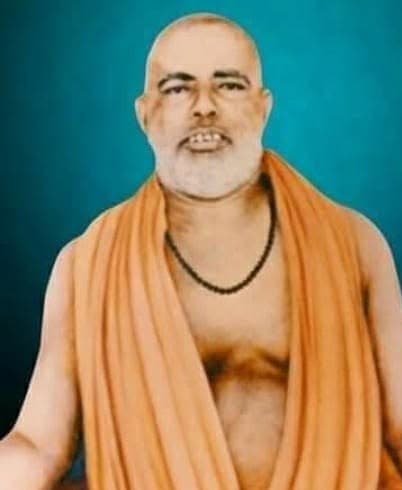
Sri Udiya Baba · Modern
Hindiभावार्थ— वे सैकड़ों आशा-पाशों से बँधे रहते हैं, काम-क्रोध में तत्पर रहते हैं तथा विषयोपभोग के लिए अन्याय से अर्थसञ्चय करने का प्रयत्न करते रहते हैं।
Swami Ramsukhdas · Modern
Hindi'आशापाशशतैर्बद्धाः'—आसुरी सम्पत्तिवाले मनुष्य आशारूपी सैकड़ों पाशोंसे बँधे रहते हैं अर्थात्
मिलती हैं। यदि ऐसा न करें, तो भूखों मरना पड़े!
'कामोपभोगपरमाः'—जो मनुष्य धनादि पदार्थोंका उपभोग करनेके परायण हैं, उनकी तो हरदम यही इच्छा रहती है कि सुख-सामग्रीका खूब संग्रह कर लें और भोग भोग लें। उनको तो भोगोंके लिये धन चाहिये; संसारमें बड़ा बननेके लिये धन चाहिये, सुख-आराम, स्वाद-शौकीनी आदिके लिये धन चाहिये। तात्पर्य है कि उनके लिये भोगोंसे बढ़कर कुछ नहीं है।
'एतावदिति निश्चिताः'—उनका यह निश्चय होता है कि सुख भोगना और संग्रह करना—इसके सिवाय और कुछ नहीं है। इस संसारमें जो कुछ है, यही है। अतः उनकी दृष्टिमें परलोक एक ढकोसला है। उनकी मान्यता रहती है कि मरनेके बाद कहीं आना-जाना नहीं होता। बस, यहाँ शरीरके रहते हुए जितना सुख भोग लें, वही ठीक है; क्योंकि मरनेपर तो शरीर यहीं बिखर जायगा। शरीर स्थिर रहनेवाला है ही नहीं, आदि-आदि भोगोंके निश्चयके सामने वे पाप-पुण्य, पुनर्जन्म आदिको भी नहीं मानते।
उनको 'इतना धन हो जायगा, इतना मान हो जायगा, शरीरमें नीरोगता आ जायगी' आदि सैकड़ों आशाओंकी
१-(१) प्रारब्ध पहले रचा, पीछे रचा शरीर। तुलसी चिन्ता क्यों करे, भज ले श्रीरघुवीर॥
(२) मुरदेको हरि देत है, कपड़े लकड़ी आग। जीवित नर चिन्ता करे, उनका बड़ा अभाग॥
(३) धान नहीं धीणों नहीं, नहीं रूपैयो रोक। जीमण बैठे रामदास, आन मिले सब थोक॥
२-ऐसे ही स्वर्गको माननेवाले सकाम मनुष्य भी कहते हैं कि स्वर्गसे बढ़कर और कुछ नहीं है—'नान्यदस्तीति वादिनः' (गीता २।४२)। उनकी यही कामना रहती है कि मरनेके बाद हम स्वर्गमें जायेंगे और वहाँके दिव्य भोगोंको भोगेंगे। स्वर्गके भोगोंके सामने यहाँके भोग कुछ भी नहीं हैं—ऐसा वे मानते हैं।
३-यावज्जीवेत् सुखं जीवेद् ऋणं कृत्वा घृतं पिबेत्। भस्मीभूतस्य देहस्य पुनरागमनं कुतः॥
फाँसियाँ लगी रहती हैं। आशाकी फाँसीसे बँधे हुए मनुष्योंके पास लाखों-करोड़ों रुपये हो जायें, तो भी उनका मँगतापन नहीं मिटता! उनकी तो यही आशा रहती है कि सन्तोंसे कुछ मिल जाय, भगवान्से कुछ मिल जाय, मनुष्योंसे कुछ मिल जाय। इतना ही नहीं पशु-पक्षी, वृक्ष-लता, पहाड़-समुद्र आदिसे भी हमें कुछ मिल जाय। इस प्रकार उनमें सदा 'खाऊँ-खाऊँ' बनी रहती है। ऐसे व्यक्तियोंकी सांसारिक आशाएँ कभी पूरी नहीं होतीं (गीता—नवें अध्यायका बारहवाँ श्लोक)। यदि पूरी हो भी जायें, तो भी कुछ फायदा नहीं है; क्योंकि यदि वे जीते रहेंगे, तो आशावाली वस्तु नष्ट हो जायगी और आशावाली वस्तु रहेगी, तो वे मर जायेंगे अथवा दोनों ही नष्ट हो जायेंगे।
जो आशारूपी फाँसीसे बँधे हुए हैं, वे कभी एक जगह स्थिर नहीं रह सकते और जो इस आशारूपी फाँसीसे छूट गये हैं, वे मौजसे एक जगह रहते हैं—
**आशा नाम मनुष्याणां काचिदाश्चर्यभुङ्कला।**
**यया बद्धाः प्रधावन्ति मुक्तास्तिष्ठन्ति पंगुवत्॥**
'कामक्रोधपरायणाः'—उनका परम अयन, स्थान काम और क्रोध ही होते हैं* अर्थात् अपनी कामनापूर्ति करनेके लिये और क्रोधपूर्वक दूसरोंको कष्ट देनेके लिये ही उनका जीवन होता है। काम-क्रोधके परायण मनुष्योंका यह निश्चय रहता है कि कामनाके बिना मनुष्य जड़ हो जाता है। क्रोधके बिना उसका तेज भी नहीं रहता। कामनासे ही सब काम होता है, नहीं तो आदमी काम करे ही क्यों? कामनाके बिना तो आदमीका जीवन ही भार हो जायगा। संसारमें काम और क्रोध ही तो सार चीज है। इसके बिना लोग हमें संसारमें रहने ही नहीं देंगे। क्रोधसे ही शासन चलता है, नहीं तो शासनको मानेगा ही कौन?
**परिशिष्ट भाव—'आशापाशशतैर्बद्धाः'—यहाँ 'शतैः' पद अनन्तका वाचक है। जबतक संसारके साथ सम्बन्ध है, तबतक कामनाओंका अन्त नहीं आता। दूसरे अध्यायके इकतालीसवें श्लोकमें आया है—'बहुशाखा ह्यनन्ताश्च बुद्धयोऽव्यवसायिनाम्' 'अव्यवसायी मनुष्योंकी बुद्धियाँ अनन्त और बहुशाखाओंवाली ही होती हैं।' कारण कि उन्होंने अविनाशीसे विमुख होकर नाशवान्को सत्ता और महत्ता दे दी तथा उसके साथ सम्बन्ध जोड़ लिया।**
**'कामक्रोधपरायणाः'—आसुर स्वभाववाले लोग काम और क्रोधको स्वाभाविक मानते हैं। काम और क्रोधके सिवाय उनको और कुछ दीखता ही नहीं, इनसे आगे उनकी दृष्टि जाती ही नहीं। यही उनके परम अयन अर्थात् स्थान हैं।**
मनुष्य समझता है कि क्रोध करनेसे दूसरा हमारे वशमें रहेगा। परन्तु जो मजबूर, लाचार होकर हमारे वशमें हुआ है, वह कबतक वशमें रहेगा? मौका पड़ते ही वह घात करेगा। अतः क्रोधका परिणाम बुरा ही होता है।
क्रोधसे दबाकर दूसरोंको ठीक करना चाहिये, नहीं तो लोग हमारा सर्वस्व छीन लेंगे। फिर तो हमारा अपना कुछ अस्तित्व ही नहीं रहेगा, आदि।
**'ईहन्ते कामभोगार्थमन्यायेनार्थसंचयान्'—आसुरी प्रकृतिवाले मनुष्योंका उद्देश्य धनका संग्रह करना और विषयोंका भोग करना होता है। इस उद्देश्यकी पूर्तिके लिये वे बेईमानी, धोखेबाजी, विश्वासघात, टैक्सकी चोरी आदि करके; दूसरोंका हक मारकर; मन्दिर, बालक, विधवा आदिका धन दबाकर और इस तरह अनेक अन्यान्य पाप करके धनका संचय करना चाहते हैं। कारण कि उनके मनमें यह बात गहराईसे बैठी रहती है कि आजकलके जमानेमें ईमानदारीसे, न्यायसे कोई धनी थोड़े ही हो सकता है? ये जितने धनी हुए हैं, सब अन्याय, चोरी, धोखेबाजी करके ही हुए हैं। ईमानदारीसे, न्यायसे काम करनेकी जो बात है, वह तो कहनेमात्रकी है; काममें नहीं आ सकती। यदि हम न्यायके अनुसार काम करेंगे, तो हमें दुःख पाना पड़ेगा और जीवन-धारण करना मुश्किल हो जायगा। ऐसा उन आसुर स्वभाववाले व्यक्तियोंका निश्चय होता है।**
जो व्यक्ति न्यायपूर्वक स्वर्गके भोगोंकी प्राप्तिके लिये लगे हुए हैं, उनके लिये भी भगवान्ने कहा है कि उन लोगोंकी बुद्धिमें 'हमें परमात्माकी प्राप्ति करना है' यह निश्चय हो ही नहीं सकता (गीता—दूसरे अध्यायका चौवालीसवाँ श्लोक)। फिर जो अन्यायपूर्वक धन कमाकर प्राणोंके पोषणमें लगे हुए हैं, उनकी बुद्धिमें परमात्माप्राप्तिका निश्चय कैसे हो सकता है? परन्तु वे भी यदि चाहें तो परमात्माप्राप्तिका निश्चय करके साधनपरायण हो सकते हैं। ऐसा निश्चय करनेके लिये किसीको भी मना नहीं है; क्योंकि मनुष्य-जन्म परमात्माप्राप्तिके लिये ही मिला है।
* इसी अध्यायके दसवें श्लोकमें आये 'दम्भ, मान और मद' तो उनके साथी होते हैं और यहाँ आये 'काम और क्रोध' उनके आश्रय होते हैं।
सम्बन्ध—आसुर स्वभाववाले व्यक्ति लोभ, क्रोध और अभिमानको लेकर किस प्रकारके मनोरथ किया करते हैं, उसे क्रमशः आगेके तीन श्लोकोंमें बताते हैं।
Although death is waiting patiently for their demise at any moment; to carry them off to hellish worlds of great suffering;
Lord Krishna explains that the demoniac are so involved in the deception of their material manipulations for planetary power and control of planetary wealth, which they amass to the maximum, that they become oblivious to the existence of a higher reality.
The demoniac are deceived in the vastness of their own schemes and undertakings which consumes all of their time as they are constantly endeavouring to keep their power intact.
Simultaneously the demoniac are pursuing their lusts for sense gratification with full power, imagining that it constitutes the apex of success as the highest ambition of all existence.
The demoniac are so completely deluded that they believe that enjoying the objects of the senses is the final goal of all hopes and dreams with no conception more advanced than this.
In this way they deceive and fully shackle themselves in bondage by the illusion of their own hopes and expectations, which keeps them bound inexorably in perdition.