

Bhagavad Gītā · Chapter 16 · Daivāsura Sampad Vibhāga Yoga
एतां दृष्टिमवष्टभ्य नष्टात्मानोऽल्पबुद्धयः
प्रभवन्त्युग्रकर्माणः क्षयाय जगतोऽहिताः
etāṃ dṛṣṭimavaṣṭabhya naṣṭātmāno'lpabuddhayaḥ|prabhavantyugrakarmāṇaḥ kṣayāya jagato'hitāḥ||
Word meanings
एताम् = this
दृष्टिम् = view
अवष्टभ्य = clinging to, holding to
नष्टात्मानः = of ruined, lost self
मानते, = of the world
अल्पबुद्धयः = of little intelligence
उग्रकर्माणः = of terrible deeds
Translation
Clinging to this false view these slow-witted men of a vile disposition and terrible deeds, these enemies of mankind; prove equal only to the destruction of the universe.
Commentary
The commentators seated around this verse
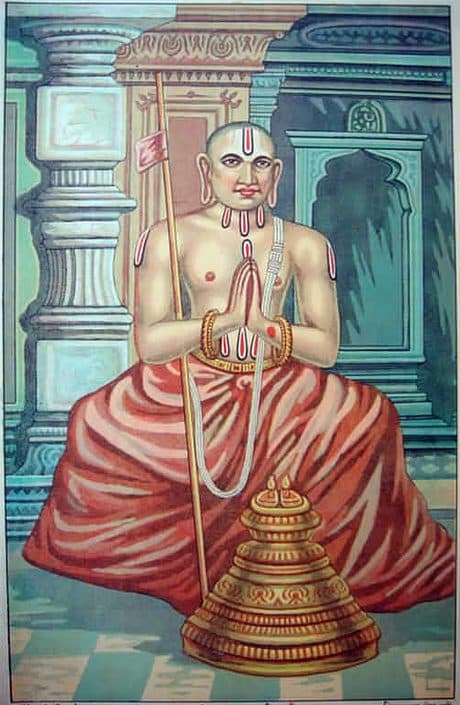
Rāmānuja · Viśiṣṭādvaita
English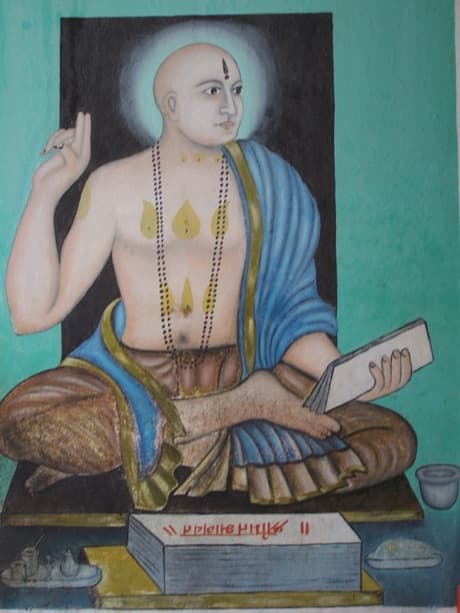
Madhvācārya · Dvaita
SanskritEnglishOn verses 16.8–16.9
“जगतः सत्यं, प्रतिष्ठा ईश्वरश्च विष्णुः - तद्वैपरीत्येन आहुः | तस्योपनिषत् सत्यस्य सत्यमिति | प्राणा वै सत्यं तेषामेव सत्यम् || इति हि श्रुतिः | द्वे वाव ब्रह्मणो रूपे मूर्तं चैवामृतं च मिथं च यच्च सच्च त्वं च || इति च | तस्योपनिषत् सत्यस्य सत्यमिति | एष ह्येवेतत् सादयति यामयति चेति || इति च प्राचीनशालश्रुतिः | परस्परसम्भवो ह्युक्तः अन्नाद् भवन्ति || इत्यादिना ||” - The world is real and established by the Supreme Lord, Sri Vishnu. Contrary to this is spoken by them. Therefore, upanishads say it is the Truth of the Truths. Primal Breath is, verily, the Truth. Of them This is the Truth. This, according to scriptures – “Two-fold are the forms of Brahman, manifest and unmanifest. Of them the established form is the Truth”. Thus in Prachinashala scripture – “Therefore is the upanishad that It is the Truth of the Truth, because He alone destroys and controls”. aparaspar sambhutam means that one is not born from the other. We have already pointed out earlier that “From food are born the creatures” etc.
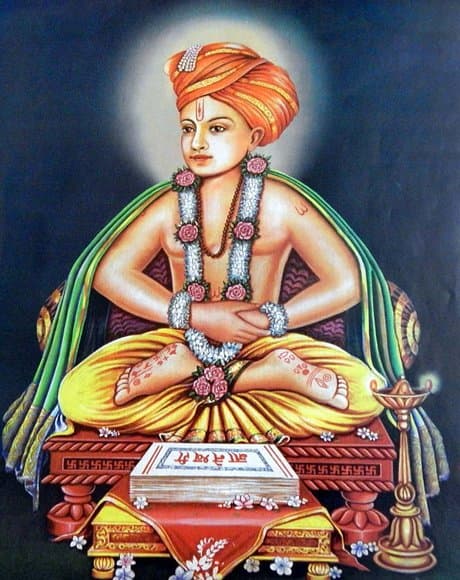
Jñāneśvar · Vārkarī
English9 "To such a view firmly clinging, these lost souls of deficient intellect, fierce in their deeds, and enemies (of mankind), prevail for the destruction of the world. (314)
They feel disgust for God and indulge only in vain talk. There seems nothing like fixity of purpose in them. Nay—they openly espouse and accept in practice the theory of nihilism and plant firmly the doctrine (the bone) of atheism in their heart. Shoots (faint glimmering) of regard for the Heavens, or dread for the Hell (in them, if any) have completely withered. They thus naturally remain fettered in the stocks (खोडा) in the form of the body form, like a bubble of dirty water and sink in the mire of sense objects. The fishermen gather around a deep water-spot at the approach of death to the aquatic animals, consequent on the drying up of water (on that spot): or all the diseases raise their heads up in the human body at its approaching fall, or the comet arises (over the horizon), portending evil to the world: in that way they (Demoniacs) come to birth for causing destruction to creatures in the world. Such persons are as it were the shoots that sprout from the seed in the form of inauspiciousness—in fact they are monumental pillars in motion and erected in honour of sins. The fire knows nothing else but burning (things) all around; in that way they are pastmasters in the art of committing misdeeds. But with what thoughtless and confused enthusiasm they felicitate themselves on performing such acts—"hear, Oh Pārtha", said Shrinivās (Lord Krishna).
Swami Ramsukhdas · Modern
English'Etām drṣṭimavaṣṭabhya'—people possessing demoniac nature, do not know what to do and what to refrain from. They do not possess, either purity or good conduct, or truth. They do not believe, that there is a Lord, who dispenses the fruit of actions of an individual, according to virtues and vices. They hold fast, to this atheistic view.
* The term 'Anīśvara' means that they don't believe in the existence of the Lord. It means that the Lord exists but they don't believe in His existence. So they are obsessed with innumerable cares (16/11) while the believers possessing a divine nature remain carefree and fearless.
'Naṣṭātmānaḥ'—They do not believe in the existence of a soul. They are materialists. They believe, that there is no sentient element, as such, it is merely a mixture of materialistic elements, in it sentiently develops in the same way as a mixture of catechu and lime, produces redness. So, they are totally disinclined towards, sentient (soul). Thus they are ruined, and they lose all chances, of attaining self-realization.
'Alpabuddhayaḥ'—Their understanding (discrimination), is weak. Their intellect, is concerned only with sensual pleasures. They believe in 'eat, drink and be merry'. They cannot distinguish, between the real and the unreal, virtue and vice, good and bad conduct. They have no conception of a soul or the Supreme Being, as their understanding in spiritual matters, is clouded. But their intellect is sharp, in amassing wealth, and enjoying worldly pleasures.
'Ugrakarmānaḥ'—They perform cruel deeds, such as murder etc., because, they are not afraid of God and scriptural ordinances. But, they are afraid of thieves, robbers and government officers.
'Ahitāḥ'—They are, engaged in doing evil, to others and they derive pleasure out of it.
'Jagataḥ kṣayāya prabhavanti'—They apply their power, prosperity and position etc., for the destruction, of other people. They cannot tolerate the progress, of other people. For their selfish motives, they indulge in violence, murder and usurpation etc., without thinking of the pain, which they inflict upon others. Such demoniac people, kill birds and animals, and eat them.
*Link:—The evil ways of such atheists, who are filled with insatiable desires, are described in the next verse.*
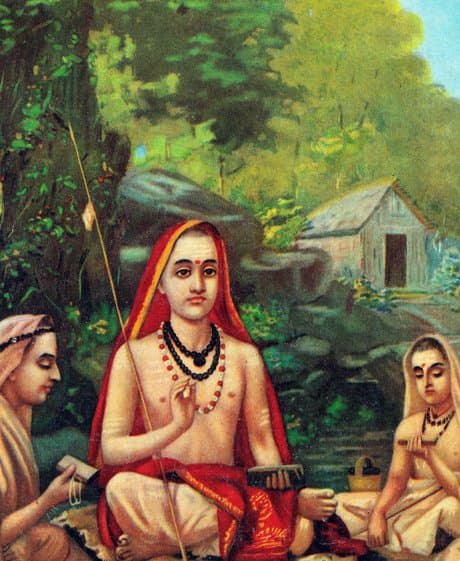
Ādi Śaṅkarācārya · Advaita
Sanskritएतां दृष्टिं अवष्टभ्य आश्रित्य नष्टात्मानः नष्टस्वभावाः विभ्रष्टपरलोकसाधनाः अल्पबुद्धयः विषयविषया अल्पैव बुद्धिः येषां ते अल्पबुद्धयः प्रभवन्ति उद्भवन्ति उग्रकर्माणः क्रूरकर्माणः हिंसात्मकाः । क्षयाय जगतः प्रभवन्ति इति सम्बन्धः । जगतः अहिताः, शत्रवः इत्यर्थः ॥ ते च --
Ādi Śaṅkarācārya · Advaita
HindiOn verses 16.8–16.10
तथा वे—
वे आसुर स्वभाववाले मनुष्य कहा करते हैं कि जैसे हम झूठसे भरे हुए हैं, वैसे ही यह सारा संसार भी झूठा और प्रतिष्ठारहित है, अर्थात् धर्म-अधर्म आदि इसका कोई आधार नहीं है, अतः निराधार है तथा अनीश्वर है, अर्थात् पुण्य-पापकी अपेक्षासे इसका शासन करनेवाला कोई स्वामी नहीं है, अतः यह जगत् बिना ईश्वरका है।
तथा कामसे प्रेरित हुए स्त्री-पुरुषोंका आपसमें संयोग हो जानेसे ही सारा जगत् उत्पन्न हुआ है, अतः इस जगत्का कारण काम ही है, दूसरा और क्या हो सकता है? अर्थात् (इसका) धर्म-अधर्मादि कोई दूसरा अदृष्ट कारण नहीं है, केवल काम ही प्राणियोंका कारण है। यह लोकायतिकोंकी दृष्टि है
शरीरको ही आत्मा माननेवाले एक सम्प्रदायविशेषका नाम 'लोकायतिक' है।
इस दृष्टिका अवलम्बन—आश्रय लेकर जिनका स्वभाव नष्ट हो गया है, जो परलोकसाधनसे भ्रष्ट हो गये हैं, जो अल्पबुद्धि हैं—जिनकी बुद्धि केवल भोगोंको ही विषय करनेवाली है, ऐसे वे अल्पबुद्धि, उग्रकर्मा—क्रूर कर्म करनेवाले, हिंसापरायण संसारके शत्रु, संसारका नाश करनेके लिये ही उत्पन्न होते हैं
कभी पूर्ण न की जा सकनेवाली दुष्पूर कामनाका—इच्छाविशेषका आश्रय—अवलम्बन कर पाखण्ड, मान और मदसे युक्त हुए, अशुद्धाचारी—जिनके आचरण बहुत ही बुरे हैं, ऐसे मनुष्य मोहसे—अज्ञानसे मिथ्या आग्रहोंको, अर्थात् अशुभ सिद्धान्तोंको ग्रहण करके—स्वीकार करके संसारमें बर्तते हैं
Jñāneśvar · Vārkarī
Marathiआणि ईश्वराचिया खंती । नुसधियाचि करिती चांथी । हेंही नाहीं चित्तीं । निश्चयो एकु ॥ ३१४ ॥ किंबहुना उघड । आंगी लाऊनियां पाखांड । नास्तिकपणाचें हाड । रोंविलें जीवीं ॥ ३१५ ॥ ते वेळीं स्वर्गालागीं आदरु । कां नरकाचा अडदरु । या वासनांचा अंकुरु । जळोनि गेला ॥ ३१६ ॥ मग केवळ ये देहखोडां । अमेध्योदकाचा बुडबुडा । विषयपंकीं सुहाडा । बुडाले गा ॥ ३१७ ॥ जैं आटावें होती जळचर । तैं डोहीं मिळतीं ढीवर । कां पडावें होय शरीर । तैं रोगा उदयो ॥ ३१८ ॥ उदैजणें केतूचें जैसें । विश्वा अनिष्टोद्देशें । जन्मती ते तैसे । लोकां आटूं ॥ ३१९ ॥ विरूढलिया अशुभ । फुटती तैं ते कोंभ । पापाचे कीर्तिस्तंभ । चालते ते ॥ ३२० ॥ आणि मागांपुढां जाळणें । वांचूनि आगी कांहीं नेणें । तैसें विरुद्धचि एक करणें । भलतेयां ॥ ३२१ ॥ परी तेंचि गा करणें । आदरिती संभ्रमें जेणें । तो आइक पार्था म्हणे । श्रीनिवासु ॥ ३२२ ॥
Jñāneśvar · Vārkarī
Hindi(16.314) वे आसुर जन ईश्वर के विरुद्ध केवल बकबक ही करते हैं। यह भी नहीं कि अन्तःकरण में कोई एक निश्चय रखते हो।
(16.315) बहुत क्या, निज को खुल्लमखुला पाखण्डी कहला कर अन्तःकरण में मानों नास्तिकता का एक निशान खड़ा कर देते हैं।
(16.316) उस समय स्वर्ग के लिए आदर अथवा नरक का डर आदि वासनाओं का अंकुर ही जल जाता है,
(16.317) और हे सुहृद! वे केवल अपने देहरूपी खोल में विषयरूप कीचड़ में अपवित्र जल के बुलबुले के समान डूब जाते हैं।
(16.318) जलचरों की जब मृत्यु आती है तब देह में दीमर उपस्थित हो जाते हैं, अथवा शरीर छूटने का समय आता है तो रोगों का उदय हो जाता है,
(16.319) अथवा केतु का उदय जैसे जगत् के अहित के हेतु होता है वैसे ही वे आसुर जन लोगों की मृत्यु के लिए ही जन्म लेते हैं।
(16.320) अशुभरूपी वृक्ष उगने पर उसके जो अंकुर फूटे वैसे ही वे हैं; अथवा वे मानों पाप के चलते-फिरते कीर्तिस्तम्भ हैं। (16.321) और अग्नि जैसे आगे-पीछे जलाने के अतिरिक्त और कुछ नहीं जानती वैसे ही वे हर किसी का विपरीत ही करते हैं।
(16.322) अब श्रीकृष्ण पार्थ से कहते हैं कि ऐसे कर्म वे जिस बल के सहाय से करते हैं उसका वर्णन सुनो।)
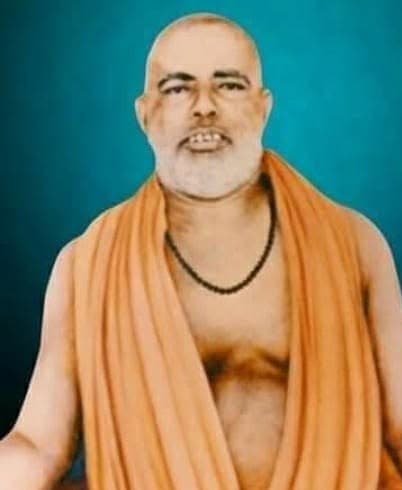
Sri Udiya Baba · Modern
Hindiभावार्थ— इस दृष्टि का आश्रय लेकर जिनका अन्तकरणः दूषित हो गया है वे मन्दमति आहतकारी उग्रकर्मा पुरुष संसार के नाश के निमित्त ही बनते हैं।
व्याख्या— ये लोग ऐसे-ऐसे क्रूरकर्म करते हैं जिनसे संसार को हानि ही पहुँचती है। कहीं आग लगा देना, किसी की हत्या कर देना, दूसरों के अभियोग (मुकदमे) लेकर लड़ना—यही उनके नित्यकृत्य होते हैं।
Swami Ramsukhdas · Modern
Hindi‘एतां दृष्टिमवष्टभ्य’—न कोई कर्तव्य-अकर्तव्य है, न शौचाचार-सदाचार है, न ईश्वर है, न प्रारब्ध है, न पाप-पुण्य है, न परलोक है, न किये हुए कर्मोंका कोई दण्ड-विधान है—ऐसी नास्तिक दृष्टिका आश्रय लेकर वे चलते हैं।
‘नष्टात्मानः’—आत्मा कोई चेतन-तत्त्व है, आत्माकी कोई सत्ता है—इस बातको वे मानते ही नहीं। वे तो इस बातको मानते हैं कि जैसे कल्या और चूना मिलनेसे एक लाली पैदा हो जाती है, ऐसी ही भौतिक तत्त्वोंके मिलनेसे एक चेतनता पैदा हो जाती है। वह चेतन कोई अलग चीज है—यह बात नहीं है। उनकी दृष्टिमें जड़ ही मुख्य होता है। इसलिये वे चेतन-तत्त्वसे बिलकुल ही विमुख रहते हैं। चेतन-तत्त्व-(आत्मा-) से विमुख होनेसे उनका पतन हो चुका होता है।
‘अल्पबुद्धयः’—उनमें जो विवेक-विचार होता है, वह अत्यन्त ही अल्प, तुच्छ होता है। उनकी दृष्टि केवल दृश्य पदार्थोंपर अवलम्बित रहती है कि कमाओ, खाओ, पीओ और मौज करो। आगे भविष्यमें क्या होगा?
परलोकमें क्या होगा? ये बातें उनकी बुद्धिमें नहीं आतीं। यहाँ अल्पबुद्धिका यह अर्थ नहीं है कि हरेक काममें उनकी बुद्धि काम नहीं करती। सत्य-तत्त्व क्या है? धर्म क्या है? अधर्म क्या है? सदाचार-दुराचार क्या है? और उनका परिणाम क्या होता है? इस विषयमें उनकी बुद्धि काम नहीं करती। परन्तु धनादि वस्तुओंके संग्रहमें उनकी बुद्धि बड़ी तेज होती है। तात्पर्य यह है कि पारमार्थिक उन्नतिके विषयमें उनकी बुद्धि तुच्छ होती है और सांसारिक भोगोंमें फँसनेके लिये उनकी बुद्धि बड़ी तेज होती है।
‘उग्रकर्माणः’—वे किसीसे डरते ही नहीं। यदि डरेंगे तो चोर, डाकू या राजकीय आदमीसे डरेंगे। ईश्वरसे, परलोकसे, मर्यादासे वे नहीं डरते। ईश्वर और परलोकका भय न होनेसे उनके द्वारा दूसरोंकी हत्या आदि बड़े भयानक कर्म होते हैं।
‘अहिताः’—उनका स्वभाव खराब होनेसे वे दूसरोंका अहित (नुकसान) करनेमें ही लगे रहते हैं और दूसरोंका नुकसान करनेमें ही उनको सुख होता है।
* ‘अनीश्वर’ पदका तात्पर्य यह है कि आसुरी-सम्पत्तिवाले ईश्वरको नहीं मानते। ‘प्राप्ती सत्यां निषेधः’ इस न्यायके अनुसार यह सिद्ध होता है कि ईश्वरकी सत्ता तो है, पर वे उसे स्वीकार नहीं करते। ईश्वरकी सत्ता न माननेसे वे अपार चिन्ताओंसे घिरे रहते हैं (सोलहवें अध्यायका ग्यारहवाँ श्लोक), पर ईश्वरकी सत्ताको मानकर उसके आश्रित रहनेवाले दैवी-सम्पत्तिवाले मनुष्य निश्चित और निर्भय रहते हैं।
‘जगतः क्षयाय प्रभवन्ति’—उनके पास जो शक्ति है, ऐश्वर्य है, सामर्थ्य है, पद है, अधिकार है, वह सब-का-सब दूसरोंका नाश करनेमें ही लगता है। दूसरोंका नाश ही उनका उद्देश्य होता है। अपना स्वार्थ पूरा सिद्ध हो या थोड़ा सिद्ध हो अथवा बिलकुल सिद्ध न हो, पर वे दूसरोंकी उन्नतिको सह नहीं सकते। दूसरोंका नाश करनेमें ही उनको सुख होता है अर्थात् पराया हक छीनना, किसीको जानसे मार देना—इसीमें उनको प्रसन्नता होती
है। सिंह जैसे दूसरे पशुओंको मारकर खा जाता है, दूसरोंके दुःखकी परवाह नहीं करता और राजकीय स्वार्थी अफसर जैसे दस, पचास, सौ रुपयोंके लिये हजारों रुपयोंका सरकारी नुकसान कर देते हैं, ऐसे ही अपना स्वार्थ पूरा करनेके लिये दूसरोंका चाहे कितना ही नुकसान हो जाय, उसकी वे परवाह नहीं करते। वे आसुर स्वभाववाले पशु-पक्षियोंको मारकर खा जाते हैं और अपने थोड़े-से सुखके लिये दूसरोंको कितना दुःख हुआ—इसको वे सोच ही नहीं सकते।
सम्बन्ध—जहाँ सत्कर्म, सद्भाव और सद्विचारका निरादर हो जाता है, वहाँ मनुष्य कामनाओंका आश्रय लेकर क्या करता है—इसको आगेके श्लोकमें बताते हैं।
Continuing further Lord Krishna gives some precise insights to the demoniac mentality:
1) Avaṣṭabhya means indiscriminately adopting erroneously as in the verse before.
2) naṣṭa-ātmanaḥ means devoid of any contact with their immortal soul.
3) Alpa- buddhayaḥ means limited intellect due to being incognizant of the cognizant.
4) Ugra-karmāṇaḥ means vile, heinous, horrendous activities destructive to all.
Such creatures are demoniac and are a parasitic, virulent virus destabilising all creation.