

Bhagavad Gītā · Chapter 16 · Daivāsura Sampad Vibhāga Yoga
एतैर्विमुक्तः कौन्तेय तमोद्वारैस्त्रिभिर्नरः
आचरत्यात्मनः श्रेयस्ततो याति परां गतिम्
etairvimuktaḥ kaunteya tamodvāraistribhirnaraḥ|ācaratyātmanaḥ śreyastato yāti parāṃ gatim||
Word meanings
कौन्तेय = O son of Kuntī
एतैः = by these
तमोद्वारैः = gates of darkness
विमुक्तः = freed
नरः = a man
आत्मनः = of the self
श्रेयः = what is good
आचरति = practices
ततः = than that
पराम् = supreme
गतिम् = state
याति = reaches
Translation
Freed from these three gates of hell, man works his own salvation and thereby attains the supreme goal i.e., God.
Commentary
The commentators seated around this verse
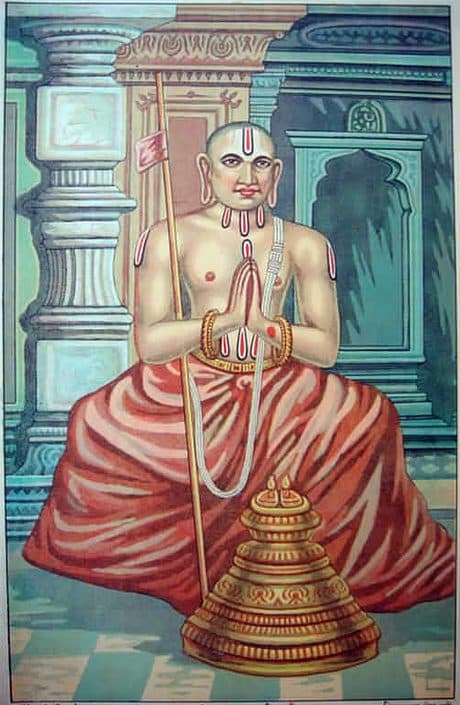
Rāmānuja · Viśiṣṭādvaita
English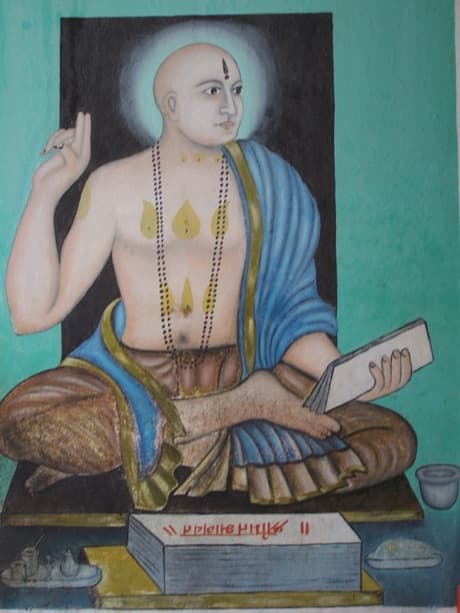
Madhvācārya · Dvaita
SanskritEnglishOn verses 16.21–16.24
“मामात्मपरदेहेषु इति | न कस्यचिद् विष्णुः कारयिता, यदि स्यान्मामपीदानीं कारयतु - इत्यादि | ईश्वरो यदि सर्वस्य कारकः कारयीत माम् | अद्येति वादिनं वृथात् सदाऽधो यास्यसीति तु || इति हि सामवेदे यास्कश्रुतिः ||” - मामात्मपरदेहेषु means when the actions are not motivated by the Lord. “None of them are the actions prompted by Sri Vishnu. If that were not so, then He would not have said ‘I have not prompted these actions’. “If all the actions are said to be His, then let my actions be performed by Him, such ones would be required to be told that they will go to eternal hell, thus according to Yaska scripture of Samaveda.”
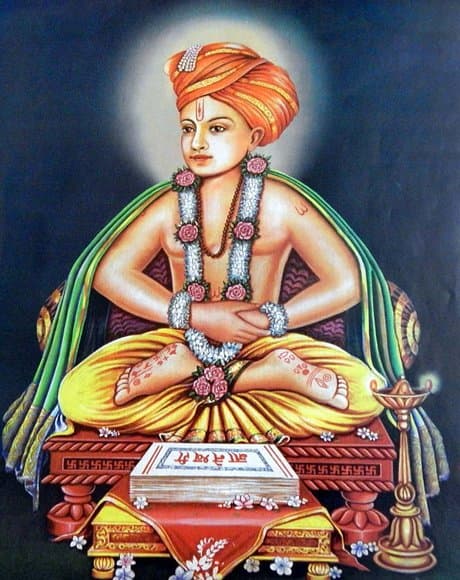
Jñāneśvar · Vārkarī
English22 "Released, O Son of Kunti, from these three gates of darkness, (if) a man works and follows his higher good, he thereupon attains the Highest Goal. (433)
"One should think of the Four Objects of Life (of a human being) such as Religion and others, only after abandoning this triad (of demerits). My ears refuse to hear of anybody being able to secure good (a state of bliss) so long as these three are awake (active) in that being," said the Lord. He further said, "One who has some regard for his soul, and feels afraid of self-destruction, should be careful and avoid association with them. To expect any success in one's undertaking, while associating with Passion, Wrath and Greed, is like trying to swim, on the strength of one's arms, with a stone tied round one's abdomen, or like having a meal of deadly poison for saving one's life: and so (even) the least trace of them should be wiped out altogether. If ever this chain of three links gets snapped, then only can one walk along his path very comfortably. One whom the triad of passions, etc. has forsaken, becomes happy like a body freed from the three bodily humours (in disorder), or like a town free from the triad of (i) malicious disclosure of misdeeds (चाहाड़ी), (ii) theft (चोरी) (iii) harlotry (शिद्दकी), or like a heart free from the three afflictions (viz. आध्यात्मिक—Corporal, आधिभौतिक—physical, and आधिदैविक—Supernatural), and secures the association of the righteous along the road to liberation. So also on the might of the company of the virtuous and on the strength of good and Scriptural guidance, one can transcend the rocky and barren woods in the form of births and deaths. And then he reaches, through the grace of the preceptor, the town where abides eternal bliss of the Self. There he meets the Self, the Mother, the highest (ultimate) limit of love, and with that meeting, is heard no more the (jaring) sound of the beating of the kettle drums of mundane existence. And he alone, who frees himself by sweeping away the triad of Passion, Wrath and Greed, becomes the master of such a great gift.
Swami Ramsukhdas · Modern
English'Etairvimuktaḥ kaunteya tamodvāraistribhirnaraḥ ācaratyātmanaḥ śreyastato yāti parāṁ gatim'—Desire, anger and greed, which were termed the gates of hell in the preceding verse, have been called the gates to darkness, in this verse. Darkness is born of ignorance (Gītā 14/8). A man, swayed by the gates of hell, never thinks "These riches, wife, family and friends, were neither with me, nor will remain in future, and at present also they are separating from me. If I have a sense of mine, with them, I may be damned." It means, that desire for prosperity, pleasure and other worldly things, which are transitory and perishable, leads, a man to darkness. He does not think of the consequences, of his attachment for them. But, he who having been free from desire etc., practises what is good for him, attains the Supreme Goal. So a striver, should be cautious, against desire, anger and greed.
A striver, practises spiritual discipline, to purify himself of
evil feelings, and evil conduct, but he does not pay attention to evil propensities, such as desire (lust) and greed etc., which he possesses. So a striver, should be on guard against these. Moreover, he should think of the Lord with form or without form from early morning, till late at night, and from the day he has realized His importance, to the time of death.
The term, 'Etairvimuktah' (liberated from these), does not mean, that a striver after being free from evil conduct, should follow spiritual discipline. But it means, that a striver having the aim of God-realization, should try to be free from desire, anger, greed and other evil propensities. It is because of these propensities, that a striver, commits sins and does not progress spiritually. In fact, a man (soul) being a fragment of God, is sentient, pure and naturally, a store of bliss, but his inclination towards the world, has resulted in impurity in him, so if he develops a disinclination, towards the world, he would naturally, make spiritual progress.
The expression 'Śreyah ācarati' (practises what is good) means, that a striver should perform only prescribed actions, and not prohibited ones. He should not translate, the evil propensities (such as desire or lust and anger), into practice. He should try his best to be free, from them. If he finds that his efforts are going in vain, he should invoke the Lord, and pray to Him to liberate him from these evils. Gosvāmī Tulasīdāsa prays, to God, 'O Lord, my heart is Your residence, but several thieves (evils), have settled there. I request them to leave it. But they want to reside there, forcibly' (Vinaya Patrikā 125/2-3). It means, that he is unable to be free, from these evils. So he seeks refuge in Him, so that He may protect him, from these.
**Appendix**—'Etairvimuktah'—To be free from desire, anger and greed means—to have the aim to renounce them and not to be swayed by them. Even the virtuous action performed out of desire, anger or greed, is not conducive to salvation. So a striver should be very careful to renounce them. Even the virtuous
conduct, such as chanting the Lord's holy names and meditating on Him, does not lead to salvation, unless the striver renounces them, because they are the root causes of sins (Gītā 3/37).
It is because of desire, anger and greed that righteousness and ethical propriety of the society are lost; which is very harmful for the world. The men of demoniac nature are steeped in desires, anger and greed. They perform virtuous actions such as religious sacrifice and offer charity for mere ostentation, not for salvation. But the strivers of divine nature, instead of being overpowered by desire, anger and greed, perform virtuous actions for their salvation, which naturally involves the welfare of the world. The men of demoniac nature are envious of such strivers and they think them to be senseless (foolish); but these strivers take pity on those men of demoniac disposition and pray to God to provide them with good sense (moral sense).
*Link:—Those, who practise what is good for them, attain the Supreme Goal. But, what happens to those, who act according to their own sweet will, and cast aside the ordinance of scriptures. The Lord, answers in the next verse.*
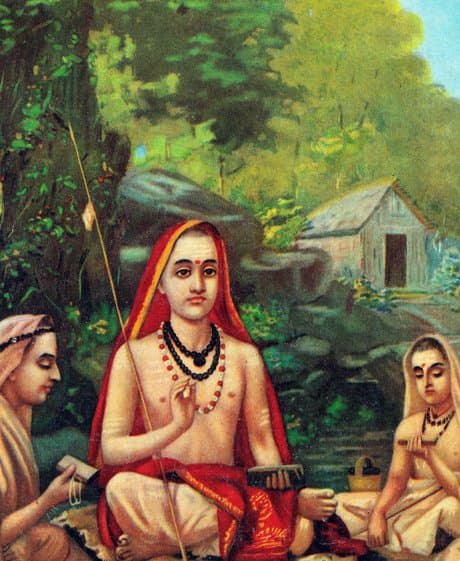
Ādi Śaṅkarācārya · Advaita
Sanskritएतैः विमुक्तः कौन्तेय तमोद्वारैः तमसः नरकस्य दुःखमोहात्मकस्य द्वाराणि कामादयः तैः, एतैः त्रिभिः विमुक्तः नरः आचरति अनुतिष्ठति । किम्? आत्मनः श्रेयः । यत्प्रतिबद्धः पूर्वं न आचचार, तदपगमात् आचरति । ततः तदाचरणात् याति परां गतिं मोक्षमपि इति ॥ सर्वस्य एतस्य आसुरीसम्पत्परिवर्जनस्य श्रेयाचरणस्य च शास्त्रं कारणम् । शास्त्रप्रमाणात् उभयं शक्यं कर्तुम्, न अन्यथा । अतः --
Ādi Śaṅkarācārya · Advaita
Hindiहे कुन्तीपुत्र! ये काम आदि दुःख और मोहरूप अन्धकारमय नरकके द्वार हैं इन तीनों अवगुणोंसे छूटा हुआ मनुष्य आचरण करता है—साधन करता है। क्या साधन करता है? आत्मकल्याणका साधन, पहले जिन कामादिके वशमें होनेसे नहीं करता था, अब उनका नाश हो जानेसे करता है, और उस साधनसे (वह) परमगति-को, अर्थात् मोक्षको भी प्राप्त कर लेता है
Jñāneśvar · Vārkarī
Marathiधर्मादिकां चौंही आंतु । पुरुषार्थाची तैंचि मातु । करावी जैं संघातु । सांडील हा ॥ ४३३ ॥ हे तिन्ही जीवीं जंव जागती । तंववरी निकियाची प्राप्ती । हे माझे कान नाइकती । देवोही म्हणे ॥ ४३४ ॥ जया आपणपें पढिये । आत्मनाशा जो बिहे । तेणें न धरावी हे सोये । सावधु होईजे ॥ ४३५ ॥ पोटीं बांधोनि पाषाण । समुद्रीं बाहीं आंगवण । कां जियावया जेवण । काळकूटाचें ॥ ४३६ ॥ इहीं कामक्रोधलोभेंसी । कार्यसिद्धि जाण तैसी । म्हणौनि ठावोचि पुसीं । ययांचा गा ॥ ४३७ ॥ जैं कहीं अवचटें । हे तिकडी सांखळ तुटे । तैं सुखें आपुलिये वाटे । चालों लाभे ॥ ४३८ ॥ त्रिदोषीं सांडिलें शरीर । त्रिकुटीं फिटलिया नगर । त्रिदाह निमालिया अंतर । जैसें होय ॥ ४३९ ॥ तैसा कामादिकीं तिघीं । सांडिला सुख पावोनि जगीं । संगु लाहे मोक्षमार्गीं । सज्जनांचा ॥ ४४० ॥ मग सत्संगें प्रबळें । सच्छास्त्राचेनि बळें । जन्ममृत्यूचीं निमाळें । निस्तरें रानें ॥ ४४१ ॥ ते वेळीं आत्मानंदें आघवें । जें सदा वसतें बरवें । तें तैसेंचि पाटण पावे । गुरुकृपेचें ॥ ४४२ ॥ तेथ प्रियाची परमसीमा । तो भेटे माउली आत्मा । तयें खेवीं आटे डिंडिमा । सांसारिक हे ॥ ४४३ ॥ ऐसा जो कामक्रोधलोभां । झाडी करूनि ठाके उभा । तो येवढिया लाभा । गोसावी होय ॥ ४४४ ॥
Jñāneśvar · Vārkarī
Hindi(16.433) धर्म, अर्थ, काम और मोक्ष इन चारों में से कोई भी पुरुषार्थ तभी सिद्ध हो सकता है जब इस दोष-समुदाय का त्याग किया जाय।
(16.434) जब तक ये तीनों जागृत हैं तब तक देव भी कहते हैं कि कल्याण की प्राप्ति की वार्ता हमारे कान नहीं सुन सकते। (16.435) जिसे निज की प्रीति हो, जो आत्मनाश से डरता हो उसे यह मार्ग ही न लेना चाहिए तथा सावधान रहना चाहिए।
(16.436) समुद्र में तैरने के लिए जैसे कोई छाती से पत्थर बाँध कर कूदे, अथवा जीते रहने के लिए कालकूट भाजन करे,
(16.437) वैसी कार्यसिद्धि इन काम, क्रोध और लोभ से होती है। इसलिए इनका नाम ही मिटा दो।
(16.438) जो कदाचित् यह तीन कड़ियों की साँकल टूट जाय तो अपने मार्ग से सुख से चलते बनेगा।
(16.439) त्रिदोष शरीर से निकल जायँ, चुगली, चोरी, छिनाली, तीनों दुर्गुणों से नगर मुक्त हो जाय, अथवा अन्तःकरण के आध्यात्मिक, आधिभौतिक और आधिदैविक सन्ताप शान्त हो जाये, तो जैसा सुख होता है
(16.440) वैसा ही सुख संसार में काम आदि तीनों दोषों का त्याग करने से प्राप्त होता है, तथा मोक्ष-मार्ग में सज्जनों की संगति प्राप्त होती है।
(16.441) फिर प्रबल सत्संग से और सच्छास्त्र के बल से जन्म-मृत्यु-रूपी पथरीला जंगल पार हो सकता है (16.442) और फिर गुरुकृपा से उस नगरी का लाभ होता है जो सदा भली भाँति सम्पूर्ण आत्मानन्द से बसी है।
(16.443) वहाँ प्रेमियों की जो परम सीमा हैं उस आत्मा-रूपी माता की भेंट होती है और उसे हृदय से लगाते ही यह सांसारिक कोलाहल बन्द है जाता है।
(16.444) अतः जो काम-क्रोध-लोभ को झटकार कर इनसे दूर खड़ा होगा वही ऐसे लाभ का स्वामी होगा।
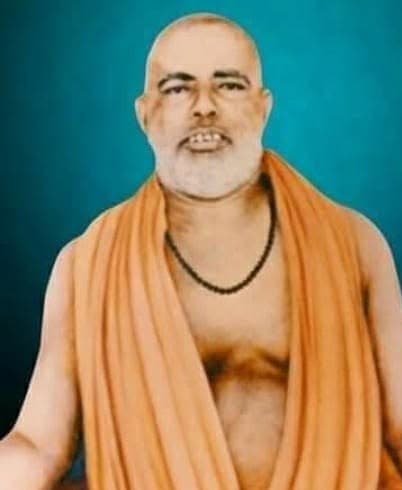
Sri Udiya Baba · Modern
Hindiसंगति— अगले श्लोक में कामादि के त्याग का फल बतलाते हैं—
भावार्थ— हे कौन्तेय! अज्ञान के द्वारा इन तीनों दोषों से मुक्त हुआ पुरुष अपने कल्याण के लिए आचरण करता है और उससे परमगति प्राप्त कर लेता है।
Swami Ramsukhdas · Modern
Hindi'एतैर्विमुक्तः कौन्तेय ...' ततो याति परां गतिम्'—पूर्वश्लोकमें जिनको नरकका दरवाजा बताया गया है, उन्हीं काम, क्रोध और लोभको यहाँ 'तमोद्वार' कहा गया है। 'तम' नाम अन्धकारका है, जो अज्ञानसे उत्पन्न होता है—'तमस्त्वज्ञानजं विद्धि' (गीता १४।८)। तात्पर्य है कि इन काम आदिके कारण 'मेरे साथ ये धन-सम्पत्ति, स्त्री-पुरुष, घर-परिवार आदि पहले भी नहीं थे और पीछे भी नहीं रहेंगे और अब भी इनसे प्रतिक्षण वियोग हो रहा है; अतः इनमें ममता करनेसे आगे मेरी क्या दशा होगी' आदि बातोंकी तरफ दृष्टि जाती ही नहीं अर्थात् बुद्धिमें अन्धकार छाया रहता है। अतः इन
अपनी उन्नति करनेके लिये इन तीनों दोषोंको हितकारी मान लेते हैं। उनका यही भाव रहता है कि हमलोग काम आदिसे सुख पायेंगे, आरामसे रहेंगे, खूब भोग भोगेंगे। यह भाव ही उनका पतन कर देता है।
**'तस्मादेतत्त्रयं त्यजेत्'**—ये काम, क्रोध आदि नरकोंके दरवाजे हैं। इसलिये मनुष्य इनका त्याग कर दे। इनका त्याग कैसे करे? तीसरे अध्यायके चौतीसवें श्लोकमें भगवान्ने बताया है कि प्रत्येक इन्द्रियके विषयमें अनुकूलता और प्रतिकूलताको लेकर राग (काम) और द्वेष (क्रोध) स्थित रहते हैं। साधकको चाहिये कि वह इनके वशीभूत न हो। वशीभूत न होनेका अर्थ है कि काम, क्रोध, लोभको लेकर अर्थात् इनके आश्रित होकर कोई कार्य न करे; क्योंकि इनके वशीभूत होकर शास्त्र, धर्म और लोकमर्यादाके विरुद्ध कार्य करनेसे मनुष्यका पतन हो जाता है।
काम आदिसे मुक्त होकर जो अपने कल्याणका आचरण करता है, वह परमगतिको प्राप्त हो जाता है। इसलिये साधकको इस बातकी विशेष सावधानी रखनी चाहिये कि वह काम, क्रोध और लोभ—तीनोंसे सावधान रहे। कारण कि इन तीनोंको साथमें रखते हुए जो साधन करता है, वह वास्तवमें असली साधक नहीं है। असली साधक वह होता है, जो इन दोषोंको अपने साथ रहने ही नहीं देता। ये दोष उसको हर समय खटकते रहते हैं; क्योंकि इनको साथमें रहनेका अवसर देना ही बड़ी भारी गलती है।
मनुष्य साधनकी तरफ तो ध्यान देते हैं, पर साथमें जो काम-क्रोधादि दोष रहते हैं, उनसे हमारा कितना अहित
होता है—इस तरफ वे ध्यान कम देते हैं। इस कमीके कारण ही साधन करते हुए सदाचार भी होते रहते हैं और दुराचार भी होते रहते हैं; सद्गुण भी आते हैं और दुर्गुण भी साथ रहते हैं। जप, ध्यान, कीर्तन, सत्संग, स्वाध्याय, तीर्थ, व्रत आदि करके हम अपनेको शुद्ध बना लेंगे—ऐसा भाव साधकमें विशेष रहता है; परन्तु जो हमें अशुद्ध कर रहे हैं, उन दुर्गुण-दुराचारोंको हटानेका खयाल साधकमें कम रहता है, इसलिये—
**आसुप्तेरामृते कालं नयेद् वेदान्तचिन्तया।**
**न वा दद्यादवसरं कामादीनां मनागपि॥**
नींद खुलनेसे लेकर नींद आनेतक और जिस दिन पता लगे, उस दिनसे लेकर मौत आनेतक—सब-का-सब समय परमात्मतत्त्वके (सगुण-निर्गुणके) चिन्तनमें ही लगाये। चिन्तनके सिवाय काम आदिको किंचिन्मात्र भी अवसर न दे।
‘एतैर्विमुक्तः’ का यह मतलब नहीं है कि जब हम दुर्गुण-दुराचारोंसे सर्वथा छूट जायेंगे, तब साधन करेंगे; किंतु साधकको भगवत्प्राप्तिका मुख्य उद्देश्य रखकर इनसे छूटनेका भी लक्ष्य रखना है। कारण कि झूठ, कपट, बेईमानी, काम, क्रोध आदि हमारे साथमें रहेंगे, तो नयी-नयी अशुद्धि—नये-नये पाप होते रहेंगे, जिससे साधनका
साक्षात् लाभ नहीं होगा। यही कारण है कि वर्षांतक साधनमें लगे रहनेपर भी साधक अपनी वास्तविक उन्नति नहीं देखते, उनको अपनेमें विशेष परिवर्तनका अनुभव नहीं होता। इन दोषोंसे रहित होनेपर शुद्धि स्वतःस्वाभाविक आती है। जीवमें अशुद्धि तो संसारकी तरफ लगनेसे ही आयी है, अन्यथा परमात्माका अंश होनेसे वह तो स्वतः ही शुद्ध है—
**ईस्वर अंस जीव अविनासी। चेतन अमल सहज सुखरासी॥**
(मानस ७। ११७। १)
‘श्रेयः आचरति’ का तात्पर्य यह है कि काम, क्रोध और लोभ—इनमेंसे किसीको भी लेकर आचरण नहीं होना चाहिये अर्थात् असाधन—(निषिद्ध आचरण—) से रहित शुद्ध साधन होना चाहिये। भीतरमें कभी कोई वृत्ति आ भी जाय, तो उसको आचरणमें न आने दे। अपनी तरफसे तो (काम, क्रोधादिकी) वृत्तियोंको दूर करनेका ही उद्योग करे। अगर अपने उद्योगसे न दूर हों तो ‘हे नाथ! हे नाथ!! हे नाथ!!!’ ऐसे भगवान्को पुकारे। गोस्वामी तुलसीदासजी महाराज कहते हैं—
**मम हृदय भवन प्रभु तोरा। तर्ह बसे आइ बहु चोरा॥ अति कठिन करहि बरजोरा। मानहि नहि विनय निहोरा॥**
(विनय-पत्रिका १२५। २-३)
**परिशिष्ट भाव—‘एतैर्विमुक्तः’—**काम-क्रोध-लोभसे रहित होनेका तात्पर्य है—इनके त्यागका उद्देश्य रखना, इनके वशमें न होना। कामसे, क्रोधसे अथवा लोभसे किया गया शुभकर्म भी कल्याणकारक नहीं होता। इसलिये इनके त्यागकी तरफ विशेष ध्यान देना चाहिये। काम-क्रोध-लोभको पकड़े रहनेसे कल्याणका आचरण (जप, ध्यान आदि) करनेपर भी कल्याण नहीं होता; क्योंकि ये सम्पूर्ण पापोंके कारण हैं (गीता—तीसरे अध्यायका सैंतीसवाँ श्लोक)।
काम-क्रोध-लोभके कारण धर्म और समाजकी मर्यादा नष्ट हो जाती है, जिससे दुनियाका बड़ा अहित होता है। आसुरी स्वभाववाले मनुष्य काम-क्रोध-लोभके परायण होते हैं। वे यज्ञ, दान आदि सब शुभकर्म नाममात्रके लिये करते हैं, अपने कल्याणके लिये कुछ नहीं करते। परन्तु दैवी-सम्पत्तिवाले साधक काम-क्रोध-लोभके वशमें न होकर अपने कल्याणका आचरण करते हैं, जिससे दुनियाका स्वतः हित होता है। आसुरी मनुष्य ऐसे साधकोंको बेसमझ समझते हैं और इनसे द्वेष रखते हैं, पर इन साधकोंको उन आसुरी मनुष्योंपर दया आती है और वे उनको सद्बुद्धि देनेके लिये भगवान्से प्रार्थना करते हैं।
सम्बन्ध—जो अपने कल्याणके लिये शास्त्रविधिके अनुसार चलते हैं, उनको तो परमगतिकी प्राप्ति होती है, पर जो ऐसा न करके मनमाने ढंगसे आचरण करते हैं, उनकी क्या गति होती है—यह आगेके श्लोकमें बताते हैं।
Lust, greed and anger are all situated deep in tama-guṇa the mode of ignorance and as such cause the demoniac to be deluded by immense illusion regarding the factual reality of the Supreme Lord Krishna.
Although difficult to rectify the jīva or embodied being who is able to avert them can escape their control and employ themselves in a manner that is conducive to the development of spiritual consciousness and ātma tattva or realisation of the soul.
Any jīva who achieves actual, factual knowledge of Lord Krishna as the creator of all and His absolute paramount position as the Supreme Lord of all existence, will naturally develop reverence for Him.
This results in a harmonious spirit attuned with the divine nature, cooperation with His devotees and the utmost respect for all life and creation.
From this point of consciousness one will attain association with Lord Krishna's devotees and by their mercy proceed to attaining the sublime, ultimate goal under their guidance.
That disregard and disrespect for the ordinances and injunctions of the Vedic scriptures is the main reason why a jīva will be forced to go and suffer in hell is explained next.